
Not Just a Phase: Understanding Persistent Sadness in Young Kids


Welcome to Mind Care Guide, a place where understanding and support meet. Seeing your child struggle can be heartbreaking, and sometimes, what seems like a passing phase might be something more. Are you worried about persistent sadness in young children? You're not alone. Let's explore the signs, understand the potential causes, and discover pathways to help them rediscover joy. What if there's a way to navigate this difficult time together?
Not Just a Phase: Understanding Persistent Sadness in Young Kids
- Understanding Persistent Sadness in Early Childhood
- Identifying the Signs and Symptoms of Childhood Depression
- Causes and Contributing Factors to Persistent Sadness in Young Kids
- Diagnosing Persistent Sadness in Young Children
- Effective Treatment Options for Persistent Sadness in Young Children
- Supporting a Child Experiencing Persistent Sadness: A Parent's Guide
- Long-Term Outlook and Management of Childhood Depression
- Resources for Parents and Caregivers of Children with Depression
-
Frequently Asked Questions
- What are some signs that my young child's sadness is more than just a passing phase?
- How common is persistent sadness in young children?
- What factors can contribute to persistent sadness in young children?
- What are some effective strategies for helping a young child experiencing persistent sadness?
- When should I seek professional help for my young child's persistent sadness?
- Final Reflection: The Enduring Shadow of Childhood Sadness
- Unlock Your Child's Joy: Practical Steps to Support Their Wellbeing
Understanding Persistent Sadness in Early Childhood
What is Persistent Sadness in Young Children? Defining the Condition
Persistent sadness in young children refers to a state of chronic unhappiness or low mood that extends beyond a typical period of temporary sadness or disappointment. Unlike the fleeting moments of sadness that are a normal part of childhood development, persistent sadness is characterized by its duration and intensity, significantly impacting a child's daily functioning, relationships, and overall well-being.
It's crucial to understand that this isn't merely a behavioral issue or a phase they will simply grow out of; it can be an early indicator of a mood disorder, such as depression. Recognizing persistent sadness in young children requires careful observation and a deep understanding that their expression of distress may differ significantly from that of adults or even older children.
This sustained state of emotional distress can manifest in various ways, making it challenging to pinpoint. While adults might articulate feelings of hopelessness or despair, a young child experiencing persistent sadness might show increased irritability, withdrawal from activities they once enjoyed, or somatic complaints like stomachaches or headaches without a clear medical cause. The term "persistent" is key here, typically referring to a period lasting two weeks or longer, although even shorter periods warrant attention if the symptoms are severe or concerning. Addressing persistent sadness young children experience is vital for early intervention and improving long-term outcomes.
Differentiating Normal Sadness from Persistent Unhappiness in Kids
Distinguishing between the normal, transient sadness that all children experience and the more concerning pattern of persistent unhappiness requires careful observation and context. Normal sadness in young kids is usually a reaction to a specific event, such as losing a toy, a friend moving away, or being disciplined. It is typically short-lived, and the child can usually be comforted or distracted, returning to their usual cheerful self within a relatively short period. These moments are part of healthy emotional development, teaching children how to cope with disappointment and build resilience.
In contrast, persistent sadness in young children lacks this transient quality. It often seems disproportionate to any identifiable trigger or persists long after the triggering event has passed. The child may appear unhappy or irritable most of the day, nearly every day, for weeks on end.
They might lose interest in play, social interactions, or schoolwork, activities they previously found enjoyable. While a child experiencing normal sadness might cry for a bit and then move on, a child with persistent sadness might exhibit a pervasive low mood, difficulty being comforted, or even express feelings of worthlessness or guilt, which are atypical for normative early childhood emotional expression. Understanding this distinction is the first step in recognizing when professional help might be needed for persistent sadness young children are experiencing.
Identifying the Signs and Symptoms of Childhood Depression
Recognizing the Behavioral Indicators of Persistent Sadness
Behavioral changes are often the most noticeable signs of persistent sadness in young children. A previously energetic and engaged child might become withdrawn, quiet, and show a marked decrease in activity level. They may stop playing with friends, avoid family activities, or lose interest in hobbies they once loved, such as drawing or building blocks. Increased irritability, rather than overt sadness, is a common presentation in younger children. They might have frequent tantrums, become easily frustrated, or act out aggressively, which can sometimes be misinterpreted as defiance rather than a symptom of underlying distress.
Other behavioral indicators can include changes in sleep patterns, such as difficulty falling asleep, frequent waking during the night, or sleeping significantly more than usual. Similarly, changes in appetite, leading to significant weight loss or gain, can be a sign. Some children might exhibit increased clinginess or separation anxiety, while others might become unusually quiet or non-communicative. A decline in school performance or a refusal to attend school can also signal persistent sadness young children are struggling with, as their emotional state impacts their ability to concentrate and engage in learning.
Physical Symptoms Associated with Depression in Young Children
It's common for psychological distress in young children to manifest physically. Children experiencing persistent sadness may complain of frequent, unexplained physical ailments such as headaches, stomachaches, or nausea. These symptoms often lack a clear medical cause and may worsen during times of stress or when the child is expected to engage in activities they are now avoiding. These somatic complaints can be a child's way of expressing emotional pain when they lack the vocabulary or understanding to articulate their feelings of persistent sadness.
Fatigue and low energy are also significant physical symptoms. A child might appear constantly tired, lack the usual energy for play, or seem physically drained even after adequate rest. This isn't just about feeling sleepy; it's a pervasive lack of vitality that affects their ability to participate in daily life. Parents and caregivers might notice the child moving slower, being less active, or having difficulty keeping up with peers. These physical manifestations of persistent sadness young children exhibit are important clues that shouldn't be dismissed as simply being "under the weather" repeatedly.
Emotional Manifestations of Childhood Sadness
While overt sadness might not always be the primary presentation, certain emotional states are indicative of persistent sadness in young children. Beyond irritability, children might display excessive crying or tearfulness, sometimes without an apparent trigger. They may seem unusually sensitive to criticism or rejection. Feelings of guilt or worthlessness, although less commonly verbalized by very young children, can manifest as self-blame for problems or a pervasive sense of being "bad."
A hallmark emotional sign is a loss of pleasure or interest in nearly all activities, a state known as anhedonia. Things that once brought joy, like playing with a favorite toy, seeing a beloved family member, or going to the park, no longer elicit a positive response. The child may appear flat emotionally, showing little excitement, joy, or even curiosity.
They might talk about feeling "empty" or "sad" constantly, or express negative thoughts about themselves or their future, which is particularly concerning in this age group. Recognizing these emotional shifts is crucial when assessing persistent sadness young children may be experiencing.
Causes and Contributing Factors to Persistent Sadness in Young Kids
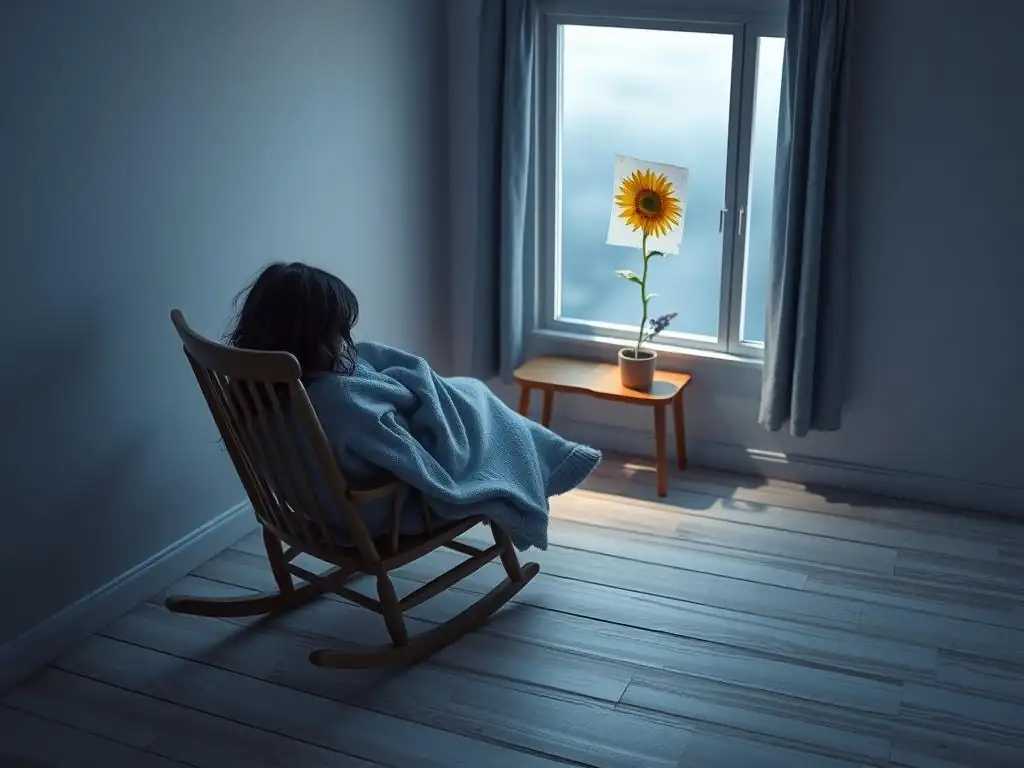
Genetic Predisposition and Family History of Depression
Research indicates that there is a significant genetic component to depression, including early-onset forms. Children with a family history of depression or other mood disorders are at a higher risk of experiencing persistent sadness themselves. While genetics don't guarantee a child will develop depression, they can create a vulnerability.
Studies have shown that children with a parent who has experienced depression are approximately three to four times more likely to experience depression themselves compared to children without such a family history. This doesn't pinpoint a single "depression gene" but suggests that a combination of genetic factors can influence brain chemistry and stress reactivity, making a child more susceptible to developing persistent sadness.
Understanding this genetic link is important for families. It highlights the need for increased awareness and proactive monitoring for signs of persistent sadness young children may exhibit, especially in households where mental health conditions are present. This knowledge can empower parents to seek early intervention if concerns arise, potentially mitigating the impact of genetic predisposition through supportive environments and timely treatment.
Environmental Factors Contributing to Childhood Depression
A child's environment plays a crucial role in their mental health. Exposure to chronic stress, instability, or negativity in the home or school environment can significantly contribute to the development of persistent sadness in young children. This can include factors such as parental conflict or divorce, living in poverty, frequent moves, or exposure to violence in the community. A chaotic or unsupportive home environment where a child does not feel safe, loved, or understood can erode their sense of security and well-being, making them more vulnerable to persistent sadness.
School-related stressors, even at a young age, can also be impactful. Difficulties with peers, bullying, or academic pressures that are overwhelming for the child can contribute to feelings of inadequacy and sadness. Lack of opportunities for positive social interaction and play, which are essential for healthy development, can also be detrimental. These environmental factors don't act in isolation; they often interact with genetic predispositions and individual temperament to increase the risk of a child experiencing persistent sadness.
The Role of Trauma and Adverse Childhood Experiences
Traumatic experiences and adverse childhood experiences (ACEs) are significant risk factors for the development of persistent sadness and depression in children. ACEs encompass a range of potentially traumatic events that occur in childhood, such as abuse (physical, emotional, or sexual), neglect (physical or emotional), household dysfunction (e.g., parental mental illness, substance abuse, domestic violence, incarcerated relative), and experiencing discrimination. Exposure to even a single traumatic event, like a serious accident or a natural disaster, can also have a profound impact on a young child's emotional state.
The developing brain of a young child is particularly vulnerable to the effects of trauma. These experiences can disrupt normal brain development, affecting areas responsible for regulating mood, stress response, and emotional processing. Children who have experienced trauma may live in a state of heightened alert or emotional dysregulation, making them more susceptible to prolonged periods of sadness, anxiety, and other mental health challenges. Addressing the impact of trauma is often a critical component in treating persistent sadness young children develop as a result of these difficult experiences.
Diagnosing Persistent Sadness in Young Children
When to Seek Professional Help for Your Child's Sadness
Deciding when to seek professional help for a child's sadness can be challenging, as sadness is a normal emotion. However, if a child's sadness is persistent, intense, and significantly interfering with their daily life, it's time to consult a professional.
This includes observing symptoms that last for two weeks or longer, such as a consistently low mood, loss of interest in activities, significant changes in sleep or appetite, increased irritability, withdrawal, or expressions of worthlessness. If you notice that your child's ability to play, learn, interact with others, or manage daily routines is impaired by their sadness, it's a strong indicator that professional evaluation is needed.
Trust your parental instincts. If you feel that something is fundamentally "off" with your child's emotional state and it's not improving, consulting a pediatrician or a child mental health specialist is a prudent step. Pediatricians can rule out any underlying medical conditions contributing to the symptoms and can provide referrals to mental health professionals who specialize in working with young children. Early intervention is key to effectively addressing persistent sadness young children face and improving long-term outcomes.
The Diagnostic Process: Assessments and Evaluations
Diagnosing persistent sadness or depression in young children is a complex process that typically involves multiple steps and relies heavily on information gathered from various sources. There isn't a single test for childhood depression. Instead, mental health professionals conduct comprehensive evaluations that include clinical interviews with both the child (using age-appropriate techniques like play therapy or drawing) and the parents or caregivers. These interviews gather detailed information about the child's symptoms, their duration and severity, family history, developmental milestones, and social and environmental factors.
Assessments may also involve questionnaires or rating scales completed by parents, teachers, and sometimes the child themselves (if old enough and able to participate). Observing the child's behavior during play or interaction sessions provides valuable insights into their emotional state and functioning. In some cases, a pediatrician may conduct a physical examination to rule out any medical causes for the symptoms. The goal of this multi-faceted process is to build a complete picture of the child's emotional and behavioral health to determine if their persistent sadness meets the criteria for a formal diagnosis.
Understanding Childhood Depression Diagnostic Criteria
Diagnosing depression in young children is guided by diagnostic manuals like the Diagnostic and Statistical Manual of Mental Disorders (DSM-5-TR). While the core criteria for Major Depressive Disorder are similar across age groups (e.g., persistent sad, irritable, or empty mood; loss of interest or pleasure), how these symptoms manifest can look different in young children. For instance, irritability might be more prominent than overt sadness, and somatic complaints are common. Crucially, these symptoms must represent a change from the child's previous functioning and cause significant distress or impairment in social, academic, or other important areas.
Specific diagnostic criteria for persistent depressive disorder (formerly dysthymia), which is characterized by a chronically low mood for at least one year in children and adolescents, are also considered. For a diagnosis of Major Depressive Disorder, a child must experience a cluster of symptoms (typically five or more) within a two-week period, including either depressed mood (or irritability in children) or loss of interest/pleasure, along with other symptoms like changes in weight/appetite, sleep disturbances, fatigue, feelings of worthlessness or guilt, difficulty concentrating, or recurrent thoughts of death (though this is less common and expressed differently in young children).
Understanding these criteria helps clinicians accurately identify persistent sadness young children are experiencing as a potential mood disorder.
Effective Treatment Options for Persistent Sadness in Young Children
Therapy for Childhood Depression: Play Therapy and Cognitive Behavioral Therapy (CBT)
Therapy is the cornerstone of treatment for persistent sadness in young children. Given their developmental stage, talk therapy alone is often not sufficient. Play therapy is a highly effective approach for young children, allowing them to express their feelings, thoughts, and experiences through play, which is their natural language. A trained play therapist can observe a child's play to understand their inner world and help them process difficult emotions or traumatic experiences in a safe and non-threatening environment. Techniques might involve using dolls, sand trays, or creative arts.
Cognitive Behavioral Therapy (CBT) is another evidence-based therapy that can be adapted for older young children (typically school-aged). Pediatric CBT helps children identify negative thought patterns that contribute to their persistent sadness and learn healthier ways of thinking and coping. Therapists work with children to recognize the connection between their thoughts, feelings, and behaviors.
For instance, a child who thinks "I'm bad at everything" might learn to challenge that thought and focus on their strengths. Parent involvement is often a crucial component of both play therapy and CBT, as parents learn strategies to support their child at home and reinforce therapeutic gains.
Medication for Childhood Depression: Considerations and Options
Medication is generally considered a secondary or adjunctive treatment for persistent sadness in young children, typically reserved for cases of moderate to severe depression, or when therapy alone has not been sufficiently effective. The decision to use antidepressant medication in young children is complex and requires careful consideration by a child psychiatrist or a pediatrician with expertise in pediatric psychopharmacology. The potential benefits must be weighed against potential risks and side effects.
Selective serotonin reuptake inhibitors (SSRIs) are the most commonly prescribed type of antidepressant for children and adolescents with depression. Examples include fluoxetine (Prozac) and escitalopram (Lexapro), which have been studied in pediatric populations. Dosage is carefully adjusted based on the child's weight and response.
Close monitoring for side effects, including potential behavioral changes or an increased risk of suicidal thoughts (though this risk is generally low and needs to be monitored closely, especially at the start of treatment), is essential. Medication is most effective when used in conjunction with therapy, addressing both the biological and psychological aspects of persistent sadness young children experience.
The Importance of a Multidisciplinary Approach to Treatment
Effectively treating persistent sadness in young children often requires a multidisciplinary approach involving a team of professionals. This team may include a pediatrician, a child psychiatrist, a child psychologist or therapist, school counselors, and potentially other specialists depending on the child's specific needs. The pediatrician plays a vital role in ruling out medical causes and coordinating care. A child psychiatrist can provide diagnosis, medication management if necessary, and oversee the overall treatment plan.
Therapists (psychologists, social workers, counselors) provide the crucial therapeutic interventions like play therapy or CBT. Collaboration between these professionals ensures that all aspects of the child's well-being are addressed – medical, psychological, social, and educational. Information sharing (with parental consent) between the school and treatment team can also be beneficial, ensuring consistent support across different environments. This integrated approach provides the most comprehensive care, addressing the multifaceted nature of persistent sadness young children face and increasing the likelihood of successful recovery.
Supporting a Child Experiencing Persistent Sadness: A Parent's Guide
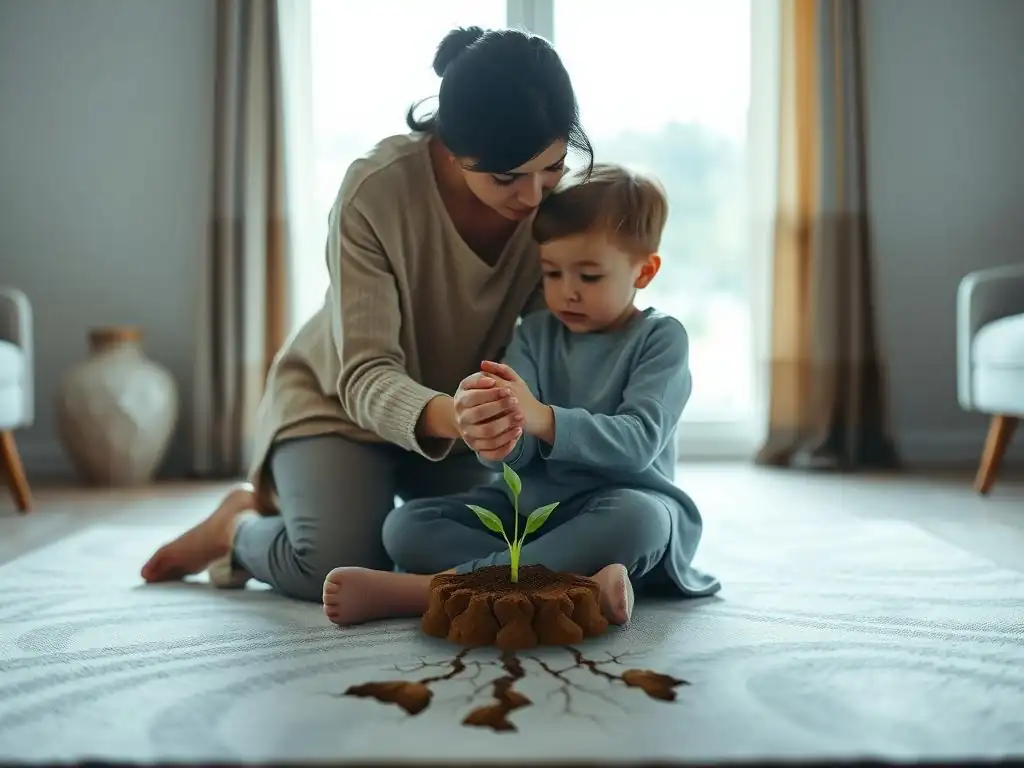
Creating a Supportive and Understanding Home Environment
A supportive and understanding home environment is paramount for a child experiencing persistent sadness. Children need to feel safe, loved, and accepted, regardless of their mood or behavior. This means validating their feelings without judgment, letting them know it's okay to feel sad, and that you are there to help.
Avoid dismissing their sadness as "just a phase" or telling them to "cheer up," as this can make them feel misunderstood and isolated. Establish predictable routines, as structure can provide a sense of security and reduce anxiety. Ensure the home is a place where the child feels comfortable expressing themselves, even if it's through non-verbal means like drawing or playing.
Encourage healthy habits, including regular sleep schedules, balanced nutrition, and physical activity, as these contribute significantly to mental well-being. Limit screen time, especially before bed. Create opportunities for positive family interactions and engage in activities the child used to enjoy, even if they initially show resistance. Small moments of connection and positive reinforcement can make a big difference. Your calm and consistent presence is a vital source of strength for a child struggling with persistent sadness young children often feel overwhelmed by.
Communicating Effectively with Your Child About Their Feelings
Open and effective communication is vital when supporting a child with persistent sadness. It can be challenging, as young children may not have the words to describe how they feel. Start by simply observing and gently commenting on what you see ("I've noticed you haven't been playing with your trains much lately. Are you feeling okay?"). Use simple, age-appropriate language. Instead of asking "Are you depressed? ", you might ask "Are you feeling sad inside?" or "Does your tummy feel wiggly when you think about school? ".
Listen patiently and attentively without interrupting. Validate their feelings by saying things like, "It sounds like you're feeling really frustrated right now," or "It makes sense that you feel sad when you can't see your friend." Let them know that all feelings are okay, and that feeling sad sometimes is normal, but feeling this sad for a long time is tough, and you want to help.
Encourage them to express themselves through play, drawing, or storytelling if talking is too difficult. Maintain a calm and empathetic tone, and reassure them that they are not alone and that you are working together to help them feel better. Consistent, gentle communication helps a child feel understood and less isolated in their persistent sadness young children often hide.
Strategies for Managing Challenging Behaviors Associated with Sadness
Persistent sadness in young children can manifest as challenging behaviors, such as increased irritability, tantrums, withdrawal, or difficulty following rules. It's important to remember that these behaviors are often symptoms of their underlying distress, not intentional defiance. Respond with patience and understanding rather than punishment. Try to identify the triggers for challenging behaviors. Is it when they are tired? Hungry? Overstimulated? Or when they are expected to do something they are avoiding?
Establish clear and consistent expectations and routines, but also be flexible and understanding during difficult moments. Offer choices when possible to give the child a sense of control. Teach and model healthy coping skills, such as deep breathing, taking a break, or using a "calm down corner." When a child is having a meltdown, remain calm, ensure their safety, and wait for the intensity to decrease before talking about what happened.
Focus on positive reinforcement for desired behaviors and efforts, no matter how small. Work closely with their therapist to implement strategies learned in therapy at home. Managing these behaviors effectively, while addressing the root cause of persistent sadness young children are experiencing, is key to helping them recover.
Long-Term Outlook and Management of Childhood Depression
Preventing Relapse and Maintaining Mental Wellness
Preventing relapse is a critical aspect of managing persistent sadness in young children. Even after symptoms improve, ongoing support and attention to mental wellness are essential. This involves continuing to utilize the coping skills learned in therapy and reinforcing positive strategies at home and school. Maintaining open communication within the family about feelings and challenges is crucial, creating a safe space for the child to express if they are starting to feel overwhelmed again.
Regular check-ins with mental health professionals, even when symptoms are mild or absent, can be beneficial for monitoring and early detection of potential relapse signs. Identifying and addressing stressors in the child's environment promptly is also important. Promoting a healthy lifestyle – consistent sleep, balanced diet, regular physical activity, and limiting screen time – contributes significantly to maintaining mental stability. Building a strong support network for the child, including family, friends, and supportive adults at school, provides layers of protection against the return of persistent sadness young children have worked hard to overcome.
Building Resilience and Coping Skills in Young Children
Building resilience and developing effective coping skills are protective factors that can help children navigate future challenges and reduce the risk of persistent sadness returning. Resilience is the ability to bounce back from adversity, and it can be nurtured. Encourage a growth mindset, helping the child see challenges as opportunities to learn and grow, rather than insurmountable obstacles. Celebrate their efforts and achievements, fostering a sense of competence and self-worth.
Teach specific coping strategies tailored to their age and preferences. This might include simple relaxation techniques like deep breathing or mindful coloring, identifying a trusted adult to talk to when upset, engaging in enjoyable activities, or problem-solving skills. Help them understand that feelings are temporary and that they have the power to manage difficult emotions. Providing opportunities for them to make age-appropriate choices and take on responsibilities helps build confidence. Equipping young children with these skills empowers them to manage stress and navigate difficult feelings, reducing the likelihood of developing persistent sadness young children are vulnerable to.
The Importance of Ongoing Support and Monitoring
Ongoing support and monitoring are indispensable for children who have experienced persistent sadness. Recovery is often a journey, not a destination, and children's needs change as they grow and face new developmental challenges. Regular check-ins with parents, teachers, and potentially mental health professionals help to track the child's emotional state and identify any potential warning signs of recurring difficulties. Parents should continue to observe their child's behavior, mood, and engagement in activities.
Maintaining a collaborative relationship with the child's school is also important, as changes in academic performance or social interactions can sometimes signal a shift in mental well-being. Be prepared to re-engage with therapy or other professional support if symptoms of persistent sadness reappear or worsen. Ongoing monitoring ensures that any emerging issues are addressed promptly, preventing a full relapse and supporting the child in maintaining their mental health as they grow. Consistent support reinforces to the child that their emotional well-being is a priority.
Resources for Parents and Caregivers of Children with Depression
Online Resources and Support Groups
Navigating persistent sadness in young children can feel isolating for parents and caregivers. Fortunately, numerous online resources and support groups offer valuable information, guidance, and connection. Websites of reputable mental health organizations often provide articles, guides, and toolkits specifically on childhood depression and persistent sadness young children experience. These resources can help parents better understand the condition, its symptoms, and available treatments.
Online support groups or forums connect parents with others facing similar challenges. Sharing experiences, asking questions, and receiving peer support can reduce feelings of isolation and provide practical advice. It's important to ensure that any online resource or group is credible and moderated by mental health professionals or experienced facilitators. Examples might include resources from national mental health associations, child psychology foundations, or non-profit organizations dedicated to pediatric mental health.
Mental Health Professionals Specializing in Childhood Depression
Seeking help from mental health professionals who specialize in working with young children is crucial. Pediatric psychiatrists are medical doctors who can diagnose and treat mental health conditions in children, including prescribing medication if necessary. Child psychologists, licensed clinical social workers, and licensed professional counselors are trained therapists who can provide evidence-based therapies like play therapy and CBT adapted for young children.
When searching for a professional, look for someone with specific experience and training in early childhood mental health or pediatric psychology. They should be familiar with developmental stages and how mental health conditions manifest differently in young children compared to adolescents or adults. Referrals can often be obtained from your child's pediatrician, school counselor, or through professional organizations' online directories. Finding the right professional is a key step in effectively addressing persistent sadness young children are struggling with.
Books and Articles on Understanding and Supporting Children with Sadness
Educating yourself about childhood depression and persistent sadness is a powerful tool for parents. Numerous books and articles are available that provide in-depth information on understanding the condition, recognizing symptoms, supporting your child, and navigating the treatment process. Look for resources written by child mental health experts or organizations. These materials can offer practical strategies for communication, managing challenging behaviors, and creating a supportive home environment.
Some books are specifically designed for children themselves, using stories or illustrations to help them understand and express their feelings in an age-appropriate way. Reading together can open up conversations about emotions. While books and articles are valuable resources, they should complement, not replace, professional evaluation and treatment. They can empower parents with knowledge and strategies to support their child alongside the guidance of mental health professionals addressing persistent sadness young children are experiencing.
Frequently Asked Questions
What are some signs that my young child's sadness is more than just a passing phase?
Look for persistent sadness lasting longer than two weeks, accompanied by changes in sleep or appetite, or a loss of interest in activities they used to enjoy. This could indicate a need for further assessment.
How common is persistent sadness in young children?
While occasional sadness is normal, persistent sadness in young children is relatively common, with studies showing a noticeable percentage experiencing depressive symptoms. Early intervention is crucial.
What factors can contribute to persistent sadness in young children?
Several factors can play a role, including genetic predisposition, stressful life events (family changes, bullying), and underlying medical conditions. It's important to consider all aspects.
What are some effective strategies for helping a young child experiencing persistent sadness?
Creating a supportive and understanding environment, encouraging open communication, and seeking professional help from a therapist or counselor are key strategies. Play therapy can be particularly effective.
When should I seek professional help for my young child's persistent sadness?
If the sadness is impacting their daily functioning, causing significant distress, or accompanied by concerning behaviors, seek professional help from a mental health professional specializing in children. Early intervention is key.
Final Reflection: The Enduring Shadow of Childhood Sadness
The persistent sadness experienced by young children is not merely a fleeting phase; it's a significant indicator of underlying emotional distress that demands our attention and understanding. Ignoring these early signs can have profound and lasting consequences, impacting their development, relationships, and overall well-being into adulthood. We must move beyond simplistic dismissals and actively seek to understand and address the roots of this pervasive issue.
The impact of childhood sadness resonates far beyond the immediate experience. It shapes self-perception, influences interpersonal dynamics, and can contribute to the development of more serious mental health challenges later in life. The child is the father of the man,
as Wordsworth famously wrote, highlighting the enduring influence of early experiences. Understanding and addressing these early struggles is not just about alleviating immediate suffering; it's about fostering resilience and building a foundation for a healthier future. This requires a societal shift – moving away from stigma and towards proactive support for children and families navigating these difficult emotions.
You, the reader, are now equipped with a deeper understanding of persistent sadness in young children. Consider the children in your life – your own, your nieces and nephews, the children you encounter in your community. Take a moment to reflect on their emotional well-being. Are there signs you might have overlooked? If you suspect a child is struggling, reach out. Seek professional help, connect with support groups, and advocate for increased awareness and resources. Together, we can create a brighter, more emotionally supportive environment for the children who need it most.
Unlock Your Child's Joy: Practical Steps to Support Their Wellbeing
We appreciate you taking the time to learn about the complexities of persistent sadness in young children. Understanding this crucial issue is the first step toward creating a supportive and nurturing environment. Now, let's take action!
- Prioritize open communication: Schedule a dedicated time to talk with your child about their feelings, using age-appropriate language and active listening. This creates a safe space for them to express themselves.
- Seek professional guidance: Consider contacting a child psychologist or therapist specializing in childhood emotional development. They can offer personalized strategies and support.
- Share this vital information: Forward this article to a friend, family member, or teacher who may benefit from this knowledge. Together, we can create a more understanding and supportive community for children facing emotional challenges.
What small, positive step can you take today to help a child in your life feel heard and understood?