
Game On for Grit: Using Play to Teach Kids Perseverance

Welcome to Mind Care Guide, a sanctuary for your mental well-being. Are you looking for ways to help your children navigate life's inevitable challenges with resilience and strength? This is something all parents struggle with. Discover how something as simple as play can be a powerful tool. Dive into our article, " Game On for Grit: Using Play to Teach Kids Perseverance", and unlock the secrets to helping kids build perseverance through play. Curious to learn how a few simple games can shape your child's future? Let's explore together.
- Building Grit Through Play: A Guide for Parents
- The Power of Play in Cultivating Perseverance
- Play Activities to Strengthen Perseverance
- Strategies for Parents: Encouraging Perseverance During Play
- Managing Frustration: Helping Children Cope During Play
- Integrating Perseverance into Daily Life
- Resources for Parents: Fostering Perseverance and Resilience
- Conclusion: Play as a Key to Raising Resilient and Persistent Children
-
Frequently Asked Questions
- How does play actually help kids build perseverance?
- What types of play are most effective for fostering perseverance in children?
- At what age can I start focusing on building perseverance through play with my child?
- How can parents encourage perseverance during playtime without being overly directive?
- What are some signs that a child is struggling with perseverance, and how can play help address this?
- Final Reflection: The Enduring Power of Playful Perseverance
- Unleash Your Child's Inner Champion!
Building Grit Through Play: A Guide for Parents
Perseverance, Resilience, and Mental Well-being: The Connection
Perseverance, often referred to as grit, is a critical skill for children's development. It's the ability to stick with tasks, even when they are difficult, and to continue working towards long-term goals despite obstacles. This steadfastness is deeply intertwined with resilience, which is the capacity to recover quickly from difficulties or setbacks.
When kids build perseverance through play and other activities, they are simultaneously building their resilience. They learn that challenges are not insurmountable and that effort can lead to success, even after initial failures. This mindset is crucial for navigating the inevitable ups and downs of childhood and adolescence, from academic struggles to social challenges.
The connection between perseverance, resilience, and mental well-being is profound. Children who possess grit are better equipped to handle stress and disappointment. Instead of giving up when faced with a tough problem or a social rejection, they are more likely to try different approaches or seek support.
This proactive approach reduces feelings of helplessness and anxiety, contributing to a more positive self-image and overall mental health. Studies, such as those highlighted by research from institutions focusing on child development, consistently show that traits like perseverance are stronger predictors of long-term success and well-being than innate talent alone. For instance, research on academic achievement suggests that students with higher levels of grit are more likely to complete challenging courses and graduate, demonstrating how sticking with a task directly impacts future outcomes and mental fortitude.
Long-Term Benefits of Early Perseverance Development
Cultivating perseverance in early childhood lays a foundation for numerous long-term benefits. Children who learn to persist through challenges develop a stronger sense of self-efficacy – the belief in their own ability to succeed in specific situations or accomplish a task. This confidence is vital for tackling increasingly complex tasks in school, extracurricular activities, and future careers.
Early experiences with working through difficulties, perhaps through a challenging puzzle or learning a new skill, teach children that effort yields results, a lesson that transcends the specific activity and applies to life's broader challenges. This early development helps kids build perseverance through play and everyday tasks, setting them up for future success.
Beyond academic and career success, developing perseverance early contributes significantly to emotional intelligence and healthier relationships. Learning to manage frustration and keep trying, even when things don't go as planned, builds emotional regulation skills. Children become better at understanding and managing their own emotions, as well as empathizing with others who might be struggling.
For example, a child learning to share toys might face frustration, but persisting in cooperative play teaches valuable social skills. Longitudinal studies tracking individuals from childhood into adulthood often find that traits like perseverance and resilience are strongly correlated with indicators of well-being, including lower rates of anxiety and depression, stronger social networks, and greater life satisfaction. The ability to persist through relationship challenges, for instance, is a key component of healthy adult relationships.
The Power of Play in Cultivating Perseverance
Play: A Natural Environment for Developing Grit
Play is not just about fun; it's a fundamental way children learn and develop essential life skills, including perseverance. In unstructured play, children encounter natural obstacles and challenges that require them to problem-solve, adapt, and persist. Building a tall tower that keeps falling, navigating a complex imaginary scenario, or figuring out how a new toy works all demand a degree of grit.
Unlike structured learning environments where tasks might be broken down into smaller, less daunting steps, play often presents challenges in a more organic, less controlled manner, allowing children to experiment and fail in a low-stakes environment. This is where kids build perseverance through play in its most organic form.
Consider a group of children building a fort. They might face challenges like securing materials, designing a stable structure, or dealing with limited resources. These aren't abstract problems; they are real, immediate hurdles that require collaboration, creativity, and persistence. When one design fails, they must regroup and try another.
When a piece doesn't fit, they need to find a workaround. This iterative process of trying, failing, and trying again is the essence of perseverance. Play provides countless opportunities for these cycles of challenge and effort, allowing children to practice sticking with tasks simply because they are intrinsically motivated by the play itself.
Play-Based Activities: Fostering Perseverance in Children
Structured play activities, while different from free play, can also be powerful tools for fostering perseverance. Games with rules, puzzles, and creative projects often involve specific goals and require sustained effort to achieve them. A jigsaw puzzle with hundreds of pieces demands focus and persistence over a significant period. Learning to play a board game involves understanding rules, strategizing, and dealing with losing, all of which require resilience. These activities provide concrete challenges with clear (though sometimes delayed) rewards, helping children understand the link between effort and outcome.
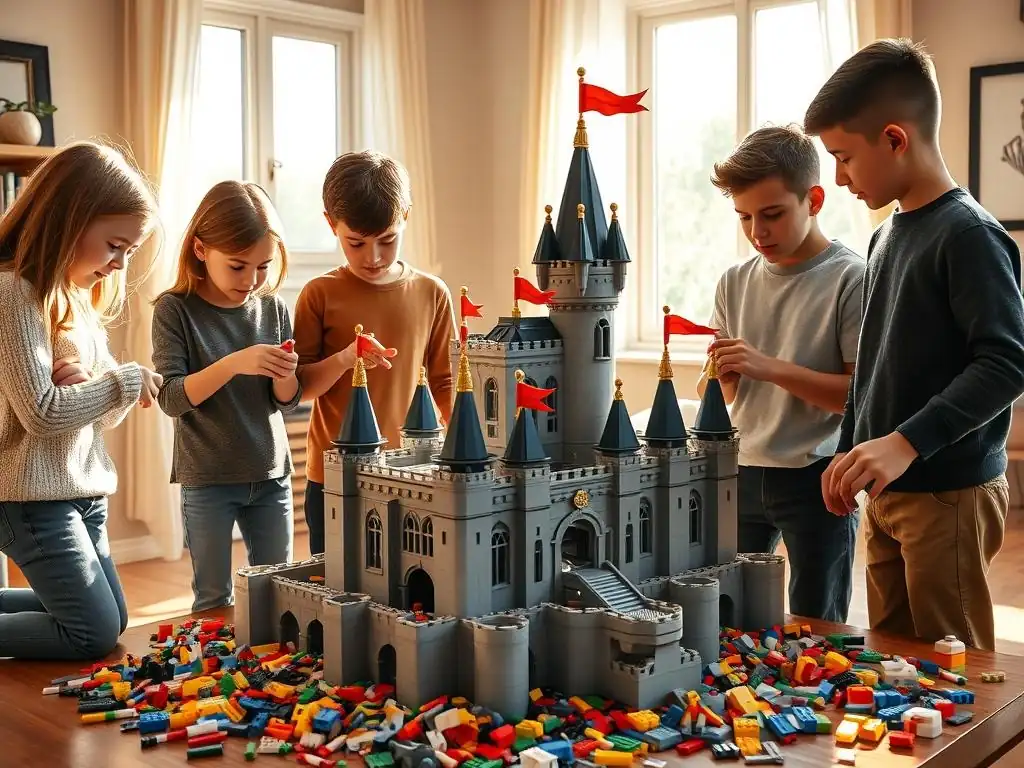
Educational toys and games designed to teach specific skills often incorporate elements that encourage perseverance. Building kits, logic puzzles, and even certain video games require players to work through multiple levels of difficulty, overcome obstacles, and learn from mistakes. For example, a complex LEGO set isn't built in five minutes; it requires following instructions, troubleshooting errors, and dedicating time.
These experiences, where kids build perseverance through play, are invaluable. They provide a safe space to practice the skills of setting a goal, working towards it diligently, and managing the frustration that inevitably arises when things don't go smoothly, preparing them for similar challenges in academic or social settings.
Play Activities to Strengthen Perseverance
LEGO Challenges: Encouraging Problem-Solving and Creativity
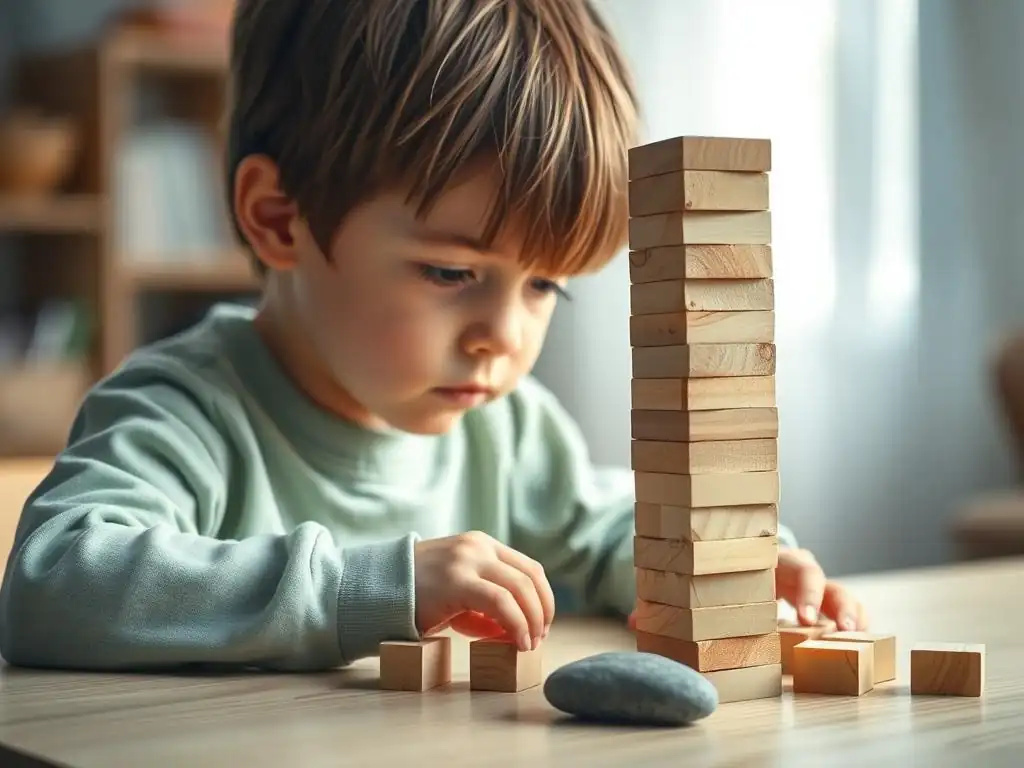
LEGOs are more than just building blocks; they are powerful tools for developing problem-solving skills and perseverance. Simple free building encourages creativity, but introducing specific challenges elevates the learning. For instance, challenging a child to build the tallest tower that can withstand a gentle breeze, or to create a bridge that can support a specific weight, provides a clear objective with inherent difficulties. When the tower topples or the bridge collapses, the child faces a setback. This is a crucial moment for developing grit. Instead of giving up, they must analyze why it failed and try a different approach.
These challenges require children to experiment with different designs, structural supports, and materials. They learn through trial and error that certain configurations are more stable than others. This iterative process of designing, building, testing, failing, and redesigning directly cultivates perseverance. A child might spend hours on a complex build, facing numerous small frustrations along the way, but the satisfaction of completing the challenge reinforces the value of persistence. Experts in educational play often cite LEGOs as prime examples of toys that help kids build perseverance through play by requiring sustained effort and creative problem-solving.
Cooperative Board Games: Teaching Teamwork and Handling Setbacks
Cooperative board games, where players work together against the game itself (or a common challenge), are excellent for teaching perseverance in a social context. Games like Pandemic, Forbidden Island, or even simpler children's versions require players to strategize together, manage limited resources, and adapt to unexpected events thrown at them by the game. Unlike competitive games where one person wins and others lose, these games emphasize a shared goal and collective effort. Failure is a team experience, which can reduce the personal sting and encourage group problem-solving and persistence.
In these games, players often face setbacks – resources dwindle, challenges multiply, and sometimes, despite their best efforts, they lose. Learning to handle these shared disappointments, discuss what went wrong, and decide to "play again" immediately to try a different strategy is a powerful lesson in perseverance and teamwork. A study on the impact of cooperative games on children's social skills found that they significantly increased communication and collaborative problem-solving, both of which are essential components of persistent group effort. These games provide a structured environment where kids build perseverance through play while also developing crucial social-emotional skills.
Musical Instrument Practice: Fostering Persistence Through Skill Development
Learning a musical instrument is a classic example of an activity that unequivocally builds perseverance. Mastering an instrument requires consistent, deliberate practice over weeks, months, and years. Initial attempts at playing notes or simple tunes are often clumsy and frustrating. Progress is gradual, requiring patience and dedication. Children must learn to practice scales repeatedly, tackle difficult passages one note at a time, and commit to a regular practice schedule even when they don't feel like it.
The reward for this persistence is tangible: the ability to play a song beautifully, join a band, or perform for others. This clear link between sustained effort and visible improvement is a powerful motivator for developing grit. Music teachers often emphasize the importance of daily practice routines, reinforcing the concept that small, consistent efforts lead to significant long-term gains. Research into the benefits of musical training consistently shows improvements not only in cognitive skills but also in non-cognitive traits like discipline, patience, and perseverance, highlighting how this structured activity helps kids build perseverance through play and dedicated effort.
Hiking: Overcoming Physical Challenges and Building Resilience
Hiking offers a different kind of challenge that builds perseverance – a physical one combined with navigating an environment. Choosing a trail that is slightly challenging for a child requires them to keep going even when they feel tired, face inclines, or encounter rough terrain. Reaching the summit or the destination becomes the reward for their physical effort and persistence. Along the way, they might encounter obstacles like stream crossings or rocky paths, requiring them to problem-solve and adapt.
Completing a challenging hike provides a strong sense of accomplishment, directly linking perseverance with a tangible reward. It teaches children that they can push through physical discomfort and mental fatigue to achieve a goal. Family hikes can also involve navigating with a map or compass, adding a cognitive challenge that requires sustained focus. Research on outdoor activities and child development indicates that engaging in challenging physical activities in nature can significantly boost resilience, self-confidence, and the ability to persevere when faced with difficulty. These experiences demonstrate how kids build perseverance through play and exploration in the natural world.
Strategies for Parents: Encouraging Perseverance During Play
Guiding Without Solving: Supporting Children's Problem-Solving
One of the most effective ways parents can foster perseverance is by resisting the urge to immediately solve their child's problems during play. When a child is struggling with a puzzle, a building project, or a game, it's natural to want to step in and fix it for them. However, this deprives the child of the opportunity to wrestle with the challenge themselves. Instead, parents can offer guidance through questions: "What have you tried so far? ", "What else could you do? ", "What do you think might happen if you tried this? ".
This approach empowers the child to think critically and explore different solutions. It communicates belief in their ability to figure things out, even when it's hard. For example, if a child is trying to fit a puzzle piece in the wrong spot and getting frustrated, instead of placing the piece for them, a parent could say, "Hmm, that piece doesn't seem to fit there.
Look at the shape of the hole and the shape of the piece. Do they match?" This subtle guidance helps the child develop their own problem-solving strategies and encourages them to persist in finding the correct solution, teaching them how to build perseverance through play-based challenges.
Celebrating Effort: Focusing on Progress, Not Just Outcomes
It's easy to praise a child when they successfully complete a task or win a game. However, focusing solely on outcomes can inadvertently discourage perseverance. Children may become afraid to try challenging tasks if they fear failure, or they may give up easily if success doesn't come quickly.
Instead, parents should make a conscious effort to praise the effort the child is putting in, regardless of the result. Comments like "I see how hard you're working on that! ", "You really stuck with that puzzle even when it was tricky," or "I'm proud of how many times you tried to build that tower before it stayed up" are incredibly powerful.
This emphasis on effort teaches children that the process of trying and learning is valuable in itself. It encourages them to embrace challenges and view difficulties as opportunities to learn and grow, rather than indicators of failure. This shift in focus helps cultivate a growth mindset, which is foundational to perseverance.
Research consistently shows that children praised for their effort are more likely to choose challenging tasks in the future and exhibit greater persistence than those praised solely for their intelligence or outcome. This mindful approach helps kids build perseverance through play by valuing their journey, not just the destination.
Creating a Safe Space for Failure: Learning From Mistakes
Failure is an inevitable part of learning and developing perseverance. Children need to understand that making mistakes is not the end of the world, but rather a valuable source of information. Parents can create a safe environment where children feel comfortable trying new things and making mistakes without fear of criticism or ridicule. This involves responding to failures with empathy and curiosity rather than disappointment.
When a child fails at a task during play, a parent might say, "Oh, that didn't work out the way you expected. What did you learn from that?" or "Mistakes are how we learn! What could we try differently next time?"
Framing failure as a learning opportunity helps children develop resilience and a willingness to keep trying. Sharing personal stories of times you failed and what you learned can also be incredibly relatable and encouraging. By normalizing failure, parents help children see it not as a reflection of their worth, but as a stepping stone on the path to success, reinforcing the idea that kids build perseverance through play and the valuable lessons learned from setbacks.
Modeling Perseverance: Demonstrating Grit in Everyday Life
Children learn by observing the adults around them. Parents who model perseverance in their own lives provide a powerful example for their children. This doesn't mean parents have to be perfect; in fact, showing children how you handle challenges and setbacks is even more impactful. Talk openly about times you've faced difficulty, whether it's learning a new skill, dealing with a problem at work, or sticking to a fitness goal.
Describe the challenges you faced, the frustrations you felt, and how you chose to keep going. For example, "I'm trying to learn this new recipe, and it's not turning out right. It's frustrating, but I'm going to try again tomorrow and see if I can figure out what went wrong."
Seeing a parent tackle a difficult task with determination and a positive attitude, even when it's hard, provides a real-world demonstration of grit. This everyday modeling reinforces the lessons children are learning through play and helps them understand that perseverance is a valuable trait for everyone, showing them how adults also build perseverance through their own life challenges.
Managing Frustration: Helping Children Cope During Play
Recognizing Signs of Frustration: Identifying Emotional Cues
Frustration is a natural emotion that arises when children encounter obstacles or difficulties, especially during play. Learning to recognize the signs of frustration in children is the first step in helping them manage it effectively. These signs can vary depending on the child and their age, but common indicators include:
- Sighing or groaning loudly
- Becoming visibly agitated or restless
- Throwing toys or game pieces
- Verbal outbursts, such as complaining or saying "I can't do this!"
- Withdrawing from the activity
- Physical tension, like clenched fists or a furrowed brow
- Tears or tantrums (especially in younger children)
Being attuned to these cues allows parents to intervene supportively before frustration escalates into a meltdown. Observing how kids build perseverance through play also involves noticing when the challenge level might be too high, leading to excessive frustration, or when they are on the verge of giving up. Early identification allows for gentle redirection or a brief pause.
Teaching Healthy Coping Mechanisms: Managing Disappointment Effectively
Once frustration is identified, the next step is to help children develop healthy ways to cope. Instead of telling them to "just keep trying" without support, offer specific strategies. These might include:
- Taking a short break from the activity to calm down.
- Deep breathing exercises ("Smell the flower, blow out the candle").
- Using positive self-talk ("I can do this," "I just need to try a different way").
- Asking for help (teaching them that seeking support is a strength, not a weakness).
- Identifying the specific source of frustration ("What exactly is making this hard? ").
These techniques provide children with tools to manage difficult emotions when faced with challenges during play and beyond. For instance, teaching a child to say "I need a break" when a building project isn't working allows them to regulate their emotions before returning to the task with a clearer mind. Practicing these coping mechanisms during low-stakes play helps children internalize them for more significant challenges later. This proactive approach is key to helping kids build perseverance through play by equipping them with emotional regulation skills.
Transforming Frustration: Turning Challenges into Learning Opportunities
The ultimate goal isn't to eliminate frustration, but to help children learn from it and use it as a catalyst for growth. Frustration often signals that a child is at the edge of their current abilities, in the "learning zone." Parents can help children reframe frustration as a signal that they are facing a challenge that will help them get stronger. This involves talking about frustration in a neutral or positive light: "Feeling frustrated means you're working on something tricky – that's how your brain gets smarter!"
Help the child analyze what went wrong and brainstorm alternative approaches. "Okay, that didn't work. Why do you think that happened? What's another way you could try?"
This process turns a moment of difficulty into a problem-solving session. For example, if a child is frustrated because their drawing doesn't look like they imagined, instead of letting them give up, a parent could suggest looking at examples, trying a different tool, or focusing on just one part of the drawing at a time. This guides them to see the challenge not as a barrier, but as an opportunity to learn new techniques and persist towards their creative vision, reinforcing how kids build perseverance through play by actively engaging with difficulties.
Integrating Perseverance into Daily Life
Connecting Playtime Lessons: Applying Skills to Real-World Situations
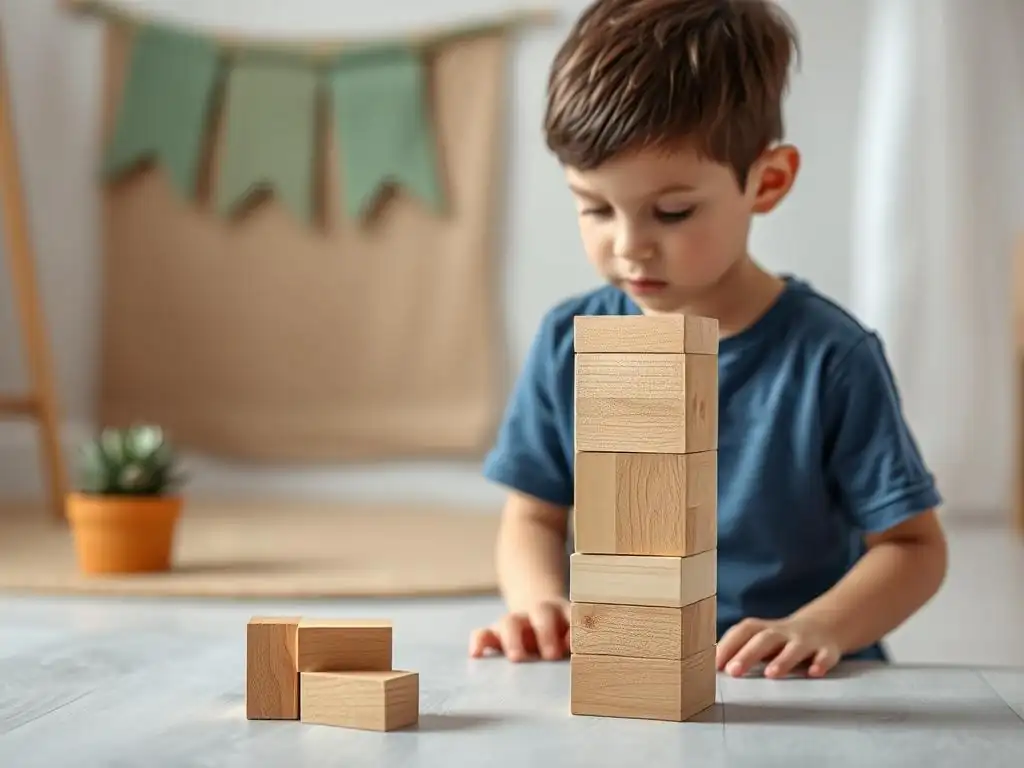
The perseverance kids build through play isn't meant to stay confined to the playroom. Parents can help children make explicit connections between the grit they demonstrate during play and the challenges they face in everyday life. When a child is struggling with homework, practicing a sport, or trying to learn a new chore, a parent might say, "Remember how you kept trying with that difficult LEGO challenge? This is like that. You didn't give up then, and you can use that same determination now."
Drawing these parallels helps children understand that perseverance is a transferable skill applicable to various contexts. It reinforces the value of their efforts during playtime and empowers them to approach real-world difficulties with confidence. For example, if a child is frustrated while learning to tie their shoes, recalling their persistence with a tricky puzzle can motivate them to keep practicing. These connections solidify the idea that the skills used in play are vital for navigating life's challenges, showing children how to build perseverance through play and apply it broadly.
Encouraging a Growth Mindset: Embracing the Power of Improvement
A growth mindset is the belief that abilities and intelligence can be developed through dedication and hard work. This is directly opposed to a fixed mindset, which assumes that qualities are innate and unchangeable. Encouraging a growth mindset is fundamental to fostering perseverance. Parents can do this by emphasizing learning and improvement over innate ability. Instead of saying "You're so smart at that! ", try "You're getting so much better at that because you practice!"
Talk about the brain as a muscle that gets stronger with effort. Celebrate learning and trying new things, even if they are difficult. When a child struggles, frame it as an opportunity for their brain to grow.
For example, "This math problem is challenging, but working through it is making your brain stronger." This language helps children embrace challenges and view effort not as a sign of inadequacy, but as the pathway to mastery. A child with a growth mindset is much more likely to persevere when faced with difficulty because they believe their efforts will ultimately lead to improvement, solidifying how kids build perseverance through play and a belief in their own capacity to learn.
Setting Realistic Goals: Celebrating Small Achievements
Perseverance is often required for long-term goals that take significant time and effort to achieve. Breaking down larger goals into smaller, more manageable steps can make the process feel less overwhelming and provide opportunities for celebrating progress along the way. If a child wants to learn to ride a bike without training wheels, the steps might include:
- Practicing balancing on a scooter.
- Riding with training wheels on different surfaces.
- Trying to balance briefly with training wheels lifted.
- Attempting short glides without pedaling.
- Finally, trying to pedal independently.
Celebrating each small achievement – mastering balancing, riding a short distance without help – reinforces the value of persistence and provides motivation to continue towards the larger goal. This approach teaches children how to set achievable milestones and recognize their progress, preventing discouragement. It demonstrates that perseverance isn't just about one big push, but a series of consistent efforts over time, illustrating how kids build perseverance through play and goal-setting activities.
Resources for Parents: Fostering Perseverance and Resilience
Recommended Books and Websites on Child Development
Understanding child development stages and common challenges can significantly help parents in fostering perseverance and resilience. Numerous resources offer valuable insights and practical strategies.
- Books like Mindset: The New Psychology of Success by Carol S. Dweck provide a deep dive into the importance of a growth mindset, directly impacting a child's willingness to persevere. While aimed at a general audience, its principles are highly applicable to parenting.
- Websites from reputable organizations focusing on child psychology and development, such as those associated with major children's hospitals or educational research centers, often feature articles and guides on topics like grit, resilience, and emotional regulation. These resources frequently cite studies and offer age-specific advice. For example, resources from organizations like the American Academy of Pediatrics often discuss the role of play in development and offer parenting tips.
These resources can equip parents with a better understanding of the psychological underpinnings of perseverance and provide evidence-based strategies for supporting their children.
Perseverance is closely linked with resilience and emotional intelligence. Exploring articles specifically focused on these topics can offer complementary strategies.
- Articles on building resilience in children often discuss coping mechanisms, stress management, and the importance of supportive relationships, all of which bolster a child's ability to bounce back from setbacks and continue striving.
- Content on emotional intelligence provides insights into helping children understand and manage their feelings, crucial for navigating the frustration and disappointment that can accompany challenges. Learning to identify and articulate emotions ("I feel frustrated because this isn't working") is a key step in managing them constructively. Searching for articles on "teaching emotional regulation to kids" or "how to raise resilient children" on reputable parenting or mental health websites can yield practical tips and exercises.
These related topics provide a broader context for understanding how perseverance fits into a child's overall emotional and psychological development, offering additional tools for parents aiming to help kids build perseverance through play and other interactions.
Age-Appropriate Toys and Games for Promoting Perseverance
Selecting toys and games specifically designed to encourage problem-solving and sustained effort can be a great way to facilitate the development of perseverance through play.
- For preschoolers (ages 3-5), chunky puzzles with unique shapes, simple building blocks that require balance, and shape sorters that become progressively more complex can introduce the concept of trying different approaches. Toys that require fine motor skills and careful manipulation, like threading beads, also encourage focus and persistence.
- For school-aged children (ages 6-10), more complex jigsaw puzzles (50+ pieces), construction sets like LEGOs or K'Nex, logic puzzles, strategy board games (cooperative or competitive), and science kits that involve experimentation are excellent choices. Learning a new skill like juggling or solving a Rubik's Cube also demands significant perseverance.
- For pre-teens and teenagers (ages 11+), advanced strategy games, complex model building kits, coding challenges, musical instruments, and engaging in challenging physical activities like rock climbing or learning a new sport continue to build grit. These activities often involve longer-term goals and require significant dedication.
Choosing toys and activities that are slightly challenging but achievable helps children stay engaged and motivated to persist, providing ample opportunities for kids to build perseverance through play tailored to their developmental stage.
Conclusion: Play as a Key to Raising Resilient and Persistent Children
Fostering perseverance, or grit, in children is essential for their long-term success, resilience, and mental well-being. The ability to persist through challenges, learn from setbacks, and continue striving towards goals is a cornerstone of a fulfilling life. While many factors contribute to this development, play emerges as a uniquely powerful and natural environment for cultivating grit. Through the inherent challenges, problem-solving opportunities, and intrinsic motivation found in play, kids build perseverance through play in a way that is both effective and enjoyable.
By providing opportunities for both structured and unstructured play, offering guidance without solving problems, celebrating effort over outcome, normalizing failure, and modeling perseverance in their own lives, parents can intentionally nurture this vital trait. Play-based activities, from building with LEGOs to learning a musical instrument or navigating a hiking trail, offer concrete experiences where children can practice sticking with tasks and overcoming difficulties.
Coupled with teaching healthy coping mechanisms for frustration and integrating the lessons of play into daily life, parents can significantly impact their child's capacity for persistence. Ultimately, investing in play is investing in a child's future ability to face challenges with courage, resilience, and unwavering grit.
Frequently Asked Questions
How does play actually help kids build perseverance?
Play provides a safe and low-stakes environment for kids to face challenges and setbacks. Through repeated attempts and problem-solving, they develop resilience and persistence without the pressure of formal learning.
What types of play are most effective for fostering perseverance in children?
Any play that involves challenges, problem-solving, or repeated attempts can be beneficial. This includes board games, puzzles, building blocks, and even imaginative play where they encounter obstacles within their narratives.
At what age can I start focusing on building perseverance through play with my child?
You can begin as early as toddlerhood by encouraging them to persist with simple tasks like stacking blocks or fitting shapes into a sorter. The key is to offer encouragement and support without solving the problem for them.
How can parents encourage perseverance during playtime without being overly directive?
Offer encouragement and praise for effort, rather than just outcome. Ask open-ended questions to help them think through challenges and resist the urge to immediately fix things for them.
What are some signs that a child is struggling with perseverance, and how can play help address this?
Signs include giving up easily, avoiding challenging activities, or becoming overly frustrated. Play can help by providing a non-threatening space to practice coping mechanisms and build confidence in their ability to overcome obstacles.
Final Reflection: The Enduring Power of Playful Perseverance
The ability to persevere, to bounce back from setbacks and keep striving towards goals, is a crucial life skill—and one best learned, not lectured, but played into existence. In a world increasingly focused on immediate gratification, fostering resilience in children through the seemingly simple act of play is more vital than ever. We've explored how different types of play, from collaborative games to solo creative endeavors, directly contribute to the development of grit and determination.
The impact of play on character development is profound and far-reaching, extending beyond childhood into the very fabric of our adult lives. The lessons learned on the playground, in the sandbox, or even through the immersive worlds of video games, shape our approach to challenges and our capacity for resilience. As the renowned educator, John Dewey, wisely stated: Play is not merely recreation; it is the fundamental process of learning.
This quote underscores the importance of recognizing play not as a frivolous activity, but as a powerful engine for personal growth and the development of essential life skills. It's a reminder that the seemingly simple act of letting children play freely can have a profound and lasting impact.
Now, consider your own childhood. What games taught you perseverance? What challenges did you overcome through play? Take a moment to reflect on these experiences, and consider how you can actively incorporate playful learning into the lives of the children around you. Embrace the power of play, not just as a means of entertainment, but as a vital tool for cultivating grit and fostering a generation equipped to face the complexities of the future with courage and determination.
Unleash Your Child's Inner Champion!
Thanks for joining us on this journey to understand the power of play in building resilience! We hope you gained valuable insights into how games can foster perseverance in your children. Now it's time to put these ideas into action.
- Design a "Perseverance Game Night": Create a family game night focused on games that encourage strategic thinking and problem-solving, celebrating effort over immediate wins. Consider board games, card games, or even collaborative building challenges.
- Share your winning strategies: Tell us about your favorite games that promote perseverance—what makes them effective? Share your experiences and tips in the comments below! Let’s build a supportive community of parents learning together.
- Challenge yourself to learn a new skill alongside your child: Embrace the spirit of perseverance by selecting a new skill you both want to learn. This shared journey will demonstrate the importance of effort and patience.
What game will you choose to ignite your child's inner grit tonight?