
Expert Picks: Top Sleep Improvement Apps Recommended

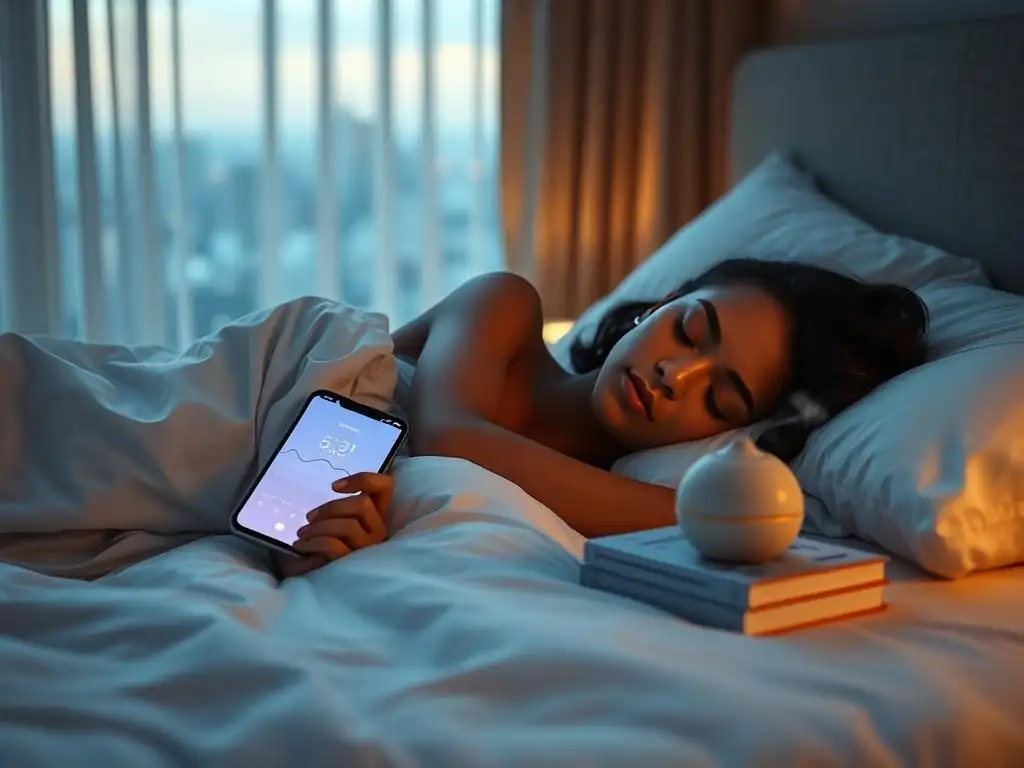
Welcome to Mind Care Guide, a space dedicated to nurturing your inner peace. Feeling overwhelmed by anxiety, especially as the night draws near? You're not alone. Discover how technology can be a gentle guide on your journey to restful nights with our expert picks. In this article, we explore the best sleep improvement apps for anxiety, offering you tangible tools to reclaim your sleep and your well-being. Are you ready to unlock the power of a good night's rest? Let's begin.
Expert Picks: Top Sleep Improvement Apps Recommended for Anxiety & Restful Sleep
- Introduction: Finding the Best Sleep Improvement Apps for Anxiety Relief
- Understanding the Connection: Anxiety, Sleep, and Your Mental Health
-
Our Top Picks: Best Sleep Improvement Apps for Anxiety (2024)
- 1. Calm: Guided Meditations for Anxiety and Sleep
- 2. Headspace: Mindfulness for Anxiety and Improved Sleep Quality
- 3. Sleep Cycle: Track Your Sleep and Understand Your Anxiety Patterns
- 4. Pzizz: Clinically Validated Sleep Sounds for Anxiety Relief
- 5. BetterSleep: Personalized Sleep Sounds and Stories for Anxiety Reduction
- Choosing the Right Sleep App for Your Needs
-
Frequently Asked Questions
- What are sleep improvement apps and how can they help with anxiety?
- How do experts choose the top sleep improvement apps for anxiety?
- Can sleep improvement apps replace professional mental health treatment for anxiety?
- What features should I look for in a sleep improvement app to help with anxiety?
- Are sleep improvement apps effective for everyone experiencing anxiety and sleep issues?
- Final Reflection: Finding Calm in the Digital Night
- Unlock Your Best Sleep Yet!
Introduction: Finding the Best Sleep Improvement Apps for Anxiety Relief
Sleep disturbances are a prevalent challenge for individuals managing anxiety. The constant stream of worries and racing thoughts often makes it difficult to fall asleep, stay asleep, or achieve restful sleep. Fortunately, technology offers innovative tools to help break this cycle. Sleep improvement apps designed with features targeting anxiety can provide valuable support in cultivating healthier sleep habits and promoting a calmer mind before bed.
Navigating the vast landscape of digital wellness tools to find the most effective sleep improvement apps for anxiety can be overwhelming. This guide explores some of the leading applications recommended by experts for their ability to address the unique sleep challenges faced by those with anxiety. We'll delve into how these apps work, what features they offer, and how they can become part of a comprehensive strategy for better sleep and reduced anxiety.
Understanding the Connection: Anxiety, Sleep, and Your Mental Health
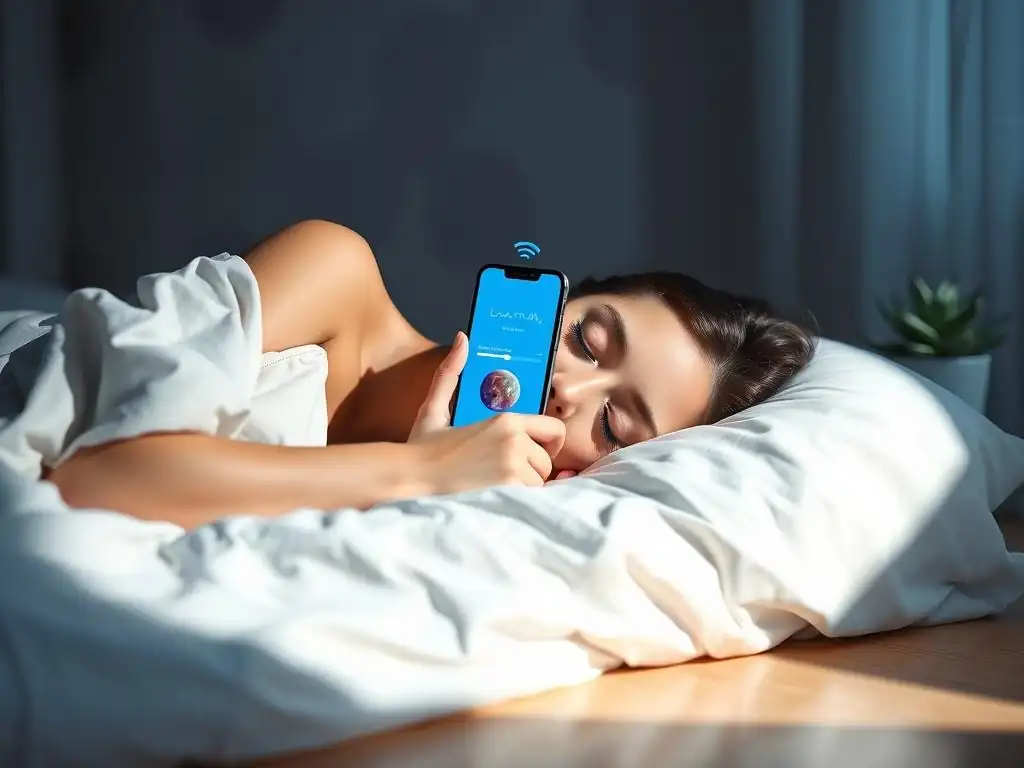
Anxiety and sleep share a complex, bidirectional relationship. Often, anxiety makes it hard to sleep, and lack of sleep can exacerbate anxiety symptoms, creating a challenging cycle. Understanding this connection is crucial for effectively managing both conditions and improving overall mental well-being. Poor sleep quality can significantly impact mood, concentration, and the ability to cope with daily stressors, all of which are already strained by anxiety.
Improving sleep is not just about feeling less tired; it's a fundamental component of managing anxiety. By addressing sleep issues, individuals can potentially reduce the intensity and frequency of their anxiety symptoms. This is where targeted interventions, including the use of specialized sleep improvement apps for anxiety, can play a supportive role alongside other therapeutic approaches.
The Vicious Cycle: How Anxiety Disrupts Sleep
Anxiety activates the body's stress response system, triggering the release of hormones like cortisol. This physiological state of heightened arousal is the antithesis of the calm needed to fall asleep. For instance, someone experiencing generalized anxiety disorder might lie in bed, their mind replaying worries about work, finances, or health, making it impossible to relax.
This mental churning keeps the brain active and prevents the transition into sleep stages. Research indicates that a large percentage of individuals with anxiety disorders report significant sleep problems, with estimates suggesting that between 50% and 70% of those with Generalized Anxiety Disorder (GAD) experience insomnia or other sleep disturbances.
Furthermore, the lack of sleep itself can amplify anxiety. Sleep deprivation impairs the prefrontal cortex, the part of the brain responsible for regulating emotions and executive function. This can lead to increased reactivity to stressors and a reduced ability to manage anxious thoughts during the day, perpetuating the cycle.
A study published in the Journal of Behavior Therapy and Experimental Psychiatry found that even partial sleep deprivation significantly increased anxiety levels and worry in participants. This highlights how essential it is to break this negative loop, and utilizing tools like sleep improvement apps for anxiety can offer practical strategies to facilitate relaxation and improve sleep onset and maintenance.
The Benefits of Using Sleep Apps for Anxiety Management
Sleep improvement apps for anxiety offer accessible, on-demand tools that can help users develop healthier sleep habits and manage pre-sleep anxiety. These apps often incorporate techniques rooted in cognitive behavioral therapy for insomnia (CBT-I) and mindfulness, which are proven methods for addressing both sleep problems and anxiety. Unlike simply taking a sleep aid, these apps aim to teach users coping mechanisms and relaxation techniques that can be applied long-term. For example, features like guided meditations or progressive muscle relaxation within an app can help calm the nervous system before bed, reducing the physical tension associated with anxiety.
Beyond relaxation techniques, many sleep apps provide educational content about sleep hygiene and the anxiety-sleep connection, empowering users with knowledge. Some apps also offer tracking features that allow users to monitor their sleep patterns, helping them identify potential triggers or correlations between their anxiety levels and sleep quality.
This data can be a valuable tool for discussion with healthcare providers. While not a replacement for professional therapy or medical advice, integrating sleep improvement apps specifically designed for anxiety can provide a convenient and private way for individuals to practice skills that promote relaxation, reduce nighttime worry, and ultimately foster more restful sleep.
Our Top Picks: Best Sleep Improvement Apps for Anxiety (2024)
Choosing the right tool is key when seeking effective sleep improvement apps for anxiety. Based on their features, user feedback regarding anxiety relief, and the techniques they employ, here are some highly recommended options for 2024.
1. Calm: Guided Meditations for Anxiety and Sleep
Calm is widely recognized for its extensive library of guided meditations, sleep stories, and breathing programs, making it a popular choice among sleep improvement apps for anxiety. The app's content is specifically designed to promote relaxation and reduce stress, two critical factors for individuals struggling with anxiety-related sleep issues. Users can find meditations focused on releasing worry, body scans to ease tension, and calming soundscapes.
The "Sleep Stories," narrated by soothing voices, are particularly effective for distracting a racing mind and guiding users into a relaxed state conducive to sleep. With millions of downloads and high user ratings, Calm has established itself as a leading platform for integrating mindfulness into a nighttime routine.
The impact of regular meditation practice, a core offering of Calm, on anxiety has been well-documented. Studies have shown that mindfulness meditation can lead to significant reductions in anxiety symptoms. For someone using Calm as one of their sleep improvement apps for anxiety, committing to just 10-20 minutes of guided meditation before bed can help lower cortisol levels and shift the nervous system from a state of fight-or-flight to rest-and-digest.
This physiological change makes it easier to transition into sleep. Furthermore, the app's focus on gentle, non-judgmental guidance helps users cultivate a more accepting attitude towards their thoughts, potentially reducing the distress caused by nighttime worries and improving sleep quality over time.
2. Headspace: Mindfulness for Anxiety and Improved Sleep Quality
Headspace is another well-regarded app that focuses on teaching mindfulness and meditation, offering tailored content for anxiety and sleep. Its approachable style and animated guides make mindfulness accessible, even for beginners. For individuals seeking sleep improvement apps for anxiety, Headspace provides specific meditation courses focused on managing worry, reducing stress, and preparing the mind for rest.
The app includes "Sleepcasts" – unique audio experiences designed to create the right conditions for sleep – as well as sleep music and guided wind-downs. Headspace's emphasis on building a consistent meditation practice aims to equip users with skills they can use anytime they feel overwhelmed by anxiety, including at bedtime.
Mindfulness, as taught by Headspace, involves paying attention to the present moment without judgment. This practice can be incredibly beneficial for individuals whose anxiety manifests as excessive worry about the future or rumination about the past, both of which interfere with sleep. By learning to observe anxious thoughts without getting caught up in them, users can reduce the mental clutter that prevents sleep.
Research suggests that mindfulness-based interventions can effectively reduce symptoms of anxiety and improve sleep quality. For example, a study published in JAMA Internal Medicine in 2015 found that a mindfulness awareness program improved sleep quality in older adults, a population often affected by both anxiety and sleep disturbances. Integrating Headspace into an evening routine provides a structured way to practice these evidence-based techniques.
3. Sleep Cycle: Track Your Sleep and Understand Your Anxiety Patterns
Sleep Cycle takes a different approach among sleep improvement apps for anxiety, focusing primarily on sleep tracking and analysis. Using the phone's microphone or accelerometer, the app monitors sleep patterns, waking the user during their lightest sleep phase within a customizable window. While not offering direct anxiety relief techniques like meditation, understanding one's sleep patterns can be a powerful tool for individuals with anxiety.
The app provides detailed statistics on sleep quality, time in bed, and even potential correlations with factors like daily stress levels (if logged). This data can help users identify how their anxiety impacts their sleep from a quantitative perspective.
Gaining insight into how anxiety affects sleep can be empowering. For example, a user might notice that their sleep quality score significantly drops on nights following particularly stressful days, or that they spend more time in lighter sleep stages when their anxiety is heightened.
This objective data, provided by apps like Sleep Cycle, can confirm the user's subjective experience and motivate them to prioritize anxiety management techniques, including using other sleep improvement apps for anxiety that focus on relaxation. While Sleep Cycle doesn't reduce anxiety directly, it provides valuable diagnostic information that helps users and potentially their healthcare providers understand the specific ways anxiety is disrupting their sleep, informing more targeted interventions.
4. Pzizz: Clinically Validated Sleep Sounds for Anxiety Relief
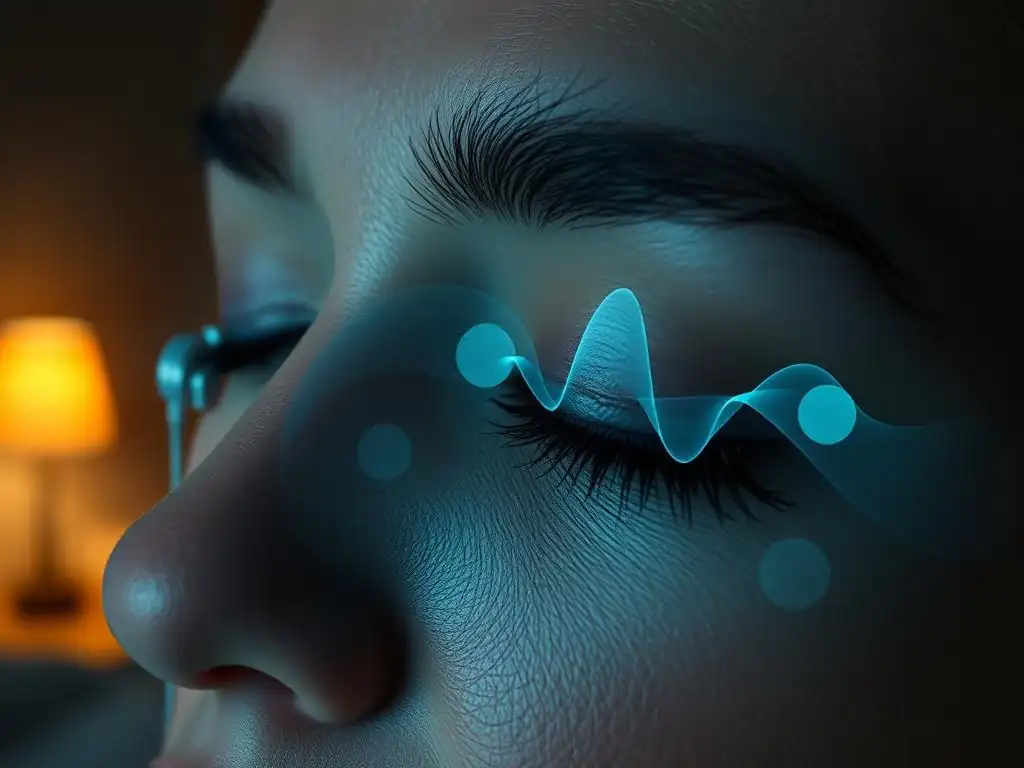
Pzizz specializes in creating unique, algorithmically generated sound sequences designed to help users fall asleep faster and stay asleep. Unlike simple white noise apps, Pzizz combines music, voiceovers, and sound effects using psychoacoustic principles intended to calm the mind and body. The app focuses on delivering "dreamscapes" for sleep and "focuscapes" for daytime productivity, with the sleep function being particularly relevant for sleep improvement apps for anxiety.
The generated tracks are non-repeating, preventing the brain from habituating to the sound and potentially being jolted awake. This dynamic approach aims to keep the listener relaxed and prevent anxious thoughts from taking over.
The effectiveness of sound therapy in promoting relaxation and sleep is supported by research. For individuals with anxiety, the carefully crafted sound environments in Pzizz can help quiet the mental chatter that often precedes sleep. The voiceover component, often providing gentle guidance or simply soothing presence, can act as an anchor for a restless mind.
While specific clinical trials on Pzizz itself compared to other interventions are not widely published, the principles behind its sound design leverage known psychological responses to auditory stimuli that promote calmness and sleep onset. Anecdotal evidence from users suggests that the unique, immersive soundscapes are particularly effective at distracting from anxious thoughts and facilitating a quicker transition into sleep, making it a notable option among sleep improvement apps for anxiety.
5. BetterSleep: Personalized Sleep Sounds and Stories for Anxiety Reduction
BetterSleep (formerly Relax Melodies) offers a highly customizable platform for creating personalized sound environments and accessing guided content, making it a versatile tool among sleep improvement apps for anxiety. Users can mix and match a vast library of sounds, including nature sounds, white noise, and binaural beats, to create their ideal calming soundscape. The app also features guided meditations specifically for sleep and anxiety, bedtime stories, and hypnotherapy sessions. This wide range of options allows individuals to experiment and find the combination of sounds and guidance that best helps them relax and quiet their anxious mind before sleep.
The personalization offered by BetterSleep is a key advantage for individuals with anxiety, as sensitivities to sounds and preferences for relaxation techniques can vary widely. Being able to build a unique sound mix – perhaps combining gentle rain with a soft fan noise and a calming melody – provides a sense of control and comfort.
The inclusion of guided content specifically addressing anxiety means users can actively work on reducing their pre-sleep worries using evidence-based techniques like meditation or breathing exercises within the app. While specific efficacy data comparing BetterSleep to other sleep improvement apps for anxiety is limited, the app's comprehensive library and customization options support various approaches to relaxation and sleep preparation, addressing the diverse needs of users struggling with anxiety-related sleep issues.
Choosing the Right Sleep App for Your Needs
Selecting the most suitable sleep improvement app for anxiety requires considering individual preferences, the specific nature of your anxiety, and the type of support you find most helpful. What works well for one person might not be the best fit for another, especially when addressing something as personal as anxiety and sleep. Taking the time to explore different options and features is a worthwhile investment in improving your sleep and overall well-being.
It's important to remember that while sleep improvement apps for anxiety can be powerful tools, they are often most effective when used as part of a broader strategy. They can complement therapeutic interventions and lifestyle changes aimed at managing anxiety. Consider what features resonate most with you – whether it's guided meditation, sleep stories, soundscapes, or sleep tracking – and look for an app that aligns with those preferences and your goals for better sleep and reduced anxiety.
Factors to Consider When Selecting a Sleep App for Anxiety
When choosing from the array of sleep improvement apps for anxiety, several factors should guide your decision. First, consider the core functionality: Do you primarily need help calming a racing mind with guided relaxation, or are you more interested in tracking how your anxiety impacts your sleep patterns? Apps like Calm and Headspace excel at guided content, while Sleep Cycle focuses on data tracking.
Pzizz and BetterSleep offer strong sound-based approaches, with the latter providing extensive customization. Think about the specific challenges your anxiety presents regarding sleep – is it difficulty falling asleep due to worry, frequent awakenings, or waking up feeling unrefreshed?
Second, user interface and ease of use are crucial, especially when you're trying to relax before bed. A clunky or confusing app will only add frustration. Look for apps with intuitive navigation and a design that feels calming and pleasant to use.
Consider the cost – many apps offer free basic versions, but premium subscriptions unlock full content libraries, which might be necessary to access the most effective anxiety-specific features. Reading user reviews, particularly those mentioning anxiety or stress, can also provide valuable insights into how well the app performs for others facing similar challenges. Ultimately, the best sleep improvement app for your anxiety is one you will actually use consistently.
Combining Sleep Apps with Other Anxiety Management Techniques
While sleep improvement apps for anxiety are valuable resources, they are most effective when integrated into a holistic approach to managing both sleep and anxiety. These apps can serve as excellent complements to established anxiety management techniques.
For instance, someone regularly practicing deep breathing exercises learned in therapy might use a sleep app's guided breathing feature as a structured way to apply that skill before bed. Similarly, an individual working on cognitive restructuring with a therapist to challenge anxious thoughts might find that using a sleep story or meditation helps quiet those thoughts in the moment, making it easier to fall asleep.
Furthermore, lifestyle factors significantly impact both anxiety and sleep. Combining the use of sleep improvement apps for anxiety with practices like maintaining a consistent sleep schedule, ensuring your bedroom is dark and cool, reducing caffeine and alcohol intake, and incorporating regular physical activity can amplify the benefits. For example, using a guided meditation from an app after a gentle evening walk can enhance the body's natural wind-down process.
Think of sleep apps not as a standalone solution, but as a supportive layer within a comprehensive strategy that may include therapy, medication (if prescribed), exercise, and good sleep hygiene practices. This integrated approach offers the strongest path towards lasting improvements in both sleep and anxiety levels.
Frequently Asked Questions
What are sleep improvement apps and how can they help with anxiety?
Sleep improvement apps are digital tools designed to improve sleep quality through various techniques. Many apps offer features like guided meditations, sleep tracking, and relaxing sounds to reduce anxiety and promote restful sleep.
How do experts choose the top sleep improvement apps for anxiety?
Experts typically evaluate apps based on factors such as scientific backing, user reviews, features offered (like CBT-I techniques), and ease of use. They also consider the app's ability to address anxiety-related sleep problems specifically.
Can sleep improvement apps replace professional mental health treatment for anxiety?
No, sleep improvement apps are generally intended as a supplementary tool, not a replacement for professional treatment. If you have severe anxiety or sleep problems, it's essential to consult with a qualified mental health professional.
What features should I look for in a sleep improvement app to help with anxiety?
Look for apps that offer features like guided meditations for anxiety, sleep tracking to identify patterns, and tools to promote relaxation, such as calming sounds or breathing exercises. Cognitive Behavioral Therapy for Insomnia (CBT-I) based techniques are also beneficial.
Are sleep improvement apps effective for everyone experiencing anxiety and sleep issues?
While many people find sleep improvement apps helpful, their effectiveness can vary. Factors like the severity of anxiety, individual preferences, and consistency of use can impact results. It's important to find an app that works best for your specific needs and consult with a healthcare professional if needed.
Final Reflection: Finding Calm in the Digital Night
The quest for better sleep, especially amidst the anxieties of modern life, is a universal one. The sheer volume of sleep improvement apps available underscores this need, highlighting a growing recognition of the crucial link between mental well-being and restful sleep. This digital landscape offers a powerful tool, but navigating it requires careful consideration.
The impact of technology on our sleep patterns is a double-edged sword. While apps offer potential solutions, the very devices we use to access them can contribute to sleep disturbances. The digital age has brought unprecedented access to information and entertainment, but it has also created a new set of challenges to our sleep.
This quote perfectly encapsulates the complex relationship we have with technology and its influence on our ability to unwind and find restorative rest. The apps discussed in this article represent a step towards reclaiming control over our sleep, using technology to counteract its negative effects.
Now, consider your own relationship with sleep and technology. What steps can you take to create a more peaceful bedtime routine? Perhaps it's time to consciously disconnect from screens an hour before bed, or to explore the calming features of one of the apps highlighted here. Take charge of your sleep; your well-being depends on it. The journey to better sleep is a personal one, but with the right tools and mindful intention, you can cultivate a healthier, more restful relationship with the night.
Unlock Your Best Sleep Yet!
Thanks for taking the time to explore the world of sleep improvement apps with us! We hope you found the perfect app recommendations to help you drift off easier and wake up feeling refreshed. Ready to take the next step towards better sleep?
- Download your top-pick app now and start tracking your sleep. This is the most impactful action you can take today.
- Share your experiences – let us know which app became your sleep savior in the comments below! We'd love to hear your thoughts.
- Consider exploring other sleep hygiene tips on MindCareGuide.org – even small changes can make a big difference!
What small step will you take tonight to improve your sleep quality?