
Getting to Grips with Mindfulness: A Clear Explanation

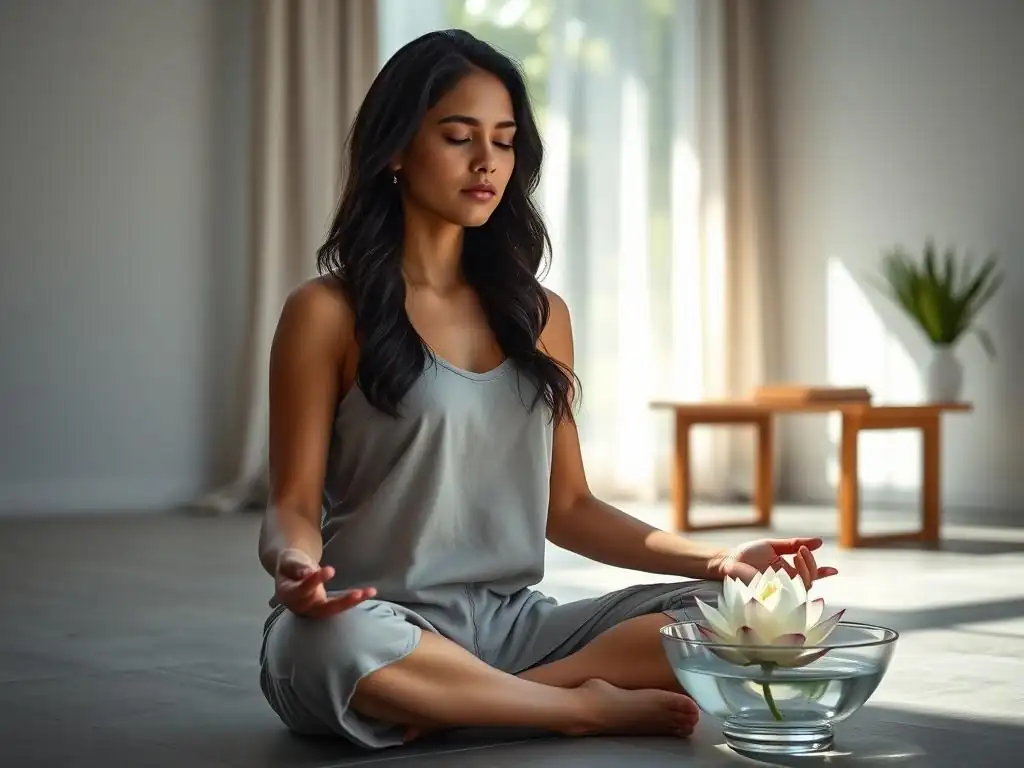
Welcome to Mind Care Guide, a safe space dedicated to nurturing your mental well-being. Feeling overwhelmed by anxiety? You're not alone. Discover how mindfulness can be a powerful tool in your journey towards calm. This week, we're diving deep into Mindfulness for Anxiety Relief, and its transformative potential. Ready to unlock a sense of peace and reclaim control? Let's explore.
Getting to Grips with Mindfulness: A Clear Explanation
- Introduction to Mindfulness and Anxiety Relief
- What is Mindfulness? Defining the Core Principles
- Benefits of Mindfulness for Anxiety Relief and Overall Mental Health
- Mindfulness Techniques for Beginners: Practical Exercises to Get Started
- Integrating Mindfulness into Daily Life: Practical Tips and Strategies
- Mindfulness vs. Meditation: Understanding the Differences and Similarities
- Addressing Common Challenges in Mindfulness Practice
- Mindfulness for Anxiety Relief: A Step-by-Step Guide
- Resources for Further Exploration of Mindfulness
- Conclusion: Embracing Mindfulness for a More Peaceful and Balanced Life
-
Frequently Asked Questions
- What exactly is mindfulness and how does it relate to mental well-being?
- Can mindfulness really help with anxiety, or is it just a temporary fix?
- How does mindfulness differ from meditation, and do I need to be an expert meditator to benefit?
- What are some simple mindfulness exercises I can start doing today to reduce anxiety?
- Where can I find more resources and support if I want to learn more about mindfulness for anxiety relief?
- Final Reflection: Cultivating Inner Peace in a Frantic World
- Unlock Your Inner Calm: Start Practicing Mindfulness Today!
Introduction to Mindfulness and Anxiety Relief
Mindfulness is a practice that has gained significant traction in recent years, particularly for its potential to alleviate symptoms of anxiety and improve overall mental well-being. It offers a pathway to navigate the complexities of modern life with greater ease and presence. This section explores the growing importance of mindfulness and its specific relevance in addressing the challenges of anxiety in today's fast-paced world.
Understanding the Growing Need for Mindfulness in Mental Well-being
The demands of contemporary life, coupled with constant connectivity and information overload, contribute significantly to rising levels of stress and anxiety. Reports from organizations like the World Health Organization indicate that anxiety disorders are among the most common mental health conditions globally, affecting hundreds of millions of people. This widespread challenge highlights the urgent need for accessible and effective tools for managing mental distress.
Mindfulness emerges as a powerful, non-pharmacological approach to addressing these issues. By training the mind to focus on the present moment without judgment, individuals can learn to interrupt the cycle of anxious thoughts that often revolve around past regrets or future worries. The increasing interest in mindfulness for anxiety relief reflects a societal shift towards proactive self-care and a search for sustainable well-being practices.
Why Mindfulness is Relevant in Today's World
In an era characterized by rapid change and uncertainty, the ability to remain grounded and present is invaluable. Mindfulness provides the skills to observe thoughts and feelings without being overwhelmed by them, which is particularly crucial when navigating stress or anxiety. Consider the common scenario of doomscrolling, where excessive consumption of negative news exacerbates feelings of dread; mindfulness offers a counter-practice by encouraging conscious attention and detachment.
Moreover, the accessibility of mindfulness techniques makes them highly relevant. Unlike some therapeutic interventions that may require specialized settings or significant financial investment, many foundational mindfulness practices can be learned and integrated into daily life with minimal resources. This democratized access is vital in reaching a broader population seeking effective strategies for managing their mental health, including utilizing mindfulness for anxiety relief.
What is Mindfulness? Defining the Core Principles
At its heart, mindfulness is about paying attention to the present moment experience with openness and curiosity. It's not about emptying the mind or achieving a state of perpetual calm, but rather about cultivating a specific quality of awareness. This section delves into the fundamental definition and key components of mindfulness practice.
Mindfulness Defined: Paying Attention on Purpose
Mindfulness, simply put, is the practice of purposefully bringing one's attention to the present moment without judgment. This definition, often associated with Dr. Jon Kabat-Zinn, the founder of Mindfulness-Based Stress Reduction (MBSR), emphasizes intentionality and non-reactivity. It involves noticing sensory experiences, thoughts, and emotions as they arise, acknowledging them, and letting them pass without getting caught up in them or labeling them as "good" or "bad."
This conscious act of paying attention differs significantly from the mind's usual state of wandering or being preoccupied with planning, remembering, or worrying. For someone experiencing anxiety, the mind often fixates on catastrophic future scenarios or dwells on past perceived failures. Mindfulness offers a gentle but firm invitation to step out of these mental loops and anchor oneself in the reality of the now. This shift in focus is foundational to using mindfulness for anxiety relief.
Key Elements of Mindfulness Practice: Awareness, Acceptance, and Non-Judgment
Three pillars support the practice of mindfulness: awareness, acceptance, and non-judgment. Awareness is the ability to notice what is happening in the present moment – what you see, hear, smell, taste, touch, and what thoughts and feelings are present. It's about observing your internal and external landscape without trying to change it.
Acceptance is the willingness to allow things to be as they are, without resistance or denial. This doesn't mean resignation or approval of difficult experiences, but simply acknowledging their presence in the moment. Non-judgment is refraining from labeling your experiences, thoughts, or feelings as right or wrong, good or bad. It's about observing with curiosity rather than criticism. Cultivating these elements is crucial for effective mindfulness for anxiety relief, as they help dismantle the critical inner voice and resistance that often fuel anxious states.
The History and Origins of Mindfulness: From Ancient Traditions to Modern Applications
The roots of mindfulness practices stretch back thousands of years, originating in ancient contemplative traditions, particularly Buddhism. Practices involving focused attention and open awareness were central to achieving insight and liberation within these contexts. While deeply embedded in these spiritual frameworks, the core techniques of mindfulness are universal and not tied to any specific religion.
The modern application of mindfulness in Western psychology and healthcare largely began in the late 1970s with the work of Jon Kabat-Zinn and the development of MBSR. This program secularized the practice, focusing on its therapeutic benefits for stress, chronic pain, and psychological distress. Since then, research has expanded significantly, demonstrating the efficacy of mindfulness for anxiety relief, depression, and numerous other conditions, leading to its integration into therapy, education, and corporate wellness programs worldwide.
Benefits of Mindfulness for Anxiety Relief and Overall Mental Health
The practice of mindfulness offers a wide array of benefits that extend far beyond simply calming the mind. By consistently bringing awareness to the present moment, individuals can cultivate resilience, improve emotional regulation, and gain a deeper understanding of their inner world. This section explores some of the key advantages, with a particular focus on mindfulness for anxiety relief.
How Mindfulness Reduces Anxiety: A Scientific Perspective
Research into the neurobiological effects of mindfulness has revealed several mechanisms by which it helps reduce anxiety. Studies using fMRI scans have shown that regular mindfulness practice can lead to changes in brain structure and function, particularly in areas associated with stress and emotional regulation. For example, the amygdala, often referred to as the brain's "fear center," tends to show reduced activity in experienced mindfulness practitioners.
Simultaneously, activity in the prefrontal cortex, involved in higher-order thinking, planning, and emotional regulation, often increases. This shift suggests that mindfulness helps individuals respond to stressors with more conscious awareness and less automatic reactivity. Furthermore, mindfulness practice has been linked to reductions in stress hormones like cortisol. These physiological and neurological changes provide a scientific basis for the observed effectiveness of mindfulness for anxiety relief, helping individuals feel calmer and more in control.
Mindfulness and Stress Reduction: Calming the Mind and Body
Anxiety and stress are closely intertwined, often creating a feedback loop. Stress can trigger anxious thoughts and physical symptoms, while anxiety itself is a significant stressor. Mindfulness intervenes in this cycle by helping individuals become more aware of their stress responses in real-time, both mentally and physically.
By observing physical sensations associated with stress (like tension in the shoulders or a racing heart) and the thoughts that accompany them (like "I can't handle this"), without judgment, individuals can begin to decouple the automatic reaction. Instead of immediately escalating into panic or overwhelm, they can choose a more measured response. This practice of non-reactive observation directly contributes to stress reduction, making mindfulness for anxiety relief a powerful tool for managing the physical and emotional burdens of stress.
Mindfulness for Improved Focus and Concentration
A common symptom of anxiety is a racing or scattered mind, making it difficult to concentrate on tasks. Mindfulness, which fundamentally involves training attention, directly addresses this issue. Regular practice strengthens the "muscle" of focus, improving the ability to direct and sustain attention on a chosen object, whether it's the breath, bodily sensations, or a task at hand.
Studies have shown that mindfulness training can improve performance on cognitive tasks requiring sustained attention. For students or professionals, this can mean increased productivity and reduced errors. While the primary goal of mindfulness for anxiety relief is emotional well-being, the enhanced focus and concentration that result from practice indirectly support anxiety management by enabling individuals to engage more effectively with their present environment and reduce the mental clutter that fuels worry.
Mindfulness and Emotional Regulation: Managing Difficult Emotions
Anxiety often involves intense and uncomfortable emotions, such as fear, worry, and panic. A key benefit of mindfulness is its capacity to improve emotional regulation – the ability to understand and manage one's emotional responses. Instead of being swept away by difficult feelings, mindfulness teaches you to observe them with a degree of distance.
This involves recognizing emotions as transient states rather than defining truths. For example, observing a wave of panic might involve thinking, "Ah, here is the feeling of panic," rather than "I am panic." This simple shift in perspective, cultivated through mindful awareness, allows individuals to experience emotions fully without being consumed by them. This improved capacity for emotional regulation is fundamental to using mindfulness for anxiety relief effectively, providing a pathway to navigate challenging feelings with greater resilience.
Mindfulness Techniques for Beginners: Practical Exercises to Get Started

Embarking on a mindfulness journey doesn't require hours of dedicated practice each day. Even a few minutes can make a difference. The key is consistency and approaching the practice with kindness and patience. This section introduces several simple yet effective mindfulness techniques suitable for beginners looking to explore mindfulness for anxiety relief.
Simple Breathing Exercises for Mindfulness: Cultivating Present Moment Awareness
Focusing on the breath is one of the most fundamental and accessible mindfulness techniques. The breath is always in the present moment and serves as a reliable anchor when the mind wanders. A simple exercise involves finding a comfortable seated or lying position. Close your eyes gently if that feels comfortable.
Bring your attention to the physical sensation of breathing. Notice the air entering and leaving your nostrils, the rise and fall of your chest or abdomen. You don't need to change your breath in any way, just observe it as it naturally is. When your mind inevitably wanders to thoughts, worries, or plans – which it will – simply notice where it went without judgment, and gently guide your attention back to the breath. Start with just 1-2 minutes and gradually increase the duration. This simple practice is a cornerstone of using mindfulness for anxiety relief.
Body Scan Meditation: Connecting with Your Physical Sensations
The body scan meditation involves systematically bringing mindful awareness to different parts of the body. This practice helps ground you in physical reality and can reveal areas of tension you might not have been aware of, often where anxiety manifests physically.
Begin by lying on your back with your arms at your sides and legs uncrossed, or sit comfortably. Close your eyes if you wish. Bring your attention to your toes. Simply notice any sensations there – warmth, coolness, tingling, pressure, or the absence of sensation.
Spend a few moments with your toes, then gently move your awareness up to your feet, ankles, lower legs, and so on, slowly scanning through your entire body up to the crown of your head. If you encounter discomfort or tension, simply notice it without trying to fix it. Breathe into that area with acceptance. This technique is excellent for increasing body awareness and can be very effective mindfulness for anxiety relief by helping release physical tension.
Mindful Walking: Engaging the Senses in Movement
Mindfulness isn't limited to sitting still. Mindful walking is a practice that integrates awareness into movement. It can be done anywhere – indoors or outdoors. Find a place where you can walk slowly and safely without interruption for 5-10 minutes.
Begin by bringing your awareness to the sensations in your feet as they make contact with the ground. Notice the lifting of one foot, the movement through the air, the placement back down, and the shift of weight. Pay attention to the rhythm of your steps.
You can also expand your awareness to include other senses: the feeling of air on your skin, the sounds around you, the sights you pass. When your mind gets caught up in thoughts, gently redirect your attention back to the physical sensations of walking. This active form of mindfulness for anxiety relief helps ground you when feeling restless or overwhelmed.
Loving-Kindness Meditation: Developing Compassion for Yourself and Others
While many mindfulness techniques focus on present moment awareness, loving-kindness meditation (Metta) cultivates feelings of warmth, compassion, and friendliness towards oneself and others. This can be particularly helpful for anxiety, which often involves self-criticism or fear of others.
Find a comfortable position. Begin by directing kind wishes towards yourself. You can silently repeat phrases such as:
- May I be happy.
- May I be peaceful.
- May I be free from suffering.
- May I be well.
Spend a few minutes repeating these or similar phrases, allowing the feeling of kindness to resonate within you. Then, you can extend these wishes outwards – to loved ones, neutral acquaintances, difficult people, and finally, to all beings. This practice helps counteract the negative self-talk and fear that can accompany anxiety, fostering a sense of connection and inner warmth. It complements other forms of mindfulness for anxiety relief by addressing the emotional component.
Integrating Mindfulness into Daily Life: Practical Tips and Strategies
Formal meditation sessions are valuable, but the true power of mindfulness lies in weaving its principles into the fabric of your everyday life. This doesn't mean you need to be in a constant state of meditative calm, but rather finding small moments to bring conscious awareness to your activities. Integrating mindfulness for anxiety relief beyond dedicated practice times can significantly enhance its benefits.
Mindfulness at Work: Reducing Stress and Enhancing Productivity
The workplace is often a significant source of stress and anxiety. Integrating mindfulness can help manage pressures, improve focus, and enhance interactions with colleagues. Simple practices include taking a few mindful breaths before starting a task or after a challenging meeting.
You can also practice mindful walking during a break, paying attention to the sensations of movement and your surroundings. Another strategy is mindful listening during conversations, fully focusing on what the other person is saying without planning your response. Even a few minutes of mindful awareness can break the cycle of stress reactivity, making you feel more present and less overwhelmed, which is key for using mindfulness for anxiety relief in a professional setting.
Mindfulness at Home: Creating a Calm and Peaceful Environment
Your home environment can be a sanctuary, and mindfulness can help cultivate a greater sense of peace within it. Simple activities like washing dishes, cleaning, or even getting ready in the morning can become opportunities for mindfulness.
When performing chores, pay attention to the sensations involved – the feel of water, the smell of soap, the movements of your body. Engage your senses fully. Before reacting to a family member or a stressful situation, take a conscious pause and a few breaths. Creating moments of mindful awareness throughout your day at home helps to reduce tension and foster a calmer atmosphere, supporting overall well-being and serving as a continuous practice of mindfulness for anxiety relief.
Mindful Eating: Savoring Each Bite and Improving Digestion
Mindful eating involves paying full attention to the experience of eating. In our busy lives, meals are often rushed or eaten while distracted by screens. Mindful eating encourages you to slow down and engage all your senses.
Before eating, take a moment to look at your food, noticing the colors, textures, and arrangement. As you eat, pay attention to the smells. Chew slowly and deliberately, noticing the flavors and textures in your mouth. Be aware of the sensation of swallowing and the feeling of fullness. This practice not only enhances the enjoyment of food but can also aid digestion and help you recognize your body's hunger and satiety cues. For those whose anxiety manifests as digestive issues, mindful eating can be a gentle form of mindfulness for anxiety relief.
Mindful Communication: Enhancing Relationships Through Attentive Listening
Mindful communication is about being fully present and attentive when interacting with others. It involves both mindful speaking and mindful listening. Mindful speaking means being aware of your intention and the impact of your words before you speak.
Mindful listening is perhaps even more crucial. It involves giving your full attention to the other person, listening not just to the words but also to the tone of voice and body language, without interrupting or formulating your response. This deep level of presence fosters connection and understanding, reducing misunderstandings that can be a source of stress and anxiety in relationships. Practicing mindful communication is a powerful way to extend the benefits of mindfulness for anxiety relief into your social interactions.
Mindfulness vs. Meditation: Understanding the Differences and Similarities
While often used interchangeably, mindfulness and meditation are not precisely the same thing, though they are closely related. Understanding their relationship can help clarify practice and expectations.
Exploring the Relationship Between Mindfulness and Meditation Practices
Meditation is a broad term encompassing various practices designed to train the mind. These practices can include focusing attention on a single object (like breath or a mantra), cultivating specific states of mind (like compassion), or observing thoughts and feelings without judgment. Mindfulness is a quality of attention – that of being present, aware, and non-judgmental.
Many meditation techniques are designed to cultivate mindfulness. For example, focusing on the breath during meditation is a way to practice mindful attention. The body scan is a formal mindfulness meditation practice. So, meditation can be seen as a tool or a formal practice for developing the skill or state of mindfulness. While you can be mindful during everyday activities without formal meditation, dedicated meditation sessions are often the most effective way to deepen your capacity for mindfulness.
Choosing the Right Approach: Mindfulness or Meditation for Your Needs
The choice between focusing on formal meditation practice or integrating informal mindfulness into daily activities depends on your goals and preferences. For those specifically seeking mindfulness for anxiety relief, a combination is often most beneficial. Formal meditation sessions (even short ones) provide dedicated time to train the mind in focused attention and non-judgmental awareness, building the core skills needed to manage anxious thoughts and feelings.
Informal mindfulness practices throughout the day help you apply these skills in real-time situations where anxiety might arise. If time is limited, starting with short, informal practices might be more accessible. If you prefer structured learning, a guided meditation or a mindfulness course could be a better starting point. Ultimately, both approaches contribute to cultivating the present moment awareness that is central to using mindfulness for anxiety relief effectively.
Addressing Common Challenges in Mindfulness Practice

Beginning a mindfulness practice, particularly when dealing with anxiety, can come with its own set of challenges. It's important to approach these obstacles with patience and self-compassion, recognizing that they are a normal part of the learning process.
Overcoming Distractions and Wandering Thoughts
One of the most common experiences in mindfulness practice is the mind wandering. Beginners often feel frustrated by how frequently their attention drifts away from the intended focus, whether it's the breath or body sensations. It's crucial to understand that a wandering mind is not a sign of failure; it's simply what minds do.
The practice isn't about stopping thoughts altogether, but about noticing when the mind has wandered and gently bringing it back to the present moment. This act of noticing and returning is the core "workout" for the attention muscle. Be kind to yourself when your mind wanders – acknowledge it without judgment and simply redirect your focus. Regular practice gradually increases the duration you can stay focused before the mind drifts. This persistent, gentle redirection is key to building the capacity for mindfulness for anxiety relief.
Dealing with Difficult Emotions and Sensations
Mindfulness can sometimes bring uncomfortable emotions, physical sensations, or anxious thoughts to the surface. When you stop distracting yourself, you might become more aware of underlying discomfort. This can be challenging, especially for those using mindfulness for anxiety relief.
The mindful approach is not to push these experiences away, but to acknowledge them with curiosity and acceptance. Observe the emotion or sensation without getting lost in the story surrounding it. Notice where you feel it in your body. Remind yourself that emotions are temporary and will pass. If the experience feels overwhelming, it's okay to open your eyes, ground yourself by feeling your feet on the floor, and perhaps try a shorter practice or seek support from a qualified teacher or therapist. Patience and gentle persistence are vital.
Maintaining Consistency and Motivation in Your Practice
Establishing and maintaining a consistent mindfulness practice can be difficult amidst a busy life, especially when motivation wanes. Life happens, and it's easy to let practice slide. Recognize that perfection is not the goal; progress is.
Try to integrate mindfulness into your routine by scheduling it at the same time each day, even if it's just for 5-10 minutes. Use cues, like brushing your teeth or having your morning coffee, to remind you to practice. Don't let missed days derail you; simply start again the next day. Reflecting on the benefits you've experienced, such as moments of reduced anxiety or increased calm, can also help reinforce motivation. Connecting with others who practice mindfulness can also provide support and encouragement.
Mindfulness for Anxiety Relief: A Step-by-Step Guide
Applying mindfulness specifically to moments of anxiety involves a slightly different focus than general practice. It's about using awareness to navigate the intense sensations and thoughts that arise during anxious episodes. This guide provides a simple, step-by-step approach.
Preparing for Your Mindfulness Session: Setting the Stage for Relaxation
While anxiety can strike unexpectedly, if you have dedicated time to practice mindfulness for anxiety relief, begin by creating a conducive environment. Find a quiet place where you won't be disturbed for a few minutes. Sit or lie down in a comfortable position. You might dim the lights or ensure the temperature is comfortable.
Take a few deep breaths to signal to your body that it's time to slow down. Gently close your eyes if you wish, or soften your gaze. The goal isn't to eliminate the anxiety before you start, but to create a space where you can observe it with greater ease. Acknowledge that you are taking this time for yourself and your well-being.
Focusing on Your Breath: Anchoring Yourself in the Present Moment
When anxiety is high, the breath often becomes shallow and rapid. Bringing mindful attention to the breath can help regulate it and provide an anchor in the present moment, pulling you out of anxious rumination.
Begin by simply noticing your breath without trying to change it. Feel the inhale and the exhale. If your breath is fast, that's okay; just observe it. As you continue to focus, you might naturally find your breath slowing down. Pay attention to the physical sensations – the rise and fall of your chest, the air moving in and out of your nostrils. Each breath is a new moment, a fresh opportunity to be present. When anxious thoughts arise, notice them and gently return your attention to the sensation of breathing. This anchors your mindfulness for anxiety relief practice.
Acknowledging and Releasing Anxious Thoughts: Non-Judgmental Observation
Anxiety is often characterized by a stream of worried or fearful thoughts. In mindfulness, the aim is not to suppress these thoughts but to observe them without getting entangled. Imagine your thoughts as clouds drifting across the sky or leaves floating down a stream.
When an anxious thought appears (e.g., "What if something terrible happens? "), notice it. You might mentally label it as "thinking" or "worry." Do not engage with the content of the thought or judge yourself for having it. Simply acknowledge its presence and then gently guide your attention back to your breath or body. This practice weakens the power of anxious thoughts by removing the fuel of engagement and judgment. It's a core technique in using mindfulness for anxiety relief.
Returning to the Present Moment: Cultivating Calmness and Stability
The process of noticing that your mind has wandered to anxious thoughts and gently bringing it back to your anchor (like the breath) is the essence of cultivating present moment awareness. Each time you return, you strengthen your capacity to stay grounded amidst internal turbulence.
As you practice, you may notice moments of stillness or calm between anxious thoughts. Savor these moments. Recognize that even when anxiety is present, there is also a capacity for peace within you. The goal is not to be free from anxiety forever, but to develop the ability to experience it without being overwhelmed, finding pockets of stability in the present moment. Consistent practice builds this resilience, making mindfulness for anxiety relief a sustainable strategy.
Resources for Further Exploration of Mindfulness
For those interested in deepening their understanding and practice of mindfulness, a wealth of resources is available. Exploring these options can provide guidance, support, and additional techniques.
Recommended Books on Mindfulness and Meditation
Many excellent books offer comprehensive introductions and deeper dives into mindfulness and meditation. Titles such as "Wherever You Go, There You Are" by Jon Kabat-Zinn provide practical guidance on integrating mindfulness into daily life. "Mindfulness: An Eight-Week Plan for Finding Peace in a Frantic World" by Mark Williams and Danny Penman offers a structured program based on MBCT (Mindfulness-Based Cognitive Therapy).
Other notable books like "Full Catastrophe Living" by Jon Kabat-Zinn detail the MBSR program, and "The Miracle of Mindfulness" by Thich Nhat Hanh provides a gentle, accessible approach rooted in Buddhist tradition. These books offer valuable insights, exercises, and perspectives that can significantly support your journey, particularly in using mindfulness for anxiety relief by providing a solid theoretical and practical foundation.
Reputable Websites and Apps for Mindfulness Practice
The digital landscape offers numerous resources for guided mindfulness practice. Many reputable websites provide free articles, guided meditations, and information about mindfulness. Organizations dedicated to mindfulness research and practice often host valuable content.
Numerous apps have also been developed to facilitate mindfulness practice. These apps typically offer guided meditations of varying lengths, programs for specific goals like stress reduction or sleep, and tools to track your progress. While the effectiveness can vary, many people find the structure and guidance provided by apps helpful for establishing a regular practice, especially when starting out with mindfulness for anxiety relief.
Finding Qualified Mindfulness Teachers and Programs
For a more structured and supported learning experience, consider finding a qualified mindfulness teacher or enrolling in a recognized program like MBSR or MBCT. These programs typically run over several weeks and provide in-depth instruction, group support, and guidance from experienced teachers.
Learning directly from a teacher allows for personalized feedback and the opportunity to ask questions, which can be invaluable when navigating the challenges of practice, particularly when using mindfulness for anxiety relief. Look for teachers certified by reputable institutions or organizations to ensure they have undergone rigorous training. While online programs are available, in-person classes can offer a strong sense of community and direct interaction.
Conclusion: Embracing Mindfulness for a More Peaceful and Balanced Life
Embarking on the journey of mindfulness is an investment in your own well-being. It's a practice that offers enduring benefits, helping you navigate life's challenges with greater presence, resilience, and peace.
The Power of Mindfulness in Cultivating Inner Peace
Mindfulness is not a quick fix, but a powerful practice that, over time, can fundamentally change your relationship with your thoughts, emotions, and experiences. By consistently training your attention and cultivating non-judgmental awareness, you build an inner refuge that is accessible regardless of external circumstances. This capacity for inner peace is invaluable, especially when dealing with the turbulence that anxiety can bring.
Even small moments of mindfulness throughout the day contribute to this cultivation. Noticing the warmth of your tea cup, feeling your feet on the ground, or simply taking three conscious breaths can interrupt stress cycles and foster a sense of calm. The cumulative effect of these small acts of presence is a profound shift towards greater tranquility.
Mindfulness as a Tool for Long-Term Anxiety Management
For individuals struggling with anxiety, mindfulness offers a sustainable and empowering approach to management. It doesn't promise to eliminate anxiety entirely, but it provides the skills to relate to anxious feelings and thoughts in a way that reduces their intensity and duration. By becoming more aware of the triggers and patterns of your anxiety, and by practicing non-reactivity, you gain a sense of agency over your response.
Regular practice of mindfulness for anxiety relief builds resilience, enabling you to weather anxious storms with greater stability. It helps you differentiate between a fleeting anxious thought and reality, reducing the likelihood of getting caught in a spiral of worry. Over the long term, mindfulness can significantly improve your quality of life by reducing the grip of chronic anxiety.
Encouraging Continued Exploration and Practice of Mindfulness Techniques
The initial steps into mindfulness are just the beginning. There are many different techniques and approaches to explore, and finding what resonates most with you is part of the journey. Don't be discouraged by challenges; they are opportunities for deeper learning and self-compassion.
Continue to practice regularly, even if it's just for a few minutes each day. Explore different guided meditations, read books, or consider joining a class or retreat. The more you integrate mindfulness into your life, the more its benefits will unfold. Embrace the practice with an attitude of curiosity and kindness, trusting that each moment of mindful awareness is a step towards a more peaceful and balanced existence, leveraging the full potential of mindfulness for anxiety relief and overall well-being.
Frequently Asked Questions
What exactly is mindfulness and how does it relate to mental well-being?
Mindfulness is the practice of paying attention to the present moment without judgment. It's a core component of mental well-being as it helps us become more aware of our thoughts and feelings, allowing for better management of stress and anxiety.
Can mindfulness really help with anxiety, or is it just a temporary fix?
Mindfulness can be a powerful tool for anxiety relief, especially when practiced regularly. While not a cure, it teaches you to observe anxious thoughts without getting overwhelmed, leading to long-term coping strategies.
How does mindfulness differ from meditation, and do I need to be an expert meditator to benefit?
Mindfulness is a component of meditation, but it can also be practiced in everyday activities. You don't need to be an expert meditator to benefit; even a few minutes of daily mindfulness exercises can make a difference.
What are some simple mindfulness exercises I can start doing today to reduce anxiety?
Try focusing on your breath, paying attention to the sensation of each inhale and exhale. You can also practice mindful walking, noticing the feeling of your feet on the ground. Another option is mindful eating, savoring each bite.
Where can I find more resources and support if I want to learn more about mindfulness for anxiety relief?
"Mind Care Guide" offers a wealth of information, support, and resources on mindfulness and mental well-being. You can also find guided meditations and workshops online, or consult with a mental health professional.
Final Reflection: Cultivating Inner Peace in a Frantic World
The relentless pace of modern life leaves many of us feeling overwhelmed, and anxiety has become a pervasive shadow in our increasingly demanding world. Mindfulness, once a niche practice, is now recognized as a powerful tool for navigating this turbulent landscape, offering a lifeline to those seeking solace and relief from the grip of anxiety. Its accessibility and proven efficacy make it a vital resource for building resilience and fostering a healthier relationship with ourselves and the world around us.
The journey towards mindfulness is not a destination, but a continuous process of self-discovery and acceptance. It's about learning to inhabit the present moment, rather than being swept away by the anxieties of the future or the regrets of the past. Mindfulness means paying attention in a particular way: on purpose, in the present moment, and non-judgmentally.
– Jon Kabat-Zinn. This simple yet profound definition encapsulates the transformative power of this practice, highlighting its ability to ground us in the here and now, allowing us to observe our thoughts and feelings without getting carried away by them. This shift in perspective is crucial for managing anxiety and cultivating a sense of inner peace.
You now hold the key to unlocking a more peaceful and present existence. Consider incorporating even small moments of mindfulness into your daily routine – a few deep breaths during a stressful meeting, a mindful walk in nature, or simply paying attention to the sensations of your body as you eat. Start small, be patient with yourself, and allow the transformative power of mindfulness to gently unfold within you. The journey to anxiety relief begins with a single mindful breath. Embrace it.
Unlock Your Inner Calm: Start Practicing Mindfulness Today!
Thanks for taking the time to explore the world of mindfulness with us! We hope you've gained a clearer understanding of its power to transform your daily life. Now it's time to put your new knowledge into practice. Ready to feel the difference?
- Begin your mindfulness journey with a 5-minute guided meditation. Even a short session can have a powerful impact on your focus and well-being.
- Share this article with a friend or family member who could benefit from learning about mindfulness. Spread the calm!
- Consider joining a local mindfulness group or workshop to connect with others on a similar path and deepen your practice. This is a great way to explore the community aspect of mindfulness.
What small step will you take today to cultivate more presence and peace in your life?