
Weighted Blankets for Anxiety & Sleep: What to Look for Before You Buy


Welcome to Mind Care Guide, where we understand the delicate balance between a restless mind and restful sleep. Feeling overwhelmed? You're not alone. Discover how something as simple as a weighted blanket could be the key to unlocking deeper, more peaceful nights. Could this be the gentle support your anxious mind craves? Let's explore how weighted blankets reduce anxiety sleep and find out if one is right for you.
Weighted Blankets for Anxiety & Sleep: What to Look for Before You Buy
- Understanding Weighted Blankets and Their Impact on Anxiety and Sleep
- Key Features to Consider When Choosing a Weighted Blanket
-
Top-Rated Weighted Blankets for Anxiety and Sleep (Product Comparisons)
- Comparison Table: Top Weighted Blanket Brands & Features
- Gravity Blanket: A Premium Option for Deep Sleep and Anxiety Reduction
- YnM Weighted Blanket: A Budget-Friendly Choice for Calming Relief
- Bearaby Napper: A Chunky Knit Weighted Blanket for Stylish Comfort
- Baloo Weighted Blanket: An Eco-Friendly Option for Restful Sleep
- How to Choose the Right Weighted Blanket for Your Specific Needs
- Beyond the Blanket: Maximizing the Benefits for Anxiety and Sleep
- Addressing Common Concerns and Myths About Weighted Blankets
- Where to Buy Weighted Blankets and What to Expect
- Conclusion: Investing in a Weighted Blanket for a Calmer Mind and Better Sleep
-
Frequently Asked Questions
- What are weighted blankets and how do they work to reduce anxiety and improve sleep?
- How much should a weighted blanket weigh for optimal anxiety and sleep benefits?
- Are there any potential downsides or risks associated with using a weighted blanket?
- What factors should I consider when choosing a weighted blanket for anxiety and sleep?
- Where can I find reputable resources and information about using weighted blankets for anxiety and sleep?
- Final Reflection: Finding Comfort and Rest Through Weighted Blankets
- Unleash the Calming Power of Your Weighted Blanket
Understanding Weighted Blankets and Their Impact on Anxiety and Sleep
What are Weighted Blankets and How Do They Work?
Weighted blankets are therapeutic blankets filled with materials like glass beads or plastic pellets, designed to be heavier than standard blankets. They typically weigh anywhere from a few pounds for children's versions up to 30 pounds or more for adults. The added weight distributes pressure evenly across the body, creating a sensation often described as a gentle hug or swaddle. This pressure is the key mechanism through which weighted blankets work to potentially provide calming effects and improve sleep quality.
The core idea behind weighted blankets and how they might reduce anxiety and improve sleep stems from the concept of Deep Pressure Stimulation (DPS). By applying gentle, firm pressure over a large surface area of the body, the blanket aims to engage the parasympathetic nervous system. This system is responsible for the "rest and digest" response, counteracting the "fight or flight" response triggered by anxiety. The physical sensation of being held or grounded can help individuals feel more secure and relaxed, which is crucial for easing anxiety and preparing the body for sleep.
The Science Behind Weighted Blankets: Deep Pressure Stimulation (DPS)
Deep Pressure Stimulation (DPS), also known as deep pressure therapy, is a technique that involves applying firm but gentle pressure to the body. This method has been used in therapeutic settings for decades, particularly with individuals experiencing conditions like autism spectrum disorder, sensory processing disorder, and anxiety. The pressure is thought to help calm the nervous system by increasing the release of neurotransmitters like serotonin and dopamine, which are associated with mood regulation and feelings of well-being.
While research is still evolving, some studies suggest that DPS can lower cortisol levels, the body's primary stress hormone. For example, a 2015 study published in the Journal of Occupational Therapy in Mental Health found that participants using a weighted blanket reported reduced anxiety, with 63% reporting a decrease in anxiety and 78% preferring the weighted blanket as a calming modality. By promoting these positive neurochemical changes and reducing physiological signs of stress, weighted blankets may effectively reduce anxiety and pave the way for more restful sleep.
Benefits of Using Weighted Blankets to Reduce Anxiety and Improve Sleep
One of the primary benefits reported by users is a significant reduction in feelings of anxiety and stress. The gentle, constant pressure can provide a sense of security and grounding, which is particularly helpful for individuals who experience racing thoughts or restlessness at night. Many users report feeling calmer and more settled, which makes it easier to transition into a state conducive to sleep. This calming effect is a key reason why many people turn to weighted blankets to reduce anxiety sleep disturbances.
Beyond anxiety relief, weighted blankets are widely used to improve sleep quality. The DPS effect can help regulate the sleep-wake cycle by potentially influencing melatonin production and reducing nighttime awakenings. Anecdotal evidence is strong, with many users reporting falling asleep faster and staying asleep longer. For instance, online reviews often feature comments like "I used to wake up multiple times a night, but with my weighted blanket, I sleep through until morning" or "My restless legs are much calmer under the weight." While not a cure-all, for many, the benefits of weighted blankets reduce anxiety sleep issues significantly.
Key Features to Consider When Choosing a Weighted Blanket
Weight: Finding the Right Weight for Optimal Comfort and Anxiety Relief
Choosing the correct weight is perhaps the most critical factor when selecting a weighted blanket to reduce anxiety sleep problems. The general guideline often recommended by therapists and manufacturers is to select a blanket that is about 10% of your body weight. For example, if you weigh 150 pounds, a 15-pound blanket would be a common starting point. This ratio provides enough pressure to engage the nervous system without feeling constricting or too heavy.
However, this 10% rule is just a guideline, not a strict rule. Some individuals may prefer a slightly lighter or heavier blanket based on personal preference and sensitivity. Children, in particular, require careful consideration, and it's often advised to consult with a pediatrician or occupational therapist before using a weighted blanket, typically sticking to 5-10% of their body weight and ensuring they can easily remove it. The goal is to find a weight that feels comforting and grounding, helping weighted blankets reduce anxiety sleep issues without causing discomfort or overheating.
Material: Selecting Breathable and Comfortable Fabrics for Year-Round Use
The outer material of a weighted blanket significantly impacts comfort, especially regarding temperature regulation. Common materials include cotton, bamboo, and minky fabric. Cotton is a popular choice due to its breathability and durability, making it suitable for warmer climates or individuals who tend to overheat at night. A 100% cotton cover can help prevent the blanket from feeling too warm, which is important because overheating can counteract the benefits weighted blankets aim to provide for reducing anxiety and improving sleep.
Bamboo fabric is another excellent option known for its exceptional breathability, moisture-wicking properties, and silky texture. It tends to feel cooler to the touch than cotton, making it ideal for hot sleepers or summer months. Minky fabric, while incredibly soft and plush, is less breathable and better suited for colder climates or individuals who prefer a very cozy, warm feel. Considering your personal temperature preferences is crucial when selecting the material, as discomfort from heat can negate the calming effects intended to help weighted blankets reduce anxiety sleep problems.
Cotton vs. Bamboo vs. Minky: A Material Comparison
- Cotton:
- Pros: Breathable, durable, natural fiber, widely available.
- Cons: Can sometimes feel slightly heavier than bamboo, may not wick moisture as effectively as bamboo.
- Best for: General use, those who prefer natural fibers, moderate climates.
- Bamboo:
- Pros: Highly breathable, excellent moisture-wicking, very soft and cool to the touch, hypoallergenic.
- Cons: Can be more expensive than cotton, may feel too cool for some in winter.
- Best for: Hot sleepers, humid climates, those with sensitive skin.
- Minky:
- Pros: Exceptionally soft and plush, very cozy and warm.
- Cons: Poor breathability, can cause overheating, synthetic material.
- Best for: Cold climates, those who prefer maximum softness and warmth, individuals who don't overheat easily.
Size: Ensuring the Blanket Covers Your Body Properly
Weighted blankets are typically designed to cover the individual's body, not necessarily the entire bed like a standard comforter. The appropriate size usually aligns with the user's height, ensuring that the weight is concentrated on the body for maximum therapeutic effect. For a single adult, a blanket approximately 48x72 inches or 60x80 inches is common, depending on their height. Using a blanket that is too large for your body can cause the weight to spill over the sides of the bed, reducing the effective pressure applied to you.
While it might seem appealing to get a larger size to share or cover the whole bed, this can dilute the pressure effect. The benefit of weighted blankets to reduce anxiety sleep issues comes from the focused, even pressure on the individual. Therefore, measure your height and consider how you typically sleep (do you move around a lot or stay relatively still?) to select a size that will comfortably cover you from chin to toe throughout the night, keeping the weight centered on your body.
Filling: Exploring Different Filling Options (Glass Beads, Plastic Pellets)
The material used to provide the weight within the blanket is another key consideration. The two most common types of filling are glass beads and plastic pellets. Glass beads are small, smooth, sand-like spheres, typically made from lead-free glass. They are dense, allowing the blanket to be thinner while still achieving the desired weight. Because they are small, they distribute weight very evenly, providing a consistent pressure that many users find beneficial for reducing anxiety and improving sleep.
Plastic pellets, usually made from polypropylene, are larger and bulkier than glass beads. While they are a more budget-friendly option, they can sometimes make the blanket feel lumpier and less evenly weighted. The larger size also means that a blanket filled with plastic pellets might be thicker than one filled with glass beads of the same weight. The choice between the two often comes down to budget, preference for texture, and the desired level of even weight distribution that helps weighted blankets reduce anxiety sleep problems.
Glass Beads vs. Plastic Pellets: Pros and Cons for Anxiety and Sleep
- Glass Beads:
- Pros: Even weight distribution, thinner profile, often hypoallergenic, quiet.
- Cons: Can be more expensive, some might feel like sand.
- Best for: Those seeking smooth, consistent pressure; prefer a thinner blanket; sensitive to noise.
- Plastic Pellets:
- Pros: More affordable option, durable.
- Cons: Can feel bulkier or lumpier, less even weight distribution, may make slight noise when shifted.
- Best for: Budget-conscious buyers, those who don't mind a slightly less uniform feel.
Top-Rated Weighted Blankets for Anxiety and Sleep (Product Comparisons)
Comparison Table: Top Weighted Blanket Brands & Features
| Feature / Brand | Gravity Blanket | YnM Weighted Blanket | Bearaby Napper | Baloo Weighted Blanket |
|---|---|---|---|---|
| Filling | Fine-grade glass beads | Glass beads or plastic pellets | Organic cotton (no synthetic fill) | Lead-free glass microbeads |
| Outer Material | Premium duvet cover (various types) | Cotton, Minky, Bamboo, Cooling, etc. | Organic cotton (chunky knit) | Quilted cotton |
| Weight Range | 10 lbs - 35 lbs | 5 lbs - 30 lbs | 10 lbs - 35 lbs | 12 lbs - 25 lbs |
| Unique Feature | Premium design, scientific backing | Wide variety of options & price points | No fill, stylish knit design | Eco-friendly, breathable quilted design |
| Price Point | High | Low to Medium | High | Medium to High |
| Best For | Luxury, research-backed feel | Budget, variety, first-time users | Style, breathability, fill-free feel | Eco-conscious, breathable cotton |
The Gravity Blanket is often cited as one of the pioneers in the modern weighted blanket market, gaining significant traction through crowdfunding. It's positioned as a premium product, focusing on quality materials and a design intended to maximize the therapeutic benefits of weighted blankets to reduce anxiety sleep issues. The original Gravity Blanket features a quilted design with fine-grade glass beads evenly distributed within small pockets, preventing shifting and ensuring consistent pressure. It also comes with a removable, washable duvet cover, often made from soft microfleece or cooling materials.
Users frequently praise the Gravity Blanket for its build quality and the noticeable calming effect it provides. While it sits at a higher price point compared to many competitors, many find the investment worthwhile for the reported improvements in sleep onset and duration, as well as a significant reduction in nighttime anxiety. For example, internal studies cited by the brand suggest a high percentage of users report feeling more relaxed and sleeping better, reinforcing its reputation as a top-tier option for those serious about using weighted blankets to reduce anxiety sleep disturbances.
Gravity Blanket: Pros and Cons
- Pros: Premium materials and construction, even weight distribution due to quilted design and fine beads, effective at reducing anxiety and improving sleep for many users, comes with a high-quality removable cover, strong brand reputation.
- Cons: Significantly higher price point compared to many alternatives, limited options for outer cover materials included initially (additional covers cost extra), can still be warm depending on the cover material.
Gravity Blanket: Ideal User Cases for Anxiety and Sleep Disorders
The Gravity Blanket is particularly well-suited for individuals looking for a high-quality, durable weighted blanket and are willing to invest more for a potentially premium experience. It's an excellent choice for adults experiencing moderate to severe anxiety, insomnia, or general restlessness that impacts their sleep. The consistent, even pressure is ideal for those who find uneven weight distribution disruptive. It's also a good fit for someone who values a product with significant brand recognition and user testimonials supporting its effectiveness in helping weighted blankets reduce anxiety sleep issues.
YnM Weighted Blanket: A Budget-Friendly Choice for Calming Relief
The YnM Weighted Blanket has become incredibly popular, largely due to its affordability and wide range of options. Available in numerous sizes, weights (from 5 lbs up to 30 lbs), and cover materials (including cotton, minky, bamboo, and cooling fabrics), YnM offers a weighted blanket solution for nearly every preference and budget. The blanket itself typically uses a grid pattern with glass beads or plastic pellets sewn into small compartments to help distribute the weight, though the quality of weight distribution can vary slightly depending on the specific model and filling chosen.
Despite its lower price point, the YnM Weighted Blanket receives positive reviews from a vast number of users who report experiencing significant benefits in reducing anxiety and improving sleep. While some users note that the weight distribution might not be as perfect as more expensive brands or that the included loops for attaching a duvet cover aren't always perfectly aligned, the overwhelming consensus is that YnM provides excellent value.
It serves as an accessible entry point for those curious about how weighted blankets reduce anxiety sleep problems without a large financial commitment. Online retailers show thousands of reviews with an average rating often above 4.5 stars, highlighting its effectiveness for a broad audience.
YnM Weighted Blanket: Pros and Cons
- Pros: Very affordable, huge variety of sizes, weights, and cover materials available, effective for many users in reducing anxiety and improving sleep, easily accessible for purchase.
- Cons: Construction quality can sometimes be less premium than higher-priced brands, weight distribution might be slightly less even in some models, covers are often sold separately or need to be purchased as a bundle, loops for covers might not align perfectly on all blankets.
YnM Weighted Blanket: User Reviews and Testimonials
User reviews for the YnM Weighted Blanket frequently highlight its effectiveness relative to its cost. Many testimonials mention a noticeable difference in how quickly they fall asleep and how much more rested they feel upon waking. For instance, one common sentiment found across reviews is, "I was skeptical because of the price, but this YnM blanket has genuinely helped me feel less anxious at night and I'm sleeping so much better."
Others appreciate the wide selection, stating, "Being able to choose from so many materials and weights made it easy to find exactly what I needed." These real-world experiences underscore how effectively these weighted blankets reduce anxiety sleep disturbances for budget-conscious consumers.
Bearaby Napper: A Chunky Knit Weighted Blanket for Stylish Comfort
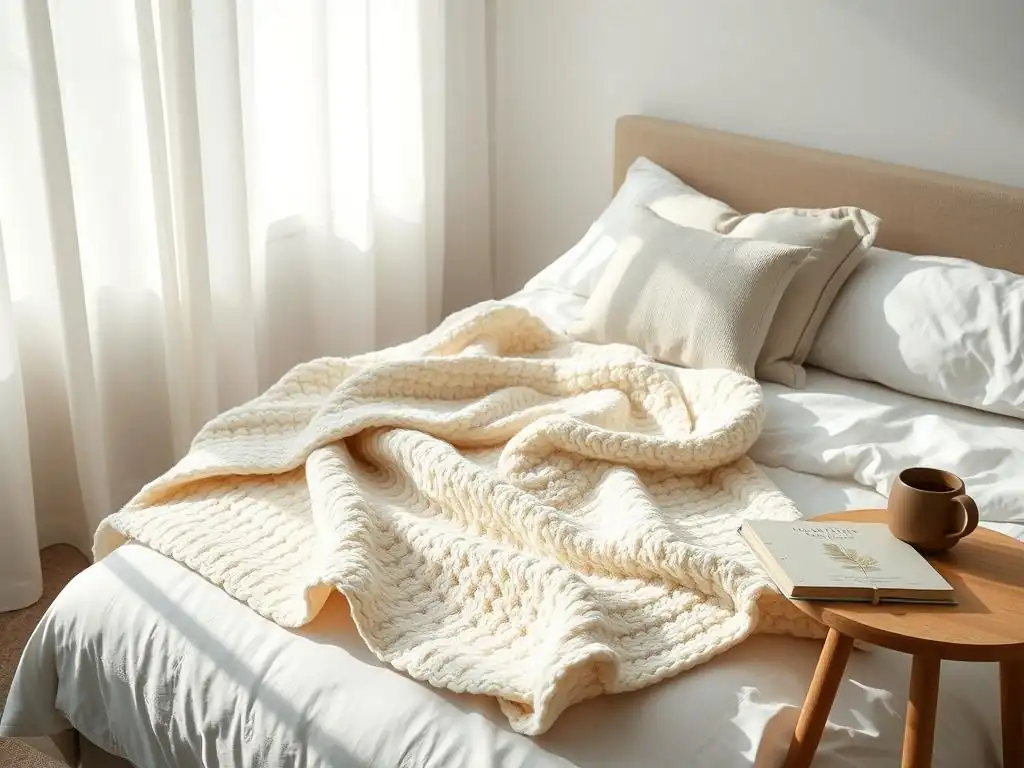
The Bearaby Napper stands out from traditional quilted weighted blankets due to its unique chunky knit design. Made from layers of organic cotton or Tencel (a eucalyptus-based fabric), the weight comes entirely from the dense, layered fabric itself, with no added plastic pellets or glass beads. This creates a highly breathable blanket with a distinct, stylish aesthetic that looks more like a decorative throw than a therapeutic tool. The open-knit structure naturally allows for airflow, addressing a common concern about weighted blankets causing overheating.
While pricier, the Bearaby Napper is favored by those who prioritize breathability, natural materials, and aesthetics. Users report feeling the same calming, grounding pressure as traditional weighted blankets, which helps to reduce anxiety and improve sleep, but with the added benefit of staying cool throughout the night. The lack of internal filling means there's no risk of beads shifting or leaking, offering a different kind of durability. For example, a 20-pound Bearaby Napper in organic cotton provides significant weight purely through its knitted structure.
Bearaby Napper: Pros and Cons
- Pros: Highly breathable due to open knit, uses natural and eco-friendly materials (organic cotton, Tencel), no internal filling (no shifting beads), stylish and aesthetically pleasing, effective at providing deep pressure.
- Cons: Very high price point, the chunky knit might not be comfortable for everyone, cleaning can be more challenging (often requires a large capacity washing machine or professional cleaning), the "holes" in the knit might not be preferred by those who want full coverage without gaps.
Bearaby Napper: Aesthetics and Functionality Combined
The Bearaby Napper successfully merges the functional benefits of weighted blankets for reducing anxiety and improving sleep with modern home decor aesthetics. Unlike traditional weighted blankets that might be hidden under a duvet, the Napper is designed to be displayed, looking like a luxurious throw on a sofa or bed. This makes it a great option for individuals who want the therapeutic benefits but also care about interior design.
Its functionality lies in the pure weight of the fabric providing Deep Pressure Stimulation, while its aesthetic appeal allows it to seamlessly integrate into a living space. This combination makes it unique in the market for weighted blankets that reduce anxiety sleep issues.
Baloo Weighted Blanket: An Eco-Friendly Option for Restful Sleep
Baloo Living focuses on creating weighted blankets that are not only effective but also environmentally conscious and free from synthetic materials. Their weighted blankets are made with 100% cotton (both the shell and the batting/lining) and filled with lead-free glass microbeads. The quilted design ensures the beads stay evenly distributed. Baloo emphasizes breathability and comfort, promoting their blankets as suitable for year-round use without causing overheating, which is a key factor in helping weighted blankets reduce anxiety sleep disruptions.
The Baloo Weighted Blanket is designed to be washed and dried at home, a convenient feature compared to some other brands. Users appreciate the quality of the materials and the comfortable, breathable feel. While it sits in a higher price range than budget options like YnM, it's generally less expensive than premium brands like Gravity or Bearaby, positioning it as a mid-to-high range choice.
Many reviews highlight the softness of the cotton and the noticeable calming effect. For example, a user might comment, "I love that it's all cotton and breathable, and it really does help quiet my mind before sleep."
Baloo Weighted Blanket: Pros and Cons
- Pros: Made with 100% cotton and lead-free glass beads (eco-friendly focus), breathable and designed for year-round use, machine washable and dryable at home, even weight distribution, comfortable feel.
- Cons: Higher price point than budget options, fewer weight and size options compared to some competitors, limited color choices.
Baloo Weighted Blanket: Unique Selling Points
Baloo's primary unique selling points revolve around its commitment to natural materials, breathability, and ease of care. The use of 100% cotton throughout the blanket is a significant draw for those avoiding synthetics. The fact that it's designed to be machine washable and dryable is a practical benefit that sets it apart from blankets that require special handling or professional cleaning. These features, combined with its effective application of Deep Pressure Stimulation, make the Baloo Weighted Blanket an appealing option for consumers seeking a comfortable, low-maintenance, and eco-conscious way to use weighted blankets to reduce anxiety sleep issues.
How to Choose the Right Weighted Blanket for Your Specific Needs
Assessing Your Anxiety Levels and Sleep Patterns
Understanding your personal experience with anxiety and sleep is the first step in selecting the right weighted blanket. Consider how severe your anxiety is, when it tends to peak (e.g., before bed), and what physical manifestations you experience (restlessness, racing heart, difficulty calming down). Also, analyze your sleep patterns: Do you have trouble falling asleep, staying asleep, or do you wake up feeling unrefreshed? Identifying these specifics will help you determine if a weighted blanket's primary benefit of providing calming pressure aligns with your needs.
For instance, if you experience significant physical restlessness or sensory overload, the firm, grounding pressure of a heavier blanket (within the recommended range) might be more effective. If your anxiety primarily manifests as racing thoughts that keep you awake, the overall calming effect and potential neurochemical changes from DPS could be beneficial. Someone who overheats easily while sleeping might prioritize a breathable material like bamboo or a knit design over a plush minky fabric, ensuring the blanket supports, rather than hinders, their ability to find restful sleep.
Considering Pre-Existing Conditions and Sensitivities
It is crucial to consider any pre-existing medical conditions or sensitivities before using a weighted blanket. While generally safe for most healthy adults, weighted blankets are not suitable for everyone. Individuals with respiratory issues (like asthma or COPD), circulatory problems, claustrophobia, or certain skin conditions should exercise caution and ideally consult a healthcare professional. For example, someone with obstructive sleep apnea might find the added weight restricts their breathing.
Similarly, consider sensory sensitivities. While many people find the pressure comforting, individuals with tactile defensiveness or certain sensory processing issues might find the weight or texture overwhelming. If you have joint pain or mobility issues, ensure you can easily move or remove the blanket yourself. Always prioritize safety and comfort; the goal is for weighted blankets to reduce anxiety sleep issues, not create new problems. If unsure, start with a lighter weight or try a friend's blanket before purchasing.
Determining Your Budget and Preferred Style
Weighted blankets vary significantly in price, from under $50 for basic models to several hundred dollars for premium or specialty options. Determine how much you are willing to spend, keeping in mind that a higher price often correlates with better quality materials, more even weight distribution, and enhanced durability. However, many mid-range and even budget-friendly options are highly effective at helping weighted blankets reduce anxiety sleep problems for many users.
Beyond budget, consider your aesthetic preferences and how the blanket will be used. Do you want a blanket that looks like a standard comforter, a cozy throw, or something else? Do you prefer natural fabrics, specific textures, or a particular color? Matching the blanket to your personal style and practical needs (like ease of washing) will ensure you are more likely to use it consistently, thereby maximizing its potential benefits for anxiety and sleep.
Beyond the Blanket: Maximizing the Benefits for Anxiety and Sleep
Combining Weighted Blankets with Other Relaxation Techniques
While weighted blankets are a powerful tool, their effectiveness in reducing anxiety and improving sleep can be amplified when combined with other relaxation techniques. Think of the blanket as one component of a holistic approach to well-being. For example, using a weighted blanket while practicing deep breathing exercises can enhance the calming effect, as both techniques engage the parasympathetic nervous system. The physical sensation of the blanket can also serve as a grounding anchor during mindfulness practices.
Incorporating aromatherapy is another popular method. Diffusing essential oils known for their calming properties, such as lavender or chamomile, in your bedroom while using a weighted blanket can create a multisensory environment conducive to relaxation. The combination of the gentle pressure from the blanket and the soothing scent can help signal to your brain and body that it's time to wind down, making it easier for weighted blankets to reduce anxiety sleep disturbances.
Meditation and Mindfulness Practices
Meditation and mindfulness involve focusing your attention on the present moment without judgment. Practicing these techniques while covered by a weighted blanket can deepen the experience. The blanket's weight can help anchor your body, making it easier to stay present and less likely to be carried away by anxious thoughts.
- Practice: Sit or lie comfortably with the weighted blanket. Close your eyes and focus on your breath. Notice the sensation of the blanket's weight on your body. If your mind wanders, gently bring your attention back to your breath and the feeling of the blanket. Even just 5-10 minutes before bed can be beneficial.
- Benefit: Helps quiet the racing mind often associated with anxiety, making the transition to sleep smoother. The physical grounding from the blanket can enhance the feeling of being present and calm.
Aromatherapy and Essential Oils (e.g., Lavender, Chamomile)
Certain essential oils have long been used for their calming and sleep-promoting properties. Using them in conjunction with a weighted blanket can create a powerful pre-sleep ritual.
- Practice: Use a diffuser in your bedroom with a few drops of lavender or chamomile essential oil about 30 minutes before bed. Alternatively, place a few drops on a tissue near your pillow (away from direct contact with skin or blanket material). Then, settle under your weighted blanket.
- Benefit: The scent can trigger relaxation responses in the brain, complementing the physical calming effect of the weighted blanket. Lavender, for instance, has been shown in some studies to improve sleep quality and reduce anxiety.
Creating a Relaxing Bedtime Routine
Consistency is key when trying to improve sleep and reduce anxiety. Establishing a relaxing bedtime routine signals to your body that it's time to prepare for rest. This routine should ideally start an hour or two before you plan to go to sleep and involve calming activities.
Examples of activities include taking a warm bath, reading a physical book (avoiding screens), gentle stretching, listening to quiet music, or journaling. Integrating the use of your weighted blanket into this routine, perhaps by reading under it or simply lying with it for a period before fully going to sleep, helps associate the blanket with relaxation and sleep. This consistent practice reinforces the ability of weighted blankets to reduce anxiety sleep problems over time.
Optimizing Your Sleep Environment
Your bedroom environment plays a significant role in sleep quality. Creating a cool, dark, and quiet space is essential. Ensure your bedroom temperature is comfortable, typically between 60-67°F (15-19°C). Use blackout curtains to minimize light and consider earplugs or white noise to block out disruptive sounds.
Using your weighted blanket in an optimized sleep environment enhances its effectiveness. If you've chosen a breathable blanket, ensuring the room is cool prevents overheating. If you've created a dark and quiet space, the calming effect of the blanket can be more pronounced, as there are fewer external stimuli to trigger anxiety. A comfortable mattress and pillows also contribute to overall sleep comfort, working in tandem with the weighted blanket to promote deep, restful sleep and effectively help weighted blankets reduce anxiety sleep disruptions.
Addressing Common Concerns and Myths About Weighted Blankets
Are Weighted Blankets Safe for Everyone? (Children, Elderly, Specific Conditions)
While generally safe for healthy adults, weighted blankets are not universally suitable. It is crucial that anyone using a weighted blanket can easily remove it on their own. This is particularly important for young children, infants (who should never use them due to suffocation risk), the elderly, or individuals with limited mobility. For children, it's often recommended to consult a pediatrician or occupational therapist, and the weight should be carefully selected, typically 5-10% of their body weight, ensuring they have the physical capacity to move it.
Individuals with certain medical conditions should also consult a doctor before use. These conditions include but are not limited to: respiratory issues (like severe asthma, COPD), circulatory problems, fragile skin, claustrophobia, or any condition where pressure on the body could be detrimental. The weight, while therapeutic for many, could potentially exacerbate these issues. Prioritizing safety and getting professional advice ensures that weighted blankets help reduce anxiety sleep issues without posing health risks.
Can You Become Dependent on Weighted Blankets?
A common concern is whether using a weighted blanket can lead to dependency, making it difficult to sleep without it. While it's true that many users find they sleep better with a weighted blanket and prefer using one, this is generally considered a preference or a helpful tool rather than a physical or psychological dependency in a clinical sense. Unlike substances that cause withdrawal symptoms, not using a weighted blanket might mean a return to previous sleep difficulties or anxiety levels, but it doesn't create a new, worse condition.
Think of it like using a specific pillow or mattress that you find most comfortable for sleep. You prefer it because it supports your body best, and sleeping without it might not be as restful, but you aren't "dependent" on it. Similarly, if a weighted blanket helps your nervous system calm down and improves your sleep quality by reducing anxiety, it's functioning as a therapeutic aid.
You can typically stop using it anytime, although you might notice your previous sleep or anxiety patterns return. The goal is to find tools that support your well-being, and for many, weighted blankets reduce anxiety sleep challenges effectively as one such tool.
Debunking Myths: Weighted Blankets and Overheating
One prevalent myth is that weighted blankets inevitably cause overheating. While some weighted blankets, particularly those made with less breathable synthetic materials like minky or filled with plastic pellets that retain heat, can indeed feel warm, not all weighted blankets lead to overheating. Manufacturers are increasingly designing blankets with breathability in mind, using materials like cotton, bamboo, or Tencel, and employing construction methods like open knits or quilted channels that allow for better airflow.
Choosing the right material and filling is key to avoiding overheating. For hot sleepers or those in warm climates, opting for a blanket made with breathable cotton or bamboo and filled with fine glass beads (which allow for a thinner blanket) is recommended. The Bearaby Napper, with its open knit design, is specifically marketed on its cooling properties. By selecting a blanket appropriate for your climate and personal temperature regulation, you can enjoy the benefits of weighted blankets reducing anxiety sleep issues without discomfort from excessive heat.
Where to Buy Weighted Blankets and What to Expect
Online Retailers vs. Physical Stores
Weighted blankets are widely available, both online and in physical retail locations. Online retailers, such as Amazon, the websites of specific brands (like Gravity, Bearaby, Baloo), and large department stores with online shops, offer the widest selection of brands, sizes, weights, materials, and price points. Shopping online provides convenience and the ability to easily compare different products and read customer reviews, which can be invaluable when choosing a weighted blanket to reduce anxiety sleep problems.
Physical stores, such as home goods stores, department stores, and sometimes even specialty therapeutic supply stores, may carry a limited selection of weighted blankets. The advantage of buying in person is the ability to feel the weight and texture of the blanket before purchasing, which can help you gauge personal comfort. However, you might not find the specific brand, weight, or material you're looking for, and prices may sometimes be higher than online.
Understanding Return Policies and Warranties
Given the investment and the personal nature of a weighted blanket, understanding the return policy is crucial. Many retailers and brands offer a trial period, often ranging from 30 to 100 nights, allowing you to try the blanket at home to see if it helps with your anxiety and sleep. If it doesn't meet your expectations, you can return it for a refund. Be sure to check the specific terms, including who pays for return shipping and if the blanket needs to be in its original packaging.
Warranties vary by brand but typically cover defects in materials or workmanship for a period, often one to five years. This covers issues like seams coming undone or filling leaking. General wear and tear or damage from improper use are usually not covered. Reading the warranty details before purchasing provides peace of mind and protection for your investment in using weighted blankets to reduce anxiety sleep challenges.
Price Ranges and Payment Options
The price of weighted blankets can range significantly. Basic models, often filled with plastic pellets and synthetic covers, can be found for $30-$80. Mid-range blankets, using glass beads and cotton covers, typically fall between $80-$200. Premium blankets, featuring high-quality materials, unique designs (like knit blankets), or extensive research backing, can range from $200 to $400 or more.
Most retailers accept standard payment methods like credit cards, debit cards, and online payment platforms (e.g., PayPal, Apple Pay). Some online retailers and brands may also offer financing options, allowing you to pay for the blanket in installments. Consider your budget and evaluate the features offered at different price points to find a weighted blanket that provides the best value for your specific needs in using weighted blankets to reduce anxiety sleep problems.
Conclusion: Investing in a Weighted Blanket for a Calmer Mind and Better Sleep
Investing in a weighted blanket is a decision many people make in their journey towards better mental well-being and improved sleep quality. By understanding how these blankets work through Deep Pressure Stimulation, selecting the right weight and materials for your individual needs, and considering factors like size, filling, and budget, you can find a blanket that serves as a valuable tool in your self-care arsenal. The market offers a wide variety of options, from budget-friendly choices like YnM to premium and stylish alternatives like Gravity and Bearaby, ensuring there's likely a weighted blanket suited to help you.
While not a substitute for professional medical advice or treatment for severe anxiety or sleep disorders, a weighted blanket can be a highly effective complementary therapy. For countless users, these blankets provide a tangible sense of comfort, security, and calm, making it easier to relax, quiet a restless mind, and drift off to sleep. By combining its use with other healthy sleep habits and relaxation techniques, you can maximize the potential for weighted blankets to reduce anxiety sleep challenges, paving the way for more restful nights and calmer days.
Frequently Asked Questions
What are weighted blankets and how do they work to reduce anxiety and improve sleep?
Weighted blankets are blankets filled with materials like plastic pellets or glass beads to provide gentle pressure, mimicking the feeling of being hugged or swaddled. This pressure, known as deep touch pressure stimulation (DTPS), can promote relaxation and calm the nervous system, leading to reduced anxiety and improved sleep.
How much should a weighted blanket weigh for optimal anxiety and sleep benefits?
Generally, a weighted blanket should weigh approximately 10% of your body weight. However, individual preferences vary, so consider starting with a slightly lighter weight and adjusting as needed. Consulting with a therapist or healthcare professional is also advisable.
Are there any potential downsides or risks associated with using a weighted blanket?
While generally safe, weighted blankets may not be suitable for everyone. Individuals with certain medical conditions, such as respiratory issues or circulation problems, should consult with a doctor before use. They are also not recommended for young children or infants.
What factors should I consider when choosing a weighted blanket for anxiety and sleep?
Key factors include weight, size, material, and construction. Choose a breathable fabric to avoid overheating, and ensure the weight is evenly distributed throughout the blanket to maximize its effectiveness. Also consider washability for easy care.
Where can I find reputable resources and information about using weighted blankets for anxiety and sleep?
Trusted sources include websites like Mind Care Guide, which offers comprehensive information and support, as well as mental health organizations and healthcare professionals. Look for evidence-based research and reviews to make informed decisions.
Final Reflection: Finding Comfort and Rest Through Weighted Blankets
The search for effective anxiety relief and improved sleep is a universal one, and the growing popularity of weighted blankets highlights this shared need. These aren't just trendy comfort items; they represent a tangible approach to managing anxiety and promoting restful sleep, offering a potentially powerful tool in a world increasingly demanding mental resilience.
The impact of weighted blankets extends beyond individual comfort; they represent a shift in how we approach mental wellness. They offer a non-pharmaceutical, accessible method for managing symptoms, a welcome alternative in a landscape often dominated by medication and therapy. This accessibility underscores their significance. The body keeps the score,
as Bessel van der Kolk so aptly puts it, and weighted blankets offer a gentle way to begin to soothe that score, to address the physical manifestations of anxiety and stress. This resonates deeply with me, as I've witnessed firsthand the calming effect they can have.
Now, consider your own sleep and anxiety levels. What steps are you taking to prioritize your well-being? Are you ready to explore the potential of a weighted blanket as a tool in your self-care arsenal? Don't just passively accept restless nights and anxious days. Take the time to research, consider your needs, and perhaps even invest in a weighted blanket that could be the key to unlocking a more peaceful and restorative existence. Your comfort and well-being are worth it.
Unleash the Calming Power of Your Weighted Blanket
Thanks for taking the time to learn about the benefits of weighted blankets! We hope you now feel more confident in understanding how they can improve your sleep and reduce anxiety. Ready to experience the difference?
- Find your perfect weighted blanket: Consider your preferred weight and fabric to ensure maximum comfort and relaxation. This is the most important step towards finding your perfect fit.
- Share your experience: Tell us about your journey in finding the right weighted blanket—what factors were most important to you?
- Explore different weighted blanket designs and uses: Look beyond the basics and discover innovative designs and unique applications. You might be surprised at what you find!
Ready to start your journey to a more peaceful and restful night's sleep? What's the first step you'll take to find the perfect weighted blanket for you?