
Your 60Second Stress Buster: A Quick Mindfulness Exercise Explained

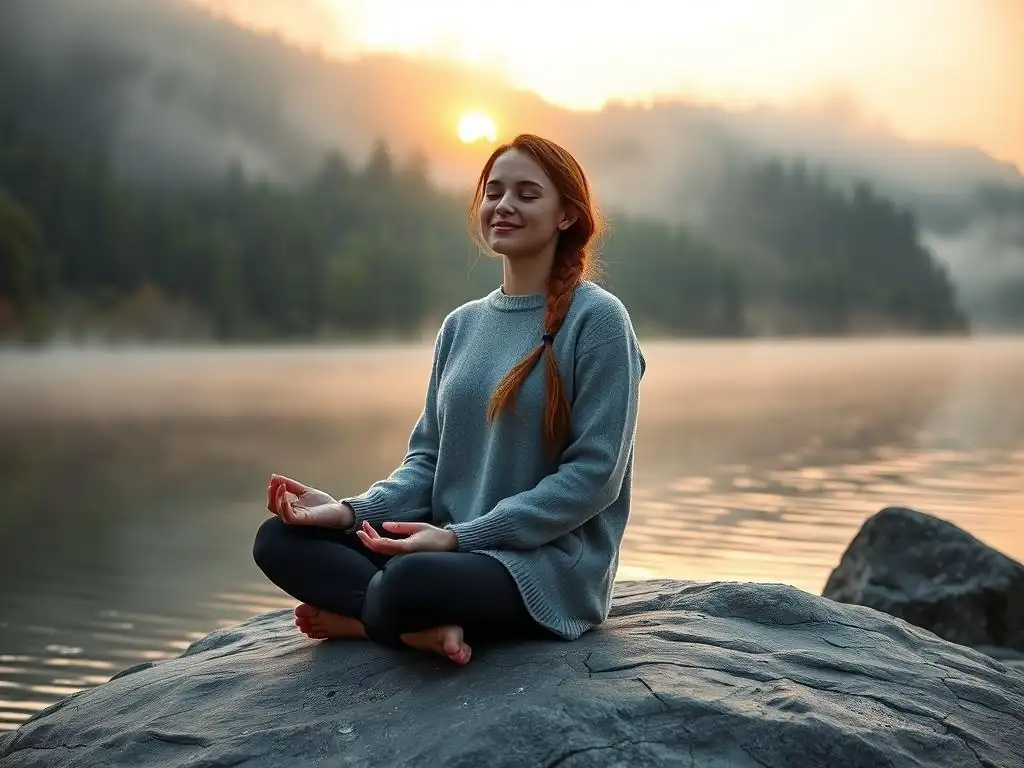
Welcome to Mind Care Guide, your sanctuary for mental well-being. Feeling overwhelmed? We understand. Sometimes, just a minute is all you need to reset and regain control. Discover our Quick mindfulness stress relief exercise and unlock a simple, yet powerful tool to navigate life's daily pressures. Ready to find calm in the chaos? Let's begin.
- Diaphragmatic Breathing: A 60-Second Stress Buster | Mind Care Guide
- Understanding Stress and the Power of Breathing for Relief
- The 60-Second Diaphragmatic Breathing Exercise: A Step-by-Step Guide
- Benefits of Practicing Diaphragmatic Breathing Regularly
- Tips for Maximizing the Effectiveness of Your Breathing Practice
- Troubleshooting Common Challenges with Breathing Exercises
- Beyond 60 Seconds: Expanding Your Breathing Practice
- Conclusion: Embracing Diaphragmatic Breathing for Lasting Stress Relief
-
Frequently Asked Questions
- What is mindfulness and how can it help with stress?
- How long does this quick mindfulness exercise take?
- What are the steps involved in this 60-second stress relief exercise?
- Is this exercise a substitute for professional mental health care?
- How often should I practice this mindfulness exercise for optimal results?
- Final Reflection: Finding Stillness in the Storm
- Unleash Your Inner Calm: Start Practicing Mindfulness Today!
Diaphragmatic Breathing: A 60-Second Stress Buster | Mind Care Guide
Introduction: Finding Calm in Chaos with Diaphragmatic Breathing
In the whirlwind of daily life, finding moments of calm can feel like an impossible task. Stress often builds subtly, manifesting as tension, worry, and a feeling of being overwhelmed. While complex relaxation techniques exist, sometimes all you need is a simple, accessible tool that can provide quick stress relief. This is where the power of your own breath comes into play, specifically through diaphragmatic breathing.
This article will guide you through a remarkably effective, yet incredibly simple, quick mindfulness stress relief exercise: diaphragmatic breathing, executable in just 60 seconds. This technique, also known as deep breathing or belly breathing, is a fundamental practice in many relaxation methods and offers a direct pathway to calming the nervous system. By focusing on controlled, deep breaths, you can interrupt the stress response and cultivate a sense of presence and peace, even when time is limited.
Understanding Stress and the Power of Breathing for Relief
The Impact of Stress on Mental Well-being
Stress is a natural response, but chronic or excessive stress can profoundly impact mental well-being. It can manifest as heightened anxiety, irritability, difficulty concentrating, and even contribute to conditions like depression. When stressed, our bodies often activate the "fight or flight" response, leading to shallow, rapid breathing, increased heart rate, and muscle tension – a state that is detrimental if prolonged. The mental toll includes disrupted sleep patterns, difficulty making decisions, and a reduced capacity to cope with challenges.
Furthermore, persistent stress can erode emotional resilience. It can make small problems feel insurmountable and lead to feelings of hopelessness. For instance, someone experiencing chronic work stress might find themselves constantly on edge, snapping at loved ones, and unable to switch off their thoughts even during leisure time. This pervasive state prevents the mind from resting and recovering, creating a cycle where stress feeds into poor mental health, making effective stress relief techniques crucial.
Diaphragmatic Breathing: A Simple Stress Reduction Tool
Diaphragmatic breathing is a technique that involves engaging the diaphragm, a large muscle located below the lungs, to draw more air into the lower lungs. Unlike shallow chest breathing, which is often associated with stress, deep belly breathing promotes full oxygen exchange and slows the heart rate. This action sends a clear signal to the brain that the body is safe and can relax, effectively counteracting the stress response. It's a foundational practice in mindfulness and meditation, valued for its immediate physiological benefits.
The simplicity of this technique lies in its accessibility – your breath is always with you. While mastering deep breathing takes practice, even initial attempts can yield benefits. By consciously shifting from shallow chest breaths to deep belly breaths, you actively disengage the sympathetic nervous system (responsible for fight or flight) and engage the parasympathetic nervous system (responsible for rest and digest). This physiological shift is the core reason why a simple quick mindfulness stress relief exercise like this can be so powerful.
Why a 60-Second Breathing Exercise Can Make a Difference
In a busy world, lack of time is a major barrier to practicing self-care and stress relief. A 60-second breathing exercise demolishes this barrier. It requires no special equipment, no quiet room (though helpful), and fits into the smallest pockets of your day – waiting for coffee, before a meeting, or during a commute. The key is consistency and the ability to interrupt the stress cycle in the moment before it escalates.
While longer sessions of mindfulness or meditation are highly beneficial, a 60-second practice provides an immediate anchor. It allows you to quickly reset your nervous system, gain a moment of perspective, and return to the present moment. Think of it as a micro-break for your mind and body. Practicing this quick mindfulness stress relief exercise regularly trains your body to access this calm state more readily, making it an increasingly effective tool over time.
The 60-Second Diaphragmatic Breathing Exercise: A Step-by-Step Guide
Step 1: Find a Comfortable Position
Begin by finding a comfortable position. You can sit upright in a chair with your feet flat on the floor, lie down on your back, or even stand if needed. The goal is to ensure your spine is relatively straight to allow your diaphragm to move freely and that your body feels supported and relaxed. Avoid slouching, as this can restrict your breathing capacity.
Settle into your chosen position. Allow your shoulders to relax away from your ears. If sitting, feel your sit bones grounding you. If lying down, feel the support of the surface beneath you. Take a moment to gently close your eyes or soften your gaze, preparing yourself for this brief moment of focused breathing.
Step 2: Place One Hand on Your Chest and the Other on Your Stomach
Place one hand lightly on your upper chest and the other hand just below your rib cage, on your abdomen. This is a simple but effective way to monitor your breathing and ensure you are engaging your diaphragm. Your chest hand will help you notice if you are taking shallow chest breaths, while your stomach hand will help you feel the expansion and contraction of your belly as you breathe deeply.
As you begin the exercise, pay attention to which hand is moving more. The goal is for the hand on your stomach to rise and fall significantly with each breath, while the hand on your chest remains relatively still. This tactile feedback reinforces the correct technique and helps you become more aware of your breathing pattern – a key element of this quick mindfulness stress relief exercise.
Step 3: Inhale Slowly Through Your Nose, Expanding Your Stomach
Now, slowly inhale deeply through your nose. As you inhale, allow your abdomen to expand outwards, pushing the hand on your stomach upwards. Imagine filling your belly with air like a balloon. This movement indicates that your diaphragm is pulling air deep into your lungs, rather than just into the upper chest.
Focus on making this inhale slow and steady, perhaps counting silently to three or four. Feel the cool air entering your nostrils and traveling down. The key is to initiate the breath from your belly, allowing it to swell naturally. This deep inhalation is the foundation of effective diaphragmatic breathing and the first step in activating your body's relaxation response.
Step 4: Exhale Slowly Through Your Mouth, Contracting Your Stomach
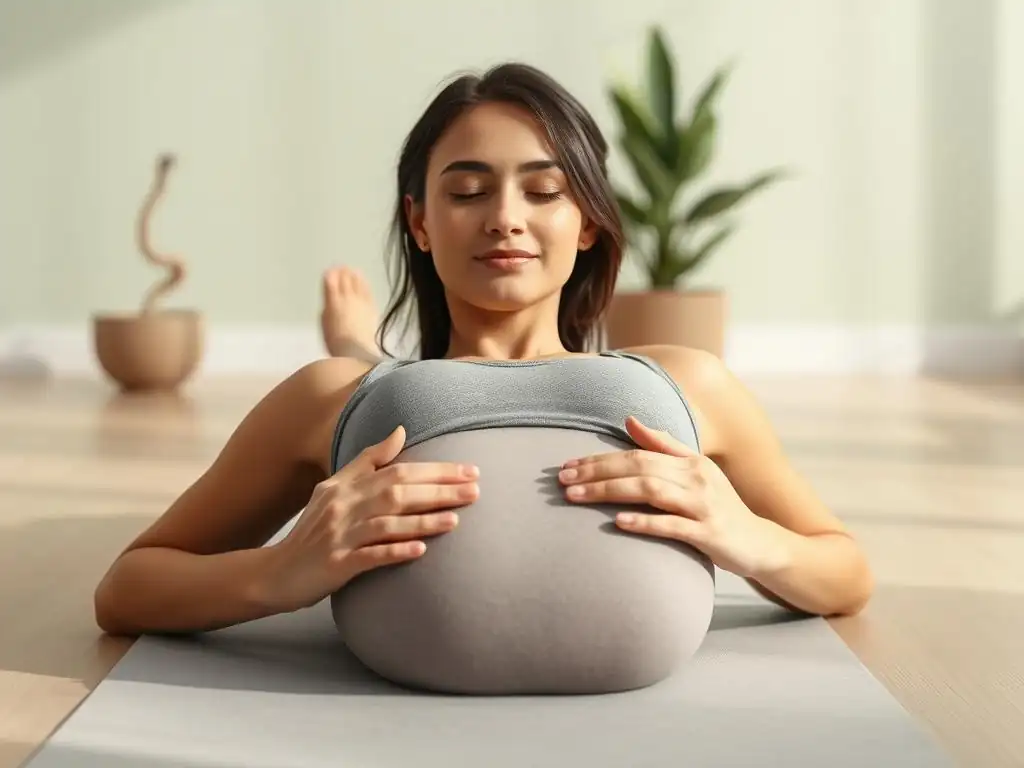
Once you have completed your deep inhale, slowly exhale through your mouth. You can purse your lips slightly as if blowing through a straw. As you exhale, gently contract your abdominal muscles, allowing your stomach to fall inwards. The hand on your stomach should move downwards as the air leaves your lungs.
Make the exhale slightly longer than the inhale, perhaps counting silently to four or five. This longer exhale is particularly effective in activating the parasympathetic nervous system and promoting relaxation. As you exhale, imagine releasing tension and stress with the air leaving your body. This controlled exhalation is a crucial part of gaining quick stress relief through mindfulness of your breath.
Step 5: Repeat for 60 Seconds
Continue repeating the cycle of inhaling slowly through your nose, expanding your stomach, and exhaling slowly through your mouth, contracting your stomach. Set a timer for 60 seconds or simply estimate the time. Focus your attention entirely on the sensation of your breath entering and leaving your body and the movement of your abdomen.
Don't worry if your mind wanders – that's normal. Simply notice the thought and gently bring your attention back to your breath. Aim for approximately 4-6 full breaths within the 60-second period, as slower breaths are generally more calming. Even just 60 seconds of this focused, deep breathing can significantly reduce feelings of stress and bring you back to the present moment.
Benefits of Practicing Diaphragmatic Breathing Regularly
Reduced Anxiety and Improved Emotional Regulation
Regular practice of diaphragmatic breathing has been shown to significantly reduce symptoms of anxiety. By consciously slowing your breath, you directly impact your nervous system, shifting it away from the hyper-vigilant state often associated with anxiety. Many individuals report feeling a noticeable decrease in anxious thoughts and physical tension after just a few minutes of practice, and even a 60-second burst can help interrupt anxious spirals.
Beyond simply reducing anxiety in the moment, consistent deep breathing can improve your overall emotional regulation. By developing a greater awareness of your physiological state through practices like this quick mindfulness stress relief exercise, you become better equipped to recognize the early signs of stress or anxiety. This allows you to apply the breathing technique proactively, preventing emotional overwhelm and fostering a greater sense of control over your reactions.
Lowered Heart Rate and Blood Pressure
One of the most immediate physiological benefits of diaphragmatic breathing is its impact on your cardiovascular system. Shallow chest breathing can increase heart rate, while deep, slow breathing has the opposite effect. Studies and observations frequently show that focused deep breathing can lower heart rate by several beats per minute almost instantly. Over time, regular practice may contribute to lower resting heart rate and potentially help manage blood pressure, although it should not replace medical treatment.
This reduction in heart rate and blood pressure is a direct sign that your body is moving out of the stress response. It signals relaxation, allowing your muscles to release tension and your mind to quiet down. The physical sensation of your heart rate slowing can itself be a source of reassurance and reinforce the calming effect of this quick mindfulness stress relief exercise.
Increased Feelings of Relaxation
The primary goal of this exercise is to induce relaxation, and it excels at this. By focusing on the rhythmic in and out flow of breath and engaging the diaphragm, you naturally release physical tension held in the chest, shoulders, and abdomen. The deliberate act of slowing down and focusing inward provides a mental break from stressors, allowing your mind to rest.
Many practitioners describe a feeling of warmth, heaviness, or lightness spreading through their body as they practice deep breathing. This increased bodily awareness, coupled with the physiological shift towards rest, cultivates a profound sense of relaxation. Even a brief 60-second session can provide a noticeable reduction in muscle tightness and mental chatter, offering a quick pathway to feeling more at ease.
Long-Term Stress Management
While a 60-second exercise provides quick stress relief, the cumulative effect of regular practice is key for long-term stress management. Integrating diaphragmatic breathing into your daily routine – perhaps practicing for a minute several times a day – builds your capacity to handle stress more effectively over time. It trains your nervous system to be less reactive to stressors and your mind to be more present and less caught up in worry.
Think of it like building a muscle; the more you practice, the stronger your ability to regulate your stress response becomes. Consistent deep breathing can lower your baseline stress levels, improve your resilience, and equip you with a reliable tool to navigate life's challenges. Making this quick mindfulness stress relief exercise a habit is an investment in your sustained mental and physical well-being.
Tips for Maximizing the Effectiveness of Your Breathing Practice
Consistency is Key: Integrate It Into Your Daily Routine
To truly benefit from diaphragmatic breathing, consistency is more important than duration. Aim to practice for 60 seconds several times a day rather than one long session occasionally. Tie it to existing habits, such as after brushing your teeth, before checking emails, or during a coffee break. Scheduling these micro-sessions increases the likelihood you'll stick with it.
Many people find success by setting reminders on their phone or placing visual cues in their environment. The more frequently you engage in this quick mindfulness stress relief exercise, the more readily your body and mind will access the relaxed state. Even on busy days, finding 60 seconds for conscious breathing is achievable and highly impactful.
Focus on the Physical Sensations of Breathing
Mindfulness is about paying attention to the present moment without judgment, and in breathing exercises, the breath itself is the anchor. While practicing, bring your full awareness to the physical sensations: the feeling of air entering and leaving your nostrils, the rise and fall of your abdomen, the movement of your diaphragm, and the temperature of the air.
When your mind inevitably wanders to thoughts of the past or future, gently notice that it has wandered and guide your attention back to the sensations of your breath. This practice of returning your focus builds your capacity for mindfulness and makes the quick stress relief exercise more effective. The breath becomes a tangible point of focus that grounds you in the here and now.
Combine with Other Stress-Relieving Activities
Diaphragmatic breathing can be a powerful standalone technique, but its effectiveness can be enhanced when combined with other stress-relieving activities. Use it as a precursor to meditation, gentle stretching, or a short walk. A minute of deep breathing can help you transition into a more relaxed state, making other activities more beneficial.
For instance, before engaging in a hobby you enjoy, take 60 seconds for this quick mindfulness stress relief exercise to fully immerse yourself in the activity. Similarly, if you're feeling overwhelmed, combine a minute of deep breathing with stepping away from your task and perhaps listening to calming music for a few minutes. Integrating breathing into a broader stress management toolkit amplifies its positive effects.
Troubleshooting Common Challenges with Breathing Exercises
Difficulty Breathing Deeply: Practice Regularly
Many people initially find it difficult to breathe deeply into their abdomen, often due to years of shallow chest breathing or holding tension. If you struggle to get your stomach to rise, don't get discouraged. This is a common challenge and simply means you need to practice engaging your diaphragm. Try lying down on your back with a book on your abdomen; the goal is to make the book rise and fall with your breath.
Regular, short practice sessions are the key to overcoming this. Even a few minutes each day focused solely on trying to expand your belly with air will help retrain your muscles. Be patient and gentle with yourself; improvement comes with consistent effort. This quick mindfulness stress relief exercise becomes easier and more effective the more you do it.
Feeling Lightheaded: Slow Down Your Breathing
Occasionally, focusing on deep breathing can lead to feeling lightheaded, especially if you are breathing too rapidly or taking excessively large breaths initially. This is usually a sign that you are slightly hyperventilating, bringing in more oxygen than your body is accustomed to in this relaxed state. If this happens, simply pause, breathe normally for a few moments, and then resume the exercise with slower, gentler breaths.
Ensure your exhales are controlled and perhaps slightly longer than your inhales. Focus on smooth, continuous cycles rather than forceful breaths. As your body adjusts to deeper breathing, this sensation will likely decrease. If lightheadedness persists or is severe, consult a healthcare professional.
Doubting the Effectiveness: Trusting the Process
It's easy to feel skeptical about whether something as simple as breathing can truly provide quick stress relief. If you find yourself doubting the process, remember that the effects of diaphragmatic breathing are rooted in physiology. It directly impacts your nervous system, heart rate, and oxygen levels, all of which influence your stress response.
Trust the science behind the technique and the countless individuals who have found it beneficial. Even if you don't feel a dramatic shift immediately, be mindful of subtle changes: perhaps a slight easing of tension, a moment of quiet in your mind, or a feeling of being more grounded. Consistency builds belief, and the more you practice this quick mindfulness stress relief exercise, the more you'll experience its cumulative power.
Beyond 60 Seconds: Expanding Your Breathing Practice
Longer Breathing Exercises for Deeper Relaxation
While the 60-second exercise is excellent for quick stress relief, dedicating longer periods to diaphragmatic breathing can lead to deeper states of relaxation and mindfulness. Once you are comfortable with the basic 60-second practice, consider extending it to 3, 5, or even 10 minutes. Longer sessions allow your nervous system to settle more profoundly and provide a sustained period for mental quietude.
During longer practices, you might incorporate body scans or gentle affirmations alongside your breathing. The principles remain the same – focus on deep, abdominal breaths – but the extended time allows for a more comprehensive unwinding of tension and a deeper engagement with the present moment. This progression builds upon the foundation of your quick mindfulness stress relief exercise habit.
Integrating Breathing into Everyday Activities
The beauty of breathing techniques is that they can be integrated into almost any activity. Once you are familiar with diaphragmatic breathing, try practicing it subtly throughout your day without needing to stop what you're doing fully. You can practice while walking, doing chores, working at your desk, or even during conversations.
The goal is to make conscious, deep breathing a more automatic part of your life. Notice your breath during transitions – before opening an email, before starting your car, or before entering a room. Taking just one or two mindful, deep breaths in these moments can break cycles of shallow breathing and keep you more grounded. This makes quick stress relief through mindfulness an ongoing practice, not just a scheduled exercise.
Exploring Other Breathing Techniques
Diaphragmatic breathing is a fundamental technique, but the world of pranayama (yogic breathing) and other mindfulness practices offers a variety of other beneficial breathing exercises. Once you are comfortable with belly breathing, you might explore techniques like alternate nostril breathing (Nadi Shodhana), box breathing (4-4-4-4 count), or resonant breathing.
Each technique offers slightly different benefits, from balancing energy to enhancing focus. Exploring these variations can keep your practice fresh and provide you with an even broader toolkit for managing stress and enhancing well-being. Start with the simple 60-second quick mindfulness stress relief exercise, and let your breath guide you to deeper practices.
Conclusion: Embracing Diaphragmatic Breathing for Lasting Stress Relief
Frequently Asked Questions
What is mindfulness and how can it help with stress?
Mindfulness is paying attention to the present moment without judgment. It helps with stress by bringing awareness to your thoughts and feelings, allowing you to respond rather than react. This can lead to a calmer state of mind.
How long does this quick mindfulness exercise take?
The exercise is designed to be completed in just 60 seconds, making it a practical tool for quick stress relief even during busy days. Its brevity is its key advantage.
What are the steps involved in this 60-second stress relief exercise?
The exercise typically involves focusing on your breath, noticing physical sensations, and acknowledging thoughts without judgment. It's about anchoring yourself in the present moment for a brief period.
Is this exercise a substitute for professional mental health care?
No, this exercise is a supplementary tool and should not replace professional help. If you are experiencing significant mental health challenges, please seek guidance from a qualified mental health professional.
How often should I practice this mindfulness exercise for optimal results?
While effective as a quick fix, regular practice is recommended. Incorporating it multiple times a day or even daily can lead to improved stress management skills over time.
Final Reflection: Finding Stillness in the Storm
The relentless pace of modern life leaves many of us feeling overwhelmed, and the urgent need for effective stress management techniques is more critical than ever. Quick, accessible methods for finding calm amidst the chaos are no longer a luxury, but a necessity for maintaining both mental and physical well-being. This simple mindfulness exercise, therefore, isn't just a fleeting trend; it's a vital tool for navigating the pressures of our time.
The impact of consistent mindfulness practice on my own life has been profound. It's not about eliminating stress entirely—that's unrealistic—but about cultivating a healthier relationship with it. Learning to observe my thoughts and feelings without judgment, as this exercise encourages, has given me a sense of control and resilience I previously lacked. Mindfulness isn't about escaping life, it's about finding freedom within it.
This quote perfectly encapsulates the transformative power of even these brief moments of intentional presence.
Now, I invite you to integrate this 60-second stress buster into your daily routine. Try it first thing in the morning, during a stressful moment at work, or before bed. Notice the subtle shifts in your energy, your mood, your perspective. This isn't just about reducing stress; it's about cultivating a deeper connection with yourself, fostering self-compassion, and building a more resilient and peaceful existence. Embrace the stillness, and watch as it transforms your world.
Unleash Your Inner Calm: Start Practicing Mindfulness Today!
Thanks for taking the time to explore the power of mindfulness! We hope this quick exercise gave you a taste of the calm it can bring. Ready to integrate this simple technique into your daily life?
- Begin your mindfulness journey today: Set a daily reminder for your 60-second stress buster. Even a few minutes each day can make a world of difference.
- Share your experience: Tell us about your first attempt – what did you notice? What was most surprising? Let’s build a supportive community of mindful individuals!
- Consider exploring other simple mindfulness techniques. Our website offers many more exercises to help you find your perfect path to tranquility.
Are you ready to embrace a more peaceful and present you?