
The Mindful Brain at Work: Boosting Productivity Through Neural Changes

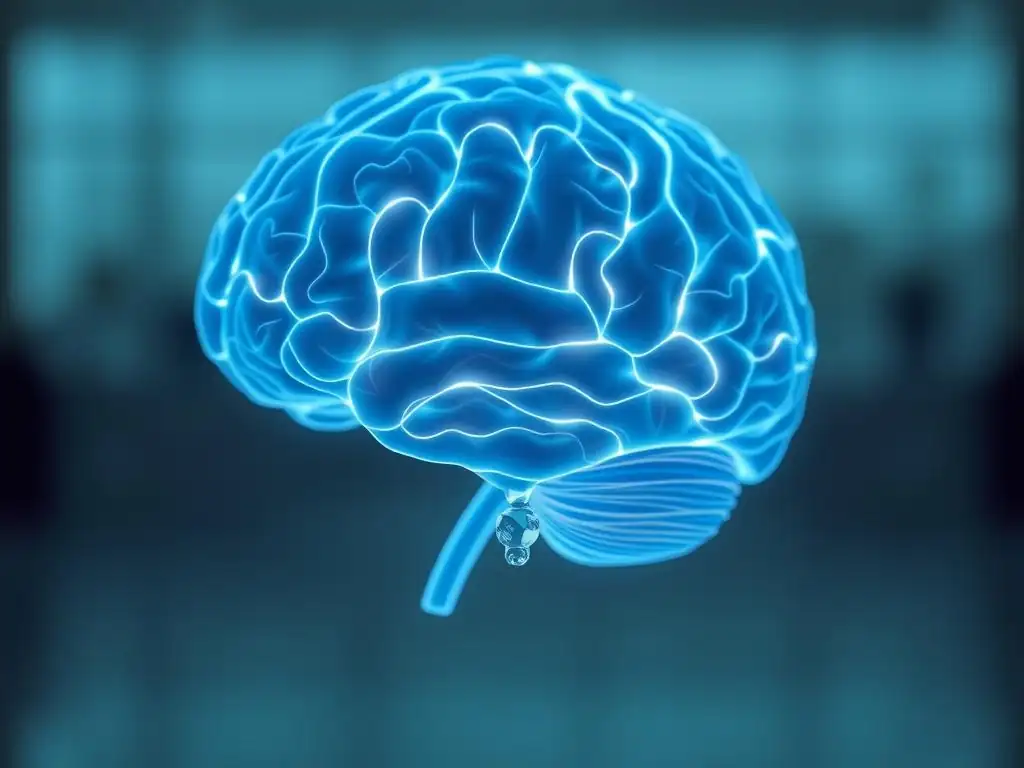
Welcome to Mind Care Guide, a sanctuary for your mental well-being.
Feeling overwhelmed by the demands of modern life? Ever wondered if you could actually train your brain to be more productive while staying grounded and calm? Our journey into Mindful Productivity Brain Training starts now. Discover how simple mindfulness techniques can reshape your neural pathways, unlocking a more focused and fulfilling work life. Let's explore the science and practice of cultivating a mindful brain, and see how it can revolutionize your approach to productivity and overall well-being. Are you ready to begin?
Enhancing Workplace Performance Through Cognitive Training
- Introduction: Optimizing Cognitive Function for Workplace Success
- Neuroscience of Cognitive Skills: How Training Impacts the Brain
- Cognitive Training Techniques for Workplace Enhancement
- Practical Strategies for Implementing Cognitive Training in the Workplace
- The Benefits of Cognitive Training: Beyond Improved Skills
- Measuring the Impact: Assessing Your Progress with Cognitive Training
- Overcoming Challenges: Addressing Common Obstacles to Cognitive Training at Work
- Advanced Techniques for Cognitive Enhancement
- Case Studies: Real-World Examples of Cognitive Training in Action
- Conclusion: Embracing Cognitive Training for a High-Performing Workforce
-
Frequently Asked Questions
- How does mindful productivity brain training differ from traditional productivity techniques?
- What are some specific brain training exercises that can improve mindful productivity?
- How long does it typically take to see noticeable improvements in mindful productivity through brain training?
- Can mindful productivity brain training help with specific mental health challenges, such as anxiety or stress, that impact work performance?
- Where can I find resources and support to begin mindful productivity brain training, especially relating to my mental well-being?
- Final Reflection: Cultivating a Mindful, Productive Brain
- Unleash Your Brain's Potential: Boost Productivity Now!
Introduction: Optimizing Cognitive Function for Workplace Success
In today's demanding work environment, cognitive function is paramount. It's not just about technical skills; it's about how effectively our brains process information, manage tasks, and maintain focus. This cognitive capacity directly influences productivity, decision-making, and overall job performance. Understanding and enhancing these mental abilities can be a game-changer for individuals and organizations alike.
Understanding the Connection Between Cognitive Skills and Workplace Performance
Cognitive skills, such as attention, memory, problem-solving, and executive functions, form the bedrock of workplace performance. Think about a project manager juggling multiple deadlines – this requires robust working memory to track tasks and strong executive function to prioritize. A software developer debugging complex code relies heavily on analytical and problem-solving skills.
Research consistently shows a correlation between higher cognitive function scores and better job performance across various industries. For instance, studies in demanding roles like air traffic control or surgery have highlighted the critical role of sustained attention and rapid decision-making under pressure. Even in less high-stakes roles, efficient information processing and task switching are vital for maintaining workflow and reducing errors.
Furthermore, the ability to learn new information and adapt to changing processes is a cognitive skill increasingly valued in the modern workplace. As technology evolves and industries shift, individuals who can quickly grasp new concepts and apply them are better equipped to succeed. This adaptability is a direct outcome of flexible cognitive function. Organizations recognize this, with many investing in training programs that go beyond technical skills to address these underlying cognitive capacities, acknowledging that a sharp mind is a productive mind.
The Potential of Cognitive Training: Reshaping Cognitive Abilities for Enhanced Productivity
Cognitive training, sometimes referred to as mindful productivity brain training when incorporating mindfulness principles, offers a structured approach to improving these essential mental skills. Unlike simply practicing job tasks, cognitive training exercises target specific cognitive processes through focused activities designed to challenge and strengthen neural pathways. This isn't a one-size-fits-all solution but a collection of techniques aimed at enhancing areas like memory capacity, processing speed, and attentional control. The goal is to create lasting changes in brain function that translate into improved performance in real-world work scenarios.
Evidence suggests that consistent cognitive training can lead to measurable improvements in targeted skills. For example, participants in working memory training programs have shown improvements in their ability to hold and manipulate information mentally, a skill crucial for planning and complex problem-solving. Attention training can help individuals filter distractions and maintain focus for longer periods, reducing errors and boosting efficiency. While the degree of transfer to daily tasks can vary, the potential to reshape cognitive abilities through dedicated practice holds significant promise for enhancing workplace productivity. This mindful approach to brain training focuses on building mental resilience and efficiency.
Neuroscience of Cognitive Skills: How Training Impacts the Brain
The impact of cognitive training isn't just behavioral; it's deeply rooted in neuroscience. The brain is remarkably plastic, meaning its structure and function can change in response to experience, learning, and training. Cognitive training leverages this neuroplasticity to strengthen neural circuits associated with specific cognitive functions. Understanding which brain regions are involved provides insight into how training works at a fundamental level.
Brain Regions Activated by Cognitive Training: A Neuroimaging Perspective
Neuroimaging techniques like fMRI (functional Magnetic Resonance Imaging) allow researchers to observe which brain areas are active during cognitive tasks and how these patterns change with training. Studies on working memory training, for instance, often show increased activity in the prefrontal cortex and parietal lobe – regions critical for attention, planning, and holding information temporarily.
Consistent training appears to make these networks more efficient, potentially requiring less overall brain effort to perform the same task or enabling the handling of more complex tasks. Research using fMRI has shown that after several weeks of training, participants exhibit altered activation patterns, sometimes shifting activity to more efficient networks or showing reduced activity in areas previously overtaxed.
Attention training, on the other hand, frequently engages areas within the frontal and parietal networks associated with selective attention and inhibitory control. The anterior cingulate cortex, involved in conflict monitoring and error detection, also shows changes. Neuroimaging studies have demonstrated that individuals who undergo attention training can show increased connectivity between these regions, suggesting a more integrated and effective attentional system. These neural changes provide a biological basis for the observed improvements in focus and reduced distractibility reported by individuals undertaking mindful productivity brain training.
Working Memory and Task Management: Enhancing Cognitive Capacity at Work
Working memory is the brain's temporary storage and manipulation system, essential for tasks like following multi-step instructions, mental arithmetic, or keeping track of different pieces of information during a meeting. It's a core component of effective task management. When working memory capacity is limited, individuals can feel overwhelmed, forget details, or struggle to switch between tasks efficiently. Cognitive training programs specifically designed to challenge working memory aim to expand this capacity.
Training exercises often involve remembering sequences of items or numbers while performing other tasks simultaneously. Research indicates that consistent practice can lead to measurable increases in working memory capacity, sometimes expanding the number of items an individual can hold in mind by one or two units. While this might sound small, even a modest increase can significantly impact the ability to handle complex tasks, manage interruptions, and maintain coherence across multiple projects. This enhancement in working memory directly supports better task management and contributes to mindful productivity brain training goals.
Attention and Focus: Improving Concentration for Optimal Performance
Sustained attention and the ability to filter distractions are critical for maintaining focus in busy work environments. Modern workplaces are rife with potential interruptions – emails, notifications, colleagues, and internal thoughts. Poor attention control leads to frequent task switching, increased errors, and reduced efficiency. Attention training techniques aim to strengthen the neural mechanisms responsible for maintaining focus and inhibiting responses to distractions.
These training methods often involve tasks that require prolonged concentration or actively ignoring irrelevant stimuli. Studies have shown that individuals participating in attention training can improve their performance on tests measuring sustained attention and inhibitory control. For instance, one line of research demonstrated that participants showed an average reduction of 15% in errors on a task requiring sustained focus after a few weeks of training. This improved ability to concentrate and resist distractions is a key outcome of effective mindful productivity brain training, enabling individuals to immerse themselves more deeply in their work and achieve flow states.
Cognitive Training Techniques for Workplace Enhancement
Various techniques fall under the umbrella of cognitive training, each targeting different cognitive skills. Implementing these techniques effectively in a workplace context requires selecting methods relevant to the specific cognitive demands of the roles and integrating them into employees' routines.
Working Memory Training for Improved Task Completion
Working memory training often involves 'n-back' tasks, where participants must indicate if the current stimulus matches the one presented 'n' steps earlier in a sequence. The value of 'n' increases as performance improves, making the task progressively more challenging. Other methods include complex span tasks, requiring both processing and storing information simultaneously.
These exercises, when practiced regularly (e.g., 20-30 minutes per day, several times a week for 4-8 weeks), can lead to measurable improvements in working memory capacity. For employees, this can translate into better ability to remember instructions, manage meeting details without constant note-taking, and handle more complex projects involving multiple data points or dependencies. A project manager using these techniques might find it easier to track progress across several teams simultaneously, reducing the likelihood of overlooking critical steps.
Attention Training for Enhanced Focus and Reduced Distractibility
Attention training techniques vary, from simple sustained attention exercises (like monitoring a screen for specific stimuli over time) to more complex tasks involving selective attention and inhibitory control (like the Stroop task, where you name the color of ink a word is printed in, even if the word names a different color). Mindfulness meditation, often considered a form of attention training, cultivates the ability to focus on the present moment and notice distractions without getting carried away by them.
Implementing attention training, perhaps through short daily guided mindfulness sessions or dedicated computer-based programs, can help employees filter out irrelevant information and maintain concentration. For someone in a busy open-plan office, this might mean being less bothered by background noise or visual distractions. Research has indicated that such training can lead to a significant decrease in self-reported mind-wandering during tasks, potentially boosting efficiency by as much as 10-15% on tasks requiring sustained focus. This mindful productivity brain training component is particularly valuable in interruption-rich environments.
Problem-Solving Training for Improving Analytical Skills
Problem-solving training often focuses on developing analytical reasoning, logical thinking, and strategic planning skills. This can involve tasks like complex puzzles, logic games, or simulations that require identifying patterns, evaluating options, and devising solutions. The goal is to improve the process by which individuals approach and break down complex challenges.
Training in this area can involve structured exercises that require participants to analyze scenarios, identify underlying principles, and apply logical steps to reach a conclusion. For instance, training modules might present business case studies or technical problems requiring analytical deduction. Regular practice can enhance an individual's ability to approach novel problems systematically, consider multiple perspectives, and arrive at more effective solutions. While harder to quantify universally, improvements in problem-solving skills can lead to faster issue resolution and more innovative approaches in roles requiring analytical thinking, such as R&D or strategic planning.
Practical Strategies for Implementing Cognitive Training in the Workplace

Integrating cognitive training into the workplace requires thoughtful planning and execution. It's not enough to simply offer tools; organizations need to consider how training fits within existing structures and how to encourage participation.
Integrating Cognitive Training into Existing Learning Programs
One effective strategy is to embed cognitive training modules within existing employee onboarding, professional development, or leadership training programs. This positions cognitive skill development as a foundational element of professional growth, not a separate, optional activity. For example, a leadership development program could include modules on enhancing working memory for better strategic planning or attention training for more focused decision-making during crises.
This integration makes training more accessible and reinforces its relevance to job performance. Organizations can allocate dedicated time within training schedules for cognitive exercises, perhaps starting meetings with a short mindful attention practice or incorporating problem-solving challenges into team-building activities. By making it part of the standard learning curriculum, companies signal the importance of mindful productivity brain training for all employees.
Utilizing Digital Cognitive Training Platforms
Numerous digital platforms and apps offer structured cognitive training exercises. These platforms often use gamification to make training engaging and track progress over time. They can be accessed remotely, offering flexibility for employees with varying schedules or locations. Many platforms offer personalized training plans based on an individual's initial assessment and performance.
Implementing a digital platform might involve providing employees with subscriptions or access codes and encouraging regular use. Some companies might set goals for training frequency (e.g., 15 minutes, 3-4 times per week) and integrate progress tracking into performance discussions. While platform effectiveness can vary, choosing reputable, evidence-based programs is crucial. A large company might roll out access to 500 employees, tracking engagement rates and surveying participants on perceived benefits to gauge the program's impact.
Creating a Supportive Environment for Cognitive Skill Development
Successful implementation goes beyond providing tools; it requires fostering a culture that values cognitive well-being and development. This includes leadership buy-in, clear communication about the benefits of training, and providing dedicated time and space for employees to engage in exercises. Managers can encourage teams to discuss their experiences with cognitive training and share tips.
Allowing employees brief periods during the workday for training (e.g., 10-15 minutes before starting complex tasks) can significantly boost participation. Creating quiet zones or providing noise-cancelling headphones can also support attention training efforts. A supportive environment acknowledges that mindful productivity brain training is an investment in employee capacity and well-being, not an additional burden. Celebrating improvements and sharing success stories can further motivate participation.
The Benefits of Cognitive Training: Beyond Improved Skills
The advantages of cognitive training extend beyond simply getting better at specific tasks. Enhanced cognitive function can have far-reaching positive effects on an individual's professional life and even personal well-being.
Enhanced Learning and Adaptability: Preparing for Future Challenges
A key benefit of improved cognitive function, particularly working memory and attention, is an enhanced ability to learn and adapt. When your brain is more efficient at processing new information and maintaining focus, absorbing new concepts, mastering new software, or understanding complex new procedures becomes easier and faster. This improved learning agility is crucial in rapidly changing industries.
Employees who have undergone cognitive training might find it easier to transition to new roles, acquire new technical skills, or understand complex market shifts. For example, an employee trained in working memory and attention might grasp a new enterprise resource planning (ERP) system significantly faster than a peer, potentially reducing the typical learning curve by 20-30%. This enhanced adaptability makes the workforce more resilient and better prepared for future challenges and opportunities.
Improved Decision-Making: Clarity and Accuracy in the Workplace
Effective decision-making relies on several cognitive processes, including evaluating information, considering consequences, and inhibiting impulsive responses. Training in areas like attention, working memory, and problem-solving can directly improve these processes, leading to clearer thinking and more accurate decisions.
Someone with improved working memory can hold more relevant factors in mind when evaluating options. Better attention control allows for a more thorough analysis of available data without getting sidetracked by irrelevant details. Problem-solving training sharpens the ability to logically weigh pros and cons. Studies on executive function training have shown improvements in decision-making quality in simulated scenarios. In a business context, this could mean making more informed strategic choices, identifying risks more effectively, or resolving customer issues with greater accuracy and confidence. This is a significant outcome of mindful productivity brain training in leadership roles.
While aging is associated with some natural cognitive changes, engaging in mentally stimulating activities like cognitive training can help build cognitive reserve and resilience. Regular cognitive exercise is thought to strengthen neural networks and potentially mitigate the impact of age-related decline, helping individuals maintain higher levels of cognitive function for longer.
Research suggests that individuals who engage in lifelong learning and cognitive activities have a reduced risk of significant cognitive impairment later in life. While workplace cognitive training is typically focused on current performance, it offers a secondary long-term benefit by keeping the brain active and engaged. For experienced employees, this can mean maintaining high levels of performance and adaptability well into their careers, contributing valuable expertise and stability to the workforce. This aspect of mindful productivity brain training supports long-term career viability.
Measuring the Impact: Assessing Your Progress with Cognitive Training
To understand the effectiveness of cognitive training initiatives, it's essential to establish metrics and track progress. Measurement helps demonstrate return on investment, identify areas for improvement, and motivate participants by showing tangible results.
Tracking Changes in Cognitive Performance Metrics
The most direct way to measure the impact of cognitive training is through pre- and post-training assessments using standardized cognitive tests. These tests measure specific abilities like working memory span, reaction time, attention control, or processing speed. Many digital training platforms include built-in assessment tools that provide objective data on improvements in the trained skills.
For example, a company implementing a working memory training program could administer a validated working memory test before and after the program. Seeing an average score increase of, say, 10-12% across participants provides objective evidence that the training is effectively enhancing the targeted cognitive skill. This data is crucial for validating the efficacy of the mindful productivity brain training program itself.
Monitoring Task Completion Rates and Accuracy
Ultimately, the goal of workplace cognitive training is to improve job performance. Tracking metrics related to task completion and accuracy provides insight into whether improvements in cognitive skills are translating into real-world benefits. This requires identifying specific, measurable tasks relevant to employees' roles.
For a data entry team, this might involve monitoring the number of entries processed per hour or the percentage of errors made. For a customer service team, it could be average call handling time or first-call resolution rates. If employees who undergo attention training show a statistically significant decrease in data entry errors (e.g., a 5% reduction) or a slight but consistent improvement in handling time, it suggests the training is positively impacting performance. Collecting baseline data before training is critical for comparison.
Evaluating the Impact on Workplace Productivity and Efficiency
Measuring overall productivity and efficiency is a broader way to assess the impact of cognitive training. This can involve looking at team or departmental output, project completion times, or efficiency metrics like throughput or resource utilization. While harder to attribute solely to cognitive training, combining these metrics with cognitive test scores and task-specific data can provide a comprehensive picture.
For example, if a sales team undergoes training focused on attention and working memory for better client management, you might look at metrics like the number of client interactions managed per salesperson or the accuracy of client follow-ups. If these metrics show a positive trend following training, coupled with improvements in cognitive tests, it strengthens the case for the training's effectiveness. Surveys on perceived productivity and reduced stress can also offer valuable qualitative data on the impact of mindful productivity brain training.
Overcoming Challenges: Addressing Common Obstacles to Cognitive Training at Work

Implementing cognitive training in the workplace isn't without its hurdles. Organizations must anticipate and address common challenges to ensure successful adoption and sustained engagement.
Time Constraints and Prioritization
One of the most significant barriers is finding dedicated time for training amidst demanding workloads. Employees often feel overwhelmed by their current responsibilities and view training as an additional burden rather than an investment. Prioritizing cognitive training requires clear communication from leadership and practical solutions for time allocation.
Organizations can address this by explicitly scheduling training time during the workday, perhaps allocating 15-20 minutes daily or an hour a few times a week. Managers need to support this allocation and ensure employees don't feel penalized for taking time away from immediate tasks. Framing the training as essential for long-term efficiency, rather than optional, can also help shift perceptions. Creating a task list for employees to track their training progress can also be helpful:
- [ ] Schedule 15-min training slot daily
- [ ] Complete assigned training module
- [ ] Reflect on training benefits for daily tasks
- [ ] Discuss progress with manager (optional)
Engagement and Motivation
Maintaining employee engagement and motivation over the duration of a cognitive training program (which often requires several weeks or months for significant results) can be challenging. Initial enthusiasm may wane, especially if results aren't immediately apparent or the exercises feel repetitive.
Strategies to boost engagement include using gamified platforms, incorporating friendly competition or team-based challenges, and celebrating milestones or improvements. Providing regular feedback on individual and group progress can also be highly motivating. Highlighting the personal benefits – reduced stress, improved focus, easier learning – can resonate more deeply than abstract productivity goals. Leaders modeling participation can also significantly influence engagement levels for mindful productivity brain training initiatives.
Ensuring Transfer of Skills to Real-World Tasks
A critical challenge is ensuring that improvements seen in specific training exercises translate into improved performance on actual job tasks. Training on an abstract memory game is useful only if it genuinely helps an employee remember meeting details or manage project dependencies better. This is known as the problem of "transfer."
To maximize transfer, training exercises should ideally be designed to mimic the cognitive demands of the target job tasks as closely as possible, or be paired with strategies for applying the learned skills. For example, after a session on attention control, employees could be encouraged to practice mindful awareness during a challenging task or actively use techniques to block out distractions. Providing coaching or workshops on how to apply trained skills in specific work scenarios is crucial. Managers can also play a role by helping employees identify opportunities to practice newly enhanced cognitive skills in their daily work.
Advanced Techniques for Cognitive Enhancement
Beyond standard cognitive training exercises, several more advanced techniques are being explored for their potential to enhance cognitive function. These methods often involve technology that directly interacts with brain activity.
Neurofeedback for Targeted Brainwave Optimization
Neurofeedback is a type of biofeedback where individuals learn to alter their brainwave activity (measured by EEG) by observing real-time displays of their brain patterns. For example, someone might train to increase alpha waves, associated with relaxed focus, or decrease theta waves, linked to mind-wandering. By providing visual or auditory cues based on their brain activity, individuals learn to regulate their brain states consciously.
In a workplace context, neurofeedback could potentially be used to train employees to achieve states of optimal focus and calm under pressure. For instance, a trader could train to maintain a focused state during market volatility, or a surgeon could practice maintaining calm concentration. While requiring specialized equipment and trained practitioners, neurofeedback offers a highly targeted approach to mindful productivity brain training by directly addressing the underlying neural patterns.
Brain Stimulation Techniques (tDCS, TMS)
Non-invasive brain stimulation techniques like transcranial Direct Current Stimulation (tDCS) and Transcranial Magnetic Stimulation (TMS) involve applying weak electrical currents (tDCS) or magnetic pulses (TMS) to specific areas of the scalp to modulate neuronal activity. These techniques are being researched for their potential to temporarily enhance cognitive performance or facilitate learning.
Research is exploring whether applying tDCS to areas like the prefrontal cortex might temporarily boost working memory or attention during challenging tasks. While still largely experimental and not widely adopted in standard workplace training, these techniques represent a frontier in cognitive enhancement research. Their use in the workplace would require careful ethical consideration and professional oversight, but they highlight the potential for future, more direct methods of mindful productivity brain training.
Combining Cognitive Training with Other Interventions (e.g., Mindfulness)
The most potent approach to cognitive enhancement may involve combining different techniques. Integrating cognitive training exercises with practices like mindfulness meditation, physical exercise, and sleep optimization can create a synergistic effect, promoting overall brain health and cognitive function. Mindfulness, in particular, complements cognitive training by improving self-awareness of cognitive states (like mind-wandering) and enhancing the ability to regulate attention.
A comprehensive workplace program might include daily mindful meditation sessions to build attentional control and stress resilience, alongside targeted digital cognitive training exercises for working memory and problem-solving. Encouraging regular physical activity and educating employees on sleep hygiene further supports the brain's capacity for optimal function. This holistic approach to mindful productivity brain training acknowledges that cognitive performance is influenced by a range of factors.
Case Studies: Real-World Examples of Cognitive Training in Action
While specific company data can be proprietary, examining hypothetical scenarios based on real-world applications illustrates how cognitive training can impact different industries.
Financial Institution: Improving Trading Performance Through Cognitive Training
Scenario: A large investment bank notices that junior traders, despite strong analytical skills, struggle with maintaining focus during volatile market periods and making quick, accurate decisions under pressure. Errors related to attention lapses or impulsive trades are impacting profitability.
Intervention: The bank implements a pilot program involving attention training and working memory exercises using a digital platform, alongside brief daily mindfulness sessions focused on emotional regulation and present moment awareness. The program runs for 8 weeks with voluntary participation from a group of 50 junior traders.
Outcome (Illustrative): Post-training assessments show an average 15% improvement in attention scores among participants. Trading performance metrics for the trained group over the subsequent quarter show a reduction in minor errors (e.g., incorrect order entries) by approximately 10% compared to a control group. While overall profitability is influenced by many factors, the reduction in preventable errors is a positive indicator of improved cognitive control under pressure, demonstrating the potential of mindful productivity brain training in high-stakes environments.
Healthcare Organization: Reducing Errors Through Enhanced Attention Training
Scenario: A hospital identifies that a significant percentage of medical errors, particularly in medication administration and data entry, are linked to lapses in attention and high workload. Nurses and administrative staff are constantly multitasking and dealing with interruptions.
Intervention: The hospital introduces mandatory attention training modules as part of ongoing professional development for nurses and pharmacy staff. The training includes exercises focused on sustained attention and filtering distractions, delivered via a computer-based program accessible at work stations. The program emphasizes the link between focused attention and patient safety.
Outcome (Illustrative): Tracking of error rates in the trained units over six months shows a statistically significant decrease (e.g., a 7% reduction) in certain types of errors, such as incorrect dosages or patient data mix-ups, compared to baseline data from the previous year. Staff feedback indicates a greater awareness of their own attentional states and improved strategies for managing interruptions, highlighting the direct impact of mindful productivity brain training on critical safety outcomes.
Manufacturing Company: Enhancing Problem-Solving Skills for Process Improvement
Scenario: A manufacturing plant aims to improve efficiency and reduce waste by empowering floor supervisors and engineers to identify and solve process bottlenecks more effectively. While technically skilled, they sometimes struggle with root cause analysis and creative problem-solving for complex issues.
Intervention: The company implements a problem-solving training program using interactive simulations and case studies based on common manufacturing challenges. The program focuses on analytical reasoning, logical deduction, and structured problem-solving frameworks. Training is delivered in weekly workshops over a two-month period.
Outcome (Illustrative): Participants demonstrate a noticeable improvement in their ability to diagnose simulated process issues during the training. In the six months following the program, teams led by trained supervisors submit 20% more process improvement suggestions, and a higher percentage of these suggestions (e.g., 30% vs. 20%) are successfully implemented, leading to measurable reductions in material waste (e.g., a 2% overall reduction). This indicates that improved problem-solving skills are translating into tangible operational benefits, showcasing the value of mindful productivity brain training in technical roles.
Conclusion: Embracing Cognitive Training for a High-Performing Workforce
The evidence suggests that cognitive training offers a powerful approach to enhancing workplace performance by targeting the fundamental cognitive skills that underpin productivity, learning, and decision-making. By understanding the neuroscience behind these abilities and employing targeted training techniques, organizations can cultivate a workforce that is more focused, adaptable, and resilient. Integrating mindful productivity brain training into professional development is not just a trend; it's becoming a strategic imperative in the modern economy.
The Future of Work: A Cognitively Optimized Approach
As the pace of technological change accelerates and the complexity of work increases, the demand for strong cognitive skills will only grow. The future workforce will need to be highly adaptable, capable of rapid learning, and skilled at navigating ambiguity and managing information overload. A cognitively optimized approach to talent development, which includes mindful productivity brain training, prepares employees for these challenges, ensuring they remain effective and engaged throughout their careers. Organizations that invest proactively in their employees' cognitive capacity will be better positioned to innovate, compete, and thrive.
Call to Action: Start Your Cognitive Training Journey Today
Are you ready to unlock your brain's full potential for productivity and performance? Explore the possibilities of cognitive training for yourself or your team.
- Assess your current cognitive strengths and areas for development.
- Research evidence-based cognitive training programs or platforms relevant to your professional goals.
- Start with small, consistent steps – even 15 minutes of focused cognitive exercise or mindfulness practice daily can make a difference.
- Discuss with your employer the potential benefits of integrating cognitive training into workplace development programs.
Embracing mindful productivity brain training is an investment in your most valuable asset: your mind. Begin your journey today towards enhanced focus, improved productivity, and greater professional success.
Frequently Asked Questions
How does mindful productivity brain training differ from traditional productivity techniques?
Traditional techniques often focus on time management and task completion, while mindful productivity brain training emphasizes attention regulation and emotional awareness to enhance focus and reduce stress.
What are some specific brain training exercises that can improve mindful productivity?
Exercises include mindfulness meditation, attention-focusing tasks (like counting breaths), and cognitive reappraisal techniques to manage distractions and negative thoughts effectively.
How long does it typically take to see noticeable improvements in mindful productivity through brain training?
Results vary, but consistent practice (even 10-15 minutes daily) can lead to noticeable improvements in focus, reduced reactivity, and overall productivity within a few weeks.
Can mindful productivity brain training help with specific mental health challenges, such as anxiety or stress, that impact work performance?
Yes, mindfulness practices are known to reduce anxiety and stress levels. By training the brain to be more present and less reactive, individuals can better manage these challenges, leading to improved work performance.
Where can I find resources and support to begin mindful productivity brain training, especially relating to my mental well-being?
"Mind Care Guide" offers comprehensive resources on this topic, including articles, guided meditations, and links to mental health professionals specializing in mindfulness-based interventions.
Final Reflection: Cultivating a Mindful, Productive Brain
The integration of mindfulness practices into the workplace is no longer a fringe benefit; it's a crucial strategy for unlocking peak performance and fostering a healthier, more resilient workforce. The research presented clearly demonstrates the tangible neural changes that mindfulness cultivates, directly impacting focus, stress management, and overall cognitive function – all vital components of enhanced productivity. This isn't just about feeling better; it's about demonstrably improving the way our brains function in demanding work environments.
The impact of mindfulness extends far beyond individual productivity gains. It's reshaping our understanding of work-life balance, challenging the outdated notion that relentless striving is the only path to success. The only way to do great work is to love what you do.
- Steve Jobs. This quote, while often cited in a different context, resonates deeply with the mindful approach. By fostering a deeper connection with ourselves and our work through mindful practices, we cultivate a sense of purpose and fulfillment that transcends mere output, leading to a more sustainable and ultimately more rewarding career path.
Consider the ways in which you can integrate mindful practices into your daily routine. Start small – a few minutes of deep breathing each morning, a mindful walk during your lunch break, or even simply taking a moment to appreciate the present before responding to an email. You are not just improving your productivity; you are investing in your well-being, fostering resilience, and cultivating a more meaningful relationship with your work and your life. Embrace the power of the mindful brain – the rewards are immeasurable.
Unleash Your Brain's Potential: Boost Productivity Now!
Thanks for taking the time to explore the power of mindful practices in enhancing your workplace performance. You've learned valuable strategies to reshape your neural pathways for increased productivity and focus. Now it's time to put this knowledge into action!
- Prioritize one mindfulness technique from the article – whether it's deep breathing, a short meditation, or a mindful walk – and incorporate it into your daily work routine. Even 5 minutes can make a significant difference!
- Share your experience! Tell us about a small change you made and how it impacted your focus or energy levels. Your insights might inspire others on their mindful journey.
- Try a "mindful break" experiment: Instead of mindlessly scrolling during your next break, engage in a sensory activity—notice the texture of your coffee cup, the sounds around you, or the feel of the sun on your skin. See how it affects your afternoon productivity.
What small mindful practice are you most excited to try today, and what do you anticipate will be the most beneficial result?