
Generalized Anxiety & Mindfulness: Finding Calm in Constant Worry


Welcome to Mind Care Guide, a sanctuary dedicated to your mental well-being. Feeling overwhelmed by constant worry? You're not alone. This space offers compassionate guidance and practical tools to navigate the complexities of anxiety. Let's explore how mindfulness can reduce anxiety symptoms, offering a path toward lasting calm. Curious to discover how simple techniques can make a powerful difference? Dive in and begin your journey to inner peace.
Generalized Anxiety & Mindfulness: Finding Calm in Constant Worry
- Understanding Generalized Anxiety Disorder (GAD) and Its Impact
- Mindfulness: A Powerful Tool for Anxiety Relief
- How Mindfulness Helps Reduce Anxiety Symptoms
- Practical Mindfulness Exercises for Generalized Anxiety
- Integrating Mindfulness into Daily Life to Manage GAD
- Overcoming Challenges in Your Mindfulness Journey for Anxiety
- Combining Mindfulness with Other Therapies for GAD
- Seeking Professional Help for Generalized Anxiety Disorder
- Resources for Mindfulness and Anxiety Relief
-
Frequently Asked Questions
- What is the connection between mindfulness and generalized anxiety disorder?
- How can mindfulness techniques specifically help to reduce anxiety symptoms associated with generalized anxiety?
- Are there different types of mindfulness exercises that are more effective for reducing anxiety symptoms than others?
- How often should I practice mindfulness to experience a noticeable reduction in my anxiety symptoms?
- What if I find it difficult to focus during mindfulness exercises, or my anxiety gets worse initially?
- Final Reflection: Cultivating Inner Peace in a World of Worry
- Unlock Your Inner Calm: Start Your Mindfulness Journey Today!
Understanding Generalized Anxiety Disorder (GAD) and Its Impact
Defining Generalized Anxiety: More Than Just Worry
Generalized Anxiety Disorder (GAD) is characterized by excessive, uncontrollable worry about everyday things. Unlike the occasional stress or worry we all experience, GAD involves persistent, chronic worry that is disproportionate to the actual circumstances. This worry often shifts from one concern to another, encompassing areas like work, finances, health, family, or minor matters such as punctuality or household chores. The intensity and duration of this worry are key features that distinguish it from typical anxious feelings.
For someone living with GAD, the worry isn't just a fleeting thought; it's a near-constant mental noise that is difficult to turn off. This pervasive state of apprehension can significantly interfere with daily functioning, making it hard to concentrate, relax, or enjoy life. While many people worry occasionally about specific events like a job interview or a test, the worry in GAD is generalized, persistent, and often lacks a specific, immediate cause, creating a perpetual state of unease.
The Pervasive Symptoms of GAD: Physical and Psychological Manifestations
The symptoms of Generalized Anxiety Disorder extend far beyond just feeling worried. They encompass a wide range of physical and psychological manifestations that can be debilitating. Psychologically, individuals often experience restlessness, feeling keyed up or on edge, difficulty concentrating (as the mind is preoccupied with worry), irritability, and significant sleep disturbances, including difficulty falling asleep or staying asleep due to racing thoughts.
Physically, GAD can present with symptoms that mimic other health issues, often leading to medical consultations. Common physical signs include muscle tension (especially in the neck, shoulders, and back), fatigue, headaches, stomachaches, nausea, and sweating. Some individuals also report a racing heart or shortness of breath, particularly during heightened periods of anxiety. These physical symptoms are not imagined; they are real physiological responses to the chronic activation of the body's stress response system.
How GAD Differs from Normal Anxiety: Identifying the Key Distinctions
Distinguishing GAD from normal, everyday anxiety is crucial for understanding the disorder and seeking appropriate support. While normal anxiety is typically a temporary response to a specific stressor (like public speaking or a deadline) and subsides once the situation is resolved, GAD involves worry that is excessive, persistent (often lasting for six months or more), and occurs even in the absence of clear triggers. The intensity of GAD worry is also disproportionate to the situation.
Another key difference lies in the impact on daily life. Normal anxiety might cause temporary discomfort or disruption, but GAD significantly impairs one's ability to function in various domains, including work, school, social activities, and personal relationships. People with GAD often find their worry uncontrollable, whereas someone with normal anxiety can usually manage or redirect their concerns. The sheer duration, intensity, and broad scope of worry are hallmarks of GAD that set it apart from typical anxious feelings.
Mindfulness: A Powerful Tool for Anxiety Relief
What is Mindfulness? A Beginner's Guide to Present Moment Awareness
Mindfulness is the practice of intentionally bringing one's attention to the present moment without judgment. It involves observing thoughts, feelings, bodily sensations, and the surrounding environment as they arise, simply noticing them without getting caught up in them or labeling them as "good" or "bad." It's about cultivating a state of awareness where you are fully present, rather than dwelling on the past or worrying about the future.
At its core, mindfulness encourages a gentle curiosity about one's inner and outer experience. It's not about clearing the mind or achieving a state of blankness; rather, it's about developing a different relationship with your thoughts and feelings. Instead of automatically reacting to anxieties or getting swept away by worries, mindfulness teaches you to step back, observe these mental events as temporary phenomena, and choose your response rather than being driven by automatic reactions.
The Science Behind Mindfulness: How it Impacts the Brain and Body
Scientific research provides compelling evidence for how mindfulness reduce anxiety symptoms by impacting the brain and body. Studies using fMRI scans have shown that regular mindfulness practice can lead to structural and functional changes in the brain. For instance, it has been observed to decrease activity in the amygdala, often referred to as the brain's "fear center," which is hyperactive in individuals with anxiety disorders.
Simultaneously, mindfulness has been shown to increase activity in the prefrontal cortex, the area of the brain associated with executive functions like attention, self-awareness, and emotional regulation. This shift in brain activity suggests that mindfulness helps the brain become less reactive to perceived threats and more adept at managing emotional responses. Furthermore, mindfulness practices have been linked to reductions in stress hormones like cortisol, contributing to a calmer physiological state and offering significant anxiety relief through mindfulness.
Benefits of Mindfulness for Mental Health: Beyond Anxiety Reduction
While mindfulness is a powerful tool for reducing anxiety symptoms, its benefits extend to various aspects of mental health and overall well-being. Regular practice can improve emotional regulation, helping individuals to manage intense feelings like anger, sadness, or frustration with greater skill and less reactivity. This improved emotional resilience is invaluable for navigating the challenges of daily life.
Beyond emotional benefits, mindfulness can enhance cognitive functions such as focus, concentration, and working memory. By training the mind to stay present, it becomes easier to resist distractions and maintain attention on tasks. Furthermore, mindfulness fosters self-compassion and reduces self-criticism, promoting a more positive self-image and improving relationships with others by encouraging more present and empathetic interactions.
How Mindfulness Helps Reduce Anxiety Symptoms
Mindfulness and the Anxious Mind: Breaking the Worry Cycle
The anxious mind is often characterized by a relentless cycle of worry and rumination, constantly rehashing past events or catastrophizing future possibilities. Mindfulness directly addresses this pattern by training the mind to observe thoughts without getting entangled in them. Instead of being consumed by a worry, mindfulness encourages you to notice the thought as just a thought, a mental event that arises and passes, rather than an absolute truth or an impending reality.
By cultivating this observer perspective, mindfulness helps create distance from anxious thoughts. This distance allows you to interrupt the automatic chain reaction of worry that often spirals out of control in GAD. It's like stepping off a runaway train and watching it pass by, rather than being trapped inside it. This fundamental shift in how you relate to your thoughts is a key mechanism by which mindfulness reduce anxiety symptoms.
Cultivating Present Moment Awareness to Manage Anxiety Triggers
Anxiety triggers can be external situations (like social gatherings) or internal states (like a physical sensation). Often, the anxious response is automatic and overwhelming. Cultivating present moment awareness through mindfulness provides a powerful tool to manage these triggers more effectively. When a trigger arises, instead of being immediately swept into panic or intense worry, you can use mindfulness to anchor yourself in the present.
This involves noticing the trigger without immediately reacting. For instance, if you feel your heart rate increase, instead of thinking "Oh no, I'm having a panic attack," you can mindfully observe the sensation: "I notice my heart is beating fast." This simple act of non-judgmental observation interrupts the fear-based interpretation that fuels anxiety. By repeatedly bringing your attention back to the present moment – focusing on your breath, bodily sensations, or immediate surroundings – you train your mind to stay grounded even when triggers are present, significantly helping mindfulness reduce anxiety symptoms.
Reducing Catastrophic Thinking with Mindfulness Techniques
Catastrophic thinking, the tendency to assume the worst possible outcome, is a hallmark of Generalized Anxiety Disorder. Mindfulness offers effective techniques to challenge and reduce this pattern. By practicing observing thoughts without judgment, you learn to recognize catastrophic thoughts as simply thoughts, not predictions of reality.
For example, if you have the thought, "I'm going to fail this presentation and lose my job," mindfulness encourages you to notice, "Ah, there is a thought about failing and losing my job." You don't argue with the thought, try to suppress it, or immediately believe it. You simply observe its presence. Over time, this practice weakens the power of these thoughts and reduces their ability to trigger intense anxiety. It helps you see that a thought is not a fact, allowing for a more balanced perspective and contributing to reducing anxiety with mindfulness.
Practical Mindfulness Exercises for Generalized Anxiety
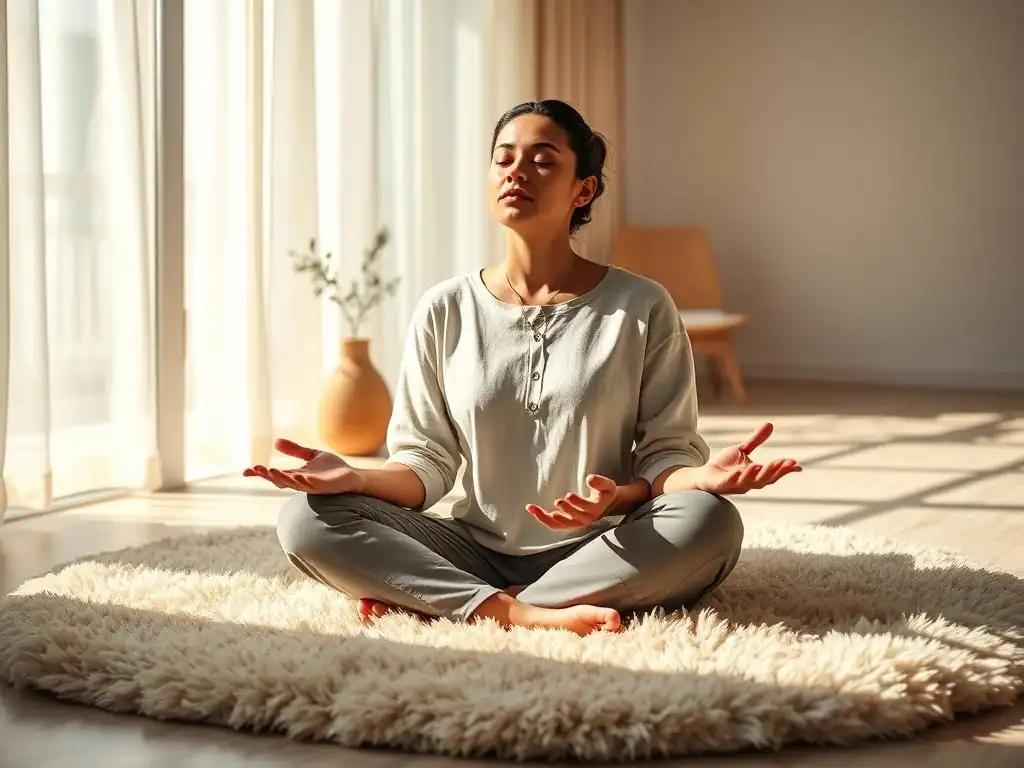
Mindfulness Meditation for Anxiety: A Step-by-Step Guide
Mindfulness meditation is a foundational practice for anxiety relief through mindfulness. Find a quiet place where you won't be disturbed. You can sit on a cushion on the floor or on a chair, ensuring your spine is relatively straight but not stiff. Close your eyes gently or lower your gaze. Begin by taking a few deep breaths, exhaling slowly to help settle your body.
Bring your attention to the sensation of your breath. Notice the rise and fall of your abdomen or chest, the feeling of air entering and leaving your nostrils. Your mind will inevitably wander – this is completely normal. When you notice your mind has drifted to thoughts, worries, or plans, gently acknowledge where it went without judgment, and then kindly guide your attention back to your breath.
There is no need to be frustrated; each time you notice your mind wandering and bring it back is a moment of mindfulness practice. Start with just 5-10 minutes a day and gradually increase the duration as you feel comfortable. This consistent practice is key to allowing mindfulness reduce anxiety symptoms over time.
Body Scan Meditation: Releasing Tension and Promoting Relaxation
The body scan meditation is a powerful way to become more aware of physical sensations and release tension, which is often held in the body by anxiety. Lie down on your back or sit comfortably. Close your eyes. Bring your attention to your body, starting with your feet. Gently move your awareness through your body, section by section, noticing any sensations present – tingling, warmth, coolness, pressure, or absence of sensation.
Spend a few moments with each part (toes, soles of feet, ankles, calves, knees, etc. ), simply observing what is there without trying to change it. If you encounter tension, you can gently breathe into that area, imagining the breath softening the tension on the exhale, but the primary goal is just awareness. Continue moving up through your legs, torso, arms, hands, neck, face, and head. This practice helps you connect with your physical self, grounding you in the present moment and promoting a sense of calm and relaxation that can significantly aid anxiety relief through mindfulness.
Mindful Breathing Exercises: Anchoring Yourself in the Present
Mindful breathing is perhaps the most accessible mindfulness technique for immediate anxiety relief. It can be done anywhere, anytime. When you feel anxiety rising, simply pause and bring your attention to your breath. You don't need to change your breath, just notice it as it is. Feel the physical sensation of the inhale and the exhale.
A simple technique is the "4-7-8" breath or box breathing, but even just focusing on natural breathing is effective. For example, try the "Anchor Breath": Place a hand on your abdomen. Feel it rise with the inhale and fall with the exhale.
Focus solely on this sensation for several breaths. Whenever your mind gets pulled into worry, gently redirect it back to the physical sensation of your breath. This simple act serves as an anchor, mooring you to the present moment and creating space from anxious thoughts, making it a quick and effective way to use mindfulness reduce anxiety symptoms in the moment.
Mindful Walking: Connecting with Your Body and Surroundings
Mindful walking integrates movement with present moment awareness. Find a place where you can walk without feeling rushed, either indoors or outdoors. Begin by bringing attention to the sensations in your feet as they make contact with the ground. Notice the lifting of one foot, the swing forward, the placement, and the shift of weight.
Expand your awareness to include the movement of your legs, arms, and body as a whole. If walking outdoors, gently notice the sights, sounds, and smells around you without getting lost in thought about them. If your mind starts worrying or planning, gently guide your attention back to the physical sensations of walking or the immediate sensory experience. Mindful walking combines gentle exercise with mindfulness practice, offering a dynamic way to reduce anxiety with mindfulness and connect with your body and environment.
Integrating Mindfulness into Daily Life to Manage GAD
Creating a Daily Mindfulness Practice: Consistency is Key
Consistency is crucial when using mindfulness reduce anxiety symptoms over the long term. Just like building physical strength requires regular exercise, cultivating mental resilience through mindfulness requires consistent practice. Aim to incorporate short periods of mindfulness into your daily routine, even if it's just 5-10 minutes. This could be first thing in the morning, during a lunch break, or before bed.
Consider using a mindfulness app or guided meditations to help you stay on track. You can also integrate informal mindfulness throughout your day – paying full attention while brushing your teeth, eating a meal, or washing dishes. The goal is not perfection, but regularity. By making mindfulness a habit, you build a foundation of present moment awareness that makes it easier to access calm when anxiety arises, significantly improving anxiety relief through mindfulness.
Using Mindfulness During Anxious Moments: Quick Techniques for Immediate Relief
When faced with acute anxiety, having quick mindfulness techniques at your disposal can be incredibly helpful. One simple method is the "3-Minute Breathing Space." For one minute, notice what is happening right now – thoughts, feelings, body sensations. For the second minute, narrow your attention to the breath, focusing on the physical sensations of breathing. For the third minute, expand your awareness back out to the body as a whole and the space around you.
Another quick technique is grounding. Notice five things you can see, four things you can touch, three things you can hear, two things you can smell, and one thing you can taste. This engages your senses and pulls your attention out of your head and into the present physical reality. These short, accessible practices provide immediate anchors during moments of heightened anxiety, demonstrating how mindfulness can quickly reduce anxiety symptoms.
Social situations can be significant triggers for individuals with GAD. Mindful communication offers strategies to navigate these interactions with less anxiety. This involves bringing present moment awareness to conversations. Instead of being preoccupied with what you'll say next, how you're being perceived, or past social missteps, focus on truly listening to the other person.
Pay attention to their words, tone of voice, and body language. Be aware of your own physical sensations and emotional reactions as they arise, without judgment. When it's your turn to speak, speak mindfully, paying attention to your own words and how you are expressing yourself. This practice reduces the mental noise associated with social anxiety, allowing for more authentic and less stressful connections, thereby helping mindfulness reduce anxiety symptoms in social contexts.
Overcoming Challenges in Your Mindfulness Journey for Anxiety
Common Obstacles to Mindfulness Practice and How to Address Them
Beginning a mindfulness practice for anxiety relief often comes with challenges. A very common obstacle is a wandering mind; beginners might feel frustrated that their thoughts keep drifting. It's important to understand that the mind's nature is to think. The practice isn't about stopping thoughts, but noticing them and gently returning attention. Treat your wandering mind with kindness, not criticism – each return is a successful moment of mindfulness.
Another obstacle can be impatience, wanting to see results quickly or feeling like you're "doing it wrong." Mindfulness is a skill that develops over time with consistent effort. Release the expectation of immediate calm or profound experiences. Simply commit to the practice itself, trusting that the benefits, including how mindfulness reduce anxiety symptoms, will unfold naturally with persistence. Finding a comfortable time and space, and being realistic about the duration of your sessions, can also help overcome practical barriers.
Dealing with Difficult Emotions During Mindfulness Meditation
Sometimes, mindfulness meditation can bring difficult emotions or uncomfortable physical sensations to the surface. This can be unsettling, especially when seeking anxiety relief. It's crucial to approach these experiences with gentleness and self-compassion. Remember that the meditation space is a safe place to observe these feelings without judgment.
Instead of trying to push the emotion away or analyze it extensively, simply acknowledge its presence: "I notice sadness," or "I notice tightness in my chest." Breathe with the sensation or emotion, allowing it to be there without resistance. If it becomes overwhelming, it's perfectly acceptable to gently open your eyes, take a break, or shorten your session. You are not required to endure intense discomfort. The goal is to learn to relate differently to difficult experiences, not to suppress them, thereby building tolerance and resilience which helps mindfulness reduce anxiety symptoms.
Staying Motivated and Consistent with Your Mindfulness Practice
Maintaining motivation and consistency with mindfulness practice, particularly when managing GAD, can be challenging over time. Life gets busy, and it's easy to let the practice slide. Setting realistic goals is key; even 5-10 minutes daily is beneficial. Try linking your practice to an existing habit, like immediately after brushing your teeth or before your morning coffee.
Finding a community or practicing with a friend can provide support and accountability. Reflecting on the benefits you've experienced – perhaps noticing a slight reduction in worry, a moment of peace, or improved ability to handle stress – can also be a powerful motivator. Remember why you started practicing mindfulness for anxiety and gently recommit each day, understanding that some days will be easier than others.
Combining Mindfulness with Other Therapies for GAD
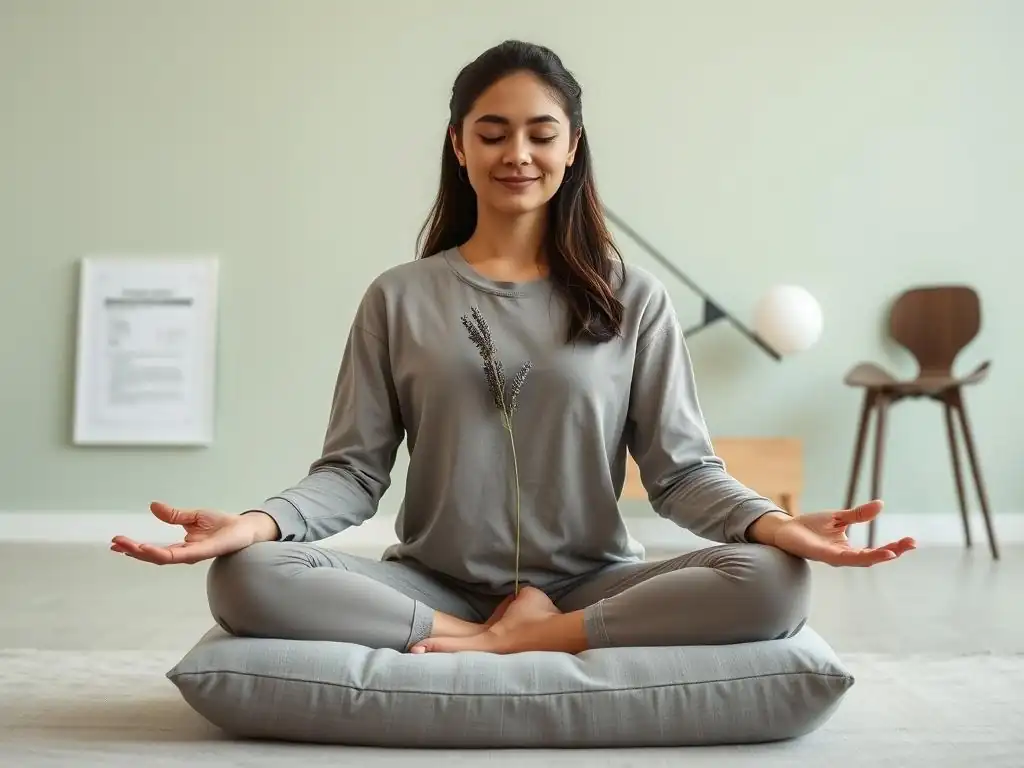
Mindfulness-Based Cognitive Therapy (MBCT) for Anxiety
Mindfulness-Based Cognitive Therapy (MBCT) is an evidence-based program that integrates mindfulness techniques with principles of Cognitive Behavioral Therapy (CBT). Originally developed for preventing relapse in depression, MBCT has been adapted and shown to be effective for anxiety disorders, including GAD. It teaches participants to become more aware of their thoughts, feelings, and bodily sensations, particularly in relation to anxious patterns.
MBCT helps individuals recognize how their thought patterns contribute to anxiety and teaches them to relate to these thoughts differently – not as facts, but as temporary mental events. The program typically involves weekly group sessions over several weeks, guided meditations, and homework assignments to practice mindfulness in daily life. This structured approach provides a robust framework for using mindfulness reduce anxiety symptoms by directly addressing the cognitive habits that perpetuate worry.
Mindfulness and Medication: A Holistic Approach to Treatment
For many individuals with Generalized Anxiety Disorder, a holistic treatment approach that combines mindfulness practice with medication, as prescribed by a healthcare professional, can be highly effective. Mindfulness is not intended to replace necessary medical treatment but can serve as a valuable complementary therapy. Medication can help manage the severity of anxiety symptoms, making it easier to engage with therapeutic practices like mindfulness.
When used together, medication may reduce the intensity of the anxiety response, while mindfulness provides tools to manage the psychological and physical symptoms that remain and build long-term coping skills. This combination addresses both the biological and behavioral aspects of GAD. It is essential to discuss the integration of mindfulness into your treatment plan with your doctor or psychiatrist to ensure it complements any prescribed medication safely and effectively.
Seeking Professional Help for Generalized Anxiety Disorder
While mindfulness is a powerful tool for managing GAD symptoms, it is often most effective when used as part of a comprehensive treatment plan guided by mental health professionals. Generalized Anxiety Disorder is a complex condition, and professional support can provide diagnosis, personalized treatment strategies, and therapeutic guidance.
Psychologists, therapists, or counselors specializing in anxiety disorders can offer evidence-based therapies like Cognitive Behavioral Therapy (CBT), Acceptance and Commitment Therapy (ACT), or MBCT, which integrate mindfulness principles. A psychiatrist can assess whether medication might be beneficial as part of your treatment. Seeking professional help is a sign of strength and provides access to tailored support and resources to navigate the challenges of GAD effectively.
Resources for Mindfulness and Anxiety Relief
Many resources are available to support your journey in using mindfulness reduce anxiety symptoms and find anxiety relief through mindfulness. Numerous mindfulness apps offer guided meditations, body scans, and breathing exercises, often with specific programs tailored for anxiety or stress reduction. These apps can be convenient tools for establishing a regular practice.
Books on mindfulness and GAD provide in-depth information, practical exercises, and personal stories that can offer insight and inspiration. Many community centers, meditation centers, or therapy practices offer mindfulness workshops or courses, including MBCT programs, which provide structured learning and the benefit of practicing in a group setting. Exploring these resources can help you find the tools and support best suited to your individual needs in managing anxiety with mindfulness.
Frequently Asked Questions
What is the connection between mindfulness and generalized anxiety disorder?
Mindfulness techniques help you become more aware of your thoughts and feelings in the present moment. This awareness allows you to observe anxious thoughts without judgment, reducing their impact on your emotional state.
How can mindfulness techniques specifically help to reduce anxiety symptoms associated with generalized anxiety?
Mindfulness practices, such as meditation and deep breathing, can calm the nervous system and interrupt the cycle of anxious thoughts. This allows you to respond to anxiety with intention rather than reaction.
Are there different types of mindfulness exercises that are more effective for reducing anxiety symptoms than others?
While effectiveness varies individually, meditation, mindful breathing, and body scans are commonly recommended for generalized anxiety. Experiment to find what resonates best with you and your needs.
How often should I practice mindfulness to experience a noticeable reduction in my anxiety symptoms?
Consistency is key. Aim for at least 10-15 minutes daily, gradually increasing the duration as you become more comfortable. Even short, regular practice can have a significant impact.
What if I find it difficult to focus during mindfulness exercises, or my anxiety gets worse initially?
It's normal to experience difficulty focusing at first. Acknowledge your thoughts without judgment and gently redirect your attention back to your breath or chosen focus. If anxiety intensifies, consider seeking guidance from a therapist or qualified instructor.
Final Reflection: Cultivating Inner Peace in a World of Worry
The pervasive nature of anxiety in modern life demands a proactive approach to well-being, and mindfulness offers a powerful antidote to the relentless cycle of worry. The constant barrage of information, societal pressures, and the uncertainties of the future contribute to a climate of generalized anxiety, impacting millions globally. This article explored the intricate relationship between generalized anxiety disorder and the practice of mindfulness, highlighting its potential to significantly reduce symptoms and improve overall quality of life.
Mindfulness, far from being a fleeting trend, is a deeply rooted practice that has profoundly shaped my own understanding of stress management and emotional regulation. It's a journey of self-discovery, requiring consistent effort and patience, but the rewards are immeasurable. The ability to observe thoughts and feelings without judgment, to cultivate a sense of presence in the moment, is a skill that transcends the realm of anxiety management; it fosters a deeper connection with oneself and the world around us. Mindfulness isn't about escaping life's difficulties; it's about making room for them.
This quote perfectly encapsulates the transformative power of mindful awareness.
You now possess the tools to begin your own journey towards a calmer, more centered existence. Consider incorporating even small moments of mindfulness into your daily routine – a few deep breaths during a stressful situation, a mindful walk in nature, or simply paying attention to the sensations of your body as you eat.
Remember, the path to inner peace is a personal one, and every step you take, no matter how small, contributes to a more resilient and fulfilling life. Embrace the practice, be patient with yourself, and allow mindfulness to guide you towards a future where calm prevails over constant worry.
Unlock Your Inner Calm: Start Your Mindfulness Journey Today!
Thanks for taking the time to explore the powerful connection between mindfulness and managing generalized anxiety. We hope you gained valuable insights into finding more peace in your day. Now, it's time to put these insights into action!
- Begin your mindfulness practice today: Even five minutes of focused breathing can make a difference. Try a guided meditation – you'll be surprised at how quickly you can shift your perspective.
- Share this article with someone who might benefit from learning about mindfulness techniques. Let's build a supportive community around mental wellness!
- Explore different mindfulness resources: Consider trying a journaling practice, listening to calming music, or spending time in nature – find what resonates with you.
What small step will you take today to cultivate more inner peace?