
Mindful Movement: Releasing Stored Emotions Through Gentle Exercise

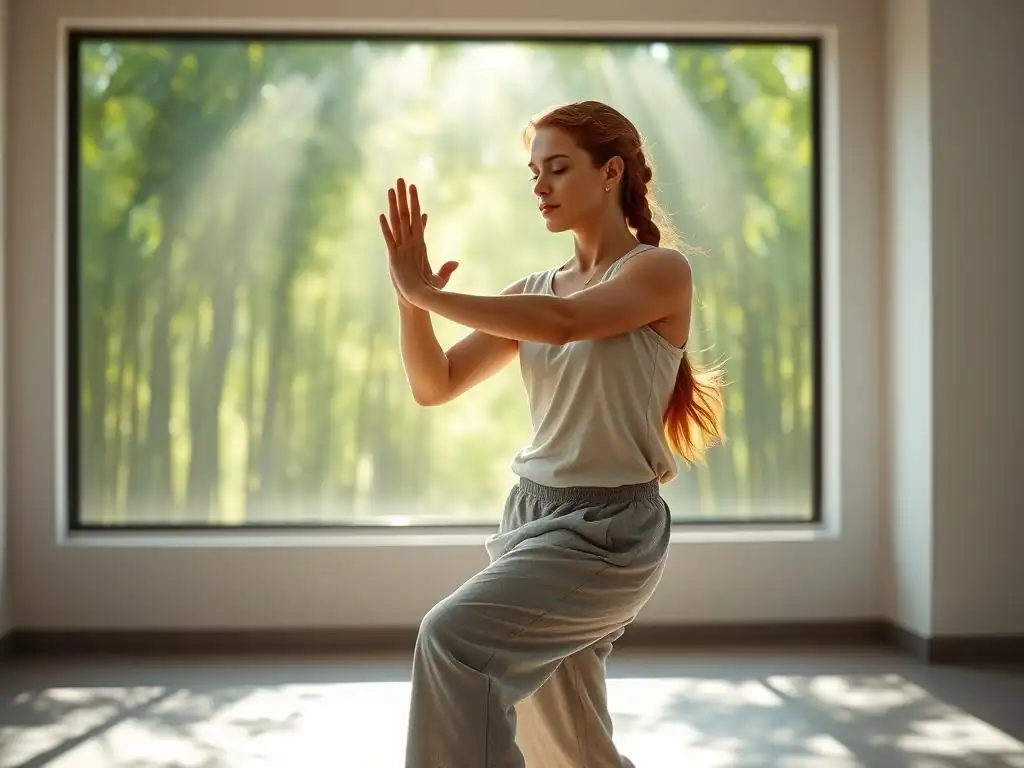
Welcome to Mind Care Guide, a sanctuary for your mental well-being.
Feeling weighed down, like emotions are trapped within? You're not alone. Discover how gentle exercise can release emotions and unlock a path towards inner peace. This guide explores the powerful connection between mindful movement and emotional release, offering practical steps to help you find solace and strength. Let's begin your journey towards a lighter, brighter you.
Mindful Movement: Releasing Stored Emotions Through Gentle Exercise
- Introduction: The Connection Between Body, Mind, and Emotions
- What is Mindful Movement?
- How Gentle Exercise Helps Release Stored Emotions
- Types of Gentle Exercises for Emotional Release
- Practical Guide: Incorporating Mindful Movement into Your Routine
- Benefits of Releasing Stored Emotions Through Gentle Exercise
- Overcoming Challenges and Potential Roadblocks
- Safety Considerations and Precautions
- Conclusion: Embracing Mindful Movement for Emotional Freedom
-
Frequently Asked Questions
- What exactly is "gentle exercise" in the context of emotional release?
- How does gentle exercise help release stored emotions?
- What kind of mental health challenges can benefit from gentle exercise as an emotional release tool?
- How often should I engage in gentle exercise to experience emotional release?
- Are there any risks or precautions I should be aware of before starting a gentle exercise routine for emotional release?
- Final Reflection: Embracing the Gentle Power of Movement
- Unleash Your Inner Calm: Start Moving, Start Feeling Better
Introduction: The Connection Between Body, Mind, and Emotions
Understanding the Body-Mind Connection for Emotional Well-being
Our emotional state is profoundly intertwined with our physical body. This connection is not merely philosophical; it's deeply rooted in our physiology. Stress, trauma, and unresolved emotions can manifest as physical tension, chronic pain, or even digestive issues.
Conversely, physical sensations like a racing heart or tight chest can trigger feelings of anxiety or fear. Recognizing this fundamental link is the first step in understanding how working with the body can be a powerful pathway to emotional healing and well-being. The nervous system, in particular, acts as a crucial bridge, constantly exchanging signals between our physical state and our emotional experience.
For instance, chronic stress can lead to the persistent activation of the sympathetic nervous system, often described as the "fight or flight" response. This state keeps muscles tense, breathing shallow, and the heart rate elevated, creating a physical environment that mirrors and reinforces feelings of anxiety or being overwhelmed. Over time, these physical patterns can become deeply ingrained, holding onto the emotional energy associated with the stressor. Understanding this feedback loop highlights why addressing the physical body is essential when seeking to release stored emotional tension and foster a more balanced emotional state.
Why Gentle Exercise is Effective for Emotional Release
While intense physical activity can be beneficial for stress reduction, gentle exercise offers a unique pathway for releasing deeply held emotional energy. Unlike high-impact workouts that might push the body into another stress response, gentle forms of movement encourage a sense of safety and presence. This allows the nervous system to downregulate, shifting from a state of alertness to one of rest and digest. In this calmer state, the body feels safe enough to begin letting go of the physical manifestations of stored emotions, such as muscle tightness or shallow breathing.
Gentle exercise helps release emotions by promoting somatic awareness – paying attention to physical sensations without judgment. As you move gently, you might notice areas of tension or discomfort that you weren't previously aware of. These physical restrictions can often be linked to emotional holding patterns. By moving slowly and deliberately, you give your body the opportunity to process these sensations and release the accompanying emotional charge. For example, someone holding tension in their shoulders might be carrying the weight of responsibility or stress; gentle stretches in this area can facilitate both physical and emotional release.
What is Mindful Movement?
Defining Mindful Movement and its Principles
Mindful movement is an approach to physical activity that integrates the principles of mindfulness – paying attention to the present moment without judgment – with gentle bodily motion. It's not about achieving a specific fitness goal, burning a certain number of calories, or pushing yourself to your physical limits. Instead, the focus is on the experience of moving, cultivating awareness of bodily sensations, breath, and the connection between mind and body. The primary intention is often self-care, stress reduction, and fostering a deeper connection with oneself.
The core principles of mindful movement include paying attention to your breath, noticing physical sensations as they arise (tension, ease, tingling, warmth), moving with intention and awareness rather than on autopilot, and approaching the experience with curiosity and non-judgment. It encourages listening deeply to your body's signals, respecting its limitations on any given day, and moving in a way that feels nourishing and supportive. This practice helps gentle exercise release emotions by creating a safe space for internal exploration.
Differentiating Mindful Movement from Strenuous Exercise
The key difference between mindful movement and strenuous exercise lies in the intention, pace, and focus. Strenuous exercise typically aims to improve cardiovascular fitness, build muscle strength, or achieve peak performance. It often involves pushing boundaries, increasing heart rate significantly, and sometimes overriding bodily discomfort to complete a workout. While beneficial for physical health and potentially releasing endorphins, its intensity can sometimes bypass the subtle signals of stored emotional tension.
Mindful movement, conversely, prioritizes internal awareness and gentle exploration over external performance. The pace is slow, deliberate, and focused on sensing the body from the inside out. The goal is not to sweat profusely or lift heavy weights, but to cultivate presence, release tension, and connect with emotional states held within the body. This gentle approach makes it particularly effective as a method of gentle exercise release emotions, as it allows the nervous system to relax and facilitate deeper emotional processing without triggering a stress response.
How Gentle Exercise Helps Release Stored Emotions
The Science Behind Emotional Release Through Movement
The process by which gentle exercise helps release emotions is supported by psychophysiological research. Physical tension is often a direct manifestation of emotional states like fear, anger, or sadness. When we experience these emotions and cannot fully express or process them, the associated energy can become "stuck" in the body's tissues, particularly in muscles and fascia. Gentle movement, especially when combined with mindful awareness, can help to physically unwind these holding patterns.
Furthermore, gentle exercise influences neurotransmitters and hormones linked to mood and stress. While intense exercise releases endorphins, which can mask pain and elevate mood temporarily, gentle movement can help regulate cortisol, the primary stress hormone. Consistent, low-intensity activity has been shown in studies to help lower baseline cortisol levels over time. This creates a less reactive physiological state, making it easier to process and release emotional stress without becoming overwhelmed. This scientific basis underscores the power of gentle exercise release emotions effectively.
Gentle Exercise and the Nervous System: Calming the Body
A crucial mechanism by which gentle exercise facilitates emotional release is its impact on the autonomic nervous system (ANS). The ANS controls involuntary bodily functions like heart rate, breathing, and digestion, and it has two main branches: the sympathetic (fight or flight) and the parasympathetic (rest and digest). Chronic stress and trauma can lead to the sympathetic system being dominant, leaving the body in a constant state of alert.
Gentle, rhythmic movements and conscious breathing, common elements in mindful movement practices, actively engage the parasympathetic nervous system. Activities like slow walking, gentle stretching, or Tai Chi send signals to the brain that the body is safe and can relax. This shift in nervous system state reduces muscle tension, slows the heart rate, and deepens breathing, creating a physiological environment conducive to releasing stored emotional energy. This calming effect is fundamental to how gentle exercise release emotions from the body.
The Role of Somatic Awareness in Emotional Processing
Somatic awareness, the ability to tune into and understand the sensations within your body, is a cornerstone of how gentle exercise helps release emotions. Often, we intellectualize our emotions or try to talk through them, but emotional experiences are also deeply physical. Stored emotions manifest as knots in the stomach, tightness in the chest, tension in the jaw, or restriction in movement.
Mindful movement encourages you to notice these physical sensations without judgment or the need to change them immediately. By gently moving into areas of tension and simply being present with the sensation, you create an opportunity for the body to process and release the underlying emotional charge. This non-verbal, body-centered approach can access emotional layers that cognitive processing alone might miss.
For instance, noticing a knot in your stomach during a gentle twist might bring awareness to underlying anxiety, and simply breathing into that sensation can begin the process of release. This conscious connection between physical sensation and emotional state is vital for gentle exercise release emotions.
Types of Gentle Exercises for Emotional Release
Yoga for Emotional Regulation: Poses and Benefits
Yoga, particularly gentler styles like Hatha, Yin, or Restorative yoga, is a powerful tool for emotional release. Yoga postures (asanas) are held with awareness, often focusing on areas where tension tends to accumulate like the hips, shoulders, and chest. The practice integrates breathwork (pranayama) and mindfulness, creating a holistic approach to connecting with the body and its emotional landscape. Many poses are designed to open areas that tend to hold emotional energy, such as hip openers which are often associated with releasing vulnerability or fear.
The benefits of yoga for emotional regulation are well-documented. Studies have shown that regular yoga practice can significantly reduce symptoms of depression and anxiety, sometimes by 20-30% or more in participants. The combination of physical postures, controlled breathing, and meditation helps to calm the nervous system, increase body awareness, and provide a safe container for processing difficult emotions. Holding poses, even gentle ones, with mindful attention allows practitioners to sit with discomfort, whether physical or emotional, and develop resilience and acceptance. This makes yoga a prime example of how gentle exercise release emotions.
Tai Chi and Qigong: Flowing Movements for Emotional Balance
Tai Chi and Qigong are ancient Chinese practices involving slow, flowing movements, deep breathing, and meditation. These practices emphasize cultivating and moving Qi (life energy) throughout the body, promoting balance and harmony. The gentle, continuous nature of the movements helps to release physical blockages and improve circulation, which is believed to aid in the release of stagnant emotional energy. Unlike more dynamic forms of exercise, Tai Chi and Qigong focus on softness, relaxation, and internal awareness.
Research indicates that Tai Chi and Qigong can be very effective in reducing stress, anxiety, and improving mood. For example, a meta-analysis reviewing multiple studies found significant reductions in psychological distress markers among participants practicing Tai Chi. The repetitive, meditative nature of the movements provides a grounding effect, pulling the practitioner into the present moment and away from ruminative thoughts that can fuel emotional distress. The focus on fluid transitions and releasing physical tension directly supports the body's ability to let go of stored emotional burdens, highlighting how these forms of gentle exercise release emotions through flow.
Walking Meditation: Finding Emotional Clarity in Motion
Walking meditation is a simple yet profound practice that combines the physical act of walking with mindfulness. It involves paying deliberate attention to the sensations of walking – the lifting and placing of the feet, the movement of the legs, the swing of the arms, the feeling of the breath, and the connection to the ground. Unlike walking for fitness or transportation, the goal is solely to be present with the experience of walking itself.
This practice can be incredibly effective for processing emotions that feel overwhelming when sitting still. The gentle, rhythmic motion of walking can help to move stagnant energy and provide a sense of forward momentum, both physically and emotionally. As you walk mindfully, thoughts and feelings may arise, and the practice is simply to notice them without getting caught up in them, returning your attention gently to the physical sensations of walking. This moving meditation offers a natural way for gentle exercise release emotions, allowing them to surface and dissipate as you move.
Gentle Stretching: Releasing Tension and Stored Emotions
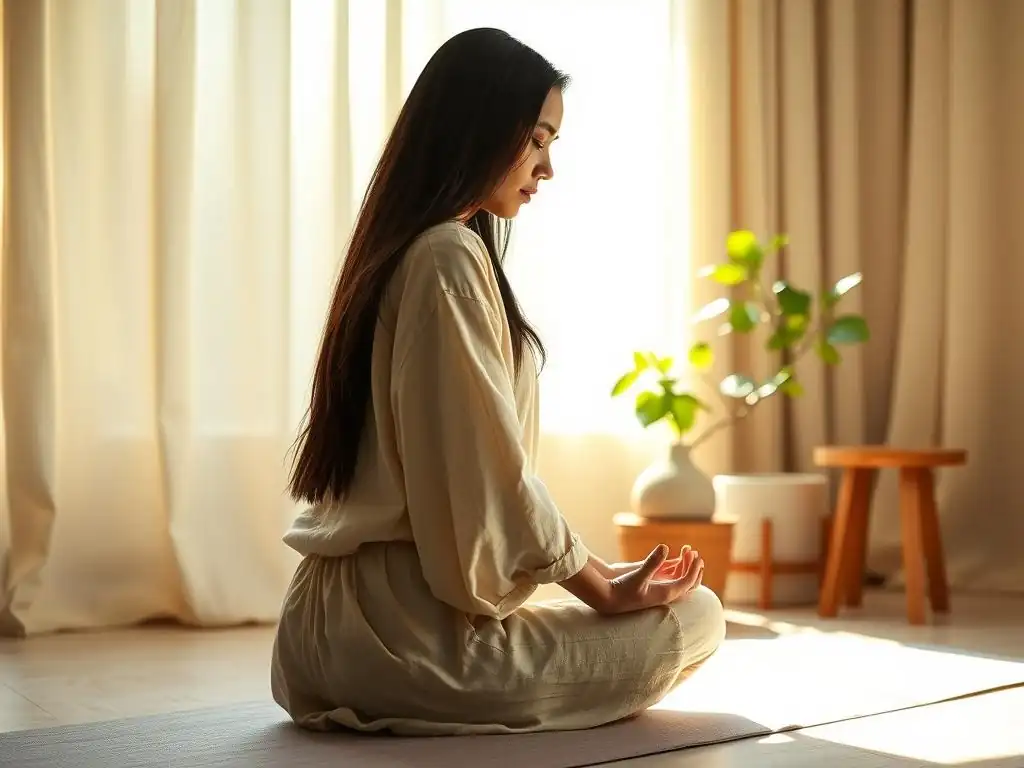
Our bodies often hold emotional stress as physical tension in specific muscle groups. Gentle stretching provides a direct way to address this physical manifestation of stored emotions. Focusing on areas like the neck, shoulders, hips, and back, where tension commonly accumulates, can help to unlock physical restrictions that are holding emotional energy captive. Holding stretches gently and breathing into the sensation allows the muscles to lengthen and relax, facilitating a release.
For example, many people hold stress in their upper back and shoulders, leading to tightness. Gentle stretches like shoulder rolls, neck tilts, or chest openers can help release this physical tension. Similarly, the hips are often described as an emotional "junk drawer," storing feelings of fear, vulnerability, or trauma. Gentle hip-opening stretches can sometimes bring suppressed emotions to the surface as the physical tightness is released. This physical release is a key mechanism through which gentle exercise release emotions held deep within the tissues.
Dance Therapy: Expressing Emotions Through Movement
Dance therapy, or movement therapy, is a therapeutic approach that uses movement to support intellectual, emotional, and motor functions of the body. Unlike structured dance forms, the focus in dance therapy is on improvisational and authentic movement that arises from internal impulses and feelings. It provides a non-verbal outlet for expressing emotions that may be difficult to articulate verbally.
Through facilitated movement, individuals can explore different emotional states, process traumatic experiences, and develop new coping mechanisms. The therapist guides the individual to notice their body's natural inclinations and use movement to express, explore, and ultimately release pent-up emotions. This form of gentle exercise release emotions by providing a dynamic, creative, and embodied language for the inner world, making the intangible tangible through physical expression.
Practical Guide: Incorporating Mindful Movement into Your Routine
Creating a Safe and Supportive Environment for Emotional Release
To effectively use gentle exercise for emotional release, it's important to create a physical and mental space where you feel safe and supported. Choose a quiet location where you won't be interrupted, either indoors or outdoors. Ensure the temperature is comfortable and you have enough space to move freely. Wear comfortable clothing that doesn't restrict your movement.
Mentally, cultivate an attitude of self-compassion and non-judgment. Understand that the goal is exploration and release, not performance. Allow whatever emotions or sensations arise to be present without trying to fix or change them. This practice is for you, a time to honor your body and your emotional landscape. Setting this intention helps create the optimal conditions for gentle exercise release emotions.
Starting Slowly: Beginner-Friendly Gentle Exercise Practices
If you are new to mindful movement or gentle exercise, it's essential to start slowly and gradually. Choose practices that feel accessible and non-intimidating. Simple activities like mindful walking, gentle stretching, or a short sequence of basic yoga poses are excellent starting points. You don't need special equipment or a lot of time; even 10-15 minutes of focused, gentle movement can make a difference.
Consider trying a guided session online, perhaps a beginner's gentle yoga or a walking meditation audio. This can help you learn the basics and feel more comfortable. Remember, the intensity is minimal; the focus is on awareness and ease. Begin with just one or two sessions per week and slowly increase the frequency as you feel more comfortable and connected to the practice. This gradual approach ensures that gentle exercise release emotions without overwhelming your system.
Paying Attention to Your Body's Signals During Exercise
Listening to your body is perhaps the most critical aspect of using gentle exercise for emotional release. Your body provides constant feedback through sensations – warmth, coolness, tingling, tightness, ease, discomfort, pain. During mindful movement, pay attention to these signals without immediately labeling them as good or bad. Notice where you feel tension or restriction.
If you encounter discomfort or pain, approach it with curiosity rather than pushing through it. Can you soften around it? Can you breathe into it? Or does your body need you to ease up or stop? Respecting your body's limits is paramount. Pushing too hard can reinforce patterns of ignoring your needs, which is contrary to the goal of emotional release. This deep listening transforms simple motion into a powerful way for gentle exercise release emotions.
Breathing Techniques to Enhance Emotional Release
Conscious breathing is a powerful tool that significantly enhances the ability of gentle exercise to release emotions. Our breath is intimately linked to our emotional state; shallow, rapid breathing often accompanies anxiety or fear, while deep, slow breathing promotes relaxation. By intentionally regulating your breath during gentle movement, you can signal safety to your nervous system and facilitate the release of tension.
Focusing on long, slow exhales, for example, activates the parasympathetic nervous system, promoting relaxation. Coordinating breath with movement – inhaling as you expand, exhaling as you contract or fold – can deepen your connection to your body and intensify the emotional release process. Simple awareness of the natural rhythm of your breath during movement is also incredibly powerful.
Diaphragmatic Breathing and Box Breathing for Emotional Regulation
Specific breathing techniques can be particularly helpful alongside gentle exercise release emotions. Diaphragmatic breathing, or belly breathing, involves inhaling deeply into the abdomen, causing the belly to rise, and exhaling slowly. This type of breathing is fundamental for activating the parasympathetic nervous system and reducing stress hormones. Practicing this before, during, or after gentle movement can deepen relaxation and facilitate emotional processing.
Box breathing (inhale for a count of four, hold for four, exhale for four, hold for four) is another technique that can help regulate the nervous system and bring a sense of calm. This rhythmic pattern can be very grounding and can help manage intense emotions that may surface during or after mindful movement. Incorporating these techniques enhances the body's capacity for gentle exercise release emotions effectively.
Benefits of Releasing Stored Emotions Through Gentle Exercise
Improved Emotional Regulation and Resilience
Regular practice of gentle exercise for emotional release significantly improves your ability to manage and regulate your emotions. By becoming more aware of how emotions manifest physically, you can identify them earlier and develop healthier coping strategies. This practice builds emotional resilience, the capacity to navigate challenging feelings without being overwhelmed by them.
Instead of suppressing or avoiding difficult emotions, gentle movement provides a safe space to feel them, process them, and let them move through you. This process weakens the hold that stored emotions have on your well-being, making you less reactive to triggers and more capable of responding thoughtfully to life's challenges. This enhanced regulation is a key outcome when gentle exercise release emotions.
Reduced Stress and Anxiety Levels
One of the most immediate and noticeable benefits of using gentle exercise release emotions is a significant reduction in stress and anxiety. As mentioned earlier, these practices help downregulate the sympathetic nervous system, reducing the physical symptoms of stress like rapid heart rate, muscle tension, and shallow breathing.
Consistent engagement in mindful movement provides a reliable tool for managing daily stressors. Even short sessions can interrupt the stress cycle and bring a sense of calm. Over time, the cumulative effect of regularly releasing physical and emotional tension leads to lower baseline stress levels and a greater sense of inner peace. Studies consistently show a positive correlation between gentle movement practices and reduced anxiety scores.
Enhanced Self-Awareness and Body Image
Mindful movement cultivates a deeper connection with your physical self, leading to enhanced self-awareness. By paying attention to bodily sensations, you become more attuned to your needs, boundaries, and emotional states. This increased interoceptive awareness (awareness of the internal state of the body) is crucial for emotional intelligence.
Furthermore, focusing on movement for well-being rather than appearance or performance can significantly improve body image. Instead of viewing your body as something to be judged or changed, you learn to appreciate it as a vessel for experience and a source of wisdom. This shift in perspective is a powerful benefit of allowing gentle exercise release emotions and fosters a more positive relationship with yourself.
Increased Feelings of Calmness and Peace

As physical and emotional tensions are released, a profound sense of calmness and peace often emerges. The nervous system settles, the mind quiets, and the body feels lighter and more relaxed. This isn't just the absence of stress; it's a positive state of presence and ease.
Regularly engaging in practices where gentle exercise release emotions helps to build this state as a more consistent baseline. You develop the capacity to return to this inner calm even amidst external chaos. This increased sense of peace positively impacts all areas of life, from relationships to work to overall life satisfaction.
Better Sleep Quality and Overall Well-being
The reduction in stress and anxiety, coupled with a calmer nervous system and released physical tension, often leads to significant improvements in sleep quality. When the body and mind are less agitated, it becomes easier to fall asleep, stay asleep, and experience more restorative rest.
Improved sleep, in turn, has a ripple effect on overall well-being, enhancing mood, energy levels, cognitive function, and physical health. By addressing the root cause of much emotional distress – stored tension and dysregulated nervous systems – gentle movement contributes to a holistic sense of health and vitality. Using gentle exercise release emotions is not just about managing feelings, but about fostering comprehensive well-being.
Overcoming Challenges and Potential Roadblocks
Dealing with Resistance and Emotional Numbness
It's common to encounter resistance or emotional numbness when first attempting to use gentle exercise release emotions. The body and mind may have developed sophisticated strategies to avoid feeling difficult emotions. Resistance can manifest as procrastination, feeling "too tired," or intellectualizing the process. Emotional numbness might mean feeling very little sensation during movement, even in areas known to hold tension.
Approach these challenges with patience and compassion. Acknowledge the resistance without judgment. Start with very short sessions (even 5 minutes) and focus purely on the physical sensations, perhaps just the feeling of your feet on the ground or the rise and fall of your breath. Consistency, even in small doses, is key to gradually melting away resistance and increasing sensitivity. Trust that sensations and emotions will surface when your system feels safe enough.
Managing Difficult Emotions That Arise During Exercise
Sometimes, as you engage in mindful movement, intense or difficult emotions may arise – sadness, anger, grief, fear. This can be unexpected and potentially overwhelming. It's important to be prepared for this possibility and know how to manage it safely. Remember that this surfacing is a sign that the emotional release process is working.
If emotions feel overwhelming, pause the movement. Find a comfortable position, perhaps sitting or lying down. Place a hand on your heart or belly to ground yourself. Focus on your breath, making your exhales longer than your inhales. Remind yourself that you are safe in the present moment and that these are feelings moving through you. If needed, take a break, journal about what came up, or reach out to a trusted friend or therapist. This is part of the process when gentle exercise release emotions.
Seeking Professional Support When Needed
While gentle exercise release emotions can be a powerful self-help tool, it is not a substitute for professional mental health support, especially if you are dealing with significant trauma, severe anxiety, depression, or other complex mental health challenges. If you find that intense emotions consistently arise during movement and feel unmanageable, or if you experience dissociation or panic, it is crucial to seek support from a therapist or counselor.
Therapists trained in somatic therapies (like Somatic Experiencing or Trauma-Sensitive Yoga) can provide guidance and support specifically for processing emotions held in the body. They can help you navigate intense releases and develop additional coping strategies. Integrating mindful movement with professional therapy can be a highly effective approach for deep healing.
Strategies for Maintaining a Consistent Mindful Movement Practice
Consistency is key to reaping the long-term benefits of using gentle exercise release emotions. Find ways to make the practice sustainable and enjoyable. Schedule dedicated time for mindful movement in your week, treating it as important as any other appointment. Start small – even 10-15 minutes daily or a few times a week is beneficial.
Experiment with different types of gentle exercise to find what resonates most with you. Some days you might crave the flow of Tai Chi, other days the stillness of walking meditation, or the release of gentle stretching. Be flexible and kind to yourself; if you miss a session, don't dwell on it, just return to the practice when you can. Connecting with a class or a friend can also provide motivation and support. Make it a ritual of self-care rather than a chore.
Safety Considerations and Precautions
Consulting with a Healthcare Professional Before Starting
Before beginning any new exercise program, including gentle movement practices, it is always advisable to consult with a healthcare professional, especially if you have any pre-existing health conditions, injuries, or are taking medications. They can provide personalized advice and ensure that the chosen activities are safe and appropriate for your individual needs.
This step is particularly important if you have physical limitations, chronic pain, or are recovering from an injury or surgery. Your doctor or a physical therapist can recommend modifications or specific types of gentle exercise that are safe and therapeutic for your condition, ensuring that your journey with gentle exercise release emotions is safe.
Modifying Exercises Based on Physical Limitations
Mindful movement is inherently adaptable. It is crucial to listen to your body and modify exercises based on your current physical capacity and any limitations you may have. This might involve using props like chairs, blocks, or cushions for support, reducing the range of motion, or choosing alternative poses or movements.
Remember that the goal is not perfect form or pushing boundaries, but cultivating awareness and facilitating release in a way that feels safe and supportive for your body. If a movement causes pain, stop or modify it significantly. There are countless variations of gentle exercises, so find what works for you on any given day. This adaptability makes gentle exercise release emotions accessible to almost everyone.
Listening to Your Body and Avoiding Overexertion
The core principle of mindful movement is listening to your body. This means paying attention to sensations of fatigue, strain, or pain and respecting those signals. Gentle exercise should feel nourishing and supportive, not depleting or painful. Overexertion, even in gentle forms, can trigger a stress response and be counterproductive to emotional release.
Pay attention to how your body feels during and after the practice. Are you feeling more relaxed and present, or more tense and drained? Learn to differentiate between the release of tension (which might feel intense but ultimately relieving) and actual physical strain or injury. Prioritizing your body's signals ensures that your practice of gentle exercise release emotions is healing and sustainable.
Conclusion: Embracing Mindful Movement for Emotional Freedom
The Power of Gentle Exercise for Long-Term Emotional Health
The journey of emotional healing is deeply personal and often involves integrating various practices. Mindful movement, through its gentle yet profound connection with the body, offers a powerful pathway to releasing stored emotional tension and fostering long-term emotional health. By consciously engaging in gentle exercise release emotions, individuals can unlock physical holding patterns, calm the nervous system, and cultivate a deeper understanding and acceptance of their inner landscape.
This practice is not a quick fix but a sustainable approach to well-being. Over time, consistent mindful movement builds resilience, improves emotional regulation, reduces stress, and enhances self-awareness. It empowers you to move through life with greater ease, presence, and emotional freedom.
Making Mindful Movement a Sustainable Part of Your Life
Integrating mindful movement into your daily or weekly routine is an investment in your emotional and physical health. Start small, be consistent, and find practices that resonate with you. Allow the practice to evolve as your needs change. Celebrate small victories and approach challenges with self-compassion.
Whether it's a few minutes of mindful stretching in the morning, a walking meditation during your lunch break, or a gentle yoga class in the evening, make space for this nourishing practice. By making gentle exercise release emotions a regular part of your life, you build a foundation for greater peace, resilience, and well-being.
Resources for Further Exploration of Mindful Movement Practices
To deepen your exploration of mindful movement and its role in emotional release, consider seeking out qualified instructors or therapists who specialize in somatic practices, trauma-informed yoga, or dance therapy. Many online resources, books, and local studios offer classes and workshops specifically focused on the therapeutic aspects of gentle movement. Explore different styles and teachers to find what best supports your unique journey toward emotional freedom through gentle exercise release emotions.
Frequently Asked Questions
What exactly is "gentle exercise" in the context of emotional release?
Gentle exercise refers to low-impact activities like yoga, walking, or tai chi designed to promote physical and emotional well-being without excessive strain. It focuses on mindful movement to connect with your body.
How does gentle exercise help release stored emotions?
Gentle exercise helps release stored emotions by promoting physical relaxation, reducing tension, and encouraging mind-body connection. Movement can unlock emotions trapped within the body.
What kind of mental health challenges can benefit from gentle exercise as an emotional release tool?
Gentle exercise can benefit individuals experiencing anxiety, depression, stress, and even PTSD. It's a complementary approach to professional mental health care.
How often should I engage in gentle exercise to experience emotional release?
The frequency depends on individual needs, but aiming for at least 30 minutes, 3-5 times per week is a good starting point. Listen to your body and adjust accordingly.
Are there any risks or precautions I should be aware of before starting a gentle exercise routine for emotional release?
Consult with your doctor or a qualified healthcare professional, especially if you have pre-existing health conditions. Start slowly and be mindful of your body's limits to prevent injury.
Final Reflection: Embracing the Gentle Power of Movement
The connection between our physical bodies and emotional well-being is undeniable, and the practice of mindful movement offers a powerful pathway to release pent-up stress and trauma. In a world increasingly characterized by relentless pressure and anxiety, finding gentle yet effective ways to process emotions is more crucial than ever. This isn't about rigorous workouts; it's about cultivating a mindful relationship with our physical selves, allowing our bodies to become vessels for emotional release.
The exploration of mindful movement has profoundly impacted my own understanding of self-care and emotional regulation. It's not just about physical fitness; it's about creating space for emotional healing. The body keeps the score,
as Bessel van der Kolk so poignantly states, and through gentle exercise, we begin to rewrite that score, one mindful breath and movement at a time. This journey of self-discovery, facilitated by the simple act of moving our bodies with intention, is a testament to the interconnectedness of mind, body, and spirit.
Now, I invite you to consider how you can integrate mindful movement into your own life. Perhaps it's a daily walk in nature, a gentle yoga flow, or even simply taking a few mindful breaths while stretching. The key is to approach movement with intention, paying attention to your body's sensations and allowing yourself to feel whatever arises without judgment. Embrace the gentle power within you, and discover the transformative potential of mindful movement in releasing stored emotions and cultivating a deeper sense of peace and well-being.
Unleash Your Inner Calm: Start Moving, Start Feeling Better
Thanks for taking the time to explore the power of mindful movement! We hope you gained valuable insights into releasing stored emotions through gentle exercise. Now it's time to put this knowledge into practice.
Here's how to get started:
- Begin with a 5-minute mindful movement session today. Focus on your breath and body sensations as you gently stretch or walk. Even a short session can make a difference!
- Share your experience! Tell us (or a friend!) about your mindful movement journey – what felt good, what surprised you?
- Explore different gentle exercise forms like yoga or tai chi. Discover what resonates with your body and mind.
What small step will you take today to cultivate more inner peace through movement?