
How Long Should You Practice Vipassana Meditation Daily?

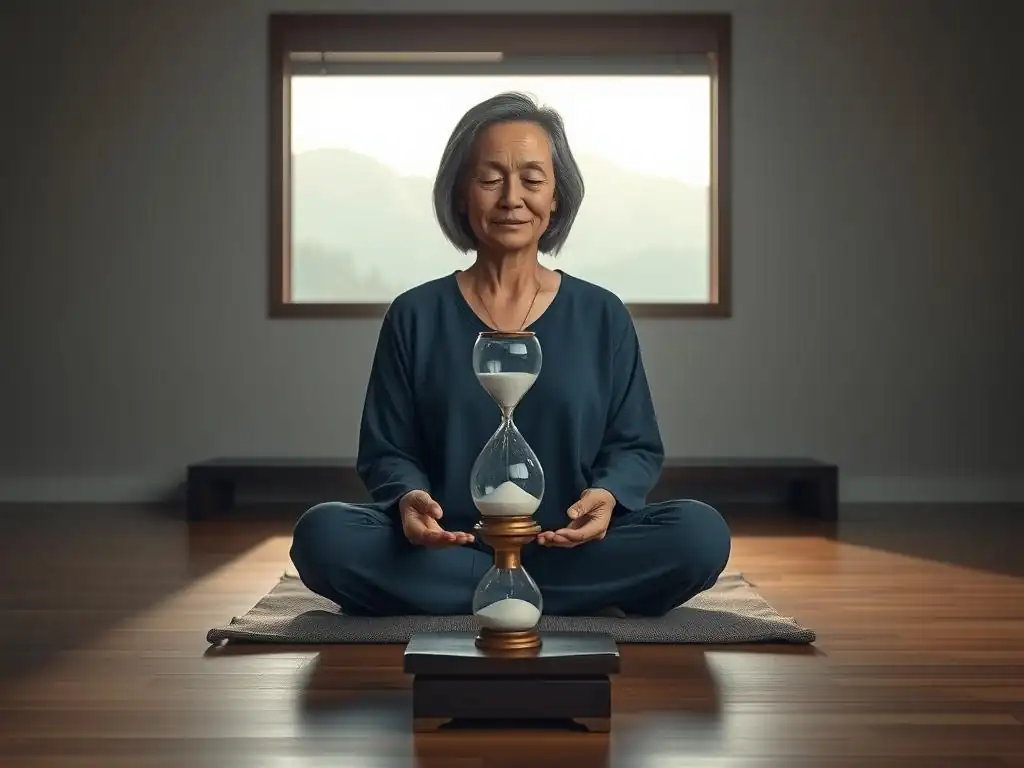
Welcome to Mind Care Guide, your sanctuary for nurturing inner peace and understanding. Feeling overwhelmed by the noise of daily life? Perhaps you're curious about how to incorporate mindfulness into your routine. This week, we delve into the transformative practice of Vipassana meditation and explore a question many beginners face: How long should your Vipassana meditation daily duration be to reap its full benefits? Join us as we uncover the secrets to finding your perfect balance and unlocking a calmer, more centered you. Let's embark on this journey to well-being together!
How Long Should You Practice Vipassana Meditation Daily?
- Understanding Vipassana Meditation and Its Benefits
- Determining Your Ideal Vipassana Meditation Daily Duration
- Practical Guidelines for Daily Vipassana Meditation
- Troubleshooting Common Challenges with Daily Practice
- Maximizing the Effectiveness of Your Vipassana Practice
- Sample Daily Vipassana Meditation Schedules
- Long-Term Considerations for Vipassana Meditation Duration
- Conclusion: Finding Your Optimal Vipassana Meditation Daily Duration
-
Frequently Asked Questions
- How long should a beginner practice Vipassana meditation daily?
- Is there an optimal daily duration for Vipassana meditation to experience benefits?
- Can practicing Vipassana meditation for too long each day be detrimental?
- Does the daily duration of Vipassana meditation need to be consistent?
- How can I gradually increase my Vipassana meditation daily duration?
- Final Reflection: Finding Your Rhythm in Vipassana
- Unlock Deeper Meditation Through Consistent Practice
Understanding Vipassana Meditation and Its Benefits
Vipassana, often translated as "insight" or "seeing things as they are," is one of India's most ancient meditation techniques. It is a practice of self-observation, focusing on the breath to develop concentration and then observing the arising and passing away of physical sensations and mental phenomena without judgment. The goal is to purify the mind by eradicating mental defilements like craving, aversion, and ignorance, leading to profound peace and understanding.
Originating from the teachings of the Buddha, Vipassana is not tied to any specific religion or sect but is a universal technique aimed at alleviating suffering. Its practice involves diligent and sustained effort, often emphasizing ethical conduct as a necessary foundation. While traditionally taught in intensive retreats lasting ten days or longer, daily practice is considered essential for integrating the insights gained and fostering continuous mental well-being. The question of the optimal Vipassana meditation daily duration is a common one for practitioners at all levels.
What is Vipassana Meditation? An Overview for Beginners
Vipassana meditation is fundamentally a practice of bare attention. It begins with focusing on the sensation of the breath at the nostrils or upper lip to cultivate samadhi (concentration). Once a degree of concentration is established, the practice expands to observing the totality of physical sensations throughout the body, noting their impermanent nature—arising, changing, and passing away. This systematic observation is done without reacting, simply acknowledging what is present in the moment.
For beginners, the initial step is often just sitting quietly and observing the breath. This helps calm the mind and build the foundational skill of focus. As one progresses, the practice involves scanning the body methodically, observing all sensations—pleasant, unpleasant, or neutral—with equanimity. The core insight developed is anicha (impermanence), dukkha (suffering), and anatta (non-self), leading to a deeper understanding of reality and a reduction in reactivity to life's challenges.
The Mental and Emotional Benefits of Regular Vipassana Practice
Consistent Vipassana meditation daily duration, even if initially short, yields significant benefits for mental and emotional health. Studies have shown that regular mindfulness practices, including Vipassana, can lead to measurable reductions in stress, anxiety, and symptoms of depression. For example, participants in mindfulness-based programs often report decreased rumination and worry after just a few weeks of dedicated practice.
Beyond reducing negative states, Vipassana cultivates positive qualities such as equanimity, compassion, and self-awareness. By observing thoughts and emotions without getting swept away by them, practitioners develop greater emotional regulation. They learn to respond to difficult situations with more clarity and less reactivity. This increased insight into one's own mind also fosters a deeper understanding of others, enhancing empathy and interpersonal relationships.
Common Misconceptions About Vipassana Meditation Duration
One common misconception is that you need to meditate for very long periods daily to experience benefits. While longer sits can deepen practice, even short, consistent sessions are valuable. Many beginners feel discouraged if they cannot sit for 30-60 minutes right away, believing their effort is insufficient. This is not true; progress in Vipassana is often more about consistency and the quality of attention than the sheer length of time spent sitting.
Another misconception is that the "right" Vipassana meditation daily duration is fixed and applies to everyone. In reality, the ideal time varies greatly depending on individual circumstances, experience level, and goals. Some believe that if they miss a day or cannot complete their usual duration, their practice is ruined. This rigid thinking can lead to self-criticism and demotivation. An empathetic approach recognizes that life happens, and flexibility is key to sustaining a long-term practice.
Determining Your Ideal Vipassana Meditation Daily Duration
Finding the optimal amount of time to dedicate to Vipassana meditation daily is a personal journey. There is no single answer that fits everyone, as individual needs and circumstances play a significant role. The most effective approach involves considering several factors and being willing to adjust your practice over time.
It's helpful to view your Vipassana meditation daily duration not as a strict rule but as a guideline that supports your well-being goals. What feels sustainable and beneficial today might change in the future. The aim is to cultivate a practice that is both challenging enough to foster growth and manageable enough to maintain consistency.
Factors Influencing Your Optimal Vipassana Practice Time
Several key factors influence how long you might choose to practice Vipassana meditation daily. Understanding these can help you make informed decisions about structuring your sessions. It's a dynamic process that evolves as you do.
Considering these elements allows for a personalized approach to finding your ideal Vipassana meditation daily duration, ensuring the practice supports your life rather than becoming another source of stress.
Experience Level: Beginner, Intermediate, and Advanced Practitioners
Your experience level is perhaps the most significant factor in determining your Vipassana meditation daily duration. Beginners are often advised to start small to build consistency and avoid discouragement. Attempting to sit for an hour on the first day can be overwhelming and lead to frustration. A common recommendation for new practitioners is to begin with 10 to 15 minutes per day. This duration is typically manageable and allows one to become familiar with the basic technique without excessive discomfort or restlessness. After a few weeks or months of consistent 15-minute sits, beginners might gradually increase the duration.
Intermediate practitioners, who have established a regular daily habit and perhaps attended a short retreat, might find that 20 to 45 minutes daily is a beneficial Vipassana meditation daily duration. At this stage, the mind may settle more easily, allowing for deeper observation of sensations and mental processes. Longer sessions provide more opportunity to work through distractions and cultivate deeper insight.
Advanced practitioners, particularly those who have attended multiple long retreats (e.g., 10-day, 30-day, or longer), often find that 45 to 60 minutes or even more daily practice is necessary to maintain the depth of their practice and continue their progress. Some dedicated practitioners may even split their daily practice into two sessions.
Personal Schedule and Time Constraints
The realities of daily life, including work, family commitments, and other responsibilities, heavily influence the feasible Vipassana meditation daily duration. It's crucial to be realistic about how much time you can genuinely commit each day. A commitment to 15 minutes that you keep consistently is far more beneficial than aiming for 60 minutes and often failing to sit at all due to time pressure.
Examine your daily routine and identify pockets of time that could be dedicated to practice. This might be first thing in the morning before others wake up, during a lunch break, or in the evening after responsibilities are met. Even a busy schedule can often accommodate a short Vipassana meditation daily duration if prioritized. It's better to practice for a shorter time daily than to wait for large blocks of free time that may never materialize.
Mental Health and Well-being Goals
Your specific goals for practicing Vipassana can also guide your chosen daily duration. If you are primarily seeking stress reduction and general mental clarity, a shorter daily practice (e.g., 15-20 minutes) might be sufficient to experience noticeable benefits. Many studies on the positive effects of mindfulness on stress and anxiety involve participants practicing for around 20-30 minutes daily.
If your goal is deeper insight, significant emotional healing, or working through specific mental patterns, a longer Vipassana meditation daily duration, such as 45-60 minutes, may be more effective. Longer sittings provide more space for deeper contemplation, working with difficult emotions or physical sensations, and cultivating sustained equanimity. However, it's important not to push too hard, especially if dealing with significant mental health challenges; sometimes shorter, more frequent sessions are more manageable and beneficial.
Is There a "Right" Amount of Time for Daily Vipassana?
No, there is no single "right" amount of time that applies universally for Vipassana meditation daily duration. The effectiveness of the practice is less about hitting a specific minute count and more about the quality of attention, consistency, and the attitude brought to the cushion. Even five minutes of truly mindful breathing is more valuable than an hour spent struggling and feeling resentful.
The "right" amount is what is sustainable, beneficial, and appropriate for you at this particular point in your life. It's a dynamic target that you might revisit and adjust as your experience grows and your circumstances change. The core principle is to practice regularly and with sincerity, allowing the duration to support, not hinder, your journey toward insight.
Practical Guidelines for Daily Vipassana Meditation
Establishing a consistent daily Vipassana practice requires structure and realistic expectations. It's not about forcing yourself into an uncomfortable routine but finding a way to integrate this beneficial practice into your life seamlessly.
Here are some practical steps and considerations for setting up and maintaining your Vipassana meditation daily duration.
Starting Small: Recommended Meditation Time for Beginners
For anyone new to Vipassana meditation, starting small is highly recommended. A Vipassana meditation daily duration of 10 to 15 minutes is an excellent starting point. This brief period is usually long enough to settle down, focus on the breath, and begin to observe sensations without becoming overly restless or discouraged. It helps build the habit of sitting daily.
Think of it like starting a new exercise routine; you wouldn't run a marathon on day one. Begin with a manageable duration, aim for consistency, and gradually increase the time as you become more comfortable and the practice feels more stable. Many teachers suggest sticking with 10-15 minutes for at least a week or two, or even a month, before considering an increase.
Gradually Increasing Your Daily Vipassana Session Length
Once you feel comfortable and consistent with your initial Vipassana meditation daily duration, you can consider gradually increasing the time. Add 5 minutes at a time, perhaps every few weeks or months. For example, if you've been consistently sitting for 15 minutes, try increasing it to 20 minutes for a while. See how that feels before adding another 5 minutes.
This gradual approach allows your mind and body to adjust to longer periods of sitting and observation. It helps prevent burnout and keeps the practice feeling accessible rather than daunting. Pay attention to how you feel during and after the session; the goal is to find a duration that supports your well-being, not one that creates significant stress or aversion. Many practitioners build up to 30-45 minutes over several months or even years.
Incorporating Vipassana into Your Daily Routine
Finding a consistent time and place for your Vipassana meditation daily duration is crucial for establishing a routine. Treat your meditation time as a non-negotiable appointment with yourself. This helps prioritize the practice amidst the demands of daily life.
Experiment with different times of the day to see what works best for you. Some find morning practice ideal, while others prefer the evening.
Morning Meditation: Setting the Tone for the Day
Practicing Vipassana meditation first thing in the morning is a popular choice for many. Sitting before the day's activities begin can help set a calm and focused tone. A 15-30 minute morning sit allows you to connect with yourself, observe your mental state, and cultivate a sense of presence before diving into tasks and interactions.
This time often offers fewer distractions, as the house may be quiet and notifications haven't started flooding in yet. Establishing a morning Vipassana meditation daily duration can be a powerful way to start the day mindfully and with greater equanimity, preparing you to face challenges with a more balanced perspective.
Evening Meditation: Reflecting on the Day's Experiences
An evening Vipassana meditation daily duration can serve as a valuable transition between the day's activities and rest. Sitting in the evening provides an opportunity to process the day's experiences, release accumulated tension, and observe any thoughts or emotions that have arisen.
A 15-30 minute evening sit can help calm the mind before sleep, potentially leading to better rest. It allows for reflection without judgment, simply observing the mental landscape as it is. This practice can help you let go of the day's stresses and prepare for a more peaceful night.
Troubleshooting Common Challenges with Daily Practice
Maintaining a consistent Vipassana meditation daily duration isn't always easy. Practitioners often encounter challenges that can make sitting difficult or discouraging. Recognizing these common hurdles and developing strategies to navigate them is part of the practice itself.
Approaching these challenges with patience and persistence is key to sustaining your Vipassana meditation daily duration over the long term.
Dealing with Distractions During Vipassana Meditation
Distractions are a universal experience in meditation, whether they are thoughts, sounds, or physical sensations. The mind naturally wanders. The practice of Vipassana is not about stopping thoughts, but about noticing when the mind has wandered and gently bringing it back to the object of attention (the breath or sensations).
When you notice your mind is distracted, simply acknowledge the distraction without judgment—"thinking," "hearing," etc.—and then gently redirect your attention back to the breath or body sensations. It's estimated that a beginner's mind may wander hundreds of times in a 15-minute sit; this is normal. Each time you notice and return is a success, strengthening your capacity for awareness. Patience and persistence are more important than achieving a completely still mind.
Overcoming Restlessness and Boredom in Meditation
Restlessness and boredom are common obstacles, particularly when trying to maintain a consistent Vipassana meditation daily duration. Restlessness often manifests as a strong urge to move, fidget, or simply stop sitting. Boredom can feel like the practice is monotonous or unproductive.
When restlessness arises, try to observe it as a sensation in the body – perhaps a buzzing, tingling, or energy. Notice the urge to move but see if you can remain still for a few extra moments, observing the sensation itself. If boredom arises, investigate it. What does boredom feel like in the body or mind?
Is it a lack of stimulation, or a resistance to the present moment? Sometimes, shifting the focus slightly, such as paying closer attention to the subtle nuances of the breath or sensations, can help re-engage the mind. Remember that these states are impermanent and will pass.
Managing Physical Discomfort During Long Sittings
As you increase your Vipassana meditation daily duration, physical discomfort can become more noticeable. This might include aching knees, back pain, or stiffness. While some level of discomfort is normal and can be an object of observation (practicing equanimity towards unpleasant sensations), excessive pain should not be ignored.
Ensure you are sitting in a stable posture that you can reasonably maintain. Use cushions or benches as needed to support your back and knees. If pain becomes intense, it's okay to mindfully adjust your posture. The key is to move mindfully, noticing the intention to move and the sensations involved, rather than reacting impulsively. For persistent pain, consulting a healthcare professional or an experienced meditation teacher about posture adjustments is advisable. Sometimes, walking meditation can be a good alternative or supplement to sitting practice.
Maximizing the Effectiveness of Your Vipassana Practice
Simply sitting for a certain Vipassana meditation daily duration is only part of the equation. The effectiveness of your practice is greatly enhanced by how you practice and how you integrate it into your life.
Focusing on these aspects can deepen the impact of your Vipassana meditation daily duration and accelerate your progress towards insight and well-being.
The Importance of Consistency in Daily Meditation
Consistency is often cited by teachers as more important than duration, especially in the beginning. Practicing Vipassana meditation daily, even if only for 10-15 minutes, helps build momentum and strengthens the mental muscles of concentration and awareness. Irregular practice makes it harder to settle the mind each time you sit.
Aim for a daily commitment, acknowledging that some days might be shorter or more challenging than others. A daily habit reinforces the importance of the practice in your life and makes it a natural part of your routine, much like brushing your teeth. Even on days when you feel you have no time or motivation, committing to just five minutes can keep the habit alive.
Combining Vipassana with Other Mindfulness Practices
While sitting Vipassana meditation daily is the core practice, integrating mindfulness into other daily activities can significantly enhance its effects. This includes mindful walking, mindful eating, or simply paying attention to sensations while performing routine tasks like washing dishes or taking a shower.
These informal practices extend the principles of awareness and equanimity cultivated on the cushion into your everyday life. They help bridge the gap between formal meditation time and daily living, reinforcing the habit of being present and observing without judgment throughout the day. This holistic approach makes your dedicated Vipassana meditation daily duration even more fruitful.
Seeking Guidance from Experienced Vipassana Teachers
Vipassana is a subtle and profound practice, and guidance from an experienced teacher is invaluable. Teachers can provide instructions tailored to your specific challenges, clarify doubts about the technique, and help you navigate difficult experiences that may arise during meditation.
Many Vipassana traditions offer opportunities to connect with teachers, either through structured retreats, local sitting groups, or online sessions. Receiving guidance ensures you are practicing the technique correctly and helps you avoid common pitfalls. Even if you have established a regular Vipassana meditation daily duration, periodic check-ins with a teacher can provide perspective and support your continued growth.
Sample Daily Vipassana Meditation Schedules
Finding the right Vipassana meditation daily duration often involves experimenting with different timings and lengths. Here are a few sample schedules based on common recommendations and practitioner experiences.
These are just templates; feel free to adjust them to fit your personal rhythm and commitments while maintaining consistency.
A 15-Minute Vipassana Routine for Busy Individuals
This routine is perfect for beginners or those with very tight schedules.
- Find a quiet space.
- Set a timer for 15 minutes.
- Sit in a comfortable, stable posture.
- Close your eyes or lower your gaze.
- For the first 5 minutes: Focus solely on the sensation of the breath at the nostrils or upper lip.
- For the next 10 minutes: Expand your awareness to include body sensations, scanning methodically or observing prominent sensations as they arise, while still maintaining awareness of the breath as an anchor.
- When the timer rings, gently open your eyes and take a moment before moving.
This short but focused Vipassana meditation daily duration can provide significant benefits if practiced consistently.
A 30-Minute Daily Vipassana Session for Deeper Practice
This duration allows for a more settled mind and deeper observation, suitable for intermediate practitioners.
- Find a quiet space and set a timer for 30 minutes.
- Sit in a comfortable, stable posture.
- Close your eyes or lower your gaze.
- For the first 5-10 minutes: Establish concentration by focusing on the breath.
- For the remaining 20-25 minutes: Systematically scan the body for sensations, observing their arising and passing away with equanimity. If the mind wanders into thinking, gently note "thinking" and return to sensations.
- When the timer rings, sit quietly for a minute or two before getting up.
A 30-minute Vipassana meditation daily duration allows more time to work through initial restlessness and delve deeper into the observation of impermanence.
A One-Hour Vipassana Practice for Experienced Meditators
A longer session provides ample time for profound insight and purification, typically for those with established practice.
- Find a quiet space and set a timer for 60 minutes. Ensure you have a comfortable and stable sitting posture you can maintain.
- Close your eyes or lower your gaze.
- Begin with 10-15 minutes of strong concentration on the breath to settle the mind deeply.
- For the remaining 45-50 minutes: Engage in thorough body scanning, observing sensations with meticulous attention and equanimity. Work with any difficult sensations or mental states that arise, observing their impermanent nature.
- Dedicate the last few minutes to cultivating loving-kindness (metta) towards yourself and others.
- When the timer rings, sit quietly for several minutes, integrating the experience before moving.
A one-hour Vipassana meditation daily duration offers significant potential for deep work but requires discipline and readiness to face whatever arises.
Long-Term Considerations for Vipassana Meditation Duration
Sustaining a Vipassana practice over years and decades involves adaptability and a commitment to continuous learning. Your ideal Vipassana meditation daily duration may change throughout your life journey.
Considering the long-term perspective helps frame your daily practice within a broader context of personal growth and well-being.
Adjusting Your Practice Over Time Based on Your Needs
Life circumstances change, and so might your capacity for daily meditation. There may be periods where you can easily commit to a longer Vipassana meditation daily duration, and times when you need to scale back due to illness, major life events, or increased responsibilities.
Be flexible and compassionate with yourself. It's better to reduce your sitting time temporarily than to abandon the practice altogether. If you are going through a particularly stressful period, even 5-10 minutes of mindful breathing can be incredibly grounding. Conversely, during times of stability, you might find you have the capacity and desire to increase your duration. Regularly assess your needs and adjust your practice accordingly.
The Role of Retreats in Intensifying Your Vipassana Practice
Intensive meditation retreats, often lasting from 3 to 10 days or even longer, are a traditional and powerful way to deepen Vipassana practice. During a retreat, practitioners commit to many hours of meditation daily, free from external distractions and daily responsibilities.
Retreats provide an opportunity to gain momentum, work through deeper layers of mental conditioning, and experience the technique's benefits more profoundly. They can significantly enhance the quality of your subsequent home practice, making it easier to settle into your chosen Vipassana meditation daily duration and work with challenges. Attending retreats periodically can revitalize your commitment and understanding.
Sustaining a Lifelong Vipassana Meditation Practice
The ultimate goal is to make Vipassana meditation a lifelong practice. This requires sustained effort, patience, and a deep understanding that the path unfolds gradually. There will be ups and downs, periods of seemingly rapid progress, and times when the practice feels stagnant.
Maintaining motivation often involves reminding yourself of the benefits you've experienced, connecting with other practitioners or a teacher, and viewing the practice not as a chore but as a gift you give yourself. The ideal Vipassana meditation daily duration in the long run is one that you can realistically maintain with sincerity, allowing the insights gained on the cushion to permeate all aspects of your life.
Conclusion: Finding Your Optimal Vipassana Meditation Daily Duration
Finding the optimal Vipassana meditation daily duration is a personal and evolving process. There is no one-size-fits-all answer. What matters most is establishing a consistent practice that is sustainable and beneficial for you at this point in your life. Beginners can start with 10-15 minutes, gradually increasing as comfort and stability grow, potentially aiming for 30-60 minutes or more as experience deepens.
Factors like your experience level, personal schedule, and well-being goals should guide your decision. Be realistic, flexible, and compassionate with yourself. Consistency, quality of attention, and integrating mindfulness into daily life are as crucial as the minutes spent sitting. By patiently exploring what works best and being open to adjusting your Vipassana meditation daily duration over time, you can cultivate a powerful practice that supports profound mental clarity, emotional balance, and insight throughout your life.
Frequently Asked Questions
How long should a beginner practice Vipassana meditation daily?
A good starting point for beginners is 20-30 minutes of Vipassana meditation daily. This allows you to gradually acclimate to the practice and build focus and concentration. Remember to be patient with yourself.
Is there an optimal daily duration for Vipassana meditation to experience benefits?
While there's no one-size-fits-all answer, many experienced practitioners aim for at least 45-60 minutes daily to deepen their practice. This longer duration allows for more profound insights and awareness.
Can practicing Vipassana meditation for too long each day be detrimental?
Yes, overdoing it, especially initially, can lead to mental fatigue and discouragement. It's crucial to listen to your body and mind and avoid pushing yourself too hard.
Does the daily duration of Vipassana meditation need to be consistent?
Consistency is key, but it's okay if the duration varies slightly from day to day. Focus on maintaining a regular practice rather than rigidly adhering to a specific time.
How can I gradually increase my Vipassana meditation daily duration?
Increase the duration in small increments, such as 5-10 minutes per week, as you become more comfortable. Pay attention to how your mind and body respond and adjust accordingly.
Final Reflection: Finding Your Rhythm in Vipassana
The optimal duration for daily Vipassana meditation isn't a one-size-fits-all answer; it's a deeply personal journey of self-discovery. This exploration into the various approaches to daily practice highlights the importance of mindful adaptation rather than rigid adherence to arbitrary timeframes. The true measure of success lies not in the minutes spent meditating, but in the quality of attention cultivated within those minutes.
The impact of consistent Vipassana practice extends far beyond the cushion; it ripples outwards, influencing our relationships, our work, and our overall well-being. The subtle shifts in perspective, the increased self-awareness, and the cultivation of equanimity are transformative. As Thich Nhat Hanh wisely said, The miracle is not to fly in the air or to walk on water, but to walk on the earth.
This echoes the core of Vipassana – to find peace and presence not in escaping reality, but in fully engaging with it, moment by moment.
Now, consider your own journey. What resonates most with you from this exploration? Perhaps it's the importance of starting small and gradually increasing duration, or the value of prioritizing consistency over length. Regardless of the time you dedicate, remember that the intention behind your practice is paramount. Embrace the process, be kind to yourself, and allow the transformative power of Vipassana to unfold at its own pace. Begin today, even if it's just for five minutes, and witness the profound impact of this ancient practice on your life.
Unlock Deeper Meditation Through Consistent Practice
Thanks for taking the time to explore the world of Vipassana meditation with us! We hope you gained valuable insights into finding the right daily practice duration for your journey. Now it's time to put that knowledge into action.
- Establish Your Ideal Practice Schedule: Start with a manageable time—even 5 minutes daily is a powerful beginning—and gradually increase as you feel comfortable. This consistency is key to experiencing the transformative benefits of Vipassana.
- Share Your Experience: Connect with others on their meditation journey! Share your insights and challenges in the comments below—we'd love to hear your unique approach to daily practice.
- Explore Guided Meditations: Try different guided Vipassana meditations to discover what resonates best with you. This experimentation can significantly enhance your experience and deepen your understanding.
Ready to embark on your personalized Vipassana journey? What small, consistent step will you take today to cultivate inner peace and mindfulness?