
Heal Your Body with Your Mind: Exploring Psychosomatic Benefits of Meditation


Welcome to Mind Care Guide, a sanctuary for your mental well-being.
Feeling overwhelmed or disconnected? You're not alone. We understand the challenges of navigating mental health, and we're here to offer guidance and support. Dive into our latest article, "Heal Your Body with Your Mind: Exploring Psychosomatic Benefits of Meditation," where we unravel the powerful connection between mind and body and discover how incorporating meditation for mental health benefits can unlock a path to inner peace and resilience. What if just a few minutes of mindful practice could transform your entire well-being? Let's explore the possibilities together...
Heal Your Body with Your Mind: Exploring Psychosomatic Benefits of Meditation
- Introduction: The Mind-Body Connection and Meditation
- The Science Behind Meditation's Psychosomatic Effects
-
Specific Physical Benefits of Meditation Supported by Research
- Meditation for Pain Management: Easing Chronic Pain Symptoms
- Meditation and Cardiovascular Health: Lowering Blood Pressure and Improving Heart Function
- Boosting the Immune System with Meditation: Strengthening Your Body's Defenses
- Meditation for Sleep Improvement: Addressing Insomnia and Promoting Restful Sleep
- Mental Health Benefits that Translate to Physical Well-being
- Types of Meditation Practices for Psychosomatic Healing
- How to Start Your Meditation Journey for Psychosomatic Health
- Meditation as a Complementary Therapy: Integrating with Medical Treatments
- Conclusion: Harnessing the Power of Meditation for Holistic Well-being
-
Frequently Asked Questions
- What are the primary mental health benefits of meditation as discussed in the article?
- How does meditation contribute to the psychosomatic benefits highlighted in "Heal Your Body with Your Mind"?
- What specific types of meditation are most effective for gaining mental health benefits?
- Is meditation a substitute for professional mental health treatment?
- How frequently should I practice meditation to experience significant mental health benefits?
- Final Reflection: The Mind-Body Connection: A Path to Lasting Well-being
- Unlock Your Inner Healer: Start Your Meditation Journey Today!
Introduction: The Mind-Body Connection and Meditation
The concept of the mind-body connection is ancient, recognized across various cultures and healing traditions for millennia. It posits that our thoughts, feelings, beliefs, and attitudes can affect our biological functioning, just as our physical health can influence our mental state. This intricate relationship is at the heart of psychosomatic interactions, where psychological factors play a significant role in the development or exacerbation of physical health conditions. Understanding this link is crucial for a holistic approach to well-being, acknowledging that true health encompasses both mental and physical dimensions.
Meditation, a practice involving focused attention and awareness, serves as a powerful tool for exploring and influencing this profound mind-body connection. By cultivating a state of calm and presence, meditation helps individuals observe their internal landscape – thoughts, emotions, and physical sensations – without judgment.
This practice is increasingly recognized not just for its mental health benefits, such as reducing stress and improving emotional regulation, but also for its tangible impact on physical health. It offers a pathway to consciously engage with the psychosomatic link, potentially mitigating the negative effects of psychological stress on the body and fostering a state of greater physical resilience and vitality.
Understanding the Psychosomatic Link: How Thoughts Affect Health
The psychosomatic link is mediated through complex biological pathways, primarily involving the nervous, endocrine, and immune systems. When we experience psychological stress, our brain activates the sympathetic nervous system, triggering the "fight-or-flight" response. This leads to the release of stress hormones like cortisol and adrenaline, increasing heart rate, blood pressure, and muscle tension. While beneficial in short bursts for survival, chronic activation of this system due to persistent stress can have detrimental effects on physical health over time.
Sustained exposure to high levels of stress hormones can suppress immune function, increase inflammation, and contribute to various physical ailments, including cardiovascular disease, digestive issues, and chronic pain. For instance, studies indicate that chronic stress is associated with a higher risk of developing conditions like irritable bowel syndrome or exacerbating autoimmune disorders. This demonstrates how psychological states directly influence physiological processes, highlighting the importance of addressing mental well-being as a cornerstone of physical health.
Meditation for Mental Health Benefits: An Overview
Meditation is widely acclaimed for its significant positive effects on mental health. Regular practice has been shown to reduce symptoms of anxiety, depression, and stress, which are among the most common mental health challenges globally. By training the mind to focus on the present moment and detach from ruminative or anxious thoughts, meditation helps to quiet the mental chatter that often fuels psychological distress.
Furthermore, meditation for mental health benefits extends to improving emotional regulation, enhancing self-awareness, and fostering a greater sense of calm and resilience. Individuals who practice meditation often report feeling more grounded, less reactive to stressors, and better equipped to navigate life's challenges. These mental health improvements are not isolated; they have a direct and positive flow-on effect on physical health, interrupting the negative psychosomatic cycle where mental distress leads to physical ailments.
The Science Behind Meditation's Psychosomatic Effects
Neuroplasticity and Meditation: Rewiring the Brain for Better Health
Neuroplasticity, the brain's ability to reorganize itself by forming new neural connections throughout life, is significantly influenced by meditation practice. Research, including studies using fMRI scans, has shown that consistent meditation can lead to measurable changes in brain structure and function. For example, studies have indicated increased gray matter density in areas associated with learning, memory, self-awareness, and compassion, such as the hippocampus and parts of the prefrontal cortex, after just a few weeks of regular practice.
Conversely, the amygdala, the brain region responsible for processing fear and stress, has been observed to decrease in volume or activity in experienced meditators. These structural and functional changes underscore how meditation can 'rewire' the brain to become less reactive to stress and negative stimuli, enhancing emotional regulation and cognitive function. This neurobiological shift provides a tangible mechanism through which meditation's mental benefits translate into improved physical health outcomes, as a less stressed brain leads to a less stressed body.
Stress Reduction and the Nervous System: Meditation's Calming Influence
One of the most well-documented psychosomatic benefits of meditation is its profound impact on the body's stress response system. Meditation effectively counteracts the effects of the sympathetic nervous system's fight-or-flight response by activating the parasympathetic nervous system, often referred to as the "rest and digest" system. This shift promotes a state of relaxation and helps the body return to a balanced state.
Physiologically, this activation leads to a reduction in heart rate, lower blood pressure, slower respiration, and decreased levels of stress hormones like cortisol. Chronic stress keeps cortisol levels elevated, which can disrupt sleep, impair immune function, and contribute to weight gain. By consistently lowering cortisol through meditation, individuals can mitigate these negative effects, demonstrating a clear pathway through which meditation for mental health benefits directly supports physical well-being by calming the nervous system.
Inflammation Reduction Through Mindfulness: A Key to Physical Well-being
Chronic inflammation is a significant factor in the development and progression of numerous diseases, including heart disease, diabetes, arthritis, and certain cancers. While acute inflammation is the body's natural response to injury or infection, prolonged low-grade inflammation, often linked to chronic stress, poor diet, and sedentary lifestyle, is highly detrimental. Research suggests that mindfulness and meditation practices can play a role in reducing this harmful inflammation.
Studies have explored the impact of mindfulness-based interventions on inflammatory markers in the body. For instance, some research has indicated that individuals participating in mindfulness programs show reduced levels of inflammatory proteins like C-reactive protein (CRP) and interleukin-6 (IL-6), particularly in populations experiencing chronic stress or inflammatory conditions. While the exact mechanisms are still being studied, it is believed that meditation's ability to reduce stress hormones and regulate the nervous system contributes to this anti-inflammatory effect, offering a crucial psychosomatic benefit for long-term physical health.
Specific Physical Benefits of Meditation Supported by Research
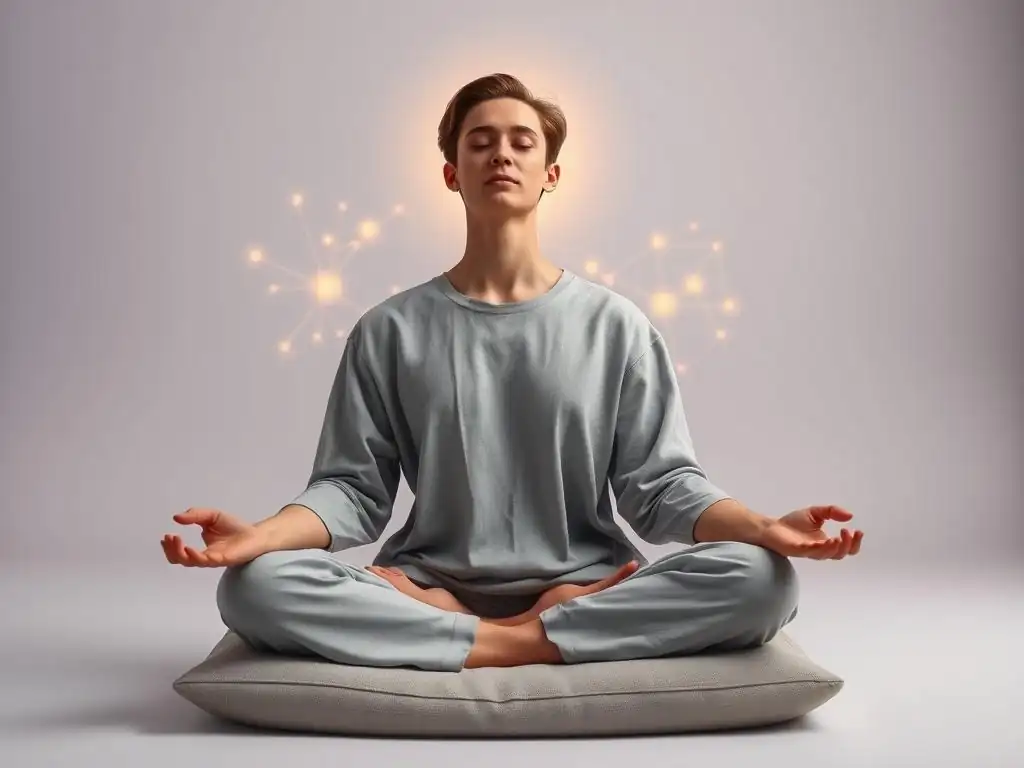
Meditation for Pain Management: Easing Chronic Pain Symptoms
Chronic pain affects millions globally and is often exacerbated by stress, anxiety, and the fear of movement. Meditation, particularly mindfulness-based approaches like MBSR, has shown significant promise as a complementary therapy for managing chronic pain conditions such as lower back pain, fibromyalgia, and migraines. These practices help individuals change their relationship with pain by cultivating present-moment awareness without judgment.
Instead of fighting or fearing the pain sensation, meditators learn to observe it, often leading to a reduction in the perceived intensity and emotional distress associated with pain. Studies have reported that participants in MBSR programs experience clinically significant reductions in pain severity and interference with daily life. For example, some research indicates that MBSR can reduce pain scores by approximately 30-40% in certain chronic pain populations, offering a non-pharmacological approach to improving quality of life through meditation for mental health benefits that impact physical suffering.
Meditation and Cardiovascular Health: Lowering Blood Pressure and Improving Heart Function
Cardiovascular disease remains a leading cause of death worldwide, with stress being a major risk factor. Meditation has emerged as a promising intervention for improving cardiovascular health markers. Regular meditation practice has been linked to reductions in blood pressure, a key factor in preventing heart attacks and strokes.
Multiple studies and meta-analyses have indicated that meditation can lead to clinically relevant decreases in both systolic and diastolic blood pressure, sometimes comparable to the effects of lifestyle changes like exercise or dietary modifications. For example, some reviews suggest average reductions of 5-10 mmHg in systolic pressure and 3-6 mmHg in diastolic pressure with consistent practice. Beyond blood pressure, meditation may also improve heart rate variability (a marker of nervous system health) and reduce the risk of cardiovascular events, showcasing a direct psychosomatic benefit where calming the mind protects the heart.
Boosting the Immune System with Meditation: Strengthening Your Body's Defenses
The intricate connection between the mind and the immune system is well-established in the field of psychoimmunology. Chronic stress is known to suppress immune function, making individuals more susceptible to infections and potentially influencing the progression of diseases. Meditation appears to positively influence immune responses, offering a psychosomatic pathway to bolster the body's defenses.
Research in this area is ongoing, but some studies have shown that mindfulness meditation can enhance certain aspects of immune function. For instance, participants in meditation programs have sometimes demonstrated increased antibody production in response to vaccines, suggesting a stronger immune response. Other studies have explored the impact on cellular immunity and inflammatory markers, finding potential benefits in reducing pro-inflammatory cytokines. While not a substitute for medical treatment, integrating meditation for mental health benefits may contribute to a more robust and balanced immune system.
Meditation for Sleep Improvement: Addressing Insomnia and Promoting Restful Sleep
Sleep disturbances, particularly insomnia, are often closely linked to stress, anxiety, and racing thoughts – classic examples of the psychosomatic connection. An overactive mind makes it difficult to relax and fall asleep, leading to a vicious cycle where poor sleep exacerbates stress and negatively impacts physical health. Meditation offers a gentle yet effective method to calm the mind and prepare the body for rest.
Mindfulness meditation practices, in particular, help individuals detach from worrying thoughts that keep them awake and cultivate a state of relaxation conducive to sleep. Studies on the effects of meditation on insomnia have shown significant improvements in sleep quality, duration, and reduced sleep disturbances. For example, research on mindfulness-based interventions for insomnia has reported reductions in the time it takes to fall asleep and an increase in total sleep time, offering a powerful psychosomatic benefit by quieting the mind to heal the body's sleep cycle.
Mental Health Benefits that Translate to Physical Well-being
Reducing Anxiety and Depression: A Pathway to Physical Relief
Anxiety and depression are not purely emotional states; they have profound physical manifestations. Chronic anxiety can lead to symptoms like muscle tension, digestive problems, headaches, and fatigue. Depression is often associated with physical lethargy, aches, changes in appetite, and impaired immune function. Addressing these mental health conditions through meditation can therefore lead to significant physical relief.
Meditation for mental health benefits directly targets the root causes of anxiety and depression by reducing rumination, cultivating emotional resilience, and promoting a sense of calm. As psychological distress diminishes, the physical symptoms associated with it often lessen as well. For instance, reducing anxiety through meditation can alleviate stress-induced muscle tension and improve digestive health, demonstrating a clear psychosomatic link where healing the mind leads to healing the body from physical ailments brought on by emotional states.
Emotional dysregulation – difficulty managing and responding to emotions in a healthy way – is a major source of stress and can trigger the body's physiological stress response. Intense or prolonged negative emotional states, such as anger, frustration, or fear, can lead to sustained activation of the sympathetic nervous system, contributing to physical issues like high blood pressure, headaches, and digestive upset.
Meditation enhances emotional regulation by increasing self-awareness and providing tools to observe emotions without being overwhelmed by them. Regular practice helps individuals develop a greater capacity to pause and choose their response to challenging emotions, rather than reacting impulsively. This improved ability to manage emotions reduces the frequency and intensity of the physiological stress response, thereby minimizing the psychosomatic impact of emotional turmoil on physical health. Learning to navigate feelings with greater skill directly protects the body from stress-induced damage.
Enhancing Self-Awareness: Recognizing and Addressing Physical Manifestations of Mental Distress
A key aspect of meditation practice is cultivating enhanced self-awareness, which includes paying attention to bodily sensations. Through practices like the body scan, individuals become more attuned to physical cues, learning to recognize how stress, anxiety, or other mental states manifest physically. This heightened awareness is crucial for the psychosomatic healing process.
Often, people carry stress or emotional tension in their bodies without consciously realizing it, leading to chronic muscle tightness, pain, or other physical symptoms. By developing the ability to notice these sensations through meditation, individuals can identify the physical manifestations of their mental distress early on. This allows them to proactively address the psychological root cause through continued meditation or seek other support, preventing symptoms from escalating and reinforcing the positive cycle where self-awareness promotes both mental and physical well-being. Meditation for mental health benefits thus empowers individuals to listen to their bodies.
Types of Meditation Practices for Psychosomatic Healing
Mindfulness Meditation: Focusing on the Present Moment for Physical Relief
Mindfulness meditation involves paying attention to the present moment without judgment, observing thoughts, feelings, and bodily sensations as they arise. This practice is foundational to many meditation-based interventions known for their psychosomatic benefits, such as MBSR. By anchoring attention to the breath or body, mindfulness helps to interrupt the cycle of worry and rumination that often fuels stress and physical tension.
Regular mindfulness practice cultivates a state of non-reactivity, enabling individuals to observe physical discomfort or pain without adding layers of fear or frustration. This shift in perception can significantly alter the experience of physical symptoms. For example, someone with chronic headaches might learn through mindfulness to notice the sensation without immediately tensing up or catastrophizing, potentially reducing the severity and frequency of the headaches over time. This focus on present-moment awareness directly supports physical relief by calming the nervous system and changing the relationship with physical sensations.
Loving-Kindness Meditation: Cultivating Compassion for Self and Body
Loving-kindness meditation (Metta) involves directing feelings of warmth, compassion, and goodwill towards oneself and others. While primarily focused on emotional states, this practice has tangible psychosomatic benefits, particularly in reducing self-criticism and fostering a more positive relationship with one's body. Chronic self-judgment and negative self-talk can contribute to stress and body tension.
By actively cultivating kindness towards oneself, including one's physical form and any ailments it might experience, individuals can alleviate the stress associated with self-criticism. This practice can reduce anxiety and depression, which, as discussed, have physical manifestations. Furthermore, extending compassion outwards can reduce feelings of isolation and foster social connection, which is also linked to better physical health outcomes. Loving-kindness meditation thus offers a unique psychosomatic benefit by healing the relationship with the self, which in turn can soothe the body.
Body Scan Meditation: Increasing Awareness of Physical Sensations
Body scan meditation is a practice where attention is systematically brought to different parts of the body, observing physical sensations without trying to change them. This technique is specifically designed to enhance interoceptive awareness – the ability to perceive internal bodily states. This heightened awareness is crucial for recognizing where tension is held in the body and how emotions manifest physically.
Regular body scan practice helps individuals become more attuned to subtle physical cues, such as muscle tightness, changes in breathing, or digestive sensations. This increased awareness allows for early detection of stress-related physical symptoms, enabling individuals to take steps to address the underlying stress before symptoms become severe. It also helps to release physical tension stored in the body. By fostering a deeper connection with the physical self, body scan meditation provides a direct pathway for psychosomatic healing, allowing the mind to guide the release of physical strain.
Transcendental Meditation: Achieving Deep Relaxation for Physical Rejuvenation
Transcendental Meditation (TM) is a specific form of mantra meditation practiced for 15-20 minutes twice daily. It involves silently repeating a specific mantra to allow the mind to settle into a state of deep rest and relaxation. TM is well-known for its ability to induce a profound state of physiological rest, often described as deeper than sleep.
This deep state of rest is associated with significant reductions in stress hormones, slower metabolism, and decreased heart rate and blood pressure. Research on TM has particularly highlighted its benefits for cardiovascular health, including reducing the risk of heart attack and stroke. The regular experience of this deep relaxation state allows the body to recover from chronic stress and promotes overall physical rejuvenation. TM offers a powerful psychosomatic benefit by providing a reliable method to access a state of physiological calm that counteracts the cumulative effects of daily stress on the body.
How to Start Your Meditation Journey for Psychosomatic Health

Creating a Meditation Space: Setting the Stage for Healing
Establishing a dedicated space for your meditation practice, even if it's just a small corner, can significantly enhance consistency and focus. This space doesn't need to be elaborate; it simply needs to be quiet and free from distractions. Choosing a comfortable cushion or chair is important, allowing you to sit upright yet relaxed.
Having a designated spot signals to your mind and body that it's time to transition into a state of calm and introspection. Ensuring the space is tidy, perhaps with a few calming elements like a plant or a simple piece of art, can further support a peaceful atmosphere. Making this small effort sets the stage for a more effective practice aimed at harnessing meditation for mental health benefits that foster physical healing.
Guided Meditation vs. Unguided Meditation: Choosing the Right Approach
For beginners, guided meditations are often highly beneficial. These involve listening to an instructor who guides you through the process, providing instructions on where to focus your attention (e.g., breath, body sensations, loving-kindness phrases) and gently bringing your mind back when it wanders. Guided meditations can be found on various apps, websites, and audio recordings, offering structure and support as you learn the practice.
Unguided meditation involves practicing on your own, without external instruction. This approach requires more self-discipline and familiarity with meditation techniques. While guided meditation is excellent for learning and maintaining focus, unguided practice allows for greater flexibility and the development of inner guidance. Many people start with guided meditations and gradually transition to unguided practice as they become more comfortable and confident in their abilities, finding the method that best supports their journey towards using meditation for mental health benefits and physical well-being.
Setting Realistic Goals and Expectations: Embracing the Process
Approaching meditation with realistic goals and expectations is crucial for long-term success and avoiding frustration. It's important to understand that meditation is a practice, not a quick fix. You won't instantly eliminate all stress or cure chronic conditions overnight. Instead, view meditation as a skill you develop over time, with benefits that accrue gradually.
Start with short sessions, perhaps just 5-10 minutes a day, and gradually increase the duration as you feel comfortable. Don't expect your mind to be completely silent; thoughts will inevitably arise. The practice is not about stopping thoughts but about noticing them without judgment and gently returning your attention to your chosen focus. Embracing the process, acknowledging the challenges, and celebrating small victories will help you maintain motivation on your journey to harness meditation for mental health benefits and physical healing.
Overcoming Common Challenges in Meditation Practice
Many beginners encounter common challenges when starting meditation, such as a restless mind, physical discomfort, or feeling like they're "doing it wrong." It's important to view these not as failures but as normal parts of the learning process. A restless mind is simply a mind doing what minds do; the practice is in noticing the distraction and gently returning.
If physical discomfort arises, try adjusting your posture or simply observing the sensation with curiosity rather than aversion. Remind yourself that there's no single "right" way to meditate; the key is consistency and effort. Be patient and compassionate with yourself. Joining a meditation group, using guided meditations, or seeking guidance from an experienced teacher can also provide support and help you navigate these challenges, reinforcing the practice of meditation for mental health benefits that lead to greater physical ease.
Meditation as a Complementary Therapy: Integrating with Medical Treatments
Consulting with Healthcare Professionals: A Collaborative Approach
While meditation offers significant psychosomatic benefits, it is essential to view it as a complementary therapy rather than a replacement for conventional medical treatment. If you have a physical or mental health condition, it is crucial to consult with your healthcare provider before starting a meditation practice, especially if you are managing a chronic illness or taking medication.
Discussing your interest in meditation with your doctor allows for a collaborative approach to your health care. Your doctor can advise on how meditation might fit into your overall treatment plan and potentially recommend specific types of meditation or programs that could be beneficial for your particular condition. This ensures that you are integrating meditation safely and effectively alongside standard medical care to maximize your journey towards using meditation for mental health benefits and supporting physical recovery.
Meditation Alongside Physical Therapy for Fibromyalgia
Fibromyalgia is a chronic condition characterized by widespread musculoskeletal pain, fatigue, sleep disturbances, and cognitive difficulties. Stress and emotional distress can significantly exacerbate fibromyalgia symptoms, highlighting its strong psychosomatic component. Integrating meditation, particularly mindfulness-based practices, alongside physical therapy has shown promise in managing this condition.
Physical therapy addresses musculoskeletal issues and improves physical function, while meditation helps patients manage pain perception, reduce stress, and improve sleep and emotional regulation. Studies have shown that combining these approaches can lead to greater improvements in pain levels, fatigue, and quality of life compared to physical therapy alone. For instance, some research indicates that MBSR combined with physical therapy can lead to more significant reductions in pain interference and improved functional capacity for individuals with fibromyalgia, demonstrating a powerful synergistic effect of using meditation for mental health benefits to alleviate physical symptoms.
Meditation with Medication for Generalized Anxiety Disorder
Generalized Anxiety Disorder (GAD) is characterized by excessive worry and anxiety about various events or activities, often accompanied by physical symptoms like restlessness, fatigue, muscle tension, and sleep problems. Standard treatment for GAD often involves psychotherapy and/or medication. Integrating meditation into the treatment plan can offer additional benefits.
Meditation, particularly mindfulness and guided relaxation techniques, can help individuals with GAD learn to manage their anxious thoughts and reduce the physiological hyperarousal associated with anxiety. While medication can help regulate brain chemistry, meditation provides a skill-based approach to managing symptoms and building resilience. Research suggests that combining meditation with medication or therapy can lead to more substantial reductions in anxiety symptoms and improved overall well-being compared to using medication or therapy alone. This illustrates how meditation for mental health benefits can enhance the effectiveness of conventional treatments for conditions with significant psychosomatic aspects.
Conclusion: Harnessing the Power of Meditation for Holistic Well-being
The Future of Meditation in Psychosomatic Medicine
The growing body of scientific evidence supporting the psychosomatic benefits of meditation is paving the way for its increased integration into mainstream healthcare. As our understanding of the mind-body connection deepens, meditation is likely to become a more widely accepted and recommended complementary therapy for a range of physical and mental health conditions. Research is exploring its potential impact on diverse areas, from genetic expression to the gut microbiome, further revealing the intricate ways meditation influences physical health.
Future developments may see meditation programs routinely prescribed alongside conventional treatments for conditions like hypertension, chronic pain, inflammatory disorders, and stress-related illnesses. Healthcare professionals are increasingly recognizing the value of addressing the psychological factors that contribute to physical ailments, and meditation offers a powerful, non-pharmacological tool for patients to actively participate in their own healing process. The potential for meditation for mental health benefits to revolutionize approaches in psychosomatic medicine is significant.
Embracing the Mind-Body Connection for a Healthier Life
Ultimately, embracing the practice of meditation means embracing the profound truth of the mind-body connection. It is a commitment to recognizing that your mental state is intimately linked to your physical health, and that by nurturing one, you positively impact the other. Meditation provides a practical, accessible pathway to cultivate this awareness and influence the psychosomatic relationship in a beneficial way.
Regular meditation practice empowers you to reduce stress, regulate emotions, enhance self-awareness, and foster a sense of calm resilience. These internal shifts cascade outwards, leading to tangible improvements in physical health markers, reduced symptoms of chronic conditions, and a greater overall sense of vitality. By integrating meditation into your life, you are not just practicing for mental health benefits; you are actively harnessing the power of your mind to heal and nurture your body, moving towards a state of truly holistic well-being.
Frequently Asked Questions
What are the primary mental health benefits of meditation as discussed in the article?
The article primarily focuses on how meditation can promote mental well-being by reducing stress and anxiety, improving emotional regulation, and enhancing overall mind-body connection.
How does meditation contribute to the psychosomatic benefits highlighted in "Heal Your Body with Your Mind"?
Meditation fosters a strong connection between mind and body, influencing physical health. It can help manage conditions exacerbated by stress, like headaches and digestive issues, through mindfulness and relaxation techniques.
What specific types of meditation are most effective for gaining mental health benefits?
While the article doesn't specify types, it generally emphasizes mindfulness meditation as a core practice. This involves paying attention to the present moment without judgment, which helps reduce stress and improve focus.
Is meditation a substitute for professional mental health treatment?
No, meditation is not a replacement. It's a complementary practice that can support and enhance professional mental health treatment, such as therapy or medication, but shouldn't replace it.
How frequently should I practice meditation to experience significant mental health benefits?
Consistency is key. While the article doesn't prescribe a specific frequency, regular practice, even for short periods daily, is more effective than infrequent, longer sessions for realizing lasting improvements in mental well-being.
Final Reflection: The Mind-Body Connection: A Path to Lasting Well-being
The power of the mind to influence physical health is no longer a fringe concept; it's a scientifically validated reality. The exploration of psychosomatic illness and the profound impact of meditation on both mental and physical well-being has moved from the realm of speculation to a cornerstone of holistic healthcare. This understanding is more crucial than ever in our fast-paced, stress-ridden world, where chronic illness is increasingly prevalent.
The journey into the mind-body connection, as detailed in this article, has been a deeply personal one for me. Witnessing the transformative power of meditation firsthand, both in my own life and in the lives of others, has solidified my belief in its potential. The body achieves what the mind believes.
This simple yet profound statement encapsulates the core message of this exploration. The ongoing research into the physiological effects of meditation, from reducing blood pressure to strengthening the immune system, only serves to reinforce this truth, highlighting the importance of integrating mindfulness practices into our daily lives.
Consider the impact of consistent meditation practice on your own life. Will you dedicate even a few minutes each day to cultivate inner peace and strengthen your resilience? This isn't just about stress reduction; it's about cultivating a deeper connection with yourself, fostering self-compassion, and empowering your body's innate healing capabilities. Embrace the journey towards a healthier, more balanced you, one mindful breath at a time.
Unlock Your Inner Healer: Start Your Meditation Journey Today!
Thank you for taking the time to explore the powerful connection between your mind and body. We hope you gained valuable insights into the psychosomatic benefits of meditation. Now, it's time to put this knowledge into practice!
Ready to experience the transformative power of meditation? Here's how to get started:
- Begin your daily meditation practice: Even 5-10 minutes a day can make a significant difference. Find a quiet space, sit comfortably, and focus on your breath. (This is your primary action)
- Share your experience: Tell a friend or family member about your newfound meditation practice and invite them to join you. The support of others can be invaluable.
- Explore different meditation techniques: Experiment with guided meditations, mindful breathing, or body scans to discover what resonates best with you. Try something unexpected – perhaps a nature-based meditation!
What small step will you take today to nurture your mind and body through the power of meditation?