
Visualizing Peace: Detailed Guided Imagery Scripts for Stress

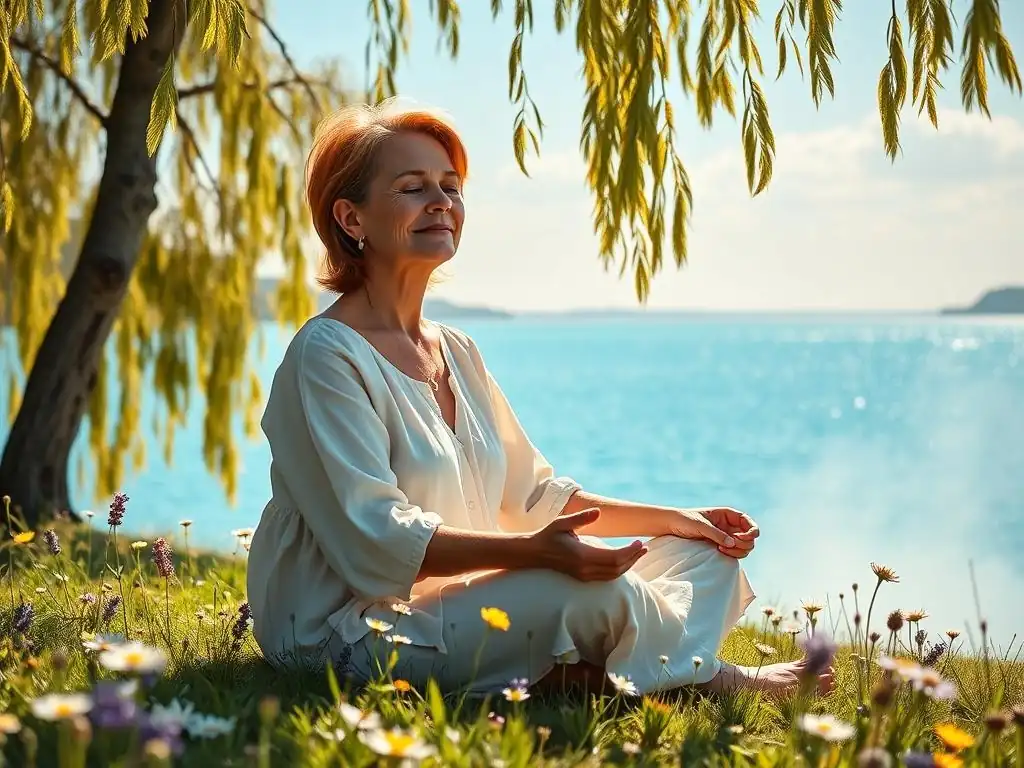
Welcome to Mind Care Guide, a sanctuary for your mental well-being.
Are you carrying the weight of stress and searching for a gentle escape? Imagine a world where anxiety melts away and inner peace blossoms. This article delves into Guided Imagery for Stress Relief, offering detailed scripts and techniques to help you visualize your way to calm. Curious to discover how powerful your own mind can be in managing stress? Let's begin your journey to tranquility.
Visualizing Peace: Detailed Guided Imagery Scripts for Stress
- Understanding Guided Imagery for Stress Relief
- Preparing for Your Guided Imagery Session
-
Detailed Guided Imagery Scripts for Stress Relief
- Script 1: The Peaceful Beach - A Guided Meditation for Anxiety
- Script 2: Mountain Sanctuary - Finding Inner Strength Through Imagery
- Script 3: Forest Retreat - A Guided Walk for Reducing Tension
- Script 4: The Healing Garden - Cultivating Peace and Well-being
- Script 5: River of Relaxation - Letting Go of Stress and Anxiety
- Tips for Maximizing the Effectiveness of Guided Imagery
- Troubleshooting Common Challenges in Guided Imagery
- Advanced Guided Imagery Techniques for Deep Stress Relief
- The Future of Guided Imagery in Mental Wellness
-
Frequently Asked Questions
- What is guided imagery and how does it relate to stress relief?
- How effective is guided imagery for managing stress compared to other methods?
- Are there different types of guided imagery scripts for stress relief, and how do I choose the right one?
- How often should I practice guided imagery for optimal stress relief benefits?
- Where can I find reliable guided imagery scripts for stress relief, and are there any free resources available?
- Final Reflection: Cultivating Inner Peace Through Visualization
- Unveil Your Inner Calm: Start Practicing Guided Imagery Today!
Understanding Guided Imagery for Stress Relief
What is Guided Imagery and How Does it Reduce Stress?
Guided imagery is a relaxation technique that involves forming mental pictures or scenarios to achieve a desired state, often peace or calm. It's a powerful tool in the suite of stress management techniques, leveraging the mind-body connection. By focusing your attention on positive, calming images, sounds, smells, and sensations, you can effectively distract the mind from stressful thoughts and triggers. This shift in focus helps to interrupt the stress response cycle, which typically involves increased heart rate, muscle tension, and heightened alertness. Instead, guided imagery encourages the parasympathetic nervous system to activate, promoting relaxation and a sense of well-being.
The process typically involves a guide (either a therapist, a recording, or self-guided) leading you through a vivid mental journey. This journey might be to a peaceful natural setting, a comforting memory, or an abstract place of calm. As you immerse yourself in this imagined environment, your body begins to respond as if you were actually there.
For instance, visualizing lying on a warm beach under the sun can evoke feelings of warmth and relaxation throughout your muscles. This deliberate act of imagination provides a mental escape from daily pressures and allows your body to release accumulated tension, making guided imagery for stress relief a practical and accessible method.
The Science Behind Guided Imagery and Relaxation
The effectiveness of guided imagery for stress relief is supported by neuroscientific and physiological research. Studies using fMRI scans have shown that vivid mental imagery can activate similar brain regions as actual perception. When you imagine a calming scene, areas of the brain associated with sensory processing and emotional regulation are engaged, helping to shift your state away from anxiety and stress. Furthermore, research indicates that regular practice of guided imagery can lead to measurable physiological changes.
For example, some studies have observed a reduction in stress hormones like cortisol after guided imagery sessions. While specific figures vary, reductions in cortisol levels by approximately 10-25% have been reported in some clinical settings following consistent guided imagery practice over several weeks. Additionally, guided imagery can influence heart rate variability (HRV), a marker of the body's ability to adapt to stress.
An increase in HRV is generally associated with better stress resilience and relaxation, and guided imagery techniques have been shown to contribute to this positive change. These physiological effects underscore how mental visualization can have a tangible impact on the body's stress response system.
Benefits of Using Guided Imagery for Stress Management
Incorporating guided imagery into your routine offers a wide range of benefits for managing stress and improving overall mental wellness. One of the most immediate advantages is the reduction of muscle tension. Stress often manifests physically as tightness in the shoulders, neck, or jaw, and guided imagery helps the body consciously relax these areas through focused visualization. Many individuals report feeling a significant decrease in physical discomfort after a session.
Beyond physical relaxation, guided imagery can also improve mood and emotional state. By shifting focus away from worries and towards pleasant, calming scenarios, it helps to alleviate feelings of anxiety, irritability, and sadness often associated with chronic stress. Users frequently report feeling more optimistic and centered after practicing guided imagery for stress relief. Furthermore, consistent practice can enhance sleep quality, as the mind is calmer and less prone to racing thoughts at bedtime. This comprehensive approach to stress management addresses both the mental and physical aspects of stress, making guided imagery a holistic tool for well-being.
Preparing for Your Guided Imagery Session
Creating a Comfortable and Relaxing Environment
Setting the right atmosphere is crucial for maximizing the benefits of guided imagery for stress relief. Begin by choosing a quiet space where you are unlikely to be interrupted. This could be a comfortable chair, a sofa, or even your bed. Ensure the temperature is comfortable and that you feel physically at ease. Minimizing external distractions is key; turn off your phone or put it on silent mode, and let others in your household know you need some uninterrupted time.
Consider elements like lighting and sound. Dimming the lights can help create a more relaxed mood. While silence is ideal for some, others find soft, ambient sounds like gentle instrumental music or nature sounds (like rain or waves) helpful in masking external noise and enhancing the atmosphere. The goal is to create a personal sanctuary, even if temporary, that signals to your mind and body that it's time to unwind and focus inward. This careful preparation enhances your ability to immerse yourself fully in the guided imagery experience.
Setting Your Intention for Stress Reduction
Before beginning the guided imagery session, take a moment to set a clear intention. What do you hope to gain from this practice today? Is it to release specific tension in your shoulders, calm a racing mind, feel more grounded, or simply find a few moments of peace? Stating your intention, either silently to yourself or aloud, helps to focus your mind and direct the energy of the session towards your specific goals for stress reduction.
For example, your intention might be: "I intend to release the tension I'm holding in my body and find a sense of calm," or "I intend to allow my worries to float away and connect with a feeling of inner peace." This simple act of setting an intention primes your brain for the guided imagery experience and helps to make the practice more purposeful and effective. It shifts the session from a passive exercise to an active step in managing your stress.
Techniques for Deep Breathing Before Guided Imagery
Deep breathing is a powerful preliminary step that can significantly enhance the effectiveness of guided imagery for stress relief. Before you begin visualizing, take a few moments to focus on your breath. Find a comfortable position, close your eyes if you wish, and simply observe your natural breath for a few moments without trying to change it.
Then, consciously deepen your breath. Try inhaling slowly through your nose, feeling your abdomen expand as you fill your lungs completely. Hold the breath for a moment, and then exhale slowly through your mouth, allowing your body to soften and release tension with each out-breath.
A common technique is box breathing: inhale for a count of four, hold for four, exhale for four, and hold empty for four. Practicing 5-10 cycles of deep, slow breathing before starting your guided imagery script helps to calm your nervous system, slow your heart rate, and prepare your mind for a state of relaxation and receptivity.
Detailed Guided Imagery Scripts for Stress Relief

Script 1: The Peaceful Beach - A Guided Meditation for Anxiety
Detailed Steps: Visualizing the Beach Scene
Begin by taking a few deep breaths, settling into your comfortable space. Feel your body relax with each exhale. Now, gently bring to mind the image of a beautiful, peaceful beach. See the soft, warm sand beneath your feet. Imagine it's a perfect temperature, cushioning your steps. Look out at the vast expanse of the ocean. The water is a clear, gentle blue, meeting the sky on the horizon. There are no clouds, just endless blue.
Walk slowly along the shoreline, feeling the gentle rhythm of the waves washing onto the sand and then receding. Notice the edge where the water meets the land, wet and firm. As you walk, you might see a few beautiful shells scattered on the sand. Pick one up, feel its texture, admire its colors, and then gently place it back down, releasing any burdens you might be carrying with it. Continue walking, feeling the warmth of the sun on your skin, a comforting and soothing warmth that melts away tension.
Focus on the Senses: Sounds, Smells, and Textures of the Beach
Now, engage all your senses in this peaceful beach scene. Listen to the gentle, rhythmic sound of the waves. Hear the soft lapping of the water, the whisper of the breeze through nearby palms or grasses. Perhaps you hear the distant call of a seagull, a sound that feels peaceful and free. Allow these sounds to wash over you, calming your mind.
Smell the clean, fresh scent of the ocean air. It might carry hints of salt, perhaps the subtle fragrance of nearby coastal plants. Inhale deeply, filling your lungs with this refreshing aroma, and exhale slowly, releasing any stale or anxious energy.
Feel the sensation of the warm sand between your toes, the cool touch of the water on your ankles as a wave gently rolls in, the warmth of the sun on your face and shoulders. Notice the texture of a smooth, sun-warmed stone or the delicate roughness of a piece of driftwood. Immerse yourself fully in these sensory details, grounding yourself in this peaceful place and enhancing the guided imagery for stress relief.
Script 2: Mountain Sanctuary - Finding Inner Strength Through Imagery
Detailed Steps: Climbing the Mountain in Your Mind
Settle in and begin to breathe deeply, centering yourself. Bring to mind the image of a majestic, strong mountain. See its solid base rooted deep in the earth, its peak reaching towards the sky. Feel the sense of stability and enduring strength that the mountain embodies. Now, imagine yourself beginning to ascend this mountain path. The path is clear and manageable, winding gently upwards.
As you climb, notice the ground beneath your feet – firm and steady. The air is fresh and clean. You move at a comfortable pace, feeling your legs strong and capable. With each step upward, imagine you are leaving behind worries and tensions from your daily life. They become smaller and less significant as you gain altitude. Look around and admire the views opening up below you – fields, forests, towns – all becoming distant and less demanding of your attention. You are moving towards a place of peace and perspective.
Connecting with Nature: Grounding and Stability Through Imagery
As you continue your ascent, pay attention to the details of the mountain environment. See the resilient trees growing on the slopes, their roots gripping firmly to the earth. Notice the texture of the rocks, solid and ancient. Perhaps you see patches of hardy wildflowers, bringing color and life to the landscape. Feel the cool, clean air on your skin, invigorating yet calming.
Listen to the sounds of the mountain – the rustling of leaves in the breeze, perhaps the distant call of a bird, the quiet crunch of your steps on the path. These sounds are natural and grounding. Reaching a peaceful plateau, find a comfortable spot to rest. Feel the solidity of the mountain beneath you, supporting you completely. Connect with the mountain's ancient strength and stability, drawing that energy into yourself. Know that you possess this same inner strength and resilience, a powerful resource for guided imagery for stress relief and facing challenges.
Script 3: Forest Retreat - A Guided Walk for Reducing Tension
Detailed Steps: Exploring the Forest Path
Close your eyes and take a few relaxing breaths. Imagine you are standing at the edge of a beautiful, peaceful forest. The air is cool and smells of earth and pine. A gentle path winds invitingly into the trees. Step onto the path, feeling the soft ground beneath your feet. The light filters softly through the canopy above, creating dappled patterns on the path ahead.
Walk deeper into the forest, surrounded by tall, ancient trees. Notice the variety of greens – the deep shade of pine needles, the vibrant color of moss on stones, the lighter hues of leaves on younger trees. The path is easy to follow, leading you gently onward. As you walk, feel your body relaxing, your shoulders dropping, your breath flowing easily. Imagine that with each step, you are leaving behind tension and worry, allowing the calm of the forest to fill you.
Embracing Tranquility: The Sounds and Sights of the Forest
Engage your senses fully in this forest retreat. Listen to the symphony of sounds around you – the soft rustling of leaves in the breeze, the chirping of birds, the gentle hum of insects, perhaps the distant sound of a small stream. These sounds are natural and soothing, creating a peaceful atmosphere.
See the intricate patterns of bark on the trees, the delicate shapes of leaves, the way the sunlight dances through the branches. Notice the vibrant colors of moss and ferns along the path. Smell the rich scent of damp earth, pine needles, and decaying leaves – the clean, natural perfume of the forest.
Feel the cool air on your skin, the soft texture of moss or bark if you touch it gently. Allow yourself to be fully present in this tranquil space, absorbing the peaceful energy of the forest, a perfect setting for guided imagery for stress relief and finding inner calm.
Script 4: The Healing Garden - Cultivating Peace and Well-being
Detailed Steps: Planting Seeds of Calmness
Take a few deep breaths and settle your body. Now, imagine you are entering a beautiful, serene garden, your own personal healing garden. The air is fragrant with the scent of blooming flowers. The sun is warm and gentle. This garden is a place of peace and nourishment, designed just for you. Walk along a winding path, noticing the vibrant colors of the flowers, the lush green of the plants.
Find a quiet spot where the soil is rich and ready. Imagine you are holding a small bag of seeds – these are seeds of calmness, peace, and well-being. Kneel down and gently prepare a small patch of soil. Dig a small hole with your fingers or a trowel. Now, carefully place a few seeds into the soil, covering them gently. As you do this, repeat softly to yourself, "I am planting seeds of peace. I am cultivating calmness within me."
Nurturing Your Inner Garden: A Metaphor for Self-Care
Visualize watering the seeds, giving them the nourishment they need to grow. See the water soaking into the soil, bringing life. Imagine the sunlight warming the earth, encouraging growth. This act of planting and nurturing is a metaphor for tending to your own inner state. Just as a garden needs care to flourish, so too does your mind and spirit.
As you continue to walk through the garden, notice how everything is growing beautifully. See flowers in full bloom, their colors vibrant, their scents delightful. This is a reflection of the peace and well-being you are cultivating within yourself through practices like guided imagery for stress relief. Spend some time simply being in this beautiful, healing space, feeling the sense of peace and contentment that comes from tending to your inner garden.
Script 5: River of Relaxation - Letting Go of Stress and Anxiety
Detailed Steps: Floating Down the Gentle River
Close your eyes and breathe deeply, allowing your body to become heavy and relaxed. Imagine you are standing on the bank of a gentle, flowing river. The water is clear and sparkling, moving at a calm, steady pace. The banks are lined with soft, green grass and peaceful trees.
Step into a small, comfortable boat or onto a large, smooth log floating gently on the surface of the river. Settle in, feeling completely supported by the water. The current is soft, carrying you effortlessly downstream. Look up at the blue sky, feel the gentle breeze on your face. As you float, imagine that any thoughts, worries, or tensions you are holding onto are like leaves or small twigs floating nearby.
Releasing Tension: Visualizing Stress Washing Away
As you float downstream, notice those "leaves" of stress and anxiety. One by one, gently allow them to drift away from your boat. See them being carried downstream by the current, moving further and further away until they are out of sight. With each leaf that floats away, feel a corresponding release of tension in your body – perhaps from your shoulders, your jaw, or your stomach.
Continue to float, feeling the gentle rocking motion of the river. The water supports you completely. The current carries you towards a state of deeper relaxation and peace. Visualize the river washing away any remaining stress or discomfort, leaving you feeling lighter, clearer, and more at ease. This imagery of release is a powerful way to use guided imagery for stress relief, allowing you to let go of what no longer serves you.
Tips for Maximizing the Effectiveness of Guided Imagery
Consistency is Key: Regular Practice for Lasting Results
Like any skill, the effectiveness of guided imagery for stress relief improves significantly with regular practice. Engaging in guided imagery sessions consistently, even for short periods (e.g., 10-15 minutes) several times a week, can build resilience to stress over time. Think of it like building a muscle – the more you exercise it, the stronger it becomes.
Studies and anecdotal evidence suggest that individuals who practice guided imagery regularly report more significant and lasting reductions in stress, anxiety, and even physical symptoms like headaches or muscle pain compared to those who only practice occasionally. For instance, some reports indicate that daily practice for just two weeks can lead to noticeable improvements in perceived stress levels. Establishing a routine, perhaps incorporating it into your morning or evening, helps make it a natural part of your self-care regimen.
Personalizing Your Guided Imagery Experience
While guided scripts provide a valuable starting point, personalizing your guided imagery experience can make it even more powerful. The most effective imagery is often deeply resonant with the individual. If a beach scene doesn't feel peaceful to you, perhaps a quiet forest, a snowy mountaintop, a cozy cabin, or a comfortable room from your childhood would be more soothing.
Feel free to adapt scripts or create your own based on places or experiences that genuinely evoke feelings of calm, safety, and happiness for you. Focus on sensory details that are particularly vivid and comforting to you. For example, if you love the smell of rain, incorporate that into your imagery. If the feeling of soft fabric is soothing, imagine wrapping yourself in a warm blanket in your scene. Making the imagery personal enhances your ability to fully immerse yourself and deepen the relaxation response achieved through guided imagery for stress relief.
Combining Guided Imagery with Other Stress Reduction Techniques
Guided imagery for stress relief can be incredibly effective on its own, but its power can be amplified when combined with other complementary stress reduction techniques. For example, starting your session with a few minutes of progressive muscle relaxation, where you tense and release different muscle groups in your body, can help prepare your body for deeper relaxation before you begin visualizing.
Similarly, pairing guided imagery with gentle stretching or yoga can help release physical tension, making it easier to settle into the visualization. Mindfulness meditation, which focuses on present-moment awareness without judgment, can also enhance your ability to focus during guided imagery. By integrating guided imagery into a broader self-care plan that includes exercise, healthy eating, sufficient sleep, and other relaxation methods, you create a more comprehensive and robust approach to managing stress.
Troubleshooting Common Challenges in Guided Imagery

Dealing with Distractions During Meditation
Distractions are a common challenge when practicing guided imagery for stress relief, whether they are external noises or internal wandering thoughts. It's important to approach distractions with patience and self-compassion, rather than frustration. Recognize that the mind is naturally prone to wandering; the practice is not about eliminating thoughts, but about gently redirecting your focus.
When you notice your mind has drifted or you've been distracted by a sound, simply acknowledge it without judgment. Think of the thought or distraction as a cloud floating by. Gently guide your attention back to the imagery in the script. You can use your breath as an anchor – take a conscious inhale and exhale, and then re-engage with the sensory details of your imagined scene. The more you practice this gentle redirection, the easier it becomes to maintain focus during your guided imagery sessions.
What to Do if You Can't Visualize Clearly
Not everyone is a strong visualizer, and that's perfectly normal. Guided imagery isn't solely about seeing clear pictures in your mind. It's about engaging all your senses and feelings. If you struggle to "see" the scene, focus instead on the other sensory details.
Can you feel the warmth of the sun, the softness of the sand, the coolness of the air? Can you hear the sounds of the environment – waves, birds, wind? Can you smell the scents – salt, pine, flowers?
Can you focus on the feeling of peace, relaxation, or strength that the scene is meant to evoke? The emotional and physical sensations are just as important, if not more so, than the visual clarity. Allow yourself to experience the scene through your dominant senses, and trust that the guided imagery for stress relief is still working on a deeper level.
Adapting Scripts to Your Specific Needs
Guided imagery scripts are templates, designed to be adaptable. If a script doesn't resonate with you or address your specific type of stress, feel empowered to modify it. For example, if you're dealing with social anxiety, you might imagine a scene where you feel completely comfortable and confident interacting with others, rather than just a nature scene.
If you have a specific physical tension point, like a stiff neck, you could incorporate imagery focused on releasing that tension – perhaps visualizing warm, soothing light flowing into that area. You can also adjust the pace or length of the script to fit your available time and attention span. The most effective guided imagery for stress relief is one that feels personal and relevant to your current challenges and goals.
Advanced Guided Imagery Techniques for Deep Stress Relief
Using Affirmations in Guided Imagery for Positive Change
Integrating positive affirmations into your guided imagery practice can deepen its impact and promote lasting positive change. Affirmations are short, positive statements that you repeat to yourself, reinforcing desired beliefs or states of being. When combined with the relaxed and receptive state achieved during guided imagery, these affirmations can be particularly powerful in reprogramming negative thought patterns associated with stress and anxiety.
For example, while visualizing a mountain sanctuary, you might repeat affirmations like, "I am strong and resilient," or "I can handle challenges with calm." While floating on a river of relaxation, you could affirm, "I am letting go of stress," or "I am peace." Choose affirmations that resonate with the theme of your imagery and your personal goals for stress reduction. Repeating these statements silently or softly during your visualization helps to anchor the feeling of peace and strength associated with the image.
Integrating Emotional Release Techniques with Visualization
Guided imagery can also be used to safely explore and release difficult emotions contributing to stress. This often involves visualizing the emotion itself, perhaps as a shape, color, or object, and then interacting with it within your imagined safe space. For instance, you might visualize anger as a tight knot in your stomach and then imagine the healing garden's warmth dissolving it, or visualize sadness as a heavy cloak you gently remove and place on the river to float away.
Another technique involves visualizing a safe container or space where you can place difficult feelings temporarily, knowing they are held securely while you find calm. This doesn't mean suppressing emotions, but rather creating a mindful distance and a sense of control over how you process them. By consciously acknowledging and then symbolically releasing or transforming these emotions within the safety of your guided imagery, you can achieve a deeper level of stress relief and emotional processing.
Exploring Different Themes and Scenarios for Stress Reduction
Moving beyond basic nature scenes, exploring a wider variety of themes in your guided imagery can address different facets of stress. Consider imagery focused on:
- Healing and Recovery: Visualizing your body healing or recovering from illness or injury.
- Confidence Building: Imagining yourself successfully navigating a challenging situation.
- Forgiveness: Visualizing releasing resentment towards yourself or others.
- Future Planning: Mentally rehearsing a future event with calm and confidence.
- Inner Child Work: Connecting with and comforting a younger version of yourself.
Each theme offers a unique pathway for guided imagery for stress relief, targeting specific emotional or psychological aspects of your experience. Experimenting with different scenarios can help you discover which types of imagery are most effective for addressing your particular sources of stress and promoting overall well-being.
The Future of Guided Imagery in Mental Wellness
Emerging Trends in Guided Imagery Applications
The application of guided imagery for stress relief and overall mental wellness is continually evolving, with several emerging trends pointing towards its broader integration into healthcare and daily life. One significant trend is its increasing use in clinical settings beyond traditional therapy rooms. Hospitals are exploring guided imagery as a complementary therapy to manage pain, reduce anxiety before procedures, and promote faster recovery.
Furthermore, there is growing interest in using guided imagery in corporate wellness programs to help employees manage workplace stress and improve focus. Educational institutions are also beginning to incorporate these techniques to help students cope with academic pressure and enhance performance. This expansion into diverse environments highlights the recognition of guided imagery as a versatile and non-pharmacological tool for improving well-being.
The Role of Technology in Enhancing Guided Imagery Experiences
Technology is playing an increasingly significant role in making guided imagery more accessible and immersive. Mobile applications dedicated to meditation and relaxation often feature extensive libraries of guided imagery scripts, allowing users to access sessions anytime, anywhere. These apps often include customizable features, background sounds, and progress tracking, enhancing the user experience.
Virtual reality (VR) is another frontier for guided imagery. VR environments can create highly immersive and realistic visual and auditory experiences, transporting users to serene beaches, peaceful forests, or other calming spaces with a level of sensory detail previously impossible. While still relatively nascent for widespread use in guided imagery for stress relief, VR holds significant potential for creating deeply engaging and effective therapeutic experiences.
Resources for Further Exploration of Guided Imagery for Stress Relief
For those interested in delving deeper into the practice of guided imagery for stress relief, numerous resources are available. Many qualified therapists and counselors incorporate guided imagery into their practice and can offer personalized guidance. There are also a wealth of books, audio recordings, and mobile applications specifically designed for guided imagery.
Reputable organizations focused on mental health and holistic wellness often provide information, scripts, and guidance on using guided imagery effectively. Exploring different guides and scripts can help you find approaches that resonate most with you. Consistent engagement with these resources and dedicated practice are key to unlocking the full potential of guided imagery as a powerful tool for managing stress and cultivating inner peace.
Frequently Asked Questions
What is guided imagery and how does it relate to stress relief?
Guided imagery is a technique that uses imagination to promote relaxation and reduce stress. It involves following a script or mental prompts to visualize peaceful scenes, which can trigger the body's relaxation response. This helps to alleviate stress hormones and promote a sense of calm.
How effective is guided imagery for managing stress compared to other methods?
While individual experiences vary, guided imagery is often considered a highly effective method for stress management. It's a non-invasive technique that can be used alongside other therapies like mindfulness or medication to provide a holistic approach to well-being.
Are there different types of guided imagery scripts for stress relief, and how do I choose the right one?
Yes, there are various types, such as scripts focusing on nature scenes, body scans, or positive affirmations. The best script depends on your personal preferences. Experiment with different options to find what resonates with you and provides the most significant stress reduction.
How often should I practice guided imagery for optimal stress relief benefits?
Consistency is key. Aim to practice guided imagery daily or at least several times a week for optimal results. Even short sessions (10-15 minutes) can make a significant difference in managing stress levels over time.
Where can I find reliable guided imagery scripts for stress relief, and are there any free resources available?
Websites like Mind Care Guide often provide free guided imagery scripts. You can also find resources on platforms like YouTube, Spotify, or through mental health apps. Look for scripts created by qualified professionals to ensure quality and effectiveness.
Final Reflection: Cultivating Inner Peace Through Visualization
The power of guided imagery to alleviate stress is not merely a theoretical concept; it's a readily accessible tool for navigating the anxieties of modern life. In a world increasingly characterized by relentless demands and information overload, the ability to find moments of calm and self-soothing is not a luxury, but a necessity. This article has explored the practical application of detailed guided imagery scripts, demonstrating how the mind's eye can be a powerful ally in reducing stress and fostering a sense of well-being.
The impact of guided imagery extends far beyond the immediate experience of relaxation. It cultivates a deeper connection with our inner selves, allowing us to access resources of resilience and strength we may not have known we possessed. This process of self-discovery, of learning to quiet the mental chatter and connect with a sense of peace, is profoundly transformative. As the poet Mary Oliver so eloquently stated: Pay attention. Be astonished. Tell about it.
Guided imagery invites us to pay attention to the inner landscape of our minds, to be astonished by its capacity for healing, and to tell the story of our journey towards inner peace.
Now, consider how you can integrate these techniques into your daily life. Perhaps dedicate just five minutes each day to a guided imagery exercise, creating a sanctuary of calm amidst the chaos. Experiment with different scripts, finding the ones that resonate most deeply with you. Remember, the journey to stress reduction is a personal one, and the power to cultivate inner peace lies within your own hands. Embrace this power, and watch as your ability to navigate life's challenges grows stronger and more resilient.
Unveil Your Inner Calm: Start Practicing Guided Imagery Today!
Thanks for taking the time to explore the power of guided imagery for stress relief! We hope you've discovered new tools to cultivate peace within. Ready to take the next step towards a calmer you?
- Begin your personalized guided imagery journey: Select one of the scripts from the article and dedicate just 10-15 minutes to experiencing its tranquility. Notice the shift in your energy.
- Share your experience: Let us know which script resonated most with you – and how it made you feel – in the comments below. Your insights can help others on their path to peace.
- Create your own script: Inspired? Try crafting a short guided imagery script based on your own personal imagery of peace. It's a powerful way to personalize your relaxation practice!
What unique imagery will you use to create your own personal sanctuary of calm?