
Guided Meditations for Anxiety: Finding Your Inner Stillness

Welcome to Mind Care Guide, your sanctuary for cultivating inner peace.
Feeling overwhelmed by anxiety's relentless grip? You're not alone. Discover the transformative power of mindfulness as we delve into anxiety relief guided meditation. This isn't just about relaxation; it's about reclaiming control and finding your inner stillness. Curious to learn how? Let's begin your journey to a calmer, more centered you...
Guided Meditations for Anxiety: Cultivating Calm and Resilience
- Understanding Anxiety and the Power of Meditation
- What is Anxiety Relief Guided Meditation?
- Types of Guided Meditations for Anxiety
- How to Start Your Anxiety Relief Guided Meditation Practice
- Sample Anxiety Relief Guided Meditation Script (Short)
- Tips for Maximizing the Benefits of Guided Meditation for Anxiety
- Overcoming Challenges in Your Anxiety Relief Guided Meditation Practice
- The Future of Guided Meditation for Anxiety
- Resources for Anxiety Relief Guided Meditation
- Conclusion: Nurturing Inner Peace with Guided Meditation for Anxiety
-
Frequently Asked Questions
- What is anxiety relief guided meditation and how does it differ from regular meditation?
- How can guided meditation help with anxiety relief?
- How often should I practice anxiety relief guided meditation to see results?
- Are there any potential downsides or risks associated with anxiety relief guided meditation?
- Where can I find reliable anxiety relief guided meditation resources?
- Final Reflection: Cultivating Inner Peace in a Turbulent World
- Unleash Your Inner Calm: Start Your Meditation Journey Today!
Understanding Anxiety and the Power of Meditation
The Impact of Stress and Worry on Mental Well-being
Chronic stress and persistent worry can significantly erode mental well-being, creating a cycle of distress that impacts millions globally. Anxiety disorders are among the most common mental health conditions, affecting an estimated 30% of adults at some point in their lives. This persistent state of heightened alert triggers the body's fight-or-flight response, releasing stress hormones like cortisol and adrenaline.
Over time, this can lead to a range of physical symptoms, including increased heart rate, muscle tension, headaches, digestive issues, and sleep disturbances. The mental toll is equally significant, manifesting as racing thoughts, difficulty concentrating, irritability, and a sense of impending doom.
Furthermore, the constant internal dialogue of worry often involves catastrophic thinking and a focus on potential future threats, even when there is no immediate danger. This cognitive pattern can become deeply ingrained, making it challenging to break free from the grip of anxiety. The impact extends beyond the individual, affecting relationships, work performance, and overall quality of life. Seeking effective strategies to manage this pervasive stress and cultivate inner peace is crucial for regaining control and fostering resilience against the challenges that life presents.
How Mindfulness Practices Alleviate Anxiety
Mindfulness practices offer a powerful antidote to the restless churn of anxious thoughts by bringing awareness to the present moment without judgment. Instead of getting swept away by worries about the past or future, mindfulness encourages observing thoughts, feelings, and bodily sensations as they arise, acknowledging them, and letting them go. This detachment from anxious thought patterns helps to create mental space, reducing their power and influence. Regular engagement with mindfulness, particularly through guided meditation for anxiety relief, helps individuals develop a greater capacity to tolerate uncertainty and discomfort.
The core mechanism involves shifting attention from the automatic, reactive mode often fueled by anxiety to a more deliberate, observational mode. By practicing non-judgmental awareness, individuals learn that thoughts are not facts and that feelings are temporary states. This perspective shift can significantly reduce the intensity and frequency of anxious episodes. Over time, this practice builds resilience, enabling individuals to respond to stressful situations with greater calm and clarity rather than being overwhelmed by them.
Neuroscientific Evidence Supporting Meditation's Effectiveness
Neuroscientific research provides compelling evidence for the effectiveness of meditation, including anxiety relief guided meditation, in altering brain structure and function in ways that reduce anxiety. Studies using fMRI (functional magnetic resonance imaging) have shown that regular meditation practice can lead to changes in brain regions associated with stress, emotion regulation, and self-awareness. For instance, research suggests that meditation can decrease the size and activity of the amygdala, often referred to as the brain's fear center, which is hyperactive in individuals with anxiety disorders.
Simultaneously, meditation appears to increase activity and density in areas like the prefrontal cortex, responsible for executive functions, attention, and emotional regulation. It also strengthens the connections between the prefrontal cortex and the amygdala, allowing for better top-down control over emotional responses. These structural and functional changes contribute to a reduced physiological stress response, improved emotional stability, and a greater ability to manage anxious thoughts and feelings effectively.
What is Anxiety Relief Guided Meditation?
Defining Guided Meditation as a Tool for Emotional Regulation
Guided meditation for anxiety relief is a specific form of meditation where a teacher or recording leads the practitioner through a contemplative practice. This guidance can involve verbal instructions, gentle music, or other sounds designed to facilitate focus and relaxation. As a tool for emotional regulation, guided meditation provides a structured pathway for individuals to navigate their internal landscape, particularly during moments of heightened anxiety. The guidance helps direct attention away from overwhelming thoughts and towards calming anchors like the breath or bodily sensations.
Unlike unguided meditation, which requires the practitioner to maintain focus independently, the guided format offers support and structure, making it particularly accessible for beginners or those whose minds are very active due to anxiety. The instructions often guide the practitioner through techniques such as body scans, mindful breathing, or visualizations, all aimed at cultivating a sense of presence and reducing the intensity of emotional reactivity. This process helps to interrupt the cycle of anxious rumination and foster a greater sense of control over one's internal state.
Essential Components of Effective Anxiety-Focused Meditations
Effective anxiety relief guided meditation typically incorporates several key components designed to soothe the nervous system and reframe anxious thoughts. A foundational element is mindful breathing, where attention is gently directed to the sensation of the breath entering and leaving the body. This simple act anchors the mind in the present moment and activates the body's relaxation response. Another common component is the body scan, which involves systematically bringing awareness to different parts of the body, noticing sensations without judgment, and releasing physical tension often held during anxiety.
Many guided meditations for anxiety also include elements of gentle acceptance, encouraging practitioners to acknowledge anxious thoughts and feelings without trying to push them away or change them immediately. This non-resistance can paradoxically reduce their power. Visualization techniques, such as imagining a safe place or feeling roots connecting to the earth, can also be used to promote grounding and calm. Some practices incorporate loving-kindness or compassion towards oneself, counteracting the self-criticism that often accompanies anxiety. The combination of these elements provides a comprehensive approach to calming both the mind and body.
Advantages of Guided Meditation for Managing Anxious Thoughts
Opting for anxiety relief guided meditation offers distinct advantages for individuals struggling with anxious thoughts. Firstly, the presence of a guide provides structure and direction, which can be incredibly helpful when the mind is scattered and overwhelmed by worry. The guide's voice acts as an anchor, gently redirecting attention when it wanders, making it easier to stay present with the practice. This reduces the frustration that beginners might experience when attempting unguided meditation.
Secondly, guided meditations often incorporate specific techniques tailored to address anxiety, such as prompts for releasing tension, cultivating self-compassion, or reframing negative thought patterns. The guide might offer empathetic language that normalizes the experience of anxiety while offering tools for managing it. Finally, guided formats are readily available through numerous apps and online platforms, offering accessibility and convenience, allowing individuals to practice calming techniques whenever and wherever they need them, providing immediate support during moments of heightened anxiety.
Types of Guided Meditations for Anxiety
Diaphragmatic Breathing Meditations for Anxiety Reduction
Diaphragmatic breathing, also known as belly breathing, is a cornerstone technique in many anxiety relief guided meditation practices. This method focuses on deep, slow breaths that fully engage the diaphragm, the large muscle beneath the lungs. Unlike shallow chest breathing, which is often associated with stress and the fight-or-flight response, diaphragmatic breathing activates the parasympathetic nervous system, promoting relaxation. A guided session might involve instructions to place one hand on the chest and one on the abdomen, noticing the abdomen rise with each inhale and fall with each exhale, encouraging a slower, more rhythmic breath pattern.
Practicing diaphragmatic breathing for even a few minutes can help lower heart rate, reduce blood pressure, and decrease levels of stress hormones. Guided meditations specifically focused on this technique provide cues to maintain focus on the physical sensations of breathing and the gentle movement of the body. This simple yet profound practice offers an immediate tool to interrupt the physiological symptoms of anxiety and bring a sense of calm to the body and mind.
Progressive Muscle Relaxation for Tension Release
Progressive Muscle Relaxation (PMR) is a technique frequently integrated into anxiety relief guided meditation that involves tensing and then slowly releasing specific muscle groups in the body. Anxiety often manifests as physical tension held in areas like the shoulders, neck, jaw, and stomach. PMR systematically addresses this by guiding the practitioner to first notice the sensation of tension in a muscle group (e.g., clenching fists), holding it briefly, and then consciously releasing the tension, noticing the difference between the tense and relaxed states.
A guided PMR session typically moves through the body, starting from the feet and moving upwards to the head, or vice versa. This deliberate process helps individuals become more aware of where they hold tension and provides a method for consciously letting it go. By systematically releasing physical tension, PMR helps to alleviate associated psychological stress and promotes a deeper state of relaxation, effectively reducing both the physical and mental symptoms of anxiety.
Gratitude Meditations for Shifting Perspective and Reducing Worry
Gratitude meditations, often incorporated into guided sessions for anxiety relief, focus on cultivating an appreciation for the positive aspects of one's life, no matter how small. Anxiety often narrows focus onto perceived threats, problems, and deficits. By intentionally shifting attention to things one is grateful for – whether it's a supportive friend, a warm cup of tea, or the beauty of nature – this practice helps to broaden perspective and counteract the negativity bias associated with anxious thinking.
A guided gratitude meditation might involve prompts to reflect on people, experiences, or things for which you feel thankful. It encourages savoring the positive emotions associated with these reflections. Research suggests that practicing gratitude can increase feelings of well-being, reduce stress hormones, and even improve sleep quality – all factors that can help alleviate anxiety. This type of guided meditation provides a powerful tool for reframing the internal narrative and fostering a more positive and resilient mindset.
Nature Visualization Meditations for Grounding and Calm
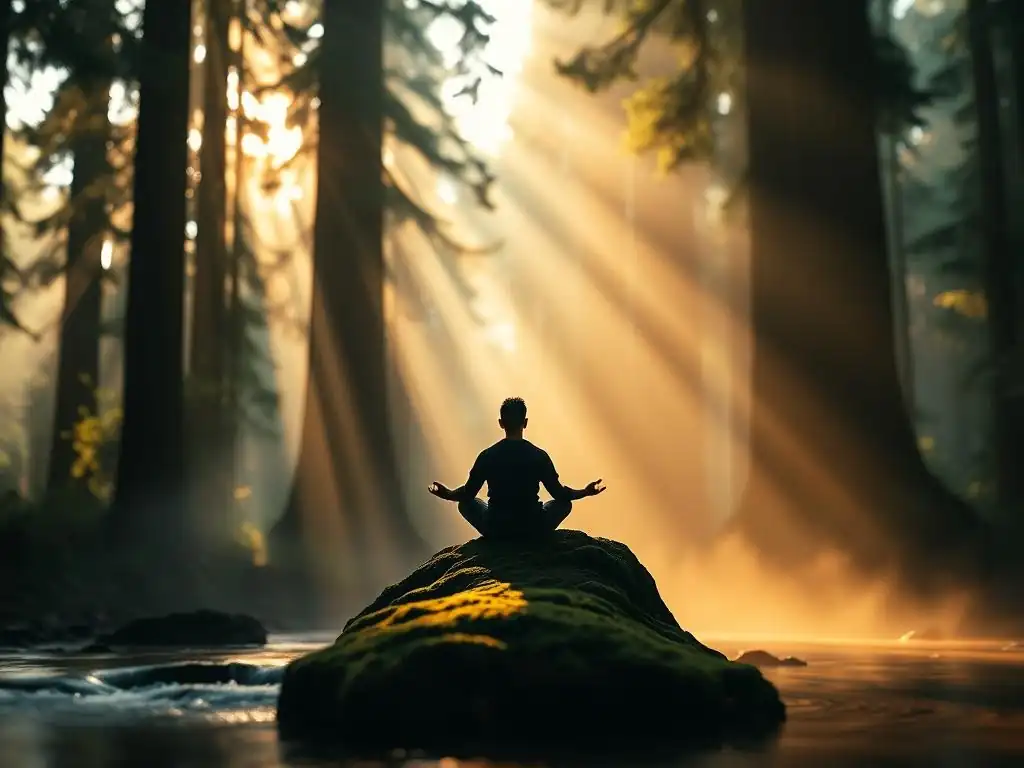
Nature visualization is a popular technique used in anxiety relief guided meditation to evoke feelings of calm, peace, and grounding. This involves mentally immersing oneself in a serene natural setting, such as a peaceful forest, a tranquil beach, or a calm meadow. The guide provides descriptive imagery, engaging the senses – the sound of waves, the smell of pine, the feeling of sun on the skin – to create a vivid mental escape.
This practice helps to distract from anxious thoughts by engaging the imagination in a positive way. Visualizing being in a safe, calm natural environment can trigger the body's relaxation response and create a sense of spaciousness and peace. It offers a mental retreat that can be accessed anytime, providing a quick and effective way to ground oneself and reduce feelings of being overwhelmed by anxiety.
Acceptance and Commitment Therapy (ACT) Based Mindfulness for Anxiety
Acceptance and Commitment Therapy (ACT) incorporates mindfulness principles into a framework aimed at helping individuals live a rich and meaningful life with distressing thoughts and feelings, rather than constantly fighting against them. ACT-based mindfulness in guided meditation for anxiety focuses on cultivating psychological flexibility. This involves learning to notice anxious thoughts and feelings without judgment (acceptance), observing them from a detached perspective (cognitive defusion), connecting with your values, and taking committed action aligned with those values, even when anxiety is present.
Guided meditations based on ACT might include exercises on observing thoughts as just thoughts, accepting uncomfortable sensations, or clarifying personal values. The goal is not to eliminate anxiety, but to reduce the struggle against it and prevent it from dictating behavior. By practicing acceptance and focusing on what truly matters, individuals can reduce the impact of anxiety on their lives and move towards greater psychological well-being.
How to Start Your Anxiety Relief Guided Meditation Practice
Preparing a Calm and Supportive Environment
Creating a dedicated space for your anxiety relief guided meditation practice can significantly enhance its effectiveness. While you don't need a fancy meditation room, finding a quiet spot where you are unlikely to be interrupted is important. This could be a corner of your living room, a quiet bedroom, or even a comfortable chair outside. Ensure the temperature is comfortable and consider dimming the lights if that helps you relax. Minimizing external distractions, such as turning off notifications on your phone or letting others in your household know you need quiet time, is crucial.
The environment should feel supportive and safe. Choose a comfortable posture, whether sitting on a cushion on the floor, on a chair with your feet flat on the ground, or even lying down if that feels best. Having a consistent space can signal to your mind and body that it's time to transition into a state of calm and introspection, making it easier to settle into your anxiety relief guided meditation.
Establishing Achievable Goals for Your Meditation Practice
When starting out with anxiety relief guided meditation, setting realistic and achievable goals is key to building a sustainable practice. Instead of aiming for immediate, complete eradication of anxiety, focus on cultivating consistency and self-compassion. Begin with short sessions, perhaps 5-10 minutes per day. The goal is not to have a perfectly still mind – which is unrealistic, especially with anxiety – but to simply show up and practice observing your thoughts and sensations without judgment.
Focus on process-oriented goals, such as "I will practice guided meditation for 10 minutes each morning" rather than outcome-oriented goals like "I will feel completely calm after every meditation." Celebrate small victories, like completing a session even when your mind was busy, or noticing a fleeting moment of peace. Remember that building resilience to anxiety through meditation is a gradual process, and patience with yourself is paramount.
Selecting Suitable Guided Meditation Resources [e.g., Insight Timer, Calm, UCLA Mindful Awareness Research Center]
A wealth of excellent resources exists to help you begin your anxiety relief guided meditation journey. Apps like Insight Timer offer thousands of free guided meditations of varying lengths and styles, often categorized by topic, including specific meditations for anxiety. Calm is another popular subscription-based app known for its high-quality production and extensive library of guided content, including programs specifically designed for stress and anxiety.
For those seeking academically-backed resources, the UCLA Mindful Awareness Research Center (MARC) provides free guided meditations and introductory materials based on scientific research. Exploring different guides and styles is encouraged to find what resonates best with you. Many platforms allow you to filter by duration, topic (like panic, worry, sleep), and even the guide's voice or accent. Start by trying a few different options to see which ones feel most supportive for your specific anxiety relief guided meditation needs.
Integrating Meditation into Your Daily Schedule
Consistency is more important than duration when it comes to benefiting from anxiety relief guided meditation. Finding a way to integrate the practice into your daily routine helps establish it as a regular habit. Consider when you are most likely to have a few uninterrupted minutes – perhaps first thing in the morning before the day's demands begin, during a lunch break, or in the evening before bed. Starting with even 5-7 minutes daily is more beneficial than aiming for 30 minutes once a week.
Treat your meditation time as a non-negotiable appointment with yourself. You might link it to an existing habit, such as meditating immediately after brushing your teeth or before having your morning coffee. As the practice becomes more established, you may find it easier to extend the duration. The key is to make it a regular part of your day, providing consistent moments of calm and self-care to help manage anxiety effectively.
Sample Anxiety Relief Guided Meditation Script (Short)
[Example Script: Grounding in the Present Moment]
Find a comfortable position, either sitting or lying down. Allow your eyes to gently close or soften your gaze.

Take a slow, deep breath in through your nose, filling your belly. And exhale slowly through your mouth, letting go of any tension. Repeat this a few times, breathing in peace, breathing out worry.

Now, bring your awareness to your body. Notice the points where your body makes contact with the chair or the floor. Feel the weight of your body supported. Allow yourself to sink a little deeper into this support.

Bring your attention to your feet. Wiggle your toes. Notice the sensation of your feet on the ground or supporting surface. Feel grounded, stable, connected to the earth beneath you.

Shift your attention to your hands. Notice the feeling in your fingers, your palms. Perhaps gently rest them in your lap or by your sides.

Now, notice your breath again, without trying to change it. Just observe the natural rhythm of your inhale and exhale. The cool air entering through your nostrils, the warm air leaving. The gentle rise and fall of your chest or abdomen.

If your mind wanders to thoughts of anxiety or worry, that's okay. It's what minds do. Simply notice the thought, acknowledge it, and gently guide your attention back to the sensation of your breath or the feeling of your body grounded.

Just rest here for a few moments, simply being present with your breath and your body. You are here, in this moment. You are safe.

When you're ready, take another slightly deeper breath. Wiggle your fingers and toes. And gently open your eyes.
Tips for Maximizing the Benefits of Guided Meditation for Anxiety
Establishing a Consistent Practice for Sustained Relief
Consistency is arguably the most critical factor in deriving sustained benefits from anxiety relief guided meditation. Sporadic practice, even for longer durations, is generally less effective than shorter, regular sessions. Aiming for daily practice, even if only for 5-10 minutes, helps to gradually retrain the brain and nervous system, building resilience over time. Think of it like physical exercise – a little bit each day yields better results than an intense workout once a month.
Making meditation a non-negotiable part of your routine reinforces its importance and helps it become a habit. This regular engagement allows you to develop a deeper familiarity with the practice, making it easier to access a state of calm even during challenging moments. Over time, this consistent effort translates into a reduced baseline level of anxiety and an improved ability to navigate stressful situations with greater ease.
Adapting Your Practice to Suit Individual Needs
Recognizing that anxiety manifests differently for everyone, it's important to adapt your anxiety relief guided meditation practice to suit your individual needs and preferences. Some days, a grounding body scan might be most helpful when you feel physically restless. On other days, a loving-kindness meditation might be more appropriate if you're struggling with self-criticism or fear related to social interactions. If you find sitting still challenging, walking meditations or gentle movement-based mindfulness practices can also be effective.
Experiment with different types of guided meditations – breathing focus, visualization, acceptance-based, etc. – and different guides to find what resonates most deeply with you. Pay attention to how different practices make you feel both during and after the session. Don't be afraid to modify the practice as needed; if a particular instruction feels jarring, gently return to focusing on your breath or body. Your practice should feel supportive, not like another source of pressure.
Integrating Guided Meditation with Comprehensive Anxiety Management [e.g., Cognitive Behavioral Therapy (CBT), Yoga]
While anxiety relief guided meditation is a powerful tool, it is often most effective when integrated into a broader approach to managing anxiety. Complementary practices like Cognitive Behavioral Therapy (CBT) can help identify and challenge the negative thought patterns that fuel anxiety, while meditation helps to cultivate a more accepting and less reactive relationship with those thoughts. Combining these approaches addresses both the cognitive and experiential aspects of anxiety.
Physical practices such as Yoga or Tai Chi also pair well with meditation. These disciplines combine mindful movement with breath awareness, helping to release physical tension and ground the body, which can significantly reduce anxiety symptoms. Engaging in regular physical activity, maintaining a healthy diet, ensuring sufficient sleep, and seeking support from friends, family, or a therapist are all essential components of a comprehensive anxiety management strategy that can be enhanced by a consistent guided meditation practice.
Managing Distractions and Cultivating Focus
Distractions are a normal part of any meditation practice, especially when dealing with anxiety, which often involves a busy or racing mind. The key to managing distractions during anxiety relief guided meditation is not to eliminate them, but to change your relationship with them. When you notice your mind has wandered – perhaps to a worry about the future or a thought about something you need to do – gently acknowledge it without judgment. There's no need to feel frustrated or like you're failing.
Simply notice where your attention went and, as instructed by the guide, gently redirect it back to your chosen anchor, whether that's the breath, bodily sensations, or the guide's voice. Each time you notice your mind wandering and bring it back, you are strengthening the 'muscle' of attention and cultivating focus. This process itself is a core benefit of meditation for anxiety, as it trains your mind to be less reactive to the constant stream of thoughts. Patience and persistence in gently returning your focus are more important than achieving a completely quiet mind.
Overcoming Challenges in Your Anxiety Relief Guided Meditation Practice
Addressing Common Difficulties in Meditation
It's common to encounter difficulties when starting or maintaining an anxiety relief guided meditation practice. One frequent challenge is a restless or 'too busy' mind. Remember that the goal isn't to stop thinking, but to observe thoughts without getting carried away by them. If your mind is racing, acknowledge the thoughts ("Okay, the thought about work is here") and gently return your focus to the breath or body.
Frustration is another common hurdle; you might feel like you're 'doing it wrong'. Recognize this feeling with self-compassion – it's part of the learning process. Shortening the duration of your practice on challenging days can also help.
Physical discomfort, such as restlessness or aches, can also arise. Try adjusting your posture or gently stretching before you begin. If lying down leads to falling asleep, try sitting upright. If sitting still is very difficult due to anxiety-related restlessness, explore guided walking meditations or mindful movement practices. Be flexible and kind to yourself; finding what works best might take some experimentation.
Maintaining Motivation for Regular Practice
Maintaining motivation for a regular anxiety relief guided meditation practice can be challenging, especially when results aren't immediately apparent or when anxiety itself makes it hard to start. One strategy is to remember why you started – to find moments of calm, reduce stress, or build resilience to anxiety. Reflect on any subtle positive shifts you may have noticed, such as slightly more patience or less reactivity in a stressful situation.
Setting reminders, scheduling your meditation time like any other important appointment, and tracking your practice can also help maintain consistency. Joining an online community or practicing with a friend (even virtually) can provide support and accountability. Don't strive for perfection; some days will be easier than others. If you miss a day or two, simply acknowledge it without judgment and return to your practice as soon as you can. Celebrate the commitment to showing up for yourself.
Seeking Professional Support When Necessary
While anxiety relief guided meditation can be a powerful tool for managing symptoms, it's important to recognize when professional support is needed. Meditation is a complementary practice and should not replace professional medical or psychological treatment for anxiety disorders. If your anxiety is severe, significantly interfering with your daily life, or accompanied by symptoms like panic attacks or intrusive thoughts, consulting a therapist, counselor, or doctor is crucial.
Mental health professionals can provide diagnosis, recommend appropriate treatment plans (which may include therapy like CBT or medication), and help you integrate practices like guided meditation effectively. A therapist can also help you process underlying causes of anxiety and develop more comprehensive coping strategies. Think of guided meditation as a valuable addition to your toolkit, best used in conjunction with professional guidance when dealing with significant anxiety challenges.
The Future of Guided Meditation for Anxiety
Innovative Meditation Techniques and Approaches
The field of anxiety relief guided meditation is continuously evolving, with innovative techniques and approaches emerging to enhance effectiveness and accessibility. Researchers and practitioners are exploring ways to tailor meditations more specifically to different types of anxiety or individual needs. This includes developing protocols that integrate elements from various therapeutic modalities, such as incorporating more explicit cognitive reframing elements similar to CBT within a mindful framework, or using somatic experiencing principles to help release trauma-related tension held in the body.
There is also growing interest in combining traditional mindfulness practices with other disciplines. For example, explorations into the use of biofeedback alongside guided meditation allow individuals to receive real-time data (like heart rate variability) on their physiological state, helping them learn how meditation affects their nervous system and empowering them to regulate their stress response more effectively. These innovations aim to make anxiety relief guided meditation even more potent and personalized.
Technological Advancements in Meditation Delivery
Technological advancements are significantly impacting how anxiety relief guided meditation is delivered and experienced. While mobile apps have already revolutionized access, the future holds even more possibilities. Virtual Reality (VR) is being explored as a medium to create immersive, multi-sensory meditation environments, such as placing the user in a serene virtual nature scene, which could enhance the grounding and visualization aspects of practice, particularly for anxiety.
Artificial Intelligence (AI) is also being investigated for its potential to create personalized guided meditation experiences. AI algorithms could potentially analyze user input or even physiological data to suggest specific types of meditations, adjust pacing, or offer tailored guidance based on an individual's real-time state and long-term progress. These technological integrations promise to make anxiety relief guided meditation more engaging, accessible, and customized, potentially increasing adherence and effectiveness.
The Increasing Recognition of Meditation in Mental Healthcare
Meditation, particularly guided meditation for anxiety relief, is gaining increasing recognition within mainstream mental healthcare. As the body of scientific evidence supporting its benefits for stress, anxiety, and overall well-being grows, healthcare providers are more frequently recommending it as a complementary or even standalone intervention for mild to moderate anxiety. Hospitals, clinics, and universities are incorporating mindfulness and meditation programs into their wellness offerings and therapeutic protocols.
Insurance providers are also beginning to recognize the value of mindfulness-based interventions. This growing acceptance is making guided meditation more accessible to a wider population and fostering greater collaboration between meditation instructors, therapists, and medical doctors. The future likely holds even deeper integration of meditation practices into comprehensive mental health treatment plans, solidifying its role as a valuable tool for anxiety management.
Resources for Anxiety Relief Guided Meditation
Popular Guided Meditation Apps
Several popular mobile applications offer extensive libraries of anxiety relief guided meditation content, making practice convenient and accessible. Apps like Insight Timer stand out for their vast collection of free meditations contributed by teachers worldwide, often with specific filters for anxiety, stress, or sleep. Calm provides a polished, user-friendly experience with curated programs and single meditations focused on anxiety, often requiring a subscription for full access.
Headspace is another well-known app that offers structured meditation courses, including specific content for managing anxiety and stress, typically on a subscription basis. UCLA Mindful Awareness Research Center (MARC) provides free guided meditations through their website and app, grounded in scientific research and suitable for beginners. Exploring these platforms allows individuals to find guides and styles that resonate with their personal preferences and needs for anxiety relief guided meditation.
Online Meditation Resources
Beyond mobile apps, numerous websites and online platforms offer valuable resources for anxiety relief guided meditation. Many meditation centers and organizations provide free guided meditations on their websites, often led by experienced teachers. Websites dedicated to mindfulness and mental health frequently feature articles, videos, and audio recordings of guided practices specifically tailored for anxiety.
Public broadcasting networks and educational institutions sometimes offer free online mindfulness courses or meditation libraries. Exploring these online resources allows access to a diverse range of styles, lengths, and approaches to guided meditation, providing flexibility for incorporating practice into one's routine without relying solely on apps.
Books and Articles on Anxiety and Mindfulness
For those who wish to deepen their understanding of how mindfulness and guided meditation can help with anxiety, a wealth of books and articles are available. Authors like Jon Kabat-Zinn, the founder of Mindfulness-Based Stress Reduction (MBSR), have foundational texts explaining the principles of mindfulness and its application to stress and anxiety. Books specifically focused on using mindfulness or meditation for anxiety often provide detailed explanations of techniques, personal anecdotes, and guidance on establishing a practice.
Academic articles published in psychology and neuroscience journals provide insights into the scientific basis for meditation's effects on anxiety. Many reputable mental health organizations and websites also publish informative articles explaining anxiety, various treatment approaches, and how mindfulness and guided meditation fit into a comprehensive strategy. Reading these resources can enhance motivation and provide valuable context for your anxiety relief guided meditation journey.
Conclusion: Nurturing Inner Peace with Guided Meditation for Anxiety
Navigating the challenges of anxiety can feel overwhelming, but finding moments of inner stillness is possible. Anxiety relief guided meditation offers a proven path to cultivate calm, build resilience, and foster a more peaceful relationship with anxious thoughts and feelings. By dedicating even a few minutes each day to this practice, you actively engage in a process that can reshape your brain, soothe your nervous system, and empower you to respond to life's stressors with greater ease.
Embracing guided meditation for anxiety is an act of self-compassion and a commitment to your well-being. It's about creating space for peace amidst the internal noise, learning to observe your inner landscape without judgment, and gently returning to the present moment. As you continue your practice, be patient and kind to yourself. Every moment spent in mindful awareness is a step towards nurturing your inner peace and finding your own stillness within the flow of life.
Frequently Asked Questions
What is anxiety relief guided meditation and how does it differ from regular meditation?
Anxiety relief guided meditation involves a narrator guiding you through relaxation techniques and visualizations specifically aimed at reducing anxiety. Unlike regular meditation, it provides structured support which can be especially helpful for beginners.
How can guided meditation help with anxiety relief?
Guided meditation helps with anxiety relief by shifting your focus away from anxious thoughts, promoting relaxation, and cultivating a sense of inner peace. It can activate the body's relaxation response, counteracting the effects of stress.
How often should I practice anxiety relief guided meditation to see results?
Consistency is key. Aim for at least 15-20 minutes of anxiety relief guided meditation most days of the week to experience noticeable reductions in anxiety levels. Regular practice builds resilience.
Are there any potential downsides or risks associated with anxiety relief guided meditation?
Generally, it's safe. However, if you have a history of severe mental health conditions, it's best to consult with a healthcare professional before starting, to ensure it's appropriate for you.
Where can I find reliable anxiety relief guided meditation resources?
Websites like Mind Care Guide offer free and paid resources, including audio recordings. Look for qualified instructors and ensure the content aligns with your specific needs and preferences.
Final Reflection: Cultivating Inner Peace in a Turbulent World
The pervasive nature of anxiety in modern life demands accessible and effective coping mechanisms, and guided meditation offers a powerful, readily available solution. The techniques explored in this article – from mindful breathing to body scans – provide a direct path towards calming the nervous system and fostering a sense of inner peace, regardless of external stressors. This isn't just a fleeting trend; it's a vital tool for navigating the complexities of the 21st century.
The journey towards managing anxiety is deeply personal, and the impact of consistent meditation practice extends far beyond the immediate relief of symptoms. It's a process of self-discovery, of learning to observe your thoughts and feelings without judgment, and of cultivating a more compassionate relationship with yourself. This resonates deeply with my own experience; The mind is everything. What you think you become.
– Buddha. This ancient wisdom underscores the transformative power of focusing our mental energy on peace and well-being. The shift from reactive anxiety to proactive self-care is a profound and empowering change.
Now, I invite you to take a moment to reflect on your own relationship with anxiety. Consider incorporating even just five minutes of guided meditation into your daily routine. Experiment with different techniques, find what resonates with you, and allow yourself the space to cultivate inner stillness. Remember, the path to peace is a journey, not a destination, and each mindful breath brings you closer to a calmer, more centered you. Embrace the practice, and discover the transformative power of inner peace.
Unleash Your Inner Calm: Start Your Meditation Journey Today!
Thanks for taking the time to explore the world of guided meditation with us! We hope you discovered some valuable tools for managing anxiety and finding inner peace. Now, it's time to put those tools into practice.
- Begin your personalized meditation practice today: Choose a guided meditation from the many resources available online and dedicate just 5 minutes to quiet reflection.
- Share your experience: Connect with our community on social media and share your thoughts or tips for fellow seekers of inner stillness. Let's build a supportive network together!
- Try a unique approach: Experiment with different meditation styles - body scans, mindful breathing, or even nature meditations – to find what truly resonates with you.
What simple step will you take this week to cultivate more calmness in your daily life?