
Beyond Anxiety: How Weighted Blankets Can Aid Sensory Processing


Welcome to Mind Care Guide, a space dedicated to nurturing your mental well-being.
Feeling overwhelmed by anxiety? You're not alone. Many are seeking natural ways to find comfort and calm. Dive in to discover how weighted blankets, beyond just a cozy comfort, can offer profound anxiety relief and even aid in sensory processing. Curious to learn more about the science and benefits? Let's explore the possibilities together...
Beyond Anxiety: How Weighted Blankets Can Aid Sensory Processing
- Understanding Anxiety and Sensory Processing Issues: A Foundation for Relief
- Weighted Blankets: A Tool for Calming the Nervous System
- Selecting the Right Weighted Blanket for Sensory Needs
- Weighted Blankets for Specific Sensory Processing Challenges and Anxiety Symptoms
- Beyond Anxiety: Other Benefits of Weighted Blankets
- Integrating Weighted Blankets into Your Self-Care Routine
- Addressing Common Concerns and Misconceptions
- Top Weighted Blankets for Anxiety and Sensory Processing: A Buyer's Guide
- Conclusion: Embracing the Comfort and Benefits of Weighted Blankets for Anxiety and Sensory Relief
-
Frequently Asked Questions
- How do weighted blankets help with anxiety?
- Are weighted blankets only beneficial for anxiety relief?
- What weight of weighted blanket should I choose for anxiety relief?
- Can children use weighted blankets for anxiety or sensory processing challenges?
- Where can I find reliable information and resources about weighted blankets for anxiety relief and sensory processing?
- Final Reflection: Finding Calm in the Weight of the World
- Unleash Your Inner Calm: Take Control of Sensory Sensitivity
Understanding Anxiety and Sensory Processing Issues: A Foundation for Relief
Anxiety's Grip: More Than Just Worry
Anxiety is a complex mental health condition that extends far beyond simple worry or nervousness. It's characterized by persistent, excessive thoughts and fears about everyday situations, often accompanied by intense physical symptoms like increased heart rate, rapid breathing, sweating, and trembling.
This isn't just a fleeting feeling; for many, anxiety is a constant companion that significantly impacts their ability to function in daily life, affecting work, relationships, and overall well-being. It can manifest in various forms, such as generalized anxiety disorder (GAD), panic disorder, social anxiety disorder, and specific phobias, each with its unique challenges but sharing the core experience of overwhelming fear or dread.
The prevalence of anxiety is significant. According to estimates from various health organizations, millions of adults experience an anxiety disorder in any given year. For example, data suggests that roughly 19% of the adult population in the United States experiences an anxiety disorder annually.
This underscores that anxiety is a widespread issue, not a rare one. The persistent nature of anxiety can lead to avoidance behaviors, where individuals steer clear of situations or triggers that provoke their fear, further limiting their lives and reinforcing the cycle of anxiety. Finding effective, accessible methods for weighted blankets anxiety relief is therefore a crucial area of focus for improving quality of life.
Sensory processing sensitivity, often referred to in the context of sensory processing disorder (SPD) or simply heightened sensitivity, describes how an individual's nervous system receives, processes, and responds to sensory information. For people with sensory sensitivities, everyday stimuli like sounds, sights, smells, tastes, or textures can be perceived more intensely or differently than by those without these sensitivities. This can lead to challenges in regulating responses to sensory input, resulting in either over-responsiveness (feeling overwhelmed) or under-responsiveness (seeking more intense sensory input).
While not a formal diagnosis like anxiety, sensory processing differences are increasingly recognized as influencing mental well-being. Research and clinical observations suggest a strong correlation between sensory processing issues and anxiety. Individuals who are highly sensitive to stimuli may find the world constantly overwhelming, leading to chronic stress and a heightened state of alert. This perpetual feeling of being on edge can easily morph into or exacerbate anxiety symptoms. Understanding this link is vital for developing comprehensive strategies, including the use of weighted blankets for anxiety relief.
The Overlap: How Sensory Overload Fuels Anxiety Symptoms
The point where sensory processing issues most directly intersect with anxiety is through sensory overload. Sensory overload occurs when an individual is exposed to more sensory information than their brain can effectively process at one time. This can happen in busy environments – think a crowded shopping mall with bright lights, loud noises, various smells, and constant movement – or even in seemingly benign situations if a person is particularly sensitive to a specific type of input.
For someone prone to anxiety or with existing sensory sensitivities, sensory overload can be a powerful trigger. The inability to filter or cope with the barrage of stimuli leads to feelings of overwhelm, disorientation, and intense discomfort. This state closely mimics or directly induces the physical and emotional symptoms of anxiety, such as panic, irritability, difficulty concentrating, and a strong urge to escape the situation. Recognizing sensory overload as a significant contributor to anxiety highlights the potential benefit of tools that can help regulate sensory input and provide grounding, such as weighted blankets for anxiety relief.
Weighted Blankets: A Tool for Calming the Nervous System
What are Weighted Blankets and How Do They Work?
Weighted blankets are therapeutic blankets designed to be heavier than standard bedding. They are typically filled with materials like plastic poly pellets or glass beads, which are sewn into individual compartments or pockets distributed evenly across the blanket's surface. This construction ensures that the weight is spread out, providing gentle, even pressure across the body when the blanket is used. The weight can range significantly, from just a few pounds for children's blankets to 20 pounds or more for adults.
The mechanism by which weighted blankets exert their calming effect is rooted in the application of deep touch pressure. When the blanket is draped over the body, the distributed weight provides a sensation akin to a firm hug or swaddling. This physical pressure is thought to interact with the nervous system in ways that promote relaxation and a sense of security. Unlike light touch, which can sometimes be alerting, deep pressure is generally considered calming and organizing for the sensory system. This makes weighted blankets a popular tool for individuals seeking weighted blankets anxiety relief.
Deep Touch Pressure (DTP): The Science Behind the Comfort
Deep Touch Pressure (DTP) is a therapeutic technique that involves applying firm but gentle pressure to the body. This can be achieved through various means, including squeezing, swaddling, hugging, or using weighted items. The science behind DTP suggests that it stimulates the parasympathetic nervous system, which is responsible for the body's "rest and digest" response. In contrast, anxiety and stress often activate the sympathetic nervous system, triggering the "fight or flight" response. By engaging the parasympathetic system, DTP helps to counteract the physiological effects of stress and anxiety.
Studies and anecdotal evidence suggest that DTP can influence the production and regulation of certain neurochemicals. For example, it is believed that DTP can help increase levels of serotonin and melatonin – neurotransmitters that promote mood regulation and sleep – while potentially helping to reduce levels of cortisol, the body's primary stress hormone.
While large-scale, definitive clinical trials on weighted blankets are still emerging, the underlying principles of DTP have been explored in therapeutic settings for years. The application of this pressure via a weighted blanket offers a passive, non-invasive way to potentially harness these calming effects, providing tangible weighted blankets anxiety relief for many users.
Weighted Blankets for Anxiety Relief: A Natural Approach
For individuals seeking non-pharmacological methods to manage anxiety, weighted blankets offer a natural and accessible option. The consistent, gentle pressure provides a physical anchor that can help ground a person experiencing feelings of anxiety or panic. This physical sensation can serve as a distraction from racing thoughts and worries, bringing awareness back to the body and the present moment.
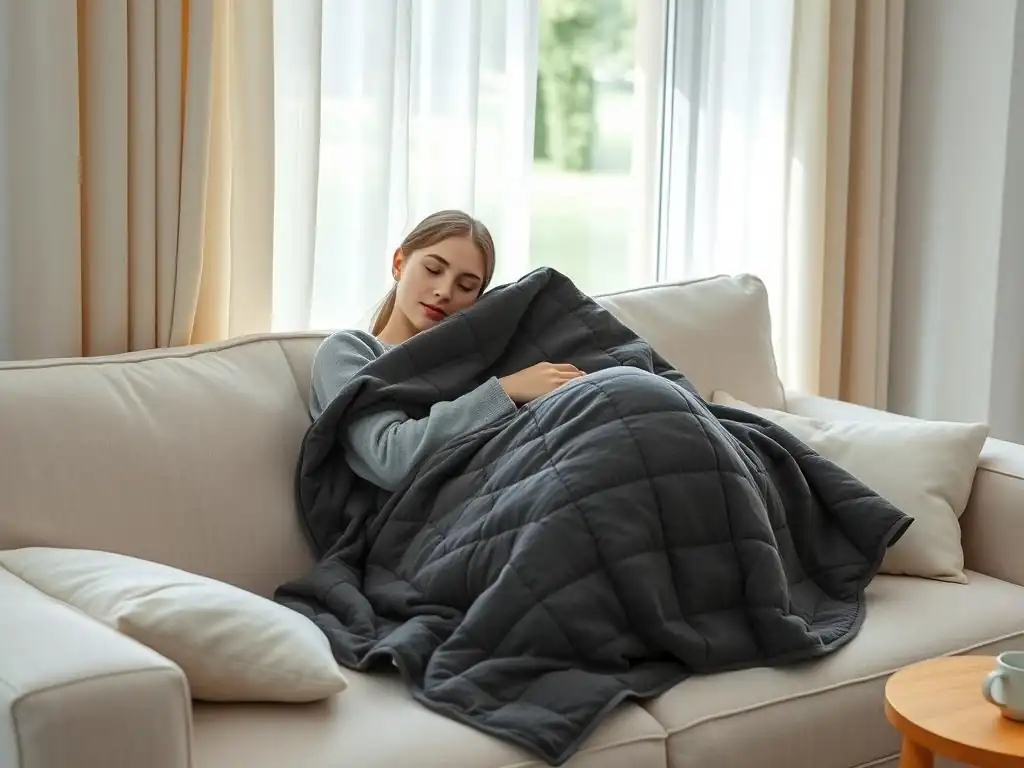
The feeling of being cocooned or hugged by the blanket can also evoke a sense of safety and security, similar to how swaddling calms infants. This feeling of containment can be particularly helpful for those who feel overwhelmed or out of control due to anxiety. Many users report a noticeable reduction in feelings of restlessness, a decrease in heart rate, and a general sense of calm settling over them when using a weighted blanket. This makes weighted blankets for anxiety relief a practical tool that can be incorporated into daily routines or used specifically during moments of heightened stress.
Selecting the Right Weighted Blanket for Sensory Needs
Determining the Ideal Weight: A Personalized Approach
Choosing the correct weight for a weighted blanket is crucial for both comfort and effectiveness, and it's a highly personalized process. The most commonly cited guideline is to select a blanket that is approximately 10% of your body weight. For instance, a person weighing 150 pounds would typically look for a blanket around 15 pounds. Some experts suggest adding an extra pound or two to this calculation, especially for adults.
However, this 10% rule is merely a starting point. Sensory preferences play a significant role. Some individuals may find a slightly lighter blanket more comfortable, while others with a greater need for deep pressure input might prefer a heavier one, even if it exceeds the guideline slightly. It's often recommended to try a weight within the suggested range first. If possible, testing different weights or consulting with an occupational therapist who has experience with sensory integration can help determine the most effective and comfortable weight for your specific needs in achieving weighted blankets anxiety relief.
Fabric Matters: Choosing the Right Material for Sensory Comfort
The outer fabric of a weighted blanket is a key consideration, particularly for individuals with sensory sensitivities. The texture and feel of the material directly interact with the skin and can either enhance the calming experience or cause discomfort and irritation. Common fabric options include soft minky, smooth cotton, cooling bamboo blends, and cozy fleece.
Someone who is sensitive to heat might prefer a breathable cotton or bamboo fabric to stay cool throughout the night or during use. In contrast, an individual who finds comfort in soft, plush textures might gravitate towards a minky or fleece cover. Thinking about your personal sensory preferences – what textures you find soothing or irritating – is essential when selecting a fabric. A blanket with a removable, washable cover made from a preferred material can significantly improve the user experience and contribute positively to weighted blankets anxiety relief.
Construction and Fill: Bead Types and Their Impact
The internal construction and the type of fill material used in a weighted blanket significantly affect its feel, durability, and effectiveness. The most common fill materials are plastic poly pellets and glass beads. Plastic pellets are larger and lighter than glass beads, making the blanket bulkier for the same weight. Glass beads are smaller and denser, allowing the blanket to be thinner and often creating a smoother, less lumpy feel.
The way the fill is contained within the blanket is also vital. High-quality weighted blankets use small, evenly stitched compartments to prevent the beads from shifting and pooling in one area. This ensures that the weight is distributed uniformly across the body, providing consistent deep touch pressure. Blankets with larger compartments or poor stitching can result in uneven weight, which may be uncomfortable and less effective for achieving weighted blankets anxiety relief. Some less common fills include sand or gravel, but these are generally not recommended due to potential clumping, noise, and difficulty cleaning.
Size and Distribution: Ensuring Even Weight Distribution
Beyond the total weight, the size of the weighted blanket and how the weight is distributed within it are important factors. For sleeping, a blanket that covers the top of the bed but doesn't hang too far over the sides is often recommended. If the blanket hangs off the bed, the weight can pull it down, potentially causing discomfort or reducing the pressure on the person using it. For use while sitting or relaxing, a smaller lap pad or a blanket sized to cover the individual's body is appropriate.
The internal stitching and the size of the compartments are key to ensuring even weight distribution. Look for blankets with relatively small, well-stitched pockets. This construction prevents the filler material from migrating too much, ensuring that the deep touch pressure is applied consistently across the body. Uneven weight distribution can be distracting and reduce the therapeutic benefits aimed at providing weighted blankets anxiety relief. Checking reviews or examining the stitching pattern can provide clues about the quality of weight distribution.
Weighted Blankets for Specific Sensory Processing Challenges and Anxiety Symptoms

Reducing Restlessness and Fidgeting: The Calming Effect
Many individuals, particularly those with anxiety, ADHD, or certain sensory processing differences, experience significant restlessness and a persistent urge to fidget or move. This internal or external agitation can make it difficult to sit still, focus, or relax. Weighted blankets can offer a powerful tool for managing this symptom. The deep touch pressure provides proprioceptive input – information about the body's position and movement in space – which can be incredibly grounding and calming.
By applying gentle, steady pressure across the body, the blanket can help to quiet the nervous system's need for constant sensory input through movement. This can lead to a reduction in observable fidgeting behaviors and an internal feeling of settling down. For example, a student struggling to focus in class might benefit from a weighted lap pad, or an adult feeling antsy in the evening could find relief by sitting with a weighted blanket. This calming effect directly contributes to weighted blankets anxiety relief by addressing one of its common physical manifestations.
Easing Sleep Disturbances: Promoting Deeper, More Restful Sleep
Anxiety is a major contributor to sleep problems, including difficulty falling asleep, staying asleep, and experiencing restless or non-restorative sleep. Sensory processing issues can also interfere with sleep, as individuals may be overly sensitive to textures of bedding, noises, or light, making it hard to relax. Weighted blankets have shown promise in helping to alleviate these sleep disturbances.
The deep touch pressure from the blanket is thought to promote relaxation and reduce the time it takes to fall asleep. By calming the nervous system and potentially increasing serotonin and melatonin levels, the blanket creates an environment conducive to sleep. Some small studies have indicated that using weighted blankets can lead to longer sleep duration and fewer awakenings during the night. For instance, one study involving adults with insomnia found that participants reported better sleep quality and felt more refreshed after using a weighted blanket. This makes weighted blankets for anxiety relief particularly valuable for improving sleep hygiene.
Managing Overstimulation: Creating a Sensory Sanctuary
For individuals who are easily overwhelmed by sensory input, navigating the world can be exhausting and anxiety-inducing. Bright lights, loud or chaotic sounds, strong smells, or crowded spaces can quickly lead to sensory overload. A weighted blanket can serve as a portable or at-home tool to help manage these experiences by creating a personal sensory sanctuary.
When feeling overwhelmed, retreating to a quiet space and using a weighted blanket can provide a sense of being grounded and protected. The pressure helps to re-focus attention inward, reducing the impact of external stimuli. It provides a consistent, predictable sensory input that can help regulate a system bombarded by chaotic input. For example, using a weighted blanket in a quiet room after being in a busy environment can help the nervous system return to a calmer state, effectively mitigating the anxiety fueled by overstimulation and providing significant weighted blankets anxiety relief.
Mitigating Anxiety Attacks: A Grounding Tool for Immediate Relief
Anxiety attacks or panic attacks are intense episodes of fear that can include frightening physical symptoms like a racing heart, shortness of breath, dizziness, and a feeling of losing control. During such an intense experience, finding something to ground oneself in the present moment is crucial. A weighted blanket can serve as an immediate, accessible grounding tool.
When an attack begins, using a weighted blanket can provide a strong, undeniable physical sensation to focus on. The pressure helps anchor the individual to their body and the physical space they occupy, pulling their attention away from the overwhelming thoughts and physical sensations of the attack.
Simply wrapping the blanket around oneself or lying under it can provide a sense of containment and security. While not a cure, using a weighted blanket during these moments can potentially help reduce the intensity and duration of an attack by providing a tangible source of comfort and a focus for grounding, offering critical weighted blankets anxiety relief when it's needed most.
Beyond Anxiety: Other Benefits of Weighted Blankets
Improved Focus and Concentration: Aiding Attention Deficit
Individuals who struggle with attention and focus, such as those with Attention Deficit Hyperactivity Disorder (ADHD), often find it difficult to filter out distractions and maintain concentration on tasks. Sensory sensitivities can contribute to this challenge, as they may be easily overwhelmed by environmental stimuli. Weighted blankets, or weighted lap pads, can sometimes help improve focus by providing consistent deep pressure input.
This pressure can help increase body awareness and provide a calming effect that reduces restlessness and the need to seek distracting sensory input. By helping the user feel more grounded and settled, the weighted item can free up cognitive resources that might otherwise be spent trying to manage sensory input or suppress fidgeting.
While research is ongoing, some anecdotal reports and small studies suggest that using weighted products can help individuals, particularly children and adults with ADHD, stay seated and focused for longer periods during activities like reading, writing, or working, offering a unique pathway to improved function alongside weighted blankets anxiety relief.
Calming Effects for Individuals with Autism Spectrum Disorder (ASD)
Weighted items, including blankets, vests, and lap pads, have been used for many years as a therapeutic tool for individuals with Autism Spectrum Disorder (ASD). People with ASD often experience significant sensory processing differences, which can manifest as either hyper- or hypo-sensitivity to stimuli. These sensitivities can lead to challenges with self-regulation, communication, and navigating social environments, sometimes resulting in anxiety or meltdowns.
The deep touch pressure provided by weighted blankets is frequently found to be organizing and calming for the nervous system of individuals with ASD. It can help reduce sensory-seeking behaviors by providing needed input or help mitigate the effects of sensory overload by providing a grounding sensation.
Anecdotal evidence from parents, therapists, and individuals with ASD themselves widely supports the use of weighted blankets for promoting relaxation, reducing anxiety, and improving sleep quality. While individual responses vary, weighted blankets are a common and valued tool in the ASD community for their potential to provide comfort and aid in self-regulation, complementing efforts towards weighted blankets anxiety relief.
Reducing Symptoms of Restless Legs Syndrome (RLS)
Restless Legs Syndrome (RLS) is a neurological disorder characterized by an irresistible urge to move the legs, often accompanied by uncomfortable sensations like creeping, pulling, or itching. Symptoms typically worsen in the evening and at night, making it difficult to fall asleep or stay asleep. While the primary treatments for RLS involve medication, some individuals find relief from non-pharmacological approaches, including the use of weighted blankets.
The gentle, consistent pressure applied by a weighted blanket can sometimes help to alleviate the uncomfortable sensations associated with RLS. The weight provides a constant sensory input to the legs, which may override or distract from the unpleasant feelings that trigger the urge to move.
While scientific research specifically on weighted blankets for RLS is limited, anecdotal reports suggest that the pressure can provide enough comfort to reduce the need to move the legs, helping individuals with RLS relax and potentially improve their sleep quality. This potential benefit adds another dimension to the therapeutic applications of weighted blankets, extending their utility beyond weighted blankets anxiety relief.
Integrating Weighted Blankets into Your Self-Care Routine
Using Weighted Blankets at Home: Creating a Calming Environment
Incorporating a weighted blanket into your home environment is one of the most straightforward ways to utilize its potential benefits. Identify the times and places where you feel most anxious or would benefit from relaxation. This might be on the sofa while watching television in the evening, draped over your lap while reading or working at a desk, or primarily in bed for sleep.
Designate a specific area in your home as a calming corner or relaxation zone where you can easily access your weighted blanket. This could be a comfortable chair or a quiet spot on your bed. Using the blanket consistently in these designated areas can help create a positive association with relaxation and safety. For example, if you typically experience increased anxiety in the evenings, making it a ritual to use your weighted blanket while winding down can signal to your body and mind that it's time to relax, contributing directly to weighted blankets anxiety relief.
Weighted Blankets for Travel: Managing Sensory Overload on the Go
Anxiety and sensory processing challenges don't disappear when you leave home. Travel, in particular, can be a significant source of stress and sensory overload due to crowded spaces, unpredictable environments, and unfamiliar stimuli. Fortunately, weighted blankets are not strictly limited to home use. Smaller, travel-sized weighted blankets or weighted lap pads are available and can be excellent companions for managing sensory input and anxiety while on the go.
A weighted lap pad can be used discreetly while sitting on an airplane, train, or in a car to provide grounding pressure. It can also be helpful in noisy or overwhelming waiting rooms or during appointments. Keeping a travel-sized weighted item in your bag allows you to create a portable calming space whenever needed. This proactive approach to managing sensory input and anxiety during travel can make journeys less stressful and more manageable, extending the benefits of weighted blankets anxiety relief beyond the home.
Combining Weighted Blankets with Other Anxiety Relief Techniques
Weighted blankets are a valuable tool, but they are often most effective when used as part of a broader self-care strategy for anxiety and sensory processing issues. Combining the physical comfort and grounding of a weighted blanket with other proven anxiety relief techniques can create a powerful synergy. Think of the blanket as enhancing the effectiveness of other practices.
For example, you could use your weighted blanket while practicing deep breathing exercises, mindfulness meditation, or progressive muscle relaxation. The blanket's pressure can help you feel more settled and present, making it easier to focus on the technique. Similarly, using the blanket before or after a therapy session, or while journaling about your feelings, can help integrate the emotional work with physical calm. Exploring how the weighted blanket complements your existing or new coping mechanisms can maximize its impact on achieving comprehensive weighted blankets anxiety relief.
Addressing Common Concerns and Misconceptions
Are Weighted Blankets Safe for Everyone?
While generally safe for most healthy adults and older children, weighted blankets are not suitable for everyone. The most critical safety consideration is that the user must be able to remove the blanket themselves easily. This means they are typically not recommended for infants, toddlers, or individuals with limited mobility or strength who might become trapped underneath.
Additionally, people with certain medical conditions should exercise caution and consult with a healthcare professional before using a weighted blanket. These conditions include respiratory issues (like asthma or sleep apnea), circulatory problems, temperature regulation difficulties, or fragile skin. The added weight and potential for increased warmth could exacerbate these conditions. Always prioritize safety and ensure the blanket's weight is appropriate for the user's size and ability. Using weighted blankets for anxiety relief should never compromise safety.
Potential Drawbacks and Considerations
While beneficial for many, weighted blankets do have potential drawbacks. One common issue is heat retention. The density and weight of the blanket can trap body heat, which might be uncomfortable for individuals who tend to overheat or live in warm climates. Choosing a blanket with breathable fabric or a fill material like glass beads (which allows for a thinner profile) can help mitigate this, but some users may still find them too warm.
Another consideration is the initial adjustment period. Some people might find the sensation of the weight unusual or even slightly restrictive at first. It may take a few nights or uses to become accustomed to the feeling. Cost can also be a factor, as weighted blankets are typically more expensive than standard blankets due to their materials and construction. Despite these potential drawbacks, for many, the benefits in terms of weighted blankets anxiety relief and sensory regulation outweigh the considerations.
Cleaning and Maintenance: Keeping Your Blanket Fresh
Proper cleaning and maintenance are essential to keep your weighted blanket hygienic and in good condition. Cleaning instructions vary significantly depending on the blanket's materials and construction. Many weighted blankets come with a removable, washable cover, which simplifies cleaning the part that comes into direct contact with your body. The inner weighted layer may require different care.
Some inner blankets can be machine washed and dried, while others may only be spot cleaned or require commercial washing machines due to their weight and bulk. Always check the manufacturer's specific care instructions before attempting to clean your weighted blanket. Improper cleaning can damage the fill distribution or the fabric. Regular cleaning, especially of the cover, ensures that your weighted blanket remains a fresh and comfortable tool for achieving weighted blankets anxiety relief.
Top Weighted Blankets for Anxiety and Sensory Processing: A Buyer's Guide
When considering a weighted blanket, quality materials and robust construction are paramount for long-term effectiveness and comfort, especially for achieving reliable weighted blankets anxiety relief. A premium option often features a high-quality, soft outer cover, perhaps made from a luxurious material like microfleece or Tencel, which is both comfortable and durable. The inner weighted portion is typically constructed with small, precisely stitched compartments to hold the filler material – often dense glass beads – ensuring the weight remains evenly distributed across the entire blanket surface.
Durability is built into such blankets through reinforced stitching and resilient fabrics designed to withstand regular use. While the initial investment might be higher, a well-constructed premium weighted blanket is likely to maintain its weight distribution and structural integrity over time, providing consistent therapeutic benefits. This focus on quality ensures the blanket remains an effective tool for sensory regulation and anxiety management for years.
Accessing the potential benefits of weighted blankets for anxiety relief doesn't always require a significant financial outlay. Budget-friendly options aim to provide the core therapeutic value – deep touch pressure – at a more accessible price point. These blankets often utilize standard, comfortable fabrics like cotton or minky and may use plastic poly pellets as the filler material, which are generally less expensive than glass beads.
While the materials might be simpler, effective budget-friendly weighted blankets still prioritize key functional aspects. Look for options with reasonably sized stitched compartments to help prevent the weight from clumping, although the stitching might not be as fine or the compartments as small as in premium models. The goal is to provide sufficient and relatively even pressure to induce calm and aid sleep without compromising essential function. Reading user reviews can be helpful when evaluating the performance and durability of budget-friendly weighted blankets.
Sensory-Friendly Choice: The Mosaic Weighted Blankets - Ultra-Soft and Breathable
For individuals with pronounced sensory sensitivities, the texture and temperature regulation of a weighted blanket are just as important as the weight itself. A sensory-friendly choice prioritizes fabrics that are known for their comforting feel and breathability. Materials like ultra-soft minky or cooling bamboo blends are popular options in this category, designed to provide a pleasant tactile experience without causing irritation or overheating.
These blankets often focus on providing a soothing sensory input through their texture, complementing the calming effect of the weight. Breathable fabrics help ensure that the user remains comfortable and doesn't overheat, which can be a significant trigger for anxiety or discomfort for some sensitive individuals. The choice of filler (like fine glass beads) might also be considered to create a smoother, less noticeable feel within the fabric pockets. A sensory-friendly weighted blanket is tailored to meet specific tactile and thermal needs, enhancing the overall experience of weighted blankets anxiety relief.
Conclusion: Embracing the Comfort and Benefits of Weighted Blankets for Anxiety and Sensory Relief
Weighted blankets have emerged as a valuable, non-pharmacological tool offering potential weighted blankets anxiety relief and support for individuals with sensory processing sensitivities. By applying the principles of deep touch pressure, these blankets can help calm the nervous system, reduce symptoms of restlessness and overstimulation, improve sleep quality, and provide a sense of grounding during moments of anxiety. They offer a tangible source of comfort and security in a world that can often feel overwhelming.
Selecting the right weighted blanket involves considering factors like weight, fabric, fill, and construction to ensure it meets individual needs and preferences. While not a cure-all, integrating a weighted blanket into a self-care routine, potentially alongside other therapeutic techniques, can significantly enhance well-being.
As awareness grows regarding the connection between sensory processing and mental health, weighted blankets stand out as an accessible and comforting option for those seeking natural ways to manage anxiety and navigate sensory challenges. Embracing the simple yet profound comfort of a weighted blanket can be a significant step towards finding greater peace and regulation in daily life.
Frequently Asked Questions
How do weighted blankets help with anxiety?
Weighted blankets provide deep pressure stimulation, which mimics the feeling of being held or hugged. This can help to calm the nervous system and reduce feelings of anxiety and stress.
Are weighted blankets only beneficial for anxiety relief?
No, while weighted blankets are popularly used for anxiety, they can also aid in managing sensory processing issues, insomnia, and symptoms associated with conditions like Autism Spectrum Disorder (ASD). They offer a calming effect that extends beyond just anxiety.
What weight of weighted blanket should I choose for anxiety relief?
Generally, it's recommended to choose a weighted blanket that is approximately 10% of your body weight. However, personal preference also plays a role, so it's wise to consider trying different weights if possible.
Can children use weighted blankets for anxiety or sensory processing challenges?
Yes, but consult with a pediatrician or occupational therapist first. They can help determine the appropriate weight and ensure safe and effective use for children's specific needs.
Where can I find reliable information and resources about weighted blankets for anxiety relief and sensory processing?
Resources like Mind Care Guide offer comprehensive information and support. Always look for information from reputable sources and medical professionals to ensure accurate and safe guidance on using weighted blankets.
Final Reflection: Finding Calm in the Weight of the World
The pervasive nature of anxiety in modern life demands innovative solutions, and the simple act of embracing a weighted blanket offers a surprisingly effective path toward calmer days. This isn't just a trend; it's a tangible tool that taps into our innate sensory needs, providing a comforting pressure that can significantly reduce the overwhelming sensations associated with anxiety. The research presented throughout this article highlights the profound impact weighted blankets can have, offering a non-pharmacological approach to managing this widespread issue.
The shift towards acknowledging and addressing sensory sensitivities has been monumental, moving beyond simple dismissal to a deeper understanding of how our physical environment impacts our mental well-being. This journey of understanding, both personally and collectively, underscores the importance of exploring alternative therapies like weighted blankets. The body keeps the score,
as Bessel van der Kolk so eloquently puts it, reminding us that trauma and anxiety are deeply embedded in our physical experience. By addressing the sensory aspects of anxiety, we can begin to heal and find a more balanced state.
Now, consider your own relationship with comfort and pressure. Think about the moments when a warm hug, a gentle touch, or even the weight of a favorite blanket has brought you solace. This is the power of deep pressure stimulation, and it's readily accessible through the use of a weighted blanket. I encourage you to explore this option, to experiment with different weights and fabrics, and to discover the unique comfort it can bring to your life. Embrace the weight, embrace the calm, and embrace a more peaceful you.
Unleash Your Inner Calm: Take Control of Sensory Sensitivity
Thanks for exploring the world of weighted blankets and their impact on sensory processing! We hope you gained valuable insights into how this simple tool can make a big difference in managing anxiety and improving your overall well-being. Now it's time to take action!
- Embrace the weight: Find the perfect weighted blanket for your needs. Consider weight, fabric, and size to ensure optimal comfort and sensory regulation.
- Share your experience: Tell us (and others!) about your journey with weighted blankets. What changes have you noticed? Let's build a supportive community around this powerful tool.
- Dive deeper: Explore MindCareGuide.org for more resources on managing sensory sensitivities and promoting overall mental wellness. We've got tons of articles to help you on your journey!
Ready to experience the calming embrace of a weighted blanket? What sensory sensitivities are you most eager to address?