
The Art of Presence: A Spiritual Foundation for Mindfulness

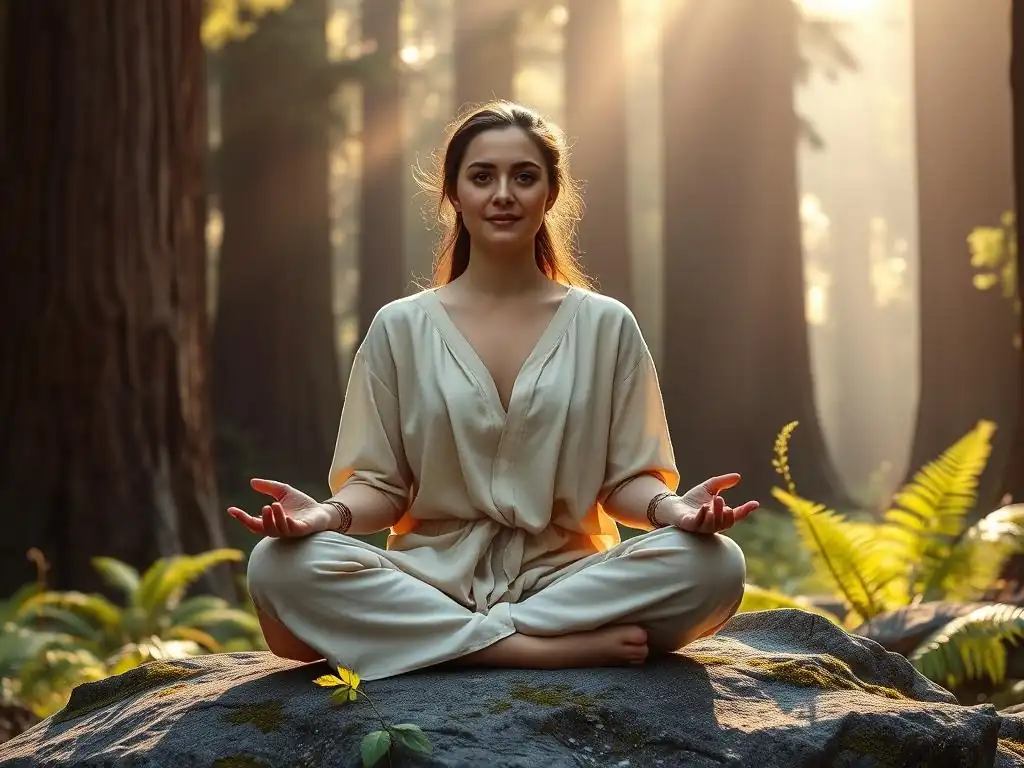
Welcome to Mind Care Guide, a sanctuary for your mental well-being.
Feeling overwhelmed and searching for inner peace? In today's fast-paced world, finding moments of calm can feel like a distant dream. But what if I told you there's a practice that can help you navigate life's challenges with greater clarity and resilience? Dive into " The Art of Presence: A Spiritual Foundation for Mindfulness" and discover how incorporating mindfulness can profoundly impact your mental well-being. Let's begin your journey towards a more present and peaceful you...
Cultivating Inner Peace: A Buddhist Approach to Mindfulness
Mindfulness for mental wellbeing is a practice gaining significant traction in modern society, often presented as a secular technique for stress reduction and improved focus. However, its deepest roots are found within ancient Buddhist traditions, where mindfulness is not just a tool for relaxation but a fundamental path towards understanding the nature of reality and alleviating suffering. This article explores how the profound insights of Buddhist philosophy provide a rich foundation for cultivating true presence and enhancing overall mental health.
Buddhist teachings offer a comprehensive framework for understanding the human condition, including the origins of suffering and the path to liberation. Mindfulness, or sati in Pali, is a core component of this path, serving as the vehicle through which wisdom ( panna) and ethical conduct ( sila) are integrated. By bringing conscious awareness to our thoughts, feelings, and bodily sensations without judgment, we begin to see through the illusions that contribute to our distress, paving the way for genuine inner peace and resilience.
- Introduction: Mindfulness for Reducing Suffering and Enhancing Well-being
- What is Mindfulness? Defining Awareness and Acceptance
- The Buddhist Roots of Mindfulness: A Historical Perspective
- Cultivating Mindfulness: Practical Techniques for Daily Life
- The Benefits of Mindfulness for Mental Well-being
- Overcoming Obstacles to Mindfulness: Addressing Common Challenges
- Deepening Your Practice: Advanced Techniques for Insight and Wisdom
- Mindfulness and Buddhist Philosophy: Integrating Practices for Holistic Well-being
- The Future of Mindfulness for Mental Well-being: A Buddhist Perspective
- Conclusion: Embracing Mindfulness for a More Compassionate Life
-
Frequently Asked Questions
- What is the core concept of "The Art of Presence" as it relates to mindfulness?
- How does "The Art of Presence" differ from other mindfulness techniques?
- Can "The Art of Presence" help with specific mental health challenges like anxiety or depression?
- How can I begin practicing "The Art of Presence" for improved mental wellbeing?
- What resources does Mind Care Guide offer to further explore "Mindfulness for mental wellbeing" and "The Art of Presence"?
- Final Reflection: Cultivating Presence, Cultivating Wellbeing
- Unleash Your Inner Calm: Cultivate Presence Today
Introduction: Mindfulness for Reducing Suffering and Enhancing Well-being
Suffering is an inherent part of the human experience, encompassing everything from physical pain and illness to emotional turmoil like anxiety, sadness, and frustration. Buddhist philosophy posits that much of our suffering stems not just from external circumstances but from our internal reactions – our clinging to pleasant experiences, aversion to unpleasant ones, and delusion about the impermanent nature of all things. Mindfulness offers a direct way to observe these internal reactions, helping us to respond with greater wisdom and less reactivity.
Cultivating mindfulness for mental wellbeing provides a powerful antidote to the constant mental chatter and emotional turbulence that can overwhelm us. By intentionally paying attention to the present moment, we interrupt the cycle of rumination about the past and worry about the future. This practice helps to ground us, providing a sense of stability amidst life's challenges and fostering a deeper connection with ourselves and the world around us.
Exploring the Eightfold Path and Mindfulness for Mental Clarity
The Eightfold Path is the Buddhist roadmap to the cessation of suffering, encompassing aspects related to wisdom, ethical conduct, and mental discipline. Mindfulness ( Samma Sati, or Right Mindfulness) is one of the eight elements, specifically falling under the category of mental discipline ( Samadhi). It is not a standalone practice but is deeply interwoven with the other seven aspects, such as Right Understanding, Right Intention, Right Speech, Right Action, Right Livelihood, Right Effort, and Right Concentration.
Right Mindfulness involves cultivating clear, non-judgmental awareness of the present moment. When combined with Right Understanding (comprehending the Four Noble Truths, including the truth of suffering and its cessation), mindfulness allows us to see the impermanent, unsatisfactory, and non-self nature of phenomena. This insight, cultivated through mindful observation, is crucial for dismantling the root causes of suffering and achieving mental clarity, moving beyond confusion and reactivity towards liberation.
What is Mindfulness? Defining Awareness and Acceptance
Mindfulness is often defined as paying attention, on purpose, in the present moment, and non-judgmentally. This definition captures the essence of the practice as it is widely taught today. It involves intentionally bringing awareness to our immediate experience – the sensations in our body, the thoughts passing through our mind, the emotions arising, and the sounds, sights, and smells around us – without getting carried away or wishing things were different.
Acceptance is a crucial component of mindfulness for mental wellbeing. It does not mean resignation or approval of difficult circumstances, but rather acknowledging reality as it is in the present moment. When we resist unpleasant experiences, we often amplify our suffering. Mindfulness helps us to gently turn towards discomfort, observe it without judgment, and create space between ourselves and our reactions, allowing for a more skillful response.
Beyond Relaxation: Understanding the Nature of Reality
While mindfulness practice often leads to feelings of relaxation and stress reduction, these are considered beneficial side effects rather than the ultimate goal, particularly from a Buddhist perspective. The deeper aim is to gain insight into the true nature of reality – the impermanence of all things ( anicca), the inherent unsatisfactoriness or stress associated with clinging ( dukkha), and the selfless nature of phenomena ( anatta).
By observing the constant flux of our internal and external world through mindfulness, we start to see that everything is constantly changing. Thoughts, feelings, sensations, and even physical forms arise and pass away. Clinging to what is pleasant or resisting what is unpleasant becomes clearly seen as a source of suffering because reality is fundamentally impermanent. This understanding, born from direct experience through mindfulness, helps to loosen our attachments and aversions, fostering a profound sense of peace that is not dependent on external conditions.
The Role of Mindfulness in Ending the Cycle of Suffering
Buddhist philosophy describes the cycle of suffering (Samsara) as driven by craving, aversion, and ignorance. We crave pleasant experiences and things we desire, we feel aversion towards unpleasant experiences and things we dislike, and we operate under the ignorance that things are permanent, separate, and inherently satisfying. These impulses lead to actions that perpetuate the cycle.
Mindfulness directly addresses these roots of suffering. By mindfully observing craving and aversion as they arise in the mind and body, we create a pause before reacting, weakening their power. Through mindful contemplation of impermanence and selfless nature, we chip away at ignorance. This non-reactive, insightful awareness cultivated through mindfulness practice is the key mechanism by which the Buddhist path leads towards the cessation of suffering, offering a powerful tool for achieving lasting mindfulness for mental wellbeing.
The Buddhist Roots of Mindfulness: A Historical Perspective
Mindfulness practice is not a modern invention but has been a cornerstone of Buddhist tradition for over 2,500 years, originating with the teachings of Siddhartha Gautama, the Buddha. The historical Buddha taught various meditation techniques as part of the path to enlightenment. While many forms of meditation exist within Buddhism, mindfulness meditation, particularly the cultivation of bare attention, is central to many schools.
The widespread practice of mindfulness today owes much to the preservation and transmission of these ancient teachings through generations of monastics and lay practitioners. In recent decades, figures like Thich Nhat Hanh and Joseph Goldstein, drawing from the Theravada tradition (often considered the oldest school), have played a significant role in bringing these practices to the West, adapting them for secular audiences while still acknowledging their profound origins.
The Satipatthana Sutta: The Foundation of Mindfulness Practice
The Satipatthana Sutta (Discourse on the Foundations of Mindfulness) is a foundational text in Buddhist scripture, considered the most important teaching on mindfulness. In this discourse, the Buddha outlines four key areas for establishing mindfulness: the body ( kaya), feelings ( vedana), mind ( citta), and mental phenomena ( dhamma).
The Sutta provides detailed instructions on how to practice mindfulness in these four areas. For example, mindfulness of the body includes observing the breath, bodily postures, actions, and the elements that make up the body. Mindfulness of feelings involves noticing whether a feeling is pleasant, unpleasant, or neutral. Mindfulness of the mind includes observing different states of consciousness, such as whether the mind is agitated or calm, concentrated or distracted. Mindfulness of mental phenomena involves contemplating various aspects of Buddhist teachings as they manifest in experience. These systematic contemplations provide a comprehensive framework for developing deep, penetrating awareness.
How Buddhist Philosophy Enhances Mindfulness Practice
Buddhist philosophy provides the essential context and motivation for deepening mindfulness beyond a simple stress-reduction technique. Concepts like the Four Noble Truths offer a clear understanding of why we practice mindfulness – to understand and end suffering. The teaching of Dependent Origination explains how phenomena arise in dependence on conditions, helping us see the interconnectedness of our experiences and the lack of a fixed, independent self.
Understanding core Buddhist principles like impermanence, suffering, and non-self transforms mindfulness from a mere observational skill into a powerful tool for insight and liberation. It frames the practice within a larger path of ethical living and wisdom development. This philosophical grounding can provide practitioners with greater patience, persistence, and a clearer direction, enhancing the transformative potential of mindfulness for mental wellbeing.
Cultivating Mindfulness: Practical Techniques for Daily Life
Developing mindfulness is a skill that requires regular practice, much like learning to play a musical instrument or riding a bicycle. Fortunately, there are numerous techniques derived from Buddhist traditions that can be integrated into daily life, ranging from formal sitting meditation to informal moments of awareness during everyday activities. Consistency is key, even if only for a few minutes each day.
These practices help train the mind to stay present, observe thoughts and emotions without getting entangled, and develop a sense of calm focus. Starting with short sessions and gradually increasing the duration can make the practice more accessible. Finding a comfortable posture and a quiet space, if possible, can support the initial stages of developing a consistent mindfulness practice for mental wellbeing.
Mindfulness Meditation Techniques for Developing Concentration
Mindfulness meditation often begins with developing concentration, or samadhi, which provides a stable foundation for clear awareness. One common technique involves focusing attention on a single object, such as the breath. When the mind inevitably wanders (which it will! ), the practice is simply to notice the distraction without judgment and gently guide the attention back to the object.
- Counting Breaths: Inhale, exhale, count "one." Inhale, exhale, count "two," up to ten, then start over. This helps anchor attention.
- Following the Breath: Simply observe the sensation of the breath entering and leaving the body, perhaps at the nostrils or the rise and fall of the abdomen. Notice the subtle changes from one breath to the next.
- Mantra Meditation: Repeating a word or phrase silently or aloud can also serve as a concentration object.
Regular practice, even just 5-10 minutes daily, can significantly improve the ability to focus and quiet the mental chatter, which is essential for deeper mindfulness for mental wellbeing.
Mindful Breathing and the Connection to the Present Moment
Mindful breathing is perhaps the most fundamental and accessible mindfulness technique. The breath is always happening in the present moment and is universally available. By simply paying attention to the physical sensations of breathing – the cool air entering, the warm air leaving, the expansion and contraction of the chest or abdomen – we immediately anchor ourselves in the here and now.
This simple act of conscious breathing can interrupt cycles of anxiety and stress by shifting focus away from worrying thoughts and towards immediate bodily experience. It provides a reliable anchor when the mind feels overwhelmed. Even a few mindful breaths taken during a busy day can create a small pocket of calm and presence, reinforcing the skill of mindfulness for mental wellbeing.
Body Scan Meditation for Cultivating Body Awareness
The body scan is a practice where attention is systematically brought to different parts of the body, noticing any sensations present without trying to change them. Beginning perhaps with the toes, attention is slowly moved upwards through the feet, ankles, legs, torso, arms, neck, and head. Sensations like warmth, tingling, pressure, or absence of sensation are simply observed.
This practice helps to cultivate a deeper connection with the physical body, which is often overlooked or treated as separate from the mind. It can reveal areas of tension we weren't aware of and helps us become more sensitive to how emotions manifest physically. Regularly practicing the body scan enhances interoceptive awareness, improving our ability to notice and respond skillfully to bodily cues, contributing to better physical and mental health through mindfulness for mental wellbeing.
Integrating Mindfulness into Daily Activities: Simple Practices
Mindfulness doesn't have to be confined to formal meditation sessions. It can be woven into almost any daily activity, transforming mundane tasks into opportunities for presence and awareness.
- Mindful Eating: Pay attention to the process of eating – the look, smell, texture, and taste of the food. Notice the sensations of chewing and swallowing.
- Mindful Walking: Feel the contact of your feet with the ground, the movement of your legs, the swing of your arms, and the sensations of the air on your skin.
- Mindful Listening: When someone is speaking, focus fully on their words and tone, rather than planning your response.
- Mindful Chores: Bring full attention to washing dishes, doing laundry, or cleaning. Notice the sensations, sights, and sounds involved.
These simple practices train the mind to be present throughout the day, reinforcing the benefits gained from formal meditation and making mindfulness for mental wellbeing a continuous state rather than just an occasional activity.
The Benefits of Mindfulness for Mental Well-being
Numerous studies and countless personal accounts attest to the significant positive impact of mindfulness on mental health. Regular practice helps to reduce common mental health challenges and cultivate qualities that enhance overall well-being. The benefits are multifaceted, affecting emotional regulation, self-awareness, stress levels, and even our capacity for connection with others.
While individual results vary, consistent engagement with mindfulness techniques, particularly those rooted in the deep understanding provided by Buddhist philosophy, tends to yield noticeable improvements in managing difficult internal states and fostering a more resilient and compassionate outlook on life. This makes mindfulness for mental wellbeing a valuable practice for anyone seeking greater peace and stability.
Reducing Anxiety and Stress Through Present Moment Observation
Anxiety often involves worrying about future possibilities, while stress can arise from feeling overwhelmed by demands. Both states pull us away from the present moment. Mindfulness counters this by training the mind to focus on what is happening right now. By observing anxious thoughts or stressful sensations without judgment, we learn that they are temporary mental events, not absolute truths or permanent states.
Research consistently supports the effectiveness of mindfulness for reducing symptoms of anxiety and stress. For example, participation in an 8-week Mindfulness-Based Stress Reduction (MBSR) program, which draws heavily on Buddhist principles, has been shown in multiple studies to lead to significant reductions in self-reported stress levels and physiological markers of stress like cortisol. By grounding us in the present, mindfulness practice helps to interrupt the cycle of worry and rumination that fuels anxiety, making it a powerful tool for enhancing mindfulness for mental wellbeing.
Improving Emotional Regulation and Acceptance
Mindfulness helps us develop a healthier relationship with our emotions. Instead of being immediately swept away by intense feelings like anger, sadness, or fear, we learn to notice them as they arise in the body and mind. This creates a crucial space between the emotion and our reaction, allowing us to choose a more skillful response rather than acting impulsively based on raw feeling.
Through mindful observation, we also cultivate acceptance of our emotional landscape. We learn that it is normal and healthy to experience a range of emotions, both pleasant and unpleasant. This acceptance reduces the secondary suffering that often comes from resisting or judging our feelings ("I shouldn't feel this way"). By observing emotions with curiosity and kindness, mindfulness practice builds emotional resilience and improves our capacity for emotional regulation, significantly contributing to mindfulness for mental wellbeing.
Enhancing Self-Awareness and Non-Judgment
Mindfulness practice fundamentally increases self-awareness. By paying close attention to our internal experience – our thoughts, feelings, beliefs, and physical sensations – we gain a clearer understanding of our patterns, triggers, and habitual reactions. This heightened awareness is the first step towards making conscious choices rather than operating on autopilot.
Crucially, mindfulness cultivates this awareness with a non-judgmental attitude. We learn to observe our inner landscape without labeling things as "good" or "bad," "right" or "wrong." This non-judgmental approach extends to ourselves, fostering self-compassion. By practicing non-judgment towards our internal experience, we reduce self-criticism and build a foundation of kindness towards ourselves, which is vital for improving overall mental health and deepening mindfulness for mental wellbeing.
Fostering Compassion and Interconnectedness
While often focused on individual experience, mindfulness practice, particularly when viewed through a Buddhist lens, naturally extends to cultivating compassion towards others. By becoming more aware of our own struggles and imperfections with kindness, we develop a greater capacity for empathy and understanding towards the struggles of others.
Many Buddhist mindfulness practices, such as Metta (loving-kindness) meditation, explicitly cultivate feelings of warmth and compassion towards oneself and others. Furthermore, the insight into impermanence and non-self gained through mindfulness highlights our fundamental interconnectedness – we are all subject to change, suffering, and the same basic human experiences. This understanding fosters a sense of shared humanity and motivates compassionate action, enriching not only our own mindfulness for mental wellbeing but also our relationships and engagement with the world.
Overcoming Obstacles to Mindfulness: Addressing Common Challenges
Beginning and maintaining a mindfulness practice is not always easy. The mind is naturally prone to wandering, distraction, and resistance. It's important to view these challenges not as failures, but as normal parts of the process. Recognizing common obstacles allows us to approach them with patience and understanding, strengthening our resolve to continue practicing mindfulness for mental wellbeing.
Persistence and a gentle attitude are crucial when encountering difficulties. Instead of getting discouraged, see these moments as opportunities to apply the very principles of mindfulness – noticing what's happening without judgment and returning gently to the practice.
Dealing with Distractions and Restlessness
Distraction is perhaps the most common challenge in mindfulness practice. The mind jumps from thought to thought, planning, remembering, or fantasizing. Restlessness can manifest as a strong urge to move, fidget, or simply stop practicing. These are natural tendencies of the untrained mind.
The mindful approach to distractions is not to eliminate them, but to notice them. When you realize your mind has wandered, simply acknowledge where it went ("Ah, planning again") and gently guide your attention back to your chosen focus, like the breath. For restlessness, try acknowledging the sensation ("There is restlessness") and exploring it with curiosity, if possible, rather than immediately acting on it. With consistent practice, the mind's tendency to wander may decrease, and the ability to return to the present moment improves, enhancing mindfulness for mental wellbeing.
Managing Difficult Emotions and Physical Sensations
Mindfulness can sometimes bring difficult emotions or uncomfortable physical sensations to the surface. This can be challenging and even frightening. The natural inclination is often to push these experiences away or get lost in them.
Mindfulness teaches us to approach difficult experiences with courage and acceptance. Instead of resisting or analyzing them, we can practice simply being present with the raw sensations of the emotion or pain. Notice where it is in the body, its intensity, and how it changes moment by moment. This non-reactive observation can help to de-escalate the experience and create space around it. It requires patience and self-compassion, remembering that these feelings are impermanent and do not define you, which is a key aspect of cultivating mindfulness for mental wellbeing.
Cultivating Patience and Non-Attachment
Progress in mindfulness is not linear and doesn't happen overnight. It requires patience with the process and with oneself. Expecting immediate or dramatic results can lead to frustration and discouragement. Non-attachment involves letting go of specific outcomes or ideas about how practice "should" be.
Cultivating patience means accepting that some days practice will feel easy and focused, while others will feel challenging and scattered. Both are valid experiences. Non-attachment applies to thoughts, feelings, and sensations – allowing them to come and go without grasping onto pleasant ones or pushing away unpleasant ones. This attitude of patience and non-attachment, deeply rooted in Buddhist teachings on impermanence, is essential for sustaining a long-term mindfulness practice and truly benefiting from mindfulness for mental wellbeing.
Deepening Your Practice: Advanced Techniques for Insight and Wisdom

Once a stable foundation of concentration and basic mindfulness is established, practitioners may wish to explore techniques aimed at cultivating deeper insight into the nature of reality. These practices, often emphasized in more traditional Buddhist contexts, move beyond simply observing the present moment to actively investigating the characteristics of experience – impermanence, unsatisfactoriness, and non-self.
These advanced techniques require dedication and often benefit from guidance from an experienced teacher. They are not about achieving a specific state but about seeing things as they truly are, which leads to profound shifts in perspective and ultimately, liberation from suffering, deepening the impact of mindfulness for mental wellbeing.
Vipassana Meditation for Insight into Impermanence
Vipassana, or "insight" meditation, is a core Buddhist practice aimed at developing wisdom through direct observation of the changing nature of reality. While foundational mindfulness builds concentration and bare attention, Vipassana specifically directs that attention towards investigating the three characteristics of existence: impermanence ( anicca), suffering/unsatisfactoriness ( dukkha), and non-self ( anatta).
During Vipassana practice, the meditator observes the constant flux of physical sensations, feelings, thoughts, and mental objects, noticing how they arise, persist for a time, and then pass away. For instance, observing a pain in the body, one notices its intensity fluctuates, its location might shift, and eventually, it will likely disappear. This direct, experiential understanding of impermanence weakens the tendency to cling or resist, which are major sources of suffering, providing powerful insight through mindfulness for mental wellbeing.
Walking Meditation for Grounding and Awareness
Walking meditation is a formal practice that brings mindfulness to the physical act of walking. It is often practiced in conjunction with sitting meditation and can be a powerful way to integrate awareness into movement. The focus is typically placed on the sensations in the feet and legs as they lift, move forward, and make contact with the ground.
This practice helps to cultivate grounding and presence, counteracting the tendency of the mind to get lost in thought while the body is in motion. It can be particularly helpful for those who find sitting meditation challenging due to restlessness. By paying attention to the simple, repetitive movements and sensations of walking, practitioners deepen their ability to stay present amidst activity, reinforcing mindfulness for mental wellbeing in a dynamic way.
Exploring Metta Meditation for Cultivating Loving-Kindness
Metta, or loving-kindness, meditation is a practice focused on cultivating unconditional positive emotion towards oneself and others. It typically involves silently repeating phrases that express well wishes, such as "May I be happy. May I be healthy. May I be safe. May I be free from suffering." These phrases are first directed towards oneself, then towards loved ones, neutral individuals, difficult individuals, and finally, towards all beings.
While not strictly a "mindfulness" practice in the sense of bare awareness, Metta is a crucial complement in the Buddhist path. It actively cultivates the positive mental states – kindness, compassion, joy, and equanimity – that naturally arise as hindrances like ill-will and aversion are weakened through mindfulness. Practicing Metta alongside mindfulness strengthens the heart's capacity for warmth and connection, essential components for holistic mental wellbeing and a compassionate life.
Mindfulness and Buddhist Philosophy: Integrating Practices for Holistic Well-being
Integrating mindfulness practice with the broader framework of Buddhist philosophy offers a path to holistic well-being that extends beyond stress reduction. It involves aligning one's life with ethical principles, developing wisdom through understanding core teachings, and finding support within a community of practitioners. This integrated approach addresses the mind, body, and spirit, leading to a more profound and sustainable sense of peace and purpose.
Viewing mindfulness through the lens of Buddhist teachings reveals its potential not just as a personal coping mechanism but as a transformative practice that influences how we relate to ourselves, others, and the world. This deeper engagement enhances the impact of mindfulness for mental wellbeing on all levels of existence.
Combining Mindfulness with Ethical Conduct (Sila)
In the Buddhist path, mindfulness is inseparable from ethical conduct ( Sila). Ethical living, guided by principles such as non-harming, honesty, and kindness, creates a stable and peaceful foundation for the mind. When our actions are aligned with our values, the mind is less agitated by guilt, regret, or conflict, making it easier to cultivate stillness and clarity in mindfulness practice.
Conversely, mindfulness supports ethical conduct by increasing our awareness of our intentions before we act or speak. By noticing impulses driven by greed, anger, or delusion as they arise, mindfulness provides the opportunity to pause and choose a more skillful response, one that is in line with ethical principles and benefits ourselves and others. This synergy between ethics and mindfulness reinforces the foundation for genuine mindfulness for mental wellbeing.
Finding Meaning and Purpose Through Understanding Dependent Origination
The teaching of Dependent Origination ( Paticca Samuppada) is a fundamental Buddhist concept that describes how all phenomena, including suffering and its cessation, arise in dependence on conditions. It outlines a chain of cause and effect that explains the cycle of birth, aging, sickness, and death, driven by ignorance and craving. Understanding this intricate web of causality reveals the interconnectedness of all things and the impermanent nature of reality.
Contemplating Dependent Origination through the lens of mindfulness practice can provide a profound sense of meaning and purpose. It highlights that our actions and mental states have consequences, and that the path to liberation is one of actively cultivating wholesome conditions (like mindfulness and compassion) and letting go of unwholesome ones (like craving and aversion). This understanding motivates dedicated practice and provides a clear framework for navigating life's challenges, enhancing mindfulness for mental wellbeing through wisdom.
The Importance of Community (Sangha) in Mindfulness Practice
In Buddhist tradition, the Sangha, or community of practitioners, is considered one of the Three Jewels (along with the Buddha and the Dharma, or teachings) – essential refuges on the path. Practicing mindfulness within a supportive community offers invaluable benefits. Sharing experiences, listening to others' struggles and insights, and practicing together provides encouragement, accountability, and a sense of not being alone on the journey.
A supportive Sangha can offer guidance, answer questions, and provide inspiration, especially during times when practice feels difficult. The collective energy of group meditation can also be powerful. While mindfulness is an individual practice, the journey is often smoother and more deeply fulfilling when undertaken within a community that shares similar aspirations for peace and wisdom, reinforcing the commitment to mindfulness for mental wellbeing.
The Future of Mindfulness for Mental Well-being: A Buddhist Perspective
The integration of mindfulness into mainstream psychology, healthcare, and education is a relatively recent phenomenon, largely drawing from the secular adaptations of Buddhist techniques. This growing recognition signifies a positive shift towards acknowledging the importance of inner well-being. From a Buddhist perspective, this widespread adoption represents an opportunity to alleviate suffering on a larger scale, even for those who do not identify with the religious aspects.
As mindfulness continues to gain prominence, there is a potential for deeper engagement with its philosophical roots. Understanding the 'why' behind the practice, as illuminated by Buddhist wisdom, can unlock its full transformative power, moving beyond symptom reduction towards genuine insight and flourishing, promising a brighter future for mindfulness for mental wellbeing globally.
The Growing Recognition of Mindfulness in Secular Settings
Mindfulness is increasingly being incorporated into various secular settings due to mounting evidence of its effectiveness. Educational institutions are implementing mindfulness programs to help students manage stress and improve focus. Corporations are offering mindfulness training to enhance employee well-being and productivity. Healthcare providers are recommending mindfulness for conditions ranging from chronic pain to depression and anxiety.
This widespread adoption is supported by a growing body of scientific research demonstrating measurable changes in brain function and structure associated with regular mindfulness practice, alongside positive impacts on psychological well-being. While often stripped of its spiritual context in these settings, the core techniques derived from Buddhist traditions are proving to be universally beneficial for cultivating presence and managing the challenges of modern life, highlighting the practical value of mindfulness for mental wellbeing.
The Potential of Mindfulness to Transform Individuals and Society
From a Buddhist viewpoint, the potential impact of widespread mindfulness practice is profound, extending far beyond individual stress reduction. As more individuals cultivate self-awareness, emotional regulation, and compassion, this naturally influences their interactions with others and their engagement with the world. Reduced reactivity and increased empathy can lead to more constructive communication, stronger relationships, and a greater capacity for resolving conflict.
On a societal level, a population with greater mindfulness has the potential to address large-scale issues with more wisdom and less impulsive reaction. Increased awareness of interconnectedness can foster greater environmental responsibility and social justice. While achieving such widespread transformation is a long-term vision, the cultivation of mindfulness for mental wellbeing in individuals lays the essential groundwork for a more compassionate and peaceful world.
Resources for Further Exploration of Buddhist Mindfulness
For those interested in delving deeper into the rich tradition of Buddhist mindfulness and its potential for mental well-being, numerous resources are available. Exploring the original teachings provides a profound context for the practice, revealing its depth and transformative potential. Engaging with texts and discourses offers insights that can illuminate the path and deepen understanding beyond basic techniques.
Connecting with communities and teachers who are grounded in the Buddhist tradition can provide invaluable guidance and support. Learning from those with extensive experience helps navigate the challenges of practice and integrate the teachings into daily life. These resources offer pathways for sustained growth and a deeper connection to the wisdom that underpins mindfulness for mental wellbeing.
Conclusion: Embracing Mindfulness for a More Compassionate Life
Embracing mindfulness, particularly when informed by its Buddhist origins, is an invitation to live more fully, consciously, and compassionately. It is a journey of waking up to the richness of the present moment, understanding the nature of our own minds, and developing a kinder relationship with ourselves and others. While the path requires dedication and effort, the rewards – greater peace, resilience, and wisdom – are immeasurable.
Mindfulness for mental wellbeing is more than just a technique; it is a way of being that cultivates inner freedom and contributes to the well-being of the world around us. By integrating these ancient practices into our modern lives, we unlock a powerful potential for personal transformation and contribute to a more compassionate and awake society.
The Ongoing Journey of Mindfulness and Personal Transformation
The cultivation of mindfulness is not a destination but an ongoing journey. There is no endpoint where one becomes perfectly mindful; rather, it is a continuous process of learning, practicing, and deepening awareness. Each moment offers a new opportunity to begin again, to return to the present, and to meet whatever arises with presence and kindness.
This journey of mindfulness leads to profound personal transformation. As we become more aware and less reactive, old patterns of suffering begin to loosen their grip. We develop greater clarity, emotional balance, and the capacity for genuine connection. Embracing mindfulness for mental wellbeing as a lifelong practice allows us to navigate the complexities of life with greater ease, wisdom, and compassion, continually unfolding our potential for a more fulfilling existence.
Frequently Asked Questions
What is the core concept of "The Art of Presence" as it relates to mindfulness?
It's about cultivating a spiritual foundation for mindfulness by emphasizing being fully present in the current moment without judgment. This involves connecting with your inner self and the world around you.
How does "The Art of Presence" differ from other mindfulness techniques?
While many techniques focus on breath or body scan, "The Art of Presence" emphasizes the spiritual aspect, aiming for a deeper connection with oneself and fostering a sense of inner peace and acceptance.
Can "The Art of Presence" help with specific mental health challenges like anxiety or depression?
Yes, by promoting present moment awareness and reducing rumination on past events or worries about the future, it can be a valuable tool in managing symptoms of anxiety and depression.
How can I begin practicing "The Art of Presence" for improved mental wellbeing?
Start by dedicating a few minutes each day to quiet contemplation, focusing on your senses and surroundings. Practice non-judgmental observation of your thoughts and feelings as they arise.
What resources does Mind Care Guide offer to further explore "Mindfulness for mental wellbeing" and "The Art of Presence"?
Mind Care Guide provides a comprehensive collection of articles, guided meditations, and expert advice related to mindfulness practices and mental well-being. Check the website for more information.
Final Reflection: Cultivating Presence, Cultivating Wellbeing
The pursuit of mindfulness is not a fleeting trend; it's a fundamental shift in how we engage with life, offering a powerful antidote to the anxieties of the modern world. In a society constantly bombarded by information and demands, the ability to anchor ourselves in the present moment is more crucial than ever for our mental and emotional wellbeing. This article explored the spiritual roots of mindfulness, demonstrating how ancient practices can be adapted to foster a deeper connection with ourselves and the world around us.
The exploration of presence, as detailed in this article, has profoundly impacted my own understanding of stress management and emotional regulation. It's not simply about meditation techniques, but about cultivating a mindful attitude in every aspect of life. This resonates deeply with the words of Thich Nhat Hanh, who said: Breathing in, I calm body and mind. Breathing out, I smile. Dwelling in the present moment I know this is the only moment.
This simple yet profound statement encapsulates the essence of mindful living, highlighting its transformative power to bring peace and clarity even amidst chaos.
Now, consider your own life. Where do you find yourself most disconnected from the present moment? What small adjustments can you make today to cultivate more presence in your daily routines? Perhaps it's taking a few deep breaths before responding to an email, savoring the taste of your food, or simply noticing the beauty of a sunset. Embrace the art of presence; it is a journey of self-discovery, leading to a richer, more fulfilling life, and a stronger foundation for your mental wellbeing.
Unleash Your Inner Calm: Cultivate Presence Today
Thanks for taking the time to explore the power of presence with us! We hope you gained valuable insights into building a stronger spiritual foundation for mindful living. Now it's time to put your newfound knowledge into practice.
- Prioritize a 5-minute presence practice: Start small—even five minutes of focused breathing or mindful walking can make a world of difference. This is your primary action for cultivating inner peace.
- Share your experience: Tell a friend about your journey toward presence. Discussing your experiences can deepen your understanding and inspire others.
- Explore a new mindful activity: Experiment with a form of meditation, yoga, or nature connection you've never tried before.
What small step will you take today to further deepen your connection to the present moment?