
Release Physical Tension: Mindful Body Awareness for Stress Reduction

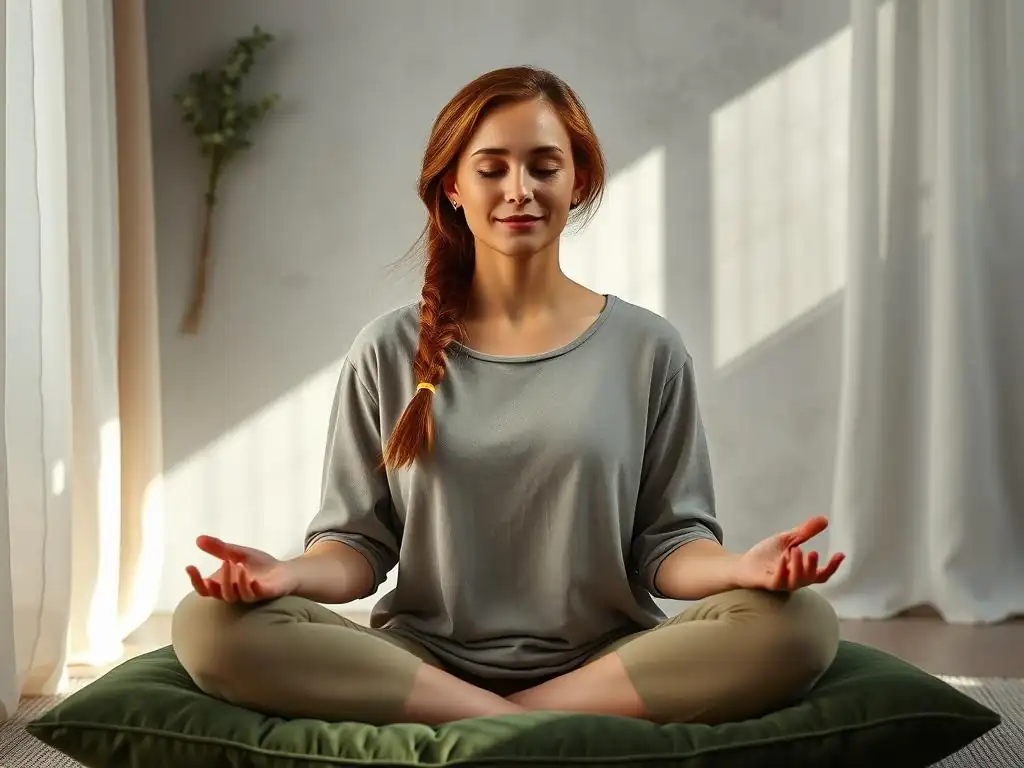
Welcome to Mind Care Guide, a place dedicated to nurturing your mental well-being.
Feeling overwhelmed by stress manifesting in your body? You're not alone. This journey towards inner peace begins with understanding the powerful connection between your mind and body. Dive into our comprehensive guide on Mindful Body Awareness Stress reduction and discover practical techniques to release physical tension and reclaim your sense of calm. Curious to learn how simply listening to your body can unlock a pathway to profound relief? Let's explore this together...
- Release Physical Tension: A Mind Care Guide to Mindful Body Awareness for Stress Reduction
- Mindful Body Awareness: A Practical Approach to Stress Relief
-
Step-by-Step Guide: Cultivating Mindful Body Awareness to Release Tension
- Step 1: Finding a Comfortable Position for Body Scan Meditation
- Step 2: Beginning the Body Scan: Bringing Awareness to Your Body
- Step 3: Noticing Sensations: Exploring Physical Sensations Without Judgment
- Step 4: Identifying Areas of Tension: Where Do You Hold Stress?
- Step 5: Gentle Release: Using Breath and Awareness to Ease Tension
- Step 6: Expanding Awareness: Integrating Body Awareness into Daily Life
- Mindful Movement for Releasing Physical Tension: Exercises and Techniques
- Integrating Mindful Body Awareness into Your Daily Routine
- Overcoming Challenges and Maintaining Your Practice
- The Long-Term Benefits of Mindful Body Awareness on Stress Management
- Resources for Further Exploration of Mindful Body Awareness
-
Frequently Asked Questions
- What is Mindful Body Awareness and how does it relate to stress reduction?
- How can practicing mindful body awareness help me identify signs of stress?
- What are some practical exercises for cultivating mindful body awareness?
- How often should I practice mindful body awareness to see a reduction in stress?
- Are there any potential drawbacks or limitations to using mindful body awareness for stress reduction?
- Final Reflection: Embracing the Stillness Within for Lasting Peace
- Unwind and Reclaim Your Calm: Start Your Journey to Stress-Free Living
Release Physical Tension: A Mind Care Guide to Mindful Body Awareness for Stress Reduction
The Impact of Stress on Physical Tension
Stress is a natural response, but chronic or intense stress can significantly impact the physical body, often manifesting as persistent muscle tension. When the body perceives a threat, whether real or perceived, it activates the fight-or-flight response. This physiological reaction includes the tensing of muscles, preparing the body for action. While this response is adaptive in short bursts, prolonged activation due to chronic stress means muscles remain contracted for extended periods. This constant state of readiness contributes to various physical ailments.
Research consistently shows a strong correlation between psychological stress and musculoskeletal pain. For instance, studies have indicated that individuals experiencing high levels of work-related stress are significantly more likely to report chronic low back pain or neck and shoulder tension compared to their less-stressed counterparts. This persistent physical tension can lead to discomfort, reduced mobility, headaches, and even contribute to fatigue, creating a vicious cycle where physical discomfort exacerbates mental stress.
The Mind-Body Connection: How Thoughts Affect Your Body
The mind and body are intricately linked, forming a complex system where thoughts, emotions, and physical sensations constantly interact. Our mental state directly influences our physical state, and conversely, our physical state can impact our mental well-being. Negative thoughts, worries, and anxieties associated with stress trigger physiological responses, including the release of stress hormones like cortisol and adrenaline. These hormones contribute to increased heart rate, elevated blood pressure, and, notably, muscle tension.
Consider the common experience of receiving stressful news; you might immediately feel a tightening in your chest or a knot in your stomach. This is a direct manifestation of the mind-body connection. Similarly, chronic worrying can lead to persistent jaw clenching or shoulder stiffness. Understanding this connection is fundamental to mindful body awareness for stress reduction, as it highlights that addressing the physical tension often requires acknowledging and processing the underlying mental or emotional stress.
Recognizing Common Signs of Physical Tension From Stress
Identifying the signs of physical tension is the first step in addressing stress held within the body. These signs can vary widely from person to person but often include specific patterns. Common indicators are tightness or stiffness in the neck, shoulders, and upper back, often described as carrying the weight of the world. Headaches, particularly tension headaches that feel like a band around the head, are also frequently linked to stress-induced muscle contraction in the neck and scalp.
Beyond the neck and shoulders, stress-related tension can manifest in other areas. Many people experience jaw clenching or teeth grinding, especially during sleep, leading to facial pain and dental issues. Digestive issues like stomach cramps or a "nervous stomach" can also be physical manifestations of stress impacting smooth muscles. Lower back pain, hip tightness, and even restless legs can signal chronic tension. Learning to recognize these signals through mindful body awareness is crucial for effectively releasing physical tension caused by stress.
Mindful Body Awareness: A Practical Approach to Stress Relief
What is Mindful Body Awareness?
Mindful body awareness is the practice of intentionally bringing your attention to the physical sensations within your body, without judgment. It involves tuning into the present moment experience of your physical form – noticing subtle feelings like warmth, tingling, pressure, or tension – simply as they are. This is a core component of broader mindfulness practices, specifically applied to the body's physical landscape. It's not about fixing or changing anything initially, but rather about observing and acknowledging what is present.
Developing mindful body awareness allows you to become more attuned to your body's signals, which are often indicators of your underlying emotional or stress state. For example, recognizing a clenched jaw or tight shoulders through this practice can be an early warning sign that you are experiencing stress, even before you consciously process the feeling mentally. By cultivating this awareness, you gain valuable insights into how stress manifests physically for you, paving the way for targeted stress reduction techniques.
Benefits of Practicing Mindful Body Awareness for Stress Reduction
Practicing mindful body awareness offers a multitude of benefits specifically aimed at reducing stress and its physical manifestations. One primary benefit is enhanced self-regulation. By becoming more aware of early signs of tension, you can intervene sooner with coping strategies, preventing stress from escalating into overwhelming physical discomfort or emotional distress. This proactive approach is key to effective stress management.
Furthermore, mindful body awareness helps to interrupt the stress response cycle. When you notice tension and bring gentle, non-judgmental awareness to it, you create a pause. This pause allows the nervous system to shift away from fight-or-flight mode towards a more relaxed state. Consistent practice can also improve interoception – the ability to sense the internal state of the body – which is linked to better emotional regulation and overall well-being. Releasing physical tension through mindful body awareness can lead to reduced pain, improved sleep quality, and a greater sense of ease in daily life.
Key Principles of Mindful Body Awareness
Several core principles underpin the practice of mindful body awareness. The first is non-judgment. As you explore your body, the goal is to observe sensations without labeling them as "good" or "bad," "right" or "wrong." If you notice tension, simply acknowledge it with curiosity rather than frustration or self-criticism. This non-judgmental attitude is crucial for fostering acceptance and reducing resistance to your present experience.
Another key principle is gentle curiosity. Approach your body exploration with the mindset of a friendly investigator, simply noticing what you find without trying to force anything to change. Be patient with yourself; developing this awareness takes time and practice. Anchor your attention in the present moment; while thoughts about the past or future may arise, gently guide your focus back to the physical sensations happening right now. Consistency, even in short bursts, is more valuable than infrequent long sessions. Integrating these principles makes mindful body awareness a powerful tool for releasing physical tension and managing stress.
Step-by-Step Guide: Cultivating Mindful Body Awareness to Release Tension

Step 1: Finding a Comfortable Position for Body Scan Meditation
The first step in a mindful body awareness practice, particularly a body scan meditation, is to find a comfortable and supportive position. This can be lying down on your back on a mat or bed, or sitting upright in a chair with your feet flat on the floor. The key is to choose a position where you can remain relatively still and relaxed for the duration of the practice without being overly distracted by discomfort.
If lying down, allow your arms to rest by your sides, palms facing up or down, whichever feels natural. If sitting, ensure your back is supported, allowing the spine to be relatively straight but not rigid. Let your hands rest comfortably in your lap or on your thighs. Gently close your eyes or soften your gaze downwards. Take a few moments to adjust your position until you feel a sense of ease and stability, ready to begin exploring your physical sensations.
Step 2: Beginning the Body Scan: Bringing Awareness to Your Body
Once you are settled in your comfortable position, take a few deep breaths to help ground yourself in the present moment. Notice the sensation of the breath entering and leaving your body. Then, gently bring your awareness to your body as a whole. Simply notice the contact points between your body and the surface supporting you – the feeling of the floor or chair beneath you.
Now, begin to narrow your focus, starting typically with the feet. Bring your full attention to your toes, noticing any sensations present – perhaps warmth, tingling, pressure, or nothing at all. There's no need to feel something specific, just observe what is there. Then, slowly expand your awareness to the soles of your feet, the tops of your feet, and your ankles. This systematic process allows you to methodically connect with different parts of your physical form.
Step 3: Noticing Sensations: Exploring Physical Sensations Without Judgment
As you move your awareness through each part of the body – from your feet, up through your legs, torso, arms, hands, neck, and head – the core practice is simply noticing the sensations that arise. This is where the non-judgmental principle is vital. You might encounter areas of pleasant sensation, neutral sensation, or discomfort and tension.
When you encounter tension or discomfort, the practice is not to immediately try and fix it or push it away. Instead, bring a gentle, curious awareness to it. Notice the quality of the sensation – is it tight, dull, sharp, throbbing? Where exactly is it located? Simply acknowledge its presence without getting caught up in thoughts about why it's there or how to make it go away. This pure observation helps you build a clear picture of your physical state without adding mental stress.
Step 4: Identifying Areas of Tension: Where Do You Hold Stress?
Through the process of the body scan, you will likely begin to identify specific areas where you habitually hold physical tension related to stress. For many people, this is the neck, shoulders, or jaw, but it can also be the lower back, hips, or stomach. As you scan, pay particular attention to these areas.
When you arrive at a spot where you notice significant tension, pause your scan there. Bring your full, gentle awareness to that specific area. Mentally note its location and the quality of the tension. For example, you might notice a "knot" in your shoulder or a "tight band" across your forehead. Simply observing and acknowledging these areas is a powerful act of mindful body awareness, bringing these often unconscious holding patterns into conscious recognition.
Step 5: Gentle Release: Using Breath and Awareness to Ease Tension
Once you have identified an area of tension, you can gently introduce the element of release. While still focusing your awareness on the tense spot, bring your breath into play. Imagine sending your breath directly to that area. As you inhale, simply maintain awareness of the tension. As you exhale, visualize or gently intend for the tension to soften or release slightly.
This isn't about forcing the tension to disappear, which can create more stress, but rather about inviting a gentle easing. You might repeat this focused breathing on the area for several breaths. Sometimes, simply bringing conscious, non-judgmental awareness to tension is enough for it to begin to dissipate on its own. This combination of focused awareness and gentle breath work is a core technique for releasing physical tension through mindful body awareness.
Step 6: Expanding Awareness: Integrating Body Awareness into Daily Life
The formal practice of a body scan meditation is a powerful tool for cultivating mindful body awareness, but the goal is to integrate this awareness into your daily life. Start by incorporating short moments of body awareness throughout your day. For instance, take a few seconds before standing up to notice the feeling of your feet on the floor. While waiting in line, notice the sensations in your shoulders and jaw.
You can set reminders to check in with your body periodically. Ask yourself, "Where am I holding tension right now?" or "What physical sensations are present?" This continuous, informal practice helps you catch stress-induced tension earlier and apply gentle release techniques on the spot, making mindful body awareness a living, breathing part of your stress management strategy.
Mindful Movement for Releasing Physical Tension: Exercises and Techniques
Gentle Stretching for Tension Release: Neck Rolls, Shoulder Stretches, and Leg Swings
Gentle, mindful stretching is an excellent way to actively release physical tension that accumulates from stress. Unlike aggressive stretching, the focus here is on slow, controlled movements performed with awareness of the sensations in the body. Simple exercises like slow neck rolls, gently tilting the head side to side or forward and back, can alleviate tension in the upper neck and shoulders.
Shoulder rolls, both forward and backward, help to release tightness in the shoulder girdle. Seated or standing, simply circling the shoulders mindfully can bring significant relief. Leg swings, performed gently while holding onto a support, can loosen tension in the hips and lower back. The key is to move within a comfortable range of motion, breathing into the stretches, and noticing where you feel resistance or release, making it a practice of mindful body awareness stress relief.
Yoga for Stress Reduction and Body Awareness
Yoga combines physical postures (asanas), breath control (pranayama), and meditation, making it a holistic practice well-suited for stress reduction and cultivating mindful body awareness. Many yoga poses are specifically designed to stretch and release muscles where tension is commonly held, such as the hips, hamstrings, shoulders, and chest. Holding poses with awareness allows practitioners to notice where they are gripping or resisting.
Styles like Hatha or Yin yoga, which often involve holding poses for longer durations or moving slowly, are particularly effective for tuning into the body's sensations and encouraging deep release. The emphasis on linking breath to movement further enhances the mind-body connection. Regular yoga practice can significantly improve flexibility, reduce chronic pain, and foster a deeper sense of ease and relaxation, directly addressing physical tension from stress.
Tai Chi and Qigong: Flowing Movements for Tension Release
Tai Chi and Qigong are ancient Chinese practices that involve slow, gentle, flowing movements, deep breathing, and focused intention. These practices are often described as "meditation in motion" and are highly effective for releasing physical tension and calming the nervous system. The continuous, fluid movements promote circulation and flexibility without putting strain on the joints.
The focus in Tai Chi and Qigong is on cultivating qi (vital energy) and allowing it to flow freely through the body, which is believed to release blockages associated with tension and stress. Practicing these forms requires focused attention on the body's posture, balance, and the smooth transition between movements, naturally enhancing mindful body awareness. The gentle nature makes them accessible to people of various fitness levels and a powerful tool for mindful body awareness stress relief.
Progressive Muscle Relaxation: A Deep Relaxation Technique
Progressive Muscle Relaxation (PMR) is a technique developed by Edmund Jacobson in the 1930s, which involves systematically tensing and then releasing different muscle groups in the body. The principle is that by deliberately tensing a muscle for a few seconds and then consciously releasing it, you become more aware of the sensation of relaxation and can achieve a deeper state of physical calm.
To practice PMR, you typically start with one part of the body, like the hands, clench the fists tightly for 5-10 seconds, then completely release the tension, noticing the difference between tension and relaxation. You then move through other muscle groups – arms, shoulders, face, neck, chest, stomach, back, legs, and feet – tensing and releasing each one. This practice not only helps identify areas of chronic tension but also provides a direct method for releasing it, making it a practical application of mindful body awareness for stress reduction.
Integrating Mindful Body Awareness into Your Daily Routine

Mindful Breathing Exercises for Immediate Stress Relief
Integrating mindful breathing exercises into your day is one of the simplest yet most effective ways to access mindful body awareness for immediate stress relief. Your breath is always with you, making it a readily available anchor to the present moment and your physical state. Simple practices like 4-7-8 breathing (inhale for 4 counts, hold for 7, exhale for 8) or box breathing (inhale for 4, hold for 4, exhale for 4, hold for 4) can quickly calm the nervous system.
Beyond specific techniques, simply taking a few moments several times a day to notice the sensation of your breath entering and leaving your body is a powerful act of mindful body awareness. Pay attention to the rise and fall of your chest or abdomen, the feeling of air in your nostrils. This brief check-in can interrupt stress patterns and bring you back into your body, providing a moment of respite and tension release.
Body Scan Meditation for Sleep and Relaxation
A body scan meditation is an excellent practice to incorporate into your nightly routine, particularly if stress-induced physical tension interferes with sleep. Lying in bed, you can guide your awareness through your body, releasing tension as you go. The systematic process helps to quiet a busy mind by giving it a focus – the physical sensations – and promotes a state of deep relaxation conducive to falling asleep.
Even if not used specifically for sleep, a body scan before bed or during a quiet moment in the evening can help process the physical stress accumulated throughout the day. Dedicating 10-20 minutes to this practice can significantly reduce overall physical tension, promote a sense of calm, and improve sleep quality, reinforcing the benefits of mindful body awareness for stress reduction.
Using Body Awareness During Stressful Situations
One of the most impactful ways to use mindful body awareness is during stressful situations. Instead of being swept away by racing thoughts or intense emotions, you can learn to pause and check in with your body. Ask yourself, "What am I feeling in my body right now?" You might notice a tight chest, clenched fists, or shallow breathing.
Simply acknowledging these physical sensations without judgment can create a small space between you and your reaction to the stressor. From this space, you can choose a more skillful response rather than reacting impulsively. This practice helps you recognize the physical signature of stress for you and empowers you to use techniques like mindful breathing or a brief body scan to manage the physical tension in real-time.
Creating a Personalized Mindful Body Awareness Practice
Developing a consistent practice of mindful body awareness for stress reduction is most effective when it's personalized. Experiment with different techniques – formal body scans, mindful movement, brief check-ins, PMR – to find what resonates most with you and fits into your lifestyle. Start small, perhaps just 5 minutes a day, and gradually increase the duration as you feel comfortable.
Consider when you are most likely to benefit from body awareness – is it in the morning to set a calm tone, during the workday to manage tension spikes, or in the evening to unwind? Schedule your practice like any other important appointment. Track how different practices make you feel, noting what helps you most effectively release physical tension. Your personalized practice will be your most reliable tool for consistent mindful body awareness stress relief.
Overcoming Challenges and Maintaining Your Practice
Common Obstacles to Mindful Body Awareness
Beginning a practice of mindful body awareness can present several common obstacles. One frequent challenge is a restless or distracted mind. It's natural for thoughts to wander during practice; the key is to gently notice when your mind has strayed and guide your attention back to your body without self-criticism. This is not a failure, but simply the work of training attention.
Another obstacle can be encountering discomfort or pain in the body. When this happens, there might be an urge to avoid or fix the sensation. Mindful body awareness encourages you to approach discomfort with curiosity and acceptance, noticing the quality of the sensation without judgment. Sometimes, simply bringing awareness to pain can change its intensity or your relationship to it. Finding time and maintaining consistency in a busy life are also significant challenges, requiring dedication and realistic expectations.
Tips for Staying Consistent with Your Practice
Consistency is more important than duration when it comes to developing mindful body awareness for stress reduction. Start small, perhaps committing to just 5-10 minutes a day. It's easier to stick to a short daily practice than to aim for long, infrequent sessions. Try integrating the practice into an existing routine, like first thing in the morning, during a lunch break, or before bed.
Using reminders, whether digital alerts or visual cues like placing a cushion in a specific spot, can help you remember to practice. Don't strive for perfection; some days your mind will be quieter than others, and that's okay. Acknowledge that simply showing up is the practice. Finding a practice partner or joining a group can also provide accountability and support, making it easier to maintain your mindful body awareness stress relief efforts.
Seeking Support: Connecting with Others for Mindfulness and Stress Reduction
Connecting with others who are also exploring mindfulness and stress reduction can provide invaluable support and motivation. Joining a mindfulness group or a meditation class offers a sense of community and the opportunity to learn from experienced teachers and peers. Sharing your experiences and challenges with others can normalize difficulties and offer new perspectives.
Many communities and online platforms offer guided meditations or mindfulness workshops. Engaging with these resources can deepen your understanding and provide structured practice opportunities. If you find it difficult to manage stress and physical tension on your own, consulting with a therapist or counselor who incorporates mindfulness into their practice can also be highly beneficial. They can provide personalized guidance and support for integrating mindful body awareness stress relief techniques into your life.
The Long-Term Benefits of Mindful Body Awareness on Stress Management
Improved Stress Resilience Through Body Awareness
Regular practice of mindful body awareness significantly enhances stress resilience – your ability to bounce back from stressful situations. By becoming more attuned to your body's subtle signals, you can detect the onset of the stress response earlier, before it becomes overwhelming. This early detection allows you to employ coping strategies proactively, such as mindful breathing or a brief check-in, effectively interrupting the stress cycle.
Over time, consistent mindful body awareness helps to regulate the nervous system, reducing its tendency to go into a high-alert state. This leads to a calmer baseline and a reduced physiological reaction to stressors. Studies indicate that mindfulness practices can even lead to changes in brain structure associated with stress regulation, such as increased gray matter in areas related to self-awareness and emotional control, contributing to long-term mindful body awareness stress reduction.
Enhanced Self-Awareness and Emotional Regulation
Mindful body awareness is a cornerstone of greater self-awareness. By paying attention to physical sensations, you gain deeper insight into how your emotions manifest in your body. For example, you might learn that anxiety often shows up as tightness in your chest or that frustration manifests as jaw clenching. This understanding allows you to recognize and label emotions more accurately as they arise.
This enhanced self-awareness directly supports improved emotional regulation. Instead of being overwhelmed by intense feelings, you can use your body as an anchor. Noticing the physical sensations associated with an emotion allows you to process it with greater presence and less reactivity. This practice helps you to respond to emotions skillfully rather than being controlled by them, contributing significantly to overall mental and emotional well-being alongside physical tension release.
Cultivating a Deeper Connection with Your Body
In a world that often encourages us to live "from the neck up," mindful body awareness provides a pathway to cultivate a deeper, more appreciative connection with your physical self. It shifts the focus from viewing the body merely as a vehicle or something to be judged, towards seeing it as a wise source of information and a partner in your well-being journey.
By regularly tuning into your body with curiosity and kindness, you build a relationship based on acceptance and understanding. This deeper connection can lead to healthier habits, such as better listening to your body's needs for rest, movement, and nourishment. Releasing physical tension through mindful body awareness fosters a sense of inhabiting your body fully and comfortably, leading to increased vitality and a more harmonious relationship between your mind and physical form.
Resources for Further Exploration of Mindful Body Awareness
Recommended Books and Articles on Mindfulness and Stress Reduction
For those wishing to delve deeper into mindful body awareness and its role in stress reduction, a wealth of literature is available. Classic texts like "Full Catastrophe Living" by Jon Kabat-Zinn, the founder of Mindfulness-Based Stress Reduction (MBSR), offer comprehensive guides to mindfulness practices, including detailed instructions for the body scan. Books by authors such as Thich Nhat Hanh or Pema Chödrön also explore mindfulness principles applicable to daily life and emotional challenges.
Numerous articles and research papers are published regularly on the efficacy of mindfulness and body awareness for managing stress, anxiety, and chronic pain. Websites dedicated to mindfulness and mental health often feature articles explaining techniques and benefits. Exploring these resources can provide theoretical background and practical guidance to support your mindful body awareness stress relief journey.
Guided Meditation Apps for Body Awareness
Technology offers convenient tools for supporting a mindful body awareness practice. Many meditation apps provide guided body scan meditations and other exercises specifically focused on physical sensation and tension release. Popular apps like Calm, Headspace, Insight Timer, and Ten Percent Happier offer a variety of guided practices ranging in length and style.
These apps can be particularly helpful for beginners, providing structure and guidance. They often include specific programs for stress reduction, sleep, or managing physical discomfort, incorporating mindful body awareness techniques. Using a guided meditation can make it easier to stay focused and explore different aspects of your physical experience, making consistent mindful body awareness stress relief more accessible.
Finding Mindfulness Teachers and Workshops
Learning mindful body awareness from an experienced teacher can significantly enhance your practice. Teachers can provide personalized guidance, answer questions, and offer support that self-guided practice might not. Look for qualified mindfulness teachers or programs certified in approaches like MBSR or MBCT (Mindfulness-Based Cognitive Therapy), which have strong foundations in body awareness.
Workshops and retreats offer immersive experiences to deepen your understanding and practice of mindfulness and body awareness. They provide dedicated time away from daily distractions to focus on cultivating these skills. Connecting with a teacher or participating in a workshop can provide a strong foundation and ongoing support for integrating mindful body awareness into your life as a powerful tool for stress reduction and physical tension release.
Frequently Asked Questions
What is Mindful Body Awareness and how does it relate to stress reduction?
Mindful body awareness is paying attention to the sensations in your body without judgment. It helps reduce stress by allowing you to recognize and address physical tension that often accompanies stressful situations.
How can practicing mindful body awareness help me identify signs of stress?
By regularly tuning into your body, you become more attuned to subtle signs of stress, such as muscle tension, increased heart rate, or shallow breathing. This early detection allows for proactive stress management.
What are some practical exercises for cultivating mindful body awareness?
Simple exercises include body scans, focusing on your breath, and noticing the sensations during everyday activities like walking or eating. These help you become more present and aware of your physical state.
How often should I practice mindful body awareness to see a reduction in stress?
Even short, consistent sessions (5-10 minutes daily) can significantly reduce stress. The key is regular practice to build awareness and integrate it into your daily routine.
Are there any potential drawbacks or limitations to using mindful body awareness for stress reduction?
While generally safe, some individuals may initially experience increased anxiety as they become more aware of their physical sensations. It's important to start slowly and seek guidance from a mental health professional if needed.
Final Reflection: Embracing the Stillness Within for Lasting Peace
The relentless pace of modern life leaves many of us perpetually tense, a silent epidemic impacting our physical and mental well-being. Understanding and releasing this physical tension through mindful body awareness is not just a trend; it's a crucial skill for navigating the complexities of the 21st century. Ignoring the signals our bodies send only exacerbates the problem, leading to burnout and a diminished quality of life.
The journey towards mindful body awareness is a deeply personal one, a continuous process of learning to listen to the whispers of our own bodies. It's about cultivating a relationship with ourselves that transcends the superficial and delves into the core of our being. This practice isn't merely about stress reduction; it's about cultivating a deeper sense of self-compassion and resilience. As Thich Nhat Hanh wisely said, Breathing in, I calm body and mind. Breathing out, I smile.
This simple act encapsulates the essence of mindful body awareness – finding peace in the present moment, one breath at a time.
You now hold the key to unlocking a more peaceful and present existence. Take a moment to reflect on the tension you carry – in your shoulders, your jaw, your breath. Begin incorporating even small practices of mindful body awareness into your daily routine.
Notice the sensations in your body, breathe deeply, and allow yourself to simply be. This journey of self-discovery is a gift you give yourself, one that will yield immeasurable rewards in terms of reduced stress, improved well-being, and a profound connection to your inner self. Start today, and experience the transformative power of mindful body awareness.
Unwind and Reclaim Your Calm: Start Your Journey to Stress-Free Living
Thanks for taking the time to explore mindful body awareness and its power to reduce stress! We hope you've gained valuable insights into how to release physical tension and cultivate inner peace. Now it's time to put your new knowledge into practice.
Here are a few ways to continue your journey towards stress-free living:
- Prioritize a daily mindful body scan: Even 5 minutes of focused attention on your body's sensations can make a huge difference. Try focusing on your breath and noticing any areas of tension. This is your primary action—consistent practice is key!
- Share your experience: Let us know in the comments below what resonated most with you and what challenges you’re facing. Connecting with others is a powerful tool for self-support.
- Explore guided meditations: Search online for free guided meditations focusing on body awareness and relaxation. Many resources are available, and discovering what works best for you is important.
What small step will you take today to nurture your physical and mental well-being?