
The Ultimate Guide to Anxiety App Features and Their Costs


Welcome to Mind Care Guide, your trusted companion on the path to mental well-being.
Feeling overwhelmed by anxiety? You're not alone. Navigating the world of mental health apps can be confusing, especially when it comes to understanding features and costs. Dive into our comprehensive guide on Anxiety app features and cost guide, where we break down everything you need to know. Discover the tools that can truly make a difference in managing your anxiety, and empower yourself to make informed choices. What features are essential, and what's the real price of peace of mind? Let's explore together...
- Understanding Anxiety Apps: Features and Cost Considerations
-
Key Anxiety App Features: What to Look For
- Guided Meditations: Finding Calm with Apps like Calm and Headspace
- Cognitive Behavioral Therapy (CBT) Tools: Retrain Your Thoughts
- Mindfulness Exercises: Staying Present and Grounded
- Breathing Exercises: Quick Relief in Moments of Panic
- Mood Tracking: Understanding Your Emotional Patterns
- Journaling Prompts: Exploring Your Feelings and Thoughts
- Comparing Anxiety App Costs: Finding the Right Fit for Your Budget
- Choosing the Right Anxiety App: A Personalized Approach
- Maximizing Your Anxiety App Experience
- Real-World Examples: Anxiety App Success Stories
- The Future of Anxiety Apps: What to Expect
- Disclaimer: Anxiety Apps and Professional Help
-
Frequently Asked Questions
- What are the essential features to look for in an anxiety app?
- How much do anxiety apps typically cost, and what pricing models are common?
- Can anxiety apps replace traditional therapy or medication for anxiety management?
- What data privacy and security measures should I consider when choosing an anxiety app?
- What are the benefits of using an anxiety app compared to other anxiety management techniques?
- Final Reflection: Navigating the Anxiety App Landscape: Cost, Features, and Your Wellbeing
- Unlock Your Calm: Take Control of Your Anxiety
Understanding Anxiety Apps: Features and Cost Considerations
Anxiety apps have emerged as a significant tool in managing mental well-being, offering accessible support directly from a smartphone. These digital resources provide a range of features designed to help individuals cope with stress, worry, and panic. Understanding the common anxiety app features and their associated costs is crucial for anyone looking to leverage technology for mental health support. This section of our ultimate anxiety app features cost guide will explore the foundational aspects of these tools.
Navigating the landscape of mental wellness apps can feel overwhelming given the sheer number of options available. Each app boasts unique functionalities, from guided meditations and breathing exercises to sophisticated CBT-based programs and mood trackers. While many offer a basic set of features for free, the more advanced or comprehensive tools often come with a subscription fee. Evaluating your personal needs against the available anxiety app features and their respective costs is the first step in finding the right fit for your journey toward reduced anxiety.
Why Use an Anxiety App? Benefits for Mental Well-being
Anxiety apps offer numerous benefits, providing convenient, on-demand support that can complement traditional therapy or serve as a standalone resource for mild to moderate anxiety. One of the primary advantages is accessibility; you can access tools and exercises anytime, anywhere, whether you're at home, at work, or on the go. This immediate access is particularly helpful during moments of acute anxiety or panic, offering quick techniques like guided breathing or mindfulness exercises to help regain composure.
Furthermore, these apps often provide anonymity and privacy, which can be a significant comfort for individuals who may feel hesitant about seeking face-to-face support initially. Many apps allow users to track their progress over time, offering valuable insights into patterns, triggers, and the effectiveness of different coping strategies. This data can empower users by making the often abstract experience of managing anxiety more concrete and understandable. For instance, tracking mood alongside daily activities might reveal specific situations that exacerbate anxiety, allowing for proactive management.
The anxiety app market is diverse, featuring a wide spectrum of applications ranging from simple breathing exercise tools to complex platforms offering full therapeutic courses. As outlined in this Mind Care Guide overview, these apps can be broadly categorized by their primary focus, such as meditation, CBT, mood tracking, or a combination of these. Popular examples include Calm, Headspace, Woebot, Insight Timer, and Moodpath, each with its unique set of anxiety app features and pricing models.
When exploring this market, it's essential to consider not just the array of anxiety app features but also the underlying cost structure. Many apps operate on a freemium model, offering basic features for free while reserving premium content or advanced functionalities for paying subscribers. Subscription costs can vary significantly, from a few dollars per month to over $100 annually, or even lifetime purchase options. Understanding this anxiety app features cost landscape is vital to making an informed decision that aligns with your budget and therapeutic needs.
Key Anxiety App Features: What to Look For
Identifying the most beneficial anxiety app features depends heavily on individual needs and preferences. However, certain functionalities are consistently highlighted by users and mental health professionals as being particularly effective in managing anxiety symptoms. This section delves into some of the most common and impactful features available in anxiety apps today, providing insights into what to look for when making your choice, including crucial details on their associated costs.
From structured therapeutic exercises rooted in clinical psychology to simple tools designed for immediate stress relief, the range of features is vast. Evaluating which combination of features is most relevant to your specific challenges—whether it's persistent worry, panic attacks, social anxiety, or sleep disturbances related to anxiety—will guide you toward the most suitable application. Understanding the typical anxiety app features cost structure for these functionalities will help manage expectations regarding free vs. paid options.
Guided Meditations: Finding Calm with Apps like Calm and Headspace
Guided meditation is a cornerstone feature in many anxiety apps, offering structured sessions led by experienced instructors to help users focus, relax, and cultivate mindfulness. Apps like Calm and Headspace are renowned for their extensive libraries of guided meditations, covering topics from stress reduction and sleep improvement to focus and emotional regulation. These sessions typically range from a few minutes to over an hour, catering to different schedules and needs. The quality of instruction, variety of content, and production value are often key differentiators.
Using guided meditations can be incredibly effective for reducing the physical and mental symptoms of anxiety. By directing attention to the breath or body sensations, these practices can interrupt the cycle of anxious thoughts and promote a sense of calm. Many users report improved sleep quality and a greater ability to manage stressful situations after incorporating regular guided meditation into their routine. The availability of sessions tailored for specific situations, like before a stressful meeting or during a panic attack, adds significant value to this feature.
Cost Comparison: Calm vs. Headspace vs. Meditopia
Comparing the cost of leading meditation apps highlights the typical anxiety app features cost models. As of late 2023/early 2024, Calm's annual subscription was approximately $70-$80 USD, with a lifetime option often available for around $400 USD. Headspace had a similar annual price range, often slightly higher at $70-$90 USD, and also offered a lifetime purchase option. Meditopia, while perhaps less globally recognized than the other two, often presented a more budget-friendly annual subscription, sometimes in the $50-$60 USD range, making it an attractive option for those mindful of the anxiety app features cost.
While initial costs might seem high, these subscriptions typically unlock access to thousands of hours of content beyond just guided meditations, including sleep stories, music, and masterclasses. Free versions of these apps usually offer a limited selection of basic meditations or introductory courses. The premium cost grants access to specialized programs, celebrity-narrated content, and offline downloads, justifying the investment for dedicated users seeking a comprehensive meditation resource.
Benefit: Reducing Stress and Improving Sleep with Guided Meditation
One of the most widely reported benefits of using guided meditation features in anxiety apps is a significant reduction in stress levels. Regular practice helps train the mind to become less reactive to stressors and more adept at returning to a state of calm. A study published in the Journal of the American Medical Association (JAMA) in 2014, for example, found that mindful meditation practice can improve anxiety and stress symptoms.
Beyond stress reduction, guided meditations, particularly those specifically designed for sleep, are highly effective in combating insomnia and improving overall sleep quality, which is often poor in individuals with anxiety. Apps like Calm are particularly famous for their "Sleep Stories," bedtime tales narrated in soothing voices, which many users find helps quiet a racing mind and facilitate falling asleep. Users frequently report falling asleep faster and experiencing more restful sleep after incorporating these features into their nightly routine, demonstrating a clear benefit for this common anxiety symptom.
Cognitive Behavioral Therapy (CBT) Tools: Retrain Your Thoughts
Cognitive Behavioral Therapy (CBT) is a highly effective therapeutic approach for anxiety, focusing on identifying and challenging negative thought patterns and behaviors. Many anxiety apps now integrate CBT principles, offering interactive exercises, thought diaries, and educational modules designed to help users understand and modify their cognitive distortions. These tools empower individuals to become more aware of the connection between their thoughts, feelings, and behaviors.
CBT-based features within apps often guide users through exercises like identifying automatic negative thoughts, challenging their validity, and replacing them with more balanced or realistic perspectives. Some apps provide structured programs that mimic the progression of traditional therapy sessions, breaking down complex concepts into manageable steps. This approach makes CBT principles accessible and actionable for users outside of a therapist's office.
CBT-Based Apps: Woebot, Moodpath, and Their Approaches
Apps like Woebot and Moodpath are prominent examples of platforms leveraging CBT principles. Woebot acts as an AI-powered chatbot that interacts with users through daily check-ins, offering CBT-based conversations, mood tracking, and guided exercises. Its approach is conversational and accessible, making therapeutic techniques feel less intimidating. Moodpath, on the other hand, focuses more on in-depth mood tracking and analysis, providing daily questions to assess symptoms and offering insights and exercises based on CBT and other therapeutic modalities.
These apps differ in their delivery method – Woebot uses a chat interface, while Moodpath is more survey-based – but both aim to help users gain self-awareness and apply therapeutic techniques. Woebot's conversational style can feel supportive, like talking to a friendly guide, while Moodpath's detailed tracking can provide valuable data for understanding long-term patterns. Both offer structured content derived from established therapeutic practices, providing a digital pathway to learning and applying CBT skills.
Cost Breakdown: Analyzing Woebot’s Subscription Model and Free Alternatives
Analyzing the cost of CBT-focused anxiety apps reveals varied pricing strategies. Woebot, for instance, has historically offered a significant portion of its core functionality for free, making it a highly accessible option for many users. While pricing models can change, its emphasis has often been on providing foundational CBT support without a paywall, though premium features or expanded content might be introduced with a subscription.
Free alternatives or apps with robust free CBT features do exist, though they may offer less personalization or depth than paid options. Apps like Moodpath often provide basic mood tracking and limited insights for free, with a premium subscription unlocking full analysis, detailed reports, and a complete library of exercises. Understanding this anxiety app features cost breakdown helps users determine if the free version meets their needs or if investing in a subscription is necessary for more comprehensive CBT support. Always check the current pricing structure as models evolve.
Benefit: Addressing Negative Thought Patterns and Improving Coping Mechanisms
A primary benefit of using CBT tools within anxiety apps is the direct impact on negative thought patterns, a hallmark of anxiety disorders. By learning to identify cognitive distortions – such as catastrophizing or black-and-white thinking – users can begin to challenge their validity and replace them with more balanced thoughts. This process, central to CBT, can significantly reduce the intensity and frequency of anxious feelings.
Furthermore, these tools equip users with concrete coping mechanisms. Apps might teach relaxation techniques, problem-solving skills, or exposure exercises (in a guided, gentle way) to help users confront anxiety-provoking situations. Regularly engaging with these features helps build resilience and provides a toolkit of strategies to manage anxiety in daily life, leading to improved emotional regulation and a greater sense of control over one's reactions.
Mindfulness Exercises: Staying Present and Grounded
Mindfulness exercises are a core component of many anxiety apps, focusing on bringing awareness to the present moment without judgment. These practices can include body scans, mindful walking, or simply paying attention to sensory experiences. The goal is to interrupt the cycle of worrying about the future or dwelling on the past, grounding the individual in the here and now.
Apps dedicated to mindfulness or those incorporating it as a key feature provide guided sessions that make these practices accessible to beginners. They help users develop the skill of observing thoughts and feelings without getting swept away by them, a crucial ability for managing anxiety. Regular mindfulness practice can lead to increased self-awareness, reduced reactivity to stressors, and a greater sense of peace.
Mindfulness App Examples: Insight Timer, Aura
Insight Timer and Aura are popular examples of apps focusing heavily on mindfulness. Insight Timer is notable for its vast library of free guided meditations and talks, contributed by teachers worldwide, making it one of the most generous free resources available. It also includes a meditation timer for unguided practice. Aura, on the other hand, offers personalized daily meditations and mindfulness exercises, often incorporating AI to tailor content to the user's reported mood.
While both emphasize mindfulness, their models differ. Insight Timer provides extensive free content with optional paid courses and features (like offline listening), demonstrating a freemium model heavy on free offerings. Aura typically operates on a subscription model, offering a more curated and personalized experience for a fee. This difference highlights how the anxiety app features cost varies even within the same category of mental wellness support.
Free vs. Paid Features: Does Paying More Mean More Mindfulness?
When it comes to mindfulness, the availability of free content is significant. Apps like Insight Timer prove that it's possible to access a vast amount of high-quality guided mindfulness without paying a dime. Their free library includes thousands of meditations, talks, and music tracks. Paying for Insight Timer Premium typically unlocks offline access, advanced player features, and specific guided courses.
For apps like Aura or the premium tiers of others, paying often grants access to a more personalized experience, exclusive teachers, deeper dives into specific topics (like mindful eating or relationships), and often a more polished user interface. While the core practice of mindfulness is free, paying for an app can provide structure, guidance, variety, and convenience that can support a more consistent practice, particularly for those who benefit from curated content and advanced features. The value depends on how much structure and variety you need to maintain your practice.
Benefit: Enhancing Self-Awareness and Reducing Anxiety Triggers
Practicing mindfulness through app-guided exercises cultivates enhanced self-awareness. By regularly paying attention to internal states and external stimuli without judgment, individuals become more attuned to their physical sensations, emotions, and thought patterns. This heightened awareness makes it easier to identify the early signs of rising anxiety or recognize specific triggers in real-time.
With increased self-awareness comes the ability to respond to anxiety more effectively. Instead of being immediately overwhelmed by anxious feelings, a mindful individual can observe the sensation, acknowledge it, and choose a skillful response, such as engaging a breathing exercise learned from the app, rather than reacting habitually. This proactive approach to managing triggers can significantly reduce the frequency and intensity of anxiety episodes over time.
Breathing Exercises: Quick Relief in Moments of Panic
Breathing exercises are one of the most immediate and effective tools for managing acute anxiety and panic attacks. Apps dedicated to or featuring breathing exercises provide simple, guided techniques to regulate breathing patterns, which can help calm the nervous system, lower heart rate, and reduce the physical symptoms of anxiety like shortness of breath or dizziness.
These features often include visual guides, audio cues, or vibrations to help users pace their inhales and exhales according to specific patterns, such as the 4-7-8 technique or box breathing. The simplicity and portability of these app features make them invaluable for providing quick relief when anxiety strikes unexpectedly.
Apps Focused on Breathing: Breathwrk and Relax Melodies
Apps like Breathwrk and Relax Melodies offer extensive libraries of breathing exercises tailored for different purposes, including relaxation, energy boosting, or falling asleep. Breathwrk focuses exclusively on breathing techniques, providing a wide variety of exercises with clear instructions and visual guidance. Relax Melodies, while also featuring sleep sounds and meditations, includes a section dedicated to breathing exercises designed to promote relaxation and sleep.
Breathwrk often operates on a freemium model, offering a selection of exercises for free with a subscription unlocking the full library and advanced tracking. Relax Melodies also uses a freemium model for its broader content, including breathing features. These apps highlight that basic, highly effective anxiety app features like guided breathing are often available at little to no cost, making them accessible tools for immediate relief.
Cost: Many are Free or Low-Cost
A significant advantage of breathing exercise features is their affordability. Many anxiety apps, even those with premium subscriptions, offer a selection of basic guided breathing exercises for free. Standalone breathing apps or those that include breathing as one of several features often provide core functionality without requiring a payment. For instance, simple breathing timer apps are frequently free to download and use.
Even when these features are part of a paid app, they are typically included within the standard subscription, rather than being an additional cost. This makes guided breathing one of the most accessible anxiety app features available, requiring minimal financial commitment to access potentially significant benefits for managing acute anxiety symptoms.
Benefit: Calming the Nervous System and Managing Panic Attacks
The physiological impact of controlled breathing is profound. When anxious, the body often enters a fight-or-flight state, leading to rapid, shallow breathing. Guided breathing exercises reverse this by activating the parasympathetic nervous system, promoting relaxation. Slow, deep breaths signal to the brain that there is no immediate danger, helping to lower heart rate, blood pressure, and muscle tension.
For individuals prone to panic attacks, having immediate access to a guided breathing exercise via an app can be a lifeline. It provides a concrete action to focus on during overwhelming moments, helping to ground the individual and prevent the escalation of symptoms. Regular practice of these techniques can also increase resilience, making future panic attacks less likely or less severe.
Mood Tracking: Understanding Your Emotional Patterns
Mood tracking is a popular feature in many mental wellness apps, allowing users to log their emotional state throughout the day or week. Users typically rate their mood on a scale and can add notes about activities, thoughts, or triggers associated with that mood. Over time, this data creates a visual record of emotional patterns.
This feature provides valuable insights into how different factors influence mood, helping users identify potential triggers for anxiety or periods when they feel better. Some apps offer charts and graphs that summarize mood trends, making it easier to see patterns that might not be obvious otherwise.
Mood Tracking Apps: Daylio, Reflectly, and How They Can Help
Daylio and Reflectly are well-regarded mood tracking apps, though they approach it slightly differently. Daylio is essentially a micro-diary app where users select their mood and associated activities from predefined or custom lists. It's quick and focuses on correlations between activities and mood. Reflectly uses AI to ask questions and provide insights based on the user's mood entries, functioning more like a guided journal that helps users explore their feelings.
Both apps help users gain perspective on their emotional landscape. By seeing patterns emerge, users can become more proactive in managing their anxiety. For example, noticing that anxiety levels consistently spike after certain social interactions or lack of sleep can empower individuals to make lifestyle adjustments or prepare coping strategies in advance.
Data Privacy Concerns: What You Need to Know
When using mood tracking features, it's crucial to be aware of data privacy concerns. These apps collect sensitive personal information about your emotional state and potentially your activities and locations. Users should review the app's privacy policy carefully to understand how their data is collected, stored, and used.
Look for apps that encrypt data, do not sell data to third parties, and ideally, store data locally on your device or offer anonymization options. While the insights gained from mood tracking are beneficial, ensuring the security and privacy of your personal mental health data is paramount. This is a key consideration alongside the anxiety app features cost when choosing an app.
Benefit: Identifying Triggers and Monitoring Progress
The primary benefit of mood tracking is the ability to identify specific triggers for anxiety. By correlating periods of high anxiety with logged activities or events, users can gain clarity on what situations or factors contribute to their distress. This knowledge is empowering, allowing individuals to either avoid certain triggers or develop specific strategies for coping with them.
Furthermore, mood tracking provides a tangible way to monitor progress over time. As individuals implement coping strategies learned from the app or other sources, they can see if their average mood improves or if periods of high anxiety become less frequent. This visual feedback can be highly motivating and reinforce the effectiveness of their efforts in managing their anxiety.
Journaling Prompts: Exploring Your Feelings and Thoughts
Journaling is a therapeutic practice that can help individuals process emotions, gain perspective on challenging situations, and reduce stress. Many anxiety apps incorporate journaling features, sometimes offering guided prompts to help users explore specific feelings, thoughts, or experiences related to their anxiety.
These prompts can range from simple check-ins ("How are you feeling today?") to more structured exercises ("Write about a situation that made you feel anxious and explore the thoughts you had"). The act of writing itself can be cathartic, and reviewing past entries can provide valuable insights into personal growth and recurring patterns.
Journaling Apps: Day One, Journey
Apps like Day One and Journey are popular digital journaling platforms that can be effectively used for managing anxiety, even if they aren't exclusively focused on mental health. They offer a user-friendly interface for writing entries, adding photos or location data (optional), and searching past entries. While they provide a free basic service, premium features often include unlimited journals, more storage, or cross-device syncing.
Within the context of anxiety management, these apps serve as a private space to articulate worries, process difficult emotions, or practice gratitude. Using prompts, either provided by the app or self-generated, can help structure the journaling process and focus on areas relevant to anxiety, such as challenging negative thoughts or reflecting on coping successes.
Benefit: Processing Emotions and Reducing Stress Through Writing
Journaling offers a safe outlet for processing complex or overwhelming emotions that often accompany anxiety. Putting feelings into words can help externalize them, making them feel less intense and more manageable. It provides an opportunity to explore the root causes of worry and gain a clearer understanding of one's internal landscape.
The act of writing can also be a powerful stress reducer. It provides a distraction from rumination and allows the mind to organize chaotic thoughts. For individuals with anxiety, journaling can be a practical tool for identifying cognitive distortions, planning solutions to problems, or simply releasing pent-up emotional energy, contributing to a greater sense of calm and control.
Comparing Anxiety App Costs: Finding the Right Fit for Your Budget

Understanding the financial aspect is a critical part of choosing the right anxiety app. While some effective tools are available for free, many of the most comprehensive and feature-rich applications require a subscription. Comparing anxiety app costs involves looking beyond the sticker price to evaluate the value offered by different pricing models – monthly, annual, or even lifetime subscriptions – and considering potential hidden costs.
Finding the right fit for your budget means weighing the potential benefits of premium features against their expense. This section of our ultimate anxiety app features cost guide will break down common pricing structures and help you assess whether a free app is sufficient or if investing in a premium option is a worthwhile expense for your mental well-being journey.
Subscription Models: Monthly, Annual, and Lifetime Options
Most premium anxiety apps utilize subscription models, offering access to their full suite of features for a recurring fee. The most common options are monthly and annual subscriptions. Monthly plans offer flexibility, allowing users to cancel anytime, but are typically more expensive over the long term (e.g., $10-$15/month). Annual plans require a larger upfront commitment but offer significant savings compared to paying month-to-month (e.g., $60-$90/year, averaging $5-$7.50/month).
Less common, but sometimes available, are lifetime subscriptions. These involve a single, larger payment (e.g., $200-$400+) for permanent access to the app's current and future premium features. A lifetime option can be cost-effective for individuals who anticipate using the app for several years, effectively paying for itself after a certain period compared to the cumulative cost of annual subscriptions.
Analyzing the Value of Each Subscription Tier
Analyzing the value of each subscription tier requires considering your intended usage and financial situation. A monthly subscription is ideal for trying an app for a short period or for those who prefer not to commit long-term. It's the most flexible option but also the most expensive per month.
An annual subscription offers a clear cost advantage if you plan to use the app consistently for a year or more. It requires a larger initial outlay but results in significant savings. A lifetime subscription offers the best long-term value if you are confident you will use the app indefinitely, but it requires the largest upfront investment. Evaluate the features offered at each tier and consider how long you foresee needing the app's premium functionality to determine which model provides the best value for your specific anxiety app features cost considerations.
Hidden Costs: In-App Purchases and Add-ons
While subscription covers the core premium anxiety app features, some apps may have hidden costs in the form of in-app purchases or add-ons. This could include purchasing specific courses within the app, accessing exclusive content not covered by the standard subscription, or paying extra for personalized coaching or therapy sessions integrated within the platform.
It's important to read the app description and terms carefully to understand what is included in the standard subscription and what might incur additional charges. While less common in pure meditation or CBT apps, platforms offering integrated services like coaching are more likely to have these layered costs. Being aware of potential add-ons helps in accurately assessing the total anxiety app features cost.
Free Anxiety Apps: Are They Enough?
Numerous free anxiety apps are available, offering a range of features from basic guided meditations and breathing exercises to limited mood tracking. Apps like Insight Timer's core offering, Stop, Breathe & Think (now Pause and Breathe), and Moodpath's basic version provide valuable tools without any financial cost.
For individuals with mild anxiety or those seeking introductory tools, free apps can be sufficient. They offer a low-barrier entry point to explore different techniques like mindfulness or breathing exercises. However, they often come with limitations, such as a smaller library of content, fewer advanced features, or advertisements.
Limitations of Free Versions
The limitations of free anxiety app versions are typically found in the depth and breadth of available content and features. While a free app might offer a few guided meditations, a premium version could provide thousands. Free mood trackers might only store recent data or lack detailed analytical reports. CBT tools in free apps might be limited to basic exercises rather than comprehensive programs.
Free apps may also lack personalization options, offline access, or the ability to track long-term progress effectively. For users requiring a wide variety of resources, in-depth therapeutic content, or seamless integration into their routine, the limitations of free versions might necessitate considering a paid subscription to access the full range of anxiety app features and benefits.
Recommended Free Anxiety Apps: Insight Timer (Free Content), Stop, Breathe & Think (Basic Version)
For those exploring free options, Insight Timer stands out due to its extensive library of over 100,000 free guided meditations, talks, and music tracks. Its free content is often comparable in quality and quantity to the paid offerings of other apps, making it an excellent starting point for mindfulness and meditation.
Stop, Breathe & Think (now Pause and Breathe), even in its basic version, offers guided meditations and check-ins focused on emotional awareness and breathing exercises. While its premium version unlocks more content, the free version provides solid foundational tools for managing stress and anxiety in the moment. These apps demonstrate that valuable anxiety app features can indeed be accessed at no cost.
Premium anxiety apps, such as the full versions of Calm, Headspace, or specialized CBT apps, offer a significantly expanded range of features, higher quality content, and often a more polished user experience compared to their free counterparts. The investment in a premium subscription is often justified by the depth of resources available.
These apps typically provide comprehensive libraries of guided meditations, in-depth courses on specific topics like managing panic or improving self-compassion, advanced mood tracking with detailed insights, and exclusive content from experts. The absence of ads and the availability of offline downloads also enhance the user experience.
When is a Paid Anxiety App Worth It?
A paid anxiety app is often worth the investment for individuals who:
- Find significant benefit from using a free version and want access to more content or advanced features.
- Are looking for structured, in-depth programs based on therapeutic modalities like CBT or mindfulness.
- Require a wide variety of content to stay engaged with their practice.
- Value a high-quality, ad-free user experience with features like offline access.
- See the app as a significant part of their long-term mental wellness strategy, potentially complementing other forms of support.
If you are using an app daily or weekly and feel limited by the free features, the additional cost might be justified by the enhanced support and resources you gain.
Top Premium Anxiety App Recommendations: Calm, Headspace
Based on user popularity, comprehensive features, and quality of content, Calm and Headspace remain top recommendations for premium anxiety apps. Both offer extensive libraries of guided meditations, sleep stories, and mindfulness exercises. Calm is often praised for its sleep content and serene interface, while Headspace is known for its structured courses and animation style.
While their anxiety app features cost is on the higher end for mental wellness apps, the sheer volume and quality of their premium content provide substantial value for many users. Choosing between them often comes down to personal preference regarding narration style, interface design, and specific content libraries.
Choosing the Right Anxiety App: A Personalized Approach
Selecting the best anxiety app is a highly personal decision. What works well for one individual may not be suitable for another. The ideal app depends on your specific needs, preferences, budget, and the type of anxiety you experience. A personalized approach ensures you find a tool that you will actually use consistently and find genuinely helpful in managing your mental well-being.
This section emphasizes the importance of self-reflection and practical evaluation in the selection process. Considering your specific challenges, exploring different apps, and utilizing available trial periods are key steps in finding the tool that aligns best with your journey. Understanding the overall anxiety app features cost guide you through the financial considerations.
Identifying Your Specific Needs and Goals
Before diving into app stores, take some time to identify your specific needs and goals related to managing anxiety. Are you primarily struggling with sleep due to worry? Do you experience frequent panic attacks? Are you looking to challenge negative thought patterns? Do you need tools for immediate relief or long-term skill building?
Your answers will help narrow down the types of apps and features that are most relevant. If sleep is a major issue, look for apps with extensive sleep stories and meditations. If panic attacks are frequent, prioritize apps with quick-access breathing exercises. If you want to understand your thought processes, focus on apps with strong CBT or journaling components.
Questions to Ask Yourself Before Choosing an App
Consider these questions to clarify your needs and guide your search for an anxiety app:
- What specific anxiety symptoms do I want to address (e.g., worry, panic, social anxiety, sleep problems)?
- What type of support am I looking for (e.g., quick relief, therapeutic guidance, tracking, community)?
- How much time am I willing to dedicate to using the app daily or weekly?
- Do I prefer guided content, or do I want tools for self-directed practice?
- What is my budget for an anxiety app (considering the anxiety app features cost)?
- Do I need features like offline access or cross-device syncing?
Answering these questions will help you filter the vast number of options and focus on apps that are genuinely likely to meet your requirements.
Considering Your Budget and Commitment Level
Your budget is a practical constraint, but your commitment level is equally important. If you are unsure about integrating an app into your routine, start with free options or apps with generous free trials. Committing to an expensive annual subscription only to find you don't use the app negates the value, regardless of the anxiety app features cost.
If you are highly motivated and have specific therapeutic goals, a premium app with structured programs might be a more cost-effective investment in the long run than relying solely on limited free tools. Be realistic about how much you are willing and able to spend and match it with your perceived commitment to using the app consistently.
User Reviews and Ratings: What Others Are Saying
User reviews and ratings on app stores provide valuable insights into the real-world effectiveness and user experience of anxiety apps. Reading reviews can highlight strengths and weaknesses that might not be apparent from the app's description alone. Pay attention to comments regarding the quality of content, ease of use, reliability, and customer support.
Look for patterns in reviews – if multiple users report similar issues or praise specific features, it's likely a reliable indicator. Reviews can also offer perspectives on whether the free version is sufficient or if the premium subscription is truly worth the anxiety app features cost.
Importance of Reading Reviews on App Stores
Reading reviews offers unfiltered feedback from people who have actually used the app. They can provide details on the user interface, the effectiveness of specific features (like whether the sleep stories actually help with sleep), and any technical glitches or frustrations. This qualitative data complements the objective list of anxiety app features.
Reviews can also shed light on the community aspect of an app, if applicable, or the responsiveness of the developers to user feedback. Prioritize apps with consistently high ratings and positive reviews, while also being mindful of potential biases.
Caution: Be Aware of Fake Reviews
While app store reviews are helpful, it's important to exercise caution as fake reviews do exist. Look for reviews that are detailed and specific, rather than generic praise or criticism. Be wary of reviews that appear overly promotional or identical across different apps.
Checking reviews on reputable third-party websites or blogs that specialize in reviewing mental wellness apps can provide a more balanced perspective. Cross-referencing information from multiple sources helps ensure you are getting an accurate picture of the app's strengths and weaknesses, including whether the advertised anxiety app features cost aligns with the perceived value.
Trial Periods and Money-Back Guarantees: Testing Before Committing
Many premium anxiety apps offer free trial periods, typically ranging from 7 to 30 days. This is a crucial opportunity to test the app's full range of features, evaluate the quality of the content, and see if it fits into your routine before committing to a subscription.
Take full advantage of the trial period. Explore different features, try out meditations or exercises, and see how you feel using the app daily. Some apps also offer money-back guarantees for subscriptions, providing an extra layer of security if you are not satisfied after purchasing.
Take Advantage of Free Trials
Free trials are the best way to evaluate if an app's premium anxiety app features are worth the cost for you. Use the trial to:
- Explore the full content library (meditations, courses, sleep stories).
- Test advanced features (mood tracking analytics, personalized recommendations).
- Assess the user interface and ease of navigation.
- See if the app integrates well with your daily life.
- Determine if the tone and style of the content resonate with you.
Set a reminder to evaluate the app before the trial ends to decide whether to subscribe or cancel.
Check the Refund Policy
Before subscribing, especially to an annual or lifetime plan, check the app's refund policy. Some apps offer a money-back guarantee within a specific period if you are not satisfied. This provides a safety net for your investment in the anxiety app features cost.
Understand the terms and conditions for refunds, including the time limit and the process for requesting one. Knowing the refund policy gives you peace of mind when deciding whether to pay for a premium anxiety app.
Maximizing Your Anxiety App Experience
Simply downloading an anxiety app is not enough; consistent engagement and integration into your daily routine are key to maximizing its benefits. An app is a tool, and its effectiveness depends on how you use it. Setting realistic expectations and combining app use with other healthy habits and professional support can significantly enhance its impact on your mental well-being.
This section provides practical tips for getting the most out of your chosen anxiety app. It emphasizes the importance of consistency, patience, and viewing the app as one component of a broader mental wellness strategy.
Integrating the App into Your Daily Routine
Consistency is crucial for seeing results with anxiety apps. Try to integrate using the app into your daily routine, perhaps at a specific time each day. This could be a morning meditation, a breathing exercise before a potentially stressful event, or a sleep story before bed.
Start small, even just 5-10 minutes a day, and gradually increase your usage as you become more comfortable. Treat app usage like any other important appointment for your well-being. Setting reminders can also help build the habit. Regular interaction reinforces the skills learned and allows you to see gradual improvements in managing anxiety.
Setting Realistic Expectations
While anxiety apps are powerful tools, it's important to set realistic expectations. They are not a magic cure for anxiety, and results take time and consistent effort. You may not feel dramatically different after just one meditation or breathing exercise.
View the app as a support system and a means to build coping skills over time. Some days will be better than others, and that's okay. Focus on the cumulative effect of regular practice rather than expecting immediate, drastic changes. Patience and persistence are key to benefiting from the anxiety app features you utilize.
Combining App Use with Other Mental Health Strategies
Anxiety apps are most effective when used as part of a comprehensive mental wellness strategy. They can complement other forms of support and healthy lifestyle choices.
Therapy and Counseling: When to Seek Professional Help
Anxiety apps should not replace professional mental healthcare, especially for moderate to severe anxiety or panic disorder. If your anxiety is significantly impacting your daily life, relationships, or work, or if you are experiencing suicidal thoughts, it is essential to seek help from a qualified therapist or counselor.
An app can be a valuable tool to use in conjunction with therapy, reinforcing skills learned in sessions and providing support between appointments. Many therapists even recommend specific apps to their clients.
Lifestyle Changes: Diet, Exercise, and Sleep
Lifestyle factors play a significant role in managing anxiety. Combining app use with healthy habits like regular exercise, a balanced diet, sufficient sleep, and limiting caffeine and alcohol can significantly enhance your overall well-being.
Using an app to track mood might reveal the impact of these factors, motivating you to make positive changes. For example, noticing that your anxiety is lower on days you exercise might encourage you to prioritize physical activity. These lifestyle changes complement the tools and techniques offered by anxiety apps.
Real-World Examples: Anxiety App Success Stories
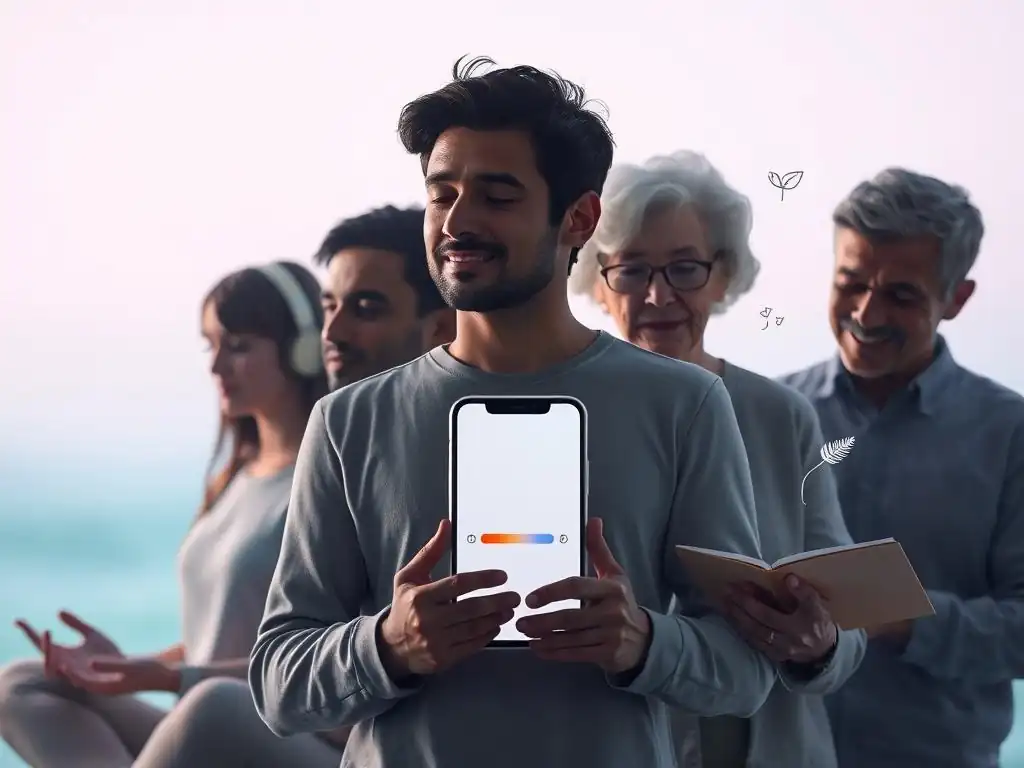
Hearing about how others have successfully used anxiety apps can be inspiring and provide concrete examples of their potential benefits. While individual experiences vary, these real-world examples illustrate how different anxiety app features can address specific challenges and contribute to improved mental well-being.
These stories highlight the practicality and effectiveness of integrating digital tools into personal anxiety management plans, showcasing the value derived from the anxiety app features cost.
Using Calm to Manage General Anxiety
Sarah, a 35-year-old marketing manager, struggled with general anxiety that manifested as constant worry and difficulty relaxing. She started using the Calm app primarily for its guided meditations and found that even 10-15 minutes of daily practice helped quiet her racing thoughts. She also incorporated Calm's "Sleep Stories" into her nightly routine, which significantly improved her ability to fall asleep, a major issue for her anxiety.
Over several months, Sarah noticed a reduction in her overall stress levels and felt better equipped to handle anxious moments at work. She found the annual subscription cost to be a worthwhile investment compared to the peace of mind she gained and the improvement in her sleep quality.
How Woebot Helped Improve Daily Mood
Mark, a 22-year-old college student, used Woebot to help manage his low mood and social anxiety. He found the conversational, AI-driven interface non-intimidating and appreciated the daily check-ins. Woebot guided him through basic CBT exercises, like identifying cognitive distortions related to social situations.
Mark found that regularly interacting with Woebot helped him become more aware of his negative thought patterns and provided simple strategies to challenge them. He noted a gradual improvement in his daily mood and felt slightly more confident in social settings after consistently using the app's free features for a few months.
Insight Timer's Sleep Stories for Insomnia
Emily, a 48-year-old teacher, suffered from insomnia exacerbated by anxiety about the next day's tasks. She discovered Insight Timer's vast collection of free sleep stories and meditations. She began listening to them nightly and found the soothing narratives and voices helped distract her from worrying thoughts and relax her body.
Emily found that the sheer variety and quality of the free content on Insight Timer were sufficient for her needs related to sleep. She didn't feel the need to pay for a subscription, proving that valuable anxiety app features can be accessed without significant cost, and that free resources can be highly effective for specific symptoms like insomnia.
The Future of Anxiety Apps: What to Expect
The field of mental health technology is rapidly evolving, and anxiety apps are at the forefront of this innovation. The future holds exciting possibilities for more personalized, integrated, and potentially more effective digital tools for managing anxiety. Anticipating these developments is part of staying informed in this dynamic space.
Emerging trends include the increasing integration of artificial intelligence, greater personalization of content and interventions, and the blurring lines between app-based support and professional teletherapy services. These advancements promise to make anxiety management even more accessible and tailored to individual needs.
AI-Powered Mental Health Tools
Artificial intelligence is poised to play an even larger role in anxiety apps. Beyond current AI chatbots like Woebot, future AI could offer more sophisticated personalized support. This might include analyzing user input to identify specific thought patterns in real-time, tailoring exercises based on a user's current mood and history, or even predicting periods of high anxiety based on tracked data.
AI could also be used to create dynamically generated content, such as personalized meditations or coping strategies that adapt to a user's progress and evolving needs. This could lead to highly individualized anxiety management plans delivered directly through the app, potentially enhancing effectiveness and engagement.
Personalized Anxiety Management Strategies
The trend towards personalization will likely intensify. Future anxiety apps may leverage data from wearables (like heart rate or sleep patterns), location services (with user permission and privacy controls), and in-app interactions to create highly customized intervention strategies.
This could mean recommending specific breathing exercises based on real-time physiological data indicating rising stress, suggesting particular meditations based on the time of day and location, or tailoring CBT exercises to address the user's most frequent anxiety triggers. This level of personalization aims to make the support offered by the app feel more relevant and impactful for each individual user.
The Integration of Teletherapy and Anxiety Apps
We are already seeing some apps offer integrated access to licensed therapists or coaches via teletherapy. This trend is likely to grow, creating a more seamless pathway between digital self-help tools and professional support.
Future platforms might allow users to transition easily from using app-based exercises to scheduling a video session with a therapist within the same ecosystem. This integration could provide a stepped care model, where users start with app features and can readily access professional help if needed, creating a more comprehensive and connected mental healthcare experience. This integration could also impact the overall anxiety app features cost structure, potentially bundling app access with therapy sessions.
Disclaimer: Anxiety Apps and Professional Help
It is crucial to reiterate that while anxiety apps are valuable tools, they are generally designed to support and complement, not replace, professional mental healthcare. They are most suitable for individuals with mild to moderate anxiety or as an adjunct to therapy for more severe conditions.
Anyone experiencing significant distress, persistent symptoms, or thoughts of self-harm should seek immediate help from a qualified mental health professional. Apps can provide coping strategies and tracking tools, but they cannot offer the diagnostic capabilities, personalized treatment plans, or crisis intervention that a therapist or psychiatrist can provide.
When to Seek Professional Mental Healthcare
Seek professional mental healthcare if:
- Your anxiety is severe and significantly interferes with your daily life, work, or relationships.
- You experience frequent panic attacks that are debilitating.
- You have thoughts of harming yourself or others.
- You are using substances (alcohol, drugs) to cope with anxiety.
- Your anxiety symptoms are worsening despite using self-help strategies or apps.
- You have co-occurring mental health conditions that require professional treatment.
A mental health professional can provide a proper diagnosis, develop a tailored treatment plan, and offer evidence-based therapies like CBT or exposure therapy, which may be more intensive than app-based versions.
Anxiety Apps as a Complementary Tool
View anxiety apps as a complementary tool in your mental wellness journey. They can:
- Provide accessible, on-demand support for practicing coping skills.
- Help build self-awareness through mood tracking and journaling.
- Offer psychoeducation about anxiety and therapeutic techniques.
- Support consistency in practicing mindfulness, meditation, or breathing exercises.
- Fill the gap between therapy sessions.
By understanding the strengths and limitations of anxiety apps and using them wisely alongside other strategies, including professional help when necessary, you can effectively leverage technology to support your mental well-being. Understanding the anxiety app features cost guide can help you choose the best tools for your personal path to recovery and resilience.
Frequently Asked Questions
What are the essential features to look for in an anxiety app?
Look for features like guided meditations, cognitive behavioral therapy (CBT) exercises, and mood tracking to help manage anxiety effectively. These features provide practical tools for self-help and monitoring progress.
How much do anxiety apps typically cost, and what pricing models are common?
Anxiety app costs vary. Some offer free basic versions, while others require subscriptions ranging from a few dollars per month to annual fees. Look for free trials to test features.
Can anxiety apps replace traditional therapy or medication for anxiety management?
Anxiety apps are not a replacement for professional help. They are best used as a supplemental tool alongside therapy or medication, as advised by a healthcare professional.
What data privacy and security measures should I consider when choosing an anxiety app?
Ensure the app has a clear privacy policy and uses encryption to protect your personal data. Be mindful of the information you share and the app's data usage practices.
What are the benefits of using an anxiety app compared to other anxiety management techniques?
Anxiety apps offer convenience and accessibility, allowing you to practice coping skills anytime, anywhere. They provide personalized support and can help you track your progress over time.
The rising prevalence of anxiety disorders, coupled with the increasing accessibility of mental health apps, creates a complex landscape for consumers seeking relief. Finding the right app, balancing cost-effectiveness with crucial features, is a crucial step in managing anxiety effectively, and this guide aims to illuminate that path.
The impact of technology on mental health is undeniable, and the evolution of anxiety apps reflects a growing societal need for accessible and affordable support. This exploration of features and costs highlights not only the financial considerations but also the crucial role these apps play in destigmatizing mental health struggles and empowering individuals to take control of their wellbeing. Technology can be a powerful tool for good, and when used responsibly, it can help us build a more compassionate and supportive world.
This quote underscores the potential of these apps to foster a more open dialogue around anxiety and provide valuable resources to those who might otherwise struggle to access them.
Now, consider your own journey. What features are most important to you in an anxiety app? What is your comfort level with the various pricing models? This guide is not just a list; it's a starting point for a more informed and empowered approach to managing your anxiety. Take the time to research, compare, and choose the app that best fits your needs and budget. Your mental wellbeing is an investment worth making, and finding the right tools can be the key to unlocking a more peaceful and fulfilling life.
Unlock Your Calm: Take Control of Your Anxiety
Thanks for diving into the world of anxiety apps with us! We hope you gained valuable insights into the features and costs that can make a real difference in managing your well-being. Ready to take the next step?
- Find your perfect app match: Use the knowledge you've gained to research and download an app that best suits your needs and budget. Consider comparing your top 3 choices based on the features we discussed.
- Share your experience: Let others know what you discovered! Share this article on social media and start a conversation about anxiety management apps. What features are most important to you?
- Join the Mind Care community: Explore our other articles on stress management and mental wellness techniques — we're here to support your journey.
So, what's the first app feature you're excited to explore? Let's hear your thoughts in the comments below!