
A Clinically Backed Look at Natural Supplements for Anxiety


Welcome to Mind Care Guide, your compassionate companion on the journey to mental well-being.
Are you feeling overwhelmed by anxiety and searching for gentler ways to find relief? It’s okay, you’re not alone. Many are exploring alternative approaches, and we understand the desire for natural solutions. This article delves into a clinically backed look at how natural supplements reduce anxiety symptoms, offering insights and guidance to help you make informed choices. Perhaps this could be the missing piece in your journey to peace. Let's explore the possibilities together...
A Clinically Backed Look at Natural Supplements for Anxiety
- Understanding Anxiety and the Role of Natural Supplements
- Natural Supplements to Reduce Anxiety Symptoms: Evidence-Based Review
- Combining Natural Supplements for Synergistic Anxiety Relief
- Potential Risks and Side Effects of Natural Anxiety Supplements
- Conclusion: Finding the Right Natural Supplements for Anxiety Management
-
Frequently Asked Questions
- How effective are natural supplements compared to traditional anxiety medications?
- What are some of the most commonly recommended natural supplements for reducing anxiety symptoms?
- Are there any potential side effects or interactions to be aware of when taking natural supplements for anxiety?
- How long does it typically take to see results from taking natural supplements for anxiety?
- Should I stop taking my prescribed anxiety medication if I start taking natural supplements?
- Final Reflection: The Evolving Landscape of Natural Anxiety Relief
- Unlock Your Calm: Next Steps to Manage Anxiety Naturally
Understanding Anxiety and the Role of Natural Supplements
What is Anxiety and How Does it Manifest?
Anxiety is a natural human emotion characterized by feelings of worry, nervousness, or unease. While a certain level of anxiety is normal and can even be helpful in certain situations, excessive or persistent anxiety can become a debilitating condition. Clinical anxiety disorders, such as Generalized Anxiety Disorder (GAD), Panic Disorder, Social Anxiety Disorder, and Specific Phobias, affect millions worldwide, significantly impacting daily life, relationships, and overall well-being. These conditions are typically diagnosed based on criteria outlined in the Diagnostic and Statistical Manual of Mental Disorders (DSM-5).
Manifestations of anxiety are diverse and can include psychological, physical, and behavioral symptoms. Psychologically, individuals may experience excessive worry, racing thoughts, difficulty concentrating, and feelings of impending doom. Physical symptoms can range from rapid heart rate, sweating, trembling, and shortness of breath to digestive issues, fatigue, and muscle tension. Behaviorally, anxiety might lead to avoidance of situations that trigger fear, restlessness, irritability, and difficulty sleeping. Understanding these varied symptoms is the first step in seeking effective relief, which for some, might involve exploring how natural supplements reduce anxiety symptoms.
The Appeal of Natural Anxiety Remedies: Why Choose Supplements?
The growing interest in natural approaches to mental wellness stems from several factors. Many individuals seek alternatives or complements to traditional pharmaceutical interventions due to concerns about side effects, dependence, or personal preference for more holistic methods. Natural supplements offer a perceived gentler approach to managing stress and anxiety, often drawing on long histories of traditional use. This appeal is bolstered by increasing research exploring the efficacy of various botanicals, amino acids, and minerals in supporting nervous system health and promoting a sense of calm.
Choosing natural supplements to help reduce anxiety symptoms can be part of a broader wellness strategy. For some, supplements provide a way to address potential nutritional deficiencies or imbalances that might contribute to anxiety symptoms. For others, they serve as a bridge while implementing lifestyle changes or as an adjunct therapy alongside conventional treatments. The idea is often to support the body's natural ability to cope with stress and regulate mood, offering a path toward feeling more balanced and less overwhelmed by anxious feelings.
Addressing the Root Causes: Lifestyle Changes and Supplement Synergies
While natural supplements can play a supportive role, it's crucial to recognize that they are most effective when integrated into a comprehensive approach that addresses the root causes of anxiety. Lifestyle factors significantly influence mental well-being. Chronic stress, poor sleep hygiene, inadequate nutrition, lack of physical activity, and social isolation can all exacerbate anxiety symptoms. Making sustainable changes in these areas forms the foundation for lasting relief.
Combining lifestyle modifications with targeted natural supplements can create powerful synergies. For instance, regular aerobic exercise has been shown to reduce anxiety levels similarly to medication in some studies, potentially by influencing neurotransmitters. Pairing exercise with supplements known to support neurotransmitter balance, like Magnesium or L-Theanine, might amplify the positive effects.
Similarly, improving sleep quality through consistent bedtime routines and supplements like Chamomile or Magnesium Glycinate can directly impact anxiety, as sleep deprivation is a significant anxiety trigger. This integrated strategy, focusing on both foundational health habits and specific nutritional support, often yields the most significant and sustainable improvements in managing anxiety.
Natural Supplements to Reduce Anxiety Symptoms: Evidence-Based Review
L-Theanine: A Calming Amino Acid for Anxiety Relief
L-Theanine is a naturally occurring amino acid found primarily in tea leaves, particularly green tea. It has gained significant attention for its potential to promote relaxation without causing drowsiness. Research suggests that L-Theanine can cross the blood-brain barrier and exert its effects on brain function, making it a popular choice among those looking for natural supplements to help reduce anxiety symptoms and improve focus. Its subtle yet noticeable calming effect distinguishes it from sedatives.
Studies indicate that L-Theanine can influence alpha brain waves, which are associated with a state of relaxed alertness. It may also affect levels of neurotransmitters like GABA (gamma-aminobutyric acid), dopamine, and serotonin, all of which play roles in mood regulation, stress response, and cognitive function. The typical dosage explored in research ranges from 100mg to 400mg per day, often taken in single doses when needed or daily for cumulative effect. Unlike many anxiety medications, L-Theanine is not associated with sedation or addiction, making it a favorable option for daily use.
L-Theanine's Mechanism of Action: How it Works
L-Theanine's primary mechanism of action involves increasing alpha wave activity in the brain. Alpha waves are characteristic of a relaxed, yet alert, mental state, similar to that achieved during meditation. Electroencephalogram (EEG) studies have demonstrated that within 30-45 minutes of consuming L-Theanine, there is a measurable increase in alpha brain waves, particularly in the parietal and occipital regions. This shift in brain wave patterns is thought to contribute to feelings of calm and reduced mental chatter.
Beyond brain waves, L-Theanine also interacts with key neurotransmitter systems. It is believed to increase levels of GABA, the brain's primary inhibitory neurotransmitter, which helps to quiet nerve activity and reduce feelings of excitability and fear. Furthermore, L-Theanine may influence dopamine and serotonin levels, neurotransmitters involved in mood, motivation, and pleasure. By modulating these systems, L-Theanine helps regulate the body's response to stress, potentially making it easier to cope with anxious situations. Research suggests it may also block the binding of glutamic acid to glutamate receptors, reducing excitatory signals in the brain.
Recommended L-Theanine Products: Suntheanine and Teavigo - Dosage and Considerations
When choosing an L-Theanine supplement, quality and purity are paramount. Two highly regarded, patented forms of L-Theanine are Suntheanine and Teavigo. Suntheanine is produced through a fermentation process and is widely recognized for its purity and efficacy, containing over 99% pure L-Theanine. Teavigo is another pure L-Theanine extract derived from green tea leaves. Products featuring these patented ingredients are often preferred by consumers and researchers alike due to their consistent quality and backing by scientific studies.
Typical dosages for anxiety relief range from 100mg to 200mg per dose, taken as needed or up to two or three times daily. Some studies exploring higher doses for specific cognitive benefits have used up to 400mg. It is generally recommended to start with a lower dose, such as 100mg, to assess individual response.
L-Theanine can be taken with or without food. While generally considered safe with few side effects, some individuals might experience mild digestive upset. It's always wise to consider how natural supplements reduce anxiety symptoms might interact with any existing medications or conditions and consult with a healthcare provider.
Case Study: L-Theanine Improves Focus and Reduces Stress in Students During Exams
A compelling area of research for L-Theanine involves its effects on cognitive function and stress reduction in demanding situations. One study, for example, investigated the impact of L-Theanine on university students facing academic stress during exam periods. The trial, which involved students consuming L-Theanine daily, aimed to measure changes in anxiety levels, sleep quality, and cognitive performance compared to a placebo group.
The results indicated that students taking L-Theanine reported significantly lower levels of stress and anxiety compared to the placebo group. Furthermore, cognitive assessments showed improvements in attention and reaction time among the L-Theanine group. While not a clinical case study of an individual, this type of research provides strong evidence that L-Theanine can be a beneficial natural supplement to help reduce anxiety symptoms in stressful environments and simultaneously support cognitive function, making it particularly relevant for students or professionals facing high-pressure tasks.
Magnesium: Essential Mineral for Nervous System Regulation
Magnesium is an essential mineral involved in over 300 enzymatic reactions in the human body, playing critical roles in muscle and nerve function, blood sugar control, blood pressure regulation, and the synthesis of protein, bone, and DNA. Its importance for the nervous system and mental health has been increasingly recognized. Magnesium deficiency is surprisingly common, and research suggests a significant link between low magnesium levels and increased susceptibility to stress and anxiety.
This vital mineral acts as a natural calcium channel blocker and affects the activity of the NMDA receptor, both of which are involved in nerve excitation. By modulating these pathways, magnesium helps to promote relaxation and reduce neuronal excitability, which can contribute to feelings of anxiety and restlessness. Ensuring adequate magnesium intake, either through diet or supplementation, is a fundamental step in supporting overall nervous system health and can be a key component in utilizing natural supplements to reduce anxiety symptoms.
Magnesium Deficiency and Anxiety: The Connection
The connection between magnesium deficiency and anxiety is well-established in scientific literature. Magnesium is crucial for the synthesis of GABA, the brain's primary inhibitory neurotransmitter, which helps to calm the nervous system. Low magnesium levels can impair GABA function, leading to increased neuronal excitability and a heightened state of arousal, characteristic of anxiety. Furthermore, magnesium helps regulate the body's stress response system, including the hypothalamic-pituitary-adrenal (HPA) axis.
Chronic stress can deplete magnesium stores, creating a vicious cycle where stress leads to lower magnesium, which in turn makes the body less resilient to stress and more prone to anxiety. Studies on both animals and humans have shown that magnesium supplementation can reduce anxiety-related behaviors and improve symptoms in individuals with mild to moderate anxiety.
For example, a systematic review of 18 studies published in the journal Nutrients concluded that magnesium supplementation may be beneficial for reducing anxiety, although more high-quality research is needed. This body of evidence supports the idea that addressing potential magnesium deficiency is a practical way natural supplements reduce anxiety symptoms.
Best Forms of Magnesium for Anxiety: Glycinate, Threonate, and Citrate
Not all forms of magnesium are created equal, especially when targeting specific health concerns like anxiety. Bioavailability and absorption rates vary significantly between different magnesium compounds. For anxiety and sleep support, Magnesium Glycinate is often recommended. This form is chelated with glycine, an amino acid known for its calming properties, and is generally well-absorbed and less likely to cause digestive upset compared to other forms like magnesium oxide.
Magnesium L-Threonate is a newer form that has shown promising results in animal studies for its ability to cross the blood-brain barrier effectively and increase magnesium concentrations in the brain. While human research is still emerging, it is being explored for its potential cognitive benefits and impact on neurological conditions, potentially including anxiety. Magnesium Citrate is another popular and widely available form known for its good absorption, though it can have a laxative effect at higher doses. When selecting a magnesium supplement for anxiety, considering these forms based on their absorption profiles and specific benefits is important.
Product Recommendations: Doctor's Best Magnesium Glycinate for Sleep and Anxiety, Life Extension Neuro-Mag Magnesium L-Threonate for Cognitive Benefits
Based on the forms discussed, specific products stand out in the market. Doctor's Best High Absorption Magnesium is a popular choice that uses a patented, chelated form of magnesium glycinate. This product is frequently recommended for individuals seeking magnesium to support relaxation, sleep quality, and reduce feelings of anxiety due to its high bioavailability and gentle effect on the digestive system. Users often report improvements in muscle relaxation and overall calmness.
For those interested in the potential cognitive benefits alongside anxiety reduction, Life Extension Neuro-Mag Magnesium L-Threonate is a notable option. This supplement specifically utilizes Magnesium L-Threonate, aiming to enhance magnesium levels in the brain. While primarily marketed for cognitive health and memory support, its potential impact on brain magnesium levels makes it relevant for individuals whose anxiety is linked to neurological imbalances. Choosing between these or other reputable brands offering these specific magnesium forms allows individuals to target their needs effectively with natural supplements that reduce anxiety symptoms.
Ashwagandha: An Adaptogen for Stress and Anxiety Management
Ashwagandha (Withania somnifera) is an ancient medicinal herb that has been used for centuries in Ayurvedic medicine, primarily for its adaptogenic properties. Adaptogens are a class of natural substances believed to help the body resist stressors of all kinds, whether physical, chemical, or biological. Ashwagandha works by helping the body adapt to stress and maintain homeostasis. Its growing popularity is due to promising research supporting its use as a natural supplement to reduce anxiety symptoms and improve stress resilience.
The primary active compounds in Ashwagandha are called withanolides, which are thought to be responsible for its therapeutic effects. Research suggests that Ashwagandha can help modulate the stress response system, particularly by influencing cortisol levels. Chronic elevation of cortisol, often referred to as the "stress hormone," is linked to various health problems, including anxiety and depression. By helping to regulate cortisol, Ashwagandha supports the body's ability to cope with stress more effectively.
Ashwagandha's Impact on Cortisol Levels: Reducing Stress Hormones
One of the most significant ways Ashwagandha is believed to help reduce anxiety symptoms is through its impact on the HPA axis and subsequent cortisol regulation. The HPA axis is a complex system involving the hypothalamus, pituitary gland, and adrenal glands, which controls the body's response to stress. When stressed, the HPA axis is activated, leading to the release of cortisol from the adrenal glands. While acute cortisol release is a normal and necessary part of the stress response, chronic stress can lead to persistently high cortisol levels, which can negatively impact mood, sleep, immune function, and overall health.
Multiple human studies have investigated Ashwagandha's effect on cortisol. A randomized, double-blind, placebo-controlled study published in the Indian Journal of Psychological Medicine found that participants taking Ashwagandha extract experienced a significant reduction in serum cortisol levels compared to the placebo group. The study also reported significant reductions in scores on stress and anxiety scales. This evidence strongly supports Ashwagandha's role in helping the body manage stress hormones, thereby acting as one of the effective natural supplements that reduce anxiety symptoms.
Types of Ashwagandha Extracts: KSM-66 vs. Sensoril
When selecting an Ashwagandha supplement, you will likely encounter different types of extracts, with KSM-66 and Sensoril being two of the most well-researched and popular options. Both are standardized extracts, meaning they are processed to contain a specific concentration of the active compounds, primarily withanolides, to ensure consistency and potency. However, they differ in their extraction methods and the specific composition of withanolides.
KSM-66 is a full-spectrum extract derived solely from the Ashwagandha root. It is standardized to contain a minimum of 5% total withanolides. The extraction process uses a unique method without alcohol or synthetic solvents, aiming to preserve the natural profile of the root.
Sensoril is a proprietary extract derived from both the root and the leaves of the Ashwagandha plant. It is standardized to contain a minimum of 10% withanolides and also contains other bioactive compounds. Both have clinical studies supporting their efficacy for stress and anxiety reduction, but their slight differences in composition might lead to variations in effects for some individuals.
Recommended Ashwagandha Supplements: Himalaya Herbal Healthcare Ashwagandha for Stress Reduction, NutraChamps Ashwagandha for Mood Enhancement
Several reputable brands offer high-quality Ashwagandha supplements. Himalaya Herbal Healthcare is a well-known brand that provides a range of herbal products, including Ashwagandha. Their Ashwagandha supplement is often favored for its traditional approach and focus on root extract, aligning with Ayurvedic practices. It is commonly used by individuals seeking general stress reduction and adaptogenic support.
NutraChamps Ashwagandha is another popular option that often utilizes standardized extracts like KSM-66 or Sensoril (depending on the specific product version), highlighting the withanolide content. Products like this are frequently chosen by those looking for evidence-backed potency specifically aimed at improving mood and reducing anxiety symptoms as demonstrated in clinical trials. When choosing, consider the type of extract (root vs. root and leaf), the standardization level (percentage of withanolides), and whether a patented extract like KSM-66 or Sensoril is used, as these factors can influence effectiveness.
Clinical Trial Example: Ashwagandha Reduces Anxiety Scores by 44% in a Double-Blind, Placebo-Controlled Study
One notable clinical trial demonstrating the efficacy of Ashwagandha for anxiety was a study published in the Journal of Alternative and Complementary Medicine in 2008. This randomized, double-blind, placebo-controlled study involved 64 individuals with a history of chronic stress. Participants were given either a high-concentration full-spectrum Ashwagandha root extract (300mg twice daily) or a placebo for 60 days.
The results were significant: the group receiving Ashwagandha extract showed a 44% reduction in scores on the Hamilton Anxiety Rating Scale (HARS) compared to a 5.5% reduction in the placebo group. They also reported significant reductions in stress assessment questionnaires and serum cortisol levels. This study provides strong clinical evidence that Ashwagandha can serve as an effective natural supplement to reduce anxiety symptoms and physiological markers of stress in individuals experiencing chronic stress.
Chamomile: A Gentle Herb for Relaxation and Sleep
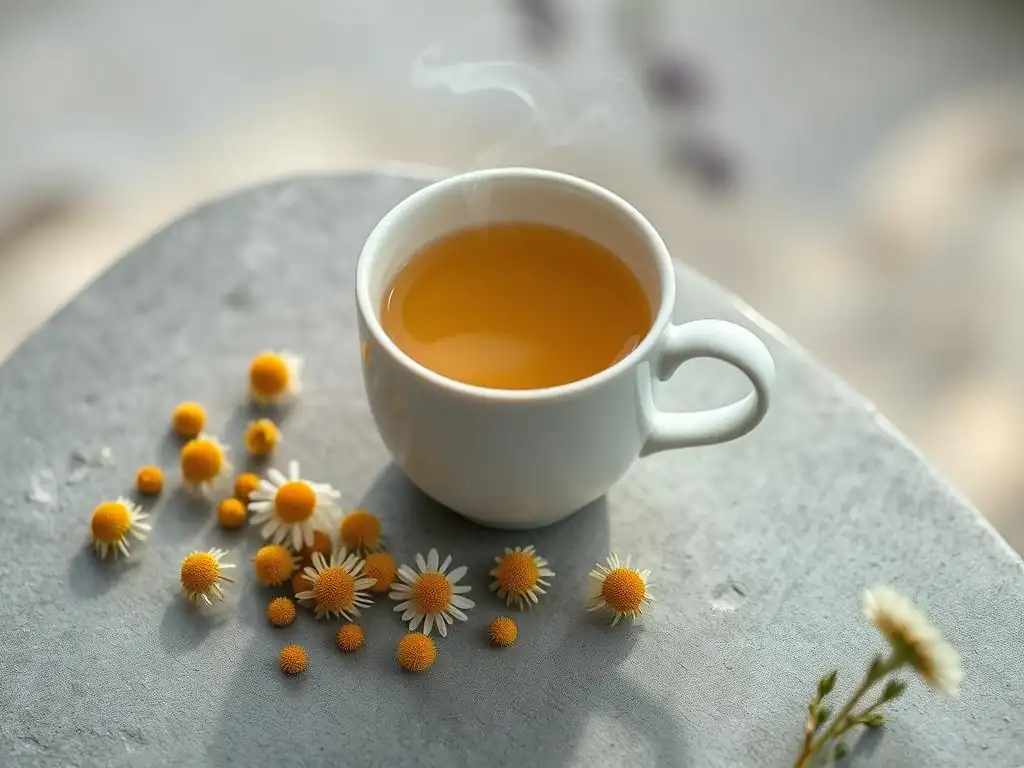
Chamomile is perhaps one of the most widely recognized natural remedies for relaxation and sleep, often consumed as a calming tea. This gentle herb, derived from the flowers of the Matricaria recutita or Chamaemelum nobile plants, has a long history of use in traditional medicine for its mild sedative and anxiolytic properties. Its appeal lies in its accessibility and perceived safety, making it a go-to choice for many seeking mild relief from nervousness and insomnia.
While often enjoyed as a warm beverage before bedtime, research has explored the potential of more concentrated forms of chamomile, such as extracts, for managing anxiety. Studies suggest that certain compounds within chamomile interact with brain receptors involved in anxiety and sleep, offering a natural way to promote calmness. This makes chamomile a valuable addition to the list of natural supplements that reduce anxiety symptoms, particularly when they are accompanied by sleep disturbances.
Chamomile's Active Compounds: Apigenin and its Benefits
The therapeutic effects of chamomile are largely attributed to its active compounds, particularly flavonoids like apigenin. Apigenin is a bioflavonoid found abundantly in chamomile flowers. Research suggests that apigenin may bind to benzodiazepine receptors in the brain, similar to how some anti-anxiety medications work, though with a much milder effect. This interaction is thought to promote relaxation and reduce anxiety without causing significant sedation or dependence.
In addition to apigenin, chamomile contains other beneficial compounds, including bisabolol and chamazulene, which possess anti-inflammatory and antioxidant properties. While these compounds contribute to chamomile's overall health benefits, apigenin is considered the primary constituent responsible for its anxiolytic (anxiety-reducing) effects. Studies have shown that concentrated chamomile extract, standardized for apigenin content, can be more effective than placebo in reducing symptoms in individuals with mild to moderate generalized anxiety disorder (GAD).
Chamomile Tea vs. Chamomile Extract: Which is More Effective?
The method of consumption can influence the effectiveness of chamomile for anxiety relief. Chamomile tea is a popular and soothing option, providing a warm, comforting ritual that can itself be relaxing. While drinking chamomile tea can offer mild benefits, the concentration of active compounds like apigenin can vary significantly depending on the preparation method (e.g., steep time, amount of chamomile used) and the quality of the tea leaves.
For more significant or consistent anxiolytic effects, standardized chamomile extracts are often considered more effective. These extracts are processed to contain a specific, higher concentration of apigenin or other key compounds, ensuring a more reliable dosage. Research studies demonstrating chamomile's effectiveness for anxiety often use these concentrated extract forms. For instance, a study published in Phytomedicine found that chamomile extract significantly reduced GAD symptoms over 8 weeks compared to placebo. While tea offers a pleasant and mildly relaxing experience, extracts may provide a more potent therapeutic dose for those seeking substantial relief from anxiety symptoms using natural supplements.
Product Recommendation: Gaia Herbs Chamomile Liquid Extract for Calming Effects, Traditional Medicinals Organic Chamomile Tea for Relaxation
When choosing chamomile products, both teas and extracts have their place depending on the desired effect. For a potent, therapeutic dose aimed at addressing more pronounced anxiety symptoms, a liquid extract like Gaia Herbs Chamomile Liquid Extract is a good option. Liquid extracts are often concentrated and allow for flexible dosing, providing a more direct delivery of active compounds compared to tea. Gaia Herbs is known for its certified organic herbs and rigorous testing, offering a reliable source for herbal extracts.
For daily relaxation, a soothing ritual, or mild anxiety relief, Traditional Medicinals Organic Chamomile Tea is a widely available and reputable choice. This brand focuses on medicinal-grade herbs and sustainable sourcing. While the dose of active compounds in tea is lower than in extracts, the act of preparing and sipping warm chamomile tea can be inherently calming and contribute to overall stress reduction. Both options exemplify ways natural supplements reduce anxiety symptoms through the power of this ancient herb.
Lavender: Aromatherapy and Oral Supplements for Anxiety
Lavender ( Lavandula angustifolia) is renowned for its calming aroma and therapeutic properties. Historically used in aromatherapy for relaxation and sleep, lavender has also been explored in more concentrated forms, such as essential oil capsules, as a natural supplement to reduce anxiety symptoms. Its pleasant scent and potential therapeutic effects make it a versatile option for managing stress and promoting a sense of peace.
The active compounds in lavender, particularly linalool and linalyl acetate, are thought to interact with neurotransmitter systems and receptors in the brain that influence mood and anxiety. Whether inhaled or taken orally, these compounds appear to exert calming effects on the nervous system. Research into oral lavender supplements, specifically a patented essential oil preparation, has provided compelling evidence for its efficacy in reducing anxiety.
Lavender's Effects on the Nervous System: Calming and Relaxing Properties
Lavender's calming effects are believed to stem from the interaction of its volatile compounds with the nervous system. When inhaled during aromatherapy, molecules from the essential oil travel to the brain's limbic system, which is involved in processing emotions. Linalool, a major component of lavender oil, has been shown to influence GABAergic transmission, similar to benzodiazepines, by enhancing GABA activity. This inhibitory effect helps to reduce neuronal excitability and promote relaxation.
Oral consumption of specially prepared lavender oil capsules also appears to exert systemic effects on the nervous system. Studies suggest that orally administered lavender oil can reduce the activity of the sympathetic nervous system, which is responsible for the "fight or flight" response. By dampening this system and potentially enhancing parasympathetic activity (the "rest and digest" system), lavender helps the body shift into a more relaxed state. This dual action via inhalation and ingestion makes lavender a unique natural supplement that can help reduce anxiety symptoms through different pathways.
Lavender Oil for Aromatherapy: Diffusers and Topical Application
Aromatherapy using lavender essential oil is a popular and accessible way to utilize its calming properties. Diffusing lavender oil in your home or workspace allows you to inhale the volatile compounds, promoting relaxation and reducing stress levels. Placing a few drops on a pillow before sleep can also help ease the mind and encourage rest. It's important to use high-quality, pure lavender essential oil and follow instructions for safe diffusion.
Topical application is another method, though essential oils should typically be diluted with a carrier oil (like coconut or jojoba oil) before applying to the skin to avoid irritation. Massaging diluted lavender oil into the temples, wrists, or neck can provide localized relaxation and allow for inhalation of the scent. While aromatherapy primarily offers a sensory and potentially mild therapeutic experience, it can be a valuable complementary practice alongside other natural supplements that reduce anxiety symptoms.
Oral Lavender Supplements: Silexan Lavender Oil Capsules for Anxiety Reduction
For a more clinically-backed approach to using lavender internally for anxiety, specific oral supplements containing a patented preparation of lavender essential oil, known as Silexan, have been developed and studied. Silexan is a pharmaceutical-grade lavender oil capsule standardized to contain 80mg of Lavandula angustifolia essential oil.
Multiple randomized, placebo-controlled trials have demonstrated the efficacy of Silexan in reducing symptoms of generalized anxiety disorder. For example, studies have shown that taking 80mg of Silexan per day is comparable in effectiveness to low-dose benzodiazepines like lorazepam in reducing anxiety scores, but without the associated risks of sedation, dependence, or withdrawal effects. This specific form of oral lavender provides strong evidence for how targeted natural supplements reduce anxiety symptoms when delivered in a standardized and bioavailable form. It is available under various brand names internationally, often marketed specifically for anxiety relief.
Combining Natural Supplements for Synergistic Anxiety Relief
Often, individuals find that combining certain natural supplements yields greater relief than using a single supplement alone. This concept, known as stacking or creating a supplement regimen, aims to leverage the synergistic effects of different compounds that act on distinct or complementary pathways involved in anxiety. However, combining supplements requires careful consideration and understanding of potential interactions or additive effects.
Creating a personalized stack involves identifying which symptoms are most prominent (e.g., constant worry, physical tension, sleep disturbances) and selecting supplements known to target those specific issues. The goal is to build a regimen where each component contributes to overall anxiety reduction without causing unwanted side effects or diminishing the effectiveness of others. This approach allows for a more tailored strategy using natural supplements to reduce anxiety symptoms.
The Power of Stacking: Combining L-Theanine and Magnesium
A popular and well-tolerated combination for anxiety relief is stacking L-Theanine and Magnesium. These two supplements work through different yet complementary mechanisms to promote calmness. As discussed, L-Theanine increases alpha brain waves and influences neurotransmitters like GABA, promoting a state of relaxed alertness. Magnesium, on the other hand, is essential for numerous physiological processes, including nerve function regulation and stress hormone control, and also supports GABA activity.
Combining L-Theanine and Magnesium can provide a more comprehensive approach to managing anxiety. L-Theanine can help quiet mental chatter and promote immediate relaxation, while Magnesium addresses potential underlying deficiencies and supports overall nervous system resilience against stress. For instance, taking 100-200mg of L-Theanine alongside 200-400mg of Magnesium Glycinate or Citrate (split throughout the day) is a common practice. Many users report that this combination helps reduce both the mental and physical manifestations of anxiety more effectively than either supplement alone.
Ashwagandha and Chamomile: A Relaxing Combination for Sleep and Anxiety
For individuals whose anxiety is closely linked to stress and sleep disturbances, combining Ashwagandha and Chamomile can be particularly beneficial. Ashwagandha, as an adaptogen, helps the body manage the physiological effects of chronic stress by modulating cortisol levels, which can indirectly improve sleep quality by reducing stress-induced wakefulness. Chamomile, with its apigenin content, has mild sedative and anxiolytic effects that can promote relaxation and make falling asleep easier.
Taken together, Ashwagandha can help build resilience to stress over time, potentially reducing the baseline level of anxiety that interferes with sleep, while Chamomile provides more immediate calming effects to facilitate the transition into sleep. For example, taking a dose of Ashwagandha (e.g., 300-500mg of a standardized extract) earlier in the day to manage stress, and then having a cup of strong chamomile tea or a chamomile extract supplement closer to bedtime, can create a synergistic effect for nighttime anxiety and sleep support.
This combination leverages the stress-modulating power of an adaptogen with the gentle sedative properties of a classic herb.
Creating a Personalized Supplement Regimen: Consulting with a Healthcare Professional
Developing an effective and safe personalized supplement regimen for anxiety is not a one-size-fits-all process. Individual responses to supplements can vary based on genetics, lifestyle, diet, the severity and type of anxiety, and underlying health conditions. What works well for one person may not work for another, and the optimal dosages and combinations can differ.
Therefore, it is highly recommended to consult with a qualified healthcare professional, such as a doctor, naturopathic doctor, or registered dietitian, before starting any new supplement regimen, especially when combining multiple supplements. They can help assess your specific needs, potential deficiencies, and consider any interactions with existing medications or health conditions. A professional can guide you in selecting the most appropriate natural supplements to reduce anxiety symptoms for your unique situation and help you monitor their effectiveness and adjust dosages as needed.
Potential Risks and Side Effects of Natural Anxiety Supplements

While natural supplements are often perceived as inherently safe, they are not without potential risks and side effects. Like any active substance, they can interact with medications, cause adverse reactions in certain individuals, or be harmful if taken in excessive doses. It is crucial to approach the use of natural supplements for anxiety with caution and informed awareness.
Side effects from natural anxiety supplements are generally mild but can include digestive upset, headaches, or fatigue, depending on the supplement and dosage. For instance, high doses of Magnesium can cause diarrhea, while some individuals might experience drowsiness with L-Theanine or Chamomile. Understanding these potential issues and knowing how to mitigate them is essential for safe use.
Supplement Interactions: What to Watch Out For
A significant concern when using natural supplements, particularly in combination or alongside medications, is the potential for interactions. Some natural supplements can affect how the body processes prescription or over-the-counter drugs, potentially altering their effectiveness or increasing the risk of side effects.
For example, supplements that have sedative properties, such as Chamomile, L-Theanine, or even high doses of Magnesium, could potentially enhance the effects of sedative medications, including benzodiazepines, antidepressants, or sleep aids, leading to excessive drowsiness or impaired coordination. Ashwagandha, which affects the immune system and thyroid function, could interact with immunosuppressants or thyroid medications.
St. John's Wort, another herb sometimes used for mood, is notorious for interacting with a wide range of medications, including antidepressants, birth control pills, and blood thinners, although it was not featured in this review. Always disclose all supplements you are taking to your healthcare provider and pharmacist to check for potential interactions.
Dosage Considerations: Starting Low and Gradually Increasing
Finding the right dosage for natural supplements is key to maximizing benefits while minimizing the risk of side effects. It is generally recommended to start with the lowest effective dose and gradually increase it as needed, while monitoring your response. Supplement labels provide suggested dosages, but these are often general guidelines, and individual needs may vary.
For supplements like L-Theanine or Magnesium, starting with the lower end of the recommended range (e.g., 100mg L-Theanine, 200mg Magnesium Glycinate) for a few days or a week allows your body to adjust and helps you identify if any side effects occur. If the desired effect is not achieved and the supplement is well-tolerated, the dose can be slowly increased.
For adaptogens like Ashwagandha, consistent daily use at a moderate dose (e.g., 300-500mg of a standardized extract) is often more effective than taking large doses sporadically. Patience is important, as some natural supplements, like Ashwagandha, may take several weeks of consistent use to show their full effects.
When to Consult a Doctor: Pre-existing Conditions and Medications
Consulting a healthcare professional before starting natural supplements is particularly important if you have any pre-existing medical conditions or are taking any medications. Certain supplements may be contraindicated or require dosage adjustments in individuals with specific health issues.
For instance, individuals with thyroid disorders should exercise caution with Ashwagandha, as it can influence thyroid hormone levels. Those with kidney problems may need to be mindful of mineral supplements like Magnesium. Individuals with bleeding disorders or those taking blood thinners should be aware that some herbs can have blood-thinning effects. Furthermore, if you are pregnant, breastfeeding, or planning surgery, it is crucial to discuss supplement use with your doctor. Any time you experience unexpected or severe side effects while taking a supplement, or if your anxiety symptoms worsen or change significantly, seek medical advice immediately.
Conclusion: Finding the Right Natural Supplements for Anxiety Management
Navigating the world of natural supplements for anxiety can feel overwhelming, but with an evidence-based approach, it's possible to identify options that may offer meaningful relief. We've explored several natural supplements reduce anxiety symptoms, including L-Theanine, Magnesium, Ashwagandha, Chamomile, and Lavender, each with unique mechanisms of action and supporting research. These natural remedies offer potential avenues for managing stress, promoting relaxation, and improving overall mental well-being, often with fewer side effects compared to conventional treatments.
Choosing the right supplements involves understanding their properties, considering your specific anxiety symptoms, and integrating them into a holistic plan that includes lifestyle changes. While the evidence for these supplements is promising, it's crucial to prioritize quality, dosage, and potential interactions. Remember that natural does not always mean safe, and professional guidance is invaluable in creating a safe and effective approach. By combining informed choices with professional support, individuals can harness the power of nature to support their journey toward reduced anxiety and enhanced calm.
Key Takeaways: Evidence-Based Recommendations for Anxiety Relief
- L-Theanine: Supports relaxed alertness and reduces mental chatter, often effective at 100-200mg doses. Look for patented forms like Suntheanine or Teavigo.
- Magnesium: Essential for nerve function; deficiency linked to anxiety. Magnesium Glycinate and L-Threonate are preferred forms for absorption and nervous system benefits (200-400mg daily).
- Ashwagandha: An adaptogen that helps regulate cortisol and stress response. Standardized extracts (like KSM-66 or Sensoril, 300-500mg daily) show clinical efficacy for stress and anxiety reduction.
- Chamomile: Offers gentle relaxation and sleep support, primarily through apigenin. Standardized extracts may be more potent than tea for therapeutic effects.
- Lavender: Calming via inhalation (aromatherapy) and oral supplements (Silexan 80mg capsules) which have demonstrated efficacy comparable to some medications for GAD.
Mind Care Guide Resources: Further Support and Information
Finding effective strategies to manage anxiety is a personal journey. Mind Care Guide offers a wealth of resources to support your mental well-being beyond just supplements. Explore our articles on cognitive behavioral therapy (CBT) techniques for anxiety, mindfulness practices, stress management strategies, and the importance of sleep and nutrition for mental health.
We provide information on various anxiety disorders, coping mechanisms, and guidance on when and how to seek professional help from therapists or counselors. Our goal is to empower you with comprehensive knowledge and practical tools to navigate your mental health challenges and build a foundation for lasting peace and resilience.
Disclaimer: Consult a Healthcare Professional Before Starting Any New Supplement Regimen
The information provided in this article is for educational purposes only and should not be considered medical advice. While natural supplements reduce anxiety symptoms for many, they are not a substitute for professional medical evaluation or treatment. Always consult with a qualified healthcare professional, such as a physician, psychiatrist, or registered dietitian, before starting, stopping, or changing any supplement or treatment plan, especially if you have pre-existing health conditions, are taking medications, are pregnant, or breastfeeding. They can provide personalized guidance based on your individual health needs and circumstances.
Frequently Asked Questions
How effective are natural supplements compared to traditional anxiety medications?
Natural supplements can offer mild to moderate anxiety relief for some individuals. However, their effectiveness is often less potent than prescription medications, and research varies significantly. It's important to consult a healthcare professional.
What are some of the most commonly recommended natural supplements for reducing anxiety symptoms?
Some frequently mentioned supplements include L-theanine, Magnesium, Chamomile, and Ashwagandha. These are believed to promote relaxation and mood regulation, potentially helping manage anxiety. Dosage and effectiveness can vary.
Are there any potential side effects or interactions to be aware of when taking natural supplements for anxiety?
Yes, natural supplements can have side effects and interact with medications. Gastrointestinal upset and allergic reactions are possible. It's crucial to discuss any supplements with your doctor to avoid adverse effects.
How long does it typically take to see results from taking natural supplements for anxiety?
The timeline for seeing results can vary. Some individuals may experience changes within a few weeks, while others may require several months of consistent use. Patience and persistence are essential, alongside professional guidance.
Should I stop taking my prescribed anxiety medication if I start taking natural supplements?
Never stop prescribed medication without consulting your doctor. Natural supplements should not be used as a replacement for prescribed treatments, but potentially as a complementary approach under medical supervision.
Final Reflection: The Evolving Landscape of Natural Anxiety Relief
The search for effective and safe anxiety management continues to grow, with natural supplements emerging as a significant area of interest. This demand reflects a growing awareness of the limitations of traditional pharmaceutical approaches and a desire for holistic well-being. The sheer volume of available supplements, however, underscores the critical need for evidence-based information to navigate this complex landscape.
This exploration into clinically-backed natural supplements for anxiety highlights the powerful intersection of ancient remedies and modern science. The journey of understanding how these supplements work, from the biochemical pathways they influence to the individual experiences they shape, is a testament to the body's intricate ability to heal itself. The body is a self-healing organism. It is constantly working to maintain its own equilibrium.
This inherent capacity, when supported by informed choices, offers a path towards managing anxiety in a way that aligns with personal values and health goals.
Consider the information presented within this article as a starting point, not an endpoint. You are empowered to make informed decisions about your health journey. Take the time to research further, consult with healthcare professionals, and listen to your body's unique needs. By combining scientific understanding with mindful self-care, you can cultivate a personalized approach to anxiety management that promotes lasting well-being and a more peaceful life.
Unlock Your Calm: Next Steps to Manage Anxiety Naturally
Thanks for taking the time to explore natural anxiety solutions with us! We hope you found valuable insights into clinically-backed supplements that can support your well-being. Now, let's put that knowledge into action.
- Prioritize your top supplement: Based on what resonated most with you, research a reputable brand and consider adding it to your daily routine. Remember to consult your doctor before starting any new supplement regimen.
- Share your journey: Connect with others facing similar challenges by sharing this article with friends, family, or on social media – let's build a supportive community!
- Dive deeper: Explore Mind Care Guide's library for more resources on holistic approaches to anxiety management – we have a wealth of information on mindfulness techniques, lifestyle adjustments, and more.
Ready to experience the calm you deserve? What's the first step you'll take to prioritize your mental wellness today?