
Qigong and Tai Chi: Ancient Practices for Modern Stress Management

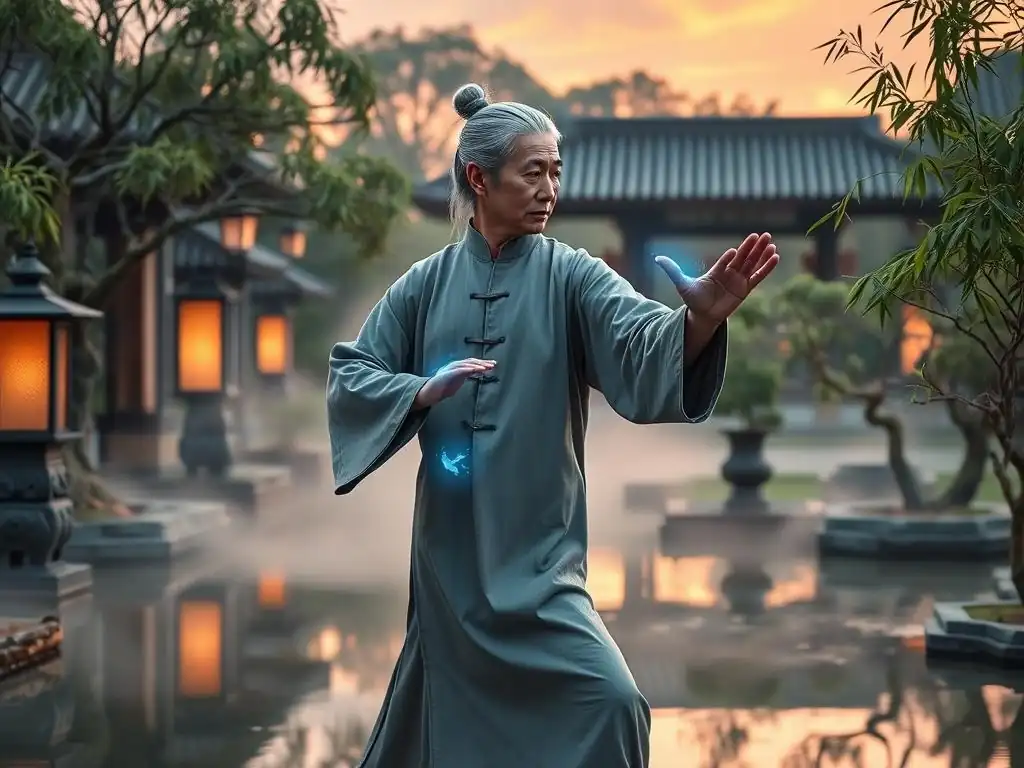
Welcome to Mind Care Guide, your sanctuary for nurturing mental well-being.
Are you feeling overwhelmed by the pressures of modern life? Perhaps the ancient wisdom of Qigong holds the key you've been searching for. This guide delves into powerful Qigong stress management techniques, offering a pathway to inner peace and resilience. Curious to discover how these gentle movements can transform your mental state? Let's begin your journey to a calmer, more centered you.
Qigong and Tai Chi: Ancient Practices for Modern Stress Management
- Introduction: Finding Calm in Chaos with Qigong and Tai Chi
- Understanding Qigong for Stress Relief
- Exploring Tai Chi for Mental Well-being
- Qigong vs. Tai Chi: Key Differences and Similarities
- Benefits of Qigong and Tai Chi for Stress and Mental Health
- Getting Started with Qigong and Tai Chi
- Qigong and Tai Chi: Practical Tools for Managing Daily Stress
- Potential Risks and Considerations
- Conclusion: Embracing Qigong and Tai Chi for Long-Term Stress Management
-
Frequently Asked Questions
- What is Qigong and how can it help with stress management?
- How does Qigong differ from Tai Chi, and which is better for stress relief?
- Are there any specific Qigong techniques that are particularly effective for stress reduction?
- How frequently should I practice Qigong to experience noticeable stress management benefits?
- Where can I learn Qigong stress management techniques, and are there any precautions I should take?
- Final Reflection: Cultivating Inner Peace in a Frantic World
- Unlock Your Inner Calm: Start Your Qigong & Tai Chi Journey Today!
Introduction: Finding Calm in Chaos with Qigong and Tai Chi
The Rising Need for Effective Stress Management Techniques
In today's fast-paced world, stress has become an almost constant companion for many. The demands of work, personal life, and a perpetually connected society contribute to elevated stress levels, impacting both mental and physical health. Chronic stress is linked to numerous health issues, including anxiety disorders, depression, heart problems, and weakened immune function. Finding reliable, accessible, and effective ways to manage this pervasive stress is no longer a luxury but a necessity for maintaining overall well-being. Traditional coping mechanisms often fall short in providing sustained relief, leading many to seek alternative or complementary approaches that address the mind-body connection.
The search for effective stress management techniques has led to a renewed interest in ancient practices that have stood the test of time. People are looking for methods that not only alleviate immediate symptoms but also cultivate long-term resilience. This growing demand highlights the need for practices that are gentle, adaptable, and can be integrated into daily life without requiring specialized equipment or environments. The emphasis is shifting towards holistic methods that empower individuals to take an active role in regulating their stress response and fostering a sense of inner calm amidst external pressures.
Introducing Qigong and Tai Chi: Gentle Paths to Inner Peace
Amidst the clamor for modern solutions, the ancient Chinese practices of Qigong and Tai Chi offer profound pathways to managing stress and cultivating inner peace. Rooted in centuries of tradition, these mind-body disciplines combine gentle movements, focused breathing, and meditative awareness. They are not merely exercises but comprehensive systems designed to harmonize the body's energy (Qi) and promote a state of balance and tranquility. Unlike high-impact workouts, Qigong and Tai Chi are accessible to people of varying ages and physical conditions, making them ideal candidates for broad adoption as stress management tools.
Qigong and Tai Chi provide practical Qigong stress management techniques that work by calming the nervous system, reducing muscle tension, and quieting the overactive mind. Regular practice can lead to significant improvements in mood, reductions in anxiety, and a greater ability to navigate life's challenges with composure. These practices encourage mindfulness, drawing attention away from stressful thoughts and towards the present moment, facilitating a natural relaxation response. By integrating these ancient arts into a modern lifestyle, individuals can build a robust defense against the detrimental effects of chronic stress.
Understanding Qigong for Stress Relief
What is Qigong? A Definition and Overview
Qigong, often translated as "energy cultivation" or "working with life energy," is an ancient Chinese mind-body practice that involves coordinated body posture and movement, breathing techniques, and meditation. Its roots trace back thousands of years, drawing upon principles of traditional Chinese medicine and philosophy. The core idea is to cultivate and balance Qi (vital energy) within the body, which is believed to be essential for health and vitality. Practices vary widely, ranging from static postures to dynamic movements, but all share the common goal of promoting smooth energy flow.
As a comprehensive system for health and well-being, Qigong encompasses various forms, including medical Qigong practiced for healing purposes, martial Qigong for physical conditioning, and spiritual Qigong for mindfulness and meditation. For the purpose of stress management, the focus is typically on forms that emphasize gentle movement, deep breathing, and relaxation. These Qigong stress management techniques are designed to release physical tension, calm the mind, and restore a sense of equilibrium, making them highly effective tools for combating the effects of chronic stress and anxiety.
The Core Principles of Qigong: Breath, Movement, and Meditation
At its heart, Qigong is built upon the harmonious integration of three fundamental elements: breath, movement, and meditation. The breath is slow, deep, and abdominal, often synchronized with gentle, flowing movements. This conscious control of respiration helps to activate the body's relaxation response, shifting the nervous system away from the "fight or flight" state. Proper breathing is considered crucial for circulating Qi and promoting overall balance.
The movements in Qigong are typically soft, fluid, and deliberate, performed with awareness and intention. They are designed to gently stretch and strengthen the body, release blockages, and facilitate the smooth flow of energy through the meridians, as understood in traditional Chinese medicine. Paired with meditative focus, which involves clearing the mind and directing attention inward, these components work synergistically.
The combination of conscious breath, mindful movement, and focused awareness creates a powerful practice that not only addresses physical tension but also calms the mental chatter often associated with stress and anxiety. These principles form the foundation of effective Qigong stress management techniques.
How Qigong Reduces Stress: The Science Behind the Practice
The effectiveness of Qigong stress management techniques is supported by a growing body of research exploring its physiological and psychological impacts. From a physiological perspective, the deep, abdominal breathing characteristic of Qigong stimulates the vagus nerve, which is a key component of the parasympathetic nervous system responsible for the body's rest-and-digest functions. This stimulation helps to lower heart rate, reduce blood pressure, and decrease levels of stress hormones like cortisol. Studies, for instance, have indicated that regular Qigong practice can lead to a noticeable reduction in cortisol levels over several weeks or months of consistent engagement.
Psychologically, Qigong cultivates mindfulness and present-moment awareness. By focusing on the breath and body sensations, practitioners learn to observe their thoughts and emotions without judgment, reducing rumination and worry. The gentle, repetitive movements can also have a calming, meditative effect, distracting the mind from stressors. Research has shown that individuals practicing Qigong often report significant decreases in perceived stress, anxiety, and depression, alongside improvements in mood and overall psychological well-being. For example, a review of multiple studies suggested that Qigong interventions can lead to moderate to large reductions in anxiety symptoms across various populations.
Specific Qigong Exercises for Anxiety and Stress Reduction
Numerous Qigong exercises are specifically beneficial for calming the nervous system and reducing stress. These techniques often focus on gentle movements, deep breathing, and cultivating a sense of groundedness. Integrating these specific Qigong stress management techniques into a daily routine can provide tangible relief from anxiety and tension.
Abdominal Breathing (Dan Tian Breathing)
Abdominal Breathing, or Dan Tian Breathing, is a foundational Qigong technique for stress reduction. It involves breathing deeply into the lower abdomen, allowing the belly to expand on the inhale and contract on the exhale, rather than breathing shallowly into the chest. This type of breathing maximizes oxygen intake, promotes relaxation by stimulating the vagus nerve, and helps to center the mind in the lower energy center (Dan Tian).
Practicing this for just a few minutes can significantly lower heart rate and calm a racing mind during stressful situations. Many practitioners find that starting or ending their day with 5-10 minutes of focused abdominal breathing helps set a calm tone or release accumulated tension.
Eight Brocades Qigong (Ba Duan Jin)
The Eight Brocades (Ba Duan Jin) is one of the most popular and accessible forms of medical Qigong, widely practiced for its health benefits, including stress relief. It consists of eight distinct movements, each designed to target specific organ systems and energy pathways. Movements like "Holding the Heavens with Two Hands" or "Drawing the Bow to Shoot the Eagle" gently stretch the body, improve circulation, and coordinate breath with movement, fostering a state of relaxed awareness.
Regular practice of the Eight Brocades has been shown in various studies to improve sleep quality, reduce fatigue, and decrease symptoms of anxiety and depression, making it a potent set of Qigong stress management techniques. Completing the full set typically takes about 10-20 minutes.
Exploring Tai Chi for Mental Well-being
What is Tai Chi? A Definition and Overview
Tai Chi Chuan, commonly known as Tai Chi, is an internal Chinese martial art practiced for both its defense training and its health benefits. While rooted in martial applications, its modern practice often emphasizes the health aspects, particularly the slow, deliberate movements performed in a fluid, continuous sequence called a "form." Tai Chi is often described as "meditation in motion" because it combines physical movement with mental focus and deep breathing. It is based on the principles of Yin and Yang and the flow of Qi, similar to Qigong, but typically involves more complex sequences of movements.
Practicing Tai Chi involves learning and performing specific forms, which are sequences of postures linked together in a smooth, flowing manner. Different styles exist, such as Yang, Chen, Wu, and Sun, each with its own characteristics, though all share the core principles of relaxed movement, rootedness, and mind-body integration. As a holistic practice, Tai Chi not only improves physical health but also serves as a powerful tool for mental well-being, offering a structured yet gentle approach to managing stress and cultivating a calm, focused mind.
The Core Principles of Tai Chi: Slow, Deliberate Movements
The essence of Tai Chi lies in its slow, deliberate, and continuous movements. These movements are performed with minimal muscular tension, relying instead on rootedness, balance, and the coordinated flow of the entire body. Each transition between postures is smooth and intentional, emphasizing fluidity and grace. This gentle, flowing nature makes Tai Chi accessible and non-strenuous, suitable for people of all ages and fitness levels, including those with physical limitations.
Central to Tai Chi practice is the cultivation of Song (relaxation) and Jing (calmness or stillness). Movements are executed while maintaining a state of relaxed awareness, allowing energy to flow freely. The mind is focused on the movement, the breath, and the internal sensations, promoting mindfulness and reducing mental distractions. This combination of relaxed physical movement and focused mental presence is what makes Tai Chi incredibly effective as a stress-reducing practice. It teaches the body and mind to release tension and find a state of calm equilibrium, embodying practical Qigong stress management techniques within its broader framework.
Tai Chi's Impact on Stress: A Mind-Body Connection
Tai Chi's profound impact on stress is a direct result of its integrated mind-body approach. The slow, rhythmic movements coupled with deep breathing promote a state of physiological relaxation, similar to the effects seen in meditation. This regular engagement of the parasympathetic nervous system helps to counteract the effects of the stress response, leading to lower heart rate, decreased blood pressure, and reduced muscle tension. Research has consistently shown that regular Tai Chi practice can significantly lower levels of stress hormones and improve markers of cardiovascular health.
Beyond the physiological benefits, Tai Chi fosters a deep sense of presence and mindfulness. By requiring focused attention on the body's movements and the breath, it effectively pulls the mind away from anxious thoughts and worries about the past or future. This cultivated awareness in the present moment helps to quiet mental chatter and reduce the feeling of being overwhelmed by stressors. Participants in Tai Chi programs often report improved mood, greater emotional regulation, and a reduced sense of anxiety and depression, highlighting its efficacy as a holistic stress management technique.
Tai Chi Forms for Stress Management: Finding the Right Fit
Various Tai Chi forms exist, each offering a unique path to stress management. While the underlying principles remain consistent, the complexity and duration of forms can vary. Choosing the right form often depends on personal preference, available time, and physical capability.
Yang Style Tai Chi 24 Form
The Yang Style 24 Form, also known as the Simplified 24 Form, is one of the most widely practiced Tai Chi forms globally, specifically designed for health and accessibility. It is derived from the traditional Yang family style but shortened and standardized, making it easier for beginners to learn. The movements are broad, open, and relatively simple compared to longer, more complex forms.
Its focus on smooth transitions, relaxed postures, and coordinating breath makes it an excellent starting point for using Tai Chi as a stress management tool. Practicing the 24 Form typically takes around 6-8 minutes, making it manageable for daily integration. Its popularity means instructors and resources are widely available.
Chen Style Tai Chi 18 Form
The Chen Style 18 Form is a short, introductory form based on the older, more vigorous Chen style. While still incorporating the characteristic spiraling movements and occasional bursts of power (fa jin) of the Chen style, the 18 Form is simplified and focuses more on fundamental principles suitable for health cultivation and stress relief. It retains the dynamic tension and relaxation inherent in Chen style, offering a different feel compared to the smooth uniformity of Yang style.
For those interested in a form that includes slightly more complexity and potential for developing internal strength while still serving as effective stress management, the Chen 18 Form can be a rewarding choice. It typically takes about 5-7 minutes to perform.
Qigong vs. Tai Chi: Key Differences and Similarities
Comparing the Movements and Intensity
While both Qigong and Tai Chi are ancient Chinese mind-body practices involving gentle movement, breath, and meditation, they have distinct differences in their movements and intensity. Qigong is generally considered simpler and more accessible, often focusing on repetitive, static postures or short, flowing movements designed to cultivate specific types of energy or target particular organ systems. The movements are typically easier to learn and require less coordination than Tai Chi forms. Qigong can range from very gentle, almost standing meditation, to more dynamic exercises, but the emphasis is usually on energy cultivation and health maintenance.
Tai Chi, on the other hand, is a martial art at its core, even when practiced for health. It involves longer, more complex sequences of movements (forms) that flow continuously. These forms often incorporate elements of self-defense applications, stances, and transitions that require greater balance, coordination, and stamina than most Qigong exercises. While Tai Chi is performed slowly, it can be physically more demanding than many Qigong practices, engaging larger muscle groups and requiring sustained concentration to remember and execute the sequence correctly. However, both practices emphasize relaxation, conscious breathing, and mindful awareness.
Stress Relief Benefits: Qigong and Tai Chi Side-by-Side
Both Qigong and Tai Chi are highly effective Qigong stress management techniques, offering significant benefits for mental and physical well-being, though they may approach it slightly differently. Qigong's often simpler movements and focus on breath and static postures can make it particularly effective for immediate relaxation and calming the nervous system. Its emphasis on specific energy cultivation exercises can directly target feelings of anxiety and tension. It's sometimes viewed as more foundational for learning how to feel and direct internal energy.
Tai Chi, with its longer, flowing forms, provides a moving meditation that can deeply absorb the mind, pulling it away from stressors through sustained focus on the sequence and movement. The physical engagement, while gentle, can also help release pent-up physical tension associated with stress. Both practices promote mindfulness, improve balance and flexibility, and regulate the nervous system.
Research indicates that both can lower stress hormones, improve mood, and reduce anxiety symptoms. The choice between them often comes down to personal preference, physical condition, and what type of practice resonates most – the focused simplicity of Qigong or the flowing complexity of Tai Chi.
Choosing the Right Practice: Qigong or Tai Chi for Your Needs
Deciding whether Qigong or Tai Chi is the right practice for your stress management needs depends on several factors. If you are looking for something very gentle, easy to learn quickly, and highly focused on breath and energy sensation, Qigong might be a better starting point. It's often recommended for individuals with significant physical limitations or those seeking a less physically demanding entry into mind-body practices. Specific Qigong stress management techniques can be easily learned and applied in short bursts throughout the day.
If you are interested in a more dynamic, flowing practice that also builds balance, coordination, and leg strength, and enjoy the process of learning and mastering a sequence of movements, Tai Chi could be more appealing. While initially requiring more effort to learn the forms, the moving meditation aspect can be deeply calming and rewarding over time.
Many people find that their interest evolves, and they may start with Qigong and later explore Tai Chi, or vice versa. Both offer powerful tools for stress reduction, and the best choice is ultimately the one you feel drawn to and are most likely to practice consistently.
Benefits of Qigong and Tai Chi for Stress and Mental Health
Physical Benefits: Improved Flexibility, Balance, and Circulation
Beyond their primary role as Qigong stress management techniques, both Qigong and Tai Chi offer substantial physical benefits that contribute to overall well-being and resilience against stress. The slow, deliberate movements gently stretch muscles and tendons, improving flexibility and range of motion without putting excessive strain on joints. This can help release physical tension often held in the body due to stress.
Moreover, regular practice significantly enhances balance and coordination. Tai Chi, in particular, is well-known for improving proprioception and reducing the risk of falls, especially in older adults. The weight shifts and controlled movements strengthen stabilizing muscles. Both practices also promote better circulation of blood and lymph throughout the body. The deep breathing and relaxed movements help to open up energy pathways and improve the delivery of oxygen and nutrients to tissues, contributing to physical vitality and reducing fatigue, which can be exacerbated by chronic stress.
Mental Benefits: Reduced Anxiety, Enhanced Focus, and Emotional Regulation
The mental benefits of incorporating Qigong stress management techniques and Tai Chi into one's routine are profound. One of the most widely reported benefits is a significant reduction in anxiety levels. The practices teach the mind to slow down, focus on the present moment, and detach from anxious thought patterns. This cultivated mindfulness helps to interrupt the cycle of worry and rumination that fuels anxiety.
Furthermore, regular practice enhances cognitive function, including improved focus and concentration. By requiring sustained attention to movement and breath, Qigong and Tai Chi train the mind to stay present and less distractible. This can translate into better performance in daily tasks and a greater ability to manage complex situations without feeling overwhelmed. The practices also support emotional regulation, helping individuals develop a greater capacity to observe and process emotions without being consumed by them. This leads to improved mood, increased resilience, and a greater sense of inner peace.
Qigong and Tai Chi for Specific Conditions: Anxiety and Chronic Pain
Qigong stress management techniques and Tai Chi have shown promise in supporting individuals managing specific health conditions, particularly anxiety and chronic pain, which are often intertwined with stress. For anxiety, both practices provide a non-pharmacological approach to calming the nervous system. Studies have shown that regular practice can lead to clinically significant reductions in anxiety symptoms, sometimes comparable to the effects of cognitive behavioral therapy or medication for mild to moderate cases. The gentle, low-impact nature makes them accessible even during periods of heightened anxiety or panic.
For chronic pain conditions, such as fibromyalgia, osteoarthritis, or lower back pain, Qigong and Tai Chi can be highly beneficial. The gentle movements help to maintain mobility, reduce stiffness, and strengthen supporting muscles without exacerbating pain. The practices also address the psychological component of chronic pain, which is often amplified by stress and anxiety.
By reducing stress, improving mood, and fostering a sense of self-efficacy, Qigong and Tai Chi can help individuals cope better with pain and improve their quality of life. Research reviews have indicated that Tai Chi, for example, can lead to significant improvements in pain, stiffness, and physical function in conditions like knee osteoarthritis.
Getting Started with Qigong and Tai Chi
Finding a Qualified Instructor: Ensuring Safe and Effective Practice
While there are many resources available for learning Qigong stress management techniques and Tai Chi, finding a qualified instructor is highly recommended, especially when starting out. A good instructor can provide personalized guidance on proper posture, alignment, and breathwork, which are crucial for maximizing benefits and avoiding potential strain. They can also help you understand the underlying principles and philosophy of the practice, enriching your experience beyond just the physical movements.
Look for instructors with certification from recognized organizations or those with extensive experience and a lineage of training. Ask about their teaching philosophy and ensure it aligns with your goals (e.g., focus on health vs. martial application). Attending an introductory class or observing a session can give you a feel for the instructor's style and whether it's a good fit. While online resources are valuable, the tactile and visual feedback from an in-person teacher is invaluable for building a solid foundation and ensuring safe practice.
Qigong and Tai Chi for Beginners: Tips and Considerations
Starting Qigong stress management techniques or Tai Chi as a beginner is an accessible journey. The most important tip is to be patient and kind to yourself. You don't need to be flexible, strong, or coordinated to begin. The practices meet you where you are. Start with simple movements or a short form. Focus on relaxing your body, breathing deeply, and moving slowly and mindfully. Avoid the urge to rush or perform the movements perfectly from the start. Consistency is more important than perfection.
Consider joining a beginner's class or finding online tutorials specifically designed for novices. Pay close attention to how your body feels and avoid any movements that cause pain. It's okay to modify movements to suit your physical capabilities. Wear comfortable clothing that allows for ease of movement. Find a quiet space where you won't be interrupted. Remember that the goal is to cultivate relaxation and awareness, not to achieve a strenuous workout. Even a few minutes of daily practice can begin to yield benefits.
Integrating Qigong and Tai Chi into Your Daily Routine
Making Qigong stress management techniques or Tai Chi a consistent part of your daily life is key to reaping their long-term benefits. Start small, perhaps with just 10-15 minutes each day. Find a time that works best for you – some prefer the morning to set a calm tone for the day, while others find it helpful in the evening to unwind. Choose a dedicated space, whether it's a corner of a room, a quiet spot in your garden, or even a park.
Consistency is more valuable than duration. Practicing for a short period daily is generally more effective than longer, infrequent sessions. Think of it like brushing your teeth for mental hygiene. You can integrate short Qigong breathing exercises or a brief Tai Chi form into breaks throughout your workday or use them as a transition between activities. The more you practice, the more natural and effortless it becomes, and the deeper the stress-reducing effects will be.
Online Resources for Learning Qigong and Tai Chi at Home
For those unable to attend in-person classes or who prefer to learn at their own pace, numerous online resources offer instruction in Qigong stress management techniques and Tai Chi. Many qualified instructors and schools offer video tutorials, online courses, and live virtual classes. Websites dedicated to Qigong and Tai Chi often feature instructional videos for specific forms and exercises, including beginner-friendly routines like the Eight Brocades or the Yang 24 Form.
When using online resources, look for instructors with clear audio and video, who provide detailed explanations of the movements and principles. Be cautious of overly simplistic or flashy presentations that might lack depth in teaching the core principles of relaxation, rootedness, and breath. While online learning can be convenient, remember the tips for beginners: be patient, modify as needed, and focus on feeling the movement and breath rather than just mimicking the visual. Online platforms can provide a flexible way to explore these practices and find a style or teacher that resonates with you.
Qigong and Tai Chi: Practical Tools for Managing Daily Stress
Using Qigong Breathing Techniques During Stressful Moments
One of the most immediate and accessible Qigong stress management techniques is focused breathing. During moments of acute stress, anxiety, or overwhelm, simply pausing to practice deep, abdominal breathing can significantly shift your physiological state. Find a quiet spot if possible, or simply sit or stand where you are. Close your eyes gently or soften your gaze. Inhale slowly and deeply through your nose, allowing your abdomen to expand like a balloon. Exhale slowly through your mouth or nose, letting your abdomen gently contract.
Repeat this process for 5-10 breaths, focusing solely on the sensation of the breath entering and leaving your body. This simple act activates the parasympathetic nervous system, lowering your heart rate and calming your mind. It provides a mini-retreat from the stressor and helps you regain composure. Regular practice of Qigong breathing exercises, even outside of stressful moments, trains your body to enter a relaxed state more easily when needed.
Incorporating Tai Chi Principles into Everyday Activities
Beyond practicing the full forms, the principles of Tai Chi can be incorporated into everyday activities to foster mindfulness and reduce tension. The core idea is to move with relaxed awareness, rootedness, and fluidity. For example, when walking, try to move with the same relaxed flow and centeredness as you would in a Tai Chi form. Pay attention to the connection between your feet and the ground, and coordinate your steps with your breath.
When standing or sitting, practice maintaining good posture with relaxed shoulders and a sense of being rooted. Even simple actions like reaching for something or lifting an object can be done with Tai Chi principles in mind – move from your center, stay relaxed, and use your body as a coordinated unit rather than relying on isolated muscle strength. By bringing mindful movement and relaxation into daily tasks, you transform ordinary activities into opportunities for stress reduction and cultivate a constant state of calm presence.
Creating a Mindful Practice: Combining Qigong and Tai Chi with Other Stress Reduction Methods
Qigong stress management techniques and Tai Chi can be powerful on their own, but their benefits are often amplified when combined with other mindfulness and stress reduction methods. Consider integrating short Qigong breathing exercises before meditation or incorporating Tai Chi movements as a way to transition into or out of a seated mindfulness practice. The physical relaxation and mental focus cultivated in these practices can make seated meditation feel more accessible and grounded.
You can also combine Qigong or Tai Chi with journaling, yoga, or spending time in nature. For instance, practicing a Qigong form outdoors can deepen the connection to the environment and enhance the feeling of energy flow. Using a Qigong breathing technique before a challenging conversation or a Tai Chi principle of rootedness before a presentation can help you feel more centered and calm. Creating a personalized blend of these practices can build a comprehensive and resilient approach to managing daily stress and fostering overall well-being.
Potential Risks and Considerations
Physical Limitations and Modifications
While Qigong stress management techniques and Tai Chi are generally safe and low-impact, it's important to be mindful of any existing physical limitations or health conditions. Individuals with severe balance issues, joint problems, or other physical constraints should approach these practices with caution and ideally seek guidance from a qualified instructor experienced in working with diverse populations. Movements can almost always be modified to accommodate individual needs.
For example, standing forms can often be adapted to be performed seated. Movements that require significant balance can be done near a wall or chair for support. It's crucial to listen to your body and avoid pushing through pain. The goal is relaxed movement, not strain. Discuss any concerns with your instructor, who can provide appropriate modifications to ensure the practice is safe and beneficial for you.
Consulting with a Healthcare Professional
Before starting any new exercise program, including Qigong stress management techniques or Tai Chi, it is advisable to consult with your healthcare professional, especially if you have any underlying health conditions, injuries, or are pregnant. They can provide personalized advice based on your specific health status and help determine if these practices are appropriate for you.
While Qigong and Tai Chi are complementary practices with significant health benefits, they should not be considered a substitute for conventional medical treatment for any health condition, including anxiety disorders or chronic pain. They can be a valuable addition to your overall health management plan, but medical conditions should be managed under the care of a qualified healthcare provider.
Avoiding Overexertion and Practicing Safely
Although Qigong and Tai Chi are gentle, it is still possible to overexert yourself, particularly if you are new to physical activity or not listening to your body. The principle of relaxation (Song) is key; movements should be performed with minimal tension. Avoid forcing stretches or pushing your joints beyond a comfortable range of motion. Focus on smooth, continuous movement rather than speed or force.
Pay attention to your breath; it should remain calm and deep throughout the practice. If you find yourself holding your breath or feeling strained, you may be pushing too hard. Ensure you have adequate space to move freely without bumping into objects. If practicing outdoors, choose a safe, even surface. By practicing mindfully and respecting your body's limits, you can ensure that your Qigong stress management techniques and Tai Chi practice remain safe, enjoyable, and truly beneficial for stress reduction.
Conclusion: Embracing Qigong and Tai Chi for Long-Term Stress Management
The Enduring Power of Ancient Practices in Modern Life
In a world increasingly defined by speed and complexity, the ancient practices of Qigong and Tai Chi offer a powerful antidote to modern stress. Their enduring relevance lies in their fundamental understanding of the mind-body connection and their ability to cultivate calm, resilience, and balance from within. These practices, honed over centuries, provide practical, accessible, and effective Qigong stress management techniques that address stress at its root, rather than just masking its symptoms.
By integrating gentle movement, conscious breath, and meditative awareness, Qigong and Tai Chi help individuals navigate the challenges of contemporary life with greater ease and presence. They are not quick fixes but pathways to cultivating a deeper relationship with oneself and developing a sustainable capacity for managing stress over the long term. Their low-impact nature and adaptability make them suitable for people of all ages and backgrounds, ensuring their continued value in promoting mental and physical well-being in the modern era.
Continuing Your Journey with Qigong and Tai Chi
Embarking on the path of Qigong stress management techniques or Tai Chi is a journey of continuous learning and discovery. Consistency is key to unlocking the deeper benefits of these practices. As you continue to practice, you will likely notice improvements not only in your ability to manage stress and anxiety but also in your physical health, mental clarity, and emotional balance.
Consider exploring different forms or aspects of the practices as you gain experience. You might delve deeper into specific Qigong exercises for particular health concerns or explore longer, more complex Tai Chi forms. Connect with other practitioners or join a community to share experiences and insights. The journey with Qigong and Tai Chi is a lifelong one, offering endless opportunities for growth, self-cultivation, and finding profound peace amidst the demands of modern life.
Frequently Asked Questions
What is Qigong and how can it help with stress management?
Qigong is an ancient Chinese practice involving coordinated body posture, breathing, and meditation. It can help manage stress by promoting relaxation, reducing anxiety, and improving overall mental well-being.
How does Qigong differ from Tai Chi, and which is better for stress relief?
While both are related, Qigong focuses more on individual movements and breathing exercises, while Tai Chi involves a series of flowing movements. Both are effective for stress relief; the best choice depends on personal preference.
Are there any specific Qigong techniques that are particularly effective for stress reduction?
Yes, techniques like the "Eight Brocades" and "Five Animal Frolics" are known for their stress-reducing benefits. These involve specific postures and movements designed to calm the mind and regulate energy flow.
How frequently should I practice Qigong to experience noticeable stress management benefits?
Consistency is key. Aim for at least 15-30 minutes of Qigong practice 3-5 times per week to experience significant improvements in stress levels and overall well-being.
Where can I learn Qigong stress management techniques, and are there any precautions I should take?
You can learn Qigong through qualified instructors, online courses, or workshops. Always consult with your doctor before starting any new exercise program, especially if you have pre-existing health conditions.
Final Reflection: Cultivating Inner Peace in a Frantic World
The ancient practices of Qigong and Tai Chi offer a powerful antidote to the pervasive stress of modern life. Their ability to calm the mind, strengthen the body, and cultivate a sense of inner peace remains remarkably relevant in our increasingly demanding world. We are constantly bombarded with information, deadlines, and expectations, leaving many feeling overwhelmed and depleted. These gentle yet profound practices provide a much-needed pathway to resilience and well-being.
The enduring influence of Qigong and Tai Chi on our cultural landscape is undeniable. While originating centuries ago, their principles of mindful movement, breathwork, and energy cultivation resonate deeply with contemporary needs. These practices are no longer confined to secluded monasteries or specialized studios; they are increasingly integrated into mainstream wellness programs, corporate stress-reduction initiatives, and even healthcare settings. The body benefits from movement, and the mind benefits from stillness.
This simple yet profound statement encapsulates the core essence of these practices and their enduring appeal. Their ability to bridge the gap between physical and mental well-being is what makes them so uniquely powerful in today's context.
Now, consider how you can integrate these timeless techniques into your own life. Perhaps start with a few minutes of gentle Qigong breathing exercises each morning, or dedicate a short period each evening to a Tai Chi flow. Don't feel pressured to master complex forms immediately; the simple act of slowing down, focusing on your breath, and connecting with your body is a powerful step towards stress reduction. Embrace the journey, and discover the transformative power of these ancient practices for yourself. Your mind and body will thank you.
Unlock Your Inner Calm: Start Your Qigong & Tai Chi Journey Today!
Thanks for taking the time to explore the powerful benefits of Qigong and Tai Chi for stress management! You’ve learned about ancient practices that can transform your well-being. Now it’s time to put that knowledge into action. Ready to feel the difference?
- Begin your practice today: Start with a short, guided Qigong session online (many free resources are available!). Even 10 minutes can make a world of difference. This is your primary action step.
- Share your experience: Tell a friend or family member about your journey with Qigong and Tai Chi. Inspire others to find their inner peace!
- Explore local classes: Look for a local Qigong or Tai Chi instructor to discover a supportive community and deepen your practice. It’s an amazing way to learn, connect, and build new healthy habits.
What small step will you take this week to incorporate these calming practices into your daily life?