
The Ancient Practice, Modern Solution: Aromatherapy Diffusers for Today's Anxiety

Welcome to Mind Care Guide, a safe space dedicated to nurturing your mental well-being.
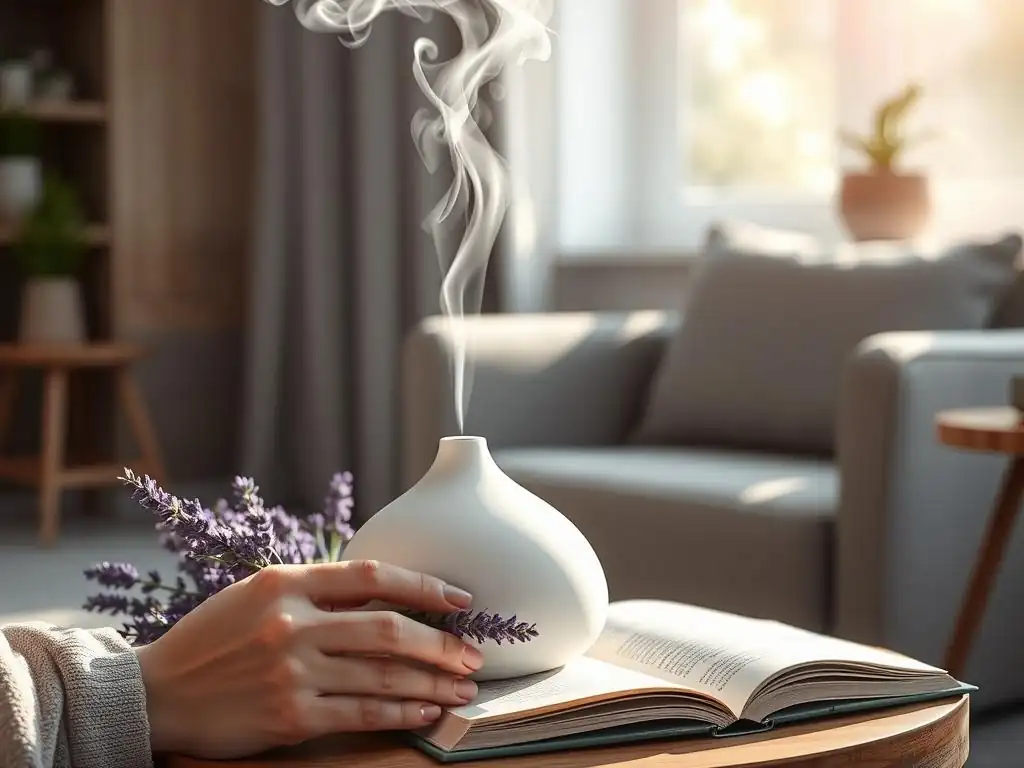
Feeling overwhelmed by anxiety? You're not alone. Discover the calming power of nature with our guide to aromatherapy anxiety relief techniques. Explore how simple scents can make a profound difference, and unlock a path to tranquility within the chaos of modern life. Let's embark on this journey of self-care together.
The Ancient Practice, Modern Solution: Aromatherapy Diffusers for Today's Anxiety
- Understanding Anxiety and the Search for Natural Remedies
- Aromatherapy Anxiety Relief Techniques: Unlocking the Power of Scent
-
Choosing the Right Aromatherapy Diffuser for Your Needs: A Buyer's Guide
- Types of Aromatherapy Diffusers: Ultrasonic, Nebulizing, and Evaporative Diffusers
- Ultrasonic Diffusers: Quiet Humidification and Essential Oil Dispersion
- Nebulizing Diffusers: Pure Essential Oil Diffusion for Maximum Therapeutic Benefit
- Evaporative Diffusers: Simple and Affordable Options (Limited Therapeutic Benefits)
-
Integrating Aromatherapy into Your Daily Routine for Anxiety Management
- Creating a Calming Environment: Diffuser Placement and Essential Oil Blends
- Morning Aromatherapy Rituals: Energizing and Grounding Scents for a Stress-Free Day
- Evening Aromatherapy Rituals: Promoting Relaxation and Sleep with Calming Blends
- Aromatherapy on the Go: Personal Inhalers and Car Diffusers for Anxiety Relief Anytime, Anywhere
- Real-Life Success Stories: Aromatherapy Anxiety Relief in Action
- Safety Considerations and Potential Side Effects of Aromatherapy
- Maximizing Anxiety Relief: Combining Aromatherapy with Other Self-Care Practices
- Where to Buy High-Quality Aromatherapy Diffusers and Essential Oils
- Conclusion: Embrace the Power of Aromatherapy for a Calmer, More Balanced Life.
-
Frequently Asked Questions
- What is aromatherapy and how can it help with anxiety?
- Which essential oils are most effective for aromatherapy anxiety relief?
- How do aromatherapy diffusers work, and what are the different types?
- Are there any potential side effects or precautions to consider when using aromatherapy for anxiety?
- Besides diffusers, what other aromatherapy techniques can be used for anxiety relief?
- Final Reflection: Breathing Easy in a Frantic World
- Unlock Your Inner Calm: Start Diffusing Today!
Understanding Anxiety and the Search for Natural Remedies
The Rising Tide of Anxiety in Modern Life: A Need for Effective Solutions
In today's fast-paced world, anxiety has become an increasingly prevalent challenge, affecting millions globally. Data from the World Health Organization (WHO) suggests that anxiety disorders are among the most common mental health conditions worldwide, impacting an estimated 284 million people in 2017 alone. This significant number underscores the urgent need for accessible and effective strategies to manage anxious feelings and promote mental well-being. Factors such as constant digital connectivity, economic pressures, social isolation, and global uncertainties contribute to this escalating trend, making the search for practical anxiety relief techniques more critical than ever.
The impact of anxiety extends beyond emotional distress; it can manifest physically, affecting sleep patterns, concentration, and overall quality of life. Chronic anxiety can contribute to or exacerbate other health issues, creating a cycle that is difficult to break without intervention. As individuals seek ways to navigate this complex landscape, there is a growing interest in natural and complementary approaches that can be integrated into daily life to provide consistent support and improve coping mechanisms.
Exploring Natural Anxiety Treatments: A Holistic Approach to Mental Well-being
Amidst the search for solutions, many are turning towards natural anxiety treatments that address mental well-being from a holistic perspective. This approach acknowledges the interconnectedness of mind, body, and spirit, recognizing that true healing often involves supporting multiple facets of health. Practices like mindfulness meditation, regular physical exercise (even moderate activity like a 30-minute daily walk has shown benefits), balanced nutrition, and ensuring adequate sleep (aiming for 7-9 hours per night for most adults) are foundational pillars of a holistic strategy.
Beyond these core practices, incorporating natural remedies such as herbal supplements (like chamomile or valerian root, used cautiously and preferably under guidance), stress-reducing activities like journaling or spending time in nature, and engaging in creative pursuits can significantly contribute to lowering anxiety levels. The appeal of these methods lies in their potential for fewer side effects compared to some conventional treatments, and their ability to empower individuals to take an active role in managing their own well-being. Exploring various natural anxiety relief techniques allows individuals to build a personalized toolkit tailored to their unique needs and preferences.
How Aromatherapy Offers a Complementary Path to Calm
Aromatherapy, the use of aromatic plant extracts (essential oils) for therapeutic purposes, stands out as a compelling complementary path for seeking calm and managing anxiety. With roots tracing back thousands of years to ancient civilizations like Egypt and China, this practice leverages the power of scent to influence mood and emotional states. Unlike ingestible remedies, aromatherapy primarily works through inhalation or topical application (when properly diluted), offering a non-invasive way to engage the body's natural responses.
Integrating aromatherapy into a daily routine provides a consistent source of sensory support, helping to signal relaxation to the nervous system. Whether through diffusing essential oils in a living space, using a personal inhaler, or adding diluted oils to a bath, the simple act of inhaling specific aromas can help shift focus away from anxious thoughts and promote a sense of peace. This ancient practice, facilitated by modern tools like aromatherapy diffusers, offers a gentle yet effective method for enhancing other anxiety relief techniques and fostering a more balanced emotional state.
Aromatherapy Anxiety Relief Techniques: Unlocking the Power of Scent
What is Aromatherapy and How Does it Work for Anxiety Reduction?
Aromatherapy is a holistic healing treatment that uses natural plant extracts to promote health and well-being. Sometimes called essential oil therapy, aromatherapy utilizes aromatic essential oils medicinally to improve the health of the body, mind, and spirit. It enhances both physical and emotional health.
For anxiety reduction, aromatherapy primarily functions through the sense of smell, which is directly linked to the brain's emotional control centers. When essential oil molecules are inhaled, they travel through the nasal cavity to the olfactory bulbs, which are part of the limbic system – a complex set of brain structures including the amygdala and hippocampus, heavily involved in processing emotions, memory, and stress responses.
Beyond inhalation, essential oils can also be absorbed through the skin when diluted in a carrier oil, entering the bloodstream. However, for anxiety relief, the olfactory pathway is considered particularly potent due to its direct connection to the limbic system. By stimulating these brain areas, certain aromas can influence neurotransmitter release, potentially affecting levels of chemicals like serotonin and dopamine, which play roles in mood regulation. This interaction is how specific scents can help calm the nervous system, reduce feelings of stress, and promote relaxation, forming the basis of many effective aromatherapy anxiety relief techniques.
The Science Behind Scent and Emotion: The Limbic System Connection
The profound connection between scent and emotion is rooted in the unique anatomy of our olfactory system. Unlike other senses, the sense of smell has a direct pathway to the limbic system, bypassing the usual relay station in the brain (the thalamus) that processes other sensory information like sight or sound.
This direct link explains why a particular smell can instantly trigger a vivid memory or a strong emotional response, often before we even consciously identify the source of the scent. The amygdala, a key part of the limbic system, is particularly sensitive to olfactory input and is central to processing emotions, especially fear and anxiety.
When essential oil molecules reach the olfactory receptors, they send signals directly to the amygdala and hippocampus. These signals can influence the activity of these brain regions, impacting emotional states, memory formation, and even physiological responses like heart rate and breathing. For instance, studies using fMRI scans have shown how specific scents can activate or calm areas within the limbic system. This scientific understanding supports the use of aromatherapy as a tool to directly influence the emotional brain, providing a neurological basis for its effectiveness in various aromatherapy anxiety relief techniques.
Key Essential Oils for Anxiety Relief: Lavender, Roman Chamomile, and Bergamot
Several essential oils are particularly renowned for their calming and anxiety-reducing properties, making them staples in aromatherapy for mental well-being. Lavender (Lavandula angustifolia) is perhaps the most widely studied and used essential oil for anxiety. Research, including clinical trials, has indicated that inhaling lavender oil can have a significant anxiolytic (anxiety-reducing) effect, comparable in some cases to low-dose benzodiazepines for generalized anxiety disorder, though it's important to note this is a complementary approach, not a replacement for medical treatment. Its primary components, linalool and linalyl acetate, are believed to interact with neurotransmitter systems, promoting relaxation and improving sleep quality.
Roman Chamomile (Chamaemelum nobile) is another gentle yet powerful oil often recommended for its calming properties, particularly for easing tension, irritability, and overthinking associated with anxiety. Its aroma is sweet and apple-like, and it's known for its ability to soothe the nervous system. Bergamot (Citrus bergamia), a citrus oil, is unique in its ability to be both uplifting and calming.
Studies have shown that inhaling bergamot can lower cortisol levels (the stress hormone) and reduce feelings of stress and fatigue. These three oils represent just a few of the many potent options available for creating personalized aromatherapy anxiety relief techniques.
Choosing the Right Aromatherapy Diffuser for Your Needs: A Buyer's Guide
Types of Aromatherapy Diffusers: Ultrasonic, Nebulizing, and Evaporative Diffusers
When exploring aromatherapy anxiety relief techniques, selecting the right diffuser is crucial for effectively dispersing essential oils into your environment. There are several main types of aromatherapy diffusers available, each utilizing a different method to release scent and offering distinct advantages and disadvantages. The most common types are ultrasonic, nebulizing, and evaporative diffusers. Each type varies in its method of diffusion, coverage area, intensity of aroma, and whether it adds humidity to the air.
Understanding how each type works is key to choosing the best fit for your specific needs and goals for anxiety relief. For instance, some diffusers are better suited for large spaces, while others are ideal for personal use or specific therapeutic intensity. Your choice will depend on factors like the desired strength of the aroma, the size of the room, the importance of humidification, ease of cleaning, and budget. Evaluating these factors will help you select a diffuser that maximizes the benefits of your chosen essential oils for managing anxiety.
Ultrasonic Diffusers: Quiet Humidification and Essential Oil Dispersion
Ultrasonic diffusers are among the most popular types today, known for their quiet operation and ability to disperse essential oils along with a cool mist. They work by using electronic frequencies to create vibrations in water, which then vaporizes the water and essential oil mixture into the air as a fine mist. This process adds a small amount of humidity to the air, which can be beneficial in dry environments, especially during winter months or in arid climates.
Features to Look for in an Ultrasonic Diffuser: Timer Settings, Light Options, and Water Capacity
When selecting an ultrasonic diffuser for aromatherapy anxiety relief techniques, look for models with features that enhance usability and effectiveness. Timer settings (e.g., 1-hour, 3-hour, intermittent modes) are highly useful as they allow you to control the duration of diffusion and prevent the unit from running continuously, conserving oil and water. Many ultrasonic diffusers also include optional LED lights, often offering a range of colors or a soothing cycle; while not directly related to aromatherapy's therapeutic effect, ambient lighting can contribute to creating a relaxing atmosphere, supporting overall calm.
Water capacity dictates how long the diffuser can run before needing a refill. Smaller diffusers might hold around 100ml, running for 3-4 hours, while larger units can hold 300-500ml or more, providing 8-10+ hours of continuous or intermittent diffusion, ideal for overnight use or larger spaces. Consider the size of the room where you plan to use the diffuser and how long you want each diffusion session to last when evaluating water capacity.
Pros and Cons of Ultrasonic Diffusers for Anxiety Relief
Ultrasonic diffusers offer several advantages for those seeking aromatherapy anxiety relief techniques. Their quiet operation makes them suitable for use in bedrooms or during meditation without causing distraction. The cool mist adds beneficial humidity, and they are generally easy to use and maintain. They also tend to be more affordable than nebulizing diffusers. However, they require water, which dilutes the essential oil concentration in the mist compared to waterless methods. This means the therapeutic intensity might be slightly less potent than with a nebulizing diffuser.
Another consideration is that some people find the added humidity undesirable in already humid climates. Regular cleaning is essential to prevent mold or bacteria growth in the water reservoir. Despite these minor drawbacks, the balance of affordability, ease of use, and effective dispersion of scent makes ultrasonic diffusers a widely favored choice for general aromatherapy and creating a calming environment to help manage anxiety.
Nebulizing Diffusers: Pure Essential Oil Diffusion for Maximum Therapeutic Benefit
Nebulizing diffusers are often considered the most therapeutically effective type of diffuser because they use air pressure to atomize pure essential oil directly into the air as micro-particles, without the use of water or heat. This results in a highly concentrated diffusion of the oil's aroma and therapeutic compounds, allowing for maximum impact on the olfactory system and potentially a stronger effect on the limbic system for anxiety relief. They are typically made of glass and wood or plastic bases.
Features to Look for in a Nebulizing Diffuser: Adjustable Output and Intermittent Settings
When choosing a nebulizing diffuser for potent aromatherapy anxiety relief techniques, look for features that allow you to control the intensity and duration of diffusion. An adjustable output knob or setting is highly valuable, enabling you to increase or decrease the amount of oil being diffused based on the size of the room or your desired therapeutic effect. This prevents overwhelming the space with too much aroma and conserves the often more expensive pure essential oils.
Intermittent settings are also crucial for nebulizing diffusers. Because they diffuse pure oil intensely, running them continuously can quickly use up essential oil and saturate the air. Settings like 10 minutes on/20 minutes off are common and effective, providing bursts of concentrated aroma without waste. Some advanced models offer programmable cycles, allowing for even greater customization of your aromatherapy sessions for anxiety management.
Pros and Cons of Nebulizing Diffusers for Anxiety Relief
The primary advantage of nebulizing diffusers for aromatherapy anxiety relief techniques is the intensity and purity of the diffusion. They deliver a highly concentrated scent, which can be particularly effective for therapeutic purposes and in larger spaces (up to 800 sq ft or more depending on the model). They are waterless, eliminating concerns about mold and requiring less frequent refilling (though they use oil faster). They also operate without heat, preserving the integrity of the essential oils.
However, nebulizing diffusers are generally more expensive than ultrasonic or evaporative types. They can also be noisier due to the air pump mechanism, although newer models are becoming quieter. Cleaning can be more challenging, requiring isopropyl alcohol to dissolve oil residue. Furthermore, because they use pure oil, they consume essential oils more quickly, which can be a higher ongoing cost. Despite these drawbacks, for those prioritizing maximum therapeutic effect and intensity for their aromatherapy anxiety relief techniques, a nebulizing diffuser is often the preferred choice.
Evaporative Diffusers: Simple and Affordable Options (Limited Therapeutic Benefits)
Evaporative diffusers are the simplest and most affordable type of diffuser. They work by blowing air through a filter or pad that has been soaked with essential oil. As the air passes through the filter, the essential oil evaporates and its aroma is dispersed into the air. These diffusers come in various forms, from simple fan-based units to passive diffusers like reed diffusers or clay pendants.
Why Evaporative Diffusers May Not Be Ideal for Anxiety Relief: Essential Oil Degradation and Limited Diffusion
While easy to use and inexpensive, evaporative diffusers are generally not considered the most effective method for therapeutic aromatherapy anxiety relief techniques, especially compared to ultrasonic or nebulizing types. The forced air method causes the lighter, more volatile components of the essential oil to evaporate first, leaving the heavier components behind on the pad. This alters the oil's chemical composition over time and can diminish its therapeutic properties.
Furthermore, the diffusion is often less consistent and covers a smaller area compared to other diffusers. The intensity of the aroma fades quickly as the lighter molecules evaporate. For simply adding a pleasant scent to a small area, an evaporative diffuser might suffice, but for leveraging the full therapeutic potential of essential oils to actively manage anxiety, a method that preserves the oil's integrity and disperses it more effectively is generally recommended.
Integrating Aromatherapy into Your Daily Routine for Anxiety Management
Creating a Calming Environment: Diffuser Placement and Essential Oil Blends
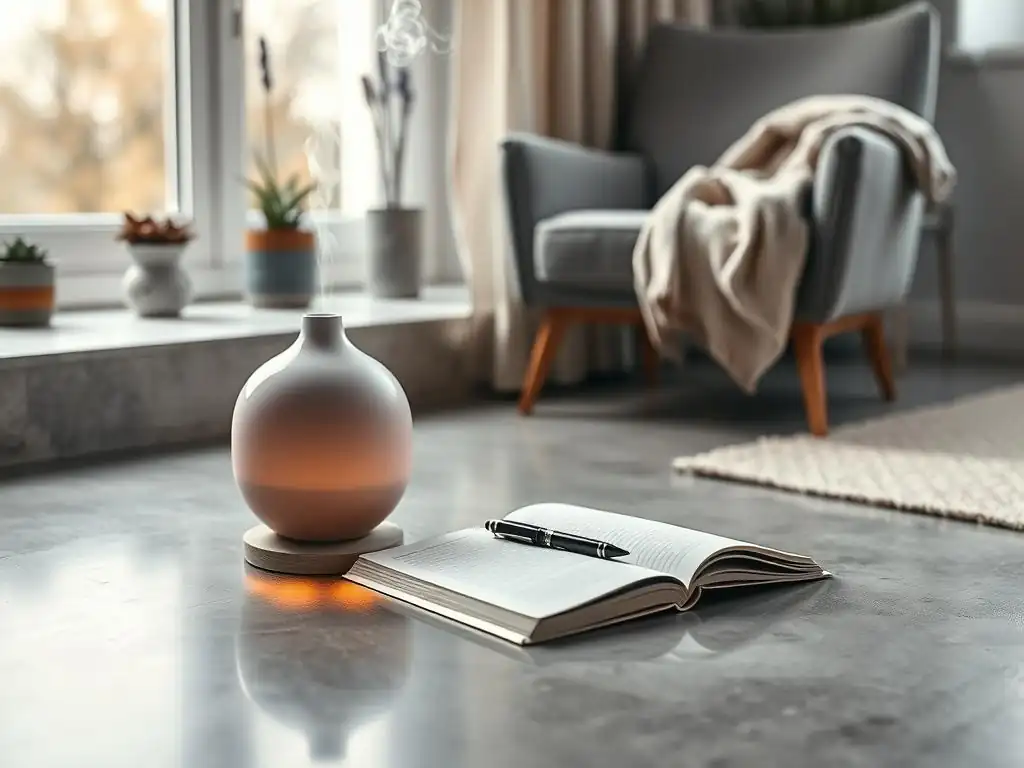
Integrating aromatherapy into your daily life is a powerful strategy for consistent anxiety management. A key aspect is creating a calming environment through thoughtful diffuser placement and the use of specific essential oil blends. Position your diffuser in areas where you spend significant time and where stress tends to build, such as your living room, office, or bedroom. Placing it near where you sit or sleep allows you to easily inhale the beneficial aromas. Consider using multiple diffusers for different rooms or purposes throughout your home.
The essential oils or blends you choose are equally important. For general calming, a blend of lavender, bergamot, and frankincense is often effective. If you struggle with sleep due to anxiety, a blend featuring Roman chamomile, cedarwood, and a touch of vetiver can be grounding. Many find pre-made "calm" or "sleep" blends helpful, or you can experiment with creating your own tailored aromatherapy anxiety relief techniques using a variety of oils known for their calming properties. Ensure the space is also tidy and comfortable to enhance the overall calming effect.
Morning Aromatherapy Rituals: Energizing and Grounding Scents for a Stress-Free Day
Starting your day with intentional aromatherapy can set a positive tone and help manage morning anxiety before it escalates. A morning ritual using energizing and grounding scents can help you feel more alert and centered. Citrus oils like grapefruit, lemon, or sweet orange are uplifting and can help boost mood and energy. Combining them with slightly more grounding scents like peppermint (use sparingly, as it can be stimulating) or rosemary can create a blend that promotes focus and reduces morning grogginess or nervousness.
Consider diffusing a blend of 3 drops sweet orange and 2 drops peppermint while you get ready, eat breakfast, or during your morning commute (using a car diffuser). This simple practice leverages aromatherapy anxiety relief techniques from the moment you wake up, helping to clear your mind and prepare you to face the day with greater calm and clarity. Establishing this routine can become a powerful cue for your brain and body to transition into a more relaxed state.
Evening Aromatherapy Rituals: Promoting Relaxation and Sleep with Calming Blends
Anxiety often interferes with sleep, creating a vicious cycle. Establishing an evening aromatherapy ritual can signal to your body that it's time to wind down and prepare for rest. Calming essential oils are particularly effective for this purpose. Lavender is a classic choice, but other oils like Roman chamomile, clary sage, sandalwood, and vetiver are also excellent for promoting relaxation and reducing overthinking before bed.
About an hour before sleep, diffuse a calming blend in your bedroom. A popular blend for sleep and anxiety might include 4 drops lavender and 2 drops Roman chamomile. Alternatively, try 3 drops clary sage and 2 drops sandalwood. Keep the room dim, reduce screen time, and focus on slow, deep breaths while inhaling the aroma. This consistent practice of using aromatherapy anxiety relief techniques in the evening helps create a tranquil environment conducive to falling asleep more easily and experiencing more restorative rest.
Aromatherapy on the Go: Personal Inhalers and Car Diffusers for Anxiety Relief Anytime, Anywhere
Managing anxiety doesn't just happen at home; stressful situations can arise throughout the day, whether at work, during commutes, or while running errands. Fortunately, aromatherapy anxiety relief techniques can be portable. Personal essential oil inhalers, also known as nasal inhalers or aroma sticks, are small, discreet devices that allow you to carry your preferred essential oil blend with you. Simply add a few drops of oil to the cotton wick inside the inhaler.
When you feel anxiety starting to build, take a few deep breaths from the inhaler. The concentrated aroma provides an immediate dose of calming scent. Car diffusers, which plug into a car's USB port or cigarette lighter, are another excellent option for managing stress during commutes, a common source of anxiety for many. These portable tools ensure that the power of aromatherapy for anxiety relief is available whenever and wherever you need it most.
Real-Life Success Stories: Aromatherapy Anxiety Relief in Action
Case Study 1: Sarah's Experience with Lavender and an Ultrasonic Diffuser
Sarah, a 34-year-old marketing manager, struggled with generalized anxiety that often manifested as restlessness and difficulty concentrating during the workday. She was looking for non-medicinal ways to manage her symptoms. Inspired by information on natural anxiety relief techniques, she decided to try aromatherapy. She purchased a small ultrasonic diffuser for her home office and a bottle of pure lavender essential oil, known for its calming properties.
Sarah began diffusing 5 drops of lavender oil in her office for a few hours each morning while she worked. Within a couple of weeks, she noticed a subtle but significant difference. She felt less fidgety, her mind seemed clearer, and she found it easier to focus on tasks without feeling overwhelmed by anxious thoughts. The gentle, consistent aroma created a peaceful backdrop to her workday, helping to anchor her attention and reduce the background noise of anxiety. This simple addition to her routine became a cornerstone of her personal aromatherapy anxiety relief techniques.
Case Study 2: John's Journey to Reduced Anxiety Using a Nebulizing Diffuser and Custom Blends
John, a 50-year-old graphic designer, experienced chronic stress and anxiety related to tight deadlines and client demands. He found that his anxiety often peaked in the evenings, making it hard to relax and impacting his sleep. Seeking a more potent and therapeutic approach after trying less effective methods, he invested in a high-quality nebulizing diffuser for his living room, drawn by its ability to diffuse pure, concentrated essential oils.
John started experimenting with different aromatherapy anxiety relief techniques, creating custom blends based on his specific needs. For evening relaxation, he found a blend of 3 drops Roman chamomile, 2 drops vetiver, and 1 drop bergamot particularly effective. He would run the nebulizing diffuser on an intermittent setting for 20-30 minutes before bed.
He reported feeling a deeper sense of calm and grounding after using this blend, stating that the powerful aroma helped to quiet his racing thoughts and significantly improved his ability to unwind and prepare for sleep. The intensity of the nebulized oils made a noticeable difference compared to his previous attempts with milder diffusion methods.
Tips for Maximizing the Benefits of Aromatherapy: Consistency and Personalized Blends
These case studies highlight two important tips for maximizing the benefits of aromatherapy anxiety relief techniques: consistency and personalization. Sarah's success came from consistently incorporating lavender diffusion into her daily work routine, making it a regular, predictable part of her environment. Like any self-care practice, consistency is key; sporadic use is less likely to yield lasting results. Aim to use your diffuser or inhaler at specific times of day or during predictable stress triggers to train your body and mind to associate the aroma with calm.
John's experience underscores the value of personalized blends. While single oils like lavender are effective, experimenting with different combinations can create a synergy that addresses your unique symptoms and preferences. Keep a journal to note which oils or blends make you feel most relaxed, energized, or focused. Don't be afraid to try different oils (always safely diluted) and adjust the ratios in your diffuser based on how you feel. Tailoring your aromatherapy anxiety relief techniques to your individual needs is crucial for unlocking their full potential.
Safety Considerations and Potential Side Effects of Aromatherapy
Diluting Essential Oils: A Crucial Step for Safe and Effective Use
While essential oils are natural, they are highly concentrated plant extracts and should be used with caution. Proper dilution is a crucial step in safe aromatherapy, especially when applying oils topically. Using undiluted essential oils on the skin can cause irritation, sensitization, or even burns, depending on the oil and individual sensitivity.
A general guideline for topical application on adults is a 1-3% dilution, meaning 1-3 drops of essential oil per teaspoon (approximately 5ml) of carrier oil like fractionated coconut oil, jojoba oil, or sweet almond oil. For children, the elderly, or those with sensitive skin, a lower dilution (0.5-1%) is recommended.
Even when diffusing essential oils, using excessive amounts in a diffuser can saturate the air and potentially cause respiratory irritation, headaches, or overwhelm the senses. Follow the diffuser manufacturer's instructions regarding the number of drops recommended for the water capacity or diffusion method (e.g., typically 3-5 drops in a 100ml ultrasonic diffuser). Understanding and practicing proper dilution is fundamental to safely incorporating aromatherapy anxiety relief techniques into your life.
Potential Allergies and Sensitivities: Identifying and Avoiding Triggers
Just like any plant-based product, essential oils can cause allergic reactions or sensitivities in some individuals. Symptoms can range from mild skin irritation (dermatitis) at the site of topical application to respiratory issues like coughing or difficulty breathing if inhaled in high concentrations or if the person has a respiratory condition like asthma. Certain oils, particularly citrus oils (like lemon, lime, bergamot), can cause photosensitivity, leading to severe sunburn if applied to the skin before exposure to sunlight.
Before using a new essential oil, especially topically, perform a patch test. Apply a heavily diluted drop (e.g., 0.5% dilution) to a small area of skin, like the inner forearm, and wait 24 hours to check for any reaction. If you experience headaches, nausea, or respiratory discomfort while diffusing an oil, discontinue use and ensure the area is well-ventilated. Pay attention to your body's response and avoid oils that trigger negative reactions. Identifying and avoiding these potential triggers is vital for safely utilizing aromatherapy anxiety relief techniques.
Aromatherapy and Pregnancy: Consulting with a Healthcare Professional
Using essential oils during pregnancy or while breastfeeding requires extra caution. While some oils are generally considered safe during pregnancy (often after the first trimester and in low dilutions), many are not recommended due to potential risks. Certain oils, like clary sage or peppermint, are sometimes advised against, especially in early pregnancy or if there are specific health concerns. The potential effects on the developing fetus are not fully understood for all oils.
It is strongly recommended that pregnant or breastfeeding individuals consult with a qualified healthcare professional or a certified aromatherapist with expertise in perinatal care before using essential oils, whether through diffusion, topical application, or any other method. They can provide personalized guidance based on your health history, stage of pregnancy, and the specific oils you are interested in using, ensuring that your exploration of aromatherapy anxiety relief techniques is conducted safely for both mother and baby.
Maximizing Anxiety Relief: Combining Aromatherapy with Other Self-Care Practices
Mindfulness Meditation and Aromatherapy: A Powerful Combination for Calm
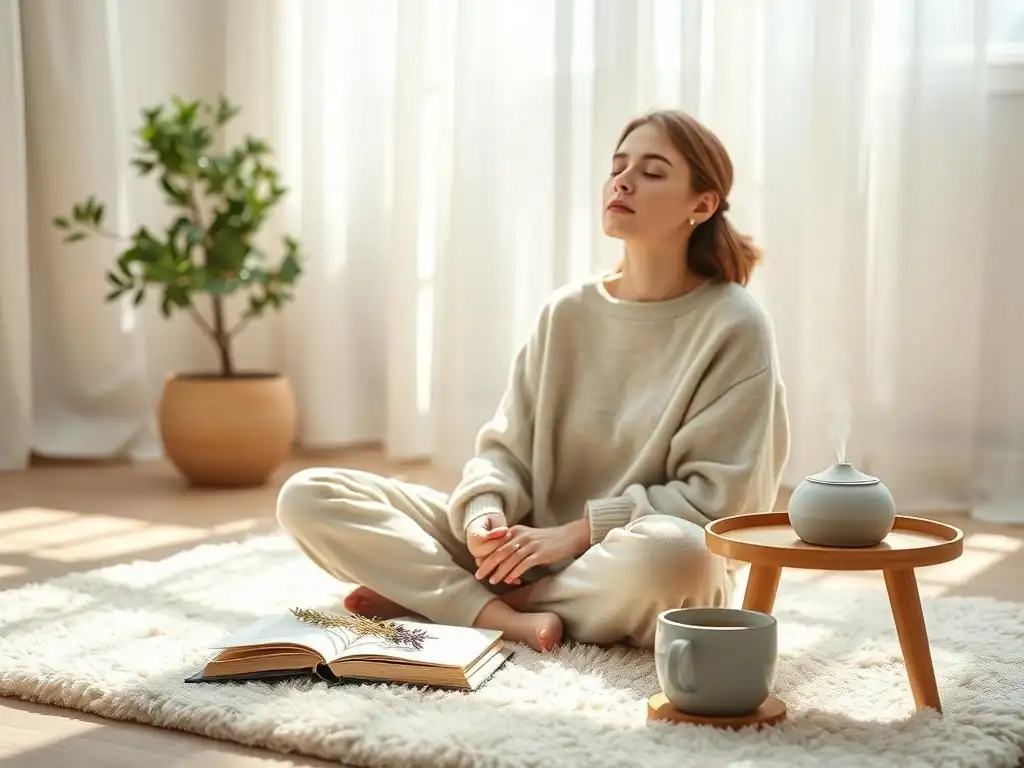
Combining aromatherapy with mindfulness meditation creates a powerful synergy for enhancing calm and managing anxiety. Mindfulness involves focusing your attention on the present moment without judgment, often centering on your breath or bodily sensations. The addition of a calming aroma can deepen this practice by providing an anchor for your attention and directly influencing the emotional centers of the brain.
Before beginning your meditation session, diffuse a calming essential oil blend (like lavender, frankincense, or sandalwood) in your space. As you meditate, gently bring your awareness to the scent, noticing its qualities without getting lost in thought about it. When your mind wanders, guide it back to your breath and the aroma. This combination utilizes both cognitive (mindfulness) and sensory (aromatherapy) pathways to promote relaxation, making your meditation practice more effective for reducing anxiety and fostering a sense of peace.
Yoga and Aromatherapy: Enhancing Physical and Mental Well-being
Yoga is another ancient practice widely recognized for its benefits in reducing stress and anxiety by integrating physical postures, breathing exercises, and meditation. Incorporating aromatherapy into your yoga practice can further enhance its ability to promote both physical and mental well-being. Different essential oils can support various aspects of yoga, from warming muscles to deepening relaxation.
For a grounding and centering practice, diffuse oils like cedarwood, patchouli, or vetiver. During more active or energizing flows, citrus oils or peppermint can be uplifting (though use peppermint sparingly, especially in a shared space). For Savasana (final relaxation), calming oils like lavender or Roman chamomile are ideal. Placing a diffuser in your yoga space or using a few drops of diluted oil on a towel placed near your mat can elevate your practice, using aromatherapy anxiety relief techniques to support flexibility, focus, and ultimately, deeper relaxation.
Diet and Lifestyle: Supporting Anxiety Relief Through Holistic Practices
While aromatherapy can be a valuable tool, it is most effective as part of a broader holistic approach to anxiety relief that includes attention to diet and lifestyle. What you eat and how you live significantly impact your mental state. A diet rich in whole foods, fruits, vegetables, lean proteins, and healthy fats provides the nutrients necessary for optimal brain function and mood regulation. Limiting caffeine, sugar, and processed foods can help stabilize blood sugar levels and reduce jitters or energy crashes that can exacerbate anxiety.
Ensuring adequate sleep (7-9 hours per night), engaging in regular physical activity, spending time outdoors, maintaining social connections, and practicing good sleep hygiene are foundational pillars for managing anxiety. Think of aromatherapy anxiety relief techniques as an enhancement to these core practices. By addressing anxiety through multiple avenues – mind, body, and environment – you create a more resilient system capable of navigating life's stresses with greater ease and calm.
Where to Buy High-Quality Aromatherapy Diffusers and Essential Oils
Choosing Certified Organic and Therapeutic-Grade Essential Oils
The effectiveness and safety of your aromatherapy anxiety relief techniques heavily rely on the quality of the essential oils you use. The market is flooded with oils of varying purity and quality. It is crucial to seek out reputable brands that prioritize purity, transparency, and sustainable sourcing. Look for oils that are labeled as 100% pure essential oil, with the botanical name clearly listed (e.g., Lavandula angustifolia for true lavender).
Consider purchasing certified organic essential oils whenever possible, as this ensures they are produced without synthetic pesticides or herbicides, potentially reducing exposure to harmful chemicals. The term "therapeutic grade" is not a regulated standard, but it is often used by companies that perform rigorous testing (like Gas Chromatography-Mass Spectrometry or GC/MS testing) to verify the oil's chemical composition and purity. Reputable companies will often provide GC/MS reports upon request. Investing in high-quality oils ensures you are getting the true therapeutic benefits for anxiety relief without unwanted contaminants.
Investing in Quality for Long-Term Anxiety Relief
While high-quality diffusers and pure essential oils may have a higher upfront cost, they represent an investment in your long-term well-being and the effectiveness of your aromatherapy anxiety relief techniques. A well-made diffuser will last longer, function more efficiently, and potentially offer better diffusion performance compared to cheaper alternatives. Similarly, pure, unadulterated essential oils are more potent, meaning you may need fewer drops per session, and they provide the full spectrum of beneficial compounds necessary for therapeutic effects.
Counterfeit or adulterated oils may contain synthetic fragrances or fillers, which not only lack therapeutic properties but can also be harmful when inhaled or applied topically. Choosing quality products from trusted sources ensures you are using safe and effective tools to support your anxiety management journey. Research brands, read reviews, and prioritize purity and safety when making your purchases for the most beneficial aromatherapy experience.
Conclusion: Embrace the Power of Aromatherapy for a Calmer, More Balanced Life.
Frequently Asked Questions
What is aromatherapy and how can it help with anxiety?
Aromatherapy is the practice of using essential oils to promote well-being. Certain scents can trigger the limbic system, which is linked to emotions, potentially reducing anxiety symptoms.
Which essential oils are most effective for aromatherapy anxiety relief?
Lavender is widely known for its calming properties, while chamomile and bergamot are also popular choices. Research and personal preference should guide your selection for optimal anxiety relief.
How do aromatherapy diffusers work, and what are the different types?
Diffusers disperse essential oils into the air, allowing you to inhale their therapeutic benefits. Common types include ultrasonic, nebulizing, and heat diffusers, each with its own method of oil dispersion.
Are there any potential side effects or precautions to consider when using aromatherapy for anxiety?
Some people may experience allergic reactions or sensitivities to certain oils. It's important to use high-quality oils, follow dilution guidelines, and consult a healthcare professional if you have concerns.
Besides diffusers, what other aromatherapy techniques can be used for anxiety relief?
Beyond diffusers, you can use aromatherapy through topical application (diluted in a carrier oil), inhalation directly from the bottle, or in a warm bath. Always ensure proper dilution and safety precautions.
Final Reflection: Breathing Easy in a Frantic World
The ancient wisdom of aromatherapy, once relegated to the fringes of wellness, is experiencing a powerful resurgence in our modern, anxiety-ridden world. The simple act of diffusing essential oils is no longer a niche practice; it's a readily accessible tool for managing stress and promoting a sense of calm amidst the chaos of daily life. This accessibility, coupled with growing scientific research validating its efficacy, positions aromatherapy as a vital component of holistic self-care.
The impact of constant connectivity and the relentless pressure of modern life cannot be understated. The pervasive feeling of anxiety is a shared experience, and the search for effective coping mechanisms is more urgent than ever. The mind is everything. What you think you become.
– Buddha. This ancient wisdom rings truer than ever as we recognize the profound connection between our mental state and our physical well-being. Aromatherapy, in its simplicity and accessibility, offers a tangible pathway to cultivate inner peace and manage the anxieties that threaten to overwhelm us.
Consider the power you hold to shape your environment and, in turn, your emotional landscape. You are not powerless against the anxieties of modern life. Take a moment to reflect on the scents that soothe you, the aromas that evoke feelings of calm and tranquility. Experiment with different essential oils, create a personalized aromatherapy routine, and integrate this ancient practice into your daily life. Embrace the opportunity to breathe easier, to find solace in the simple act of inhaling, and to cultivate a sense of peace amidst the storm. Your well-being is worth it.
Unlock Your Inner Calm: Start Diffusing Today!
Thanks for taking the time to explore the powerful world of aromatherapy and its benefits for managing anxiety. You've learned how simple, yet effective, this ancient practice can be in today's busy world. Now, it's time to transform your knowledge into a calming reality!
- Begin your aromatherapy journey: Select your favorite essential oil blend (lavender, chamomile, and bergamot are great starters!) and experience the immediate shift in your mood.
- Share your experience: Tell us about your favorite essential oil and how it's helped you find calm in the comments below. Let's build a supportive community together!
- Explore further: Try experimenting with different diffuser types and placement to find the perfect setup for your home or workspace.
What calming aroma will you choose to help you conquer your day?