
The Observer Self: Cultivating Detached Awareness in Advanced Practice

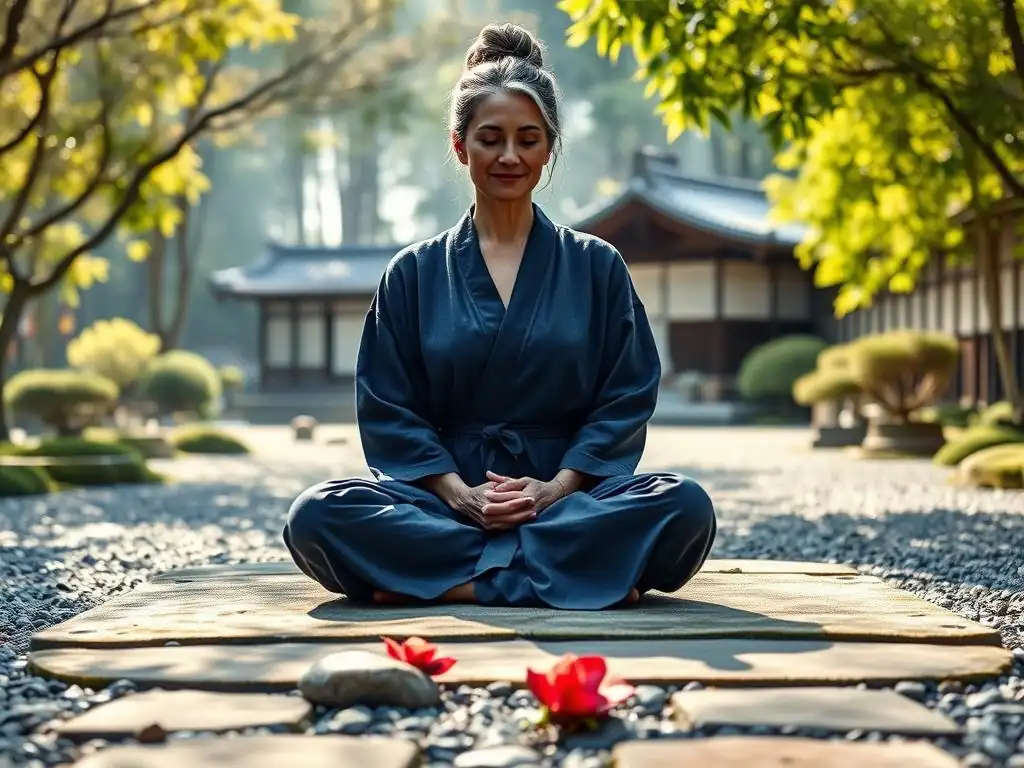
Welcome to Mind Care Guide, a sanctuary for your mental well-being.
Feeling overwhelmed by your thoughts and emotions? You're not alone. Embark on a journey of self-discovery with us, starting with cultivating detached awareness practice - a powerful tool to navigate the complexities of your inner world. Ready to observe your thoughts without judgment and unlock a new level of peace? Let's explore how...
The Observer Self: Cultivating Detached Awareness in Advanced Practice
- Understanding the Observer Self in Mindfulness
- Cultivating Detached Awareness Practice: A Step-by-Step Guide
- Advanced Techniques for Deepening Detached Awareness
- Overcoming Challenges in Cultivating Detached Awareness
- Integrating Detached Awareness into Daily Life
- The Science Behind Detached Awareness and Mindfulness
- Tips for Maintaining a Consistent Detached Awareness Practice
- Conclusion: Embracing the Observer Self for Enhanced Well-being
-
Frequently Asked Questions
- How does cultivating detached awareness, as mentioned in the article, contribute to mental well-being?
- What is the "Observer Self" and how does it relate to the practice of detached awareness?
- Why is this practice considered "advanced"? Is it suitable for beginners?
- What are some practical techniques for cultivating detached awareness in daily life?
- What resources does Mind Care Guide offer to support individuals in learning and practicing detached awareness?
- Final Reflection: Embracing the Observer Self in a Chaotic World
- Unlock Your Inner Observer: Cultivate Detachment and Awareness
Understanding the Observer Self in Mindfulness
What is the Observer Self and its Role in Emotional Regulation?
The Observer Self, often referred to as the "witness" or "pure awareness," is a core concept in mindfulness and meditation practices. It represents the part of our consciousness that can observe our thoughts, feelings, sensations, and external events without getting caught up in them or identifying with them. It's like sitting beside a river and watching the water flow by, rather than jumping into the current. This faculty allows us to perceive our internal and external experiences from a metacognitive perspective – observing our mental processes as objects of awareness, separate from the "self" that thinks or feels.
Developing the Observer Self is crucial for emotional regulation because it creates a vital space between stimulus and response. Instead of reacting immediately to a strong emotion like anger or fear, the Observer Self allows you to notice the emotion arising, acknowledge its presence, and understand its transient nature without being overwhelmed. This capacity is linked to increased activity in areas of the brain associated with self-awareness and emotional control, such as the prefrontal cortex.
Studies have shown that consistent mindfulness practice, which cultivates the Observer Self, can lead to measurable changes in brain structure and function, supporting a more regulated emotional life. Many practitioners report a significant decrease in reactivity and an increased sense of calm as they strengthen this observational capacity.
The Difference Between the Thinking Self and the Observing Self
It's essential to distinguish between the "Thinking Self" and the "Observing Self." The Thinking Self is the part of us that constantly generates thoughts, narrates our experiences, judges, plans, remembers, and worries. It's the internal monologue, the stream of consciousness that often identifies strongly with our thoughts and emotions, saying "I am angry" or "I am a failure." This self is often entangled in the content of our mental activity, leading to rumination, anxiety, and difficulty seeing situations clearly.
In contrast, the Observing Self is the awareness of the Thinking Self's activity. It doesn't generate thoughts itself; it simply notices them. It sees thoughts as passing events in the mind, much like clouds drifting across the sky. It observes emotions as bodily sensations and mental states that arise and pass away.
This detached perspective allows for greater clarity and freedom. For instance, instead of "I am angry," the Observing Self notices "There is anger arising" or "I am having the thought 'I am angry'." This subtle shift in perspective – from identification to observation – is fundamental in cultivating detached awareness practice and forms the basis for advanced mindfulness techniques aimed at emotional liberation.
Benefits of Developing the Observer Self for Emotional Well-being
Cultivating the Observer Self offers profound benefits for emotional well-being. One primary advantage is enhanced emotional resilience. By observing emotions without judgment or immediate reaction, individuals can navigate challenging feelings with greater ease and less distress. This practice helps to interrupt negative feedback loops where difficult emotions trigger negative thoughts, which in turn intensify the emotions. For example, noticing anxiety without identifying with it can prevent a spiral into panic.
Furthermore, strengthening the Observer Self improves self-awareness. It allows us to recognize our habitual thought patterns, triggers, and emotional responses, providing valuable insight into our inner landscape. This insight is empowering, enabling us to make conscious choices about how we respond to life's challenges rather than being driven by automatic reactions.
Research indicates that mindfulness practices focused on cultivating the Observer Self can lead to reductions in symptoms of anxiety and depression, with studies often showing a noticeable improvement in emotional regulation skills within just eight weeks of regular practice. This capacity for detached observation is a cornerstone for building a more stable and peaceful emotional life.
Cultivating Detached Awareness Practice: A Step-by-Step Guide
Step 1: Identifying Your Thoughts and Emotions Without Judgment
The foundational step in cultivating detached awareness practice is learning to identify your internal experiences – thoughts, emotions, and sensations – without immediately labeling them as "good" or "bad," "right" or "wrong." Begin by simply noticing what is arising in your mind and body. This can be done during a formal meditation session or informally throughout the day.
When a thought appears, simply register its presence, perhaps silently noting "thinking" or "a thought about the future." When an emotion arises, like frustration, acknowledge it by thinking "frustration is here" or "feeling frustrated." The key is to observe these internal events as neutral phenomena, much like a scientist observing data.
This non-judgmental observation is more challenging than it sounds, as our minds are often conditioned to evaluate everything. The practice involves gently redirecting your attention back to simple observation whenever you notice judgment creeping in. For example, if you observe the thought "I'm so stupid for thinking that," the practice is to notice the original thought and the judgment, perhaps silently noting "thought of stupidity, followed by judgment."
By consistently practicing this non-judgmental identification, you begin to loosen the grip of habitual reactions and create the necessary distance for detached awareness to flourish. It's estimated that the average person has thousands of thoughts per day, and learning to observe a fraction of these without judgment is a significant step forward in cultivating detached awareness practice.
Step 2: Creating Mental Space: Techniques for Stepping Back
Creating mental space is about developing the ability to step back from the content of your thoughts and emotions, viewing them from a wider perspective. One effective technique is the "sky and clouds" analogy: Imagine your mind is like the vast sky, and your thoughts and feelings are like clouds passing through. The sky remains, unchanging and spacious, regardless of the clouds' appearance or density.
Your awareness is the sky; the mental events are the clouds. Another technique is visualization, imagining your thoughts written on leaves floating down a stream or on trains passing in the distance. These visual metaphors help to externalize internal experiences, making them feel less personal and overwhelming.
Another practical technique for creating mental space is taking a conscious pause. When you notice a strong thought or emotion arising, pause before reacting. Take a deep breath, even just one or two. This brief moment of conscious awareness interrupts the automatic chain reaction and allows you to access the Observing Self.
During this pause, you can mentally take a step back and ask, "What am I experiencing right now?" or "What thought is present?" This simple act of inquiry from a place of observation, rather than identification, is fundamental in cultivating detached awareness practice. Regular short pauses throughout the day, even for 30 seconds, can significantly strengthen this capacity to create mental space.
Step 3: Observing Physical Sensations with Curiosity
Our emotions are often intricately linked with physical sensations in the body. Anxiety might manifest as tightness in the chest, anger as heat or tension in the shoulders, and sadness as a heavy feeling. Cultivating detached awareness practice involves bringing mindful attention to these bodily sensations with curiosity and non-judgment. Instead of trying to push away an uncomfortable sensation, turn towards it with gentle interest. Where exactly is the sensation located? What is its quality – is it tingling, pulsing, heavy, light? Does it stay constant or change?
This step helps to ground your awareness in the present moment and provides a concrete anchor for observation. By observing sensations without labeling them as "good" or "bad," you learn that sensations, like thoughts and emotions, are temporary. For example, during a period of stress, you might notice a knot in your stomach.
Instead of getting lost in the story of why you are stressed, you simply observe the sensation in the stomach – its intensity, its boundaries, its temperature. This practice diminishes the tendency to intellectualize or ruminate about the sensation, allowing you to experience it directly as pure physical data. Regular body scan meditations, discussed later, are excellent formal practices for honing this skill of observing physical sensations with detached curiosity.
Step 4: Practicing Detachment from Negative Thought Patterns
One of the most powerful applications of cultivating detached awareness practice is learning to disengage from persistent negative thought patterns. These patterns – such as rumination about the past, worry about the future, or harsh self-criticism – often fuel emotional distress.
Detachment here doesn't mean indifference or suppression; it means recognizing these thoughts as just mental events, not absolute truths about yourself or your situation. When a negative thought arises, the practice is to notice it ("There is the thought 'I'm not good enough'"), perhaps label it ("self-criticism"), and then gently release your focus from its content, bringing attention back to the present moment or your breath.
This step requires patience and persistence. Negative thought patterns are often deeply ingrained. However, each time you successfully observe a negative thought without getting drawn into its narrative or believing it implicitly, you weaken its power.
It's like recognizing junk mail in your physical mailbox – you see it, acknowledge it's there, and then discard it without reading it in detail or letting it affect your day. Research indicates that consistent practice of observing negative thoughts without identification can significantly reduce their frequency and intensity over time. Many individuals report a noticeable shift within weeks, finding that negative thoughts still arise but no longer hold the same emotional weight or lead to prolonged distress, a testament to the efficacy of cultivating detached awareness practice.
Advanced Techniques for Deepening Detached Awareness

Mindfulness of Thoughts: Recognizing Thoughts as Mental Events
Mindfulness of thoughts is an advanced practice that builds upon the basic step of identifying thoughts without judgment. It involves a more sustained and nuanced observation of the nature of thinking itself. Instead of just noting a thought's content (e.g., "thinking about work"), the practice delves into observing thoughts as dynamic mental processes. This includes noticing their arising, how they link together, their duration, and their passing away. You might observe a thought appearing seemingly out of nowhere, leading to another thought, then another, forming a chain, before the chain dissolves.
This practice deepens detached awareness by highlighting the impermanent and often impersonal nature of thoughts. It reveals that thoughts are not necessarily "yours" in a fixed sense, but rather activities the mind performs. By observing the flow of thoughts without getting caught in their narratives, you gain insight into how the mind constructs reality and how much suffering arises from identifying with these transient mental events.
This level of observation requires sustained attention and a subtle shift from what you are thinking to that you are thinking. Experienced practitioners often report a significant reduction in the feeling of being controlled by their thoughts after dedicating time to this advanced form of cultivating detached awareness practice.
Working with Difficult Emotions Through Detached Observation
Working with difficult emotions is a challenging but transformative aspect of advanced detached awareness practice. When intense emotions like fear, grief, or intense anger arise, the tendency is often to either suppress them or become completely overwhelmed by them. Detached observation offers a third path: experiencing the emotion fully but from a place of witness consciousness. This involves allowing the emotion to be present without resistance, while simultaneously observing its physical sensations, mental components (associated thoughts), and energetic quality.
For example, if intense fear arises, the practice is to sit with the fear, noticing where it manifests in the body (perhaps trembling, tightness), what thoughts accompany it ("Something bad is going to happen"), and the raw feeling of the energy. The key is to observe these elements without judgment or the need to make the feeling go away.
By observing the emotion in this detached way, you begin to see that even intense emotions are impermanent; they arise, peak, and eventually subside. This practice requires courage and a stable foundation in basic mindfulness, but it is incredibly effective in reducing the power that difficult emotions hold over you, fostering emotional liberation and resilience through cultivating detached awareness practice.
Body Scan Meditation for Enhanced Sensory Awareness
The Body Scan meditation is a fundamental yet powerful technique that, when practiced regularly, significantly enhances sensory awareness and contributes to cultivating detached awareness practice. It involves systematically bringing your attention to different parts of your body, from toes to the top of your head, observing any sensations present – tingling, pressure, warmth, coolness, absence of sensation – with curiosity and non-judgment. The practice is not about relaxing the body (though relaxation often occurs) but about noticing what is present, moment by moment.
In advanced practice, the body scan becomes more subtle and refined. You might notice not just gross sensations but also subtle energetic shifts, the pulse, or the feeling of clothes on the skin. This heightened sensory awareness provides a strong anchor to the present moment, making it easier to step back from the pull of thoughts and emotions.
Furthermore, by consistently observing the ever-changing landscape of bodily sensations, you directly experience the principle of impermanence, a core insight in mindfulness. This practice trains the mind to observe phenomena (in this case, physical sensations) without getting attached to them or reacting to them, directly strengthening the muscle of detached observation. Many practitioners find that daily body scans, even for 15-20 minutes, significantly improve their ability to remain present and non-reactive throughout the day.
Vipassana Meditation for Insight into Impermanence
Vipassana, meaning "insight" meditation, is a practice aimed at developing deep insight into the true nature of reality, particularly the characteristics of impermanence (anicca), suffering (dukkha), and non-self (anatta). While many mindfulness techniques cultivate concentration, Vipassana specifically focuses on developing insight through sustained, detached observation of the continuous flow of physical and mental phenomena. This is often practiced in extended silent retreats (e.g., 10 days or longer) where practitioners maintain continuous mindful awareness of sensations, thoughts, and emotions as they arise and pass away.
Through rigorous Vipassana, the practitioner cultivates profound detached awareness. By observing the constant flux of sensations in the body and the ceaseless arising and passing of thoughts and feelings, the illusion of a fixed, solid self or permanent reality begins to dissolve. You directly experience that everything is constantly changing.
This direct insight undermines the fundamental clinging and aversion that cause suffering. While challenging, dedicated Vipassana practice is considered one of the most direct paths to cultivating detached awareness practice at a deep level, leading to significant shifts in perspective and a reduction in reactivity to life's inevitable changes and difficulties.
Overcoming Challenges in Cultivating Detached Awareness
Common Obstacles to Detached Observation
Cultivating detached awareness practice is not without its challenges. One of the most common obstacles is the mind's strong habit of identification and engagement. We are conditioned from a young age to believe our thoughts and to react emotionally to them. Simply observing without judgment or reaction goes against this deeply ingrained programming. It's easy to get swept away by a strong emotion or a compelling thought narrative, losing that observational distance. Many beginners report feeling frustrated that they can't "empty their minds" or stop thoughts, mistakenly believing this is the goal of the practice.
Another significant obstacle is resistance to difficult experiences. When uncomfortable sensations, painful memories, or strong negative emotions arise during practice, there is a natural tendency to push them away, distract ourselves, or become overwhelmed. This resistance prevents detached observation. Furthermore, self-judgment about the practice itself – thinking "I'm doing this wrong" or "My mind is too busy" – is a major barrier. Recognizing these common obstacles with patience and self-compassion is the first step in navigating them effectively while cultivating detached awareness practice.
Strategies for Managing Distracting Thoughts
Distracting thoughts are a universal experience in mindfulness practice. The goal is not to eliminate them, but to manage your relationship with them through detached observation. A primary strategy is gentle redirection. When you notice your mind has wandered into thinking, simply acknowledge it without judgment ("Ah, thinking") and gently bring your attention back to your chosen anchor, such as the breath or bodily sensations. There's no need for frustration; each time you notice wandering and redirect, you strengthen the muscle of awareness.
Another strategy is brief labeling. As discussed earlier, briefly labeling the content or type of thought (e.g., "planning," "worrying," "remembering") can help create distance. This act of categorization helps you see the thought as a mental event rather than getting lost in its content. For instance, if you're trying to focus on your breath and a worry about work arises, you might silently think "worrying thought" and return to the breath. This simple act interrupts the narrative pull. Over time, consistent application of these strategies makes managing distracting thoughts easier, reinforcing the ability for cultivating detached awareness practice.
Dealing with Strong Emotional Reactions During Practice
Encountering strong emotional reactions during practice can be intense, but it's also an opportunity for deep healing and growth through detached observation. If a strong emotion arises, the strategy is to turn towards it with curiosity and acceptance, rather than aversion. This involves allowing the emotion to be present in the body and mind, observing its physical sensations and mental components from a safe distance. You might focus your attention on the area of the body where the emotion feels strongest, simply observing the raw sensations without needing to analyze or interpret them.
It's crucial to approach this with self-compassion. If the emotion feels overwhelming, it's perfectly acceptable to open your eyes, focus on your surroundings, or even pause the formal practice and return to it later. You can also try grounding techniques, like feeling your feet on the floor or the chair beneath you, to stay connected to the present moment.
The key is to practice observing the emotion as a temporary phenomenon passing through, rather than being consumed by it. With practice and patience, the capacity to observe even intense emotions with detached awareness grows, significantly enhancing emotional resilience. Many find that consistent practice helps to 'process' previously stuck emotions, leading to a greater sense of emotional freedom.
Integrating Detached Awareness into Daily Life
Applying Observer Self Principles in Stressful Situations
Integrating the principles of the Observer Self into daily life, especially during stressful situations, is where the true benefits of cultivating detached awareness practice become apparent. When faced with a stressor – a difficult conversation, a challenging deadline, unexpected news – the habitual reaction is often to become reactive, tense, and overwhelmed by thoughts and emotions. Applying observer principles means consciously pausing before reacting. Take a moment to breathe and notice what is happening internally.
Ask yourself: What thoughts are arising? ("I can't handle this," "This is unfair.") What emotions are present? (Anxiety, frustration.) What physical sensations are here? (Tight chest, clenched jaw.)
Simply noticing these internal states without judgment creates a space. From this space, you can choose a response rather than reacting automatically. Instead of saying something you regret in anger, you might observe the anger and choose to take a break from the conversation. Instead of spiraling into panic about a deadline, you might observe the anxiety and choose to focus on the next small step. This conscious application of detached awareness in real-time significantly reduces reactivity and improves your ability to navigate stress effectively. Many individuals report feeling much more in control and less swept away by challenging circumstances after consistently practicing this integration.
Using Detached Awareness to Improve Relationships
Cultivating detached awareness practice can profoundly improve relationships by changing how you interact with others and how you respond to relational challenges. In interactions, the Observer Self allows you to listen more fully without being immediately triggered by what the other person says or becoming preoccupied with your own defensive thoughts or counter-arguments. You can observe your reactions ("I'm feeling defensive now," "That comment triggered anger") without letting them dictate your response. This creates space for more empathetic listening and considered communication.
Furthermore, detached awareness helps you see the other person more clearly, separate from your projections or assumptions. When conflicts arise, instead of getting lost in the emotional drama, you can observe the situation from a slightly detached perspective, noticing your own contributions to the dynamic and the other person's state without taking it solely personally. This doesn't mean becoming emotionally distant, but rather emotionally intelligent.
It enables you to respond to conflict with greater calm, clarity, and compassion, fostering healthier and more constructive interactions. Couples who practice mindfulness together often report improved communication and reduced conflict, highlighting the relational benefits of cultivating detached awareness practice.
Cultivating Detached Awareness for Long-Term Emotional Resilience
The consistent practice of cultivating detached awareness is a cornerstone for building long-term emotional resilience. Resilience is not about never experiencing difficulties or negative emotions, but about the capacity to navigate them effectively and bounce back. By regularly observing thoughts, emotions, and sensations without getting lost in them, you train your mind to view internal experiences as transient events rather than fixed aspects of your identity or reality. This perspective fundamentally changes your relationship with challenging emotions.
Over time, this practice reduces the intensity and duration of suffering caused by difficult feelings. You learn that discomfort is temporary and that you have the inner resources to weather emotional storms. This builds confidence in your ability to handle whatever arises.
Research consistently links mindfulness practice, including the cultivation of the Observer Self, with increased psychological flexibility – the ability to stay in contact with the present moment regardless of unpleasant thoughts, feelings, and sensations while choosing behaviors based on chosen values. This flexibility is key to resilience, enabling you to continue moving towards a meaningful life even in the face of adversity, demonstrating the lasting impact of cultivating detached awareness practice.
The Science Behind Detached Awareness and Mindfulness

Neurological Basis of the Observer Self
The concept of the Observer Self and the capacity for detached awareness have fascinating correlates in neuroscience. Research using fMRI (functional magnetic resonance imaging) has shown that mindfulness practice, which cultivates the Observer Self, is associated with changes in brain activity and structure. Specifically, regular practice appears to strengthen the prefrontal cortex, particularly the medial prefrontal cortex (mPFC), which is involved in metacognition, self-referential processing, and emotional regulation.
Simultaneously, mindfulness practice often leads to decreased activity in the default mode network (DMN), a brain system associated with mind-wandering, self-referential thinking, and rumination – essentially the neural basis of the "Thinking Self." By reducing DMN activity and increasing prefrontal cortex engagement, mindfulness helps shift the brain out of habitual patterns of getting lost in thought and towards a state of present-moment awareness and detached observation.
This neurological evidence provides a scientific basis for the subjective experience of being able to step back and observe one's own mental processes, underscoring the tangible impact of cultivating detached awareness practice on the brain.
Research on the Benefits of Detached Awareness for Anxiety and Depression
A substantial body of scientific research supports the efficacy of mindfulness-based interventions, which emphasize cultivating detached awareness practice, in treating anxiety and depression. Studies on programs like Mindfulness-Based Stress Reduction (MBSR) and Mindfulness-Based Cognitive Therapy (MBCT) have consistently shown significant reductions in symptoms. For example, MBCT, which specifically teaches participants to observe negative thoughts and feelings as mental events rather than facts, has been shown to be as effective as antidepressant medication in preventing relapse in individuals with recurrent depression.
The mechanism is believed to be directly related to the development of detached awareness. In anxiety, individuals often get trapped in cycles of worrying thoughts and physical symptoms. In depression, rumination on negative thoughts is common.
By practicing observing these thoughts and sensations with detachment, individuals learn to break the cycle of identification and reactivity. They learn that a thought like "I am worthless" is just a thought, not a reflection of reality, and that anxious sensations are temporary. Meta-analyses of numerous studies indicate that mindfulness practices lead to moderate to large effect sizes in reducing symptoms of both anxiety and depression, providing compelling evidence for the clinical benefits of cultivating detached awareness practice.
How Detached Awareness Complements Cognitive Behavioral Therapy (CBT)
Detached awareness significantly complements Cognitive Behavioral Therapy (CBT), a widely used psychological treatment. CBT focuses on identifying and challenging distorted or unhelpful thought patterns and behaviors. While CBT teaches you to analyze and restructure thoughts (e.g., challenging the evidence for a negative thought), mindfulness and detached awareness teach you to relate differently to thoughts – to observe them without necessarily engaging with their content or trying to change them immediately.
In essence, CBT provides tools for what to do with thoughts, while detached awareness provides the capacity to observe thoughts in the first place, creating the necessary distance from which CBT techniques can be applied more effectively. Someone practicing detached awareness might first notice a negative thought ("There is the thought 'I'm failing'"). The detached observation prevents immediate identification and emotional reactivity.
From this place of mindful space, they can then apply a CBT technique, such as examining the evidence for that thought or considering alternative perspectives. Many modern therapeutic approaches, such as Acceptance and Commitment Therapy (ACT) and Dialectical Behavior Therapy (DBT), integrate mindfulness and detached awareness principles precisely because they enhance the effectiveness of cognitive and behavioral strategies, demonstrating how cultivating detached awareness practice can strengthen other therapeutic modalities.
Tips for Maintaining a Consistent Detached Awareness Practice
Setting Realistic Goals for Your Practice
Maintaining any new practice requires setting realistic goals. When it comes to cultivating detached awareness practice, this means starting small and being patient with yourself. Don't aim for hour-long meditation sessions every day if you're new. Begin with 5-10 minutes daily. Consistency is far more important than duration in the early stages. Recognize that your mind will wander, and you will get caught up in thoughts and emotions – this is normal. The goal isn't perfection, but progress through consistent effort.
Set a specific time and place for your practice to help build a routine. Treat it like any other important appointment. Perhaps commit to 10 minutes each morning before starting your day, or 15 minutes in the evening. Be flexible and kind to yourself if you miss a session; simply acknowledge it without judgment and recommit to practicing the next day. Setting achievable goals, like "I will practice observing my thoughts for 10 minutes today," makes the practice feel less daunting and increases the likelihood of maintaining consistency, which is key to deepening detached awareness over time.
Finding a Support System for Continued Growth
Engaging with a support system can be invaluable for maintaining and deepening your detached awareness practice. This could involve joining a local meditation group or center, participating in online mindfulness communities, or finding a teacher or therapist who incorporates mindfulness into their work. Practicing with others can provide motivation, a sense of community, and the opportunity to share experiences and learn from others facing similar challenges.
A teacher or experienced practitioner can offer guidance, clarify misunderstandings about the practice, and help you navigate difficulties that arise. Retreats, even short weekend ones, can also provide an immersive environment to deepen practice away from daily distractions. Sharing your intentions with a trusted friend or family member can also provide accountability. Knowing you're not alone in the journey of cultivating detached awareness practice can make a significant difference in staying motivated and committed, especially during periods when practice feels challenging or stagnant.
Incorporating Short Mindfulness Exercises Throughout the Day
Formal meditation sessions are important, but integrating short, informal mindfulness exercises throughout your day is crucial for truly embedding detached awareness into your life. These brief moments of conscious awareness help bridge the gap between your formal practice time and your daily experiences. Examples include mindful eating (paying full attention to the taste, texture, and smell of your food), mindful walking (noticing the sensations in your feet and legs), or simply taking three conscious breaths between tasks.
You can also use everyday activities as triggers for mindfulness. For instance, every time you open a door, take a moment to notice the sensation of your hand on the knob and the movement of your body. When your phone rings, take one mindful breath before answering. These short exercises provide opportunities to practice noticing thoughts, emotions, and sensations as they arise in real-time, without getting lost in reactivity. Regularly incorporating these brief moments reinforces the capacity for detached observation and helps make cultivating detached awareness practice a continuous, living experience, not just something you do on a cushion.
Conclusion: Embracing the Observer Self for Enhanced Well-being
Embracing the Observer Self is a transformative journey towards enhanced emotional well-being. It is the practice of cultivating detached awareness, learning to witness the continuous flow of thoughts, emotions, and sensations without becoming entangled in them. This capacity allows us to step back from automatic reactions, gain clarity on our inner landscape, and respond to life's challenges with greater wisdom and compassion.
From understanding the fundamental difference between our thinking mind and our observing awareness to employing advanced techniques like Vipassana, the path of cultivating detached awareness practice offers a powerful means of fostering emotional resilience and psychological flexibility. While challenges will inevitably arise, consistent practice, supported by realistic goals and community, allows us to integrate this profound awareness into our daily lives, leading to reduced suffering, improved relationships, and a deeper sense of inner peace.
By committing to cultivating detached awareness practice, we unlock our innate capacity to navigate the complexities of human experience with grace and presence, truly transforming our relationship with ourselves and the world around us.
Frequently Asked Questions
How does cultivating detached awareness, as mentioned in the article, contribute to mental well-being?
Detached awareness allows you to observe your thoughts and feelings without judgment or attachment. This promotes emotional regulation and reduces the intensity of negative experiences, leading to improved mental well-being.
What is the "Observer Self" and how does it relate to the practice of detached awareness?
The "Observer Self" is a perspective within us that can observe our internal experiences from a distance. Cultivating detached awareness helps strengthen this Observer Self, allowing us to respond to situations more objectively.
Why is this practice considered "advanced"? Is it suitable for beginners?
While the principles are simple, consistently applying detached awareness can be challenging. It requires consistent practice and self-reflection. Beginners might find it helpful to start with simpler mindfulness exercises before diving into this advanced practice.
What are some practical techniques for cultivating detached awareness in daily life?
Techniques include mindfulness meditation, journaling about thoughts and feelings without judgment, and practicing observing physical sensations without reacting to them. These help build the skill of detached observation.
What resources does Mind Care Guide offer to support individuals in learning and practicing detached awareness?
Mind Care Guide offers articles, guided meditations, and access to mental health professionals who can provide personalized guidance. We aim to provide comprehensive support for cultivating mental well-being.
Final Reflection: Embracing the Observer Self in a Chaotic World
The cultivation of detached awareness is not a mere philosophical exercise; it's a vital skill for navigating the complexities of modern life. In a world saturated with information, demands, and distractions, the ability to observe our thoughts and emotions without judgment is increasingly crucial for maintaining mental well-being and achieving our goals. This capacity to step back and witness our internal landscape allows us to respond rather than react, fostering greater clarity and resilience.
The impact of cultivating detached awareness extends far beyond personal growth; it shapes our interactions with others and our understanding of the world around us. By developing this skill, we become more empathetic, less reactive to external pressures, and better equipped to handle challenging situations. As the Dalai Lama wisely stated, The key is not to prioritize what's on your schedule, but to schedule your priorities.
This quote perfectly encapsulates the power of mindful observation – it allows us to prioritize what truly matters by creating space for conscious decision-making, rather than being swept away by the urgency of the moment.
Now, consider your own life. Where can you integrate this practice of detached awareness? Identify one area where reactivity often hinders you – perhaps in relationships, work, or personal projects. Begin by simply observing your thoughts and feelings in that area without judgment. Notice the patterns, the triggers, and the underlying emotions. This conscious observation is the first step towards creating lasting change, towards building a more intentional and fulfilling life. Embrace the power of the observer self, and watch as your capacity for mindful action blossoms.
Unlock Your Inner Observer: Cultivate Detachment and Awareness
Thanks for taking the time to explore the power of the observer self! We hope you gained valuable insights into cultivating detached awareness in your daily life. Now, let's put that knowledge into action.
- Prioritize a 5-minute mindfulness session: Dedicate just five minutes today to focusing on your breath and observing your thoughts without judgment. This is the cornerstone of developing your observer self.
- Share your experience: Discuss your mindfulness practice with a friend or family member. Sharing your journey can deepen your understanding and strengthen your commitment.
- Try a different perspective:Consider journaling about a recent challenging situation, analyzing it from the detached perspective of your observer self. This can help you process emotions more effectively.
Ready to embrace the transformative power of the observer self? What small step will you take today to integrate this practice into your daily life?