
The Impact of Trauma on the Developing Brain: Plasticity Gone Awry?


Welcome to Mind Care Guide, a safe space to explore the intricate landscape of mental well-being. Are you curious about how life experiences shape the very architecture of our minds, particularly during formative years? Trauma’s effect on young brains can be profound, sometimes leading to unexpected changes in development. Join us as we delve into the fascinating world of neuroscience and uncover the complex ways trauma can impact the developing brain, sparking a crucial conversation about understanding and healing. What if we could unlock the secrets to resilience and pave the way for a brighter future?
The Impact of Adverse Childhood Experiences (ACEs) on Brain Development
- Introduction: Understanding ACEs and Their Impact
- The Neuroscience of ACEs: Brain Regions and Stress Response
- ACEs' Effect on Young Brains: Specific Areas of Impact
- The Long-Term Consequences of ACEs on Brain Development
- Understanding the Brain's Response to ACEs: Neuroplasticity and Adaptation
- Strategies for Promoting Brain Health and Resilience After ACEs
- Conclusion: Fostering Hope and Healing
-
Frequently Asked Questions
- How does trauma affect the physical development of a young brain?
- What is "plasticity gone awry" in the context of childhood trauma, and why is it significant?
- What are some common behavioral or emotional indicators that a child may be experiencing the effects of trauma on their brain?
- Can the effects of trauma on a young brain be reversed or mitigated? What types of interventions are most effective?
- Beyond therapy, what other resources or support systems are available for children and families dealing with the impact of trauma on the developing brain?
- Final Reflection: Rewiring Resilience: The Enduring Impact of Childhood Trauma
- Unlock Your Brain's Resilience: Steps to Healing and Growth
Introduction: Understanding ACEs and Their Impact
Defining ACEs and Their Prevalence
Adverse Childhood Experiences (ACEs) are potentially traumatic events that occur in childhood (0-17 years). These can include experiencing violence, abuse, or neglect; witnessing violence in the home; or having a family member attempt or die by suicide. Other ACEs include growing up in a household with substance misuse, mental health problems, or instability due to parental separation or incarceration of a household member. The term encompasses a wide range of stressors that can profoundly affect a child's well-being and development.
Research, particularly the foundational Adverse Childhood Experiences Study conducted by the CDC and Kaiser Permanente, revealed a significant prevalence of these experiences. This study, involving over 17,000 participants, found that nearly two-thirds of adults reported experiencing at least one ACE, and more than one in five reported three or more ACEs. These figures underscore that ACEs are not isolated incidents affecting a small minority but are widespread issues impacting a substantial portion of the population, setting the stage for understanding trauma’s effect on young brains at a societal level.
The Developing Brain: A Foundation for Lifelong Health
The human brain undergoes rapid and critical development from prenatal stages through adolescence and into early adulthood. This period is characterized by intense neuroplasticity, where neural connections are formed, strengthened, and pruned based on experiences. Key processes include neurogenesis (creation of new neurons), synaptogenesis (formation of synapses), and myelination (insulating nerve fibers for faster communication). These processes build the complex neural networks responsible for cognitive function, emotional regulation, social skills, and behavior.
During these formative years, the brain is particularly sensitive to environmental input, both positive and negative. Nurturing, stable environments provide the necessary stimulation and safety for healthy development, supporting the optimal growth of crucial brain structures and pathways. Conversely, exposure to chronic stress or trauma during these sensitive periods can significantly alter developmental trajectories, fundamentally changing the architecture of the brain and setting the stage for understanding the long-term impact of trauma’s effect on young brains.
How ACEs Disrupt Healthy Brain Development
ACEs introduce significant stress and instability into a child's life, activating the body's stress response system repeatedly and intensely. Unlike temporary stressors, chronic exposure to trauma keeps this system in a heightened state, flooding the developing brain with stress hormones like cortisol. This constant activation interferes with the delicate processes of brain development, particularly in areas responsible for managing stress, emotions, learning, and decision-making.
The disruption caused by ACEs can lead to altered neural pathways and structural changes. For instance, areas related to fear and anxiety may become hypersensitive, while areas responsible for calm and reasoning may be underdeveloped or less connected. This altered development is a key aspect of trauma’s effect on young brains, making children more vulnerable to a range of physical, mental, and behavioral health problems later in life. The brain, in essence, adapts to a threatening environment, which is beneficial for immediate survival but detrimental for long-term health and well-being.
The Neuroscience of ACEs: Brain Regions and Stress Response
Amygdala Hyperactivity and Fear Conditioning
The amygdala, a small almond-shaped structure deep within the brain, plays a crucial role in processing emotions, particularly fear and threat detection. In response to ACEs, the amygdala often becomes hyperactive, meaning it is constantly on high alert, interpreting even neutral stimuli as potential threats. This heightened state leads to an exaggerated fear response, making children feel unsafe even in secure environments and contributing to states of chronic anxiety and vigilance.
This hyperactivity is linked to altered fear conditioning. Typically, the brain learns to associate specific cues with danger (fear conditioning) and then learns when the danger has passed (extinction). However, chronic stress from ACEs can impair the brain's ability to properly extinguish fear responses. This means that the fear and stress reactions triggered by past trauma remain easily activated, impacting a child's ability to feel safe, explore, and learn, illustrating a core element of trauma’s effect on young brains.
Hippocampal Volume Reduction and Memory Deficits
The hippocampus is vital for learning, memory, and regulating the stress response. It helps put experiences into context, distinguishing between past threats and present safety. Chronic exposure to stress hormones, particularly cortisol, due to ACEs can damage neurons in the hippocampus and inhibit the growth of new ones. Studies using neuroimaging techniques have frequently shown reduced hippocampal volume in individuals with a history of significant childhood trauma compared to their peers without such experiences.
This damage or reduced volume in the hippocampus can manifest as difficulties with memory formation and retrieval, problems with spatial navigation, and impaired ability to regulate stress effectively. It affects a child's capacity to learn in school, remember positive experiences, and process traumatic memories in a way that allows for healing. The hippocampus's role in contextualizing experience means its impairment significantly impacts how a child perceives and responds to their environment, further detailing trauma’s effect on young brains.
Prefrontal Cortex Impairment and Executive Dysfunction
The prefrontal cortex (PFC), located at the front of the brain, is the seat of executive functions. These include planning, decision-making, impulse control, working memory, and regulating complex social behavior. Development of the PFC continues well into early adulthood, making it particularly vulnerable to disruption during childhood and adolescence. ACEs can impair the structural and functional development of the PFC, often leading to reduced connectivity with other brain regions like the amygdala.
Impairment in the PFC due to trauma’s effect on young brains results in executive dysfunction. Children and adolescents with ACEs may struggle with impulse control, leading to risky behaviors; have difficulty planning and organizing, impacting academic performance; and show impaired emotional regulation, resulting in mood swings or difficulty managing frustration. This diminished capacity for executive control makes navigating social situations and making healthy choices more challenging.
Dysregulation of the HPA Axis and Chronic Stress
The Hypothalamic-Pituitary-Adrenal (HPA) axis is the body's central stress response system. When a stressor is perceived, the hypothalamus signals the pituitary gland, which in turn signals the adrenal glands to release cortisol. Normally, once the threat passes, the HPA axis calms down. However, chronic stress from ACEs can cause the HPA axis to become dysregulated. This can manifest as either hyper-responsiveness (releasing too much cortisol) or hypo-responsiveness (releasing too little or failing to regulate it properly), depending on the timing and nature of the trauma.
Dysregulation of the HPA axis means the body remains in a state of chronic physiological stress. This constant state of alert has widespread effects, impacting sleep patterns, immune function, metabolic processes, and contributing to inflammation throughout the body. The persistent physiological burden of a dysregulated HPA axis is a critical component of trauma’s effect on young brains and bodies, laying the groundwork for numerous health problems later in life.
ACEs' Effect on Young Brains: Specific Areas of Impact
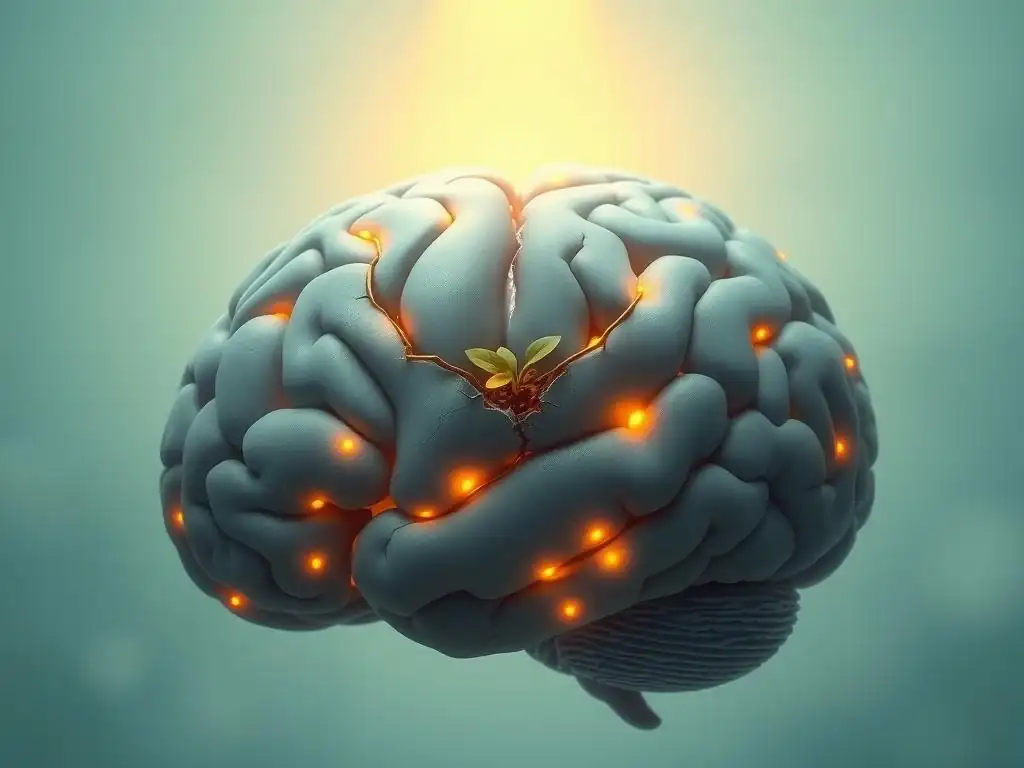
Cognitive Function: Attention, Memory, and Learning
The impact of trauma’s effect on young brains is significantly evident in cognitive function. Chronic stress and the associated changes in brain structures like the hippocampus and prefrontal cortex impair a child's ability to focus attention, retain information, and engage in complex learning tasks. Children with high ACE scores often struggle academically, not due to lack of intelligence, but because their brains are wired for survival rather than for optimal learning in a classroom setting.
Studies have shown that children exposed to ACEs may exhibit difficulties with working memory, which is essential for following multi-step instructions or solving problems. They might also have trouble with inhibitory control, leading to impulsivity that disrupts concentration. For example, one study found that children with four or more ACEs were significantly more likely to have difficulty concentrating, remembering, and making decisions compared to those with no ACEs, highlighting the direct cognitive consequences of trauma’s effect on young brains.
Emotional Regulation: Anxiety, Depression, and Irritability
Emotional dysregulation is a hallmark of trauma’s effect on young brains. Changes in the amygdala and its impaired communication with the prefrontal cortex make it difficult for children to understand, express, and manage their emotions appropriately. This can lead to heightened emotional reactivity, where minor stressors trigger intense fear, anger, or sadness. Conversely, some children may become emotionally numb as a coping mechanism.
This difficulty with regulation increases vulnerability to mental health challenges. Anxiety disorders are common, stemming from a constant state of hypervigilance and a brain wired to detect threat. Depression can result from feelings of hopelessness, difficulty experiencing positive emotions, or the sheer exhaustion of managing chronic stress. Irritability and frequent mood swings are also common, reflecting the struggle to control emotional responses. Research indicates a strong dose-response relationship between the number of ACEs and the risk of developing depression and anxiety in adolescence and adulthood.
Trauma’s effect on young brains also extends profoundly to social development. Secure attachment to caregivers in early life provides a template for future relationships and the development of social skills. ACEs, particularly those involving abuse or neglect within the family, disrupt this foundational process, making it difficult for children to form secure attachments and trust others. This can lead to challenges in understanding social cues, expressing needs effectively, and building healthy relationships.
Children exposed to trauma may struggle with empathy, either due to their own overwhelming emotional burden or having learned maladaptive social behaviors. Communication can be challenging, sometimes marked by aggression, withdrawal, or difficulty expressing feelings verbally. Building trust is often a significant hurdle, as past experiences have taught them that close relationships can be sources of pain or danger. These difficulties impact peer relationships, family dynamics, and future romantic partnerships, illustrating the pervasive nature of trauma’s effect on young brains on social functioning.
Behavioral Outcomes: Aggression, Impulsivity, and Risk-Taking
The neurological changes associated with ACEs, particularly impaired prefrontal cortex function and a hyperactive stress response, contribute to a range of behavioral difficulties. Difficulty with impulse control can lead to impulsive actions without considering consequences, including aggression or defiance. Children might react with fight, flight, or freeze responses learned during trauma, which manifest as lashing out (aggression) or withdrawing (freeze).
Furthermore, the dysregulated stress response and difficulty with emotional regulation can contribute to risk-taking behaviors. Adolescents with a history of ACEs may be more likely to engage in substance use, unsafe sexual practices, or other risky activities as a way to cope with overwhelming emotions, seek thrills to feel alive, or due to impaired judgment.
The link between ACEs and later substance use is well-documented; for example, individuals with 6 or more ACEs are estimated to be 46 times more likely to inject drugs than those with no ACEs, starkly illustrating the behavioral consequences of trauma’s effect on young brains.
The Long-Term Consequences of ACEs on Brain Development
Increased Risk of Mental Health Disorders: Depression, Anxiety, PTSD
The altered brain architecture and dysregulated stress response resulting from trauma’s effect on young brains significantly increase vulnerability to mental health disorders across the lifespan. As noted earlier, anxiety and depression are common outcomes, often persisting from adolescence into adulthood. Post-Traumatic Stress Disorder (PTSD) is directly linked to traumatic experiences, and individuals with multiple ACEs are at a significantly higher risk of developing complex PTSD, characterized by difficulties in emotional regulation, self-concept, and relationships, in addition to core PTSD symptoms.
Research consistently shows a strong correlation between the number of ACEs experienced and the likelihood of being diagnosed with various mental health conditions. For instance, studies have found that having four or more ACEs is associated with a substantially increased risk of depression, anxiety disorders, eating disorders, and psychotic disorders in adulthood compared to those with fewer or no ACEs. This highlights the enduring mental health burden imposed by early trauma.
Physical Health Problems: Cardiovascular Disease, Diabetes, and Autoimmune Disorders
Beyond mental health, trauma’s effect on young brains and bodies has profound long-term physical health consequences. The chronic activation of the stress response system and associated inflammation contribute to wear and tear on various physiological systems. This allostatic load increases the risk of developing chronic physical illnesses much earlier in life.
The original ACE study and subsequent research have demonstrated a strong link between ACEs and increased risk for conditions like cardiovascular disease, stroke, cancer, chronic lung disease, liver disease, and autoimmune disorders. For example, having six or more ACEs is associated with an average life expectancy reduction of approximately 20 years, largely due to increased rates of these chronic diseases. This connection underscores that the impact of early trauma is not just psychological but deeply physiological, altering fundamental biological processes that affect long-term physical health.
Substance Use Disorders: Alcohol, Opioids, and Other Drugs
As discussed briefly regarding behavioral outcomes, trauma’s effect on young brains significantly increases the risk of developing substance use disorders. Many individuals who experienced ACEs turn to alcohol, illicit drugs, or prescription medications as a way to self-medicate the emotional pain, anxiety, depression, or difficulty regulating intense feelings stemming from their trauma. The altered reward pathways in the brain due to chronic stress may also play a role.
The correlation is striking. For example, the risk of alcoholism increases dramatically with the number of ACEs. Similarly, the opioid crisis has highlighted the strong link between childhood trauma and later opioid addiction. Individuals with high ACE scores are significantly more likely to initiate substance use earlier, use more heavily, and struggle with addiction throughout their lives, illustrating how the coping mechanisms developed in response to trauma can lead to severe long-term health problems.
The challenges in social competence and trust developed as a result of trauma’s effect on young brains often translate into significant interpersonal difficulties in adulthood. Individuals with a history of ACEs may struggle to form and maintain stable, healthy relationships. They might repeat patterns of behavior from their traumatic past, have difficulty with intimacy, or struggle with conflict resolution.
This can lead to relationship instability, including higher rates of divorce or difficulty maintaining friendships. The struggle to trust others and regulate emotions can also contribute to social isolation, further exacerbating mental and physical health problems. The long-term impact on relationships underscores how early experiences shape not just internal well-being but also the ability to connect with the world and others.
Understanding the Brain's Response to ACEs: Neuroplasticity and Adaptation

The Potential for Recovery: Resilience and Adaptive Capacity
While the impact of trauma’s effect on young brains is significant and long-lasting, the brain's inherent neuroplasticity offers a powerful potential for recovery and healing. Neuroplasticity is the brain's ability to reorganize itself by forming new neural connections throughout life. This means that even after experiencing trauma, the brain can adapt, rewire, and build new, healthier pathways in response to positive experiences, supportive relationships, and targeted interventions.
Resilience is not about being unaffected by trauma, but about the capacity to adapt and recover from difficult experiences. It involves a complex interplay of genetic factors, environmental support, and individual characteristics. While ACEs can challenge resilience, they do not destroy it. Understanding the brain's adaptive capacity provides a foundation of hope, emphasizing that healing and positive change are possible even after significant early adversity.
Trauma-Informed Care: Principles and Practices
Recognizing the profound impact of trauma’s effect on young brains has led to the development of trauma-informed care (TIC). TIC is an approach in health, education, and social service settings that acknowledges the widespread impact of trauma and understands potential paths for recovery; recognizes the signs and symptoms of trauma in clients, families, staff, and others involved with the system; and responds by fully integrating knowledge about trauma into policies, procedures, and practices, and seeks to actively resist re-traumatization.
Key principles of TIC include safety (physical and emotional), trustworthiness and transparency, peer support, collaboration and mutuality, empowerment, voice, and choice, and cultural, historical, and gender issues. Implementing TIC means shifting from asking "What's wrong with you?" to "What happened to you?" It ensures that services are delivered in a way that is sensitive to trauma histories, avoids triggering stress responses, and promotes healing, providing a framework for addressing the needs of those impacted by trauma’s effect on young brains.
Creating Safe and Nurturing Environments for Children
Preventing ACEs and mitigating their impact requires creating safe, stable, and nurturing relationships and environments for all children. This involves ensuring physical safety, providing consistent emotional support, and fostering predictable routines. Secure attachment figures—whether parents, caregivers, or other trusted adults—play a critical role in buffering the effects of stress and promoting healthy brain development.
Creating nurturing environments also involves addressing systemic factors that contribute to ACEs, such as poverty, community violence, and lack of access to resources. Within families, this means promoting positive parenting skills, reducing conflict, and ensuring caregivers have the support they need. In communities, it involves building safe neighborhoods, providing access to quality education and healthcare, and fostering strong social connections. These efforts directly counteract the conditions that contribute to trauma’s effect on young brains.
Early Intervention and Prevention Strategies
Given the significant and lasting impact of ACEs, early intervention and prevention are paramount. Identifying children and families at risk and providing support before or shortly after exposure to trauma can significantly alter developmental trajectories. Programs focusing on parenting education, home visiting for new parents, and high-quality early childhood education can build protective factors that buffer against adversity.
School-based programs that teach children emotional regulation skills, conflict resolution, and provide a safe and supportive environment can also mitigate the effects of trauma’s effect on young brains. Early access to mental health services for children and families experiencing trauma is crucial for processing experiences and developing healthy coping mechanisms. Investing in prevention strategies is not only cost-effective but also essential for promoting the long-term health and well-being of individuals and communities.
Strategies for Promoting Brain Health and Resilience After ACEs
Mindfulness-Based Interventions for Stress Reduction
Mindfulness-based interventions, such as mindfulness-based stress reduction (MBSR) and mindfulness-based cognitive therapy (MBCT), have shown promise in helping individuals manage the effects of trauma, including trauma’s effect on young brains that persists into adulthood. These practices involve paying attention to the present moment without judgment, which can help regulate the stress response and reduce rumination on past traumatic events.
Regular mindfulness practice has been associated with positive changes in brain structure and function, including increased activity in the prefrontal cortex and reduced activity in the amygdala. By teaching individuals to observe their thoughts and feelings without being overwhelmed by them, mindfulness can improve emotional regulation, reduce symptoms of anxiety and depression, and enhance overall psychological well-being, supporting the brain's capacity for healing.
Exercise and Nutrition for Brain Optimization
Physical health significantly impacts brain health, and lifestyle factors like exercise and nutrition are crucial for promoting resilience and recovery after trauma. Regular physical activity has been shown to reduce stress hormones, promote neurogenesis (particularly in the hippocampus), and improve mood and cognitive function. Exercise can also serve as a healthy coping mechanism for managing difficult emotions.
A balanced, nutrient-rich diet provides the building blocks for brain health. Omega-3 fatty acids, antioxidants, vitamins, and minerals support neurotransmitter function, reduce inflammation, and protect brain cells. Avoiding processed foods, excessive sugar, and unhealthy fats can reduce inflammation and support stable blood sugar levels, which are important for brain energy and mood regulation. Prioritizing exercise and nutrition is a tangible way to support the brain's natural healing processes and mitigate trauma’s effect on young brains over time.
One of the most powerful protective factors against the negative effects of ACEs is the presence of supportive relationships. Secure connections with trusted adults, peers, and community members provide emotional support, a sense of belonging, and opportunities for positive experiences that can counteract the impact of past trauma. Social support can help regulate the stress response, improve coping skills, and enhance overall resilience.
Building and maintaining healthy relationships can be challenging for individuals with a history of ACEs due to difficulties with trust and social skills. However, engaging in therapy, support groups, or community activities can provide opportunities to practice social skills and build connections in a safe environment. Fostering strong social networks is vital for healing and promoting the brain's capacity for positive change.
Parent and Caregiver Education and Support
For children currently experiencing or at risk of ACEs, supporting parents and caregivers is critical. Educating caregivers about the impact of trauma on brain development (trauma’s effect on young brains), healthy parenting practices, and stress management techniques can empower them to create more stable and nurturing environments. Providing caregivers with emotional support and resources for managing their own stress or trauma history is also essential, as caregiver well-being directly impacts the child.
Programs that teach positive discipline strategies, enhance communication skills, and help caregivers understand child development can reduce harsh parenting practices and improve parent-child relationships. Supporting caregivers in accessing mental health or substance use treatment when needed is also crucial for breaking cycles of adversity. Investing in caregiver support is an investment in the child's brain health and future.
Conclusion: Fostering Hope and Healing
The Brain's Capacity for Change and Recovery
Understanding trauma’s effect on young brains reveals the significant challenges faced by individuals exposed to ACEs. However, it is equally important to emphasize the brain's remarkable capacity for change and recovery throughout life. Neuroplasticity means that the negative impacts of trauma are not permanent and unchangeable. With the right support, interventions, and environments, the brain can heal, new pathways can be built, and individuals can develop resilience and lead fulfilling lives.
Recovery is a process, not an endpoint, and it is deeply personal. It involves addressing the physiological, psychological, and social impacts of trauma. By focusing on building resilience, fostering supportive connections, and implementing trauma-informed approaches, we can leverage the brain's natural ability to adapt and promote healing for those affected by early adversity.
Resources for Families, Professionals, and Communities
Addressing trauma’s effect on young brains requires a multi-faceted approach involving families, professionals, and entire communities. Resources are available to support this effort. Families can benefit from parenting support programs, mental health services specializing in trauma, and community-based support groups. Professionals across various sectors—healthcare, education, social work, and justice—need ongoing training in trauma-informed principles and practices to effectively serve individuals with trauma histories.
Communities can build resilience by increasing access to affordable healthcare, housing, and nutritious food, creating safe public spaces, and fostering strong social networks. Public health initiatives aimed at preventing ACEs through policy changes and community programs are also vital. Access to information, support, and services is crucial for fostering healing and mitigating the long-term consequences of childhood trauma.
Promoting Awareness and Prevention of ACEs
Ultimately, reducing the burden of trauma’s effect on young brains requires widespread awareness and dedicated prevention efforts. Educating the public, policymakers, and professionals about ACEs and their impact is a critical first step. Understanding the root causes of ACEs, such as poverty, inequality, and systemic issues, is necessary for developing effective prevention strategies.
Prevention involves creating conditions that support healthy child development and family well-being. This includes supporting parents, strengthening economic supports for families, promoting social norms that protect against violence and adversity, and intervening to lessen immediate harms and prevent future trauma. By working together to prevent ACEs and support those who have experienced them, we can build a more resilient and healthier society, reducing the profound and lasting impact of trauma on young brains for future generations.
Frequently Asked Questions
How does trauma affect the physical development of a young brain?
Trauma can disrupt the normal development of brain structures like the amygdala, hippocampus, and prefrontal cortex. This disruption can lead to altered brain size and connectivity.
What is "plasticity gone awry" in the context of childhood trauma, and why is it significant?
"Plasticity gone awry" refers to the brain's maladaptive rewiring in response to traumatic experiences. This can result in long-term behavioral and emotional problems.
What are some common behavioral or emotional indicators that a child may be experiencing the effects of trauma on their brain?
Common indicators include increased anxiety, difficulty regulating emotions, and problems with attention and concentration. Changes in sleep patterns or social withdrawal may also occur.
Can the effects of trauma on a young brain be reversed or mitigated? What types of interventions are most effective?
Yes, the effects can be mitigated through interventions like trauma-focused therapy, cognitive behavioral therapy (CBT), and supportive relationships. Early intervention is crucial for optimal outcomes.
Beyond therapy, what other resources or support systems are available for children and families dealing with the impact of trauma on the developing brain?
Support systems include family therapy, school-based counseling, and community-based organizations. Accessing resources like support groups can also provide valuable assistance.
Final Reflection: Rewiring Resilience: The Enduring Impact of Childhood Trauma
The developing brain's remarkable plasticity, while a source of incredible potential, is also a double-edged sword. When faced with the unrelenting onslaught of trauma, this very plasticity can become a pathway to lasting neurological and psychological harm. This article has explored the devastating consequences of early adversity, highlighting how toxic stress alters brain architecture, impacting emotional regulation, cognitive function, and social development throughout life. The implications are far-reaching, affecting not only individuals but also families, communities, and society as a whole.
The pervasive influence of childhood trauma on the trajectory of a life is undeniable. It shapes not only the individual's experience but also ripples outwards, affecting relationships, career choices, and societal well-being. The experience of trauma is not just a personal matter; it is a public health crisis.
This quote underscores the urgent need for increased awareness, accessible resources, and proactive interventions to mitigate the long-term effects of trauma on young brains. Understanding the neurobiological underpinnings of trauma's impact is crucial for developing effective prevention and treatment strategies.
Consider, for a moment, the power of resilience. While trauma leaves its mark, the brain's plasticity also offers a pathway to healing and recovery. You have the power to seek support, to learn coping mechanisms, and to actively cultivate your own resilience.
This article is not just an exploration of a problem; it's a call to action. Reach out for help if you need it, advocate for improved mental health services in your community, and remember that healing is possible. Let us collectively work towards a future where every child has the opportunity to thrive, free from the debilitating effects of trauma.
Unlock Your Brain's Resilience: Steps to Healing and Growth
Thanks for exploring the fascinating yet complex world of trauma and brain development with us! You've gained valuable insights into the impact of trauma and the incredible plasticity of the brain. Now, let's turn that knowledge into action.
- Prioritize self-care: This could be anything from mindful breathing exercises to scheduling regular time for activities you genuinely enjoy – whatever nurtures your well-being. This is your primary step toward building resilience.
- Reach out and connect: Share this article with someone who might benefit from understanding the impact of trauma on the brain. A simple conversation can spark crucial conversations and support networks.
- Explore resources: Look into local support groups or online communities dedicated to trauma recovery. Discover what resonates with you and commit to at least one step towards support.
What small step will you take today to nurture your brain's resilience and begin your journey toward healing?