
The Power of Presence: How Yoga Brings You Back to Now

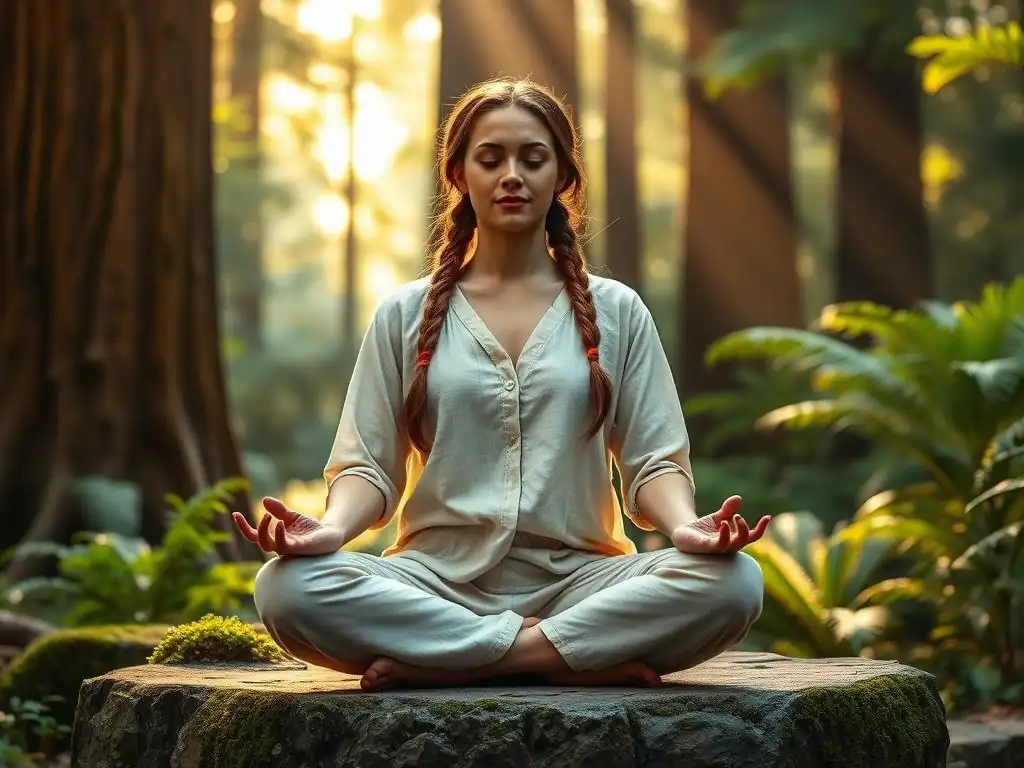
Welcome to Mind Care Guide, a safe space where we navigate the complexities of mental well-being together.
Feeling overwhelmed by anxiety? You're not alone. In our main article, "The Power of Presence: How Yoga Brings You Back to Now," we delve into the profound benefits of Yoga for anxiety relief. Discover how mindful movement and breath can help you reclaim your inner peace and find solace in the present moment. Ready to unlock a calmer, more centered you? Let's begin.
Finding Calm Within: Yoga for Anxiety Relief
- Understanding Anxiety and the Present Moment
- The Science of Yoga and Anxiety Reduction
- Yoga Poses for Anxiety Relief: A Practical Guide
- Cultivating Presence Through Yoga: Beyond Physical Postures
- Integrating Yoga into Daily Life for Anxiety Management
- The Mind-Body Connection: Yoga for Holistic Mental Health
- Conclusion: Embracing Yoga for Lasting Anxiety Relief
-
Frequently Asked Questions
- How does yoga specifically help with anxiety relief?
- What types of yoga are most effective for reducing anxiety?
- How often should I practice yoga to experience anxiety relief benefits?
- Can yoga replace other forms of mental health treatment for anxiety?
- What if I am not flexible or have never done yoga before?
- Final Reflection: Finding Stillness in a Restless World
- Unlock Your Inner Peace: Start Your Yoga Journey Today!
Understanding Anxiety and the Present Moment
The Anxious Mind: A Disconnect from Now
Anxiety is often characterized by a mind that is constantly pulled into the past or future. It fixates on potential threats, past mistakes, or hypothetical negative outcomes, creating a perpetual state of worry and unease. This mental time travel disconnects individuals from the safety and stability of the present moment.
When the mind is racing with "what ifs" and "should haves," the body often responds with physical symptoms like a racing heart, shallow breathing, and muscle tension, perpetuating the cycle of anxiety. This constant internal dialogue prevents people from fully experiencing their current environment and sensations, trapping them in a loop of distress that isn't rooted in immediate reality.
The anxious mind struggles to find stillness, jumping from one thought to the next without pause. This hypervigilance, while perhaps evolutionary in origin, becomes debilitating in modern life, making simple tasks feel overwhelming and restful moments feel impossible. The inability to anchor oneself in the 'now' means that even when physically safe, the mind perceives threat, leading to chronic stress. This persistent state of alert drains energy and makes it incredibly difficult to find peace, highlighting the need for practices that cultivate presence and ground the individual in the here and now.
The Benefits of Yoga for Mental Wellbeing
Yoga, as a holistic practice, offers profound benefits for mental wellbeing, extending far beyond physical flexibility. It integrates movement, breath, and mindfulness, creating a powerful antidote to the scattered nature of the anxious mind. Regular yoga practice helps to quiet the internal chatter, offering moments of respite and stillness. By focusing attention on physical sensations and breath, yoga gently guides the mind away from worries about the past or future and into the present moment. This cultivation of presence is fundamental in managing anxiety symptoms and fostering a greater sense of calm and control.
Beyond calming the mind, yoga positively impacts the body's stress response system. Through specific postures and breathing techniques, it can help regulate the nervous system, reducing the physical manifestations of anxiety such as rapid heart rate and muscle tightness. Many individuals report feeling significantly more relaxed and centered after a yoga session. The practice also fosters self-awareness, allowing individuals to recognize the early signs of anxiety in their body and mind, empowering them to apply coping strategies learned on the mat to their daily lives. This makes yoga for anxiety relief a truly comprehensive approach.
The Science of Yoga and Anxiety Reduction
The Nervous System: How Yoga Calms the Body
Yoga exerts a significant calming effect on the body's nervous system, particularly by influencing the balance between the sympathetic ("fight or flight") and parasympathetic ("rest and digest") branches. Chronic anxiety often keeps the sympathetic system in overdrive, leading to elevated stress hormones like cortisol and adrenaline. Yoga practices, especially those focusing on slow movements and deep breathing, stimulate the vagus nerve, a key component of the parasympathetic system. Activation of the vagus nerve helps to lower heart rate, reduce blood pressure, and decrease muscle tension, effectively counteracting the physical symptoms of stress and anxiety.
Research, including studies published in journals like the Journal of Alternative and Complementary Medicine, has shown that regular yoga practice can lead to measurable changes in physiological markers associated with stress. For instance, some studies indicate a reduction in evening cortisol levels after several weeks of consistent yoga. By consciously engaging the parasympathetic nervous system through breath control and mindful movement, yoga helps the body shift out of a state of chronic alert and into a state conducive to relaxation and healing. This physiological shift is a core reason why yoga is effective for anxiety relief.
Mindfulness: The Key to Stress Relief in Yoga
Mindfulness is an integral component of yoga that contributes significantly to its stress-relieving properties. While practicing yoga poses or breathing exercises, practitioners are encouraged to bring their attention to their physical sensations, breath, and thoughts without judgment. This practice of present-moment awareness helps to interrupt the cycle of rumination and worry that fuels anxiety. Instead of getting swept away by anxious thoughts, individuals learn to observe them from a distance, recognizing them as temporary mental events rather than absolute truths.
This mindful approach cultivated on the mat can be carried into daily life, providing tools to navigate stressful situations with greater ease. By training the mind to stay present, yoga helps to reduce the power that future worries or past regrets hold over one's emotional state. It teaches acceptance of what is, fostering resilience and reducing reactivity to stressors. Learning to be present with discomfort in a pose, for example, can build tolerance for uncomfortable emotions off the mat, making mindful awareness a powerful tool for anyone seeking yoga for anxiety relief.
Research: Studies on Yoga's Impact on Anxiety
Numerous studies have investigated the efficacy of yoga for anxiety relief, providing compelling evidence for its benefits. A meta-analysis published in Psychological Medicine in 2018, for instance, reviewed multiple randomized controlled trials and concluded that yoga interventions were effective in reducing anxiety symptoms compared to control groups. While results vary based on the type and duration of yoga, consistent findings point towards significant reductions in self-reported anxiety levels.
Specific studies have explored different styles of yoga and their impact. Gentle Hatha yoga and Restorative yoga, which emphasize holding poses for longer periods and using props for support, have shown particular promise in reducing symptoms in individuals with generalized anxiety disorder. For example, a Boston University study published in 2010 found that participants in a yoga group experienced a significant decrease in anxiety scores compared to a control group after just 12 weeks. These findings underscore the potential of integrating a regular yoga practice as a valuable strategy for managing and alleviating anxiety.
Yoga Poses for Anxiety Relief: A Practical Guide
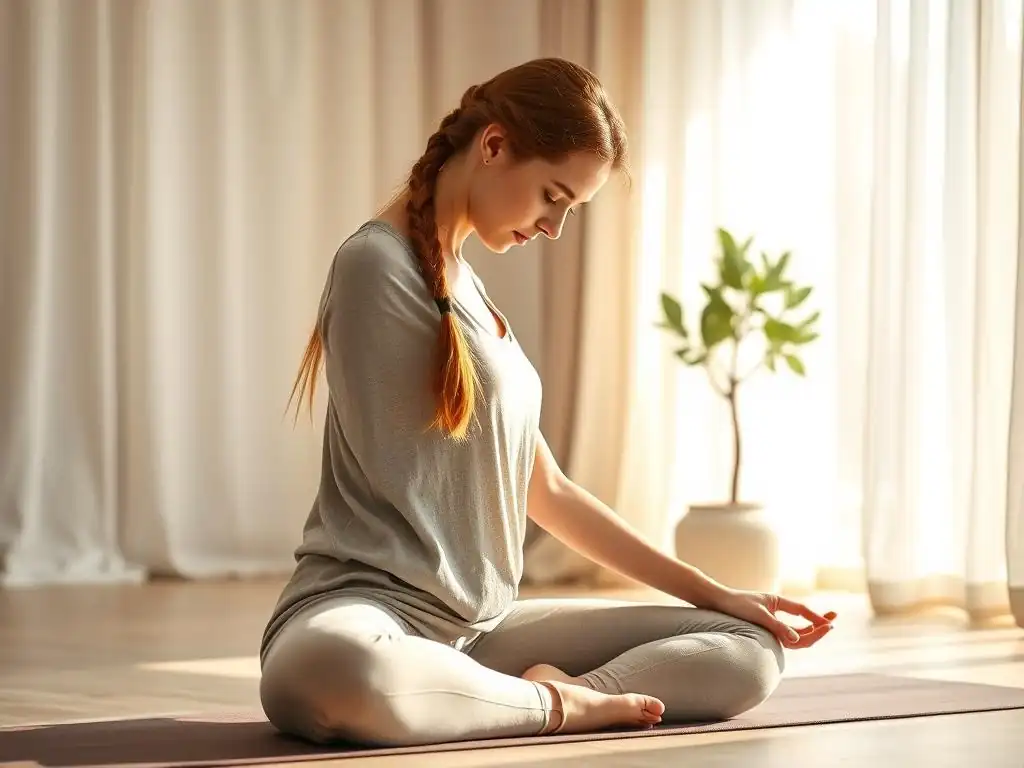
Breathing Techniques (Pranayama) for Calming Anxiety
Pranayama, the practice of breath control in yoga, is one of the most immediate and effective tools for calming the nervous system and managing anxiety. By consciously regulating the breath, we can directly influence our physiological state. Slow, deep breathing signals to the brain that we are safe, activating the parasympathetic response and reducing the body's stress reaction. Incorporating pranayama before, during, or after yoga poses enhances the overall benefits for anxiety relief.
Focusing solely on the breath can also serve as a powerful anchor to the present moment, pulling the mind away from anxious thought loops. Even a few minutes of conscious breathing can make a significant difference in shifting your state from one of panic or worry to one of relative calm. These techniques are accessible anywhere, making them invaluable tools for managing anxiety in the moment.
Deep Belly Breathing (Diaphragmatic Breathing): Grounding Breath
Deep belly breathing, also known as diaphragmatic breathing, is a fundamental technique for calming the nervous system. It involves inhaling deeply into the abdomen, allowing the belly to expand, and exhaling slowly, allowing the belly to contract. This type of breathing encourages the full use of the diaphragm, the primary muscle of respiration, which is often restricted during anxiety-induced shallow chest breathing.
- Place one hand on your chest and the other on your belly below your rib cage.
- Inhale slowly through your nose, feeling your belly rise as it fills with air. Your chest should remain relatively still.
- Exhale slowly through your mouth or nose, feeling your belly gently fall. Exhalations can be slightly longer than inhalations.
- Repeat for several minutes, focusing on the rise and fall of your belly.
Practicing deep belly breathing helps to lower heart rate, decrease blood pressure, and promote a sense of groundedness. It is a simple yet potent practice for immediate anxiety relief and can be done anytime, anywhere, making it a cornerstone of yoga for anxiety relief.
Alternate Nostril Breathing (Nadi Shodhana): Balancing Energy
Alternate Nostril Breathing, or Nadi Shodhana, is a balancing pranayama technique believed to harmonize the left and right hemispheres of the brain and balance the flow of energy (prana) in the body. It involves breathing through one nostril at a time, alternating between them. This rhythmic, controlled breathing can be deeply calming and centering, making it excellent for reducing stress and anxiety.
- Sit comfortably with a straight spine.
- Close your right nostril with your right thumb. Inhale slowly and deeply through your left nostril.
- Close your left nostril with your right ring finger. Release your thumb from the right nostril and exhale slowly through the right nostril.
- Inhale through the right nostril.
- Close your right nostril with your thumb. Release your ring finger from the left nostril and exhale slowly through the left nostril.
- This completes one round. Continue alternating nostrils for several minutes.
Nadi Shodhana helps to quiet mental chatter and promote mental clarity. Many find it particularly effective for settling the mind before meditation or sleep, or during moments of heightened anxiety. Its balancing effect contributes significantly to using yoga for anxiety relief by promoting nervous system regulation.
Gentle Yoga Poses for Anxiety and Stress Management
Certain yoga poses are particularly beneficial for releasing physical tension and promoting relaxation, which are crucial aspects of managing anxiety. Gentle, grounding poses that encourage introspection and release can be incredibly soothing for an anxious mind and body. Holding these poses with mindful awareness allows for a deeper connection with the present moment and facilitates the release of stored tension.
These poses are generally accessible to beginners and can be modified with props like blankets or bolsters for added comfort and support. The key is to move slowly, listen to your body, and prioritize relaxation over achieving a perfect shape. Even a short sequence of these poses can provide significant relief.
Child’s Pose (Balasana): Releasing Tension and Finding Comfort
Child's Pose is a deeply comforting and grounding pose that encourages surrender and release. It is often used as a resting pose throughout a yoga practice, offering a moment to turn inward and connect with the breath. The gentle pressure on the forehead can be calming, and the rounded shape provides a sense of security.
- Start on your hands and knees.
- Bring your big toes to touch and widen your knees to the edges of the mat, or keep them together for a more contained feeling.
- Lower your hips back towards your heels.
- Walk your hands forward, resting your forehead on the mat. Alternatively, you can rest your arms alongside your body, palms facing up.
- Allow your shoulders to relax and your entire body to feel heavy and supported by the ground.
- Breathe deeply into your back and sides.
Holding Child's Pose for several minutes can help to quiet the mind, release tension in the back and hips, and promote a sense of calm. It's a safe haven pose that you can return to whenever you feel overwhelmed or anxious, embodying the essence of using yoga for anxiety relief through gentle surrender.
Legs-Up-the-Wall Pose (Viparita Karani): Promoting Relaxation and Circulation
Legs-Up-the-Wall Pose is a simple inversion that is incredibly relaxing and restorative. Elevating the legs can help to calm the nervous system, reduce swelling in the legs and feet, and gently stimulate circulation. It requires minimal effort and allows the body to enter a state of deep rest, making it ideal for alleviating stress and anxiety.
- Find a wall space. Sit sideways next to the wall, with one hip touching the wall.
- Swing your legs up the wall as you simultaneously lie down on your back.
- Adjust your position so your hips are close to the wall (a few inches away is fine, or you can place a cushion under your lower back for support).
- Rest your arms out to the sides, palms up, or place them on your belly.
- Close your eyes and relax your entire body. Allow your legs to be supported by the wall.
Stay in this pose for 5-15 minutes, focusing on your breath and allowing your body to completely relax. This pose is known to help reduce fatigue, soothe the nervous system, and promote a sense of tranquility, offering passive yet powerful yoga for anxiety relief.
Corpse Pose (Savasana): Deep Rest and Integration
Savasana, or Corpse Pose, is often considered the most important pose in yoga, particularly for stress and anxiety reduction. It is a pose of complete surrender and deep rest, allowing the body and mind to fully integrate the benefits of the practice. While seemingly simple, it can be challenging for the anxious mind to remain still and quiet.
- Lie flat on your back on your mat.
- Allow your legs to extend straight, letting your feet fall open naturally to the sides.
- Rest your arms alongside your body, palms facing up, a comfortable distance from your torso.
- Close your eyes gently.
- Scan your body for any remaining tension and consciously release it with each exhale.
- Let go of any effort to control your breath; simply allow it to flow naturally.
Remain in Savasana for at least 5-10 minutes. This pose facilitates deep relaxation, lowers heart rate, and allows the nervous system to settle. It teaches the ability to simply 'be' without doing, which is a profound practice for those struggling with constant worry. Savasana is essential for fully realizing the calming potential of yoga for anxiety relief.
Restorative Yoga: Deep Relaxation for Anxiety Relief
Restorative yoga is a style of practice specifically designed to promote deep relaxation and healing. Unlike more active forms of yoga, restorative yoga uses props extensively – such as bolsters, blankets, blocks, and straps – to support the body in gentle poses. The goal is to hold these poses for extended periods, typically 5-20 minutes, with minimal effort, allowing the nervous system to downregulate and the body to release chronic tension. This passive approach is incredibly effective for calming the mind and reducing physiological stress responses.
The deep support provided by props allows muscles to relax fully, releasing tension that might not be accessible in more active poses. This practice encourages a state of profound rest, which is often lacking in modern life and is crucial for healing anxiety. Restorative yoga sessions are typically slow-paced and quiet, creating a peaceful environment conducive to introspection and calm. It's a powerful therapeutic application of yoga for anxiety relief, offering a sanctuary of stillness and ease.
Cultivating Presence Through Yoga: Beyond Physical Postures
Cultivating presence is a core outcome of a consistent yoga practice, extending well beyond the physical movements on the mat. While postures (asana) and breathwork (pranayama) are foundational tools, the true power of yoga lies in its ability to train the mind to be more aware of the present moment. This heightened self-awareness allows individuals to recognize patterns of anxious thinking and physical tension as they arise, offering the opportunity to respond skillfully rather than react automatically.
Integrating mindfulness techniques, both formal and informal, into or alongside a yoga practice deepens this cultivation of presence. It's about bringing the mindful awareness practiced during a pose into the rest of your day – noticing the sensations while washing dishes, fully listening during a conversation, or simply observing your breath while sitting at your desk. This continuous practice of presence strengthens the mental muscle needed to detach from anxious narratives and find grounding in the here and now, making yoga a truly transformative practice for managing anxiety.
Mindfulness Meditation: Enhancing Yoga's Benefits
Mindfulness meditation is a practice often interwoven with yoga, significantly enhancing its benefits for anxiety relief. While yoga uses the body and breath as anchors for presence, mindfulness meditation focuses solely on training the mind to observe thoughts, feelings, and sensations without judgment. Sitting quietly and bringing attention repeatedly back to the breath or a body sensation cultivates the ability to witness the constant flow of mental activity without becoming entangled in it.
Combining yoga with mindfulness meditation provides a powerful one-two punch against anxiety. The physical practice of yoga helps to release pent-up energy and tension, making it easier to sit for meditation. The meditation practice then sharpens the awareness cultivated during yoga, making you more adept at recognizing anxious thoughts and choosing not to engage with them. Regular meditation practice has been shown in studies to decrease activity in the amygdala, the brain's fear center, further supporting its role in reducing anxiety symptoms and amplifying the effects of yoga for anxiety relief.
Body Scan Meditation: Connecting with Present Sensations
Body scan meditation is a specific mindfulness technique particularly effective for grounding the anxious mind and reconnecting with the physical self. It involves systematically bringing conscious awareness to different parts of the body, noticing any sensations present without trying to change or judge them. This practice helps to interrupt the tendency of the anxious mind to dwell in abstract worries by directing attention to tangible, present-moment physical experiences.
By moving awareness through the body – from the toes, up through the legs, torso, arms, neck, and head – you learn to identify areas of tension you might not have been aware of and consciously release them. This practice also helps to build interoceptive awareness, the ability to sense the internal state of your body, which is often impaired in individuals with anxiety.
Regularly practicing a body scan can help you become more attuned to the subtle physical cues of anxiety and develop a greater capacity to tolerate and work with uncomfortable sensations, reinforcing the mind-body connection fostered by yoga for anxiety relief.
Self-Awareness: Understanding Your Body and Mind
A consistent yoga practice profoundly enhances self-awareness, providing invaluable insights into the intricate connection between your body and mind. Through paying attention to physical sensations during poses, observing breath patterns, and noticing mental states, you begin to understand how stress and anxiety manifest uniquely in your own system. You might discover that anxiety consistently leads to tension in your shoulders, shallow breathing, or a churning sensation in your stomach.
This heightened self-awareness is empowering. It allows you to recognize the early warning signs of rising anxiety before it escalates into a full-blown episode. Armed with this knowledge, you can then proactively use the tools learned through yoga – a specific breathing technique, a calming pose, or a moment of mindful presence – to manage the symptoms. This deep understanding of your internal landscape, cultivated through mindful yoga practice, is fundamental to effectively using yoga for anxiety relief and developing lasting coping strategies.
Integrating Yoga into Daily Life for Anxiety Management
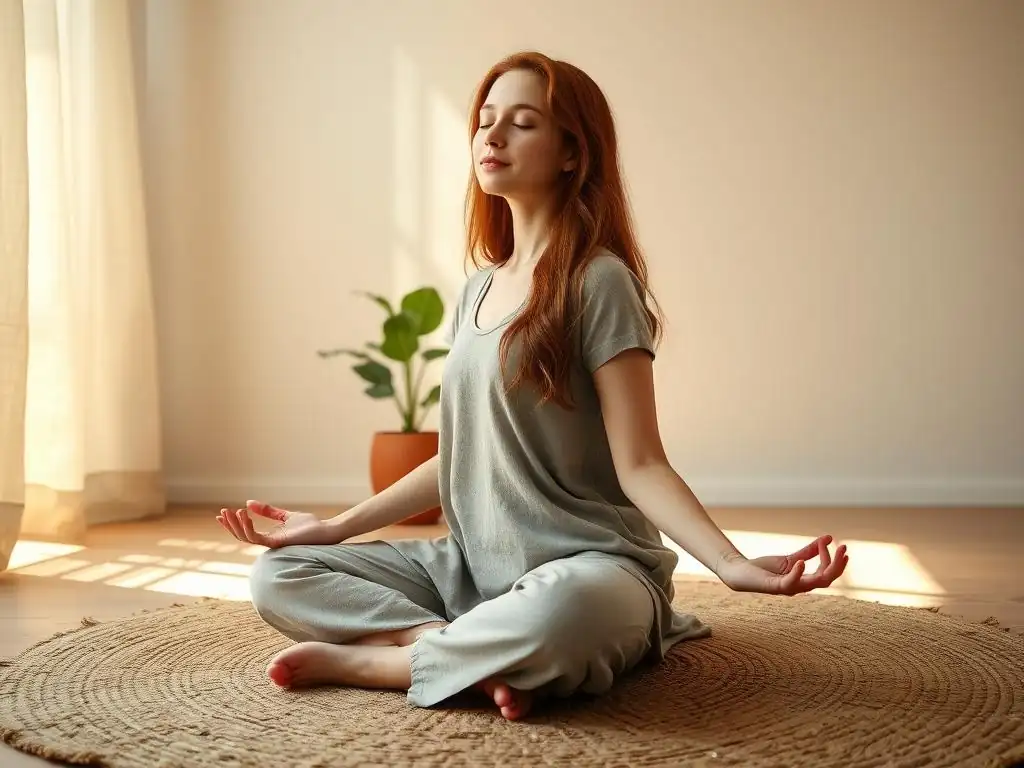
Integrating yoga into daily life is key to harnessing its full potential for ongoing anxiety management. While attending classes can be beneficial, developing a personal practice that fits into your routine ensures consistent exposure to the calming benefits. Even short, regular sessions can be more impactful than infrequent long ones. Finding ways to weave mindful movement and breath into your day-to-day activities reinforces the principles learned on the mat and makes them readily accessible when anxiety arises.
This doesn't necessarily mean dedicating an hour every morning; it could be five minutes of deep breathing before a stressful meeting, a few minutes of gentle stretching during a work break, or a 15-minute restorative pose before bed. The consistency of the practice, however brief, builds resilience and strengthens the mind-body connection. Making yoga a non-negotiable part of your self-care routine is a powerful step towards sustainable anxiety relief.
Home Practice: Creating a Daily Yoga Routine
Establishing a home yoga practice offers flexibility and convenience, making it easier to integrate yoga for anxiety relief into a busy schedule. Start small – perhaps 10-15 minutes each day. Choose a time that works best for you, whether it's first thing in the morning to set a calm tone for the day, during a midday break to re-center, or in the evening to unwind before sleep. Find a quiet space where you won't be interrupted, even if it's just a corner of a room.
Consider using online resources, apps, or books for guided practices, especially when starting out. Focus on gentle movements, grounding poses, and conscious breathing techniques that you find particularly calming. The key is consistency over duration. Even a short, mindful practice can significantly impact your stress levels throughout the day. Over time, you can gradually increase the length of your practice as it becomes a natural part of your routine.
Finding a Qualified Instructor: Guidance and Support
While home practice is valuable, seeking guidance from a qualified yoga instructor can greatly enhance your journey with yoga for anxiety relief. An experienced teacher can provide personalized modifications for poses, ensure proper alignment to prevent injury, and offer deeper insights into pranayama and meditation techniques. They can also create a safe and supportive environment, which can be particularly beneficial for individuals dealing with anxiety.
Look for instructors or studios that emphasize mindfulness, gentle practices, or therapeutic yoga. Some instructors specialize in teaching yoga for mental health conditions. Don't hesitate to speak with the instructor before class to discuss your anxiety and any specific concerns you have. A good teacher can offer invaluable support, helping you tailor the practice to your specific needs and deepen your understanding of how yoga can serve as a powerful tool for managing anxiety.
Consistency: Tips for Maintaining Your Yoga Practice
Consistency is perhaps the most crucial factor in experiencing the long-term benefits of yoga for anxiety relief. It's the cumulative effect of regular practice that leads to lasting changes in the nervous system and mental patterns. Life happens, and there will be days when finding time or motivation feels challenging. Setting realistic goals is important – aim for a few shorter practices per week rather than one long, unattainable session.
- Schedule your practice: Treat it like any other important appointment in your calendar.
- Start small: Even 5-10 minutes of conscious breathing or a few simple poses can make a difference.
- Be flexible: If you miss a day, don't dwell on it; just get back on the mat the next day.
- Find a style you enjoy: Experiment with different types of yoga until you find what resonates with you.
- Practice with others: Joining a class or practicing with a friend can provide motivation and accountability.
- Notice the benefits: Pay attention to how you feel after practice – this positive reinforcement can encourage consistency.
Maintaining consistency transforms yoga from an occasional activity into a fundamental self-care practice that builds resilience and provides ongoing support for managing anxiety.
The Mind-Body Connection: Yoga for Holistic Mental Health
Yoga deeply nurtures the inherent mind-body connection, recognizing that mental and physical health are inextricably linked. Anxiety is not just a mental state; it manifests physically through muscle tension, digestive issues, fatigue, and more. Yoga addresses both aspects simultaneously. By working with the physical body through movement and breath, yoga directly impacts the nervous system and brain, influencing mood, stress levels, and emotional regulation.
This holistic approach distinguishes yoga as a powerful tool for overall mental wellbeing, not just symptom management. It helps individuals develop a greater sense of integration within themselves, fostering a feeling of being more grounded and whole. Understanding and working with the mind-body connection through yoga is key to cultivating resilience and promoting lasting mental health, underscoring its value as a practice for comprehensive anxiety relief.
Emotional Regulation: Managing Mood and Emotions
Yoga is a powerful tool for improving emotional regulation, the ability to understand and manage one's emotional responses. Through mindful practice, individuals become more aware of their emotional states as they arise, observing them without immediate reaction. This non-judgmental awareness creates space between the emotion and the response, allowing for a more considered reaction rather than an impulsive one driven by anxiety or fear.
Specific breathing techniques and poses can help process and release trapped emotions held within the body. The physical release of tension often corresponds with an emotional release, creating a sense of lightness and ease. By cultivating a greater tolerance for uncomfortable sensations and emotions on the mat, yoga helps build the capacity to navigate challenging feelings off the mat with greater equanimity. This enhanced ability to manage mood and emotions is a significant benefit of using yoga for anxiety relief.
Yoga as a Complementary Therapy: Working with Mental Health Professionals
Yoga can serve as a highly effective complementary therapy when working with mental health professionals like therapists or counselors. It is not a substitute for professional medical or psychological treatment but can significantly enhance its outcomes. Many mental health professionals recognize the benefits of mind-body practices and may recommend yoga as part of a comprehensive treatment plan for anxiety disorders.
Integrating yoga alongside therapy provides a practical, embodied way to process emotions, manage stress, and build coping skills discussed in sessions. For example, someone learning cognitive behavioral therapy (CBT) techniques for challenging anxious thoughts might use mindfulness meditation during their yoga practice to observe those thoughts without judgment. Discussing your yoga practice with your therapist can also provide valuable insights into your progress and challenges, creating a more integrated approach to your mental wellbeing journey and maximizing the benefits of yoga for anxiety relief.
Self-Compassion: Nurturing Your Inner Self
A truly empathetic and informative approach to mental health includes the vital element of self-compassion, and yoga inherently cultivates this. The practice encourages listening to your body, honoring its limits, and treating yourself with kindness and patience, especially on days when anxiety feels overwhelming. Instead of pushing through discomfort or judging yourself for not being "good enough" at a pose, yoga invites acceptance and gentleness.
This attitude of self-compassion learned on the mat can gradually extend into your daily life. It helps counter the harsh self-criticism that often accompanies anxiety. By consistently choosing kindness towards yourself during your practice, you build the capacity to respond to anxious thoughts and feelings with understanding rather than judgment. This nurturing aspect of yoga is fundamental to healing and building resilience, making it a powerful pathway for anxiety relief and fostering a more loving relationship with your inner self.
Conclusion: Embracing Yoga for Lasting Anxiety Relief
Frequently Asked Questions
How does yoga specifically help with anxiety relief?
Yoga helps with anxiety relief by combining physical postures, controlled breathing, and mindfulness. This combination helps to regulate the nervous system and reduce the physiological symptoms of anxiety.
What types of yoga are most effective for reducing anxiety?
While individual preferences vary, gentle forms of yoga like Hatha, Restorative, and Yin are often recommended for anxiety relief. These styles emphasize slower movements and longer holds, promoting relaxation.
How often should I practice yoga to experience anxiety relief benefits?
Consistency is key. Aim for at least 3-4 sessions per week, even if they are only 15-30 minutes long. Listen to your body and adjust the frequency based on your needs and comfort level.
Can yoga replace other forms of mental health treatment for anxiety?
Yoga can be a valuable complementary therapy for anxiety, but it's not always a replacement for professional treatment. Consider it as part of a holistic approach alongside therapy and/or medication, if recommended by a healthcare professional.
What if I am not flexible or have never done yoga before?
Yoga is for everyone, regardless of flexibility or experience. Start with beginner-friendly classes or modified poses. Focus on the process, not perfection, and celebrate small achievements.
Final Reflection: Finding Stillness in a Restless World
The pervasive anxiety of modern life demands a powerful antidote, and the practice of yoga offers precisely that: a pathway back to the present moment. The ability to anchor oneself in the now, to fully inhabit one's body and breath, is not merely a trendy wellness practice; it's a crucial skill for navigating the overwhelming currents of daily stress. This article explored how yoga's physical postures, breathing techniques, and mindful awareness cultivate a sense of calm and centeredness, directly combating the symptoms of anxiety.
The impact of yoga on my own life, and the lives of countless others, has been profound. It's not just about flexibility or strength; it's about cultivating a relationship with oneself, a deep listening to the body's wisdom. Yoga is the journey of the self, through the self, to the self.
- The Bhagavad Gita. This ancient wisdom resonates deeply today, as we search for meaning and stability in an increasingly fragmented world. The practice offers a tangible way to connect with inner peace, a refuge from the constant demands of external pressures. It's a reminder that true strength lies not in conquering the world, but in finding stillness within.
Now, consider your own life. Where do you feel the weight of anxiety pressing down? What small steps can you take today to cultivate more presence in your daily routine? Perhaps it's a few minutes of deep breathing before starting your day, a mindful walk in nature, or simply pausing to appreciate the sensation of your breath. Begin with a single breath, a single moment, and allow the power of presence to gently guide you toward a calmer, more fulfilling life. The journey inward is a journey worth taking.
Unlock Your Inner Peace: Start Your Yoga Journey Today!
Thanks for taking the time to explore the power of presence with us! We hope you've gained a deeper understanding of how yoga can help you find calm amidst the chaos. Now it's time to put this knowledge into action.
- Begin your yoga practice with a 10-minute guided meditation. Even a small step can make a big difference in connecting with your inner peace. This is the most important action.
- Share this article with a friend who could benefit from finding more presence in their lives. Spread the word about the transformative power of yoga!
- Explore different yoga styles online to discover the perfect fit for you. There’s a style for everyone—from gentle restorative yoga to invigorating vinyasa flow.
Ready to cultivate a deeper connection with yourself? What's your first step towards embracing the peace yoga offers?