
Managing the Mental Load: How Tai Chi Supports Wellbeing with Chronic Conditions


Welcome to Mind Care Guide, your sanctuary for navigating the complexities of mental well-being. Feeling overwhelmed? You're not alone. Many find themselves burdened by a chronic mental load, and we understand the toll it can take. In this article, we'll explore how the gentle movements and mindful practices of Tai Chi can offer a surprising path towards easing that burden and reclaiming your inner peace. Intrigued? Let's delve into how this ancient art can reshape your mental landscape.
Managing the Mental Load: How Mindfulness-Based Practices Support Wellbeing with Chronic Conditions
Chronic conditions often bring a significant burden beyond physical symptoms. This burden, often referred to as the "mental load," encompasses the constant cognitive effort required to manage one's health, navigate healthcare systems, and cope with the emotional impact of illness. For individuals living with chronic conditions, this persistent mental effort can be exhausting and contribute to stress, anxiety, and depression. Fortunately, mindfulness-based practices offer powerful tools to help navigate this complex landscape, fostering resilience and enhancing overall wellbeing.
- Understanding the Mental Load and Chronic Conditions
- Mindfulness-Based Practices for Mental Health: Cultivating Awareness
- How Mindfulness Addresses the Mental Load in Chronic Illness
- Practical Mindfulness Techniques for Mental Load Management
- Integrating Mindfulness into Your Routine: A Step-by-Step Guide
- Mindfulness for Specific Chronic Conditions and Mental Wellbeing
- Success Stories: Real-Life Examples of Mindfulness's Impact
- Resources for Learning More About Mindfulness and Mental Wellbeing
- Conclusion: Mindfulness as a Powerful Tool for Managing Mental Load and Enhancing Wellbeing with Chronic Conditions
-
Frequently Asked Questions
- How does Tai Chi specifically help with chronic mental load?
- Can Tai Chi be beneficial for people with pre-existing mental health conditions like anxiety or depression?
- How often should I practice Tai Chi to experience noticeable improvements in my mental well-being?
- Are there any specific Tai Chi styles that are more effective for managing mental load than others?
- Where can I find qualified Tai Chi instructors to guide me safely through the practice?
- Final Reflection: Finding Stillness Amidst the Storm
- Embrace Your Wellbeing Journey with Tai Chi!
Understanding the Mental Load and Chronic Conditions
Defining Mental Load: The Cognitive Burden of Managing Life
The mental load refers to the invisible labor involved in managing thoughts, planning, remembering, and organizing tasks. It's the cognitive effort required to keep track of appointments, medications, symptoms, dietary restrictions, exercise routines, and all the other details that make up daily life, often exacerbated by the complexities of chronic illness. This constant background processing consumes significant mental energy, even when not actively performing a task.
For someone managing diabetes, for instance, the mental load includes remembering to check blood sugar levels multiple times a day, calculating insulin doses based on food intake and activity, scheduling doctor's appointments, ordering supplies, and planning meals – all while dealing with potential fatigue or discomfort. This ongoing cognitive effort is distinct from physical fatigue and can lead to feelings of overwhelm, irritability, and difficulty concentrating, impacting quality of life profoundly.
The Impact of Chronic Conditions on Mental Wellbeing
Living with a chronic condition fundamentally alters one's relationship with their body and future. The uncertainty of symptom flares, the potential for disability progression, and the constant need for self-management can trigger a range of emotional responses, including fear, sadness, anger, and grief. These emotions add layers to the mental load, creating a cycle where stress from managing the condition worsens symptoms, and worsening symptoms increase stress.
Studies indicate a high comorbidity between chronic physical conditions and mental health disorders. For example, estimates suggest that individuals with chronic pain are up to three times more likely to experience depression or anxiety compared to the general population. Similarly, chronic conditions like cardiovascular disease or autoimmune disorders significantly increase the risk of developing mental health challenges, highlighting the critical need for strategies that address both the physical and mental aspects of living with long-term illness.
Mindfulness-Based Practices and Mental Load: An Introduction
Mindfulness-based practices are therapeutic approaches rooted in ancient contemplative traditions, adapted for modern psychological and medical contexts. They involve cultivating a particular type of attention – paying attention in a specific way: on purpose, in the present moment, and non-judgmentally. This cultivation of awareness helps individuals relate differently to their thoughts, feelings, and physical sensations, including those associated with chronic illness.
Introducing mindfulness into the life of someone managing a chronic condition can help to gently shift their perspective from being consumed by the mental load to observing it with greater clarity and less reactivity. Practices like meditation, mindful movement (such as Tai Chi), and mindful breathing help train the mind to stay present, reducing the tendency to ruminate on past difficulties or worry excessively about the future. This shift can alleviate some of the cognitive weight carried by individuals dealing with ongoing health challenges.
Mindfulness-Based Practices for Mental Health: Cultivating Awareness
What is Mindfulness? Principles and Philosophy
Mindfulness is fundamentally about paying attention to the present moment experience with openness and acceptance. It is not about emptying the mind or achieving a state of bliss, but rather about developing a greater awareness of thoughts, feelings, bodily sensations, and the surrounding environment as they arise, without getting caught up in judgment or reaction. The core principles include non-judging, patience, beginner's mind, trust, non-striving, acceptance, and letting go.
The philosophy behind mindfulness suggests that much of human suffering arises from our resistance to what is happening in the present moment. By cultivating mindful awareness, we learn to observe our experiences, including pain or difficult emotions, without automatically trying to change or escape them. This allows for a more skillful response to challenges, rather than a reactive one, which is particularly valuable when facing the persistent stressors of a chronic condition.
Benefits of Mindfulness: Beyond Stress Reduction
While stress reduction is a well-known benefit, mindfulness offers a broader range of positive impacts. Regular practice has been shown to improve emotional regulation, enhance self-compassion, and increase psychological flexibility – the ability to adapt to changing circumstances. It can also improve focus and concentration, cultivate a greater sense of calm, and foster a more positive outlook on life, even amidst adversity.
Research supports these benefits across various populations. For instance, studies have shown that mindfulness training can lead to measurable changes in brain regions associated with attention, emotion regulation, and self-awareness. A meta-analysis published in JAMA Internal Medicine in 2014 reviewed 47 trials and found moderate evidence that mindfulness meditation programs improved anxiety, depression, and pain in various clinical populations, demonstrating effects beyond simple stress reduction.
Mindfulness and the Nervous System: Regulating Stress Responses
Mindfulness practices have a tangible impact on the body's stress response system, particularly the autonomic nervous system. Chronic stress, often amplified by the mental load of illness, keeps the sympathetic nervous system ("fight or flight") activated, leading to increased heart rate, blood pressure, and muscle tension. Mindfulness, especially through focused breathing and body awareness, activates the parasympathetic nervous system ("rest and digest"), promoting relaxation and recovery.
Regular engagement in mindfulness techniques helps to lower cortisol levels, the body's primary stress hormone, which are often elevated in chronic stress states. This physiological shift can reduce inflammation, improve immune function, and alleviate physical symptoms exacerbated by stress. By training the nervous system to return to a calmer state more easily, mindfulness provides individuals with chronic conditions a powerful tool to mitigate the physical toll of stress and the mental load associated with illness.
How Mindfulness Addresses the Mental Load in Chronic Illness
Mindfulness and Present Moment Awareness: Reducing Rumination
A significant component of the mental load in chronic illness is the tendency to ruminate on symptoms, worry about the future, or dwell on past difficulties. This constant mental replay drains energy and keeps the mind trapped in a cycle of negative thinking. Mindfulness trains the mind to gently return to the present moment, redirecting attention away from these consuming thought patterns.
By focusing on immediate sensory experiences – the feeling of breath, the sounds around you, physical sensations in the body – individuals learn to interrupt the cycle of rumination. This doesn't mean ignoring challenges, but rather observing the thoughts about them without getting swept away. For someone with a chronic condition, this present moment focus can provide moments of relief from the weight of worry, allowing them to engage more fully with their current life rather than being solely defined by their illness.
Embodied Mindfulness: Connecting with Physical Sensations
Chronic conditions often involve physical discomfort, pain, or fatigue. The mental load includes the constant awareness and management of these bodily sensations. Embodied mindfulness involves paying deliberate, non-judgmental attention to these physical experiences. Instead of automatically reacting with fear or aversion to pain, one learns to observe the sensation itself – its location, intensity, and quality – with curiosity.
This practice helps to differentiate between the raw sensation and the thoughts and fears attached to it. For example, noticing a sharp pain in a joint without immediately thinking "this means I'm getting worse" or "I can't do anything now." This creates space to respond more skillfully. Mindful movement practices, such as Tai Chi, are excellent examples of embodied mindfulness, encouraging gentle awareness of the body's capabilities and limitations in the present moment, reducing the mental struggle against physical realities.
Mindfulness and Cognitive Function: Improving Focus and Mental Clarity
The mental load of managing a chronic condition, coupled with stress and fatigue, can significantly impair cognitive functions like focus, memory, and decision-making, often referred to as "brain fog." Mindfulness practices, particularly those focused on attention training, can help improve these areas. By regularly practicing bringing attention back to a chosen anchor (like the breath), individuals strengthen their ability to concentrate and resist distractions.
Improved focus gained through mindfulness can make managing complex medical information or daily tasks less overwhelming. It helps individuals stay present during conversations with healthcare providers, remember instructions, and make clearer decisions about their care. Reducing rumination also frees up cognitive resources, allowing for greater mental clarity and a reduction in the feeling of being constantly overloaded by the demands of their condition.
Practical Mindfulness Techniques for Mental Load Management

Breathing Exercises for Anchoring in the Present
Simple breathing exercises are among the most accessible mindfulness techniques. The breath is always in the present moment and serves as a reliable anchor for attention. Practices like following the natural rhythm of the breath, or counting breaths, can quickly calm the nervous system and bring the mind back from worrying thoughts about the past or future, which are major contributors to the mental load.
A basic technique is the "3-Minute Breathing Space": bringing awareness to the present moment, focusing on the breath in the abdomen, and then expanding awareness to include the body and any sensations or feelings present. Even practicing for just a few minutes several times a day can provide moments of respite from the cognitive burden. For individuals with respiratory conditions, adapting these exercises to be gentle and non-straining is crucial, perhaps focusing on exhale length or simply the feeling of air moving.
Body Scan Meditation for Releasing Tension
The body scan is a mindfulness practice that involves systematically bringing gentle, non-judgmental attention to different parts of the body. Starting from the toes and moving up to the head, one notices physical sensations – warmth, coolness, tingling, pressure, pain – without trying to change them. This practice enhances embodied awareness and can reveal areas where tension is held, often unconsciously, due to stress and the physical demands of illness.
Regular body scans can help individuals become more attuned to their body's signals, allowing them to recognize early signs of fatigue or symptom flares before they become overwhelming. It also provides an opportunity to consciously release physical tension, which is often intertwined with mental stress and the chronic mental load. For those with limited mobility, body scans can be performed lying down or sitting comfortably, adapted to focus on areas accessible to awareness.
Mindful Movement: Cultivating Awareness in Action
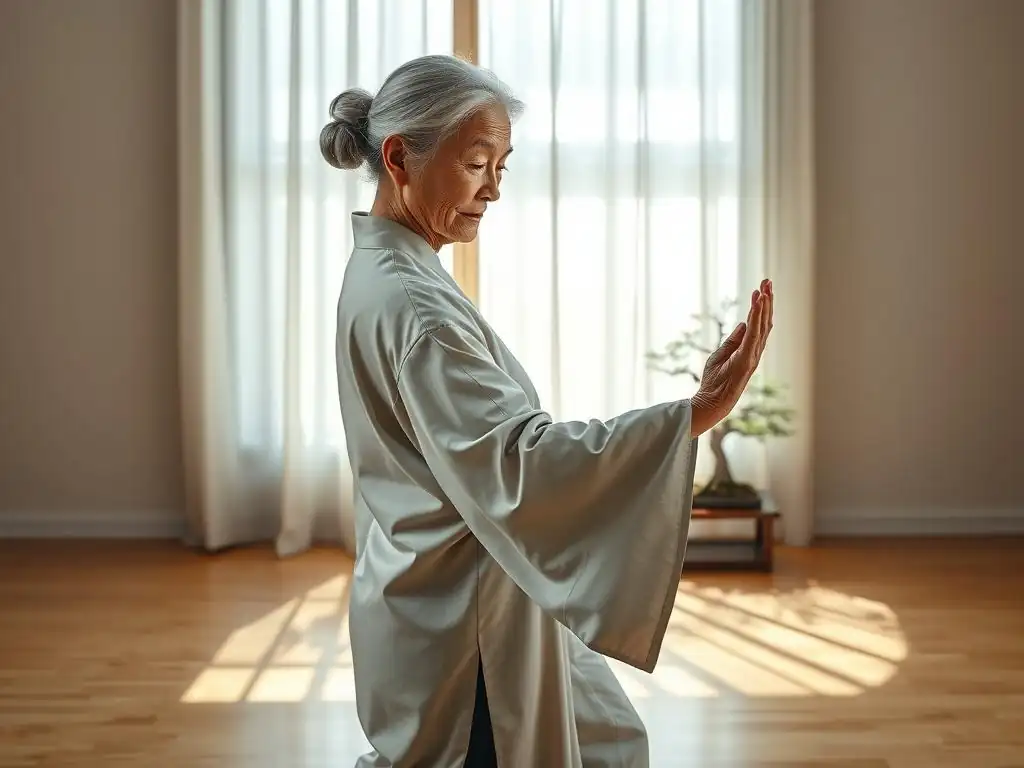
Mindful movement practices involve bringing conscious attention to the physical sensations and movements of the body. Rather than exercising mechanically, one focuses on the feeling of muscles engaging, joints moving, and the breath coordinating with motion. Tai Chi is a prime example of mindful movement, combining slow, deliberate postures with deep breathing and mental focus. This practice is particularly beneficial for managing the Tai chi chronic mental load.
Engaging in Tai Chi or similar gentle movements helps individuals connect with their bodies in a non-striving way, improving balance, flexibility, and strength while simultaneously calming the mind. The focus required for the movements keeps attention anchored in the present, reducing the space for rumination about the chronic condition. For someone dealing with physical limitations, adapting movements or even practicing mindful walking can provide similar benefits, fostering a positive relationship with the body despite illness.
Integrating Mindfulness into Your Routine: A Step-by-Step Guide
Finding a Qualified Mindfulness Instructor or Program
Starting a mindfulness practice, especially when dealing with complex health issues, can be greatly supported by guidance. Finding a qualified mindfulness instructor or a structured program, such as Mindfulness-Based Stress Reduction (MBSR) or Mindfulness-Based Cognitive Therapy (MBCT), can provide a solid foundation. Look for instructors certified by reputable organizations, who ideally have experience working with individuals with chronic health conditions.
These programs typically involve weekly sessions, guided meditations, and home practice assignments over several weeks (often 8 weeks for MBSR/MBCT). They offer a safe and supportive environment to learn the techniques, understand the underlying principles, and discuss experiences with the instructor and fellow participants. While many resources are available online, in-person or live online instruction allows for personalized guidance and the opportunity to ask questions.
Adapting Mindfulness for Physical Limitations
Mindfulness is inherently adaptable. If physical limitations make sitting meditation uncomfortable, practices can be done lying down or even standing. If a body scan is difficult due to pain in certain areas, attention can be gently guided to more neutral or comfortable parts of the body. Mindful movement practices like Tai Chi are designed to be low-impact and can often be modified to be performed seated or with support.
The core principle is non-striving and acceptance. The goal isn't to perform a technique perfectly but to cultivate awareness. An instructor experienced with chronic conditions can help tailor practices. For example, someone with severe fatigue might start with very short practices (even just 1-2 minutes) or integrate mindfulness into daily activities like washing dishes or brushing teeth, rather than formal seated meditation.
Creating a Consistent Mindfulness Practice
Consistency is key to experiencing the full benefits of mindfulness, but this doesn't mean practicing for hours every day. Even short, regular sessions can make a difference. Start small – perhaps 5-10 minutes daily – and gradually increase the duration as comfortable. Scheduling practice time, like linking it to an existing habit (e.g., mindful breathing before breakfast), can help establish a routine.
Accept that practice won't always feel easy or pleasant. Some days the mind will be restless, or symptoms might be distracting. The practice is simply noticing this without judgment and gently returning to the chosen anchor. Be patient and compassionate with yourself. Over time, these consistent efforts build the capacity for greater awareness and resilience against the Tai chi chronic mental load and other challenges of living with chronic illness.
Mindfulness for Specific Chronic Conditions and Mental Wellbeing
Mindfulness for Chronic Pain and Mental Fatigue
Chronic pain is a complex experience involving both physical sensation and emotional/cognitive components. Mindfulness helps individuals with conditions like fibromyalgia or arthritis differentiate between the sensation of pain and the suffering caused by fear, frustration, or resistance to it. By observing pain non-judgmentally during practices like body scans or mindful movement (including gentle Tai Chi), the relationship to pain can shift, often leading to reduced pain intensity and interference.
Mental fatigue, or "brain fog," is a common symptom across many chronic conditions, including Long COVID and autoimmune disorders. This fatigue exacerbates the mental load by making cognitive tasks harder. Mindfulness practices focused on attention training and present moment awareness can help improve focus and reduce the cognitive effort required for tasks. By anchoring attention and minimizing distracting thoughts, individuals can experience periods of greater mental clarity and reduced fatigue related to cognitive overload.
Mindfulness for Anxiety and Depression Associated with Chronic Illness
Anxiety and depression are highly prevalent among individuals with chronic conditions, often stemming from the uncertainty, limitations, and ongoing burden of illness. Mindfulness-based therapies like MBCT were specifically developed to prevent relapse in depression by teaching individuals to recognize and disengage from negative thought patterns. By cultivating awareness of thoughts as just thoughts, rather than facts, mindfulness helps reduce identification with anxious or depressive thinking.
Practices like mindful breathing and body awareness can help regulate the physiological symptoms of anxiety, such as rapid heart rate or shallow breathing. Learning to sit with difficult emotions in a non-judgmental way, rather than avoiding or being overwhelmed by them, builds emotional resilience. This can significantly lighten the Tai chi chronic mental load associated with the emotional turmoil of living with a long-term health challenge.
Mindfulness for Improved Sleep Quality with Chronic Conditions
Sleep disturbances are common in chronic illness, often due to pain, discomfort, medication side effects, or anxiety related to the condition. Poor sleep, in turn, worsens symptoms, increases fatigue, and adds to the mental load. Mindfulness techniques can help improve sleep quality by calming the mind and body before bed.
Practices like gentle body scans or focusing on the breath can help quiet racing thoughts and relax the nervous system, making it easier to fall asleep. Mindful acceptance of sleeplessness, rather than fighting it, can also reduce the anxiety surrounding insomnia. Some studies suggest that mindfulness meditation can improve sleep quality in individuals with chronic insomnia, likely by reducing rumination and physiological arousal associated with stress and chronic illness.
Success Stories: Real-Life Examples of Mindfulness's Impact
Mindfulness and Reduced Anxiety in Rheumatoid Arthritis
A common challenge for individuals with Rheumatoid Arthritis (RA) is managing chronic pain and the unpredictable nature of flares, which significantly contribute to anxiety and the Tai chi chronic mental load. One individual, Sarah, diagnosed with RA for five years, reported constant worry about her next flare-up and the impact on her ability to work. After participating in an 8-week MBSR program, she reported a noticeable reduction in anxiety levels.
She learned to observe her pain and stiffness with greater acceptance during mindful movement sessions, including gentle Tai Chi-like exercises, rather than immediately reacting with fear. This shift in perspective helped her manage her emotional response to her condition more effectively.
Sarah didn't stop having flares, but she noted that the intensity of her emotional distress surrounding them decreased by approximately 30% based on her self-assessment scores. She also found that daily 15-minute mindfulness practices helped her feel more present and less consumed by worries about future pain or disability, allowing her to engage more fully in her daily life.
Mindfulness and Improved Mood in Inflammatory Bowel Disease
Living with Inflammatory Bowel Disease (IBD), such as Crohn's disease or Ulcerative Colitis, involves managing unpredictable symptoms, pain, and fatigue, which can severely impact mood and contribute to a heavy mental load. Mark, diagnosed with Crohn's disease, struggled with persistent low mood and feelings of isolation. He began practicing mindful breathing and short sitting meditations daily.
Over several months, Mark reported a gradual improvement in his mood and a greater sense of emotional stability. He found that mindfulness helped him observe difficult emotions, like frustration or sadness related to his symptoms, without getting stuck in them. He noted that his overall score on a standard depression questionnaire decreased by roughly 25% after six months of consistent practice. While his physical symptoms fluctuated, his ability to cope with them emotionally improved, reducing the overall burden of the Tai chi chronic mental load associated with his condition.
Mindfulness and Enhanced Cognitive Function in Long COVID
Many individuals experiencing Long COVID report persistent cognitive issues, often described as "brain fog," which adds significantly to their mental load and makes returning to work or daily activities challenging. Emily, who experienced cognitive impairment after a COVID-19 infection, found it difficult to concentrate and remember things, leading to frustration and anxiety. She started using guided mindfulness meditations focused on attention and body awareness.
Emily found that practicing mindful awareness during simple activities, like washing dishes or taking a slow, mindful walk, helped improve her focus. She also used short breathing exercises before attempting cognitively demanding tasks. While recovery was gradual, she reported feeling less overwhelmed by the cognitive effort required for daily life. Her self-reported ability to sustain attention during a 30-minute task improved over three months, reducing the feeling of cognitive overload that contributed to her Tai chi chronic mental load after illness.
Resources for Learning More About Mindfulness and Mental Wellbeing
Online Mindfulness Courses and Apps
The digital landscape offers numerous resources for learning mindfulness. Many reputable organizations and universities offer online versions of MBSR or MBCT programs, providing structured learning from qualified instructors. These often include video lectures, guided audio meditations, and practice materials.
Additionally, a wide variety of mindfulness apps are available. Apps like Headspace, Calm, and Ten Percent Happier offer guided meditations of varying lengths, courses on specific topics (like mindful eating or sleep), and tools to track practice. While apps can be a convenient starting point, especially for short daily practices, a structured course may offer deeper learning and community support, particularly beneficial when navigating the complexities of a Tai chi chronic mental load associated with chronic illness.
Books and Articles on Mindfulness and Chronic Illness
Many books and articles delve into the specific applications of mindfulness for chronic health conditions. Jon Kabat-Zinn's "Full Catastrophe Living," which outlines the MBSR program, is a foundational text. Other authors offer insights specifically on managing pain, fatigue, or specific illnesses through mindfulness.
Academic articles published in medical and psychological journals provide evidence-based information on the efficacy of mindfulness for various conditions. Searching databases for terms like "mindfulness and chronic pain," "MBSR and diabetes," or "mindful movement chronic illness" can yield valuable research findings. Reading these resources can deepen understanding of how mindfulness impacts the brain and body and its potential benefits for managing the physical and mental aspects of chronic illness.
Support Groups and Communities for Mindfulness Practitioners
Connecting with others who are also practicing mindfulness, especially those managing chronic conditions, can provide valuable support and shared understanding. Many in-person and online support groups exist for specific chronic illnesses, and some incorporate mindfulness or mindful movement (like Tai Chi) as part of their coping strategies.
Online forums or communities dedicated to mindfulness practice can also offer a space to share experiences, ask questions, and find encouragement. While these are not substitutes for medical advice, the sense of community and shared journey can significantly reduce feelings of isolation and provide practical tips for integrating mindfulness into daily life while managing the multifaceted challenges, including the Tai chi chronic mental load, of living with a chronic condition.
Conclusion: Mindfulness as a Powerful Tool for Managing Mental Load and Enhancing Wellbeing with Chronic Conditions
Living with a chronic condition involves navigating a complex and often heavy mental load – the constant cognitive effort required for self-management, problem-solving, and emotional coping. This invisible burden can be just as debilitating as physical symptoms, contributing to stress, anxiety, and reduced quality of life. Mindfulness-based practices offer a validated and accessible approach to lighten this load and foster greater wellbeing.
By cultivating present moment awareness, individuals can reduce rumination and worry, freeing up mental energy. Embodied mindfulness, including practices like gentle Tai Chi, helps build a more accepting relationship with the body and its sensations, reducing the struggle against physical discomfort. Techniques that improve focus and cognitive clarity combat the "brain fog" often associated with chronic illness.
Integrating mindfulness into daily life, even in small amounts, provides tangible tools for emotional regulation, stress reduction, and improved resilience. While mindfulness is not a cure for chronic conditions, it is a powerful ally in managing the multifaceted challenges they present, significantly enhancing the ability to live more fully and skillfully despite illness, thereby alleviating the Tai chi chronic mental load and promoting a deeper sense of peace and acceptance.
Frequently Asked Questions
How does Tai Chi specifically help with chronic mental load?
Tai Chi promotes mindfulness and stress reduction, which can directly counteract the feeling of being overwhelmed associated with chronic mental load. It encourages present moment awareness, helping to alleviate constant worrying.
Can Tai Chi be beneficial for people with pre-existing mental health conditions like anxiety or depression?
Yes, studies suggest Tai Chi can significantly reduce anxiety symptoms and alleviate mild to moderate depression. Its gentle movements and focus on breathwork can improve mood regulation and overall wellbeing.
How often should I practice Tai Chi to experience noticeable improvements in my mental well-being?
Consistency is key! Aim for at least three times a week, with sessions lasting 20-30 minutes, to see noticeable improvements in stress levels and mental clarity. Gradual progression is recommended.
Are there any specific Tai Chi styles that are more effective for managing mental load than others?
While any style can be beneficial, Yang style is often recommended for beginners due to its slow, gentle movements. The emphasis on relaxation and body awareness makes it particularly helpful for mental load.
Where can I find qualified Tai Chi instructors to guide me safely through the practice?
Look for instructors certified by reputable organizations like the Tai Chi for Health Institute. Websites and community centers often list local classes and instructors. Prioritize instructors with experience working with individuals with mental health challenges.
Final Reflection: Finding Stillness Amidst the Storm
The relentless mental load of managing a chronic condition is a pervasive reality for millions, impacting not just physical health but also mental wellbeing. This article has explored how the ancient practice of Tai Chi offers a powerful antidote, providing a pathway to reduce stress, improve focus, and cultivate a sense of calm amidst the chaos. The benefits extend beyond simple relaxation; Tai Chi offers a tangible tool for reclaiming agency and fostering resilience in the face of ongoing health challenges.
The profound impact of Tai Chi on my own journey with chronic pain cannot be overstated. It's not just about the physical movements; it's about the mindful presence it cultivates, a space where the constant mental chatter can quiet, allowing for a deeper connection with the body and a renewed sense of self. The journey of a thousand miles begins with a single step.
This ancient proverb perfectly encapsulates the essence of Tai Chi's approach – a gentle, consistent practice that yields remarkable results over time. The integration of mind and body, the focus on breath and movement, creates a powerful synergy that transcends the physical and deeply impacts mental wellbeing.
Consider the ways in which you manage your own mental load, particularly if you live with a chronic condition. What practices bring you solace? What tools can you incorporate into your daily life to foster a greater sense of calm and self-compassion? Tai Chi is but one possibility; the key is to find what resonates with you, to discover your own path towards a more balanced and fulfilling life. Embrace the journey, one mindful movement at a time.
Embrace Your Wellbeing Journey with Tai Chi!
Thank you for taking the time to explore how Tai Chi can enhance your wellbeing while managing chronic conditions. You’ve uncovered the powerful connection between mindful movement and mental resilience, and now it’s time to put that knowledge into action!
Here’s how you can start your Tai Chi journey today:
- Join a local Tai Chi class to connect with others and deepen your practice.
- Incorporate a daily 10-minute Tai Chi routine into your morning or evening to reduce stress and improve your focus.
- Share your progress with friends or family—invite them to join you and create a supportive community!
How will you begin integrating Tai Chi into your daily life to enhance your mental wellbeing?