
Holistic Wellbeing: How Qigong Creates Balance Across Mind, Body, and Spirit


Welcome to Mind Care Guide.
Feeling overwhelmed by the constant demands of modern life? You're not alone. We understand the delicate balance between mind, body, and spirit is crucial for true wellbeing. Are you searching for a way to gently restore that harmony? Dive into our guide on Qigong for mental wellbeing balance, a powerful ancient practice that can help you unlock inner peace and resilience. Discover how these flowing movements and mindful breathing can transform your mental health journey, starting today.
Holistic Wellbeing: How Qigong Creates Balance Across Mind, Body, and Spirit
- Qigong for Mental Wellbeing Balance: An Introduction to Holistic Harmony
- The Three Treasures: Cultivating Energy and Balance Through Qigong
- Qigong Exercises for Mental Health: Practical Techniques for Daily Practice
- Benefits of Qigong for Mental Wellbeing: A Comprehensive Overview
- Integrating Qigong into Your Life: A Practical Guide
- Qigong vs. Other Wellbeing Practices: A Comparative Analysis
- Achieving Lasting Mental Wellbeing Balance with Qigong: A Journey of Self-Discovery
-
Frequently Asked Questions
- What is Qigong and how does it relate to mental wellbeing?
- Can Qigong really help with mental health challenges like anxiety and depression?
- How often should I practice Qigong to see improvements in my mental wellbeing?
- Are there different types of Qigong exercises, and which ones are best for mental health?
- Where can I learn Qigong and how do I ensure I'm learning it correctly?
- Final Reflection: Finding Harmony Through Qigong
- Unlock Your Inner Harmony: Start Your Qigong Journey Today!
Qigong for Mental Wellbeing Balance: An Introduction to Holistic Harmony
Understanding Qigong: A Path to Integrated Wellbeing
Qigong, an ancient Chinese practice, translates literally as "cultivating life energy" or "energy work." With roots stretching back thousands of years, possibly over 4,000, it is a system of coordinated body posture and movement, breathing, and meditation used for the purposes of health, spirituality, and martial arts training. Unlike strenuous exercise, Qigong typically involves gentle, slow movements that are repeated, combined with focused intention and relaxed breathing. The core principle revolves around the concept of 'Qi' (pronounced 'chee'), the vital life force believed to flow through the body along specific pathways called meridians.
The practice of Qigong aims to cultivate and balance this Qi, promoting its smooth flow throughout the body. By harmonizing the flow of Qi, practitioners believe they can improve physical health, emotional stability, and mental clarity. This holistic perspective is central to Qigong; it doesn't just treat symptoms but addresses the interconnectedness of mind, body, and spirit. Engaging in Qigong for mental wellbeing balance involves accessing this ancient wisdom to foster harmony within oneself, recognizing that physical vitality, emotional resilience, and mental peace are deeply intertwined.
Qigong and Mental Health: The Mind-Body Connection
The connection between the mind and body is a fundamental tenet in many traditional healing systems, and Qigong exemplifies this. Stress, anxiety, and other emotional disturbances are often seen in Qigong as manifestations of stagnant or imbalanced Qi. Physical tension, shallow breathing, and poor posture, common responses to psychological stress, can further impede the smooth flow of energy. Qigong practices actively address these physical manifestations to influence the mental and emotional state, demonstrating a practical application of the mind-body link.
Through gentle movements, deep diaphragmatic breathing, and focused attention, Qigong helps to release physical blockages and restore the natural flow of Qi. For instance, specific movements might target tension held in the shoulders or hips, areas often affected by stress. The conscious control of breath calms the nervous system, shifting the body from a state of 'fight or flight' to one of rest and digest. This intentional manipulation of physical states directly impacts the mental landscape, reducing racing thoughts, easing worry, and fostering a sense of calm, thereby significantly contributing to Qigong for mental wellbeing balance.
The Three Treasures: Cultivating Energy and Balance Through Qigong
Jing: The Foundation of Physical Health and Vitality in Qigong
Jing is considered the most dense and foundational of the Three Treasures, often translated as "essence." It is associated with the physical body, inherited constitution, and reproductive energy. Jing is finite and diminishes over time due to aging, stress, illness, and excessive activity. In the context of health, strong Jing translates to a robust constitution, resilience against illness, healthy aging, and physical vitality. It's the fundamental fuel source for the body's functions.
Qigong practices aim to conserve Jing and, in some cases, cultivate it by transforming Qi and Shen back into Jing. Gentle, grounding exercises, proper rest, and mindful living are emphasized to prevent the depletion of this vital essence. By strengthening the physical foundation through practices that build resilience and vitality, Qigong indirectly supports mental health. A body with sufficient Jing is better equipped to handle stress, recover from challenges, and maintain overall stability, providing a solid base for achieving Qigong for mental wellbeing balance.
Qi: Mastering Energy Flow for Mental and Emotional Balance
Qi, the vital life force, is the most active and dynamic of the Three Treasures. It flows throughout the body, animating all physiological and psychological processes. Health is seen as the smooth, abundant flow of Qi, while illness and emotional distress are often linked to Qi stagnation or deficiency. Qi manifests in various forms, including the energy that warms the body, moves the blood, fuels digestion, and powers thought and emotion.
Qigong exercises are specifically designed to regulate, strengthen, and move Qi. Slow, deliberate movements like "Waving Hands Like Clouds" or focused breathing techniques help clear blockages and encourage energy circulation. When Qi flows smoothly, the mind becomes clearer, emotions are more stable, and tension dissolves. Practices focused on cultivating Qi are particularly effective for addressing issues like fatigue, anxiety, or irritability, which are often associated with disrupted energy flow, highlighting the importance of managing Qi in Qigong for mental wellbeing balance.
Shen: Nurturing Spirit and Mental Clarity Through Qigong Practice
Shen, often translated as "spirit," "mind," or "consciousness," is considered the most subtle and refined of the Three Treasures. It resides primarily in the heart and is associated with our awareness, consciousness, wisdom, intuition, and overall presence. Shen is reflected in the eyes, the clarity of thought, and the ability to connect with others and the world around us. A strong Shen is characterized by mental clarity, peace of mind, emotional resilience, and a sense of purpose.
Qigong practices that involve meditation, visualization, and focused intention are particularly effective for cultivating Shen. Standing meditation (Zhan Zhuang), for example, helps to quiet the mind and develop inner stillness, allowing Shen to settle and clarify. By calming the mental chatter and fostering inner peace, Qigong helps to nourish Shen, leading to enhanced focus, reduced anxiety, and a deeper connection to one's inner self. Cultivating Shen is crucial for achieving true Qigong for mental wellbeing balance, moving beyond mere absence of distress to a state of inner harmony and clarity.
Qigong Exercises for Mental Health: Practical Techniques for Daily Practice
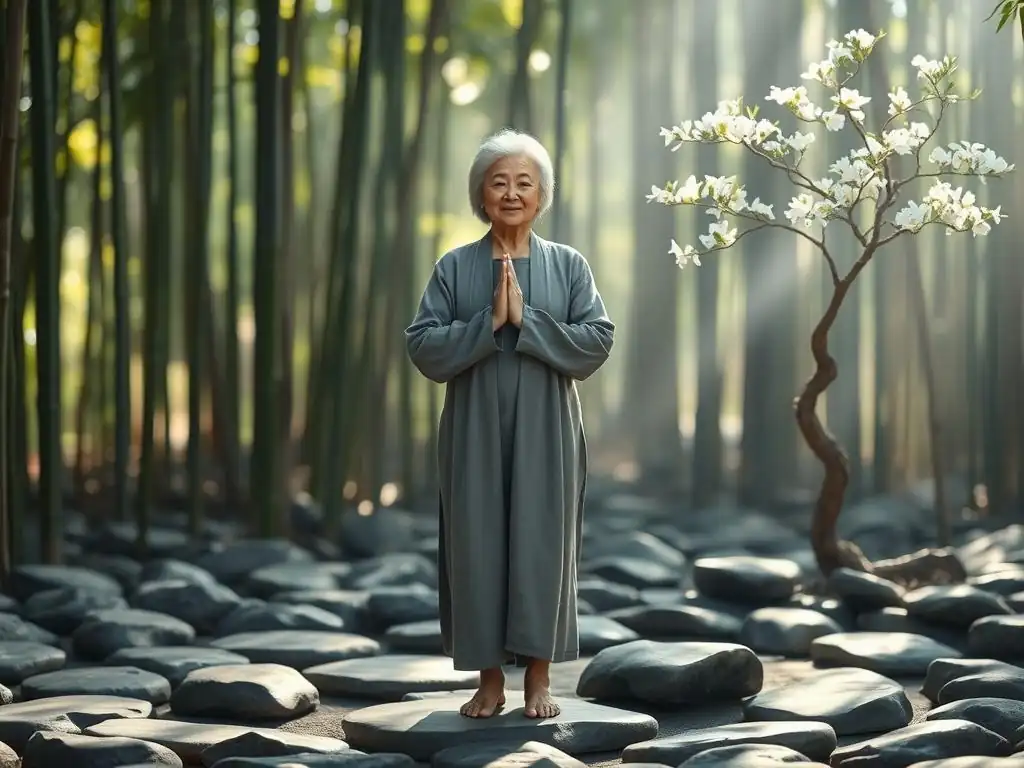
Breathing Techniques for Stress Reduction and Emotional Regulation
Diaphragmatic Breathing for Calmness
Diaphragmatic breathing, also known as abdominal breathing, is a cornerstone of Qigong and a powerful tool for stress reduction. This technique involves inhaling deeply into the abdomen, causing the belly to expand, rather than just the chest. Exhaling slowly and completely, allowing the abdomen to contract, further promotes relaxation. This deep, slow breathing activates the parasympathetic nervous system, counteracting the 'fight or flight' response triggered by stress and anxiety.
Practicing diaphragmatic breathing for just a few minutes can significantly lower heart rate and blood pressure, creating an immediate sense of calm. It ensures optimal oxygen exchange, which nourishes the brain and body, while the gentle movement of the diaphragm massages internal organs. Regularly incorporating this simple technique into your day, even when not formally practicing Qigong movements, is highly effective for managing daily stressors and maintaining Qigong for mental wellbeing balance.
Abdominal Breathing for Energy Flow
While similar to diaphragmatic breathing, Abdominal Breathing in Qigong often emphasizes the connection to the Dan Tian, the energy center located roughly two inches below the navel. The breath is seen as a way to gather and circulate Qi from this central point throughout the body. Inhaling allows Qi to gather in the Dan Tian, and exhaling helps distribute it. This focused breathing helps to root the practitioner, providing a sense of stability and grounding.
Beyond calming the nervous system, Abdominal Breathing helps to build and store Qi, increasing overall vitality and resilience. It helps to release tension held deep within the core, which can be linked to emotional blockages. By consciously directing the breath and intention to the abdomen, practitioners cultivate a stronger connection to their internal energy, improving circulation and promoting emotional equilibrium. This practice is fundamental in Qigong for mental wellbeing balance, ensuring that energy flows smoothly and supports emotional regulation.
Movement Exercises for Releasing Tension and Improving Energy Circulation
Eight Brocades: Holding the Heavens
The Eight Brocades (Ba Duan Jin) is a widely practiced set of Qigong exercises known for its simplicity and effectiveness. "Holding the Heavens" is one of the most common movements, involving standing with feet shoulder-width apart, interlacing the fingers, and slowly raising the hands overhead with palms facing upwards, as if pushing the sky. This movement stretches the body, particularly the spine and shoulders, while coordinating with deep breathing.
This particular movement helps to release tension in the upper body, an area where stress often accumulates. The upward stretch elongates the spine, promoting better posture and allowing Qi to flow more freely through the central channel. It also gently stretches the arms and shoulders, alleviating stiffness. By releasing physical tension and improving circulation in the upper body, "Holding the Heavens" contributes significantly to easing mental strain and promoting a sense of openness and calm, essential aspects of Qigong for mental wellbeing balance.
Five Animal Frolics: Bear Stance
The Five Animal Frolics (Wu Qin Xi) is another ancient Qigong form that imitates the movements and spirit of five animals: Tiger, Deer, Bear, Monkey, and Bird. The Bear Frolic typically involves slow, heavy, grounding movements, sometimes incorporating gentle swaying or circling of the torso while maintaining a low, stable stance. These movements mimic the steady, rooted nature of a bear.
The Bear Stance and associated movements are particularly beneficial for grounding and building strength in the lower body, which helps to anchor the mind. The slow, rolling movements of the torso gently massage internal organs and improve circulation in the core. This practice helps to cultivate a sense of stability and inner strength, counteracting feelings of anxiety or being scattered. By fostering a grounded physical state, the Bear Frolic supports emotional stability and contributes to achieving Qigong for mental wellbeing balance.
Meditative Practices for Enhancing Mental Clarity and Inner Peace
Inner Smile Meditation for Emotional Wellbeing
The Inner Smile is a Qigong meditation practice that involves directing a gentle, loving smile and positive energy inwards towards the internal organs and different parts of the body. Starting with the face and moving systematically through the body, practitioners visualize smiling at their vital organs, glands, and even individual cells. This practice is rooted in the belief that emotions are stored in the organs (e.g., worry in the spleen, anger in the liver) and that positive energy can transform negative emotional states.
By intentionally sending positive energy and acceptance to the internal landscape, the Inner Smile helps to release stored emotional tension and promote healing. It cultivates self-compassion and acceptance, reducing self-criticism and fostering a sense of inner warmth and peace. Regularly practicing the Inner Smile can significantly improve mood, reduce anxiety, and enhance overall emotional resilience, making it a powerful tool within Qigong for mental wellbeing balance.
Standing Meditation for Grounding and Stability
Standing Meditation, or Zhan Zhuang (meaning "standing like a post"), is a foundational Qigong practice that involves holding specific postures for extended periods. While seemingly static, it is a dynamic process of cultivating stillness, rooting, and internal energy flow. The most basic posture involves standing with feet shoulder-width apart, knees slightly bent, and arms held in various positions, often resembling holding a large ball. The focus is on relaxation, alignment, and sensing the internal energy.
Holding a stable posture while maintaining relaxation requires significant mental discipline and concentration, training the mind to stay present despite physical discomfort or mental distractions. This practice builds internal strength and stability, both physically and mentally. It helps to quiet the restless mind, develop greater body awareness, and cultivate a deep sense of grounding. By fostering stillness and stability, Standing Meditation is highly effective in reducing anxiety, improving focus, and anchoring the practitioner in the present moment, contributing profoundly to Qigong for mental wellbeing balance.
Benefits of Qigong for Mental Wellbeing: A Comprehensive Overview
Reduced Stress and Anxiety: Finding Calm Amidst Chaos
One of the most widely reported benefits of Qigong is its significant impact on stress and anxiety levels. The combination of slow, deliberate movements, deep abdominal breathing, and focused attention activates the body's relaxation response. This counteracts the physiological effects of stress, such as elevated heart rate, muscle tension, and the release of stress hormones like cortisol. Regular practice helps to regulate the autonomic nervous system, shifting it towards a more balanced state.
Studies, including some preliminary research, have indicated that consistent Qigong practice can lead to measurable reductions in stress markers and reported anxiety levels. For example, some studies have shown improvements in self-reported stress scores by a notable percentage after a few weeks of regular practice. By calming the nervous system and promoting physical relaxation, Qigong provides practitioners with practical tools to navigate stressful situations with greater ease and maintain a state of inner calm, which is fundamental for achieving Qigong for mental wellbeing balance.
Improved Mood and Emotional Regulation: Achieving Emotional Equilibrium
Qigong is highly effective in helping individuals manage their emotions and improve overall mood. According to traditional Chinese medicine principles, stagnant or blocked Qi can contribute to negative emotional states like irritability, frustration, or even depression. The gentle, flowing movements and breathwork in Qigong help to release these blockages and promote the smooth circulation of energy, which in turn positively impacts emotional states.
Practicing Qigong cultivates a greater awareness of internal sensations and emotional patterns without judgment. This increased self-awareness allows individuals to recognize emotional shifts more quickly and employ techniques learned in Qigong, such as focused breathing or specific movements, to regain equilibrium. Anecdotal evidence from practitioners often highlights feeling lighter, more joyful, and less reactive to challenging emotions after incorporating Qigong for mental wellbeing balance into their routine.
Enhanced Focus and Concentration: Sharpening Mental Acuity
The meditative aspect of Qigong, whether in stillness or movement, trains the mind to stay present and focused. By directing attention to the breath, body sensations, and the intention behind each movement, practitioners develop their capacity for concentration. This mindful engagement during practice translates into improved focus and attention span in daily life, helping to reduce mind-wandering and improve cognitive function.
Regular Qigong practice strengthens the connection between mind and body, fostering a state of integrated awareness. This enhanced connection improves cognitive performance by reducing mental clutter and increasing mental clarity. For individuals struggling with distraction or difficulty concentrating, incorporating Qigong for mental wellbeing balance offers a practical method to sharpen mental acuity and improve overall cognitive resilience.
Increased Energy Levels and Vitality: Recharging Your Inner Battery
Contrary to the idea that exercise always expends energy, Qigong is designed to cultivate and conserve it. By improving the flow of Qi and enhancing the body's ability to absorb and utilize energy, Qigong combats fatigue and increases overall vitality. The gentle movements improve circulation, ensuring that oxygen and nutrients are efficiently delivered to cells, while simultaneously clearing stagnant energy that can feel draining.
Many practitioners report feeling more energized and less fatigued after practicing Qigong regularly, even after short sessions. This increased vitality is not just physical; it also translates to greater mental and emotional resilience, providing the inner resources needed to face challenges without feeling depleted. Building consistent energy levels through Qigong is a key component of maintaining long-term Qigong for mental wellbeing balance.
Better Sleep Quality: Restoring Body and Mind
Sleep disturbances are often linked to stress, anxiety, and a restless mind. Qigong's ability to calm the nervous system and reduce mental chatter makes it an effective practice for improving sleep quality. The relaxation induced by deep breathing and gentle movements helps to prepare the body and mind for rest, making it easier to fall asleep and stay asleep.
Specific Qigong movements and meditations can be practiced before bedtime to release the tensions of the day and quiet the mind. By promoting a state of deep relaxation and reducing the physiological arousal associated with insomnia, Qigong helps to restore the body's natural sleep-wake cycle. Consistent practice supports restful sleep, which is vital for cognitive function, emotional regulation, and overall Qigong for mental wellbeing balance.
Integrating Qigong into Your Life: A Practical Guide
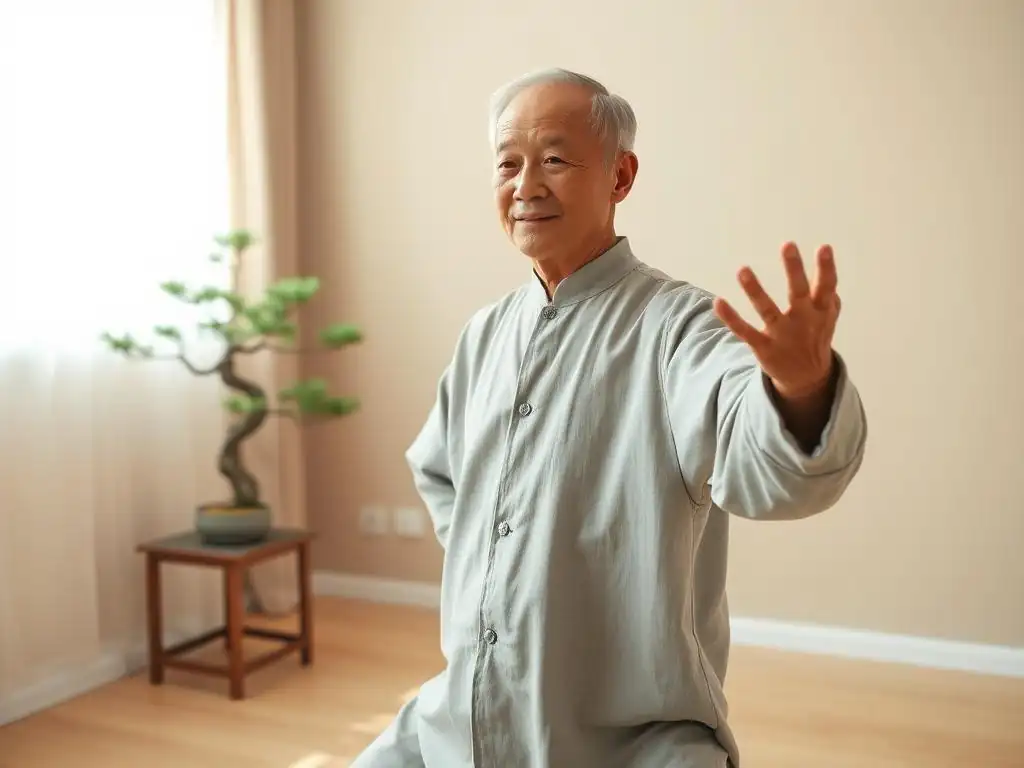
Creating a Dedicated Practice Space: Setting the Stage for Success
Establishing a specific area for your Qigong practice can significantly enhance its effectiveness and help build consistency. This doesn't require a large or elaborate space; even a small corner of a room can suffice. The key is to choose a location that is relatively quiet, clean, and free from distractions. Ensuring adequate ventilation and comfortable temperature is also important.
Making your practice space pleasant can motivate you to return to it regularly. Consider adding elements that promote a sense of calm or focus, such as a small plant or simple, calming colors. Having a dedicated space signals to your mind and body that it is time to transition into a state of mindful movement and relaxation, making it easier to drop into your Qigong for mental wellbeing balance routine.
Finding a Qualified Qigong Instructor: Guidance and Support
While there are many resources available online, learning Qigong from a qualified instructor offers invaluable benefits, especially when starting out. An experienced teacher can provide personalized guidance on posture, alignment, and movement mechanics, ensuring you perform the exercises correctly and safely to maximize benefits and avoid injury. They can also explain the underlying principles of Qi cultivation and provide adjustments based on your individual needs and energy levels.
A good instructor can also offer insights into the meditative and energetic aspects of the practice that are difficult to grasp from books or videos alone. They can help you understand how to integrate Qigong for mental wellbeing balance into your specific life circumstances and address any challenges you encounter. Seek out instructors with certifications from reputable organizations or those with a long history of teaching.
Starting Slowly and Gradually Increasing Intensity: Avoiding Overexertion
As with any new physical activity, it's crucial to begin your Qigong practice slowly and gradually increase the duration and complexity of exercises. Qigong is about cultivation, not pushing or straining. Start with simple forms or a few basic movements and breathing techniques for perhaps 10-15 minutes a day. Focus on relaxation and mindful presence rather than perfect form initially.
Listen carefully to your body and avoid any movements that cause pain. Qigong should feel nourishing, not depleting. As you build strength, flexibility, and familiarity with the movements, you can gradually extend your practice time or explore more complex forms. This patient approach ensures that your practice is sustainable and enjoyable, fostering consistent engagement with Qigong for mental wellbeing balance.
Listening to Your Body and Adjusting as Needed: Cultivating Self-Awareness
A core principle of Qigong is cultivating deep self-awareness – tuning into the subtle sensations and signals your body is constantly sending. During practice, pay attention to how your body feels, noticing areas of tension, discomfort, or ease. Pay attention to your breath and your mental state without judgment.
Be willing to modify exercises based on your current physical condition or energy level on any given day. If you're feeling fatigued, opt for shorter practice or simpler, more restful movements. If you have a physical limitation, adjust the posture to suit your needs. This responsiveness to your body's wisdom is crucial for a safe and effective practice and is integral to the journey of using Qigong for mental wellbeing balance.
Qigong vs. Other Wellbeing Practices: A Comparative Analysis
Qigong vs. Yoga: Understanding the Differences and Similarities
Both Qigong and Yoga are ancient mind-body practices that promote health and wellbeing, originating from China and India respectively. Yoga often emphasizes holding specific postures (asanas) to build strength, flexibility, and balance, combined with breath control (pranayama) and meditation. While Yoga sequences can be flowing, many styles involve sustained holds in poses.
Qigong, conversely, typically features more continuous, flowing movements that are often simpler than Yoga asanas and repeated multiple times. The primary focus in Qigong is on cultivating and moving Qi through gentle motion, breath, and intention, whereas Yoga focuses on Prana (a similar concept) through postures and breath retention. Both practices significantly contribute to stress reduction, improved flexibility, and enhanced body awareness, offering pathways to improve Qigong for mental wellbeing balance or overall mental wellness through different approaches.
Qigong vs. Meditation: Complementary Practices for Mental Clarity
Meditation, in many forms, primarily involves cultivating focused attention or open awareness, often while seated in stillness. Its direct aim is usually to calm the mind, reduce rumination, and enhance mental clarity and presence. While some meditation practices incorporate breath awareness or body scans, they generally lack the physical movement component central to Qigong.
Qigong, however, inherently incorporates meditative elements. The slow, mindful movements and focused breathing are a form of moving meditation, anchoring the mind in the present moment through physical sensation and intentional flow. While standalone meditation directly trains the mind in stillness, Qigong trains the mind through movement, offering a dynamic path to mental clarity and inner peace. Many practitioners find that combining seated meditation with Qigong for mental wellbeing balance provides a comprehensive approach to nurturing both mental stillness and energetic flow.
Qigong vs. Tai Chi: Exploring the Relationship Between Movement and Energy
Tai Chi Chuan (Taiji Quan) is often described as a form of "moving meditation" and shares many principles with Qigong, including the cultivation of Qi, mindful movement, and relaxation. Historically, Tai Chi developed from Qigong principles and martial arts applications. Tai Chi forms are typically longer, more complex sequences of movements performed in a continuous flow, rooted in martial applications although often practiced purely for health.
Qigong is a broader term encompassing a vast array of practices, some involving movement, some stillness, and others focusing primarily on breath or sound. Qigong forms are generally simpler, shorter, and specifically designed for health, energy cultivation, and specific therapeutic benefits, rather than martial arts training. Think of Tai Chi as a specific, intricate dance based on Qigong principles, while Qigong includes that dance but also many simpler, foundational exercises. Both are effective for cultivating energy and promoting Qigong for mental wellbeing balance, but Qigong offers a wider variety of simpler practices often more accessible to beginners.
Achieving Lasting Mental Wellbeing Balance with Qigong: A Journey of Self-Discovery
Maintaining Consistency and Patience: The Key to Long-Term Benefits
Achieving lasting mental wellbeing balance through Qigong is not a quick fix; it is a journey that requires consistency and patience. The cumulative effects of regular practice are profound, but they unfold gradually over time. Committing to a regular practice schedule, even if it's just 15-20 minutes daily, is far more effective than occasional long sessions. The body and energy system respond best to gentle, consistent cultivation.
It's important not to get discouraged if you don't notice dramatic changes immediately. Like tending a garden, consistent effort yields results over the seasons. Celebrate small improvements – perhaps feeling slightly calmer during a stressful meeting or sleeping a little better. Trust the process and be patient with yourself. This consistent, patient approach is fundamental to unlocking the full potential of Qigong for mental wellbeing balance.
Embracing the Holistic Approach: Nurturing Mind, Body, and Spirit
Qigong's power lies in its holistic nature, recognizing that true wellbeing arises from the harmonious interaction of mind, body, and spirit. Simply going through the motions without mindful presence or intention will yield limited results. To truly benefit, embrace the practice as a way to nurture all aspects of yourself – using the movements to release physical tension, the breath to calm the nervous system, and the meditative focus to quiet the mind and connect with your inner spirit.
Integrating Qigong into your life means more than just performing exercises; it's adopting a lifestyle that values balance, mindfulness, and energy cultivation. It encourages paying attention to how daily habits, diet, and relationships impact your energy and state of mind. By embracing this comprehensive view, you deepen your practice and enhance its ability to support Qigong for mental wellbeing balance on all levels.
The Enduring Power of Qigong for a Balanced Life
For centuries, people have turned to Qigong to cultivate health, longevity, and inner peace. Its enduring power lies in its simple yet profound ability to harmonize the body's energy system and foster a deep connection between the physical and mental realms. As you continue your practice, you may find that the benefits extend beyond reduced stress or improved mood, leading to greater self-awareness, resilience, and a more profound sense of connection to life.
Qigong offers a sustainable path towards achieving and maintaining mental wellbeing balance throughout life's inevitable changes and challenges. It provides a personal toolkit for self-regulation, energy management, and emotional resilience. By consistently returning to these ancient practices, you empower yourself to cultivate inner harmony and navigate the complexities of modern life with greater grace, vitality, and peace of mind.
Frequently Asked Questions
What is Qigong and how does it relate to mental wellbeing?
Qigong is an ancient Chinese practice that involves coordinating breathing, movement, and meditation to cultivate qi (vital energy). It's believed to promote mental wellbeing balance by reducing stress and improving focus.
Can Qigong really help with mental health challenges like anxiety and depression?
Yes, studies suggest that Qigong can be beneficial for managing anxiety and depression. The gentle movements and mindful breathing encourage relaxation and emotional regulation.
How often should I practice Qigong to see improvements in my mental wellbeing?
Consistency is key. Aim for at least 15-30 minutes of Qigong several times a week. Even short, regular sessions can contribute to noticeable improvements in mood and stress levels.
Are there different types of Qigong exercises, and which ones are best for mental health?
Yes, there are many different styles. Practices focusing on mindfulness and gentle movements, such as Eight Brocades Qigong or Five Element Qigong, are often recommended for mental wellbeing.
Where can I learn Qigong and how do I ensure I'm learning it correctly?
You can learn Qigong through certified instructors, online courses, or workshops. It's important to find a qualified teacher to ensure you are learning the movements and breathing techniques correctly and safely.
Final Reflection: Finding Harmony Through Qigong
The pursuit of holistic wellbeing is no longer a niche interest; it's a vital necessity in our increasingly fast-paced and demanding world. The principles of Qigong, as explored throughout this article, offer a powerful pathway to achieving this balance, providing practical tools to navigate the complexities of modern life and cultivate inner peace amidst the chaos. Its emphasis on mindful movement, breathwork, and energy cultivation offers a tangible antidote to the pervasive stress and disharmony that many experience.
The impact of Qigong extends far beyond the individual; its influence ripples outwards, touching the cultural and social landscape by promoting a more mindful and holistic approach to health and wellness. We are witnessing a growing global interest in practices that prioritize inner harmony, a shift away from solely focusing on physical health towards a more integrated understanding of mind-body-spirit connection. This resonates deeply with my own experience; practicing Qigong has not only improved my physical health but has also fostered a profound sense of inner calm and resilience. The body benefits from movement, and the mind benefits from stillness.
– This simple truth, often overlooked in our busy lives, is at the heart of Qigong's enduring appeal.
Now, consider your own journey towards wellbeing. What small steps can you take today to incorporate the principles of Qigong into your daily life? Perhaps it's starting with just five minutes of mindful breathing, or exploring a gentle Qigong movement sequence. Remember, the path to holistic wellbeing is a journey, not a destination, and every mindful breath, every gentle movement, brings you closer to finding your own inner harmony. Embrace the opportunity to cultivate balance within yourself, and watch as that balance radiates outwards, enriching your life and the lives of those around you.
Unlock Your Inner Harmony: Start Your Qigong Journey Today!
Thanks for taking the time to explore the world of Qigong and its incredible benefits for holistic wellbeing. We hope you gained valuable insights into how this ancient practice can create a deeper sense of balance in your life.
Ready to experience the transformative power of Qigong for yourself? Here's how to get started:
- Begin your personalized Qigong practice: Start with a simple beginner's routine – even 10 minutes a day can make a difference! Focus on mindful breathing and gentle movements to connect with your body and cultivate inner peace.
- Share your Qigong journey: Tell us about your experience! Share your thoughts, challenges, and successes in the comments below – we’d love to hear from you and create a supportive community.
- Explore further resources: Dive deeper into the world of Qigong by researching different styles and finding a qualified instructor in your area.
What small step will you take today to integrate the principles of Qigong into your daily life?