
Unlock Calm: Practical Mindful Breathing Techniques for Stress

Welcome to Mind Care Guide, a safe space dedicated to nurturing your mental well-being. Feeling overwhelmed? Perhaps the key to unlocking calm lies within your own breath. Explore our article, "Unlock Calm: Practical Mindful Breathing Techniques for Stress," and discover how simple mindful breathing exercises can significantly reduce stress and anxiety. Ready to take the first step towards a more peaceful you? Let's breathe together.
- Unlock Calm: Practical Breathing Techniques for Stress Reduction
-
Practical Breathing Techniques to Reduce Stress and Anxiety
- Diaphragmatic Breathing (Belly Breathing): Your Foundation for Calm
- Box Breathing Technique: A Simple and Effective Stress Reducer
- Alternate Nostril Breathing (Nadi Shodhana): Balancing Your Energy
- 4-7-8 Breathing Technique: Promoting Relaxation and Sleep
- Progressive Relaxation Breathing: Releasing Muscular Tension
- Integrating Breathing Exercises into Your Daily Life for Sustained Stress Reduction
- Troubleshooting and Tips for Breathing Exercises
- Advanced Breathing Techniques for Deeper Relaxation and Stress Management
- The Long-Term Benefits of Regular Breathing Exercises for Anxiety and Stress
-
Frequently Asked Questions
- How does mindful breathing actually help reduce stress and anxiety?
- What are some simple mindful breathing techniques I can try right now?
- How often should I practice mindful breathing to see a noticeable difference in my stress and anxiety levels?
- Can mindful breathing replace other forms of mental health treatment, such as therapy or medication?
- Are there any situations where mindful breathing might not be helpful or even potentially harmful?
- Final Reflection: Breathing Your Way to a Calmer You
- Breathe Easy: Start Your Mindfulness Journey Now!
Unlock Calm: Practical Breathing Techniques for Stress Reduction
What is Focused Breathing and How Does it Reduce Stress?
Focused breathing, often referred to as mindful breathing, is a simple yet profound practice involving paying deliberate attention to your breath. It's not just about how you breathe, but how consciously you breathe. By shifting your focus from racing thoughts or external stressors to the physical sensation of air entering and leaving your body, you create a powerful anchor in the present moment.
This deliberate act interrupts the stress response cycle, which is often fueled by rumination on the past or worry about the future. When you practice mindful breathing, you are actively engaging your parasympathetic nervous system, the body's natural 'rest and digest' system, counteracting the 'fight or flight' response triggered by stress.
The mechanism by which focused breathing helps mindful breathing reduce stress anxiety involves several physiological pathways. Deep, slow breaths increase oxygen flow and stimulate the vagus nerve, a major nerve connecting the brain to the rest of the body, including the heart and digestive system. Vagal nerve stimulation is known to slow heart rate, lower blood pressure, and promote a sense of calm.
For instance, studies using biofeedback have shown that even a few minutes of slow, deep breathing can significantly lower heart rate variability (HRV), a marker of how well your nervous system adapts to challenges, within minutes. This immediate physiological shift provides a tangible pathway for calming the mind and body.
The Physiology of Breathing: Calming the Autonomic Nervous System
Your breath is intimately linked to your autonomic nervous system (ANS), the part of your nervous system that controls involuntary bodily functions like heart rate, digestion, and breathing. The ANS has two main branches: the sympathetic nervous system (responsible for the "fight or flight" response) and the parasympathetic nervous system (responsible for the "rest and digest" response). When you're stressed or anxious, your sympathetic nervous system kicks into high gear, leading to shallow, rapid breathing, increased heart rate, and muscle tension.
Consciously controlling your breath, through techniques like diaphragmatic breathing or slow, paced breathing, signals your brain that you are safe. This activates the parasympathetic nervous system, effectively putting the brakes on the stress response.
This physiological shift is measurable; for example, research indicates that slow breathing (around 5-7 breaths per minute, compared to a typical 12-18) can lead to a measurable increase in parasympathetic activity and a decrease in sympathetic activity. By learning to manipulate your breath, you gain a direct pathway to influence your nervous system state, making mindful breathing reduce stress anxiety not just a psychological concept but a physiological reality.
Benefits of Incorporating Breathing Exercises into Your Daily Routine
Regularly practicing breathing exercises offers a multitude of benefits that extend far beyond immediate stress relief. Consistency is key to building resilience against daily stressors. Incorporating even short sessions, perhaps 5-10 minutes daily, can train your nervous system to respond more calmly to challenging situations over time. This proactive approach helps lower baseline stress levels and reduces the frequency and intensity of anxiety episodes.
Beyond stress and anxiety reduction, consistent breathing practice can improve focus and concentration, enhance sleep quality, and even boost energy levels by ensuring efficient oxygen exchange. For someone dealing with chronic stress or anxiety, integrating these simple techniques can be a foundational step towards better mental well-being. For example, individuals who commit to daily mindful breathing often report improved emotional regulation, finding it easier to manage difficult feelings without being overwhelmed, illustrating how mindful breathing reduce stress anxiety contributes to overall emotional health.
Practical Breathing Techniques to Reduce Stress and Anxiety
Diaphragmatic Breathing (Belly Breathing): Your Foundation for Calm
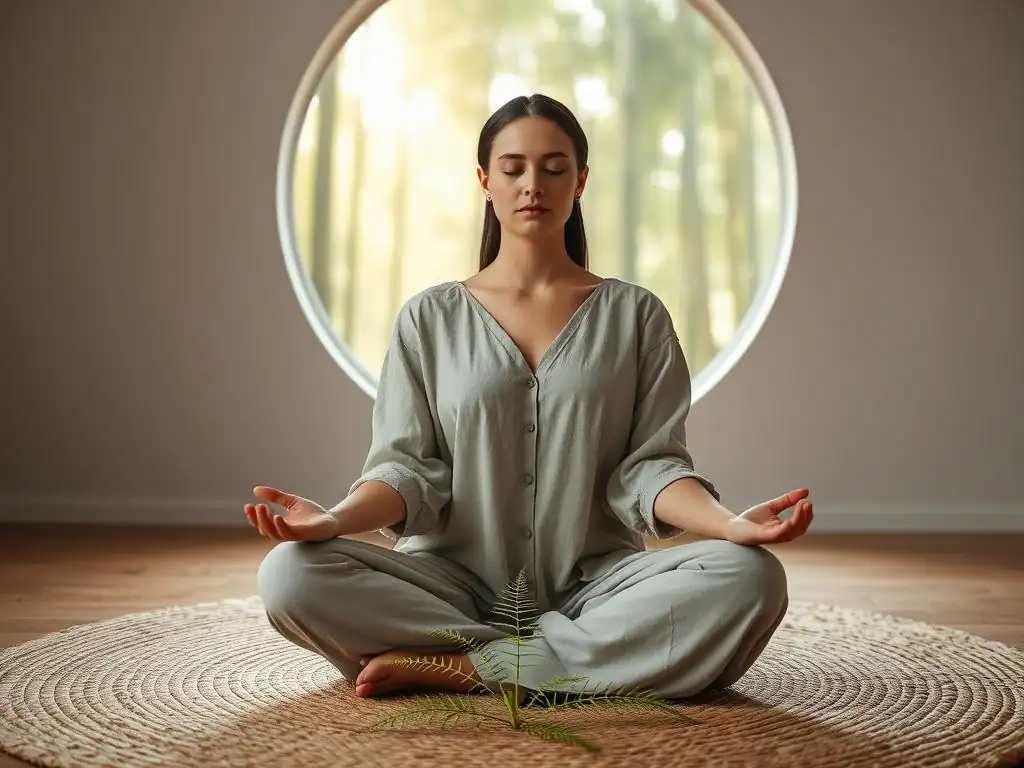
Diaphragmatic breathing, often called belly breathing, is a fundamental technique that maximizes the efficiency of your lungs and directly engages the diaphragm, a large muscle located below the lungs. Unlike shallow chest breathing, which is typical during stress, belly breathing allows for deeper inhalation, filling the lower part of your lungs and promoting a more relaxed physiological state. Mastering this technique is often the first step in learning how mindful breathing reduce stress anxiety effectively.
This technique is particularly effective because it encourages full oxygen exchange—that is, the beneficial trade of incoming oxygen for outgoing carbon dioxide. When performed correctly, it can help slow your heart rate and lower blood pressure. It's a core technique taught in many stress management programs due to its simplicity and profound impact on calming the nervous system.
How to Perform Diaphragmatic Breathing Correctly
Performing diaphragmatic breathing requires conscious effort initially, but becomes more natural with practice.
- Find a comfortable position: Lie on your back with knees bent, or sit upright with shoulders relaxed.
- Place one hand on your upper chest and the other just below your rib cage, over your abdomen.
- Inhale slowly through your nose, feeling your abdomen rise against your hand. Your chest hand should remain relatively still.
- Exhale slowly through pursed lips, gently contracting your abdominal muscles to push the air out. Feel your abdomen lower.
- Repeat for several minutes, focusing on the rise and fall of your belly.
Benefits of Diaphragmatic Breathing for Anxiety
Diaphragmatic breathing is a powerful tool for combating anxiety. By activating the parasympathetic nervous system, it directly counteracts the physiological symptoms of anxiety, such as rapid heart rate, shortness of breath, and muscle tension. Practicing belly breathing regularly helps retrain your body to breathe more calmly, even when you're not actively thinking about it.
Moreover, the simple act of focusing on your breath provides a mental distraction from anxious thoughts. It anchors you in the present moment, reducing the tendency to spiral into worry about future uncertainties or past regrets. For someone experiencing a panic attack, focusing intensely on slow, deep belly breaths can help regain a sense of control and significantly reduce the severity and duration of the episode. This makes it a go-to method when needing mindful breathing reduce stress anxiety quickly.
Box Breathing Technique: A Simple and Effective Stress Reducer
Box breathing, also known as square breathing, is a simple and highly effective technique used by athletes, military personnel, and anyone needing quick stress relief. It involves equal phases of inhalation, holding the breath, exhalation, and holding the breath again, creating a "box" or square pattern. This rhythmic pattern helps to regulate breathing and calm the nervous system almost immediately.
The structured count in box breathing provides a mental focus that distracts from stressors while simultaneously promoting slow, deep breaths. The equal pauses after inhalation and exhalation help to normalize carbon dioxide levels in the blood, which can be disrupted by shallow, rapid breathing during stress. This balancing effect contributes significantly to the feeling of calm and control experienced during and after the practice.
Steps to Practice Box Breathing for Immediate Calm
Follow these simple steps to practice box breathing:
- Sit upright or lie down comfortably.
- Slowly exhale all the air from your lungs.
- Inhale slowly through your nose to a count of four.
- Hold your breath for a count of four.
- Exhale slowly through your mouth to a count of four.
- Hold your breath for a count of four.
- Repeat the cycle for several minutes.
Box Breathing Variations for Deeper Relaxation
While the standard 4x4 count is effective, you can adjust the count to suit your capacity and desired effect. For some, a count of three might be more comfortable initially, while others might extend it to five or six for deeper relaxation.
- Extended Hold: Some variations involve holding the breath for a longer count after the exhale, perhaps 4-4-4-6, to further emphasize the relaxation phase.
- Longer Cycle: If comfortable, increase the count equally, such as 5-5-5-5 or 6-6-6-6. Ensure the count is comfortable and doesn't cause strain.
- Focus on Sensation: Instead of just counting, focus on the physical sensations at each stage: the air filling your lungs, the stillness during the hold, the air leaving your body, the emptiness during the final hold. This adds a layer of mindfulness to the technique, enhancing its ability to help mindful breathing reduce stress anxiety.
Alternate Nostril Breathing (Nadi Shodhana): Balancing Your Energy
Alternate Nostril Breathing, or Nadi Shodhana in Sanskrit, is a yogic breathing technique aimed at balancing the flow of energy (prana) through the body's subtle energy channels. It involves breathing through one nostril at a time, alternating between the left and right. This practice is renowned for its ability to calm the mind, reduce anxiety, and promote mental clarity.
The theory behind Nadi Shodhana suggests that breathing predominantly through the right nostril stimulates the "solar" energy channel (Pingala Nadi), associated with activity and the sympathetic nervous system, while breathing through the left nostril stimulates the "lunar" channel (Ida Nadi), associated with rest and the parasympathetic nervous system. By alternating, you balance these energies, leading to a state of equilibrium and calm. Regular practice is considered a powerful way for mindful breathing reduce stress anxiety and improve overall mental balance.
How to Practice Alternate Nostril Breathing for Stress Relief
Practice this technique while sitting comfortably with a straight spine.
- Bring your right hand to your face. Rest your index and middle fingers gently on your forehead between your eyebrows (this is a common hand position, but not strictly necessary; you can also rest them at the base of your thumb).
- Close your right nostril with your right thumb.
- Inhale slowly and deeply through your left nostril.
- Close your left nostril with your ring finger (or pinky), releasing your thumb from the right nostril.
- Exhale slowly and completely through your right nostril.
- Inhale slowly and deeply through your right nostril.
- Close your right nostril with your thumb, releasing your ring finger from the left nostril.
- Exhale slowly and completely through your left nostril.
- This completes one round. Continue alternating nostrils for several rounds.
Benefits of Nadi Shodhana for Mental Clarity and Calmness
Nadi Shodhana is particularly effective for reducing mental chatter and promoting a sense of grounded calm. Its rhythmic, controlled nature requires focus, drawing your attention away from anxious thoughts and into the present moment. This focused attention enhances mindfulness, a key component in learning how mindful breathing reduce stress anxiety effectively.
Beyond calming the mind, Nadi Shodhana is believed to purify the subtle energy channels, leading to improved vitality and mental clarity. Many practitioners report feeling more balanced, centered, and less reactive after practicing Nadi Shodhana. It can be a valuable tool before meditation, a stressful event, or simply as a daily practice to maintain emotional equilibrium.
4-7-8 Breathing Technique: Promoting Relaxation and Sleep
The 4-7-8 breathing technique, popularized by Dr. Andrew Weil, is based on an ancient yogic practice. It acts as a natural tranquilizer for the nervous system, helping to quickly reduce tension and promote a state of relaxation that can aid in falling asleep. The specific ratio of the counts is key to its effectiveness.
The longer exhale in the 4-7-8 technique (7 seconds hold, 8 seconds exhale) is particularly potent for activating the parasympathetic nervous system. A longer exhale relative to the inhale is a physiological signal of relaxation. This technique helps slow the heart rate and calm the mind, making it an excellent tool to use when feeling overwhelmed or struggling to sleep. It's a direct method for using mindful breathing reduce stress anxiety rapidly.
Performing the 4-7-8 Breathing Exercise for Anxiety
This exercise can be done in any comfortable position, but is often practiced while sitting upright with a straight back.
- Place the tip of your tongue against the ridge of tissue just behind your upper front teeth and keep it there throughout the exercise.
- Exhale completely through your mouth, making a whoosh sound.
- Close your mouth and inhale quietly through your nose to a mental count of four.
- Hold your breath for a mental count of seven.
- Exhale completely through your mouth, making a whoosh sound, to a mental count of eight.
- This completes one cycle. Repeat for a total of four cycles initially.
Why 4-7-8 Breathing is Effective for Relaxation
The 4-7-8 technique's power lies in its specific timing pattern. The inhale of four seconds allows for a sufficient intake of oxygen. The seven-second hold allows oxygen to circulate effectively within the bloodstream. The eight-second exhale, significantly longer than the inhale, is the crucial step that signals the nervous system to relax.
This extended exhale forces the body to expel more carbon dioxide, which helps to slow down the heart rate and create a calming effect. Practicing this regularly, especially before bed, can significantly improve sleep onset latency (the time it takes to fall asleep) and reduce nighttime awakenings caused by anxiety. It's a reliable method when you need mindful breathing reduce stress anxiety to transition into rest.
Progressive Relaxation Breathing: Releasing Muscular Tension
Progressive Relaxation Breathing combines focused breathing with a technique of tensing and then releasing different muscle groups in the body. This exercise helps you become more aware of physical tension and learn how to consciously release it, which is often linked to stress and anxiety. By pairing the muscle release with deep, mindful breaths, you enhance the overall relaxation response.
The process of systematically tensing and releasing muscles while breathing deeply helps to interrupt the body's stress feedback loop. Stress often manifests as chronic muscle tension (e.g., tight shoulders, clenched jaw). By intentionally tensing and then releasing these areas, you create a noticeable contrast that highlights the difference between tension and relaxation. This heightened awareness, combined with calming breathing, makes this a powerful way for mindful breathing reduce stress anxiety by addressing its physical manifestations.
How to Practice Progressive Relaxation Breathing for Stress Reduction
Find a quiet place where you can lie down or sit comfortably without interruption.
- Begin with a few minutes of slow, deep diaphragmatic breaths to center yourself.
- Start with your feet. Inhale deeply as you tense the muscles in your feet. Hold the tension and your breath for a few seconds.
- Exhale completely as you release all the tension from your feet. Notice the feeling of relaxation.
- Move up your body, tensing and releasing muscle groups sequentially:
- Calves and shins
- Thighs
- Glutes
- Abdomen
- Back (lower, middle, upper)
- Hands and forearms
- Upper arms and shoulders
- Neck and jaw
- Face (clench eyes, wrinkle forehead, purse lips)
- Continue pairing the tension phase with an inhale/hold and the release phase with an exhale.
- Finish with several minutes of simple diaphragmatic breathing, noticing the overall relaxed state of your body.
Benefits of Progressive Relaxation Breathing for Mindfulness
Combining progressive muscle relaxation with breathing enhances mindfulness by drawing your attention to physical sensations throughout the body. This practice helps you become more attuned to the subtle signals of tension that your body sends when you're stressed or anxious, allowing you to address them proactively.
The systematic nature of the exercise also provides a structured way to quiet a busy mind. Instead of getting lost in anxious thoughts, your focus is directed to the physical process of tensing, holding, and releasing, synchronized with your breath. This integrated approach helps mindful breathing reduce stress anxiety by addressing both the mental and physical components of stress.
Integrating Breathing Exercises into Your Daily Life for Sustained Stress Reduction
Creating a Breathing Exercise Routine: Consistency is Key
Establishing a regular routine is fundamental to reaping the full benefits of breathing exercises for sustained stress reduction. Just like physical exercise builds muscle strength, consistent breathing practice builds your capacity for calm and resilience. Aim for short, frequent sessions rather than long, infrequent ones. Even 5-10 minutes twice a day can make a significant difference over time.
Consider scheduling your breathing exercises at specific times, such as first thing in the morning to set a calm tone for the day, during a lunch break to reset, or before bed to unwind. Linking the practice to existing habits, like after brushing your teeth or before your first cup of coffee, can help make it stick. The goal is to make breathing for calm a natural, integrated part of your day, ensuring mindful breathing reduce stress anxiety becomes a consistent reality.
Breathing Exercises for Stressful Situations: [Examples: Public Speaking, High-Pressure Deadlines]
Breathing techniques are invaluable tools for managing acute stress in specific, high-pressure situations. Knowing you have a quick, accessible method to calm yourself can significantly reduce anticipatory anxiety.
- Public Speaking: Before stepping onto a stage or starting a presentation, take 1-2 minutes to practice Box Breathing or 4-7-8 breathing. Focus intensely on the counts and the sensation of the breath to ground yourself and slow your racing heart. A few deep diaphragmatic breaths backstage can make a noticeable difference.
- High-Pressure Deadlines: When feeling overwhelmed by work pressure, step away from your screen for a few minutes. Find a quiet spot and practice Alternate Nostril Breathing to clear your mind and re-center. Even 6-10 rounds can help break the cycle of stress and improve focus when you return to the task.
- Difficult Conversations: Before or during a challenging discussion, use slow, conscious breathing to stay present and regulate your emotions. Focusing on a steady exhale can prevent reactive responses and allow for more thoughtful communication.
Combining Breathing Exercises with Other Wellness Practices: [Meditation, Yoga]
Breathing exercises are powerful on their own, but their effectiveness is often amplified when combined with other wellness practices that also promote mind-body connection.
- Meditation: Breathing is the cornerstone of many meditation practices. Using mindful breathing as an anchor during meditation helps quiet the mind and deepen the meditative state. Techniques like observing the natural breath or focusing on diaphragmatic breathing are common starting points for meditation.
- Yoga: Yoga postures (asanas) are often synchronized with specific breathing techniques (pranayama). Practices like Ujjayi breath (victorious breath) in Vinyasa yoga or holding poses with conscious, steady inhales and exhales enhance flexibility, strength, and mental calm simultaneously. The combination helps release physical tension while calming the nervous system.
- Exercise: Even during activities like walking or running, coordinating your movement with your breath can enhance endurance and reduce perceived exertion. Focusing on your breath during exercise also adds a mindful element, turning physical activity into a moving meditation that helps mindful breathing reduce stress anxiety.
Troubleshooting and Tips for Breathing Exercises

Common Mistakes to Avoid When Practicing Breathing Exercises
While breathing exercises are generally safe and simple, a few common pitfalls can hinder their effectiveness or even cause discomfort. Being aware of these can help you optimize your practice.
- Forcing the Breath: Avoid straining or forcing your breath. The goal is smooth, effortless inhales and exhales. If a count feels too long, shorten it. Breathing should feel natural, not like a chore.
- Shallow Chest Breathing: Ensure you are engaging your diaphragm, especially when practicing belly breathing. Placing a hand on your abdomen helps monitor this. Chest breathing can exacerbate anxiety.
- Holding Tension: Pay attention to where you might be holding tension during the exercise, such as your shoulders, neck, or jaw. Consciously relax these areas.
- Getting Discouraged: Don't expect immediate perfection or profound calm every time. Some days it might feel easier than others. The benefits accumulate over time with consistent practice.
What to Do if You Feel Anxious During Breathing Exercises
Occasionally, focusing intently on your breath, especially if you are highly anxious, can paradoxically make you feel more aware of your physical sensations, including those associated with anxiety. This is a relatively common experience and doesn't mean you're doing it wrong.
- Shorten the Practice: If you feel overwhelmed, reduce the duration of the exercise to just a minute or two.
- Shift Your Focus: Instead of focusing solely on the sensation of breath, try focusing on the count or the sound of the breath. This provides a slightly different anchor.
- Open Your Eyes: If closing your eyes feels too intense, keep them softly focused on a spot in front of you.
- Combine with Gentle Movement: Try combining breathing with gentle stretching or walking. Sometimes movement helps process the heightened awareness.
- Consult a Professional: If breathing exercises consistently trigger significant anxiety or panic, it may be helpful to discuss this with a therapist or counselor who can provide guidance and support.
Adapting Breathing Techniques to Your Individual Needs
Breathing techniques are highly adaptable. What works best for one person might not be ideal for another. Experiment with different methods and find what resonates with you and fits your lifestyle.
- Start Simple: Begin with basic diaphragmatic breathing or box breathing before attempting more complex techniques like Nadi Shodhana.
- Adjust Timing: Modify the counts (like in 4-7-8 or box breathing) to match your lung capacity and comfort level. Never feel pressured to meet a specific number if it causes strain.
- Vary Practice Length: On busy days, even 60 seconds of focused breathing can be beneficial. On calmer days, dedicate 10-15 minutes.
- Listen to Your Body: Pay attention to how each technique makes you feel. Which ones promote the deepest sense of relaxation for you? Which ones feel most accessible in moments of stress? Tailoring your practice ensures mindful breathing reduce stress anxiety in a way that is sustainable and effective for you.
Advanced Breathing Techniques for Deeper Relaxation and Stress Management
Coherent Breathing: Enhancing Heart Rate Variability
Coherent breathing, also known as resonant breathing, involves breathing at a rate of approximately five to seven breaths per minute (often 5.5 seconds inhale and 5.5 seconds exhale). This specific frequency is believed to maximize heart rate variability (HRV), a measure of the healthy fluctuations in the time intervals between heartbeats. Higher HRV is generally associated with better stress resilience and overall health.
Practicing coherent breathing helps to synchronize the rhythms of the heart, lungs, and brain. This synchronization promotes optimal function of the baroreflex, a mechanism that helps regulate blood pressure and heart rate. By stabilizing these physiological processes, coherent breathing fosters a state of deep calm and can significantly improve the body's ability to recover from stress. It's a more advanced approach to using mindful breathing reduce stress anxiety by targeting a specific physiological marker.
Sitali Pranayama (Cooling Breath): Reducing Body Heat and Anxiety
Sitali Pranayama is a yogic breathing technique known for its cooling properties, both physically and mentally. It involves breathing through a curled tongue, which cools the air as it enters the body. This technique is often used to reduce excess heat, calm the nervous system, and alleviate feelings of irritation or anxiety.
To practice Sitali, sit comfortably and curl your tongue lengthwise into a tube (if you cannot curl your tongue, you can use a variation called Sitkari, breathing through clenched teeth). Inhale slowly through the tube of your tongue (or teeth). You will feel a cooling sensation. Close your mouth and exhale slowly through your nose. Repeat for several rounds. This cooling breath can be particularly soothing when feeling overheated, frustrated, or experiencing anxiety that manifests as physical heat.
The Long-Term Benefits of Regular Breathing Exercises for Anxiety and Stress
Cultivating Resilience Through Conscious Breathing
Regularly engaging in mindful breathing exercises is not just about managing stress in the moment; it's about building resilience over time. Consistency trains your nervous system to be less reactive to stressors and more capable of returning to a state of calm quickly. This creates a buffer against the cumulative effects of chronic stress.
Think of it like training a muscle. The more you practice, the stronger your capacity for calm becomes. Over weeks and months, consistent breathing can lead to a lower baseline heart rate, reduced overall muscle tension, and a greater sense of internal control. This cultivated resilience means that when faced with challenging situations, you are better equipped to navigate them without becoming overwhelmed, demonstrating how mindful breathing reduce stress anxiety builds long-term fortitude.
Breathing Exercises as a Tool for Emotional Regulation
Breathing is a powerful, accessible tool for emotional regulation. When strong emotions arise – whether it's anger, sadness, or fear – they often impact our breath, making it shallow or erratic. By consciously slowing and deepening the breath, you can interrupt the physiological feedback loop that intensifies these emotions.
Learning to pause and take a few deep breaths before reacting allows you to create space between the emotion and your response. This space is crucial for making conscious choices rather than being driven by automatic emotional reactions. Regularly using breathing exercises helps you become more aware of your emotional state and provides a practical strategy for managing intense feelings in a healthy way, making mindful breathing reduce stress anxiety a key component of emotional intelligence.
Breathing Exercises and Specific Mental Health Conditions: [Anxiety Disorders, Panic Disorder]
For individuals diagnosed with specific mental health conditions like Generalized Anxiety Disorder (GAD) or Panic Disorder, breathing exercises can be a vital part of a comprehensive treatment plan, often used in conjunction with therapy and medication.
- Anxiety Disorders: Regular mindful breathing practice can help reduce the generalized worry and restlessness associated with GAD. By lowering overall physiological arousal, it makes it easier to manage anxious thoughts and engage in daily activities.
- Panic Disorder: Breathing techniques, particularly those that focus on slowing the exhale (like 4-7-8 or controlled diaphragmatic breathing), are often taught as a primary coping skill for managing panic attacks. Learning to control the breath during the onset of panic can help prevent the escalation of symptoms like hyperventilation, dizziness, and rapid heart rate, providing a sense of agency and reducing the fear of future attacks. This highlights the clinical relevance of how mindful breathing reduce stress anxiety in significant ways for those struggling with these conditions.
Frequently Asked Questions
How does mindful breathing actually help reduce stress and anxiety?
Mindful breathing helps by activating the parasympathetic nervous system, our body's "rest and digest" mode. This counteracts the fight-or-flight response triggered by stress, leading to a calmer state. It brings you into the present moment.
What are some simple mindful breathing techniques I can try right now?
A simple technique is diaphragmatic breathing, also known as belly breathing. Another is box breathing, inhaling for four, holding for four, exhaling for four, and holding for four. Both are effective for immediate stress relief.
How often should I practice mindful breathing to see a noticeable difference in my stress and anxiety levels?
Consistency is key. Aim for at least 5-10 minutes of daily practice. Over time, you'll likely experience a significant reduction in stress and anxiety. Even short sessions can be beneficial.
Can mindful breathing replace other forms of mental health treatment, such as therapy or medication?
Mindful breathing is a valuable tool but not a replacement for professional help. It can be used in conjunction with therapy and/or medication, as recommended by a mental health professional.
Are there any situations where mindful breathing might not be helpful or even potentially harmful?
While generally safe, mindful breathing might be challenging for individuals with certain respiratory conditions or a history of trauma, which might require guidance from a therapist. It is always best to consult with your healthcare provider.
Final Reflection: Breathing Your Way to a Calmer You
The relentless pace of modern life leaves many of us feeling overwhelmed and stressed, but the simple act of mindful breathing offers a powerful antidote. This isn't just a fleeting trend; it's a fundamental practice with the potential to reshape our relationship with stress and anxiety, offering a tangible path towards inner peace in a chaotic world. The techniques explored in this article—from box breathing to alternate nostril breathing—are not merely exercises; they are tools for reclaiming control over our mental and emotional well-being.
The impact of mindful breathing extends far beyond individual stress management; it's a ripple effect that touches our relationships, our productivity, and even our overall health. The ability to cultivate inner calm allows us to approach challenges with greater clarity and resilience. As Jon Kabat-Zinn so eloquently stated, Mindfulness means paying attention in a particular way: on purpose, in the present moment, and non-judgmentally.
This simple yet profound definition encapsulates the essence of mindful breathing and its transformative power. It's a practice that encourages self-compassion and acceptance, fostering a healthier relationship with ourselves and the world around us.
You now hold the key to unlocking a calmer, more centered you. Don't just read about these techniques; practice them. Start small, perhaps with just five minutes of mindful breathing each day. Notice the subtle shifts in your body and mind. Allow yourself to experience the profound peace that comes from connecting with your breath. This journey towards inner calm is a personal one, but the rewards—reduced stress, increased focus, and a deeper sense of well-being—are immeasurable. Embrace the power of your breath; it's the gateway to a more peaceful and fulfilling life.
Breathe Easy: Start Your Mindfulness Journey Now!
Thanks for taking the time to explore mindful breathing techniques with us! We hope you've discovered new ways to manage stress and find inner peace. Ready to put your newfound knowledge into practice?
- Prioritize a 5-minute breathing session: Find a quiet space, close your eyes, and focus on your breath. Even a few minutes can make a huge difference in your day. This is your primary step to calmer living.
- Share your experience: Let us know what breathing technique resonated most with you—and how it made you feel—in the comments below! Connecting with others on their journey can be incredibly empowering.
- Try a guided meditation: Explore different guided breathing exercises online (plenty of free resources are available!). Experiment and discover what works best for your lifestyle.
What small, consistent change will you make today to cultivate more calm in your life?