
Medication Matters: Safe and Effective Antidepressants for Seniors


Welcome to Mind Care Guide, a space dedicated to nurturing your mental well-being.
Feeling overwhelmed by the complexities of mental health care for seniors? You're not alone. In this article, we delve into the crucial topic of safe antidepressants for seniors, offering a comprehensive guide to navigating medication options with confidence. Discover practical insights and evidence-based advice that can help you or your loved ones find relief and improve quality of life. Curious to learn more about making informed choices? Let's explore the landscape of geriatric mental health together.
Depression Treatment in Older Adults: A Guide to Antidepressants and Well-being
- Understanding Late-Life Depression and the Role of Medication
- Selecting the Right Antidepressant: Considerations for Seniors and Caregivers
- Potential Risks and Side Effects of Antidepressants in Older Adults
- Minimizing Drug Interactions: A Key Aspect of Safe Medication Management
- Optimizing AntidePRESSANT Treatment: Dosage and Monitoring
- Beyond Medication: Integrative Approaches to Depression Management
- Finding Support and Resources for Seniors and Their Families
- Safe Antidepressant Use in Older Adults: Key Principles
-
Frequently Asked Questions
- What are some safe antidepressants commonly prescribed for seniors?
- What factors should doctors consider when prescribing antidepressants to seniors?
- Are there non-medication alternatives to antidepressants for seniors experiencing mild to moderate depression?
- What are some potential side effects of antidepressants that are particularly concerning for seniors?
- How can caregivers support seniors who are taking antidepressants?
- Final Reflection: The Enduring Importance of Safe and Effective Senior Care
- Unlock a Brighter Tomorrow: Taking Charge of Your Mental Wellbeing
Understanding Late-Life Depression and the Role of Medication
Depression is not a normal part of aging, yet it affects a significant number of older adults. Sometimes referred to as late-life depression, this condition can profoundly impact a senior's quality of life, physical health, and cognitive function. While non-pharmacological interventions like therapy and lifestyle changes are crucial, medication, specifically antidepressants, often plays a vital role in effectively managing moderate to severe depression in this population. The goal is to find safe antidepressants for seniors that alleviate symptoms while minimizing potential risks.
Navigating depression treatment for older adults requires a nuanced understanding of their unique physiological changes, potential comorbidities, and existing medication regimens. The metabolism of drugs can change with age, affecting how medications are absorbed, distributed, metabolized, and excreted. This means dosages and choices that are appropriate for younger adults may not be suitable for seniors. Thus, a careful, individualized approach is paramount when considering antidepressant therapy for older adults, always prioritizing their safety and overall well-being.
Recognizing Depression Symptoms in Older Adults
Recognizing depression in older adults can be challenging because symptoms may present differently than in younger individuals and can sometimes be mistaken for normal aging or other medical conditions. While classic signs like sadness or loss of interest may be present, older adults might more commonly exhibit physical complaints, fatigue, irritability, or memory problems.
For instance, instead of expressing sadness, an older adult might complain of persistent aches and pains that have no clear physical cause, or they might withdraw from social activities they once enjoyed. Appetite changes leading to weight loss are also frequent, as is difficulty sleeping or sleeping too much. Identifying these subtle or atypical symptoms is the first critical step towards effective treatment, including the potential use of safe antidepressants for seniors.
Why Antidepressants Can Be Effective for Treating Depression
Antidepressants work by influencing neurotransmitters in the brain, such as serotonin, norepinephrine, and dopamine, which are believed to be involved in regulating mood. For many older adults experiencing depression, these medications can help restore a more balanced brain chemistry, leading to a significant reduction in depressive symptoms.
Clinical studies and real-world observations consistently show that antidepressants can be effective in treating late-life depression. While individual responses vary, a substantial percentage of older adults experience symptom improvement with appropriate medication. For example, research suggests that response rates to antidepressant treatment in older adults can be comparable to those in younger populations, often ranging from 50% to 70%. For those with moderate to severe depression, medication is often a necessary component of a comprehensive treatment plan.
Prioritizing Medication Safety for Older Adults
Prioritizing safety is the cornerstone of prescribing antidepressants for seniors. Older adults are often more susceptible to side effects and drug interactions due to age-related physiological changes, polypharmacy (using multiple medications), and underlying health conditions.
Ensuring safe antidepressant use in older adults involves careful selection of the medication, starting at a low dose, gradually increasing it as needed (titration), and close monitoring for both effectiveness and side effects. Healthcare providers must consider the senior's complete medical history, including kidney and liver function, cardiovascular health, and cognitive status, before prescribing. The goal is to maximize therapeutic benefit while minimizing potential risks, making the choice of safe antidepressants for seniors a critical clinical decision.
Selecting the Right Antidepressant: Considerations for Seniors and Caregivers
Choosing the most appropriate antidepressant for an older adult requires a careful evaluation of several factors unique to this age group. It's not a one-size-fits-all decision and involves a collaborative process between the healthcare provider, the senior, and often their caregivers. The aim is always to identify safe antidepressants for seniors that align with their specific health profile and lifestyle.
Factors considered include the senior's specific depression symptoms, other medical conditions they have (comorbidities), other medications they are currently taking (to avoid interactions), and their tolerance for potential side effects. A medication that might be effective for a younger person could pose significant risks, such as increased fall risk or cognitive impairment, for an older adult. Therefore, a thorough assessment is non-negotiable.
Factors Influencing Antidepressant Choice in Older Adults
Several critical factors influence the selection of safe antidepressants for seniors. The presence of comorbidities, such as cardiovascular disease, glaucoma, or cognitive impairment, heavily impacts medication choice, as some antidepressants can exacerbate these conditions. For instance, certain older antidepressants might worsen heart rhythm problems or increase confusion in individuals with dementia.
Furthermore, the potential for drug interactions is a major concern. Older adults often take multiple medications for chronic conditions, increasing the risk of adverse interactions with antidepressants. A thorough review of all prescriptions, over-the-counter drugs, and supplements is essential. Side effect profiles are also crucial; for example, choosing a medication less likely to cause dizziness or sedation can significantly reduce the risk of falls, a major health threat for seniors.
Common Antidepressant Classes Prescribed for Seniors
Several classes of antidepressants are commonly prescribed for older adults, each with its own mechanism of action, efficacy profile, and potential side effects. The choice among these classes depends heavily on the individual patient's characteristics and needs, always with an emphasis on identifying safe antidepressants for seniors.
Understanding the differences between these classes helps healthcare providers make informed decisions. While some older classes like tricyclic antidepressants (TCAs) or monoamine oxidase inhibitors (MAOIs) are potent, they often have more significant side effects and interaction risks, making newer classes generally preferred as initial options for seniors.
SSRIs (Selective Serotonin Reuptake Inhibitors): Initial Treatment Options
SSRIs are frequently the first-line treatment for depression in older adults due to their generally favorable side effect profile compared to older antidepressant classes. They work by increasing the level of serotonin in the brain. Examples include sertraline (Zoloft), escitalopram (Lexapro), and citalopram (Celexa).
These medications are often considered safe antidepressants for seniors because they tend to have fewer anticholinergic effects (like dry mouth, constipation, confusion) and cardiovascular side effects than TCAs. However, they can still cause issues like nausea, insomnia, or hyponatremia (low sodium levels), which requires careful monitoring in older adults. Some SSRIs may also pose a slight increase in fall risk.
SNRIs (Serotonin-Norepinephrine Reuptake Inhibitors): Alternatives to SSRIs
SNRIs affect both serotonin and norepinephrine levels in the brain. They can be effective alternatives for older adults who do not respond to SSRIs or who experience certain types of pain often associated with depression. Examples include venlafaxine (Effexor) and duloxetine (Cymbalta).
SNRIs are also generally considered among the safer options for older adults, although they may have a higher risk of increasing blood pressure or heart rate compared to SSRIs. Like SSRIs, they can cause nausea, insomnia, or dizziness. The choice between an SSRI and an SNRI often depends on the specific symptoms being treated and the individual's health status, always aiming for safe antidepressant use in older adults.
Other Antidepressant Options: Bupropion, Mirtazapine, and Trazodone
Beyond SSRIs and SNRIs, other antidepressants may be used depending on the senior's specific needs. Bupropion (Wellbutrin) affects dopamine and norepinephrine and can be an option, particularly if lethargy or low motivation are prominent symptoms. It generally has fewer sexual side effects but carries a risk of seizures, especially at higher doses, making careful dosing crucial in older adults.
Mirtazapine (Remeron) affects several neurotransmitters and is often chosen for older adults experiencing significant insomnia and poor appetite, as it can promote sleep and increase appetite. Trazodone is primarily used at lower doses to help with sleep in older adults, although it is also an antidepressant. While generally considered safe, it can cause sedation and dizziness, potentially increasing fall risk. These options allow for more tailored treatment plans, further emphasizing the need for selecting safe antidepressants for seniors based on individual presentation.
The Value of Geriatric Psychiatry Consultation
Consulting with a geriatric psychiatrist is highly recommended when managing depression in older adults, especially in complex cases involving multiple health issues or medication challenges. These specialists have specific expertise in the mental health needs of seniors, including the physiological changes that affect medication response and the intricacies of polypharmacy.
A geriatric psychiatrist can provide invaluable guidance in selecting the most appropriate and safe antidepressants for seniors, optimizing dosages, and managing side effects or interactions. They can also integrate medication management with other age-specific therapies, such as cognitive behavioral therapy adapted for older adults, ensuring a comprehensive approach to late-life depression. Their expertise is crucial for navigating the complexities and ensuring the best possible outcomes.
Potential Risks and Side Effects of Antidepressants in Older Adults
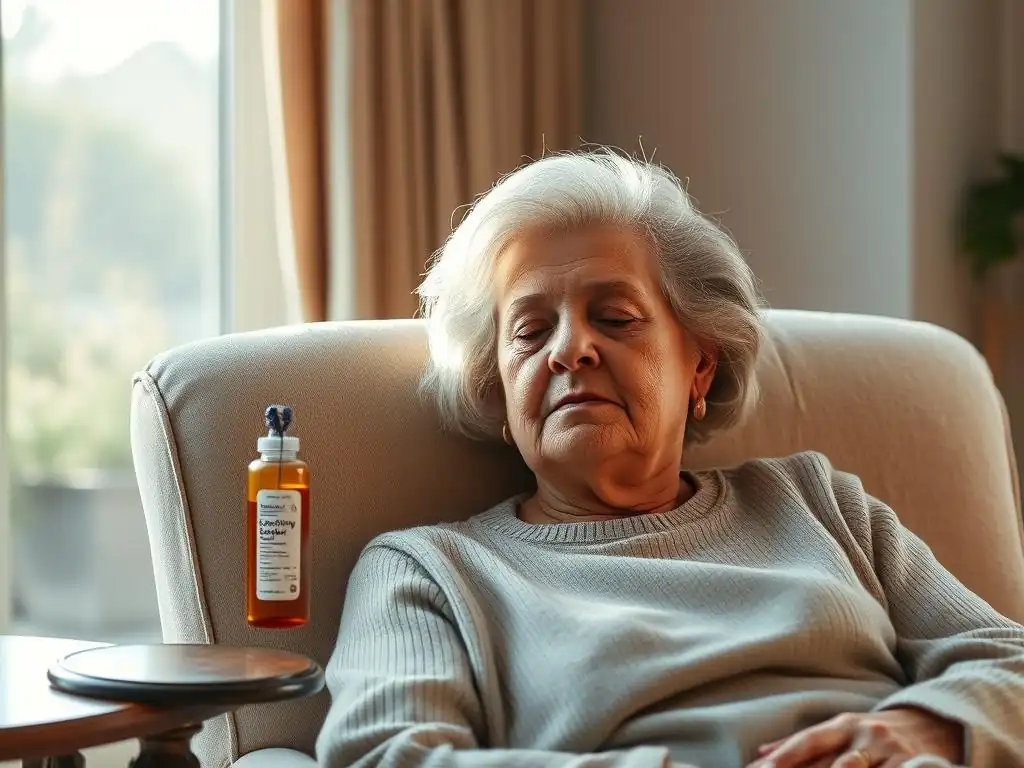
While antidepressants can be highly effective, it is crucial to be aware of potential risks and side effects, particularly in older adults who may be more vulnerable. Understanding these possibilities allows for proactive management and monitoring, contributing to safe antidepressant use in older adults. Not all seniors will experience side effects, but vigilance is key.
The profile of potential side effects varies depending on the specific medication and the individual's health. Some effects are common and relatively mild, while others can be more serious. Open communication with the healthcare team about any new or worsening symptoms is essential for seniors and their caregivers.
Understanding Antidepressant Side Effect Profiles
Each class and specific antidepressant medication has a unique side effect profile. Understanding these profiles helps in selecting the most appropriate drug and knowing what to anticipate and monitor for. For example, some medications are more likely to cause gastrointestinal issues, while others might affect sleep or cardiovascular function.
Older adults' altered drug metabolism can mean that standard doses may lead to higher drug levels in their bodies, increasing the likelihood and severity of side effects. This underscores why starting low and going slow with dosage adjustments is a fundamental principle of prescribing safe antidepressants for seniors. Being informed about potential side effects empowers seniors and caregivers to report concerns promptly.
Common Side Effects in Older Adults: What to Watch For
Certain side effects are more common or pose a greater risk in older adults taking antidepressants. These can range from relatively minor inconveniences to more significant health concerns that require immediate attention. Monitoring for these specific issues is a critical part of ensuring safe antidepressant use in older adults.
Common side effects can include nausea, dry mouth, constipation, or changes in appetite. However, more concerning effects in seniors can involve the cardiovascular system, increased risk of falls, or cognitive changes. Awareness of these potential issues allows for timely intervention by the healthcare provider.
Cardiovascular Considerations with Antidepressants
Some antidepressants, particularly older classes like tricyclic antidepressants (TCAs), can affect heart rate and rhythm or cause orthostatic hypotension (a drop in blood pressure upon standing), increasing the risk of dizziness and falls. While newer antidepressants like SSRIs and SNRIs generally have a better cardiovascular safety profile, they are not entirely without risk.
For example, some SSRIs have been associated with a slight increased risk of QTc prolongation, an electrical issue in the heart that can lead to arrhythmias, especially in individuals with pre-existing heart conditions or those taking other medications that affect heart rhythm. Careful assessment of the senior's cardiovascular history and monitoring are essential when prescribing safe antidepressants for seniors with heart issues.
Fall Risk and Antidepressant Use
Increased fall risk is a significant concern when prescribing antidepressants to older adults. Medications that cause sedation, dizziness, impaired coordination, or orthostatic hypotension can make seniors unsteady on their feet. Studies have shown that certain antidepressants, including some SSRIs and medications like trazodone or mirtazapine, can significantly increase the risk of falls in older adults, sometimes by as much as 30-50% compared to non-users.
Given that falls are a leading cause of injury and disability in seniors, minimizing this risk is paramount. Choosing medications with less sedating properties, starting with low doses, and carefully monitoring for dizziness or unsteadiness are crucial strategies for ensuring safe antidepressant use in older adults. Environmental modifications at home can also help mitigate this risk.
Cognitive Effects and AntidePRESSANT Choices
Some antidepressants, particularly those with anticholinergic properties (more common in older classes like TCAs), can potentially worsen cognitive function, including memory and concentration, in older adults. While newer antidepressants like SSRIs and SNRIs generally have fewer anticholinergic effects, some individuals may still experience subtle cognitive changes or increased confusion, especially if they have underlying cognitive impairment like dementia.
Choosing medications with minimal impact on cognition is a key consideration, particularly for seniors with existing memory concerns. Regular cognitive assessment during treatment can help identify potential medication-related cognitive side effects. Selecting safe antidepressants for seniors involves balancing symptom relief with preserving cognitive function.
Managing and Reducing Side Effects
Many antidepressant side effects are dose-dependent and can be managed by adjusting the dosage or switching to a different medication. For example, if nausea is a problem with one SSRI, switching to another SSRI or a different class might alleviate the symptom. Taking the medication with food can also help with gastrointestinal upset.
For side effects like dizziness or sedation, taking the medication at bedtime might be helpful. Addressing potential drug interactions is also critical, as interactions can sometimes manifest as unexpected or severe side effects. Open communication with the healthcare provider about any side effect, no matter how small it seems, is vital for effective management and ensuring safe antidepressant use in older adults.
Minimizing Drug Interactions: A Key Aspect of Safe Medication Management
Older adults often manage multiple chronic health conditions, leading to polypharmacy – the use of multiple medications simultaneously. This significantly increases the risk of drug-drug interactions, which can alter how medications work, increase side effects, or even cause dangerous adverse events. Minimizing these interactions is a fundamental aspect of ensuring safe antidepressants for seniors.
Antidepressants can interact with a wide range of other medications, including those for heart conditions, blood thinners, pain relievers, and even over-the-counter supplements. A thorough understanding of a senior's complete medication list is therefore non-negotiable before prescribing or adjusting antidepressant therapy.
The Importance of a Complete Medication List
Maintaining an accurate and complete list of all medications, including prescription drugs, over-the-counter medications, vitamins, and herbal supplements, is absolutely essential for safe medication management in older adults. This list should be reviewed at every doctor's appointment.
Providing this comprehensive list allows healthcare providers to check for potential interactions before prescribing an antidepressant or any other new medication. It's estimated that a significant percentage of adverse drug events in older adults are related to preventable drug interactions. Having a complete list is the first critical step in identifying and avoiding these risks, thereby promoting safe antidepressant use in older adults.
Potential Interactions Between Antidepressants and Other Medications
Antidepressants can interact with various other drug classes. For example, SSRIs and SNRIs can increase the risk of bleeding, especially when combined with blood thinners like warfarin or antiplatelet drugs like aspirin or clopidogrel. This interaction can be clinically significant and requires careful monitoring.
Combining certain antidepressants (like SSRIs or SNRIs) with other medications that affect serotonin levels (such as some pain medications, migraine drugs, or other antidepressants) can lead to serotonin syndrome, a potentially life-threatening condition characterized by confusion, rapid heart rate, high blood pressure, muscle rigidity, and fever. Awareness of these specific interaction types is crucial for selecting safe antidepressants for seniors and managing their overall medication regimen.
Strategies to Prevent Drug Interactions
Preventing drug interactions requires a proactive and collaborative approach. The most important strategy is ensuring that all healthcare providers involved in a senior's care have access to their complete and current medication list. Using a single pharmacy whenever possible can also help pharmacists identify potential interactions.
Healthcare providers should utilize drug interaction databases and clinical decision support tools when prescribing. Patients and caregivers should be educated about potential interactions and encouraged to ask questions. Regularly reviewing the senior's medication list with a doctor or pharmacist to simplify the regimen whenever possible also helps reduce the risk of interactions, contributing significantly to safe antidepressant use in older adults.
Optimizing AntidePRESSANT Treatment: Dosage and Monitoring
Once an antidepressant is selected, optimizing its dosage and monitoring the senior's response are critical steps in achieving effective symptom relief while maintaining safety. Older adults often require different dosing strategies compared to younger individuals due to age-related physiological changes that affect drug metabolism and excretion.
The principle of "start low, go slow" is paramount when initiating antidepressant therapy in seniors. This approach helps minimize the risk of side effects and allows the healthcare provider to assess tolerance before increasing the dose. Regular monitoring is then necessary to ensure the medication is working and that no problematic side effects are developing.
Initiating Treatment with Low Doses and Gradual Titration
Initiating treatment with the lowest effective dose is a cornerstone of prescribing safe antidepressants for seniors. Starting doses are often half or even a quarter of the typical starting dose for younger adults. This accounts for potentially slower drug metabolism and increased sensitivity to medication effects in older individuals.
Gradual titration, or slowly increasing the dose over time, allows the body to adjust to the medication and helps identify the minimum effective dose needed to control symptoms. This approach reduces the likelihood of dose-dependent side effects. For example, increasing the dose weekly or bi-weekly, rather than daily, allows for careful observation of the senior's response and tolerance.
The Importance of Regular Monitoring and Follow-Up
Regular monitoring and follow-up appointments are essential components of safe antidepressant use in older adults. These appointments allow the healthcare provider to assess the senior's response to the medication, check for side effects, monitor for potential drug interactions, and evaluate their overall well-being.
Initially, follow-up might be needed every one to two weeks after starting or changing a dose. This allows for early identification of issues. During these visits, the provider can ask specific questions about mood, sleep, appetite, energy levels, and any new or unusual symptoms. This ongoing assessment helps ensure the treatment plan remains safe and effective.
Adjusting Dosage Based on Individual Response and Tolerance
Dosage adjustments should be made based on the individual senior's clinical response and tolerance of the medication. If symptoms have not adequately improved after a sufficient trial period at a certain dose, and the medication is well-tolerated, a gradual increase in dosage may be considered.
Conversely, if significant or bothersome side effects occur, the dosage may need to be decreased, or the medication may need to be switched. The goal is to find the optimal balance between efficacy and tolerability. This individualized approach is key to successful and safe antidepressant use in older adults, recognizing that each person's needs are unique.
Beyond Medication: Integrative Approaches to Depression Management

While antidepressants can be a crucial part of treating depression in older adults, they are often most effective when integrated into a broader treatment plan that includes psychotherapy, lifestyle modifications, and potentially complementary therapies. A holistic approach addresses the multifaceted nature of late-life depression and supports overall well-being.
Medication alone may not fully address all aspects of depression, such as feelings of isolation, grief, or lack of purpose. Combining medication with other interventions provides a more comprehensive strategy for recovery and long-term mental health, complementing the role of safe antidepressants for seniors.
The Benefits of Psychotherapy for Older Adults with Depression
Psychotherapy, such as Cognitive Behavioral Therapy (CBT) or Interpersonal Therapy (IPT), is highly effective for treating depression in older adults, either alone for mild to moderate depression or in combination with medication for more severe cases. Therapy provides tools and strategies to challenge negative thought patterns, improve coping skills, and address underlying issues contributing to depression.
Studies have shown that psychotherapy can be as effective as medication for many older adults and can also help prevent relapse after treatment ends. Therapists experienced in working with seniors can adapt techniques to address age-specific challenges like grief, loss, and life transitions. Integrating therapy with safe antidepressant use in older adults often leads to better and more sustainable outcomes.
Lifestyle Modifications to Support Antidepressant Effectiveness
Adopting healthy lifestyle habits can significantly support the effectiveness of antidepressant medication and improve overall mental well-being in older adults. These modifications are powerful complements to pharmacological treatment and empower seniors to take an active role in their recovery.
Simple changes related to physical activity, nutrition, and social connection can have a profound positive impact on mood and energy levels. Encouraging and supporting seniors in incorporating these habits into their daily routine is a vital part of comprehensive depression care.
Exercise, Nutrition, and Social Engagement for Mental Well-being
Regular physical activity is a powerful mood booster and can reduce depressive symptoms. Even moderate exercise, such as walking for 30 minutes several times a week, has been shown to have antidepressant effects. It also improves physical health, sleep, and energy levels.
Good nutrition supports brain health and overall well-being. A balanced diet rich in fruits, vegetables, lean proteins, and healthy fats can positively influence mood. Avoiding excessive sugar and processed foods is also beneficial. Social engagement combats isolation, a major risk factor for depression in older adults. Participating in social activities, joining clubs, volunteering, or simply spending time with friends and family can significantly improve mood and provide a sense of connection and purpose. These lifestyle elements enhance the benefits of safe antidepressants for seniors.
Exploring Complementary Therapies: Light Therapy, Mindfulness, and Yoga
Certain complementary therapies can also be explored as part of an integrative treatment plan, often used alongside medication and psychotherapy. Light therapy can be beneficial for seasonal depression, which can also affect older adults. Exposure to a special light box for a set period each day can help regulate mood.
Mindfulness and meditation techniques can help seniors manage stress, reduce rumination, and improve emotional regulation. Practices like yoga or Tai Chi combine gentle physical movement with mindfulness and can reduce stress and improve mood and balance, potentially reducing fall risk. While these therapies are not typically a substitute for medication in moderate to severe depression, they can be valuable additions to a comprehensive approach, supporting the senior's journey towards well-being alongside safe antidepressant use in older adults.
Finding Support and Resources for Seniors and Their Families
Managing depression in older adults involves not only medical treatment but also accessing appropriate support and resources for both the senior and their family or caregivers. Navigating the healthcare system, understanding treatment options like safe antidepressants for seniors, and coping with the challenges of depression can be overwhelming.
Fortunately, numerous resources are available to provide information, support, and practical assistance. Connecting with mental health professionals specializing in geriatrics, joining support groups, and utilizing local community resources can make a significant difference in the journey towards recovery and improved quality of life.
Connecting with Geriatric Mental Health Professionals
Seeking care from mental health professionals with expertise in geriatrics is highly beneficial for older adults with depression. This includes geriatric psychiatrists, psychologists, social workers, and counselors. They are knowledgeable about the unique aspects of mental health in aging, including how physical health conditions, medications, and social factors interact with depression.
These professionals can conduct comprehensive assessments, develop individualized treatment plans that may include safe antidepressants for seniors, provide specialized therapy, and coordinate care with other healthcare providers. Their expertise ensures that treatment is tailored to the specific needs and complexities of the older adult.
Support Groups and Organizations for Seniors Experiencing Depression
Support groups offer a valuable source of emotional support, understanding, and practical advice for older adults living with depression. Connecting with peers who share similar experiences can reduce feelings of isolation and provide a sense of community. Groups may be condition-specific (like depression support groups) or population-specific (like senior support groups).
Numerous national and local organizations are dedicated to mental health and aging. These organizations often provide educational materials, helplines, resources for finding treatment, and advocacy. Examples include the National Alliance on Mental Illness (NAMI) or the Depression and Bipolar Support Alliance (DBSA), many of which have specific programs or resources for older adults. These resources complement the medical management of safe antidepressants for seniors.
Local Resources for Seniors and Caregivers
Local communities often offer a range of resources that can support seniors and their caregivers. Senior centers frequently provide social activities, educational programs, and access to support services. Area Agencies on Aging can connect seniors and families with services like transportation, meal assistance, in-home care, and caregiver support programs.
Mental health clinics and community centers may offer counseling services or support groups specifically for older adults. Utilizing these local resources can help address practical challenges, reduce social isolation, and provide caregivers with much-needed support, all of which contribute to the overall well-being of the senior managing depression.
Safe Antidepressant Use in Older Adults: Key Principles
Ensuring the safe and effective use of antidepressants in older adults is a complex but achievable goal. It requires a collaborative effort involving the senior, their family, and the entire healthcare team. By adhering to key principles, the risks associated with medication can be minimized while maximizing the potential for recovery and improved quality of life.
The focus is consistently on individualizing care, maintaining open communication, and prioritizing the senior's safety and preferences throughout the treatment journey. This approach recognizes the unique vulnerabilities and needs of older adults when considering pharmacological interventions for depression.
Prioritizing Patient Safety in Antidepressant Treatment
Prioritizing patient safety is the overarching principle guiding the use of safe antidepressants for seniors. This involves a thorough initial assessment, careful medication selection based on individual health profile, starting with low doses, gradual titration, and continuous monitoring for both efficacy and adverse effects.
It also includes proactive management of potential risks, such as drug interactions and increased fall risk. Healthcare providers should regularly review the necessity and appropriateness of all medications a senior is taking to simplify regimens whenever possible, further reducing safety concerns. Safety is not just about avoiding harm; it's about optimizing treatment to improve well-being without undue risk.
Empowering Seniors in Their Mental Health Journey
Empowering older adults to be active participants in their mental health care is crucial. This involves providing them with clear, understandable information about their diagnosis, treatment options (including the benefits and risks of safe antidepressants for seniors), and what to expect. Decisions about medication should be made collaboratively, respecting the senior's preferences and values.
Encouraging seniors to ask questions, report symptoms or side effects, and express their concerns fosters a sense of control and partnership in their treatment. When seniors feel heard and involved, they are more likely to adhere to treatment plans and engage in strategies that support their recovery.
Promoting Open Communication with Healthcare Teams
Open and honest communication between seniors, their caregivers, and healthcare teams (doctors, pharmacists, therapists) is fundamental to safe and effective antidepressant use. Seniors and caregivers should feel comfortable discussing all medications, supplements, and any symptoms or concerns they have, no matter how minor they seem.
Healthcare providers should encourage this dialogue and provide clear instructions regarding medication use, potential side effects, and when to seek help. Regular check-ins and follow-up appointments facilitate this communication. This collaborative approach ensures that the senior's treatment plan, including the use of safe antidepressants for seniors, is continuously reviewed and adjusted as needed to promote their best possible outcome.
Frequently Asked Questions
What are some safe antidepressants commonly prescribed for seniors?
Selective Serotonin Reuptake Inhibitors (SSRIs) like sertraline and citalopram are often considered first-line treatments due to their relatively mild side effect profiles compared to older antidepressants. Doctors carefully assess individual needs to ensure suitability.
What factors should doctors consider when prescribing antidepressants to seniors?
Doctors should consider a senior's overall health, existing medical conditions, and potential drug interactions. Kidney and liver function are also crucial factors in determining the appropriate dosage.
Are there non-medication alternatives to antidepressants for seniors experiencing mild to moderate depression?
Yes, options like cognitive behavioral therapy (CBT), light therapy, and regular exercise can be effective, especially for mild to moderate depression. These approaches often work best when combined with medication in some cases.
What are some potential side effects of antidepressants that are particularly concerning for seniors?
Common concerns include increased risk of falls, hyponatremia (low sodium levels), and interactions with other medications they may be taking. Careful monitoring is essential.
How can caregivers support seniors who are taking antidepressants?
Caregivers can help by monitoring for side effects, ensuring medication adherence, and encouraging regular doctor visits. Open communication about any changes in mood or behavior is vital.
Final Reflection: The Enduring Importance of Safe and Effective Senior Care
The safe and effective treatment of depression in older adults is not merely a medical concern; it's a critical component of ensuring dignity, independence, and quality of life in later years. The rising global population of seniors necessitates a deeper understanding of age-related changes in medication metabolism and the nuanced approach required for successful antidepressant treatment. This understanding is crucial for preventing unnecessary suffering and improving the overall well-being of our aging population.
The impact of depression on seniors extends far beyond individual suffering; it affects families, communities, and healthcare systems as a whole. The stigma surrounding mental health in older adults often prevents individuals from seeking help, leading to prolonged periods of untreated illness and increased risk of complications. The best time to plant a tree was 20 years ago. The second best time is today.
This proverb applies perfectly to mental health care; early intervention is ideal, but seeking help at any stage is crucial for positive outcomes. The ongoing conversation surrounding safe and effective antidepressant options for seniors is vital to dismantling these barriers and promoting proactive mental healthcare.
Consider the information presented in this article. Reflect on the importance of open communication with your doctor or healthcare provider about any concerns regarding mental health, particularly if you are a senior or care for someone who is. Take the initiative to learn about the various antidepressant options available, their potential side effects, and the importance of regular monitoring. Your well-being, and the well-being of those you love, depends on it. Let's work together to ensure that every senior has access to the safe and effective care they deserve.
Unlock a Brighter Tomorrow: Taking Charge of Your Mental Wellbeing
Thanks for taking the time to learn about safe and effective antidepressant options for seniors. We hope this article provided valuable insights and empowered you to make informed decisions about your mental health. Now, let's take the next steps towards a brighter future!
- Schedule a consultation with your doctor: This is the most crucial step to discuss your specific needs and explore appropriate treatment options. Don't hesitate to ask questions and voice your concerns.
- Share this article with a loved one: Open communication is key to supporting senior mental health. Sharing this information can spark valuable conversations and build stronger support networks.
- Explore additional resources: Search MindCareGuide.org for articles on related topics like healthy aging and stress management techniques.
Ready to prioritize your mental wellbeing and make a positive change? What's the first step you'll take today?