
The Future Shock: How Anticipation of Climate Change Creates Anxiety


Welcome to Mind Care Guide, a space dedicated to nurturing your mental well-being.
Feeling overwhelmed by the future? In a world facing unprecedented challenges, it's natural to experience anxiety. Our article, "The Future Shock: How Anticipation of Climate Change Creates Anxiety," delves into the growing concern of climate change anxiety and offers practical coping strategies to help you navigate these uncertain times. Are you ready to discover how to manage your worries and find hope amidst the storm? Explore further and let's embark on this journey to resilience together.
The Future Shock: How Anticipation of Climate Change Creates Anxiety
- Understanding Climate Change Anxiety: A Growing Mental Health Concern
- The Mental and Emotional Toll of Anticipating Climate Change
- Climate Change Anxiety Coping Strategies: Taking Control of Your Mental Health
- Building Resilience in the Face of Climate Change: Fostering Emotional Well-being
- Addressing Climate Change Anxiety in Children and Adolescents
- Seeking Professional Help for Climate Change Anxiety: When to Reach Out
- Long-Term Solutions: Building a More Sustainable and Mentally Healthy Future
-
Frequently Asked Questions
- What is climate change anxiety, and how is it defined?
- What are some common symptoms of anxiety related to climate change?
- What are some effective climate change anxiety coping strategies?
- How can I distinguish between normal concern about climate change and climate change anxiety?
- Where can I find more resources and support for dealing with climate change anxiety?
- Final Reflection: Navigating the Storm Within: Climate Anxiety and the Path Forward
- Unveil Your Climate Resilience: Steps to Manage Eco-Anxiety
Understanding Climate Change Anxiety: A Growing Mental Health Concern
Defining Climate Change Anxiety and Its Impact
Climate change anxiety, often referred to as eco-anxiety or climate distress, is a psychological response to the perceived threats posed by climate change. It's not a formal diagnosis in clinical manuals like the DSM-5, but it's a widely recognized phenomenon characterized by feelings of worry, nervousness, and fear about the environmental crisis and its potential future impacts. This anxiety can manifest in various ways, from persistent low-grade worry to acute panic attacks, impacting individuals across all demographics, though studies often highlight a higher prevalence among younger generations.
The impact of climate change anxiety extends beyond simple worry. It can affect daily functioning, leading to sleep disturbances, difficulty concentrating, irritability, and even physical symptoms like headaches or digestive issues. For some, it triggers feelings of helplessness, grief, or despair regarding the future of the planet and humanity. Research, such as surveys conducted by organizations like the American Psychological Association, indicates that a significant percentage of the population, particularly young adults, report feeling anxious or worried about climate change, underscoring its growing relevance as a public mental health concern.
The Psychological Roots of Eco-Anxiety: Why We Worry About the Future
The psychological roots of eco-anxiety are deeply intertwined with our innate survival instincts and our capacity for foresight. Humans are wired to anticipate threats and feel anxious about potential dangers, a mechanism that historically helped us survive. Climate change presents a complex, long-term, and global threat that triggers this ancient system. Unlike immediate dangers, however, the diffuse and often abstract nature of climate change can make the anxiety particularly challenging to manage, leading to feelings of powerlessness.
Furthermore, eco-anxiety is fueled by existential concerns. It forces us to confront the potential collapse of ecosystems, the loss of biodiversity, and the disruption of familiar ways of life. This can lead to feelings of grief for what is being lost (solastalgia) and a sense of dread about an uncertain future. The constant barrage of news about extreme weather events, rising sea levels, and species extinction acts as a persistent stressor, confirming our fears and reinforcing the perception of an impending crisis, thereby amplifying the psychological burden.
Differentiating Climate Change Anxiety from Normal Environmental Concern
It's important to differentiate between climate change anxiety and a normal, healthy concern for the environment. Normal environmental concern involves being aware of environmental issues, feeling a reasonable level of worry about them, and being motivated to take action. It's a rational response to a real problem and often leads to constructive behaviors like recycling, conserving energy, or advocating for policy changes. This concern is typically manageable and doesn't significantly impair daily life.
Climate change anxiety, on the other hand, is characterized by distress that feels overwhelming, persistent, and often disproportionate to the individual's direct, immediate risk. It can lead to avoidance behaviors (e.g., avoiding climate news), feelings of hopelessness that paralyze action, or intrusive thoughts that interfere with concentration and sleep. While both stem from an awareness of environmental threats, anxiety becomes problematic when it significantly impacts a person's mental well-being and ability to function, requiring specific climate change anxiety coping strategies to regain control.
The Mental and Emotional Toll of Anticipating Climate Change
Recognizing the symptoms of climate-related anxiety is the first step toward developing effective climate change anxiety coping strategies. These symptoms can vary widely among individuals but often include a combination of emotional, cognitive, physical, and behavioral manifestations. Emotionally, one might experience persistent worry, fear, sadness, anger, guilt, or grief related to environmental issues. Some report feeling overwhelmed or helpless when thinking about the future.
Cognitive symptoms can involve intrusive thoughts about climate disasters, difficulty concentrating on tasks unrelated to climate change, rumination, or a sense of impending doom. Physically, symptoms might include increased heart rate, shortness of breath, digestive problems, fatigue, or muscle tension. Behaviorally, individuals might exhibit avoidance of climate-related information, changes in appetite or sleep patterns, withdrawal from social activities, or compulsive behaviors aimed at reducing their environmental footprint to an extreme degree.
- [ ] Persistent worry about the future due to climate change
- [ ] Feeling overwhelmed or helpless regarding environmental problems
- [ ] Intrusive thoughts about climate disasters
- [ ] Difficulty concentrating
- [ ] Sleep disturbances (insomnia, nightmares)
- [ ] Increased irritability or anger
- [ ] Feelings of grief or sadness about environmental loss
- [ ] Physical symptoms like rapid heart rate or digestive issues
- [ ] Avoiding news or conversations about climate change
- [ ] Withdrawing from social activities
The Impact of Climate Change on Mental Well-being: Beyond Anxiety
The impact of climate change on mental well-being extends far beyond just anxiety. Direct experiences with climate-related events, such as witnessing or surviving wildfires, floods, or hurricanes, can lead to acute trauma, post-traumatic stress disorder (PTSD), depression, and grief. For example, studies following major environmental disasters have shown significant increases in rates of depression and PTSD among affected populations, sometimes doubling or tripling compared to pre-disaster levels.
Even without direct experience of disaster, the chronic stress of anticipating climate change can contribute to a decline in overall mental health. This can manifest as increased rates of depression, substance use disorders, and even suicidal ideation in vulnerable populations. The erosion of community ties due to displacement or economic hardship caused by climate impacts further exacerbates these issues, highlighting the complex and multifaceted ways in which the environmental crisis undermines psychological resilience and necessitates robust climate change anxiety coping strategies.
How Climate Change News and Media Exposure Affect Mental Health
Constant exposure to climate change news and media coverage plays a significant role in fueling eco-anxiety and related mental health challenges. The news cycle often emphasizes catastrophic events, dire predictions, and political gridlock, creating a narrative of crisis and hopelessness. While staying informed is important, the sheer volume and often sensational nature of reporting can lead to feelings of overwhelm and despair, a phenomenon sometimes referred to as "doomscrolling."
Research indicates that high levels of exposure to negative climate-related media are correlated with increased levels of anxiety and depression. For instance, a study might find that individuals who spend more time consuming climate news report higher levels of distress. This doesn't mean avoiding information entirely, but it underscores the need for mindful consumption of media and the importance of balancing awareness with actionable climate change anxiety coping strategies to prevent burnout and emotional exhaustion.
Climate Change Anxiety Coping Strategies: Taking Control of Your Mental Health
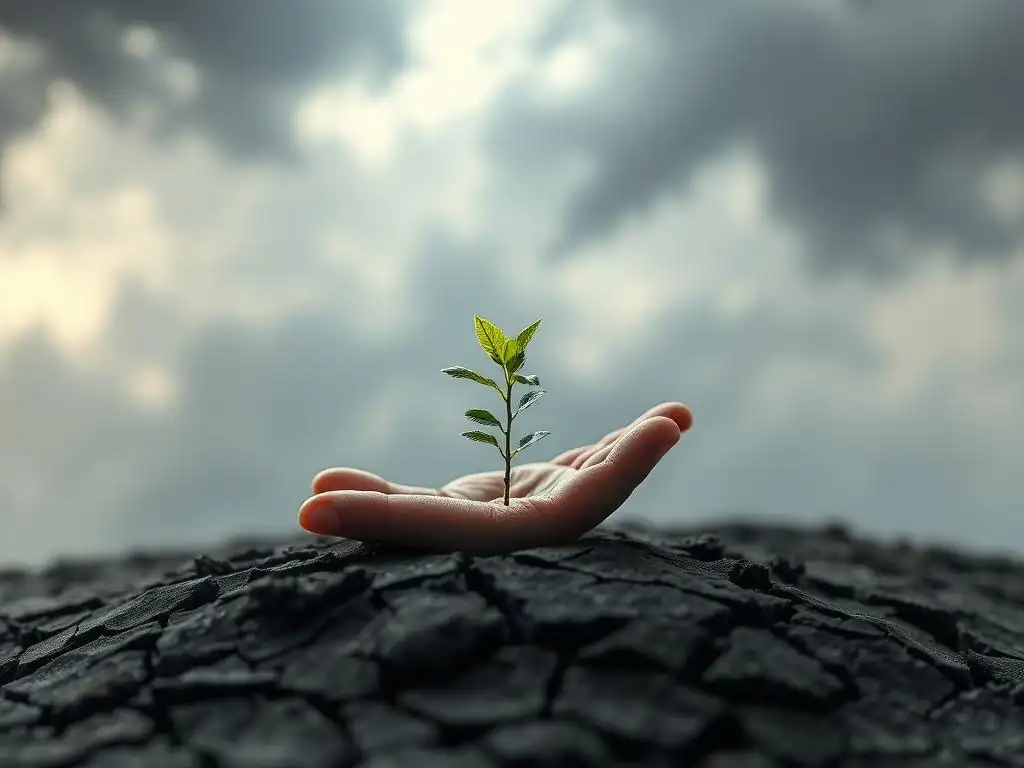
Practical Strategies for Managing Climate Anxiety: A Step-by-Step Guide
Developing effective climate change anxiety coping strategies is crucial for maintaining mental well-being in the face of environmental concerns. These strategies empower individuals to move from a state of passive worry to active, manageable engagement. One practical approach is to set boundaries around media consumption. Decide how much time you will spend reading or watching climate news each day or week, and stick to it. Choose reputable sources that offer balanced reporting, including solutions and positive developments, not just problems.
Another step involves focusing on what you can control. While the global scale of climate change can feel overwhelming, identify actions you can take in your own life or community. This might involve reducing your carbon footprint through lifestyle changes (e.g., conserving energy, reducing waste), engaging in local environmental initiatives, or participating in advocacy. Taking concrete steps, no matter how small they seem, can significantly reduce feelings of helplessness and provide a sense of agency, forming a core part of many climate change anxiety coping strategies.
- Limit exposure to overwhelming or sensational climate news.
- Choose specific times for checking climate updates.
- Identify personal actions you can take (e.g., recycling, saving energy, sustainable transport).
- Engage in local environmental projects (e.g., community gardens, clean-ups).
- Focus on achievable goals rather than global outcomes.
- Take breaks from thinking and talking about climate change.
- Ensure basic self-care needs (sleep, nutrition, exercise) are met.
Cognitive Restructuring: Challenging Negative Thoughts About Climate Change
Cognitive restructuring is a powerful technique among climate change anxiety coping strategies that involves identifying and challenging unhelpful or catastrophic thought patterns related to climate change. Many people experiencing eco-anxiety fall into thinking traps, such as believing that catastrophe is inevitable and imminent, or that their individual actions are completely meaningless. These thoughts amplify distress and can lead to paralysis.
The process begins by noticing these negative thoughts without judgment. Write them down if necessary. Then, critically examine the evidence for and against them. Is the situation truly hopeless, or are there signs of progress or potential solutions? Are your individual actions really meaningless, or do they contribute to a larger collective effort and set an example for others? Replace catastrophic thoughts with more balanced and realistic perspectives, acknowledging the challenges while also recognizing possibilities for positive change and focusing on actionable steps rather than insurmountable problems.
Mindfulness and meditation are effective climate change anxiety coping strategies for managing the stress and emotional intensity associated with climate concerns. Mindfulness involves paying attention to the present moment without judgment. When overwhelmed by thoughts of future climate disasters, bringing your attention back to your breath, your body, or your immediate surroundings can ground you and interrupt the cycle of worry.
Regular meditation practice can help train your mind to observe thoughts and feelings, including climate anxiety, without getting swept away by them. Even a few minutes of daily meditation can reduce overall stress levels and increase emotional resilience. Techniques like loving-kindness meditation can also be helpful, fostering feelings of compassion for yourself, others, and the planet, which can counterbalance feelings of anger or despair and promote a more hopeful and empathetic response to the climate crisis.
Building Resilience in the Face of Climate Change: Fostering Emotional Well-being
Connecting with Nature: Rebuilding Your Relationship with the Environment
Connecting with nature is a fundamental aspect of building resilience against climate change anxiety. Spending time outdoors, whether in a park, forest, or garden, can reduce stress, improve mood, and foster a sense of peace. This connection can also shift the focus from abstract fears about a damaged planet to an appreciation for the beauty and resilience of the natural world that still exists. Engaging with nature can remind us what we are working to protect and provide a source of solace.
Activities like hiking, gardening, bird watching, or simply sitting quietly outside can help rebuild a positive relationship with the environment, countering the narrative of loss and destruction. This re-connection can foster a sense of awe and wonder, which has been shown to reduce feelings of insignificance and increase feelings of well-being. It grounds us in the present moment and in the tangible reality of the living world, complementing other climate change anxiety coping strategies.
Finding Community and Support: Sharing Your Concerns with Others
Sharing your concerns with others is a vital component of fostering emotional well-being when dealing with climate change anxiety. Feeling isolated in your worries can amplify them. Connecting with like-minded individuals who understand and validate your feelings can provide immense relief and support. This could involve talking to friends or family, joining local environmental groups, or participating in online communities focused on climate action or eco-anxiety support.
Hearing that you are not alone in your feelings can normalize the experience of climate distress. Group settings also offer opportunities to share climate change anxiety coping strategies that have worked for others, collaborate on solutions, and find collective strength. Knowing that you are part of a community working towards positive change can combat feelings of helplessness and foster a sense of solidarity and shared purpose.
Engaging in Climate Action: Empowering Yourself Through Positive Change
Engaging in climate action is one of the most empowering climate change anxiety coping strategies available. While the problem is large, taking action, even on a small scale, can transform anxiety into agency. This could mean participating in local clean-up drives, volunteering for environmental organizations, advocating for policy changes, or making personal lifestyle choices that reduce your environmental impact.
The key is to find actions that feel meaningful and manageable for you. Engaging in action provides a sense of purpose and control, shifting the focus from passive worry to active participation in creating a better future. It also connects you with others who share your concerns and goals, reinforcing the benefits of community support and demonstrating that collective effort can lead to significant impact over time.
Addressing Climate Change Anxiety in Children and Adolescents

Talking to Children About Climate Change: Age-Appropriate Strategies
Talking to children about climate change requires sensitivity and age-appropriateness. For very young children, focus on fostering a love for nature and simple actions like recycling or saving water, without introducing frightening concepts. For older children and adolescents, conversations can be more direct, but it's crucial to balance honesty about the challenges with messages of hope and empowerment. Use language they can understand and avoid overly technical or alarming jargon.
Encourage questions and listen empathetically to their feelings. Validate their concerns and fears, letting them know it's okay to feel worried. Frame the issue in terms of solutions and collective action, emphasizing that many people are working to address climate change and that they can be part of the solution. This approach helps children feel less helpless and more capable of contributing positively, laying a foundation for healthy climate change anxiety coping strategies later in life.
Helping Young People Cope with Eco-Anxiety: Fostering Hope and Resilience
Helping young people cope with eco-anxiety involves fostering hope and building resilience. Encourage them to engage in actions that align with their interests, whether it's participating in a school environmental club, creating art about nature, writing letters to policymakers, or organizing local awareness campaigns. Empowering them to take action provides a sense of control and purpose.
Promote healthy coping mechanisms beyond climate action, such as spending time in nature, creative expression, physical activity, and connecting with friends and family. Teach them mindfulness techniques or stress-reduction exercises. Limit their exposure to overwhelming news and discuss media consumption habits. Most importantly, provide consistent emotional support, reassurance, and a hopeful outlook, emphasizing that while challenges exist, humanity has the capacity for innovation and collective problem-solving. These are essential climate change anxiety coping strategies tailored for younger minds.
Recognizing the signs of climate-related distress in children and teens is crucial for providing timely support. Symptoms can manifest differently than in adults. Younger children might express fears about animals or weather, have nightmares, or show increased clinginess or anxiety about separation. They might also exhibit changes in play, focusing on themes of disaster or loss.
Adolescents might show more typical signs of anxiety or depression, such as withdrawal from friends and activities, changes in sleep or appetite, irritability, academic decline, or expressing feelings of hopelessness or cynicism about the future. They might become overly focused on climate news or engage in excessive, perhaps even disruptive, activism driven by distress rather than healthy engagement. Parents and educators should be aware of these signs and open lines of communication to discuss their feelings and explore climate change anxiety coping strategies.
Seeking Professional Help for Climate Change Anxiety: When to Reach Out
Identifying When Climate Anxiety Requires Professional Intervention
While many people experience mild to moderate climate concern that can be managed with self-help climate change anxiety coping strategies, there are times when professional intervention is necessary. You should consider seeking professional help if your climate anxiety is significantly impacting your daily life, relationships, work, or studies. This includes experiencing persistent symptoms like severe sleep disturbances, panic attacks, inability to concentrate, withdrawal from social activities, or feelings of hopelessness that are difficult to shake.
If your anxiety leads to thoughts of self-harm or significantly impairs your ability to function or find joy in life, it is a strong indicator that professional support is needed. A mental health professional can help you process these difficult emotions, develop more effective coping mechanisms, and address any underlying mental health conditions that may be exacerbated by climate concerns.
Finding a Therapist Specializing in Eco-Anxiety: Resources and Guidance
Finding a therapist specializing in eco-anxiety can be beneficial, as they are familiar with the specific challenges and emotional responses related to climate change. While not all therapists explicitly list "eco-anxiety" as a specialty, many who focus on anxiety, trauma, or grief are well-equipped to help. Resources like directories from psychological associations (e.g., the American Psychological Association, Climate Psychology Alliance) may list therapists with relevant interests or training.
When searching, you can look for therapists who mention environmental concerns, climate-aware therapy, or who have experience working with existential anxiety or chronic stress. Don't hesitate to ask potential therapists about their familiarity with climate change anxiety during an initial consultation. Finding a therapist who validates your feelings and understands the context of your distress is key to developing effective climate change anxiety coping strategies.
Several therapeutic approaches can be effective in addressing climate-related distress. Cognitive Behavioral Therapy (CBT) can help identify and challenge negative thought patterns and develop practical coping skills. Acceptance and Commitment Therapy (ACT) can help individuals accept difficult emotions related to climate change while committing to values-driven actions.
Therapies focusing on grief and loss can be helpful for processing feelings of solastalgia and ecological grief. Narrative therapy can help individuals reframe their relationship with the climate crisis and their role within it. Some therapists also integrate nature-based therapy or outdoor sessions. The best approach often depends on the individual's specific symptoms and needs, but exploring these options with a professional can lead to tailored climate change anxiety coping strategies.
Long-Term Solutions: Building a More Sustainable and Mentally Healthy Future
Promoting Climate Action and Advocacy: Making a Difference in Your Community
Promoting climate action and advocacy is a crucial long-term solution that benefits both the planet and mental well-being. Engaging in collective action can transform feelings of individual powerlessness into shared purpose and hope. This could involve joining or supporting local environmental organizations, participating in climate marches or rallies, contacting elected officials, or advocating for sustainable practices within your workplace or community institutions.
Community-level action not only contributes to tangible environmental progress but also strengthens social connections and provides a sense of belonging, which are vital buffers against anxiety and despair. Witnessing collective effort and achieving small victories can reinforce a belief in the possibility of change, counteracting the narrative of inevitable doom and reinforcing the effectiveness of active climate change anxiety coping strategies.
Fostering Hope and Optimism: Cultivating a Positive Outlook on the Future
Fostering hope and optimism is essential for navigating the long-term challenges of climate change without succumbing to despair. This doesn't mean ignoring the realities of the crisis, but rather cultivating a balanced perspective that acknowledges challenges while also recognizing human ingenuity, resilience, and the potential for positive change. Actively seeking out stories of successful climate initiatives, technological advancements, and community-led solutions can help counterbalance the often negative media narrative.
Focusing on progress, no matter how incremental, can fuel motivation and maintain emotional well-being. Cultivating gratitude for the natural world and the positive aspects of life can also help ground individuals and prevent anxiety from consuming their entire outlook. Building a hopeful perspective is an active process that supports ongoing climate change anxiety coping strategies.
Addressing climate change anxiety comprehensively requires acknowledging the significant role of policy and social change. Individual actions and coping strategies are vital, but systemic issues require systemic solutions. Government policies that promote renewable energy, regulate emissions, protect ecosystems, and invest in climate adaptation can reduce the scale of the environmental threat, thereby mitigating a primary source of anxiety for many.
Furthermore, policies that support mental health services and integrate climate-aware approaches into healthcare systems are crucial for helping individuals cope with the psychological impacts. Social change, including shifting cultural norms towards sustainability and fostering a collective sense of responsibility, is also necessary. Recognizing that the burden of addressing climate change and its mental health impacts is shared, and advocating for broader societal shifts, is a powerful step towards building a more sustainable and mentally healthy future for all.
Frequently Asked Questions
What is climate change anxiety, and how is it defined?
Climate change anxiety, also known as eco-anxiety, refers to the distress and worry experienced due to the actual or anticipated effects of climate change and environmental degradation. It's characterized by feelings of fear, helplessness, and uncertainty about the future.
Symptoms can range from intense worry and fear to feelings of hopelessness and despair. Individuals may also experience physical symptoms like insomnia, panic attacks, and difficulty concentrating, all tied to concerns about the environment.
What are some effective climate change anxiety coping strategies?
Effective strategies include taking action, such as volunteering or advocating for change; practicing mindfulness and self-care to manage stress; and connecting with others to share concerns and build support networks.
How can I distinguish between normal concern about climate change and climate change anxiety?
Normal concern involves acknowledging the reality of climate change and taking reasonable steps to mitigate its impact. Climate change anxiety, however, becomes debilitating, interfering with daily life and causing significant distress.
Where can I find more resources and support for dealing with climate change anxiety?
Mind Care Guide offers a wealth of information, support, and resources on mental well-being, including specific guidance on managing climate change anxiety. Consider seeking professional help if your anxiety is overwhelming.
The pervasive anxiety surrounding climate change is not merely a psychological phenomenon; it's a rational response to an existential threat. The overwhelming scientific consensus, coupled with increasingly visible impacts like extreme weather events and ecological collapse, fuels a justified fear for the future. Ignoring this anxiety is not an option; understanding and managing it is crucial for individual well-being and collective action.
The weight of potential future catastrophes, from rising sea levels to mass migrations, casts a long shadow on our present. This anxiety isn't simply about personal discomfort; it's a reflection of our deep connection to the planet and a profound sense of responsibility for future generations. The greatest danger to our planet is the belief that someone else will save it.
This quote underscores the urgency of not only managing our own anxieties but also channeling them into constructive action. The collective emotional response to climate change is a powerful force, capable of driving both despair and inspiring unprecedented levels of activism and innovation.
You, the reader, are now equipped with a deeper understanding of climate anxiety and some practical coping strategies. But the journey doesn't end here. Consider how you can integrate these strategies into your daily life. Actively engage with solutions: support climate-conscious organizations, advocate for policy changes, and make sustainable choices in your own life. Remember, acknowledging your anxiety is the first step towards empowerment. By transforming fear into action, we can collectively navigate this storm and build a more resilient and sustainable future, not just for ourselves, but for generations to come.
Unveil Your Climate Resilience: Steps to Manage Eco-Anxiety
Thanks for taking the time to explore the complexities of climate anxiety with us. We hope this article provided valuable insights into understanding and managing your concerns about the future. Now, let's take proactive steps towards building your resilience.
- Prioritize self-care practices: Engage in activities that help you manage stress, such as mindfulness meditation, regular exercise, or spending time in nature. This is your primary tool for navigating eco-anxiety.
- Join a local environmental group: Connect with others who share your concerns and work collaboratively on positive change. This provides a sense of community and shared action, combating feelings of helplessness.
- Share this article with someone who might benefit: Let's spread awareness and support to those grappling with similar anxieties. A simple share can make a big difference.
What small, sustainable change will you commit to today to nurture both your mental well-being and the planet?