
The MindSleep Connection: Using Wearable Trackers to Optimize Both for Wellness


Welcome to Mind Care Guide, a space dedicated to nurturing your mental well-being. Are you tossing and turning, wondering if there's a better way to achieve restful nights and brighter days? In today's fast-paced world, understanding the intricate link between sleep and mental health is more crucial than ever. Could a simple device hold the key to unlocking a deeper connection between your mind and your sleep? Dive into our exploration of how wearable trackers improve sleep wellness and discover how they might be the missing piece in your journey to a healthier, happier you. Let's explore together...
The MindSleep Connection: Using Wearable Trackers to Optimize Both for Wellness
- Understanding the Mind-Sleep Link: Why Sleep Trackers Matter for Mental Well-being
-
How Wearable Trackers Improve Sleep Wellness: A Step-by-Step Guide
- Step 1: Choosing the Right Wearable Sleep Tracker for Your Needs
- Step 2: Setting Up Your Wearable Tracker for Optimal Sleep Tracking
- Step 3: Interpreting Your Sleep Data and Identifying Areas for Improvement
- Step 4: Using Wearable Data to Implement Sleep Hygiene Strategies
- Step 5: Leveraging Advanced Features for Deeper Sleep Optimization
- Real-World Examples: Success Stories of Improved Mental Well-being Through Sleep Tracking
- Beyond Tracking: Integrating Wearable Data with Other Wellness Practices
- Maximizing the Benefits of Wearable Trackers for Sleep and Mental Health
- Investing in Your Sleep Wellness: Recommended Wearable Trackers
- Conclusion: Taking Control of Your Mind-Sleep Connection for Enhanced Well-being
-
Frequently Asked Questions
- How can wearable trackers actually improve my sleep wellness?
- What specific data points do wearable trackers typically collect that relate to mental well-being?
- Are there any potential downsides to relying on wearable trackers for mental and sleep wellness?
- What kind of lifestyle adjustments might be recommended based on the data from a sleep tracker?
- How accurate are wearable trackers in measuring sleep and mental well-being indicators?
- Final Reflection: Weaving the Threads of Sleep and Technology for a Healthier Tomorrow
- Unlock Your Peak Performance: Mind & Body Synergy
Understanding the Mind-Sleep Link: Why Sleep Trackers Matter for Mental Well-being
The Critical Interplay Between Sleep Quality and Mental Health
The relationship between sleep quality and mental health is profound and bidirectional. Chronic sleep deprivation or disrupted sleep patterns are not merely symptoms of mental health conditions but can actively contribute to their development and severity.
Research consistently shows a strong correlation; for example, studies suggest that individuals with insomnia are up to 10 times more likely to develop depression and 17 times more likely to experience anxiety disorders compared to those who sleep well. Poor sleep can impair the brain's ability to regulate emotions, manage stress, and maintain cognitive balance, creating a vicious cycle where anxiety or depression further disrupts sleep, which in turn exacerbates the mental health symptoms.
Conversely, improving sleep quality can have a significant positive impact on mental well-being. Achieving consistent, restorative sleep allows the brain to perform essential functions like memory consolidation, emotional processing, and waste removal, which are crucial for maintaining mental resilience. For instance, sufficient REM sleep is vital for processing emotional experiences and reducing the emotional reactivity to negative events. By prioritizing and improving sleep, individuals can build a stronger foundation for managing stress, improving mood, and enhancing their overall psychological health, breaking the cycle of poor sleep and worsening mental state.
How Poor Sleep Impacts Mood, Anxiety, and Cognitive Function
Insufficient or poor-quality sleep directly undermines mood stability. Lack of sleep can lead to increased irritability, frustration, and a decreased ability to cope with daily stressors. It impairs the prefrontal cortex's function, the part of the brain responsible for executive functions like decision-making and emotional regulation, making it harder to control impulses and react calmly to challenges.
This neurological impact contributes significantly to heightened feelings of anxiety and can make individuals more susceptible to mood swings or depressive episodes. Studies have shown that even one night of poor sleep can lead to a measurable increase in negative emotional responses and a decrease in positive ones the following day.
Beyond emotional impact, poor sleep significantly degrades cognitive function. Concentration, memory, problem-solving abilities, and creativity all suffer when sleep is inadequate. This cognitive impairment can affect performance at work or school, make daily tasks feel overwhelming, and contribute to feelings of inadequacy or frustration, further impacting mental health.
For example, reaction times can decrease by approximately 30% after just 24 hours of sleep deprivation, equivalent to being legally impaired by alcohol in some regions. Over time, chronic sleep debt can impair learning and memory consolidation, making it harder to retain new information or recall existing knowledge, adding another layer of challenge for individuals already struggling with mental health issues.
The Role of Wearable Sleep Trackers in Identifying Sleep Issues
Wearable sleep trackers provide objective data that can illuminate hidden sleep problems, offering insights that subjective self-reporting often misses. While you might feel tired, a tracker can reveal why – perhaps you're waking up frequently throughout the night without realizing it, or you're spending insufficient time in deep or REM sleep stages.
Devices measure various metrics such as total sleep duration, time spent awake, sleep onset and offset times, and time spent in different sleep stages (light, deep, REM) using algorithms based on movement (accelerometry) and often heart rate data. This objective data helps users move beyond vague feelings of fatigue to identify specific patterns or disturbances in their sleep architecture.
Furthermore, some advanced wearable sleep trackers improve sleep wellness by monitoring physiological signals like heart rate variability (HRV) and resting heart rate throughout the night. Changes in these metrics can indicate stress levels or potential underlying health issues affecting sleep, such as sleep apnea (suggested by dips in oxygen saturation, though not all trackers measure this directly) or significant nighttime stress.
By presenting this data over time, wearable technology allows individuals to track trends, correlate sleep patterns with daytime feelings or activities, and gain a clearer picture of their personal sleep health baseline and deviations. This objective insight is the crucial first step in developing targeted strategies to improve sleep quality and, consequently, mental wellness.
How Wearable Trackers Improve Sleep Wellness: A Step-by-Step Guide
Step 1: Choosing the Right Wearable Sleep Tracker for Your Needs
Selecting the appropriate wearable tracker is crucial for effective sleep monitoring. The market offers a wide range of devices, from wristbands and smartwatches to rings and under-mattress sensors, each with varying features and levels of accuracy. Your choice should align with your specific goals, whether you're looking for basic sleep duration tracking or detailed physiological data like heart rate variability. Consider factors like comfort, battery life, and how seamlessly the device integrates into your daily routine, as consistent use is key to gathering meaningful data.
Considering Features: Heart Rate Variability (HRV), Sleep Stages, and Movement Tracking
When choosing a wearable tracker to improve sleep wellness, key features to look for include accurate sleep stage tracking (distinguishing between light, deep, and REM sleep), reliable movement detection to identify wake periods, and ideally, heart rate monitoring. More advanced trackers offer Heart Rate Variability (HRV) analysis, which can be a valuable indicator of recovery and stress levels, providing deeper insights into how daytime activities or stress impact nighttime physiology. Some devices also track skin temperature or blood oxygen saturation, offering additional data points that can signal potential sleep disturbances or illness.
Popular Options: Fitbit Charge 6 vs. Garmin Vivosmart 5 vs. Apple Watch Series 9 (Sleep Tracking Features)
Popular wearable trackers improve sleep wellness through varied approaches. The Fitbit Charge 6 is known for its detailed sleep stage tracking and sleep profile features, offering insights into personalized sleep patterns based on metrics like duration, restlessness, and consistency. The Garmin Vivosmart 5 provides solid sleep tracking with stages, movement, and respiration rate, integrating well into Garmin's broader health ecosystem focused on recovery and body battery metrics.
The Apple Watch Series 9 offers comprehensive sleep stage tracking within the native Sleep app, leveraging accelerometer and heart rate data, and benefits from a vast ecosystem of third-party sleep apps for enhanced analysis or guided sessions. Each offers a distinct balance of features, ecosystem integration, and price point.
Budget Considerations: Affordable Sleep Trackers That Still Deliver Value
You don't necessarily need the most expensive device for effective sleep tracking. Several affordable wearable trackers improve sleep wellness by providing core functionality at a lower cost. Devices like the Fitbit Inspire 3 offer reliable automatic sleep tracking, including sleep stages and sleep score, providing a good baseline for understanding sleep patterns.
Many budget-friendly smartwatches from brands like Amazfit or Wyze also include basic sleep monitoring features, typically tracking sleep duration, time awake, and sometimes basic sleep stages based on movement and heart rate. While they may lack advanced features like HRV or sophisticated algorithms, they can still provide valuable insights for individuals starting their sleep optimization journey.
Step 2: Setting Up Your Wearable Tracker for Optimal Sleep Tracking
Proper setup is essential to ensure your wearable tracker provides accurate and reliable sleep data. This often involves an initial configuration through a companion smartphone app, where you'll create a profile, set personal goals, and familiarize yourself with the device's interface and features. Many trackers require a few nights of data collection before they can provide personalized insights or establish a baseline, so patience during the initial phase is important. Ensure the device's firmware is updated and the app is correctly installed and has the necessary permissions to sync data.
Initial Device Configuration and Calibration
Upon receiving your wearable tracker, the first step is typically charging it fully and pairing it with its dedicated mobile application via Bluetooth. The app will guide you through setting up your personal profile, including age, gender, height, and weight, which can help calibrate some health metrics. You'll also likely set up notifications, alarms, and potentially configure specific settings related to sleep tracking, such as setting a desired sleep schedule or enabling features like smart alarms. Following these initial steps accurately ensures the device is ready to begin collecting data.
Optimizing Placement for Accurate Data Collection (Wrist vs. Finger vs. Chest Strap)
The accuracy of sleep tracking data is highly dependent on the device's placement. Most common wearable trackers improve sleep wellness when worn snugly on the wrist, typically the non-dominant one, ensuring good contact for heart rate sensors. Ring-based trackers, like the Oura Ring, are worn on a finger and use photoplethysmography (PPG) sensors to measure heart rate and blood oxygen from the finger artery, often considered highly accurate for these metrics.
Chest straps, while less common for continuous sleep tracking due to discomfort, are gold standard for ECG-based heart rate and HRV, offering potentially higher accuracy for these specific data points. Choose the device type and placement that offers the best balance of comfort and data reliability for you.
Integrating with Sleep Tracking Apps:
Many wearable trackers integrate with their own proprietary apps, which serve as the primary interface for viewing and analyzing sleep data. These apps often provide detailed graphs, daily and weekly summaries, sleep scores, and personalized tips. Additionally, some trackers allow integration with third-party sleep analysis apps or broader health platforms (like Apple Health or Google Fit), allowing you to consolidate data from multiple sources or access more advanced analytical tools and guided programs. Ensure the app is running correctly in the background on your phone and that the tracker is syncing regularly to avoid data loss.
Step 3: Interpreting Your Sleep Data and Identifying Areas for Improvement
Once your wearable tracker has collected a few nights of data, you can begin to interpret the information to understand your sleep patterns better. The data presented in the companion app can seem overwhelming at first, but focusing on key metrics can provide actionable insights. Look for consistency in your sleep and wake times, the total amount of sleep you're getting, and the quality breakdown across different sleep stages. Pay attention to trends over several nights or weeks rather than focusing too heavily on single-night variations.
Understanding Sleep Stages: Deep Sleep, REM Sleep, Light Sleep
Wearable trackers estimate time spent in different sleep stages: Light sleep, Deep sleep, and REM sleep. Light sleep is the transition period and occupies the largest portion of the night. Deep sleep is crucial for physical recovery and growth, tissue repair, and immune function; typically, adults spend about 15-20% of their night in deep sleep.
REM (Rapid Eye Movement) sleep is vital for cognitive functions like memory consolidation, learning, and emotional processing; it usually accounts for around 20-25% of total sleep time and increases in duration towards the morning. Understanding your typical percentage in each stage can help identify potential deficiencies; for example, consistently low deep sleep might indicate a need to optimize your sleep environment or bedtime routine.
Analyzing Sleep Duration and Efficiency
Two fundamental metrics are total sleep duration and sleep efficiency. Total sleep duration is the cumulative time spent asleep throughout the night. While the commonly cited recommendation is 7-9 hours for adults, individual needs vary.
Sleep efficiency is calculated as the percentage of time spent asleep while in bed (Total Sleep Time / Time in Bed). A high sleep efficiency (typically above 85%) indicates that you fall asleep quickly and stay asleep with minimal wakefulness during the night. Low sleep efficiency (below 80%, for instance) might suggest issues like difficulty falling asleep, frequent awakenings, or spending too much time tossing and turning, highlighting areas where sleep hygiene improvements could be beneficial.
Identifying Sleep Disturbances: Apnea, Restless Leg Syndrome, and Insomnia
While wearable trackers are not medical devices and cannot definitively diagnose sleep disorders, they can provide clues that suggest the presence of disturbances. Frequent, prolonged periods of wakefulness recorded by the tracker could indicate insomnia. High levels of restlessness or frequent movement throughout the night might point towards conditions like Restless Leg Syndrome.
Some advanced trackers that measure blood oxygen saturation might show dips during the night, which, alongside fragmented sleep patterns, could be a potential indicator of sleep apnea. If your data consistently shows significant disturbances, it's crucial to consult a healthcare professional or a sleep specialist for a proper diagnosis and treatment plan, as these conditions can significantly impact mental health.
Step 4: Using Wearable Data to Implement Sleep Hygiene Strategies
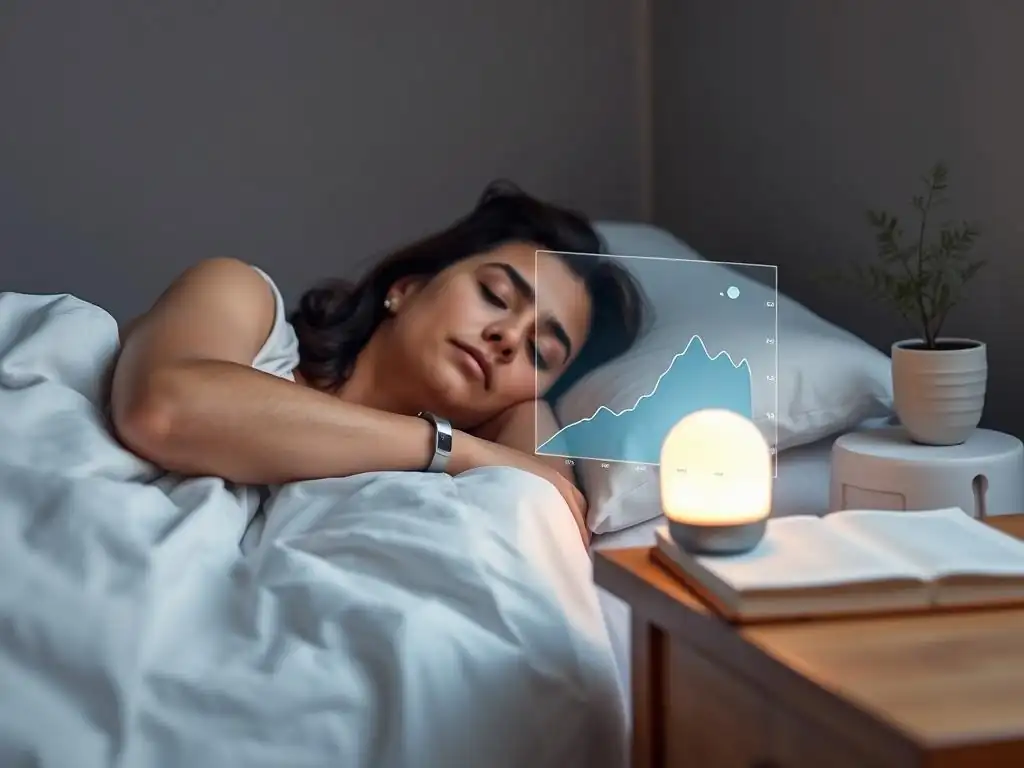
The true power of wearable trackers improve sleep wellness lies in using the data to make informed changes to your daily habits and sleep environment. The objective insights provided by the tracker can motivate you to adhere to better sleep practices and track the effectiveness of these changes over time. It transforms the often-abstract advice of "get more sleep" into concrete actions tied to measurable outcomes.
Adjusting Bedtime Routines Based on Tracker Insights
Your tracker data can reveal if your bedtime routine is effective. For example, if your data consistently shows a long sleep onset latency (time taken to fall asleep), it might indicate you're going to bed before you're truly tired, or that your pre-sleep activities (like using electronic devices) are too stimulating.
Based on this, you could adjust your bedtime later, or implement a calming routine like reading a physical book or taking a warm bath an hour before bed, then use the tracker to see if your sleep onset time improves over subsequent nights. Similarly, if you're waking up frequently, you might investigate caffeine or alcohol intake in the evenings and track if reducing them impacts nighttime awakenings.
Optimizing Your Sleep Environment: Temperature, Light, and Noise Control
Your sleep environment plays a critical role in sleep quality, and tracker data can indirectly highlight its impact. If your tracker shows fragmented sleep or increased restlessness around certain times, consider environmental factors. Is your room too warm? The optimal temperature for sleep is often cited between 60-67°F (15-19°C).
Is light leaking in from windows, or is there noise disturbing you? Using blackout curtains, earplugs, or a white noise machine might help. By making one change at a time and observing the tracker data, you can pinpoint which environmental adjustments lead to improvements in sleep efficiency or deep sleep duration, helping wearable trackers improve sleep wellness effectively.
Using Guided Meditations and Relaxation Techniques
Many wearable tracker apps or integrated third-party apps offer guided meditations, breathing exercises, or relaxation programs designed to promote sleep. If your tracker data indicates high stress levels or difficulty winding down before bed (perhaps shown by elevated resting heart rate during the initial sleep period), incorporating these techniques might be beneficial.
You can use the tracker to observe if engaging in a 10-minute guided meditation before bed leads to a quicker sleep onset time or a higher percentage of deep sleep compared to nights when you skip it. This allows you to quantify the impact of relaxation practices on your sleep quality.
Step 5: Leveraging Advanced Features for Deeper Sleep Optimization
Some wearable trackers offer advanced features that go beyond basic sleep stage analysis, providing deeper insights into your body's recovery and readiness. Utilizing these features can help you fine-tune your sleep and overall wellness strategies.
Heart Rate Variability (HRV) and Stress Management Techniques
Heart Rate Variability (HRV), the variation in time between heartbeats, is a key metric measured by some advanced wearable trackers. A higher HRV generally indicates better resilience and recovery, while a lower HRV can signal stress, fatigue, or illness. By tracking your nightly HRV trends, you can see how various factors (stressful days, intense workouts, alcohol) impact your recovery.
If your HRV is consistently low, it's a strong signal that your body is under stress. You can then implement stress management techniques like deep breathing exercises, mindfulness, or light physical activity and use the tracker's HRV data to monitor their effectiveness in improving your recovery status and, consequently, your sleep quality.
Sleep Scheduling Based on Circadian Rhythm Analysis
Some wearable trackers improve sleep wellness by analyzing your sleep patterns over time to provide insights into your personal circadian rhythm, the body's internal clock. They might suggest optimal bedtimes and wake times based on when you naturally tend to fall asleep and wake up, or when your body experiences peak periods of deep and REM sleep.
Adhering to a consistent sleep schedule aligned with your circadian rhythm can significantly improve sleep quality and efficiency. Using the tracker to monitor consistency and the impact of schedule adjustments helps reinforce positive habits and align your sleep with your body's natural biological rhythms.
Smart Alarms for Gentle Wake-Ups During Optimal Sleep Stages
Certain wearable trackers feature smart alarms that aim to wake you during a period of light sleep within a set window (e.g., 30 minutes before your target wake-up time). Waking during light sleep feels more natural and less jarring than being pulled out of deep or REM sleep, potentially reducing morning grogginess and improving your mood upon waking. While not all trackers offer this feature, those that do leverage your sleep stage data to time the alarm optimally, contributing to a more positive start to your day and supporting overall mental well-being.
Real-World Examples: Success Stories of Improved Mental Well-being Through Sleep Tracking
Wearable trackers improve sleep wellness not just by providing data, but by empowering individuals to make changes that yield tangible results. Here are approximated examples based on common user experiences.
Case Study 1: Reducing Anxiety with Consistent Sleep Schedules and HRV Monitoring
Sarah, a 35-year-old marketing manager, struggled with generalized anxiety, often manifesting as racing thoughts at night and difficulty falling asleep. She started using a wearable tracker that monitored sleep stages, consistency, and HRV. Her data revealed highly inconsistent bedtimes and wake times, often varying by over two hours, and her nightly HRV was frequently low, indicating high stress. Sarah used the tracker's data to commit to a strict, consistent sleep schedule, going to bed and waking up within a 30-minute window daily.
She also started incorporating 15 minutes of guided meditation before bed after seeing her HRV dip significantly on stressful days. After three months, her tracker showed her sleep efficiency increased from approximately 70% to 88%, and her average nightly HRV rose by about 20 points. More importantly, Sarah reported a subjectively perceived 40% reduction in nighttime anxiety and felt more emotionally resilient during the day.
Case Study 2: Alleviating Depressive Symptoms Through Improved Sleep Quality
Mark, a 48-year-old accountant, experienced persistent low mood and lack of motivation, classic symptoms of mild depression. He suspected his poor sleep, often only 5-6 hours a night with frequent awakenings, was a factor. Using a simple wearable tracker that focused on sleep duration and wake times, Mark gained objective proof of his fragmented sleep.
The data motivated him to prioritize sleep, aiming for at least 7 hours per night. He used the tracker to monitor his progress, adjusting his evening routine (reducing screen time, avoiding late-night meals) based on the data showing fewer awakenings on nights he adhered strictly to his new routine.
Over six months, his average sleep duration increased to 7.5 hours, and his tracker showed a 35% decrease in total time spent awake during the night. Mark reported feeling significantly more energetic and motivated during the day, with a noticeable improvement in his mood and ability to engage in activities he previously enjoyed, attributing much of the change to his improved sleep, guided by his tracker.
Case Study 3: Enhancing Cognitive Function and Focus by Tracking Sleep Debt
Emily, a 28-year-old graphic designer, felt her creativity and focus were declining, making her work harder. She often stayed up late working or socializing, averaging around 6 hours of sleep. Her wearable tracker, which provided sleep stage data and a "sleep debt" metric, clearly showed a significant cumulative sleep deficit and consistently low amounts of REM sleep.
Recognizing the link between REM sleep and cognitive function, Emily made a conscious effort to increase her sleep duration. She used the tracker's insights to identify that her REM sleep was highest in the hours before her usual wake-up time, motivating her to shift her bedtime earlier to capture more of this crucial stage.
Within two months, her average sleep time increased to 7.5 hours, and her tracker showed a 25% increase in average nightly REM sleep. Emily reported a significant improvement in her ability to concentrate for extended periods and felt her creative problem-solving skills had returned.
Beyond Tracking: Integrating Wearable Data with Other Wellness Practices
Wearable trackers improve sleep wellness most effectively when their data is not viewed in isolation but integrated with a broader approach to health and well-being.
Combining Sleep Tracking with Mindfulness Meditation Apps
Many mindfulness and meditation apps offer guided sessions specifically aimed at promoting relaxation and sleep. By using a wearable tracker alongside a meditation practice, you can potentially see the objective impact of meditation on your sleep metrics. For example, does meditating before bed lead to a quicker sleep onset time or a higher sleep efficiency score? Some wearable ecosystems even integrate directly with popular meditation apps, allowing you to see correlations between your meditation frequency or duration and your sleep quality or stress indicators like HRV within a single dashboard.
Connecting Sleep Data with Nutrition and Exercise Programs
Sleep, nutrition, and exercise are deeply interconnected pillars of health. Logging your meals and workouts in a separate app and then comparing that data with your sleep patterns from your wearable tracker can reveal powerful insights. For instance, you might notice that late-night meals or intense workouts close to bedtime negatively impact your sleep duration or increase nighttime awakenings as shown by your tracker. Conversely, regular moderate exercise and balanced nutrition might correlate with improved sleep efficiency or higher deep sleep percentages, helping wearable trackers improve sleep wellness by highlighting the broader lifestyle factors at play.
The data collected by wearable trackers can be a valuable tool to share with healthcare professionals, including therapists or sleep specialists. While the data is not a substitute for clinical diagnosis, it provides objective information about your sleep patterns that can supplement subjective reports.
A therapist might use the data to understand how stress or anxiety manifests in your sleep, while a sleep specialist can use it as a starting point to investigate potential sleep disorders or tailor behavioral sleep interventions. Discussing trends and specific data points can lead to more personalized and effective strategies for improving both sleep and mental health.
Maximizing the Benefits of Wearable Trackers for Sleep and Mental Health
Simply owning a wearable tracker isn't enough; actively engaging with the data and making informed changes is key to unlocking their full potential to improve sleep wellness and support mental health.
Setting Realistic Goals and Expectations
It's important to approach sleep tracking with realistic expectations. Wearable trackers provide estimations, not medical-grade diagnostics. The data should be used as a guide to understand patterns and experiment with behavioral changes, not as definitive proof of sleep disorders or perfect sleep. Set achievable goals, such as consistently going to bed within a 30-minute window or aiming to increase your average sleep duration by 30 minutes initially, rather than striving for an abstract "perfect" sleep score overnight. Understand that variations in data are normal and don't cause undue anxiety over minor fluctuations.
Tracking Progress and Maintaining Consistency
Consistency is paramount in both sleep habits and using your tracker. Wear your device every night to build a comprehensive dataset that reveals long-term trends rather than focusing on single nights. Regularly review your data – daily check-ins and weekly summaries can help you identify patterns and see the impact of lifestyle changes. Celebrate small improvements, like a few extra minutes of deep sleep or a more consistent bedtime, to stay motivated. Maintaining consistent tracking helps reinforce positive sleep habits and provides continuous feedback on your journey towards better sleep wellness.
Consulting with Professionals for Personalized Recommendations
While wearable trackers are powerful tools for self-monitoring and behavioral change, they are not a substitute for professional medical advice. If you have concerns about a potential sleep disorder, significant sleep disturbances that don't improve with lifestyle changes, or if your mental health is significantly impacted by sleep issues, consult a doctor, sleep specialist, or mental health professional. They can provide diagnosis, treatment options, and personalized recommendations based on your specific health profile, integrating the data from your wearable tracker into a comprehensive care plan.
Investing in Your Sleep Wellness: Recommended Wearable Trackers
Choosing the right tool is a significant step towards leveraging technology to improve sleep wellness. Here's a brief look at some highly-regarded options known for their sleep tracking capabilities.
Top-Rated Sleep Trackers: A Comparative Overview
The market offers several devices lauded for their sleep tracking accuracy and features, each with its own strengths and weaknesses.
Product 1: Oura Ring - Features, Benefits, and Potential Drawbacks
The Oura Ring is a ring-format tracker known for its focus on sleep analysis and recovery. It tracks sleep stages, duration, efficiency, latency, and disturbances, along with resting heart rate, HRV, and body temperature. Benefits include a comfortable, screen-free form factor, potentially high accuracy from finger-based sensing, and a strong emphasis on daily readiness and recovery scores derived heavily from sleep data. Potential drawbacks include a higher price point, a subscription fee for full features, and limited functionality beyond health tracking compared to a smartwatch.
Product 2: Whoop Strap - Features, Benefits, and Potential Drawbacks
The Whoop Strap is a screenless wristband (or worn elsewhere with accessories) primarily focused on recovery, strain, and sleep. It provides detailed sleep analysis including stages, efficiency, respiratory rate, and sleep consistency, offering a "Sleep Needs" calculation based on daily strain. Benefits include a robust recovery metric (derived significantly from sleep and HRV), detailed performance analytics for athletes and active individuals, and a focus on understanding the physiological impact of lifestyle choices. Drawbacks include a required monthly subscription, no screen for on-device data viewing, and its design might be less appealing for everyday wear for some users.
Product 3: Fitbit Inspire 3 - Features, Benefits, and Potential Drawbacks
The Fitbit Inspire 3 is an accessible and user-friendly wristband that offers solid foundational health and sleep tracking. It automatically tracks sleep stages, duration, and provides a daily sleep score. Benefits include an affordable price, a slim and comfortable design, excellent battery life (up to 10 days), and integration with the extensive Fitbit app ecosystem, which includes mindfulness content.
Potential drawbacks are its lack of advanced metrics like HRV (though Fitbit Premium adds more analysis), and its basic display offers limited on-device data compared to smartwatches. It's a great entry point for those wanting to improve sleep wellness without a large investment.
Conclusion: Taking Control of Your Mind-Sleep Connection for Enhanced Well-being
The intricate connection between sleep and mental health cannot be overstated. By providing objective, continuous data on your sleep patterns, wearable trackers improve sleep wellness by empowering you to understand this vital link on a personal level. They move you from guessing about your sleep quality to having actionable insights that can guide you in optimizing your sleep hygiene, managing stress, and ultimately fostering greater mental resilience. Investing in a wearable tracker and committing to using its data effectively is an investment in both your sleep and your overall well-being.
Frequently Asked Questions
How can wearable trackers actually improve my sleep wellness?
Wearable trackers can improve sleep wellness by monitoring sleep patterns and providing data-driven insights. This helps you identify potential sleep disruptors and make necessary lifestyle adjustments. They also track sleep stages to give you a fuller picture of your rest.
What specific data points do wearable trackers typically collect that relate to mental well-being?
These trackers often collect data on sleep duration and quality, heart rate variability (HRV), and activity levels. This data can be correlated to mental well-being, providing insights into stress levels and mood.
Are there any potential downsides to relying on wearable trackers for mental and sleep wellness?
Yes, over-reliance can lead to increased anxiety about sleep or data-driven obsession. It's important to remember that trackers are tools, not replacements for professional mental health advice.
What kind of lifestyle adjustments might be recommended based on the data from a sleep tracker?
Recommendations might include adjusting your sleep schedule, optimizing your sleep environment (temperature, light), and reducing screen time before bed. The data can also indicate the need to consult a doctor if issues persist.
How accurate are wearable trackers in measuring sleep and mental well-being indicators?
While improving, wearable trackers aren't perfect. Their accuracy varies depending on the device and the individual. They provide a useful estimate, but shouldn't be considered 100% accurate medical devices.
Final Reflection: Weaving the Threads of Sleep and Technology for a Healthier Tomorrow
The seamless integration of wearable technology into our lives offers a powerful opportunity to not only track but actively improve our sleep wellness. This isn't just about quantifying sleep stages; it's about gaining actionable insights to address underlying issues, fostering healthier habits, and ultimately, enhancing our overall well-being. The data these trackers provide is a window into a previously hidden world, allowing us to understand the intricate relationship between our daily activities and the restorative power of sleep.
The impact of this technology extends far beyond individual improvements; it's reshaping our understanding of sleep itself. We are moving away from a passive acceptance of sleep problems towards a proactive approach, empowered by data-driven insights. This shift is profoundly significant, as sleep deprivation affects nearly every aspect of our lives, from cognitive function to emotional regulation. Sleep is the golden chain that ties health and our bodies together.
– Thomas Dekker. This quote, while centuries old, remains strikingly relevant in our modern, technology-driven world, highlighting the enduring importance of prioritizing sleep.
Now, consider your own sleep patterns. What insights could a wearable tracker offer you? Are you ready to take control of your sleep health, using technology as a tool for self-discovery and improvement? I encourage you to explore the possibilities, to experiment with different strategies based on the data you gather, and to embrace the journey towards a more restful, rejuvenated, and ultimately, healthier you. The future of wellness is interwoven with technology, and the path to better sleep begins with a single step – a step towards understanding and optimizing your own unique sleep needs.
Unlock Your Peak Performance: Mind & Body Synergy
Thanks for taking the time to explore the fascinating connection between sleep and mindfulness! We hope you gained valuable insights into optimizing both for a healthier, happier you. Ready to put this knowledge into action?
- Prioritize a consistent sleep schedule: This is the single most impactful step you can take. Even small improvements in sleep consistency can dramatically affect your mindfulness and overall well-being.
- Experiment with mindfulness techniques before bed: Try a short guided meditation or deep breathing exercises to calm your mind and prepare for restful sleep. Share your experiences – what works best for you?
- Join our MindCareGuide community: Connect with others on their wellness journey and share your sleep and mindfulness tips! It's a supportive environment for sharing your discoveries.
What small change will you implement tonight to enhance both your sleep and mindfulness practice?