
Soothe Your Anxious Mind: Gentle Qigong Practices for Immediate Relief

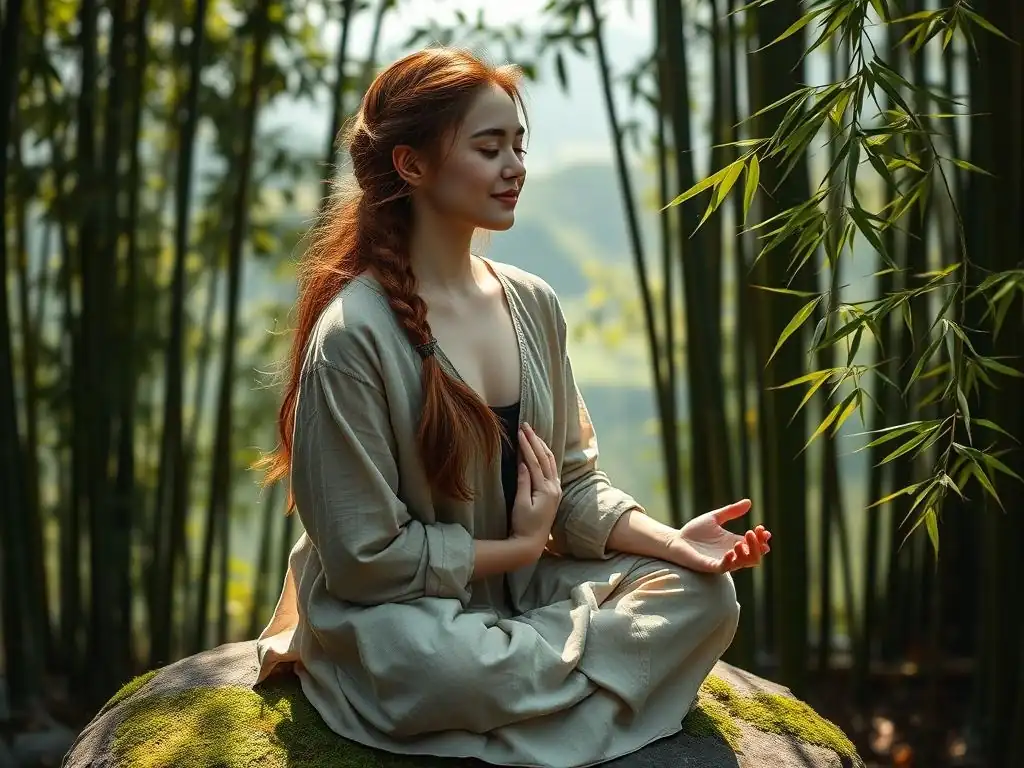
Welcome to Mind Care Guide, a sanctuary dedicated to nurturing your mental well-being. Feeling overwhelmed by anxiety? You're not alone. Discover the ancient wisdom of Qigong, and how these gentle, flowing movements can offer immediate and lasting relief. Uncover powerful Qigong anxiety relief techniques to center yourself and reclaim your inner peace. Ready to begin your journey to a calmer, more balanced you? Let's explore...
Calm Your Nervous System: Simple Qigong Practices for Anxiety
- Introduction to Qigong for Anxiety: Cultivating Inner Calm
- Preparing for Your Qigong Session
- Effective Qigong Exercises for Anxiety Relief
- Integrating Qigong into Daily Life for Sustained Well-being
- Advanced Qigong Techniques for Anxiety Management
- The Science Behind Qigong and Anxiety Reduction
- Conclusion: Qigong for Enhanced Mental Health
-
Frequently Asked Questions
- How does Qigong help with anxiety relief?
- What are some beginner-friendly Qigong anxiety relief techniques?
- How often should I practice Qigong for anxiety relief to see results?
- Can Qigong replace traditional anxiety treatments like therapy or medication?
- Are there any risks or precautions I should be aware of before starting Qigong?
- Final Reflection: Finding Stillness Amidst the Storm
- Unwind Your Worries: Start Your Qigong Journey Today!
Introduction to Qigong for Anxiety: Cultivating Inner Calm
Understanding Generalized Anxiety and Its Effects
Generalized Anxiety Disorder (GAD) is a common condition characterized by persistent and excessive worry about various things, even when there is little or no reason to worry. This constant state of apprehension can manifest in numerous ways, impacting both mental and physical well-being. Individuals often experience restlessness, fatigue, difficulty concentrating, irritability, muscle tension, and sleep disturbances. The pervasive nature of this anxiety can significantly disrupt daily life, affecting relationships, work, and overall quality of life. It's more than just occasional stress; it's a persistent feeling of being on edge, impacting the body's stress response system.
The physiological impact of chronic anxiety is substantial. The body's fight-or-flight response, designed for short-term threats, becomes chronically activated, leading to elevated levels of stress hormones like cortisol. This prolonged exposure can contribute to various health issues, including digestive problems, headaches, increased heart rate, and a weakened immune system. Finding effective Qigong anxiety relief techniques can be crucial in counteracting these effects, helping to downregulate the nervous system and restore a sense of balance and calm. Managing these physical symptoms is often a key step in alleviating the mental burden of anxiety.
Defining Qigong: An Ancient Mind-Body Practice
Qigong is an ancient Chinese mind-body practice that involves slow, gentle movements, controlled breathing, and meditation. The term "Qigong" translates roughly to "cultivating energy," with "Qi" meaning life force or vital energy, and "gong" meaning skill or cultivation. Rooted in traditional Chinese medicine and philosophy, Qigong aims to harmonize the body's energy flow, promoting physical health, mental clarity, and emotional balance. Unlike more strenuous exercises, Qigong is accessible to people of varying fitness levels and ages, focusing on internal cultivation rather than external exertion.
The core principle of Qigong practices for anxiety lies in regulating the flow of Qi throughout the body's meridians. Blockages or imbalances in this energy flow are believed to contribute to illness and emotional distress, including anxiety. Through specific postures, movements, breathing exercises, and focused intention, Qigong practitioners seek to unblock stagnation, nourish depleted energy, and cultivate a sense of inner peace. This holistic approach addresses the interconnectedness of mind, body, and spirit, offering a gentle yet powerful pathway to managing anxious feelings.
Qigong Techniques: A Gentle Path to Anxiety Reduction
Qigong offers a unique approach to anxiety reduction by directly addressing both the physical and mental manifestations of stress. The slow, deliberate movements help to release physical tension stored in the muscles, often a symptom of chronic worry. Coupled with deep, regulated breathing, these practices activate the parasympathetic nervous system, the body's natural relaxation response, which counteracts the fight-or-flight state associated with anxiety. This shift helps to lower heart rate, reduce blood pressure, and calm the nervous system.
Furthermore, the meditative aspect of Qigong encourages mindfulness and present moment awareness. By focusing on the breath and bodily sensations during practice, individuals learn to quiet the racing thoughts and repetitive worries that fuel anxiety. This cultivated presence helps to detach from anxious thought patterns, creating mental space and fostering a sense of inner resilience. Practicing these Qigong anxiety relief techniques regularly can build a cumulative effect, gradually reducing the frequency and intensity of anxious episodes over time and enhancing overall emotional well-being.
Preparing for Your Qigong Session
Creating a Peaceful Practice Space
Establishing a dedicated and peaceful space for your Qigong practice is essential for maximizing its benefits, especially when seeking Qigong anxiety relief techniques. Choose a quiet area where you are unlikely to be disturbed, whether it's a corner of a room, a garden patio, or even just enough space to stand comfortably. Ensure the temperature is comfortable and the lighting is soft. Clearing clutter from the area can also help to create a sense of calm and order, reflecting the mental clarity you aim to cultivate during your session.
While elaborate setups are unnecessary, making the space inviting can enhance your experience. You might consider adding a plant, a simple cushion, or ensuring the air is fresh by opening a window. The key is to create an environment that feels safe, calm, and conducive to introspection and gentle movement. This dedicated space becomes a sanctuary where you can leave external worries behind and focus solely on cultivating inner peace and energy flow through your Qigong practices for anxiety.
Diaphragmatic Breathing: The Core of Qigong
Deep, diaphragmatic breathing, also known as abdominal breathing, is a foundational element in almost all Qigong practices for anxiety. Unlike shallow chest breathing, which can exacerbate stress, diaphragmatic breathing engages the diaphragm, drawing air deep into the lungs and expanding the abdomen. This type of breathing stimulates the vagus nerve, a key component of the parasympathetic nervous system, signaling the body to relax and calm down. It's a simple yet incredibly powerful Qigong anxiety relief technique.
To practice diaphragmatic breathing, sit or stand comfortably. Place one hand on your chest and the other on your abdomen, just below your rib cage. Inhale slowly through your nose, feeling your abdomen rise as you fill your lungs from the bottom up. Your chest should remain relatively still. Exhale slowly through your mouth, gently contracting your abdominal muscles to push the air out. Focus on making your exhalations slightly longer than your inhalations. Aim for slow, smooth, and quiet breaths, finding a comfortable rhythm that promotes relaxation and prepares you for the gentle movements to come.
Gentle Joint Mobilization: Releasing Physical Tension
Before delving into specific Qigong forms, performing gentle joint mobilization exercises helps to warm up the body, improve flexibility, and release physical tension often held in the joints and muscles due to anxiety. These simple movements prepare the body for the flow of Qi and make the subsequent Qigong practices for anxiety more comfortable and effective. Starting with the extremities and moving inward is a common approach.
Begin with gentle rotations of the wrists and ankles, performing circular movements in both directions. Then move to the elbows and shoulders, executing slow, controlled circles. Follow this with neck rotations (slowly and carefully) and gentle torso twists. Finally, perform knee circles and hip rotations. The aim is not to stretch deeply but to gently lubricate the joints and awaken the body's awareness. These preparatory Qigong anxiety relief techniques help to loosen stiffness and promote a sense of ease before moving into the main exercises.
Effective Qigong Exercises for Anxiety Relief
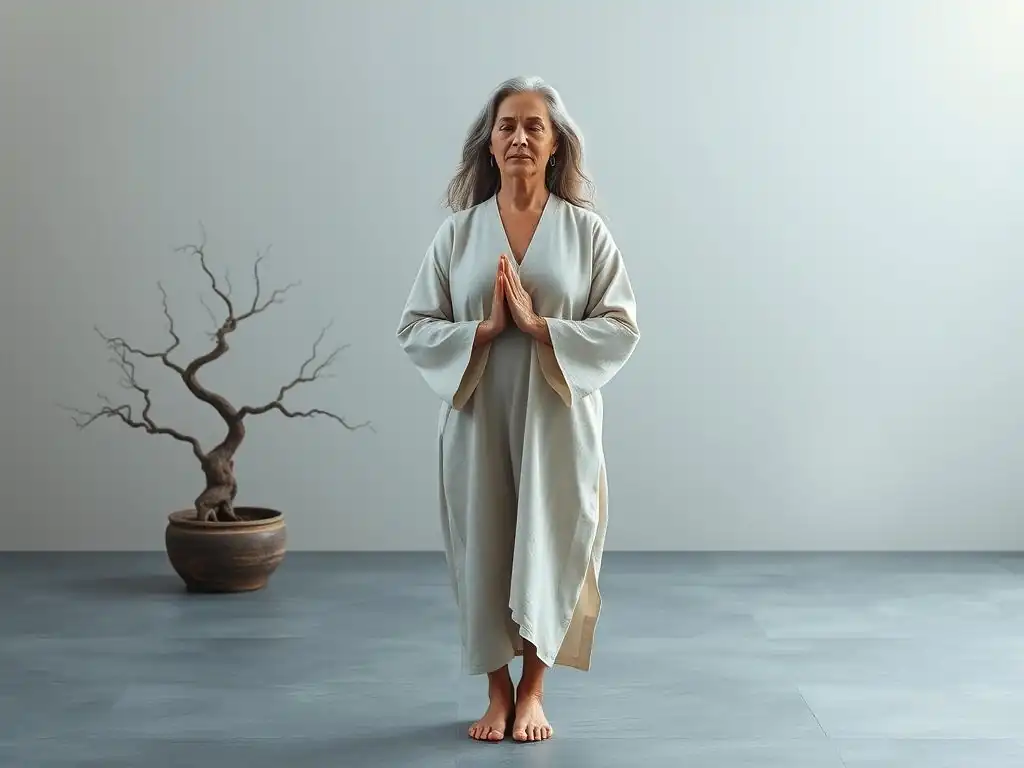
"Gathering Qi" Exercise: Connecting with Vital Energy
The "Gathering Qi" exercise is a fundamental Qigong practice for anxiety, focusing on drawing universal energy into the body and mind. It's a simple yet profound movement that helps to cultivate a sense of connection, vitality, and calm. By consciously intending to gather positive energy and release stagnant or anxious energy, practitioners can experience immediate relief from feelings of overwhelm and worry. This technique is excellent for centering yourself at the beginning or end of a session, or whenever you feel particularly anxious.
This exercise embodies the core principle of Qigong anxiety relief techniques: actively influencing your internal energy state. It involves visualization and gentle movement to enhance the feeling of being filled with calm, positive energy. Regular practice can help to build your internal resilience and capacity to handle stress, making it a valuable tool in your mental wellness toolkit. It's a simple way to tap into the universal energy field and bring that grounding force into your personal space.
Step-by-Step Guide to "Gathering Qi"
Here is a simple guide to performing the "Gathering Qi" exercise:
- Stand with your feet parallel, shoulder-width apart, knees slightly bent, and spine erect but relaxed.
- Let your arms hang naturally by your sides.
- Inhale slowly and deeply through your nose, gently raising your arms out to the sides and up in front of you, palms facing each other, as if gathering energy from the space around you. Imagine gathering calm, peaceful energy.
- When your hands reach chest or shoulder height, begin to exhale slowly through your mouth.
- As you exhale, gently lower your hands down in front of your body, palms facing downwards, as if bringing the gathered energy down into your core (the lower abdomen, known as the Dantian in Qigong).
- Repeat this movement several times, coordinating the slow, smooth breath with the gentle movement.
Benefits of "Gathering Qi" for Reducing Worry
The "Gathering Qi" exercise directly addresses anxiety by promoting a feeling of being nourished and supported by external energy, counteracting the feeling of depletion often associated with chronic worry. The slow, rhythmic movement combined with deep breathing helps to calm the nervous system and interrupt the cycle of anxious thoughts. By focusing on the physical sensation of gathering and consolidating energy, the mind is drawn away from worries and into the present moment.
Practicing "Gathering Qi" helps to build a sense of internal strength and resilience. It can help clear the mind, reduce mental clutter, and instill a feeling of peace. Many people report feeling more centered and grounded after just a few repetitions. This makes it one of the most accessible and effective Qigong anxiety relief techniques for immediate use whenever you feel overwhelmed or scattered by anxious thoughts.
"Cloud Hands" Exercise: Promoting Flow and Relaxation
"Cloud Hands" (Yun Shou) is one of the most iconic and widely practiced movements in Qigong and Tai Chi. It is an excellent Qigong practice for anxiety as it embodies continuous, fluid motion, promoting relaxation, balance, and a sense of effortless flow. The gentle, repetitive turning and hand movements help to quiet the mind, release tension in the shoulders and torso, and improve coordination. It encourages a state of moving meditation, where the focus is on the smooth transition between movements and the connection between the hands and the body's core.
This exercise is particularly beneficial for anxiety because it requires gentle focus, drawing attention away from internal worries and onto the external movement and breath. The continuous, circular motion is inherently calming and helps to cultivate a sense of harmony and ease. Practicing "Cloud Hands" regularly can help to improve balance, coordination, and overall body awareness, while simultaneously acting as a powerful Qigong anxiety relief technique by promoting a state of relaxed presence.
Performing "Cloud Hands" for Anxiety
Here's a simplified way to practice "Cloud Hands":
- Stand with your feet parallel, shoulder-width apart, knees slightly bent.
- Hold your hands in front of you, one hand slightly above the other, as if holding a large ball.
- Slowly shift your weight to one foot. As you shift, gently turn your torso in that direction.
- As you turn, the hand that was lower rises in front of your face, palm facing inward, while the upper hand lowers in front of your abdomen, palm facing inward.
- Shift your weight to the other foot, gently turning your torso in the opposite direction.
- As you turn, the hands smoothly transition: the hand that was up now lowers, and the hand that was down rises, maintaining the "holding the ball" shape but reversing positions.
- Continue shifting weight and turning, allowing the hands to move smoothly in continuous circles in front of your body, following the torso's rotation. Coordinate the movement with slow, deep breaths.
How "Cloud Hands" Calms the Mind
The calming effect of "Cloud Hands" stems from its rhythmic and flowing nature. The continuous, gentle movements, synchronized with deep breathing, create a meditative state that helps to quiet mental chatter and reduce rumination, a common feature of anxiety. The focus required to coordinate the weight shifts, torso turns, and hand movements gently occupies the mind, redirecting attention away from anxious thoughts without demanding intense concentration.
Furthermore, the physical motion of "Cloud Hands" helps to release tension in the upper body, neck, and shoulders, areas where anxiety often manifests physically. The gentle rotation of the spine also promotes flexibility and can help to stimulate energy flow. This combination of physical release and mental focus makes "Cloud Hands" a highly effective Qigong anxiety relief technique for cultivating a sense of peace, balance, and flow, both physically and mentally.
"Spinal Cord Breathing" Exercise: Balancing Energy Flow
"Spinal Cord Breathing," sometimes referred to as "Wave Breathing" or "Dragon Spine Breathing," is a Qigong exercise that focuses on subtle movements of the spine coordinated with deep breathing. This practice is particularly effective for anxiety because it targets the central nervous system, promoting relaxation and balancing the flow of energy along the spine, which is considered vital in Qigong philosophy. It helps to release tension held deep within the back and core, improving posture and vitality.
By gently undulating the spine with each breath, this exercise stimulates the nerves and energy channels along the spinal column. This stimulation can have a profound calming effect on the nervous system and help to regulate emotional states. It's a more internal practice than some of the larger movements, focusing on subtle awareness of the breath and body connection, making it a powerful Qigong anxiety relief technique for cultivating inner stillness and balance.
Practicing "Spinal Cord Breathing" to Ease Anxiety
Here's how to practice "Spinal Cord Breathing":
- Stand or sit with your spine erect but relaxed. If standing, feet are parallel, shoulder-width apart, knees slightly bent. If sitting, sit tall with feet flat on the floor.
- Begin with deep, diaphragmatic breathing.
- As you inhale slowly through your nose, gently arch your lower back slightly, lifting your chest and allowing your shoulders to gently move back. Imagine the breath flowing up the back of your spine.
- As you exhale slowly through your mouth, gently round your lower back, tucking your chin slightly towards your chest and allowing your shoulders to roll forward slightly. Imagine the breath flowing down the front of your spine.
- Make these movements very subtle and gentle, coordinating them smoothly with your breath. The focus is on the internal sensation of the spine moving like a gentle wave.
- Repeat for several minutes, allowing the breath and movement to become smooth and continuous.
Why "Spinal Cord Breathing" Supports Emotional Regulation
"Spinal Cord Breathing" directly impacts the nervous system through its gentle, rhythmic stimulation of the spinal column. The spine houses the central nervous system, and gentle movement here can help to soothe overactive nerves associated with anxiety. The coordination of breath with subtle spinal undulation promotes a deep sense of calm and helps to release stagnant energy or tension that might be contributing to emotional imbalances.
This practice enhances body awareness and the mind-body connection, which is crucial for managing anxiety. By focusing on the subtle internal movements and the flow of breath along the spine, practitioners can detach from anxious thought loops and cultivate a state of present-moment awareness. Regular practice of this Qigong anxiety relief technique can help to regulate the nervous system, improve resilience to stress, and support greater emotional stability over time.
"Grounding Meditation": Cultivating Stability and Presence
While not a physical movement in the same sense as "Cloud Hands," "Grounding Meditation" is a vital Qigong practice for anxiety, focusing on cultivating a sense of stability, rootedness, and presence. Anxiety often involves feeling scattered, disconnected, or overwhelmed, as if floating adrift. Grounding techniques help to anchor attention to the present moment and the physical body's connection to the earth, counteracting these feelings and providing a sense of security.
This type of meditation reinforces the connection between the individual's energy and the stable, calming energy of the earth. It helps to draw excess energy that might be stuck in the head (contributing to overthinking and worry) downwards, promoting a sense of calm and centeredness in the lower body. It's a fundamental Qigong anxiety relief technique for cultivating inner stability and reducing feelings of being overwhelmed or unanchored.
Guiding Your "Grounding Meditation" for Anxiety
Here's a simple guide for a Qigong "Grounding Meditation":
- Stand with your feet parallel, shoulder-width apart, knees slightly bent. Alternatively, you can sit with your feet flat on the floor.
- Close your eyes gently or keep a soft gaze downwards.
- Bring your awareness to your feet. Feel the soles of your feet making contact with the ground. Notice the pressure, the texture, the temperature.
- Imagine roots growing from the soles of your feet, extending deep into the earth, passing through layers of soil and rock, reaching the core of the planet.
- Visualize these roots firmly anchoring you, connecting you deeply and securely to the earth. Feel the earth's stable, supportive energy flowing up through your roots, into your feet, and up into your legs.
- With each inhale, imagine drawing calm, stable energy up from the earth. With each exhale, release any tension, worry, or anxious energy downwards through your roots into the earth to be absorbed and transformed.
- Remain in this feeling of being deeply rooted and supported for several minutes, focusing on the sensation of groundedness and the flow of energy.
Connecting with the Earth Through Grounding
Connecting with the earth through grounding is a powerful way to counteract the feeling of being overwhelmed or disconnected that often accompanies anxiety. The earth represents stability, nourishment, and resilience. By consciously connecting with its energy, practitioners can borrow from this inherent stability, helping to calm the nervous system and reduce feelings of being adrift. This practice helps to bring your awareness out of the chaotic thoughts in your head and into the solid reality of your physical presence in the world.
This Qigong anxiety relief technique helps to anchor your attention in the present moment, reducing the tendency to dwell on past worries or future fears. It cultivates a sense of being supported and secure, which is profoundly comforting when experiencing anxiety. Regularly practicing grounding can build a stronger foundation of inner calm and resilience, making it easier to navigate stressful situations and maintain emotional balance.
Integrating Qigong into Daily Life for Sustained Well-being
Establishing a Regular Qigong Routine
Consistency is key to reaping the full benefits of Qigong for anxiety reduction. Establishing a regular routine, even if it's just for 10-15 minutes each day, can significantly impact your overall well-being. Choose a time that works best for you – perhaps first thing in the morning to set a calm tone for the day, during a lunch break to release tension, or in the evening to unwind before sleep. The important thing is to make it a consistent part of your daily or weekly schedule.
Starting small and gradually increasing the duration or complexity of your practice can make it more sustainable. For example, begin with 5-10 minutes of simple breathing and a few repetitions of "Gathering Qi" or "Cloud Hands." As you become more comfortable, you can explore other Qigong anxiety relief techniques and extend your practice time. Making Qigong a non-negotiable part of your self-care routine helps to build resilience and provide a reliable tool for managing stress and anxiety over the long term.
Combining Qigong with Cognitive Behavioral Therapy
Qigong can serve as a valuable complementary practice when combined with therapeutic approaches like Cognitive Behavioral Therapy (CBT) for managing anxiety. While CBT focuses on identifying and changing negative thought patterns and behaviors, Qigong addresses the physiological and energetic components of anxiety, providing practical tools for calming the nervous system and cultivating present moment awareness. Together, they offer a comprehensive strategy for tackling anxiety from multiple angles.
For instance, CBT might help you challenge irrational fears, while Qigong anxiety relief techniques like diaphragmatic breathing or grounding can help you manage the physical panic symptoms that arise. Qigong's emphasis on mindfulness and body awareness can also enhance the effectiveness of CBT techniques that involve grounding or mindful observation of thoughts without judgment. Discussing how to integrate Qigong into your overall treatment plan with a therapist can help maximize the benefits of both approaches.
Adapting Qigong to Different Physical Abilities
One of the great strengths of Qigong is its adaptability, making Qigong anxiety relief techniques accessible to people of varying physical conditions and abilities. Most Qigong movements can be modified to be performed while sitting in a chair or even lying down if necessary. The emphasis is on gentle, conscious movement and breath, not on achieving perfect form or strenuous exercise.
For individuals with mobility issues, chair Qigong is a popular and effective option. Exercises like "Gathering Qi," "Cloud Hands" (modified hand movements), and "Spinal Cord Breathing" can all be practiced while seated. Even focusing solely on deep diaphragmatic breathing and visualization, such as in "Grounding Meditation," can provide significant anxiety relief. The core principles of connecting breath, movement, and intention remain effective regardless of physical limitations, ensuring that these valuable techniques are available to almost everyone seeking calm.
Advanced Qigong Techniques for Anxiety Management
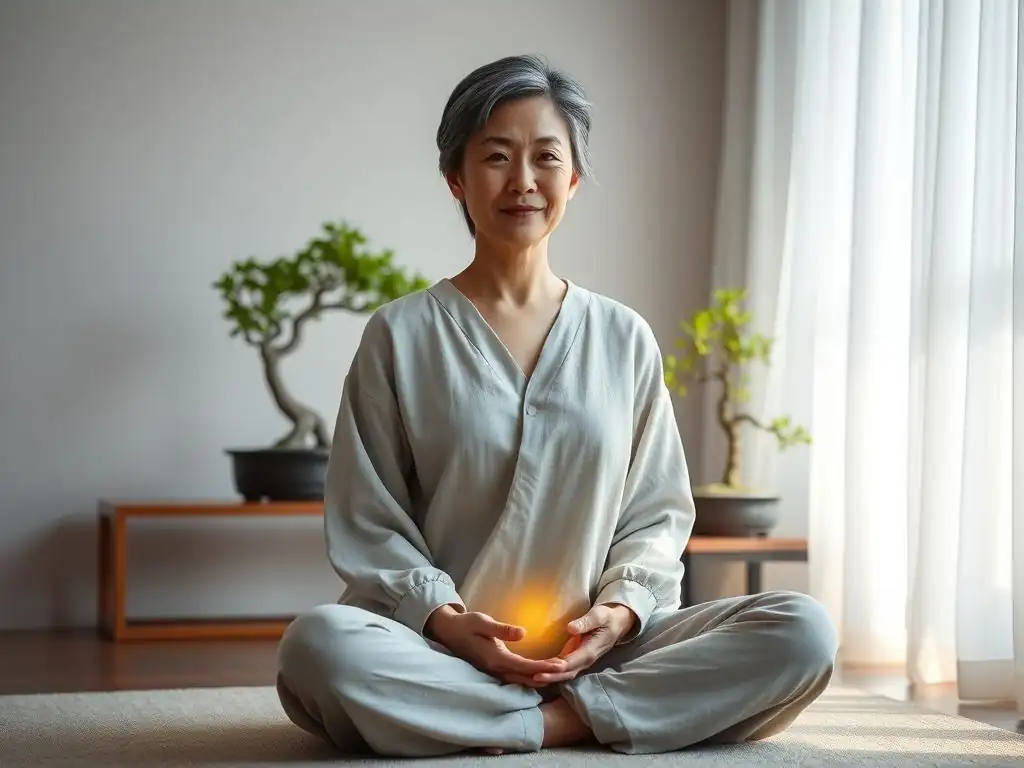
Exploring "Small Universe" Meditation
Once comfortable with foundational Qigong anxiety relief techniques, some practitioners may wish to explore more advanced internal practices like the "Small Universe" (Xiao Zhou Tian) meditation, also known as the Microcosmic Orbit. This meditation involves circulating energy (Qi) along a specific pathway in the body, starting from the lower abdomen, moving up the spine to the head, down the front of the body, and returning to the lower abdomen, forming a closed loop.
This practice is considered more advanced because it requires sustained concentration and sensitivity to internal energy flow. It aims to open and harmonize the major energy channels (the Governing and Conception Vessels), which is believed to have profound effects on physical health, mental clarity, and emotional balance. While requiring guidance from an experienced teacher, mastering the "Small Universe" can significantly deepen one's capacity for self-regulation and provide powerful, sustained Qigong anxiety relief.
Seeking Personalized Guidance from a Qigong Practitioner
While many basic Qigong anxiety relief techniques can be learned from books or videos, seeking guidance from a qualified Qigong practitioner offers numerous benefits, especially when dealing with chronic anxiety. A teacher can provide personalized instruction, correct your form to ensure safety and effectiveness, and help you understand the deeper principles of Qigong relevant to your specific needs.
An experienced practitioner can also tailor practices to address the unique ways anxiety manifests in your body and energy system. They can introduce you to a wider range of Qigong forms and meditations, including more advanced techniques like the "Small Universe," and guide you through the process. Learning directly from a teacher provides valuable feedback and support, enhancing your practice and accelerating your progress in using Qigong for reducing anxiety.
The Science Behind Qigong and Anxiety Reduction
How Qigong Regulates the Autonomic Nervous System
Research into mind-body practices like Qigong increasingly points to their ability to regulate the Autonomic Nervous System (ANS), which controls involuntary bodily functions like heart rate, breathing, and digestion. The ANS has two main branches: the sympathetic nervous system (responsible for the "fight or flight" response) and the parasympathetic nervous system (responsible for the "rest and digest" response). Anxiety is often associated with an overactive sympathetic system and an underactive parasympathetic system.
Qigong anxiety relief techniques, particularly those involving slow movement and deep, controlled breathing, stimulate the vagus nerve, a major nerve in the parasympathetic system. This stimulation helps to shift the ANS towards a more balanced state, reducing the physiological symptoms of anxiety such as rapid heart rate, shallow breathing, and muscle tension.
Studies using heart rate variability (HRV), a measure of ANS function, have shown that Qigong practice can increase HRV, indicating improved parasympathetic activity and greater resilience to stress. For example, some studies have reported improvements in HRV markers after several weeks of consistent Qigong practice, suggesting a tangible shift towards a calmer physiological state.
Qigong and Neurotransmitter Balance: Enhancing Mood
Beyond the nervous system, Qigong practice is also thought to influence the balance of neurotransmitters in the brain, which play a critical role in mood regulation. Regular engagement in Qigong practices for anxiety has been linked to changes in the levels of certain neurochemicals associated with well-being and relaxation.
While specific quantitative data can vary, the gentle, meditative nature of Qigong, combined with rhythmic breathing, is believed to promote the release of endorphins, the body's natural mood elevators and pain relievers. Additionally, it may help regulate levels of neurotransmitters like serotonin and dopamine, which are often implicated in mood disorders.
By fostering a sense of calm and reducing stress hormones like cortisol, Qigong creates a biochemical environment more conducive to emotional stability and reduced anxiety. For instance, general findings from mind-body research often show decreased cortisol levels after regular practice, sometimes by significant amounts, indicating a reduction in chronic stress load.
Research on Qigong's Impact on Anxiety Symptoms
A growing body of research supports the effectiveness of Qigong anxiety relief techniques. Studies have investigated Qigong's impact on various populations, including those with diagnosed anxiety disorders, chronic illnesses, or general stress. Meta-analyses and systematic reviews have generally concluded that Qigong can be an effective intervention for reducing anxiety symptoms.
For example, several reviews have found that Qigong practice is associated with significant reductions in self-reported anxiety levels, often measured using standardized scales like the Hamilton Anxiety Rating Scale (HARS) or the State-Trait Anxiety Inventory (STAI). While the magnitude of effect can vary between studies, the consistent finding is a positive impact on anxiety. Some studies comparing Qigong to control groups (like waiting lists or standard care) have shown greater improvements in anxiety symptoms among Qigong practitioners. This evidence underscores the potential of Qigong as a valuable, non-pharmacological tool for managing anxious feelings and improving mental well-being.
Conclusion: Qigong for Enhanced Mental Health
Qigong as a Holistic Approach to Anxiety Management
Qigong offers a powerful and holistic approach to managing anxiety, addressing its various manifestations on physical, mental, and energetic levels. By integrating gentle movement, conscious breathing, and focused intention, Qigong practices for anxiety help to calm the nervous system, release physical tension, quiet the mind, and cultivate a sense of inner peace and resilience. It's not just about suppressing symptoms but about fostering a state of balance and well-being that makes anxiety less likely to take hold.
Unlike approaches that solely focus on the mind or the body, Qigong recognizes their interconnectedness, offering a comprehensive pathway to healing. Regular practice of these Qigong anxiety relief techniques empowers individuals with practical tools they can use anytime, anywhere, to navigate challenging emotions and cultivate a stronger sense of self-awareness and control over their internal state. It is a journey of self-discovery and cultivation towards greater calm and vitality.
Resources for Further Qigong Study and Practice
For those interested in deepening their understanding and practice of Qigong anxiety relief techniques, numerous resources are available. Many local communities offer Qigong classes led by experienced instructors, providing hands-on guidance and the opportunity to practice in a supportive group setting. Searching for qualified Qigong teachers in your area is a great starting point.
Additionally, there are many reputable books and online resources (websites, instructional videos) that provide detailed explanations and demonstrations of various Qigong forms suitable for anxiety reduction. Exploring different styles and teachers can help you find a practice that resonates most deeply with you. Consistent practice, even for short periods daily, is the most effective way to experience the transformative benefits of Qigong for enhancing mental health and cultivating lasting calm.
Frequently Asked Questions
How does Qigong help with anxiety relief?
Qigong incorporates gentle movements, breathing techniques, and mindfulness to regulate the nervous system, reduce stress hormones, and promote a sense of calm. It helps shift your focus from anxious thoughts to the present moment.
What are some beginner-friendly Qigong anxiety relief techniques?
Simple techniques include Abdominal Breathing, Gentle Swaying, and Mindful Walking. These practices are easy to learn and can be performed anywhere, anytime to alleviate anxiety symptoms.
How often should I practice Qigong for anxiety relief to see results?
Consistency is key. Aim for at least 15-20 minutes of daily practice. You may experience immediate relief, but long-term benefits come with regular engagement.
Can Qigong replace traditional anxiety treatments like therapy or medication?
Qigong can be a valuable complementary therapy to traditional treatments. It's not a replacement but can enhance their effectiveness and improve overall well-being.
Are there any risks or precautions I should be aware of before starting Qigong?
Qigong is generally safe, but it's best to consult with your doctor before starting, especially if you have pre-existing health conditions. Listen to your body and avoid pushing yourself too hard.
Final Reflection: Finding Stillness Amidst the Storm
The pervasive anxiety of modern life demands accessible tools for self-care, and the gentle practices of Qigong offer a powerful, yet often overlooked, solution. These ancient techniques, far from being esoteric rituals, provide a practical pathway to calming the nervous system and fostering a sense of inner peace, immediately impacting our mental and physical well-being. The simplicity and accessibility of the exercises detailed in this article make them readily applicable to anyone seeking relief from the pressures of daily life.
The profound impact of Qigong extends far beyond the immediate relief of anxiety; it cultivates a deeper connection with the body and a more mindful approach to life. It's a journey of self-discovery, teaching us to listen to the subtle whispers of our inner landscape and respond with compassion and understanding. As Lao Tzu wisely observed, Knowing others is intelligence; knowing yourself is true wisdom. Mastering others is strength; mastering yourself is true power.
Qigong, in its essence, is a practice of self-mastery, empowering us to navigate the challenges of life with greater resilience and equanimity.
Now, consider how you can integrate these gentle movements and mindful breathing techniques into your own daily routine. Even a few minutes of dedicated practice can make a significant difference in your ability to manage stress and cultivate a sense of calm. Don't wait for a crisis to emerge; begin today to nurture your inner peace and discover the transformative power of Qigong. Embrace the stillness, and allow it to soothe your anxious mind.
Unwind Your Worries: Start Your Qigong Journey Today!
Thanks for taking the time to explore the gentle power of Qigong for anxiety relief. We hope you found practical techniques to ease your mind and body. Now it's time to put your newfound knowledge into action!
- Begin your daily Qigong practice: Even 5 minutes of the exercises we covered can make a noticeable difference. Start small and build from there.
- Share your experience: Let others know how Qigong is helping you manage anxiety. Inspire them to find their own path to inner peace!
- Explore variations: Try adapting the movements and breathing techniques to find what works best for your body and energy levels. Experimentation is key!
Ready to feel calmer and more centered? What small step will you take today to incorporate Qigong into your life?