
The Simple Walk: How 30 Minutes in Nature Changes Your Brain


Welcome to Mind Care Guide, a safe space for navigating the complexities of mental well-being.
Feeling overwhelmed? You're not alone. We understand the challenges life throws our way, and we're here to offer support and guidance. Ever wondered if a simple change could significantly impact your mental state? Dive into our latest article, "The Simple Walk: How 30 Minutes in Nature Changes Your Brain," and discover the surprising nature walking benefits mental health. Could a stroll in the park be the key to unlocking a calmer, clearer you? Let's explore together...
Nature's Embrace: The Profound Impact of Forest Bathing on Mental Well-being
- Introduction: Reconnecting with Nature for Enhanced Mental Health
- Forest Bathing's Mental Health Benefits: A Transformative Experience
- The Physiological and Psychological Mechanisms of Forest Bathing
- Practical Guide: Embarking on Your Forest Bathing Journey
- Addressing Challenges: Accessibility and Integration into Daily Life
- Expanding the Benefits: Integrating Forest Bathing with Other Practices
- Long-Term Impact: Building a Sustainable Connection with Nature
- Conclusion: Nurturing Mental Wellness Through Nature's Wisdom
-
Frequently Asked Questions
- What are the primary nature walking benefits mental health?
- How long should I walk in nature to experience nature walking benefits mental health?
- What types of natural environments are most effective for maximizing nature walking benefits mental health?
- Can nature walking benefits mental health help with specific mental health conditions?
- Are there any potential drawbacks to relying solely on nature walking benefits mental health for mental well-being?
- Final Reflection: The Enduring Power of the Simple Walk
- Unleash Your Inner Calm: Take the Nature Walk Challenge!
Introduction: Reconnecting with Nature for Enhanced Mental Health
In an increasingly urbanized and digital world, the connection between humans and the natural environment has often diminished. This disconnect can contribute to various mental health challenges, including stress, anxiety, and feelings of isolation. Recognizing the powerful role nature plays in human well-being is a crucial step towards fostering healthier minds.
The Increasing Need for Nature-Based Interventions in Modern Life
Modern life, characterized by long hours indoors, constant digital stimulation, and high-pressure environments, places significant strain on mental health. Statistics suggest that rates of anxiety and depression continue to rise globally. This growing challenge highlights the urgent need for accessible, effective interventions that complement traditional approaches. Nature-based practices offer a promising avenue, providing a counterbalance to the stressors of contemporary living and tapping into inherent human needs for connection with the natural world.
Research from various fields, including environmental psychology and public health, increasingly points to the therapeutic benefits of spending time outdoors. Studies indicate that exposure to green spaces can improve mood, reduce symptoms of attention deficit hyperactivity disorder (ADHD) in children, and even lower the risk of developing certain mental illnesses. As cities expand and green spaces shrink, understanding and actively seeking out nature becomes more vital for maintaining psychological equilibrium.
Introducing Forest Bathing (Shinrin-Yoku) and its Core Principles
Forest bathing, known in Japanese as Shinrin-Yoku, is not about hiking or strenuous exercise; it is the practice of mindfully immersing oneself in the atmosphere of the forest. Developed in Japan in the 1980s, it is considered a form of preventative healthcare and stress reduction. The core principles involve engaging all five senses to connect with the forest environment, allowing the natural world to soothe and restore the mind and body.
This practice encourages slow, deliberate movement and sensory awareness – noticing the scent of pine needles, the feel of bark, the sounds of birds, the sight of sunlight filtering through leaves, and perhaps even tasting wild berries (if safe and known). It's about being present in the moment within nature, fostering a sense of calm and interconnectedness. Unlike a brisk walk for physical fitness, the focus is on the experience of being in the forest, allowing its therapeutic qualities to permeate one's being.
Forest Bathing's Mental Health Benefits: A Transformative Experience
Engaging in forest bathing offers a spectrum of benefits for mental well-being, moving beyond simple relaxation to foster deeper psychological resilience. It's a practice that supports the body's natural ability to heal and regulate stress responses.
Research-Backed Evidence of Forest Bathing's Positive Effects
Numerous studies have explored the physiological and psychological impacts of forest bathing. Research conducted in Japan and South Korea, where Shinrin-Yoku is widely recognized, has provided significant evidence. For example, studies have shown that spending time in forests can lead to lower concentrations of cortisol, a primary stress hormone, compared to urban environments. Participants in forest bathing sessions have also reported reduced feelings of anxiety, depression, and anger, alongside increases in vigor and positive mood states.
Beyond subjective reports, physiological markers support these findings. Studies using heart rate variability (HRV) measurements have indicated that forest environments promote parasympathetic nervous system activity, which is associated with relaxation and recovery, while suppressing sympathetic activity, linked to stress responses. A 2010 review of studies suggested that forest environments are associated with decreased blood pressure, pulse rate, and cortisol levels, reinforcing the notion that time in nature has measurable health benefits.
Reduction of Cortisol and Promotion of Relaxation Through Forest Bathing
One of the most consistently reported benefits of forest bathing is its impact on stress hormones, particularly cortisol. High levels of cortisol over prolonged periods are linked to various health problems, including chronic stress, anxiety disorders, and depression. Spending time mindfully in a forest setting has been shown to significantly lower these levels. For instance, a study involving participants walking in a forest versus an urban setting found that forest walkers showed significantly lower cortisol levels after their walk.
This reduction in cortisol is a key mechanism by which forest bathing promotes relaxation. The calming sensory input from the natural environment – the gentle sounds, soft light, and natural scents – helps to downregulate the body's stress response system. This physiological shift allows the mind to quiet down, fostering a state of relaxed alertness. It's this deep relaxation that contributes to improved mood, better sleep quality, and an enhanced sense of overall well-being, highlighting the powerful nature walking benefits mental health provides.
The Physiological and Psychological Mechanisms of Forest Bathing

Understanding how forest bathing works involves looking at both the chemical compounds released by trees and the psychological processes triggered by being in nature.
The Role of Phytoncides in Boosting Immune Function and Mood
Trees release aromatic organic compounds called phytoncides, which are essentially the forest's essential oils. These compounds, such as alpha-pinene and limonene, are believed to play a significant role in the health benefits of forest bathing. When inhaled, phytoncides have been shown to increase the activity and number of natural killer (NK) cells in the human immune system. NK cells are a type of white blood cell that fights off tumors and virus-infected cells.
Beyond immune function, phytoncides also appear to have direct effects on mood and stress levels. Research has indicated that exposure to these compounds can reduce levels of stress hormones and lower sympathetic nervous system activity. While the exact mechanisms are still being explored, the aromatic environment of a forest, rich in phytoncides, seems to contribute substantially to the calming and restorative effects experienced during forest bathing, adding a chemical layer to the discussion of nature walking benefits mental health.
Exploring the Connection Between Forest Bathing and Mindfulness
Forest bathing is inherently a practice of mindfulness. It encourages participants to slow down, pay attention to their surroundings, and engage their senses fully in the present moment. This deliberate focus on sensory input – the feeling of the breeze, the texture of leaves, the smell of damp earth – helps to quiet the often-racing thoughts of the mind. By shifting attention from internal worries to external sensory experiences, individuals can cultivate a state of heightened awareness and presence.
This mindful engagement with nature mirrors techniques used in mindfulness meditation. Both practices aim to reduce rumination, decrease reactivity to stressful thoughts, and increase a sense of calm and acceptance. In the context of the forest, the natural environment provides a rich, non-judgmental setting that facilitates this process. The gentle stimuli of nature make it easier for many people to drop into a mindful state compared to trying to do so in a busy or sterile environment, reinforcing the psychological nature walking benefits mental health.
Impact on Attention Restoration Theory and Cognitive Enhancement
Forest bathing aligns well with Attention Restoration Theory (ART), which posits that urban and demanding environments require directed attention, leading to mental fatigue. Natural environments, on the other hand, engage 'soft fascination' – effortless attention drawn by intriguing but not overly demanding stimuli like rustling leaves or flowing water. This allows directed attention to rest and recover.
Spending time in nature, through practices like forest bathing, has been shown to improve cognitive function, including attention span and problem-solving abilities. Studies have demonstrated that exposure to natural settings can boost performance on cognitive tasks following a period of mental fatigue. This restorative effect on attention is a significant benefit, helping individuals feel more focused, less mentally drained, and better equipped to handle daily challenges after immersing themselves in a forest environment.
Practical Guide: Embarking on Your Forest Bathing Journey
Embarking on a forest bathing journey is accessible and requires minimal preparation. The key is shifting your mindset from achieving a destination or covering distance to simply being present in the natural space.
Preparing for a Forest Bathing Session: Location, Intention, and Attire
Choosing the right location is the first step. Look for a natural area that feels safe and relatively undisturbed – a local park with trees, a forest trail, or even a quiet garden can suffice. The ideal spot allows for slow movement and sensory engagement without significant distractions. Set an intention for your session; this could be to relax, to connect with nature, to reduce stress, or simply to be present. Having a clear intention helps focus your experience.
Comfortable attire is essential. Wear layers suitable for the weather and shoes that allow you to walk slowly and comfortably on uneven terrain. Consider bringing a small mat or cushion if you plan to sit. Leave your phone on silent or, ideally, leave it behind altogether to minimize distractions. The goal is to disconnect from technology and reconnect with the natural world, maximizing the nature walking benefits mental health offers.
Techniques for Sensory Engagement and Immersion in Nature
Once in your chosen location, begin by slowing down your pace. Take a few deep breaths, inhaling the air. Start engaging your senses deliberately. What do you see? Notice the colors, the textures of bark and leaves, the patterns of light and shadow. What do you hear? Listen for birdsong, the rustle of leaves, the sound of water. What do you smell? Inhale the scent of the earth, pine needles, or flowers. What do you feel? Touch the bark of a tree, the coolness of a stone, the texture of a leaf, the breeze on your skin.
Allow yourself to be drawn to whatever captures your attention. You might spend several minutes gazing at a single tree or sitting quietly by a stream. There is no right or wrong way to experience it; the key is to move slowly and allow yourself to fully immerse in the sensory experience of the forest environment. This active sensory engagement is crucial for accessing the deeper restorative benefits.
Cultivating a Mindful and Meditative State in the Forest
Cultivating a mindful state during forest bathing involves bringing gentle, non-judgmental awareness to your present experience. As you walk slowly or sit, notice any thoughts or feelings that arise, but try not to get carried away by them. Simply acknowledge them and gently bring your attention back to your sensory experience of the forest. This is similar to mindfulness meditation, using the natural environment as your focus.
You can incorporate short guided meditations focused on sensory awareness or simply walk in silence, observing your surroundings. The goal is not to clear your mind completely, but to become more aware of your internal state in relation to the external environment. Allowing yourself to simply be in the forest, without agenda or judgment, facilitates a meditative state that promotes deep relaxation and mental clarity, enhancing the profound nature walking benefits mental health can gain.
Addressing Challenges: Accessibility and Integration into Daily Life
While the ideal forest bathing experience might involve pristine wilderness, it's important to address accessibility issues and find ways to integrate elements of the practice into various living situations.
Finding Accessible Forest Bathing Locations and Resources
Access to large, ancient forests isn't universal. However, the principles of forest bathing can be applied in many green spaces. Look for accessible parks, nature reserves, botanical gardens, or even tree-lined pathways in your local area. Many cities have hidden green gems that can serve as valuable locations for shorter, more frequent sessions. Online resources and local nature groups can help identify suitable spots, sometimes offering guided sessions led by certified forest therapy guides.
Community initiatives and urban forestry programs are also working to increase green space accessibility. While a small city park might not replicate the feeling of a vast forest, even limited exposure to trees and nature can offer significant benefits. The key is to find the green space available to you and commit to spending focused, mindful time within it, recognizing that even limited nature walking benefits mental health.
Incorporating Elements of Forest Bathing into Urban Environments
Even if a full "forest bath" isn't possible, elements of the practice can be integrated into daily urban life. This could involve taking a mindful walk through a tree-lined street, spending your lunch break in a nearby park, or simply pausing to observe a tree or plant outside your window. Bringing nature indoors through plants can also offer small, consistent benefits.
Creating a "nature corner" in your home, spending time in a backyard or balcony garden, or even viewing nature documentaries mindfully can help maintain a connection. The intention is to consciously seek out moments of connection with the natural world, no matter how small, and engage with them mindfully. These micro-doses of nature exposure can accumulate, contributing positively to mental well-being.
Adapting Forest Bathing for Individuals with Diverse Needs
Forest bathing is adaptable for individuals with varying physical abilities or other needs. Sessions can be conducted while sitting, using mobility aids, or focusing on sensory experiences accessible from a stationary position. For example, someone with limited mobility might sit by a window overlooking trees and focus on the sights and sounds, or engage with potted plants using touch and smell.
Certified forest therapy guides are often trained to adapt sessions for diverse groups, including those with chronic illnesses, disabilities, or mental health conditions. The core principle remains the same: mindful, sensory connection with nature. The specific activities and duration can be modified to ensure safety, comfort, and maximum benefit for each individual, ensuring that the nature walking benefits mental health are accessible to as many people as possible.
Expanding the Benefits: Integrating Forest Bathing with Other Practices
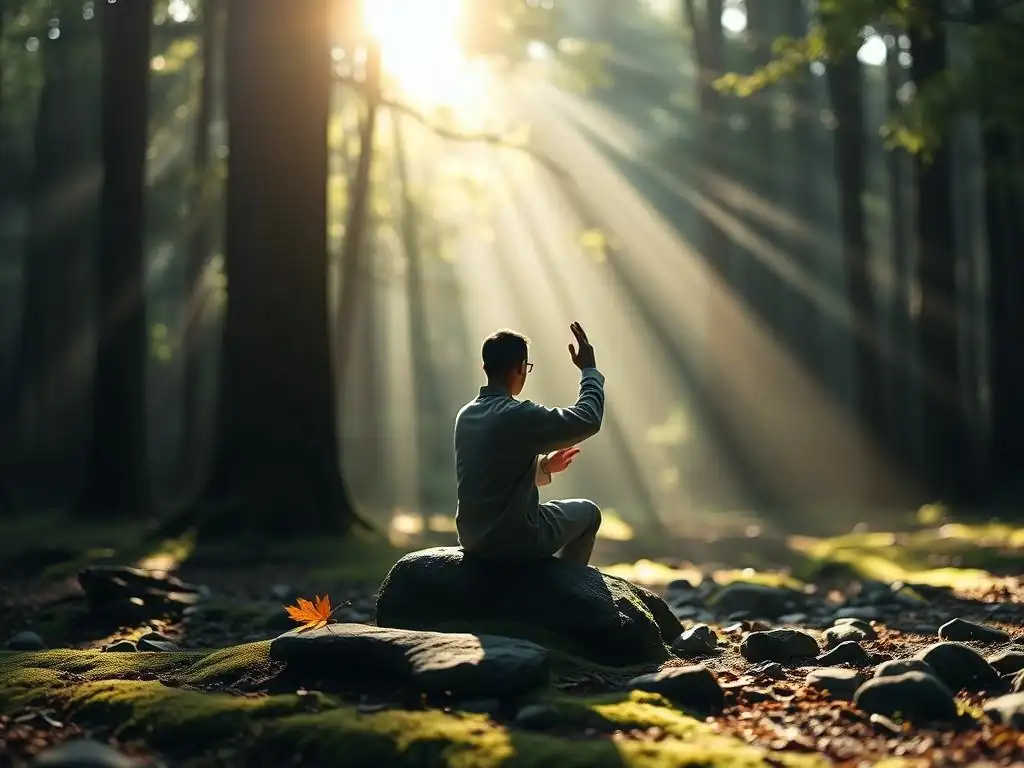
Forest bathing can be a powerful standalone practice, but its benefits can be amplified when combined with other complementary techniques that also promote mindfulness and well-being.
Combining Forest Bathing with Mindfulness Meditation and Yoga
Integrating forest bathing with mindfulness meditation or yoga can deepen the experience and enhance overall benefits. A forest bathing session can begin or end with a guided mindfulness meditation focusing on breath or body sensations within the natural setting. Alternatively, a short yoga sequence performed outdoors, surrounded by trees, can combine physical movement with sensory immersion and mindful presence.
Practicing yoga or meditation in nature adds an extra layer of sensory richness and grounding. The natural sounds, smells, and sights can make it easier to focus and relax. This combination leverages the benefits of both nature exposure and established mind-body practices, potentially leading to greater reductions in stress and improved emotional regulation compared to practicing either in isolation.
Utilizing Nature Journaling to Enhance Self-Awareness
Nature journaling is an excellent way to extend the benefits of forest bathing and cultivate self-awareness. After or during a session, take time to write or sketch your observations and feelings. What did you notice with your senses? How did the environment make you feel? What thoughts or insights arose?
This practice helps to solidify the experience, encouraging reflection on the impact of nature on your mood and thoughts. It provides a tangible record of your connection with the natural world and can reveal patterns in how different environments affect your well-being. Nature journaling turns a passive experience into an active process of observation and introspection, deepening the psychological nature walking benefits mental health can derive.
While solo forest bathing can be deeply personal and restorative, participating in group sessions adds the dimension of social connection. Sharing the experience with others can foster a sense of community and belonging, which are also vital for mental health. Group sessions often include guided activities and opportunities for sharing observations, creating a supportive and shared experience of connecting with nature.
For some, the presence of others can feel more comfortable or motivating. Guided group sessions, often led by trained guides, can also introduce different ways of engaging with the environment and provide valuable insights. The combination of nature's healing power and positive social interaction can create a particularly potent environment for reducing feelings of loneliness and enhancing overall well-being.
Long-Term Impact: Building a Sustainable Connection with Nature
Beyond immediate stress reduction, consistent engagement with nature, facilitated by practices like forest bathing, can lead to profound long-term impacts on health, well-being, and our relationship with the planet.
Fostering Environmental Stewardship and Appreciation for Nature
Regularly immersing oneself in nature naturally cultivates a deeper appreciation for the natural world. As individuals experience the calming and restorative power of forests and green spaces firsthand, they often develop a stronger desire to protect these environments. This personal connection can foster a sense of environmental stewardship, motivating individuals to engage in conservation efforts or adopt more sustainable lifestyle choices.
Understanding that our own well-being is intricately linked to the health of the planet shifts perspective. This realization can lead to greater respect for ecosystems and a commitment to preserving the natural resources that provide so many benefits, including the fundamental nature walking benefits mental health relies upon. It moves from simply using nature for personal gain to recognizing an interconnectedness and responsibility.
Promoting a Holistic Approach to Health and Well-being
Integrating forest bathing and regular nature exposure into one's routine promotes a holistic view of health that encompasses physical, mental, emotional, and even spiritual dimensions. It recognizes that well-being is not merely the absence of illness but a state of thriving that is supported by our environment.
This holistic perspective encourages looking beyond clinical interventions for mental health and embracing lifestyle practices that nurture the whole person. Regular time in nature becomes a vital component of self-care, alongside practices like healthy eating, exercise, and social connection. It's about building a lifestyle that is inherently supportive of resilience and vitality.
Case Studies: Transformative Experiences with Forest Bathing
While specific individual names are often kept private in health contexts, aggregated accounts from participants in forest therapy programs illustrate transformative experiences. For instance, reports from programs working with veterans experiencing PTSD have shown significant reductions in symptoms like hypervigilance and anxiety after regular forest bathing sessions. Individuals struggling with burnout in high-stress professions have reported regaining clarity, focus, and a sense of calm after incorporating nature time into their schedules.
Therapists working with clients experiencing depression have noted improvements in mood, motivation, and engagement following sessions conducted in natural settings. These anecdotal reports, supported by scientific findings, paint a picture of forest bathing as a powerful tool for healing and transformation, demonstrating real-world nature walking benefits mental health. While individual results vary, the consistent theme is the profound positive impact of mindful nature immersion on psychological and emotional states.
Conclusion: Nurturing Mental Wellness Through Nature's Wisdom
Forest bathing, or Shinrin-Yoku, offers a simple yet profound pathway to enhanced mental well-being. By mindfully immersing ourselves in the atmosphere of the forest, we can tap into nature's inherent healing properties.
Summarizing the Key Benefits of Forest Bathing for Mental Health
The evidence clearly demonstrates that forest bathing provides significant benefits for mental health. It effectively reduces stress hormones like cortisol, lowers anxiety and depression, improves mood, and promotes physiological relaxation by influencing the nervous system. Furthermore, it enhances cognitive function, improves attention, and fosters a sense of calm and presence through mindful engagement. The inhalation of phytoncides also offers potential immune system boosts and mood elevation. These cumulative effects underscore the powerful nature walking benefits mental health can experience.
Beyond the measurable physiological changes, forest bathing offers a restorative escape from the demands of modern life, allowing for mental rest and rejuvenation. It reconnects us with something larger than ourselves, fostering a sense of peace and interconnectedness that nourishes the spirit as well as the mind.
Encouraging the Integration of Forest Bathing into Daily Life
Given its accessibility and proven benefits, integrating forest bathing or elements of nature connection into daily life is a valuable strategy for nurturing mental wellness. This doesn't require long trips to remote forests; even short, mindful walks in local parks or spending time in a backyard garden can make a difference. The key is consistency and intention – making conscious effort to connect with nature regularly.
Start small, perhaps with 15-20 minutes once a week, and gradually increase the duration or frequency as you experience the benefits. Prioritize this time as essential self-care, just like exercise or healthy eating. Encourage friends and family to join you, or seek out local guided sessions if available. The benefits are cumulative, building resilience and fostering a sustainable foundation for mental health.
Resources for Further Exploration of Forest Bathing and Nature Connection
For those interested in delving deeper into forest bathing and its benefits, numerous resources are available. Books on Shinrin-Yoku provide historical context, scientific background, and practical guidance. Organizations dedicated to forest therapy and nature connection offer certified guide training and public workshops. Local nature centers and parks often host events focused on mindfulness in nature.
Exploring these resources can provide further insights, techniques, and opportunities to practice forest bathing in a structured or self-guided way. Connecting with the growing community of nature enthusiasts can also offer support and inspiration for making nature connection a regular and enriching part of your life, continuously unlocking the nature walking benefits mental health needs in today's world.
Frequently Asked Questions
What are the primary nature walking benefits mental health?
Nature walking has been shown to significantly reduce stress and anxiety. It also improves mood and cognitive function, enhancing overall mental well-being.
How long should I walk in nature to experience nature walking benefits mental health?
Studies suggest that even just 30 minutes of walking in nature can have a positive impact. Consistent, shorter walks can still provide noticeable mental health boosts.
What types of natural environments are most effective for maximizing nature walking benefits mental health?
While any natural setting helps, environments with trees, water features, and sunlight are particularly beneficial. These elements promote relaxation and sensory engagement.
Can nature walking benefits mental health help with specific mental health conditions?
Yes, nature walks can be a complementary therapy for conditions like depression and anxiety. They can help to reduce symptoms and improve coping mechanisms.
Are there any potential drawbacks to relying solely on nature walking benefits mental health for mental well-being?
Nature walks are beneficial but shouldn't replace professional mental health treatment. They are best used as a supplement to therapy and/or medication when needed.
Final Reflection: The Enduring Power of the Simple Walk
The profound impact of a 30-minute walk in nature extends far beyond simple exercise; it's a potent prescription for a healthier mind in our increasingly stressed world. The research presented clearly demonstrates the remarkable ability of nature to soothe anxiety, sharpen focus, and boost overall well-being. In a society constantly bombarded by digital distractions and relentless demands, reclaiming even a small portion of our day for mindful immersion in nature is not a luxury, but a necessity.
The simple act of walking amidst trees, feeling the sun on your skin, and listening to the sounds of nature has a deeply restorative effect, a truth echoed throughout history and across cultures. Nature holds the key to our aesthetic, intellectual, and even spiritual satisfaction.
This quote, though not directly about walking, perfectly encapsulates the intrinsic value of connecting with the natural world, a value that is often overlooked in our modern lives. The ongoing influence of technology and urban environments on our mental health underscores the critical importance of actively seeking out these natural restorative experiences.
Now, consider your own life. How often do you prioritize time in nature? I challenge you to schedule a 30-minute walk in a park, forest, or even your own backyard this week. Notice the subtle shifts in your mood, your focus, and your overall sense of calm. Embrace the simplicity of this practice, and discover the transformative power it holds for your mental well-being. Let the simple walk become your personal sanctuary, a daily ritual that nourishes your mind and spirit.
Unleash Your Inner Calm: Take the Nature Walk Challenge!
Thanks for taking the time to explore the powerful benefits of nature walks! We hope you've gained a fresh perspective on how even a short stroll can boost your well-being. Now, it's time to put that knowledge into action.
- Prioritize your mental health by scheduling a 30-minute walk in nature this week. Choose a park, a trail, even your backyard – anywhere that connects you with the natural world.
- Share your experience! Tell us about your walk – what did you notice? How did it make you feel? Your insights could inspire others.
- Consider starting a nature walking journal to track your progress and reflect on the positive changes you experience.
Ready to transform your routine and reap the rewards of a simple walk? What's the first step you'll take to incorporate more nature into your day?