
How Neurofeedback Works: Decoding the Science of Brain Training

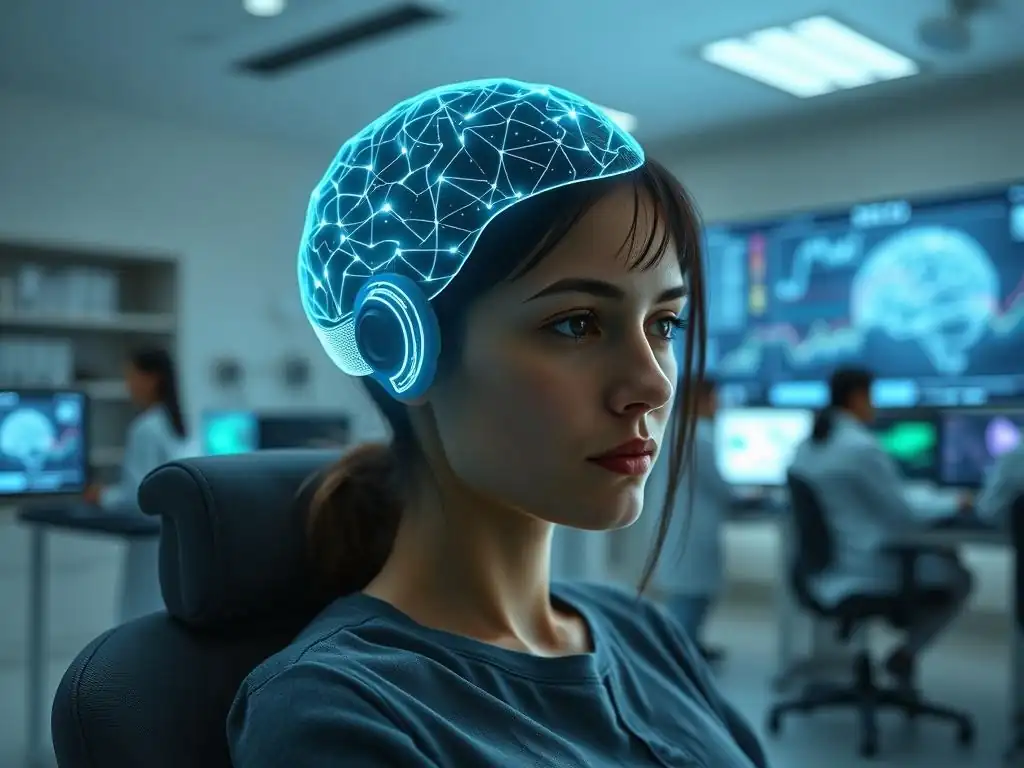
Welcome to Mind Care Guide, a space dedicated to nurturing your mental well-being.
Feeling lost in the complexities of mental health? You're not alone. We understand the journey can be challenging, and we're here to guide you. Ever wondered if there's a way to actively train your brain for better mental function? Dive into our exploration of Neurofeedback brain training benefits and discover how this innovative technique could potentially reshape your future. What if you could unlock your brain's hidden potential? Let's explore the science together and uncover the possibilities...
How Neurofeedback Works: Decoding the Science of Brain Training
- Introduction to Neurofeedback
- The Science Behind Neurofeedback
- The Neurofeedback Process
- Neurofeedback Applications in Mental Health
- Neurofeedback Equipment and Technology
- Considerations and Limitations
- The Future of Neurofeedback
- Conclusion: Neurofeedback for a Healthier Brain
- Frequently Asked Questions
- Final Reflection: Harnessing the Power Within: The Future of Neurofeedback
- Unlock Your Brain's Potential: Start Your Neurofeedback Journey
Introduction to Neurofeedback
Understanding Neurofeedback: A Non-Invasive Approach
Neurofeedback is a fascinating form of biofeedback that focuses specifically on the brain's electrical activity. It's a non-invasive technique, meaning it doesn't involve surgery, medication, or any physical intervention beyond placing sensors on the scalp. The fundamental idea is to provide individuals with real-time information about their brainwave patterns, allowing them to learn how to modify these patterns to achieve desired mental states or improve cognitive function. This process leverages the brain's natural ability to change and adapt, known as neuroplasticity, offering a unique pathway to enhancing mental well-being and addressing various psychological challenges.
This method is often described as "brain training" because it empowers the individual to take an active role in regulating their own brain activity. Unlike passive treatments, neurofeedback requires engagement and learning. Sensors, typically placed on the scalp, measure the electrical signals produced by the brain – brainwaves – which are then translated into visual or auditory feedback on a computer screen.
By observing this feedback, often presented in the form of a video game, animation, or simple graph, the individual learns to influence their brainwave activity towards a more balanced and functional state. The aim is to reinforce desired brainwave patterns, leading to lasting changes in brain regulation and, consequently, improvements in behavior and mental state.
Core Principle: Training Brainwaves for Mental Well-being
The core principle behind neurofeedback therapy is operant conditioning applied to brainwave activity. Different mental states are associated with specific patterns of brainwave frequencies. For example, relaxed states might be linked to higher alpha wave activity, while focused attention often involves higher beta wave activity and lower theta wave activity. Neurofeedback identifies patterns that are associated with difficulties (like excessive theta waves in ADHD or excessive high beta waves in anxiety) and trains the individual to produce more optimal patterns.
During a neurofeedback session, the individual receives positive reinforcement (like points in a game or a visual reward) when their brain produces the desired brainwave pattern, and the reinforcement stops when it doesn't. Over multiple sessions, this consistent feedback helps the brain learn to naturally shift towards the targeted, healthier patterns. This leads to improvements in self-regulation, mood, focus, and overall mental resilience. The cumulative effect of this neurofeedback brain training is a more balanced and efficiently functioning brain, which can significantly contribute to enhanced mental well-being.
Neurofeedback vs. Other Brain Training Methods
While the term "brain training" is sometimes used broadly to include cognitive exercises, puzzles, or memory games, neurofeedback differs fundamentally. Traditional cognitive training often targets specific cognitive skills like memory or attention through repetitive tasks. While these can be beneficial, they don't directly measure or train the underlying electrical activity of the brain. Neurofeedback, conversely, works directly with the physiological patterns of brainwaves.
Compared to pharmacological interventions, neurofeedback offers a non-drug approach. Medications often target neurotransmitters to influence brain function, which can be effective but may also come with side effects. Neurofeedback, by teaching the brain to self-regulate its electrical patterns, aims for a more fundamental and lasting change in brain function without introducing external substances. The benefits of neurofeedback brain training often involve reducing reliance on medication or enhancing the effectiveness of other therapeutic approaches, making it a distinct and powerful tool in the mental health landscape.
The Science Behind Neurofeedback
Brainwaves and Mental States: EEG Activity and Cognitive Function
The brain's electrical activity is comprised of oscillations occurring at different frequencies, commonly known as brainwaves. These are measured in Hertz (Hz) and are broadly categorized into bands: Delta (0.5-4 Hz), Theta (4-8 Hz), Alpha (8-12 Hz), Beta (12-30 Hz), and Gamma (30+ Hz). Each band is associated with different states of consciousness and cognitive functions. For instance, Delta waves are prominent during deep, dreamless sleep. Theta waves are often seen during drowsiness, meditation, or creative states, but excessive theta in waking states can be linked to inattention.
Alpha waves are typically associated with a relaxed, yet alert state, often present when resting with closed eyes. Beta waves are linked to active thinking, problem-solving, and focused concentration; higher frequencies within the beta band (often called high beta or gamma) can be associated with anxiety or hypervigilance. Understanding the typical patterns of these brainwaves in healthy individuals versus those with specific conditions is crucial for neurofeedback. The goal of neurofeedback brain training is to help the individual shift their brainwave patterns towards those associated with desired mental states, thereby improving cognitive function and emotional regulation.
Quantifying Brain Activity: The Role of QEEG
Quantitative Electroencephalography (QEEG), also known as brain mapping, is a critical diagnostic tool often used before starting neurofeedback therapy. A standard EEG records brainwave activity, but QEEG goes a step further by using sophisticated software to process and statistically analyze the recorded data. This analysis compares an individual's brainwave patterns (frequency, amplitude, coherence, phase) across different brain regions to a normative database of healthy brains matched for age and gender.
The QEEG produces color-coded maps and reports that highlight areas where brain activity deviates significantly from the norm. These deviations, often referred to as "dysregulation patterns," can correlate with specific symptoms or conditions like anxiety, depression, or ADHD. The QEEG analysis provides an objective, data-driven basis for identifying the specific brainwave patterns that need to be trained, allowing practitioners to develop a highly personalized neurofeedback protocol tailored to the individual's unique brain activity profile. This diagnostic step is fundamental to maximizing the neurofeedback brain training benefits.
Neurofeedback and Neuroplasticity
A cornerstone concept underpinning the effectiveness of neurofeedback is neuroplasticity – the brain's remarkable ability to reorganize itself by forming new neural connections throughout life. Every time we learn a new skill, remember something new, or adapt to a new environment, our brain structure and function change. Neurofeedback leverages this innate capacity for change. By providing consistent feedback on brainwave activity, the brain learns to modify its own patterns through repetition and reinforcement, much like learning to ride a bike or play a musical instrument.
Over a series of neurofeedback sessions, the brain is repeatedly encouraged to produce desired brainwave states. This consistent practice strengthens the neural pathways associated with those states and weakens those linked to less functional patterns. This leads to lasting changes in how different brain regions communicate and regulate activity. This process of guided neuroplastic change is what makes neurofeedback brain training potentially effective in addressing conditions rooted in brain dysregulation, offering sustained improvements in symptoms and function even after therapy concludes.
The Neurofeedback Process
Initial Assessment: Identifying Brainwave Imbalances
The neurofeedback process typically begins with a comprehensive initial assessment. This involves gathering detailed information about the individual's history, symptoms, and goals for therapy. A crucial part of this assessment often includes a Quantitative Electroencephalography (QEEG) session. During the QEEG, sensors are placed on specific locations across the scalp to record the brain's electrical activity with eyes open and eyes closed.
The raw EEG data is then processed and analyzed using specialized software, comparing the individual's brainwave patterns (including power, coherence, and phase across different frequencies) to a large normative database. This analysis provides a detailed "brain map" that highlights areas of dysregulation – patterns of activity that deviate significantly from what is considered typical for someone of that age. This objective data is invaluable for identifying the specific brainwave imbalances believed to be contributing to the individual's symptoms and forms the foundation for developing a targeted treatment plan.
Personalized Training Protocol Development
Following the initial assessment and QEEG analysis, the neurofeedback practitioner develops a personalized training protocol. This protocol is essentially a blueprint for the neurofeedback sessions, specifying which brainwave frequencies will be targeted for training (e.g., increasing SMR, decreasing theta, increasing alpha), and at which specific locations on the scalp the sensors will be placed. The protocol is designed based on the identified brainwave dysregulation patterns and the individual's specific symptoms and goals.
For example, a protocol for ADHD might focus on reducing excessive theta activity and increasing beta or SMR activity in frontal brain regions, while a protocol for anxiety might target reducing high beta activity and increasing alpha or theta in other areas. The personalized protocol ensures that the neurofeedback brain training is highly specific to the individual's needs, aiming to correct the underlying brainwave patterns associated with their particular challenges rather than using a one-size-fits-all approach.
The Neurofeedback Session: Real-Time Feedback
A typical neurofeedback session involves the individual sitting comfortably while sensors are placed on their scalp according to the personalized protocol. These sensors detect the electrical activity (brainwaves) at those specific locations. The brainwave data is sent to a computer running specialized neurofeedback software, which processes the signals in real-time. The software extracts the targeted brainwave frequencies and presents this information back to the individual in an easily understandable format, often through a video game, animation, or movie.
The feedback is designed so that the game or visual display progresses or is rewarded when the individual's brain activity moves towards the desired pattern, and the feedback slows down or stops when it moves away. For instance, if the goal is to increase SMR activity, the game might advance only when SMR activity reaches a certain threshold. This immediate, real-time feedback allows the individual to learn, often unconsciously at first, how to influence their own brain activity through trial and error and internal adjustments. A standard session might last between 30 to 60 minutes.
Progress Monitoring: Brainwave Activity and Symptom Reduction
Monitoring progress is a crucial aspect of neurofeedback therapy. Throughout the course of treatment, which often involves 20-40 sessions or more, practitioners continuously track changes in the individual's brainwave patterns as recorded by the neurofeedback software. The software typically provides graphs and data showing how well the individual is meeting the training goals for each session and how their brain activity is changing over time.
In addition to objective brainwave data, practitioners also regularly assess changes in the individual's symptoms. This is done through check-ins during sessions, symptom checklists, questionnaires, and feedback from the individual and sometimes their family or caregivers. Seeing reductions in symptoms like anxiety levels, improvements in focus, or better sleep quality are key indicators that the neurofeedback brain training is having a positive impact. Sometimes, a follow-up QEEG is performed after a certain number of sessions to objectively measure the changes in brainwave patterns and potentially adjust the training protocol if needed.
Neurofeedback Applications in Mental Health

Neurofeedback for Anxiety
Anxiety disorders are often associated with dysregulation in brainwave patterns, such as excessive high beta activity (fast brainwaves associated with alertness and worry) or imbalances in alpha and theta waves. Neurofeedback offers a promising approach to help individuals learn to regulate these patterns and reduce anxiety symptoms. Protocols for anxiety often focus on decreasing excessive high beta activity, particularly in frontal or parietal regions, and increasing alpha or theta activity, which are associated with more relaxed states.
Through repeated neurofeedback brain training sessions, individuals learn to shift their brain activity away from states of hyperarousal and excessive worry towards calmer, more centered states. Many studies and clinical reports suggest that individuals undergoing neurofeedback for anxiety experience significant reductions in symptom severity, including decreased worry, fewer panic attacks, and improved ability to manage stress. While individual results vary, the potential for lasting relief without medication makes it an appealing option for many.
Neurofeedback for ADHD
Attention-Deficit/Hyperactivity Disorder (ADHD) is commonly linked to atypical brainwave patterns, particularly an elevated theta-to-beta ratio in specific brain areas. This pattern is often associated with inattention, distractibility, and difficulties with executive function. Neurofeedback protocols for ADHD typically aim to decrease theta activity and increase beta or Sensorimotor Rhythm (SMR) activity, often targeting areas like the prefrontal cortex.
The goal of this neurofeedback brain training is to help individuals improve their ability to focus attention, reduce impulsivity, and regulate hyperactivity. Numerous studies, including meta-analyses, have shown positive outcomes for neurofeedback in treating ADHD symptoms, with effect sizes comparable to or even exceeding those of stimulant medication for inattention and impulsivity, though hyperactivity improvements can vary. Many individuals report sustained improvements in focus and behavioral regulation after completing a course of neurofeedback therapy.
Neurofeedback for Depression
Depression is a complex mood disorder often associated with imbalances in brain activity, such as asymmetries in alpha wave activity between the left and right hemispheres, or dysregulation in theta and beta bands. Neurofeedback protocols for depression are often tailored to address these specific patterns, which may involve training to balance hemispheric activity or regulate activity in regions associated with mood and emotional processing.
The aim of neurofeedback brain training for depression is to help individuals improve mood regulation, increase motivation, and reduce feelings of sadness and hopelessness. While research is ongoing, studies and clinical practice suggest that neurofeedback can be an effective adjunctive or alternative treatment for depression, with many individuals reporting significant improvements in mood and overall well-being. The potential for lasting positive changes in brain function offers hope for individuals seeking non-pharmacological interventions.
Neurofeedback for Sleep Disorders
Sleep disorders, such as insomnia, are often linked to dysregulation in brainwave patterns that govern sleep-wake cycles. For example, difficulty falling asleep might be associated with excessive beta activity at bedtime, while disturbed sleep might involve insufficient SMR activity, which is associated with calm, relaxed states and is thought to play a role in inhibiting movement during sleep.
Neurofeedback protocols for insomnia typically focus on increasing SMR activity, particularly in sensorimotor areas, and sometimes decreasing high beta activity. Training to increase SMR helps promote a relaxed state conducive to falling asleep. Clinical evidence and studies indicate that neurofeedback can be effective in improving sleep onset latency (how quickly one falls asleep), increasing total sleep time, and improving sleep quality for individuals with insomnia. The neurofeedback brain training benefits in this area involve helping the brain learn to transition more smoothly into restful sleep states.
Neurofeedback for Trauma
Trauma and Post-Traumatic Stress Disorder (PTSD) can significantly impact brain function and regulation, often leading to hyperarousal, emotional dysregulation, intrusive thoughts, and sleep disturbances. These symptoms are frequently associated with dysregulation in alpha, theta, and beta brainwave activity in various brain regions, including those involved in emotional processing and memory.
Specific neurofeedback protocols, such as Alpha-Theta training, are often used in trauma therapy. This protocol aims to help individuals access deeper states of consciousness (associated with increased alpha and theta activity) where traumatic memories can be processed in a less emotionally charged way. By training the brain to achieve and maintain these states, neurofeedback can help reduce hyperarousal, improve emotional regulation, and decrease the intensity and frequency of intrusive thoughts and flashbacks. The brain training benefits for trauma survivors involve fostering a greater sense of calm and emotional control.
Neurofeedback Equipment and Technology
EEG Sensors and Amplifiers
The fundamental components of neurofeedback equipment are the EEG sensors and amplifiers. Sensors, typically small metal discs, are placed on the scalp using a conductive paste or gel. These sensors detect the tiny electrical signals generated by the brain's neurons. The voltage of these signals is very small, often measured in microvolts.
The signals picked up by the sensors are then sent to an amplifier. The amplifier boosts these weak signals to a level that can be digitized and processed by a computer. High-quality amplifiers are crucial for minimizing noise and ensuring accurate recording of the brain's electrical activity. Systems typically use anywhere from 2 to 19 or more sensors depending on the complexity of the training protocol (e.g., 2-4 sensors for standard protocols, 19+ for LORETA neurofeedback). The reliability of the initial signal acquisition directly impacts the effectiveness of the neurofeedback brain training.
Neurofeedback Software
Specialized neurofeedback software is the brain of the system, processing the raw EEG data from the amplifier in real-time. This software filters the complex brainwave signal into different frequency bands (Delta, Theta, Alpha, SMR, Beta, Gamma) and analyzes their characteristics, such as amplitude (power), frequency, coherence (how well different areas are working together), and phase (the timing relationship between waves).
Based on the personalized training protocol, the software identifies when the individual's brain activity is moving towards the desired pattern (e.g., increasing SMR, decreasing theta). It then provides immediate feedback to the individual through visual displays (like a game or animation) or auditory cues (like a tone). The software also records and stores data from each session, allowing the practitioner to track progress, visualize changes in brainwave patterns over time, and adjust the protocol as needed to optimize the neurofeedback brain training benefits.
Common Neurofeedback Protocols: Alpha-Theta, SMR, and Beta Training
Several neurofeedback protocols are commonly used, each targeting specific brainwave frequencies and often associated with different therapeutic goals. Alpha-Theta training involves training the individual to increase both alpha (relaxed alertness) and theta (deep relaxation, access to subconscious) activity simultaneously, often used for trauma processing, creativity enhancement, and accessing deeper states. This is typically done with eyes closed.
Sensorimotor Rhythm (SMR) training focuses on increasing SMR activity (12-15 Hz), which is associated with calm focus and relaxed attention. This protocol is frequently used for conditions involving hyperactivity, impulsivity, and sleep disturbances, as SMR is thought to inhibit motor activity and promote stillness. Beta training, often targeting low beta (15-18 Hz), aims to increase focused concentration and alert attention, commonly used for ADHD and cognitive enhancement.
High beta training (18-30 Hz) is sometimes used to increase alertness but can exacerbate anxiety if not carefully managed. These specific protocols are chosen to achieve targeted neurofeedback brain training benefits based on the individual's needs.
Considerations and Limitations
Finding a Qualified Practitioner
One significant consideration when pursuing neurofeedback is finding a qualified and experienced practitioner. Neurofeedback is a complex modality that requires specialized training and expertise to administer effectively and safely. Practitioners come from various backgrounds, including psychology, counseling, social work, and medicine, but specific certification in neurofeedback is highly recommended.
Certification bodies, such as the Biofeedback Certification International Alliance (BCIA), set standards for training and practice. A qualified practitioner will conduct a thorough assessment, including potentially a QEEG, develop a personalized protocol, monitor progress, and adjust the training as needed. They should also be able to explain the process clearly and manage expectations. Seeking referrals and verifying credentials are essential steps in ensuring you receive competent neurofeedback brain training.
Potential Side Effects and Risks
While generally considered safe and non-invasive, neurofeedback is not entirely without potential side effects, though they are typically mild and temporary. The most common reported side effects include fatigue, headache, anxiety, irritability, or difficulty sleeping immediately after a session. These effects often indicate that the brain is actively responding to the training and usually subside within a few hours.
Serious adverse events are rare. Risks are primarily associated with improper protocol selection or administration by an inadequately trained practitioner, which could potentially exacerbate existing symptoms or induce discomfort. Open communication with your practitioner about any symptoms experienced during or after sessions is crucial. For most individuals, the potential neurofeedback brain training benefits outweigh these minor, transient risks when administered by a qualified professional.
Realistic Expectations and Treatment Commitment
It is important for individuals considering neurofeedback to have realistic expectations and understand the commitment involved. Neurofeedback is not a quick fix; it is a learning process for the brain that requires multiple sessions over an extended period, often ranging from 20 to 40 sessions or more, typically attended 1-3 times per week. Consistency is key to achieving lasting changes in brain regulation.
While many individuals experience significant improvements in their symptoms, the degree and speed of improvement can vary widely depending on the individual, the condition being addressed, the severity of symptoms, and adherence to the treatment plan. Neurofeedback is often most effective when combined with other therapeutic approaches, such as counseling or lifestyle changes. Understanding that it is a process requiring time, effort, and commitment is vital to maximizing the potential neurofeedback brain training benefits.
The Future of Neurofeedback
Neurofeedback for Cognitive Enhancement
Beyond addressing clinical conditions, neurofeedback is increasingly being explored for its potential in cognitive enhancement in healthy individuals. Research is looking into how specific neurofeedback protocols might improve focus, attention, memory, creativity, and peak performance in areas like academics, sports, or professional life. For example, training to increase SMR or beta activity is being investigated for its effects on concentration and executive function in non-clinical populations.
While still an evolving area, the underlying principle is that optimizing brainwave patterns can lead to more efficient and effective cognitive processing. As technology advances and our understanding of brain-behavior relationships deepens, neurofeedback brain training for performance enhancement is likely to become more sophisticated and accessible, offering new avenues for individuals seeking to maximize their cognitive potential.
Combining Neurofeedback with Other Therapies
Neurofeedback is often used as an adjunct therapy, meaning it is combined with other forms of treatment. This integrated approach can potentially enhance the effectiveness of both modalities. For instance, combining neurofeedback with traditional talk therapy (like CBT or psychotherapy) can help individuals become more emotionally regulated and cognitively flexible, making them more receptive to processing therapeutic insights and practicing new coping skills learned in therapy.
For conditions like ADHD, combining neurofeedback with behavioral therapy and potentially medication (though some aim to reduce or eliminate medication over time) can provide a multi-faceted approach to symptom management. Integrating neurofeedback into a comprehensive treatment plan allows practitioners to leverage the unique neurofeedback brain training benefits alongside other evidence-based interventions, creating a more holistic pathway to mental wellness.
Neurofeedback in Personalized Mental Healthcare
The future of mental healthcare is moving towards more personalized and precision-based approaches, and neurofeedback is well-positioned within this trend. The use of QEEG to identify specific brainwave dysregulation patterns allows for highly individualized treatment protocols, moving away from generic interventions towards those tailored to an individual's unique brain function.
As research continues to uncover specific brainwave signatures associated with different symptoms and responses to treatment, neurofeedback protocols can become even more refined. This personalized approach, potentially guided by advanced brain imaging techniques and genetic insights in the future, holds the promise of making neurofeedback brain training an even more targeted and effective intervention within a broader framework of personalized mental healthcare, leading to better outcomes for individuals seeking support.
Conclusion: Neurofeedback for a Healthier Brain
Neurofeedback represents a powerful, non-invasive approach to mental health that leverages the brain's inherent capacity for change. By providing real-time feedback on brainwave activity, it empowers individuals to learn self-regulation, shifting their brain patterns towards healthier, more functional states. This unique form of brain training has shown promising benefits across a range of conditions, including anxiety, ADHD, depression, sleep disorders, and trauma, by addressing the underlying brain dysregulation.
The process, from initial QEEG assessment and personalized protocol development to real-time training sessions and progress monitoring, is designed to be highly individualized. While requiring commitment and consistency, the potential for lasting improvements in symptoms and overall mental well-being makes neurofeedback a valuable tool. As research and technology continue to advance, the applications and efficacy of neurofeedback are likely to expand, further solidifying its place as a significant component in the evolving landscape of mental healthcare, offering a path towards a healthier, more resilient brain.
Frequently Asked Questions
What is neurofeedback and how does it work?
Neurofeedback is a type of biofeedback that directly trains brain activity. It involves monitoring your brainwaves in real-time and providing feedback to help you learn to self-regulate your brain function.
What are the potential benefits of neurofeedback brain training?
Neurofeedback is used to improve various mental health conditions, potentially offering benefits such as reduced anxiety, improved attention, and enhanced cognitive performance. It aims to optimize brain function for better overall well-being.
Is neurofeedback a scientifically proven method?
Yes, neurofeedback has a growing body of research supporting its effectiveness for certain conditions. Studies have shown promise in treating ADHD, epilepsy, and other neurological and psychiatric disorders.
How long does a typical neurofeedback brain training session last?
A neurofeedback session typically lasts between 30 to 60 minutes. The duration can vary depending on the individual's needs and the specific neurofeedback protocol being used.
Mind Care Guide offers a comprehensive guide to mental well-being. Consult with a qualified mental health professional specializing in neurofeedback for personalized information and support.
Final Reflection: Harnessing the Power Within: The Future of Neurofeedback
The science of neurofeedback is no longer a futuristic fantasy; it's a tangible tool with the potential to revolutionize mental healthcare and personal well-being. Understanding how our brains function and learning to optimize their performance through targeted training is a paradigm shift with far-reaching implications for individuals and society as a whole. The potential benefits, from improved focus and reduced anxiety to enhanced cognitive function and even the treatment of neurological disorders, are simply too significant to ignore.
The journey of exploring neurofeedback has profoundly impacted my understanding of the brain's plasticity and our inherent capacity for self-improvement. It's a testament to the power of the mind-body connection, highlighting how our thoughts and emotions directly influence our neurological pathways. This resonates deeply with the words of neuroscientist Dr. Norman Doidge: The brain is not a machine; it is an organ of growth and change, capable of remaking itself throughout life.
This inherent capacity for change, facilitated by neurofeedback, offers a beacon of hope for countless individuals struggling with various mental and neurological challenges.
Consider the implications of this knowledge. You have the power to actively shape your brain's activity, to cultivate mental resilience, and to enhance your cognitive abilities. This isn't about passively accepting limitations; it's about actively engaging in a process of self-discovery and optimization. Take the time to research the possibilities of neurofeedback, explore its applications, and consider how this powerful tool might benefit you or someone you know. The future of brain health is not just about treatment; it's about empowerment, and the journey begins with a single step towards understanding.
Unlock Your Brain's Potential: Start Your Neurofeedback Journey
Thanks for taking the time to explore the fascinating world of neurofeedback with us! We hope you gained a clearer understanding of how this innovative technique can support brain health and well-being. Now it's time to take the next step.
- Schedule a consultation with a neurofeedback specialist: This is the most important step to personalize your brain training plan and address your specific needs. Finding the right practitioner is key to a successful journey.
- Share this article with someone who might benefit: Neurofeedback is still relatively unknown, and spreading the word can help others discover this life-changing technology.
- Explore different neurofeedback techniques online: Researching further will help you become a more informed patient and advocate for your own brain health. You might be surprised at the variety of approaches available.
Ready to unlock your brain's full potential? What specific area of brain function are you most excited to improve with neurofeedback?