
The Nature Prescription: What Research Says About Time Outdoors and Mental Health

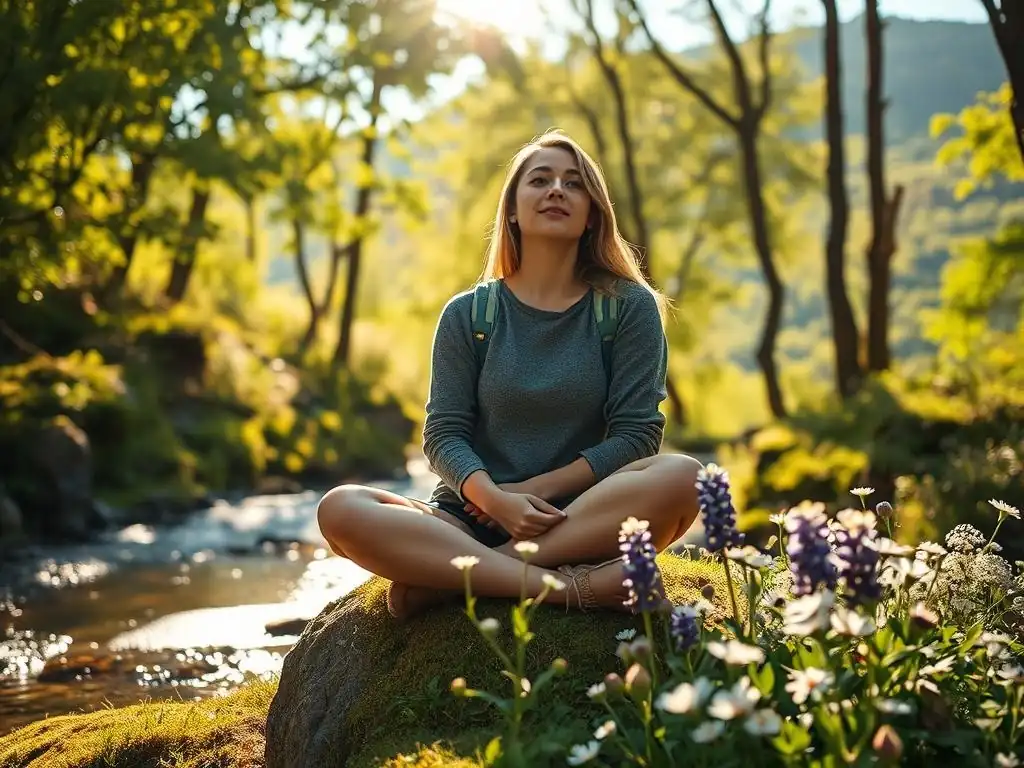
Welcome to Mind Care Guide, a sanctuary for your mental well-being. Feeling overwhelmed? You're not alone. We understand. Dive into our latest article, "The Nature Prescription," and discover how something as simple as spending time outdoors improves mental health. Could nature be the missing piece in your self-care puzzle? Keep reading to uncover the surprising research and practical tips to reconnect with the healing power of the natural world.
The Nature Prescription: What Research Says About Time Outdoors and Mental Health
- Introduction: Unveiling the Connection Between Nature and Mental Well-being
- The Science Behind Nature's Impact on Mental Health
- Mental Health Benefits of Spending Time Outdoors: A Detailed Look
- Research-Backed Evidence: Studies on Nature and Mental Health
- Incorporating Nature into Your Mental Wellness Routine
- Overcoming Barriers to Spending Time Outdoors
- The Role of Nature in Preventing Mental Health Issues
- The Future of Nature-Based Mental Health Interventions
- Conclusion: Embracing the Healing Power of Nature for Mental Well-being
-
Frequently Asked Questions
- How does spending time outdoors improve mental health?
- What types of outdoor activities are most beneficial for mental well-being?
- How much time outdoors is needed to experience mental health benefits?
- Are there specific mental health conditions that benefit most from spending time in nature?
- Can spending time outdoors be considered a replacement for traditional mental health treatments?
- Final Reflection: Reconnecting with Nature, Reconnecting with Ourselves
- Rediscover Your Inner Peace: Take the Nature Plunge!
Introduction: Unveiling the Connection Between Nature and Mental Well-being
The Importance of Holistic Mental Health
Mental health is not merely the absence of illness; it encompasses our emotional, psychological, and social well-being. A holistic approach recognizes that numerous factors contribute to our mental state, including lifestyle choices, social connections, physical health, and our environment. This perspective encourages looking beyond clinical interventions to explore complementary strategies that support overall well-being and resilience. Embracing holistic practices means considering all aspects of life that influence how we think, feel, and behave.
Focusing solely on treating symptoms often overlooks the root causes or contributing factors to mental distress. A holistic view prompts us to consider the interconnectedness of mind and body, and how external factors, such as the quality of our environment, play a significant role. Integrating practices that nourish the whole person – from mindful movement and nutrition to spending time in supportive environments – is crucial for fostering sustainable mental wellness and building a robust foundation against life's challenges.
Why Nature Matters: Setting the Stage for Nature-Based Therapy
For centuries, cultures around the world have intuitively understood the restorative power of the natural world. Only recently, however, has modern science begun to rigorously investigate why being in nature feels good and how it specifically impacts our psychological state. This growing body of research is paving the way for nature-based therapies and interventions to become more mainstream components of mental healthcare, complementing traditional approaches.
The concept of a "nature prescription" suggests that just as a doctor might prescribe medication or exercise, they could also recommend spending time outdoors to improve mental health. This isn't just anecdotal; studies are quantifying the physiological and psychological benefits, demonstrating measurable changes in brain activity, stress hormones, and emotional states. As we delve deeper into the science, it becomes clear that accessing green spaces isn't a luxury but potentially a vital element of a healthy lifestyle.
The Science Behind Nature's Impact on Mental Health
How Spending Time Outdoors Affects the Brain
Research using fMRI scans and other neurological assessments has started to reveal the profound impact of nature exposure on brain function. Studies comparing brain activity after walks in urban versus natural settings show distinct differences. Time spent in natural environments is associated with decreased activity in the subgenual prefrontal cortex, a region linked to rumination and negative thought patterns. This suggests that nature can help quiet the internal chatter associated with anxiety and depression.
Furthermore, exposure to nature appears to promote a shift towards more relaxed brainwave states. The sounds, sights, and smells of natural environments can activate the parasympathetic nervous system, often referred to as the "rest and digest" system, counteracting the "fight or flight" response triggered by stress. This physiological shift contributes to feelings of calm and can reduce the cognitive load associated with navigating complex, stimulating urban environments.
The Role of Sunlight and Vitamin D in Mental Wellness
Sunlight is a crucial natural element encountered when spending time outdoors, and it plays a significant role in regulating mood. Exposure to natural light helps regulate the body's circadian rhythm, the internal clock that affects sleep patterns, energy levels, and mood. Irregular circadian rhythms are often linked to mood disorders, including seasonal affective disorder (SAD), where reduced sunlight exposure in winter months contributes to depressive symptoms.
Beyond its impact on circadian rhythms, sunlight enables the skin to synthesize Vitamin D. While primarily known for its role in bone health, Vitamin D receptors are found throughout the brain, including areas associated with mood and behavior. Low levels of Vitamin D have been correlated with an increased risk of depression and other mental health challenges. Spending time outdoors allows for natural sunlight exposure, which can help maintain healthy Vitamin D levels, provided safe practices are followed.
The Calming Effect of Green Spaces: Reducing Stress and Anxiety
One of the most well-documented benefits of spending time outdoors is its ability to reduce stress and anxiety. The visual characteristics of natural environments, often featuring fractal patterns found in trees, ferns, and coastlines, are inherently pleasing to the human eye and can induce a state of relaxed wakefulness. This aesthetic preference contributes to the calming effect reported by individuals in green spaces.
Studies have demonstrated that exposure to nature can lower physiological markers of stress, such as cortisol levels, heart rate, and blood pressure. For example, research participants who spent time in a forest environment showed significant reductions in cortisol and sympathetic nervous system activity compared to those in urban settings. This physiological response underscores the powerful, almost immediate, calming effect that green spaces can have on the body's stress systems.
Mental Health Benefits of Spending Time Outdoors: A Detailed Look
Nature's Antidepressant: Alleviating Symptoms of Depression
Spending time outdoors has shown promising results in alleviating symptoms of depression. The combination of increased physical activity, exposure to sunlight, and the restorative qualities of natural environments can positively impact mood and energy levels. Engaging with nature provides a gentle form of distraction from negative thought loops often characteristic of depression.
Furthermore, being in nature can foster feelings of awe and connection, shifting focus away from internal struggles towards the external world. Activities like hiking, gardening, or simply sitting in a park can provide a sense of purpose or accomplishment, which can be particularly beneficial for individuals experiencing depression. While not a replacement for professional treatment, integrating time in nature can be a valuable complementary strategy.
Reducing Anxiety and Stress Through Outdoor Activities
The stress-reducing effects of nature are well-established. Engaging in outdoor activities, whether it's a vigorous hike or a leisurely walk, provides an opportunity to step away from daily stressors and enter a more tranquil state. The sensory experience of nature – the sounds of birds, the smell of damp earth, the feeling of a breeze – can act as a powerful antidote to the mental clutter and tension associated with anxiety.
Regular exposure to green spaces has been linked to lower reported levels of perceived stress. Even short periods, like 15-20 minutes spent in a park, can lead to a significant reduction in cortisol levels. This makes spending time outdoors a readily accessible tool for managing daily stress and preventing the escalation of anxiety symptoms.
Enhancing Mood and Emotional Well-being with Nature Exposure
Beyond reducing negative states like stress and anxiety, spending time outdoors actively enhances positive mood and emotional well-being. Many people report feeling happier, more relaxed, and more energized after spending time in nature. This uplift in mood is thought to be related to the physiological changes mentioned earlier, as well as psychological factors like increased feelings of vitality and connection.
Nature can also evoke feelings of gratitude and wonder, fostering a more positive outlook. The aesthetic beauty of landscapes, the resilience of plant life, and the simple pleasure of being in a natural setting can provide moments of joy and peace. These positive emotional experiences contribute significantly to overall psychological flourishing.
Improving Focus and Cognitive Function with Time in Nature

Spending time in nature has been shown to improve cognitive function, particularly directed attention. The Attention Restoration Theory (ART) posits that nature provides a restorative environment that allows our directed attention (the kind we use for tasks requiring focus) to recover from fatigue. Unlike the stimulating, attention-demanding environments of urban areas, nature offers "soft fascination" – engaging enough to capture interest but not so demanding that it requires intense focus.
Studies have demonstrated that exposure to nature can improve performance on cognitive tasks requiring attention and problem-solving. For instance, participants performed better on proofreading tasks after a walk in a park compared to a walk in an urban setting. This suggests that spending time outdoors can be a valuable strategy for enhancing productivity and mental clarity.
Boosting Self-Esteem and Confidence Through Outdoor Experiences
Engaging in outdoor activities can significantly boost self-esteem and confidence. Successfully navigating a trail, learning to identify plants or birds, or simply spending time comfortably in a natural setting can provide a sense of accomplishment and competence. Overcoming physical or mental challenges in an outdoor context builds resilience and self-efficacy.
Furthermore, the sense of being a part of something larger than oneself, often experienced in vast natural landscapes, can put personal problems into perspective and foster a sense of belonging. For individuals struggling with feelings of inadequacy, the non-judgmental and grounding presence of nature can be profoundly affirming.
Research-Backed Evidence: Studies on Nature and Mental Health
Examining Key Research Findings on Nature's Therapeutic Effects
A growing body of research supports the therapeutic effects of nature on mental health. Numerous studies have investigated the impact of green spaces on various psychological outcomes, employing diverse methodologies from physiological measurements to self-report questionnaires and neuroimaging. A systematic review published in Environmental Health Perspectives in 2015 analyzed data from over 140 studies, finding consistent evidence that exposure to nature is associated with improvements in mental health, including reduced symptoms of depression and anxiety.
Another significant meta-analysis, published in Preventive Medicine Reports in 2018, examined the link between green space exposure and mental health outcomes across different populations. It concluded that increased exposure to, access to, and use of green space were associated with a reduced risk of mental health problems, highlighting the importance of urban planning that prioritizes access to nature for public health. These findings underscore the robust evidence base supporting the idea that spending time outdoors improves mental health.
Exposure to nature reduces rumination and activates the prefrontal cortex.
A landmark study from Stanford University, published in Proceedings of the National Academy of Sciences in 2015, provided neural evidence for nature's impact on rumination, the repetitive focus on negative thoughts. Participants who took a 90-minute walk in a natural environment showed decreased activity in the subgenual prefrontal cortex, a brain region associated with self-focused negative thought, compared to those who walked in an urban environment.
The study also found that participants who walked in nature reported less rumination after their walk. This specific finding provides a neurological basis for the subjective experience many people have of feeling mentally clearer and less burdened by negative thoughts after spending time outdoors. It suggests a direct mechanism by which nature exposure can help break cycles of negative thinking.
Spending time in nature reduces blood pressure and heart rate.
Physiological studies consistently demonstrate that exposure to nature can lower key indicators of stress and arousal. Research conducted in Japan, a pioneer in "forest bathing" research, has shown that spending time in forest environments leads to significant decreases in blood pressure, heart rate, and concentrations of stress hormones like cortisol. A 2010 study published in Environmental Health and Preventive Medicine found that subjects who walked in a forest had lower blood pressure and heart rate compared to those who walked in a city.
These physiological changes are indicative of a shift towards a more relaxed state of the nervous system. The reduction in blood pressure and heart rate suggests that nature exposure can mitigate the chronic physiological stress response that contributes to various health problems, including mental health issues.
Beyond individual benefits, access to green spaces can foster social connections and strengthen communities, which are vital components of mental well-being. Parks and natural areas often serve as gathering places where people can meet, socialize, and participate in group activities. This can reduce feelings of isolation and loneliness, known risk factors for depression and anxiety.
Studies in urban environments have shown that residents living in neighborhoods with more green space report a greater sense of community belonging and engage in more social interactions with their neighbors. For example, research in Chicago found that residents of buildings with more trees and greenery reported stronger social ties than those in similar buildings with less surrounding nature. This highlights the indirect yet significant way that access to nature supports mental health by facilitating social support networks.
Incorporating Nature into Your Mental Wellness Routine
Practical Tips for Spending More Time Outdoors
Integrating more time outdoors into a busy life can seem challenging, but small, consistent efforts can yield significant benefits for mental health. Start small by committing to just 10-15 minutes a day. This could involve taking a short walk during a lunch break, having your morning coffee on a balcony or in a garden, or simply stepping outside to feel the sun and air.
Plan nature activities into your week like any other important appointment. Schedule a weekend hike, a picnic in a local park, or an evening stroll. Consider combining nature time with other activities you enjoy, such as reading outside, journaling in a park, or meeting a friend for a walk instead of coffee indoors.
Here are some simple ways to start:
- [ ] Take your breaks outside at work or school.
- [ ] Eat meals outdoors when possible.
- [ ] Walk or bike for short errands instead of driving.
- [ ] Spend time in your backyard, balcony, or a nearby public green space daily.
- [ ] Plan weekend trips to natural areas like parks, forests, or beaches.
- [ ] Bring plants into your indoor space if outdoor access is limited.
Nature-Based Activities for Mental Health: A Range of Options
There are countless ways to connect with nature, catering to different interests and physical abilities. The key is to find activities you enjoy and can realistically incorporate into your routine. From gentle immersion to vigorous exercise, spending time outdoors improves mental health in various forms.
Forest Bathing (Shinrin-Yoku): A Deep Dive into Nature Immersion
Originating in Japan, Forest Bathing, or Shinrin-Yoku, is not about hiking or exercise, but about mindfully immersing oneself in the atmosphere of the forest. It involves engaging all senses to connect with the natural environment – noticing the textures of bark, the scents of the forest floor, the sounds of leaves rustling, and the feeling of the air on your skin.
The practice encourages slow movement and present moment awareness, allowing the calming effects of the forest to wash over you. Research on Shinrin-Yoku has demonstrated significant reductions in stress hormones, blood pressure, and heart rate, alongside improvements in mood and immune function (specifically, an increase in natural killer cells). Dedicated forest therapy walks, often guided, can enhance this deep connection.
Gardening and Horticulture Therapy: Cultivating Well-being
Gardening is a therapeutic activity that combines physical movement with the nurturing process of growing plants. Engaging with soil, sowing seeds, and tending to plants provides a tangible connection to the natural world and a sense of purpose. Watching something grow from seed to harvest can be incredibly rewarding and boost feelings of accomplishment.
Horticulture therapy is a formal practice using gardening and plant-related activities to achieve specific therapeutic goals. It is used in various settings, including hospitals, rehabilitation centers, and schools, to improve cognitive abilities, social skills, and emotional states. The physical activity, sensory engagement, and connection to living things inherent in gardening contribute to reduced stress, improved mood, and increased feelings of hope.
Hiking and Walking in Natural Environments: Reconnecting with the Earth
Hiking and walking in natural settings are perhaps the most accessible ways to experience nature's benefits. The rhythmic motion of walking combined with exposure to natural sights and sounds can be deeply meditative and stress-reducing. Choosing trails with varying terrain or scenic views can add interest and a sense of exploration.
Walking in nature provides both physical exercise and mental restoration. Even a brisk walk in a local park can clear the mind and boost energy levels. Longer hikes offer a more immersive experience, allowing for extended periods away from urban stressors and deeper engagement with the natural environment, reinforcing the idea that spending time outdoors improves mental health through active engagement.
Outdoor Exercise and Sports: Combining Physical Activity with Nature
Combining physical exercise with time spent in nature offers a powerful dual benefit for mental health. Activities like trail running, cycling on nature paths, kayaking, or practicing yoga outdoors leverage the mood-boosting effects of exercise with the calming and restorative effects of natural environments.
Exercising outdoors can feel less monotonous than being indoors and provides varied sensory input. The fresh air, natural light, and dynamic scenery can enhance motivation and enjoyment, making it easier to stick to an exercise routine. This synergy amplifies the positive impact on stress reduction, mood elevation, and overall well-being.
Mindfulness and Meditation in Nature: Finding Inner Peace
Practicing mindfulness or meditation outdoors can deepen the experience and enhance its benefits. Nature provides a rich environment for sensory awareness, which is central to mindfulness. Sitting quietly and observing the details of the natural world – the intricate patterns of a leaf, the movement of clouds, the feel of the earth beneath you – can anchor you in the present moment.
Meditating in nature allows you to connect with the natural rhythm of life and find a sense of peace and perspective. The vastness of landscapes or the quiet stillness of a forest can facilitate feelings of interconnectedness and reduce feelings of isolation. Combining these practices strengthens the restorative power of spending time outdoors.
Overcoming Barriers to Spending Time Outdoors

Addressing Common Obstacles: Time Constraints, Accessibility, and Weather
Despite the known benefits, many people face obstacles to spending more time outdoors. Time constraints are frequently cited; busy work schedules, family commitments, and daily errands leave little free time. However, even short bursts of nature exposure can be beneficial, making it important to prioritize and integrate brief moments outdoors throughout the day rather than waiting for large blocks of free time.
Accessibility can also be a challenge, particularly for those living in urban areas with limited green spaces, individuals with mobility issues, or those without transportation to natural parks. Advocacy for more urban green spaces, accessible trails, and community gardens is crucial. Exploring smaller, lesser-known local parks or even green streetscapes can be alternatives when large natural areas are inaccessible.
Weather is another common barrier. Extreme heat, cold, rain, or snow can make spending time outdoors uncomfortable or unsafe. However, adapting to different weather conditions can open up new possibilities for enjoying nature. Investing in appropriate gear, seeking sheltered natural areas, or embracing the unique beauty of different seasons can help. For example, a walk in crisp autumn air or the quiet beauty of a snowy landscape can be uniquely refreshing.
Creative Solutions for Integrating Nature into Daily Life, Even Indoors
When spending significant time outdoors is difficult, creative solutions can help bring elements of nature into daily life. Even small interventions can have a positive impact on mental well-being. Bringing houseplants into your home or workspace has been shown to improve mood, reduce stress, and increase productivity. Caring for plants can also be a therapeutic activity in itself.
Incorporating natural elements into interior design, such as using natural materials like wood and stone, incorporating natural light, and displaying images of nature, can create a more restorative indoor environment, a concept known as biophilic design. Even listening to nature sounds or using nature-themed virtual reality experiences can offer some benefits, although they are not a substitute for direct outdoor exposure. The goal is to find ways to increase connection with the natural world, however possible.
The Role of Nature in Preventing Mental Health Issues
Proactive Mental Health Strategies: Nature as a Preventative Measure
Regular engagement with nature can serve as a powerful proactive strategy for maintaining good mental health and preventing the onset of mental health issues. By consistently reducing stress, improving mood, and enhancing cognitive function, spending time outdoors builds resilience against the pressures of modern life. It provides a regular opportunity for mental rest and restoration, preventing the accumulation of chronic stress that can contribute to anxiety and depression.
Integrating nature into one's lifestyle from an early age can also foster healthy coping mechanisms and a lifelong appreciation for the outdoors. For adults, making time outdoors a non-negotiable part of a weekly routine is akin to regular exercise or healthy eating – it's an investment in long-term well-being. This preventative approach emphasizes building mental strength and balance rather than solely reacting to problems as they arise.
Building a Stronger Foundation for Mental Resilience Through Nature
Mental resilience is the ability to bounce back from adversity and adapt to challenging circumstances. Spending time in nature can help cultivate this resilience. Outdoor environments often present minor challenges, whether navigating uneven terrain, adapting to weather changes, or simply being present without constant digital stimulation. Successfully navigating these experiences builds confidence and a sense of capability.
The vastness and enduring nature of the natural world can also provide perspective, making personal challenges seem less overwhelming. Witnessing the cyclical processes of growth, decay, and renewal in nature can foster acceptance and patience. These experiences contribute to a stronger psychological foundation, making individuals better equipped to handle stress and setbacks in other areas of life.
The Future of Nature-Based Mental Health Interventions
Emerging Trends in Nature Therapy and Research
Nature-based interventions are gaining increasing recognition within the mental health field. Emerging trends include the formalization of practices like forest therapy and wilderness therapy, which use structured outdoor experiences to address specific therapeutic goals, such as trauma recovery or addiction treatment. Research is also exploring the efficacy of nature-based interventions for specific conditions like ADHD, PTSD, and chronic stress.
There is growing interest in understanding the specific elements of nature that are most beneficial. Is it the presence of trees, water, wildlife, or a combination? Research is using advanced techniques, including physiological monitoring in real-time outdoor settings and analysis of environmental data, to pinpoint the key ingredients of a "nature dose." This precision will help in developing more targeted and effective nature prescriptions.
The Potential of Nature Prescriptions in Healthcare
The concept of "nature prescriptions" is moving from theory to practice in some healthcare systems. Physicians and therapists in certain regions are beginning to formally recommend or prescribe time in nature to patients as part of a broader treatment plan for conditions like anxiety, depression, and stress-related illnesses. This approach acknowledges the evidence that spending time outdoors improves mental health and integrates this knowledge into clinical practice.
Pilot programs and studies are evaluating the effectiveness and feasibility of nature prescription programs, often linking patients with local parks, green spaces, or nature-based activity groups. The potential benefits include a low-cost, accessible, and enjoyable intervention with minimal side effects. As research continues to solidify the evidence base, nature prescriptions could become a more common and accepted component of integrative mental healthcare.
Conclusion: Embracing the Healing Power of Nature for Mental Well-being
The Commitment to Promoting Nature-Based Solutions
The scientific evidence is increasingly clear: spending time outdoors improves mental health. From reducing stress and anxiety to boosting mood and cognitive function, the benefits of connecting with nature are profound and wide-ranging. Recognizing this, there is a growing global movement to promote nature-based solutions for mental well-being, advocating for greater access to green spaces, integrating nature into urban planning, and developing formal nature therapy programs.
This commitment extends beyond individual actions to systemic change, acknowledging that equitable access to nature is a public health issue. Ensuring that everyone, regardless of socioeconomic status or location, has opportunities to experience the restorative power of the natural world is a crucial step towards fostering healthier and more resilient communities.
Taking the First Step Towards a Healthier, Happier You with Nature
Embracing the healing power of nature for your mental well-being is a journey that can begin today. You don't need to embark on a wilderness expedition to experience the benefits. Start small: take a walk in a local park, sit under a tree, tend to a houseplant, or simply open a window and listen to the sounds of the outdoors.
Prioritizing time in nature is an act of self-care, a conscious choice to nourish your mind and body in an environment that is inherently healing. As you make spending time outdoors a regular part of your routine, you are likely to discover a deeper sense of calm, clarity, and connection, paving the way for a healthier, happier you.
Frequently Asked Questions
How does spending time outdoors improve mental health?
Studies show that exposure to nature reduces stress hormones like cortisol and increases levels of feel-good neurotransmitters like serotonin and dopamine, leading to improved mood and a sense of calm.
What types of outdoor activities are most beneficial for mental well-being?
Any outdoor activity can be helpful, but research suggests that activities like hiking, gardening, or simply sitting in a park are particularly effective in reducing stress and improving mental clarity.
How much time outdoors is needed to experience mental health benefits?
Even short periods of time outdoors, such as 20-30 minutes a day, can have a significant positive impact. The frequency and duration can be tailored to individual needs and preferences.
Are there specific mental health conditions that benefit most from spending time in nature?
While beneficial for overall well-being, time outdoors has shown promise in alleviating symptoms of anxiety, depression, and ADHD, as well as improving cognitive function.
Can spending time outdoors be considered a replacement for traditional mental health treatments?
Spending time outdoors should be viewed as a complementary therapy, not a replacement for professional treatment. It can be a valuable tool in conjunction with therapy and medication, as prescribed by a mental health professional.
Final Reflection: Reconnecting with Nature, Reconnecting with Ourselves
The overwhelming evidence presented in this article points to a simple yet profound truth: spending time outdoors significantly improves mental health. This isn't just a feel-good notion; it's a scientifically supported pathway to well-being, offering a tangible antidote to the stresses of modern life. The benefits, from reduced anxiety and depression to improved cognitive function, are too significant to ignore.
The impact of nature on our mental landscape is undeniable, shaping not only individual experiences but also the collective cultural understanding of well-being. We are increasingly recognizing the inherent value of green spaces, not just as aesthetically pleasing environments, but as vital resources for our mental and emotional health. This shift in perspective is crucial. Nature is not a place to visit. It is home.
– Gary Snyder. This quote encapsulates the deep connection we, as humans, have with the natural world, a connection that has been, perhaps, too easily severed in our increasingly urbanized societies. The growing movement towards ecotherapy and nature-based interventions reflects this growing awareness and the urgent need to reconnect.
Now, consider your own relationship with the outdoors. How often do you actively seek out time in nature? What small changes could you implement to incorporate more green spaces into your daily life? Perhaps a daily walk in a park, a weekend hike, or simply opening a window to appreciate the sounds and sights of your surroundings.
This isn't about grand gestures; it's about cultivating a mindful appreciation for the restorative power of the natural world. Start small, be consistent, and experience the transformative effects of a nature prescription for yourself. Let the outdoors become your sanctuary, your refuge, and your path to a healthier, happier you.
Rediscover Your Inner Peace: Take the Nature Plunge!
Thanks for taking the time to explore the powerful connection between nature and mental well-being! We hope you gained valuable insights into how spending time outdoors can positively impact your life. Now, it's time to put that knowledge into action.
- Prioritize a Nature Walk: Schedule at least 30 minutes this week for a mindful walk in a park, forest, or even your own backyard. Notice the sights, sounds, and smells around you.
- Share Your Experience: Tell us (or a friend!) about your nature walk. What surprised you? What did you notice about your mood afterward?
- Challenge Yourself: Try a new outdoor activity this weekend – perhaps birdwatching, gardening, or simply relaxing by a lake.
Ready to experience the transformative power of nature firsthand? What small step will you take today to nurture your mental well-being?