
Mindful Movement, Mindful Brain: The Combined NeuroImpact

Welcome to Mind Care Guide, a sanctuary for your mental well-being.
Are you seeking a gentle yet powerful way to nurture your mind? We understand. In today's fast-paced world, finding inner peace can feel like an uphill battle. That's why we're thrilled to explore the profound connection between movement and mental clarity. Dive into our article on Mindful Movement Benefits Mental Health and discover how conscious activity can unlock a calmer, more focused you. Could mindful movement be the missing piece in your well-being journey? Let's find out together.
Mindful Movement, Mindful Brain: The Combined NeuroImpact
- Introduction: Exploring the Synergy of Mindful Movement and Mental Well-being
- What is Mindful Movement? A Deeper Dive
- The Neuroscience of Mindful Movement: Brain Changes and Mental Health
- Mindful Movement Benefits Mental Health: A Comprehensive Look
- Specific Mindful Movement Techniques for Mental Health Improvement
- Integrating Mindful Movement into Your Daily Life: Practical Tips
- The Future of Mindful Movement Research and Mental Health Treatment
- Conclusion: Harnessing the Power of Mindful Movement for a Healthier Mind
-
Frequently Asked Questions
- What exactly is mindful movement, and how does it differ from regular exercise?
- How can mindful movement specifically benefit my mental health?
- What are some examples of mindful movement activities I can easily incorporate into my routine?
- How does mindful movement impact the brain on a neurological level?
- Where can I find more resources or guidance on practicing mindful movement safely and effectively?
- Final Reflection: Cultivating a Mindful Movement Revolution
- Unlock Your Brain's Potential: Move Your Way to a Sharper Mind
Introduction: Exploring the Synergy of Mindful Movement and Mental Well-being
Understanding the Interconnection: Body and Mind in Mental Health
For centuries, various philosophical and medical traditions have recognized the profound connection between the physical body and mental state. Modern neuroscience increasingly validates this ancient wisdom, demonstrating that physical activity doesn't just affect muscles and cardiovascular health; it profoundly influences brain structure and function. The bidirectional relationship means that how we move affects how we think and feel, and conversely, our mental state can impact our physical capacity and sensation. This intricate link is fundamental to understanding how practices like mindful movement can offer significant benefits for mental health.
This deep connection highlights why a holistic approach to well-being is crucial. Stress, for example, doesn't just manifest as psychological distress; it triggers physiological responses like increased heart rate, muscle tension, and altered hormone levels, all of which can negatively impact mood and cognitive function.
Conversely, engaging in physical activity, particularly when combined with present-moment awareness, can mitigate these stress responses, promoting relaxation and emotional balance. The brain and body are not separate entities but a unified system where interventions targeting one can have powerful positive effects on the other, underscoring how mindful movement benefits mental health in a tangible way.
Mind Care Guide's Approach to Integrated Well-being
At Mind Care Guide, we advocate for an integrated approach to mental well-being that acknowledges the inseparable link between mind and body. We believe that effective mental health support extends beyond traditional therapies to include practices that nurture the physical self alongside the psychological. Mindful movement is a cornerstone of this philosophy, offering practical, accessible ways for individuals to engage with their bodies in a way that fosters mental clarity, emotional resilience, and overall well-being.
Our resources and information aim to bridge the gap between neuroscience and practical application, explaining how and why techniques like mindful movement work at a fundamental level. By exploring the neurobiological basis of these practices, we empower our readers to understand the science behind the benefits they experience. We strive to provide guidance that is not only informative but also empathetic, recognizing that each individual's journey towards mental wellness is unique. Understanding how mindful movement benefits mental health on a neurological level can provide motivation and confidence for incorporating these practices into daily life.
What is Mindful Movement? A Deeper Dive
Defining Mindful Movement: Beyond Traditional Exercise
Mindful movement distinguishes itself from conventional exercise primarily through the intentional integration of present-moment awareness. While traditional exercise often focuses on achieving specific physical goals – weight loss, strength gains, endurance – mindful movement emphasizes the experience of movement itself. It involves paying attention to bodily sensations, breath, thoughts, and emotions without judgment as you move. The goal is not necessarily intensity or performance, but rather cultivating a deeper connection with one's physical self and the present moment.
This practice transforms physical activity from a potentially goal-oriented chore into an opportunity for introspection and self-care. Whether it's walking, stretching, or practicing yoga, the focus shifts from the outcome to the process. By bringing attention to the subtle shifts in posture, the rhythm of breathing, or the feeling of muscles engaging, individuals can interrupt habitual thought patterns, reduce rumination, and foster a state of calm presence. This deliberate attention is key to unlocking how mindful movement benefits mental health beyond just the physiological effects of exercise.
Key Elements of Mindful Movement Practices
Several core elements define mindful movement practices, setting them apart from simply exercising. Firstly, Attention and Awareness are paramount. This involves directing focus to bodily sensations, the breath, and the surrounding environment during movement, noticing thoughts and feelings as they arise without getting carried away by them. Secondly, Intention plays a crucial role; the movement is undertaken with a conscious purpose, often related to self-care, stress reduction, or fostering presence, rather than purely physical goals.
Thirdly, Non-Judgment is a fundamental principle. This means observing one's physical abilities, limitations, and internal experiences without criticism or evaluation. It encourages acceptance of where you are in the moment. Finally, Gentle Effort is typically emphasized over pushing through pain or striving for peak performance. The focus is on moving with kindness towards the body, listening to its signals, and finding a balance between effort and ease. These elements collectively create an experience that nourishes both the body and the mind, contributing significantly to how mindful movement benefits mental health.
Examples of Mindful Movement Techniques: Yoga, Tai Chi, and More
Numerous practices fall under the umbrella of mindful movement, each offering unique pathways to integrate physical activity with present-moment awareness. Yoga, perhaps one of the most widely recognized forms, combines physical postures (asanas), breathing techniques (pranayama), and meditation or relaxation. Different styles of yoga vary in intensity, but most emphasize linking breath to movement and maintaining awareness of bodily sensations and alignment.
Studies have shown regular yoga practice can significantly reduce levels of cortisol, the primary stress hormone, in participants. For instance, a 2013 study published in the Journal of Alternative and Complementary Medicine found that participants in a yoga program experienced a 14% average decrease in perceived stress scores and improvements in mood.
Tai Chi and Qigong, ancient Chinese practices, involve slow, flowing movements, deep rhythmic breathing, and meditation. They are often described as "moving meditation" and focus on cultivating and balancing 'qi' (life energy). These practices are gentle and accessible, making them suitable for a wide range of ages and physical conditions.
Research indicates Tai Chi can be particularly effective for reducing anxiety and depression symptoms, especially in older adults. A meta-analysis of studies published around 2010 suggested that Tai Chi practice was associated with moderate reductions in symptoms of depression and anxiety. Other examples include Walking Meditation, which involves bringing mindful awareness to the sensation of walking, Mindful Stretching, and even incorporating mindfulness into everyday activities like climbing stairs or washing dishes.
The Neuroscience of Mindful Movement: Brain Changes and Mental Health
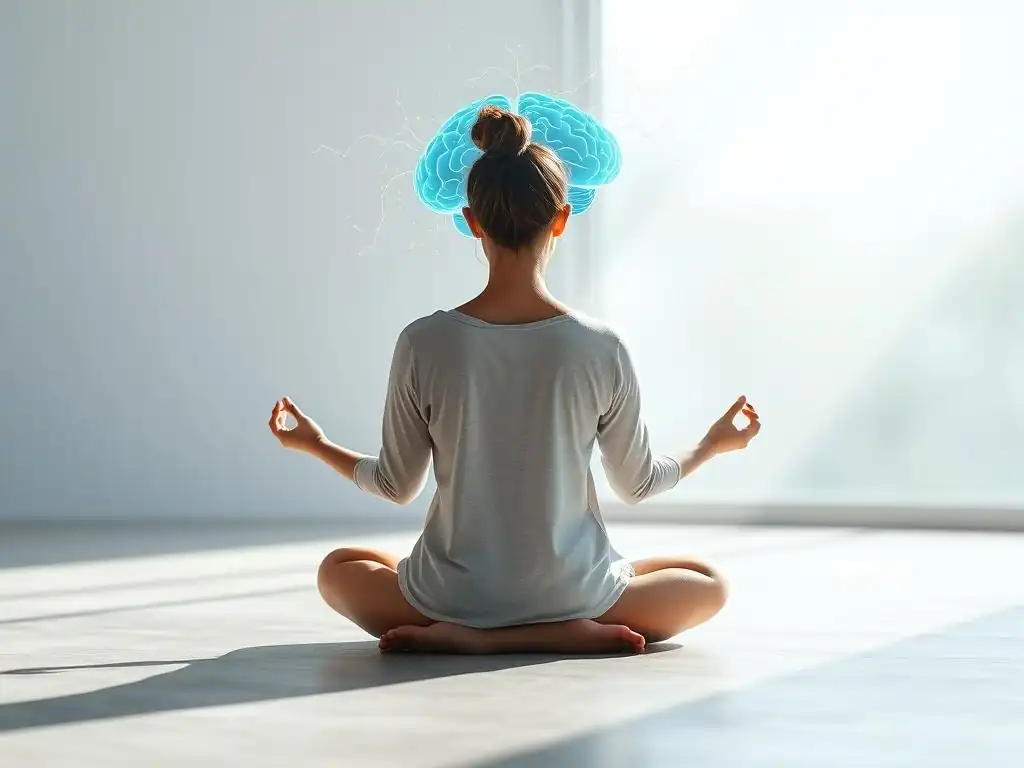
Mapping the Brain: Regions Activated by Mindful Movement
Mindful movement engages several key regions of the brain, influencing neural pathways associated with attention, emotion regulation, and self-awareness. Neuroimaging studies using fMRI (functional magnetic resonance imaging) have shown increased activity in areas such as the prefrontal cortex, which is involved in executive functions like planning, decision-making, and attention control. This suggests that mindful movement helps strengthen the brain's ability to focus and regulate responses.
Furthermore, practices like yoga and meditation, components often integrated into mindful movement, have been linked to changes in the insula and anterior cingulate cortex (ACC). The insula plays a crucial role in processing bodily sensations and emotions, contributing to self-awareness and empathy. The ACC is involved in conflict resolution, error detection, and emotional regulation.
Increased activity or connectivity in these areas through mindful practices can enhance interoceptive awareness (awareness of the body's internal state) and improve the ability to manage challenging emotions. A study published in Frontiers in Human Neuroscience (circa 2015) indicated that meditators, who engage in mindful practices including sometimes movement, showed increased grey matter density in the insula and ACC compared to non-meditators.
Neuroplasticity and Mindful Movement: Reshaping the Brain for Better Mental Health
One of the most exciting neuroscientific concepts relevant to mindful movement is neuroplasticity, the brain's remarkable ability to reorganize itself by forming new neural connections throughout life. Mindful movement practices appear to be powerful agents of positive neuroplastic change, effectively rewiring the brain in ways that support improved mental health. Regular engagement can lead to measurable changes in brain structure and function, strengthening pathways associated with calm, focus, and emotional resilience while potentially weakening those linked to stress and reactivity.
For instance, studies on long-term meditators (many of whom also engage in mindful movement like walking meditation or yoga) have shown increased grey matter volume in areas associated with attention and emotional regulation, such as the hippocampus and prefrontal cortex, and decreased grey matter volume in the amygdala, the brain's fear center. While direct studies specifically on "mindful movement" distinct from meditation or exercise are emerging, the combined elements suggest a potent effect.
The consistent practice provides the necessary stimulation for the brain to build and reinforce neural networks that support the mindful state, contributing significantly to how mindful movement benefits mental health by literally reshaping the brain for greater well-being.
The Role of Neurotransmitters: Serotonin, Dopamine, and Mindful Movement
Beyond structural changes, mindful movement influences the brain's chemical landscape by affecting neurotransmitter levels. Neurotransmitters are chemical messengers that play a critical role in mood, motivation, and cognitive function. Physical activity, in general, is known to release endorphins, natural mood elevators and pain relievers. However, the mindful component adds another layer of benefit by potentially modulating other key neurotransmitters.
Practices like yoga and Tai Chi have been associated with increased levels of GABA (gamma-aminobutyric acid), a neurotransmitter that acts as the primary inhibitory neurotransmitter in the central nervous system, helping to calm nervous activity. Higher GABA levels are linked to reduced anxiety and improved mood. Furthermore, regular mindful movement, like other forms of exercise, can influence levels of serotonin and dopamine.
Serotonin is crucial for regulating mood, sleep, and appetite, while dopamine is involved in reward, motivation, and pleasure. While precise quantitative data specifically on "mindful movement's" unique impact on these neurotransmitters compared to other activities is still a developing field, the combination of physical activity and mindfulness suggests a synergistic effect that supports balanced neurochemistry, reinforcing how mindful movement benefits mental health through chemical pathways.
Mindful Movement Benefits Mental Health: A Comprehensive Look
Reducing Anxiety and Stress Through Mindful Movement
One of the most widely reported benefits of mindful movement is its effectiveness in reducing anxiety and stress. The combination of physical activity and present-moment awareness provides a powerful antidote to the body's stress response. Physical movement helps discharge nervous energy and reduces muscle tension, common physical manifestations of anxiety. Simultaneously, the mindful focus redirects attention away from worry-inducing thoughts and anchors it in the present moment, interrupting cycles of rumination that fuel anxiety.
Research consistently supports this. A review of studies published in the Journal of Anxiety Disorders (circa 2018) found that mindfulness-based interventions, which often include mindful movement components, resulted in significant reductions in anxiety symptoms across various populations. Participants often report feeling calmer and more grounded after engaging in practices like mindful walking or gentle yoga.
The emphasis on breath awareness during mindful movement also activates the parasympathetic nervous system, promoting relaxation and counteracting the "fight or flight" response triggered by stress. This physiological and psychological calming effect is a core reason why mindful movement benefits mental health, specifically in managing stress and anxiety.
Improving Mood and Combating Depression with Mindful Movement Practices
Mindful movement offers a promising avenue for improving mood and serving as a complementary strategy in combating depression. Physical activity itself is a known mood booster, releasing endorphins and other feel-good chemicals. When coupled with mindfulness, the practice can also help individuals break free from negative thought patterns and the sense of disconnection often associated with depression. By gently engaging with the body and the present moment, individuals can cultivate a sense of agency and connection that may be diminished in depressive states.
Studies have explored the impact of specific mindful movement forms on depression. A meta-analysis of 23 studies involving Tai Chi for depression, published in BMC Psychiatry around 2014, concluded that Tai Chi significantly reduced depressive symptoms. Similarly, research into yoga has demonstrated its efficacy in alleviating depression.
A study published in the Journal of Clinical Psychiatry (circa 2017) on adults with major depressive disorder found that participants attending yoga classes twice a week experienced a significant reduction in depressive symptoms compared to a control group. These findings highlight the potent ability of mindful movement benefits mental health by actively working against the inertia and negative cognitive biases characteristic of depression.
Enhancing Focus and Attention: The Cognitive Benefits of Mindful Movement
Beyond emotional benefits, mindful movement also sharpens cognitive functions, particularly focus and attention. In a world filled with distractions, the ability to concentrate is increasingly valuable. Mindful practices train the brain to sustain attention on a chosen object – whether it's the breath, bodily sensations, or the movement itself – and gently redirect attention when the mind wanders. This repeated exercise strengthens the neural circuits involved in attention control.
Regular engagement in mindful movement practices like Tai Chi or mindful walking has been associated with improvements in sustained attention and reduced mind-wandering. For example, studies on Tai Chi practitioners have shown enhanced performance on cognitive tests measuring attention and executive function compared to age-matched control groups. This improved focus isn't confined to the practice itself; the enhanced attentional control can carry over into daily tasks, making individuals more present and productive. This cognitive enhancement is a significant aspect of how mindful movement benefits mental health, supporting not just emotional well-being but also cognitive resilience.
Promoting Emotional Regulation and Resilience
Mindful movement provides tools and practices that significantly enhance emotional regulation and build resilience. By cultivating present-moment awareness, individuals become more adept at recognizing emotions as they arise without immediately reacting to them. The space created by mindful observation allows for a more considered response rather than an impulsive one. This capacity to observe emotions without being overwhelmed is a cornerstone of emotional intelligence and resilience.
Through mindful movement, individuals learn to tolerate uncomfortable sensations or emotions that may arise during practice, such as physical discomfort or feelings of frustration, by approaching them with curiosity and non-judgment. This practice in gentle endurance and acceptance transfers to navigating challenging emotions in daily life.
For instance, someone practicing mindful yoga might learn to breathe through a difficult pose, applying the same principle to breathing through feelings of anger or sadness. This ability to observe, acknowledge, and process emotions without getting stuck in them is a key factor in building emotional resilience, illustrating another powerful way mindful movement benefits mental health by fostering inner strength.
Specific Mindful Movement Techniques for Mental Health Improvement
Yoga for Anxiety Relief: Poses and Practices
Yoga offers a rich repertoire of poses (asanas) and breathing practices (pranayama) specifically beneficial for calming the nervous system and alleviating anxiety. Gentle, slow-paced styles like Hatha, Yin, or Restorative yoga are particularly effective. Poses that promote grounding and stability, such as Child's Pose (Balasana), Standing Forward Bend (Uttanasana), and Legs-Up-the-Wall Pose (Viparita Karani), can help soothe the mind and release tension in the body. These poses often encourage deep breathing and a sense of being supported.
Beyond specific poses, the emphasis on conscious breathing in yoga is a potent tool for anxiety. Practices like Dirga Pranayama (Three-Part Breath) or Nadi Shodhana (Alternate Nostril Breathing) help regulate the nervous system, slowing the heart rate and promoting a state of calm.
Combining these breathing techniques with mindful movement through gentle transitions between poses allows individuals to stay anchored in the present, reducing anxious thoughts about the future. Consistency is key; even short, regular yoga sessions of 15-20 minutes can significantly reduce baseline anxiety levels over time, demonstrating how yoga, as a mindful movement, benefits mental health by directly addressing physiological and psychological stress responses.
Tai Chi for Stress Reduction: Flowing Movements and Mental Calm
Tai Chi, with its graceful, continuous movements performed in a slow, deliberate manner, is often referred to as "moving meditation" and is highly effective for stress reduction. The practice involves a series of postures linked together in a smooth flow, requiring concentration and balance. This focus on the present movement helps quiet the mental chatter often associated with stress and worry. The gentle, low-impact nature makes it accessible to many, regardless of fitness level.
The core principles of Tai Chi, including relaxed posture, deep abdominal breathing, and fluid transitions, work together to calm the sympathetic nervous system (responsible for the stress response) and activate the parasympathetic nervous system (responsible for rest and digestion). Regular practice has been shown to lower cortisol levels and blood pressure.
A study involving adults with moderate stress levels found that participating in an 8-week Tai Chi program resulted in significant reductions in self-reported stress scores and improvements in sleep quality. The rhythmic, repetitive nature of the movements, combined with mindful attention, provides a meditative effect that effectively dissolves tension, showing how Tai Chi, as a form of mindful movement, benefits mental health by fostering deep relaxation and mental tranquility.
Walking Meditation: Combining Movement and Mindfulness
Walking meditation is a simple yet powerful practice that integrates mindful awareness into the act of walking. It can be done anywhere – outdoors, indoors, or even in a small space. The practice involves bringing gentle, non-judgmental attention to the physical sensations of walking: the lifting of the foot, the movement of the leg, the placing of the foot back on the ground, the rhythm of the steps, and the feeling of the ground beneath you. Attention can also be extended to the breath or the surrounding environment, noticing sights and sounds without getting lost in thoughts about them.
This practice helps ground you in the present moment, providing a moving anchor for your awareness. It can be particularly helpful for individuals who find seated meditation challenging. Walking meditation breaks the tendency to rush or walk purely as a means to an end, transforming it into an opportunity for presence and introspection. Even a short 10-15 minute mindful walk can help clear the head, reduce stress, and improve mood. By consciously engaging with the sensory experience of movement, walking meditation reinforces how mindful movement benefits mental health by cultivating presence and reducing the mental load.
Qigong for Energy Balance and Emotional Well-being
Qigong, an ancient Chinese mind-body practice, involves slow movements, controlled breathing, and meditation. Similar to Tai Chi, it focuses on cultivating and balancing the body's vital energy (qi). Qigong exercises are typically simpler and more repetitive than Tai Chi forms, making them highly accessible. The movements are often designed to stimulate specific energy channels (meridians) in the body, promoting physical health and emotional equilibrium.
Regular Qigong practice has been linked to reduced stress, improved mood, and enhanced emotional regulation. The gentle movements and focus on breath help release physical and emotional blockages. Some Qigong forms specifically target emotional balance, with movements designed to harmonize organs associated with specific emotions in traditional Chinese medicine.
For example, exercises might focus on the liver meridian to address anger or the lungs to address sadness. A review of studies on Qigong for psychological well-being published in Journal of Alternative and Complementary Medicine (circa 2010) found evidence suggesting its potential benefits for reducing symptoms of depression and anxiety. This focus on energy flow and emotional harmony illustrates how Qigong, as a mindful movement, benefits mental health through a holistic approach to physical and energetic balance.
Integrating Mindful Movement into Your Daily Life: Practical Tips
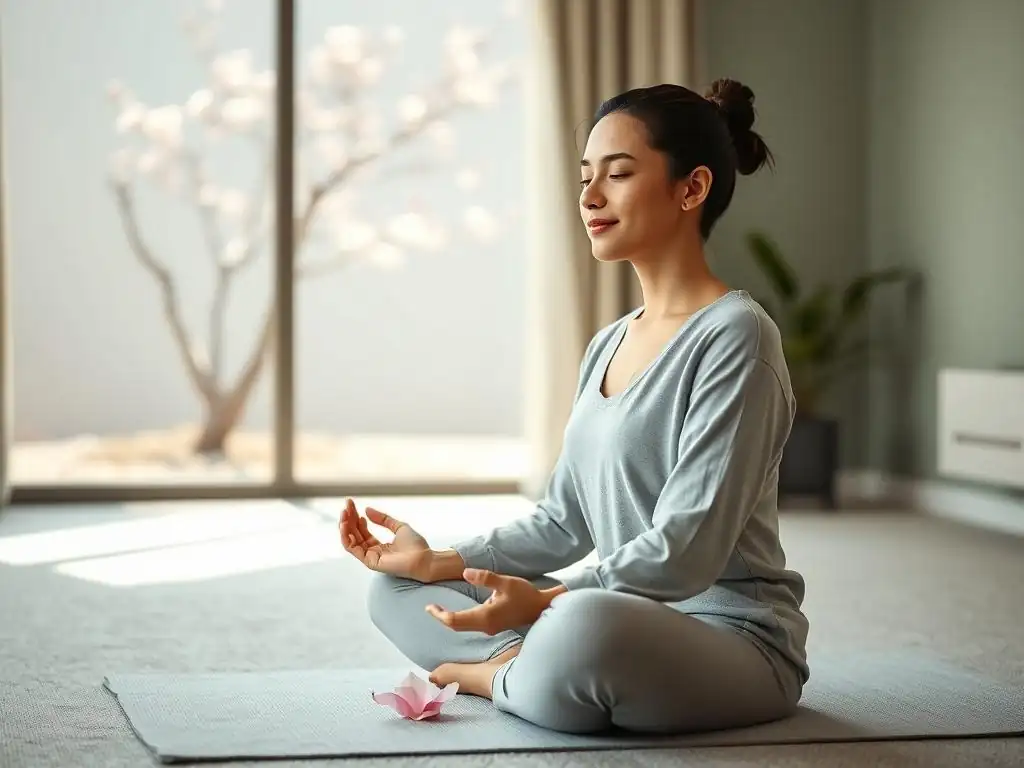
Starting Small: Incorporating Short Bursts of Mindful Movement
Integrating mindful movement into a busy life doesn't require hours of dedicated practice initially. The most effective way to start is small. Begin by incorporating short bursts of mindful movement throughout your day. This could be as simple as taking five minutes to mindfully stretch when you wake up, paying attention to the sensations in your body as you reach and lengthen.
Another easy entry point is to turn everyday activities into mindful moments. Practice mindful walking during your commute or when moving between tasks. Pay attention to the feeling of your feet on the ground, the rhythm of your steps, and your breath. Use mundane transitions, like standing up from a chair or walking to the kitchen, as cues to check in with your body and breath. These brief moments of presence accumulate, building your capacity for mindfulness and allowing you to experience how even small amounts of mindful movement benefits mental health by creating pockets of calm and awareness.
Creating a Mindful Movement Routine: Consistency is Key
While short bursts are a great start, establishing a consistent mindful movement routine can amplify the benefits for your mental health. Consistency is often more important than duration or intensity. Aim for a regular time each day or week when you can dedicate a slightly longer period, perhaps 15-30 minutes, to a chosen practice like yoga, Tai Chi, or mindful walking.
Schedule this time in your calendar as you would any other important appointment. Choose a practice that resonates with you and is sustainable given your lifestyle and physical condition. Finding a quiet space where you won't be interrupted can help, but mindful movement can also be practiced in less-than-ideal environments by focusing your attention inward. Over time, this consistent practice will strengthen the neural pathways associated with mindfulness and emotional regulation, solidifying how mindful movement benefits mental health on a deeper level.
Finding a Qualified Instructor: Ensuring Safe and Effective Practice
For many mindful movement practices, especially those with specific forms or techniques like yoga, Tai Chi, or Qigong, learning from a qualified instructor can be invaluable. An experienced teacher can guide you through the movements safely, correct your posture, explain the principles behind the practice, and help you deepen your mindful awareness. This is particularly important if you have any physical limitations or health concerns.
Look for instructors who emphasize the mindful aspects of the practice, not just the physical performance. Many studios and community centers offer classes specifically labeled as "mindful yoga," "meditative movement," or beginner Tai Chi courses. Online resources and apps can also be helpful, but attending a live class or workshop, even occasionally, can provide personalized feedback and a sense of community. Learning correctly ensures you reap the maximum rewards and understand how mindful movement benefits mental health through proper form and intentionality.
Adapting Mindful Movement for Individuals with Physical Limitations
Mindful movement is inherently adaptable and can be modified to suit a wide range of physical abilities and limitations. The core principle is present-moment awareness, which can be applied to any movement, no matter how small. For individuals with limited mobility, practices can be done seated in a chair or even lying down. Chair yoga, for example, modifies traditional yoga poses to be performed while seated, offering significant physical and mental benefits.
Similarly, seated Tai Chi or Qigong forms exist. Mindful breathing exercises can be done anytime, anywhere, regardless of physical capacity. The key is to listen to your body, honor its limits, and focus on the sensations and the breath within the range of motion available to you. Working with a physical therapist or an instructor experienced in adaptive practices can provide tailored guidance. This adaptability ensures that the profound ways mindful movement benefits mental health are accessible to virtually everyone, promoting inclusion and well-being across all levels of physical ability.
The Future of Mindful Movement Research and Mental Health Treatment
Emerging Studies: New Insights into the NeuroImpact of Mindful Movement
Research into the neurobiological effects of mindful movement is a growing field, offering exciting new insights into its potential for mental health. While much of the existing research has focused on meditation or traditional exercise separately, an increasing number of studies are specifically investigating practices that combine both elements. Emerging research is using advanced neuroimaging techniques, like fMRI and EEG (electroencephalography), to map the precise brain changes that occur during and after mindful movement sessions.
Future studies are likely to delve deeper into specific populations, such as individuals with PTSD, chronic pain, or neurodegenerative conditions, to understand how tailored mindful movement interventions can impact their brain health and symptoms. There's also interest in exploring the optimal duration, frequency, and type of mindful movement needed to produce specific neurobiological changes.
For example, preliminary studies are starting to differentiate the brain activation patterns between vigorous exercise and gentle mindful movement, suggesting distinct neural pathways may be involved. This ongoing research promises to further validate and refine our understanding of how mindful movement benefits mental health at the fundamental level of brain function.
Mindful Movement as a Complementary Therapy: Working with Mental Health Professionals
Mindful movement is increasingly recognized not just as a personal wellness practice but also as a valuable complementary therapy that can be integrated into mental health treatment plans. Therapists, counselors, and psychiatrists are beginning to recommend or incorporate mindful movement techniques alongside traditional therapies like cognitive behavioral therapy (CBT) or medication. The somatic awareness cultivated through mindful movement can help individuals process trauma, manage strong emotions, and develop healthier coping mechanisms by connecting with bodily sensations associated with feelings and experiences.
For example, a therapist might suggest mindful walking as homework for a client struggling with anxiety, or a trauma-informed yoga class for someone processing past experiences. Mindful movement provides a non-verbal way to explore and regulate internal states, complementing the verbal processing of talk therapy.
Working collaboratively with mental health professionals ensures that mindful movement is used appropriately and effectively as part of a holistic care plan, highlighting its growing role as a powerful tool alongside clinical interventions. The synergy between professional guidance and personal practice is key to maximizing how mindful movement benefits mental health in a therapeutic context.
Integrating Virtual Reality (VR) to Enhance Mindful Movement Practices
Technology is also beginning to intersect with mindful movement, with virtual reality (VR) showing promise as a tool to enhance practice and accessibility. VR environments can create immersive, calming spaces – like peaceful forests or tranquil beaches – where individuals can practice mindful movement without needing to be physically present in such locations. This can make practice more engaging and potentially more relaxing, especially for those living in urban areas or with mobility issues that prevent access to nature.
VR can also provide guided sessions, offering visual cues and personalized feedback on posture or movement tempo. Some applications are exploring biofeedback integration, allowing users to see real-time data on their heart rate or breath patterns displayed within the VR environment, further enhancing the mindful connection between mind and body. While still an emerging area, the potential for VR to make mindful movement more accessible, engaging, and perhaps even more effective is significant. This technological advancement could broaden the reach and impact of how mindful movement benefits mental health for a wider population.
Conclusion: Harnessing the Power of Mindful Movement for a Healthier Mind
Recap of Mindful Movement Benefits for Mental Health
Mindful movement, the intentional integration of physical activity with present-moment awareness, offers a comprehensive suite of benefits for mental health, supported by both ancient wisdom and modern neuroscience. It serves as a potent tool for reducing stress and anxiety by calming the nervous system and interrupting negative thought cycles. It effectively improves mood and acts as a valuable complement in combating depression by promoting positive neurochemical changes and fostering a sense of connection and agency.
Furthermore, mindful movement enhances cognitive function, particularly focus and attention, by strengthening relevant neural pathways. It significantly contributes to emotional regulation and resilience, teaching individuals to observe and process emotions with greater ease and less reactivity. From gentle yoga and flowing Tai Chi to simple mindful walking, these practices cultivate a deeper connection between mind and body, reshaping the brain through neuroplasticity and balancing neurotransmitter levels. The evidence is clear: mindful movement benefits mental health across multiple dimensions, offering a holistic path to improved well-being.
Resources for Further Exploration of Mindful Movement
For those interested in exploring mindful movement further, numerous resources are available. Many local community centers, yoga studios, and martial arts schools offer classes in yoga, Tai Chi, and Qigong, often with introductory sessions for beginners. Libraries and bookstores contain a wealth of books detailing the principles and practices of various mindful movement forms.
Online platforms provide access to guided sessions, tutorials, and workshops, allowing you to practice from the comfort of your home. Numerous apps are available that offer guided meditations, mindful movement sequences, and programs tailored for stress reduction or improved sleep. Exploring these resources can help you find a practice that resonates with you and provides the guidance needed to begin your journey. Remember, the key is to find something enjoyable and sustainable that allows you to consistently experience how mindful movement benefits mental health in your own life.
Mind Care Guide's Commitment to Promoting Holistic Mental Well-being
At Mind Care Guide, we are deeply committed to promoting a holistic understanding of mental well-being that embraces the interconnectedness of mind and body. We believe that integrating practices like mindful movement is essential for building resilience, managing stress, and cultivating a fulfilling life. Our goal is to provide accessible, reliable information and resources that empower individuals to take an active role in their mental health journey.
We will continue to explore the science behind practices like mindful movement, sharing the latest research and practical guidance. We aim to foster a community where individuals feel supported in exploring these integrated approaches to wellness. By highlighting how mindful movement benefits mental health, we hope to inspire more people to discover the transformative power of bringing presence and intention to their physical lives, ultimately contributing to a healthier, more balanced mind.
Frequently Asked Questions
What exactly is mindful movement, and how does it differ from regular exercise?
Mindful movement involves paying attention to your body's sensations during exercise, focusing on the present moment. Unlike regular exercise, it emphasizes body awareness and intention, rather than just physical exertion.
How can mindful movement specifically benefit my mental health?
Mindful movement can significantly reduce stress and anxiety by activating the parasympathetic nervous system. It also improves mood and emotional regulation through increased self-awareness and body connection.
What are some examples of mindful movement activities I can easily incorporate into my routine?
Examples include yoga, Tai Chi, and mindful walking. You can also practice mindful movement during everyday activities like gardening or stretching, simply by focusing on the sensations.
How does mindful movement impact the brain on a neurological level?
Mindful movement stimulates the brain, especially areas related to emotional regulation and attention. It can also promote neuroplasticity, helping the brain adapt and learn new coping mechanisms.
Where can I find more resources or guidance on practicing mindful movement safely and effectively?
Resources are available on sites like Mind Care Guide, offering information and support. Consider seeking guidance from certified instructors in yoga, Tai Chi, or mindfulness-based practices for personalized instruction.
Final Reflection: Cultivating a Mindful Movement Revolution
The integration of mindful movement practices into daily life isn't just a trend; it's a crucial step towards a healthier, more resilient society. The evidence presented throughout this article overwhelmingly demonstrates the profound and interconnected benefits of mindful movement on brain health and overall well-being, offering a powerful antidote to the stresses of modern life. This isn't simply about physical fitness; it's about cultivating a deeper connection between mind and body, fostering mental clarity and emotional regulation.
The impact of mindful movement extends far beyond the individual. By prioritizing this holistic approach to health, we can collectively shift cultural norms, fostering environments that prioritize mental well-being alongside physical fitness. The body benefits from movement, and the mind benefits from stillness.
This simple truth, often overlooked in our fast-paced world, highlights the power of integrating both aspects for optimal health. The ongoing research in this field continues to reveal the intricate ways in which mindful movement shapes our brains, reducing stress, improving focus, and enhancing our capacity for empathy and compassion.
Consider how you can incorporate mindful movement into your own life. Perhaps it's a daily walk in nature, a gentle yoga session, or simply taking a few mindful breaths during a stressful moment. Don't underestimate the power of these small, intentional actions. By consciously choosing movement that connects you to your body and your breath, you are not only investing in your physical health but also cultivating a more peaceful, present, and resilient mind. Embrace the journey towards a more mindful existence – your brain and your well-being will thank you for it.
Unlock Your Brain's Potential: Move Your Way to a Sharper Mind
Thank you for taking the time to explore the powerful connection between mindful movement and brain health! We hope you gained valuable insights into how simple practices can significantly impact your cognitive well-being. Now, it's time to put this knowledge into action.
Here's how you can begin your journey to a sharper, more focused mind:
- Start with a 5-minute mindful movement session today. Even a short, focused practice can make a difference. Try a simple body scan or gentle stretching.
- Share this article with someone who might benefit from learning about this incredible connection between body and mind. Let's spread the word about the power of mindful movement!
- Consider joining a local yoga class or exploring online guided meditation programs for a deeper dive into mindful movement practices.
What small step will you take today to cultivate a stronger mind-body connection?