
The Science of Serotonin: How Vitamins Can Influence Neurotransmitters & Mood


Welcome to Mind Care Guide, your trusted companion on the path to mental well-being.
Feeling like your mood could use a boost? Discover the fascinating connection between vitamins and your brain's chemistry in our comprehensive guide, " The Science of Serotonin: How Vitamins Can Influence Neurotransmitters & Mood." Could the secret to a brighter outlook be simpler than you think? Explore how maintaining healthy serotonin levels improve with vitamins, and unlock actionable strategies to nurture your mental health today. Let's delve into the science and find out!
The Science of Serotonin: How Vitamins Can Influence Neurotransmitters & Mood
- Understanding Serotonin and its Impact on Mental Well-being
- Can Vitamins Really Help Improve Serotonin Levels? Addressing the Science
- Key Vitamins for Boosting Serotonin Production and Mood
- How to Optimize Vitamin Intake for Serotonin Production: A Practical Guide
- Potential Risks and Considerations When Using Vitamins for Serotonin
- Real-Life Examples: Success Stories of Vitamin Supplementation for Mood Enhancement
- Conclusion: A Balanced Approach to Serotonin and Mental Well-being
-
Frequently Asked Questions
- How can vitamins influence serotonin levels, and why is this important for mental well-being?
- Which specific vitamins are most effective in supporting serotonin production?
- What other lifestyle factors, besides vitamin intake, can impact serotonin levels?
- How long does it typically take to notice an improvement in mood after starting vitamin supplementation for serotonin enhancement?
- Are there any potential risks or side effects associated with taking vitamins to boost serotonin levels?
- Final Reflection: Unlocking the Serotonin Secret: Vitamins and Your Well-being
- Unlock Your Mood's Potential: Boost Your Serotonin Naturally
Understanding Serotonin and its Impact on Mental Well-being
What is Serotonin and Why is it Important?
Serotonin, scientifically known as 5-hydroxytryptamine (5-HT), is a crucial monoamine neurotransmitter that plays a multifaceted role throughout the body. While often primarily associated with the brain and mood regulation, a significant portion of serotonin, estimated to be around 90%, is actually produced in the gastrointestinal tract, specifically by enterochromaffin cells. The remaining 10% is synthesized in the central nervous system. This widespread distribution highlights its diverse functions, which extend beyond mood to influence digestion, sleep cycles, appetite, bone health, and even blood clotting.
In the brain, serotonin acts as a chemical messenger that transmits signals between nerve cells. It binds to various receptors, each triggering different effects. This intricate signaling system is vital for maintaining emotional balance and cognitive function. Disruptions in serotonin signaling pathways have been implicated in various neurological and psychiatric conditions, underscoring its critical importance for overall mental well-being and the proper functioning of the nervous system.
The Link Between Serotonin Deficiency and Mood Disorders
For decades, the "serotonin hypothesis" has been a prominent theory explaining the biological basis of certain mood disorders, particularly depression and anxiety. This hypothesis suggests that a deficiency or imbalance in serotonin levels or signaling activity in the brain contributes significantly to the development of these conditions. While the relationship is now understood to be far more complex than a simple lack of serotonin – involving intricate interactions with other neurotransmitters, genetic factors, environmental influences, and brain structure – the role of serotonin remains a key area of research.
Research indicates that individuals experiencing depression or anxiety may exhibit alterations in serotonin receptor sensitivity, transport mechanisms, or production efficiency. Although measuring actual serotonin levels in the brain is challenging, studies looking at markers in cerebrospinal fluid or blood platelets have sometimes shown differences in individuals with mood disorders compared to healthy controls. This ongoing research continues to explore how modulating serotonin activity, often through medications like Selective Serotonin Reuptake Inhibitors (SSRIs) which increase available serotonin in synapses, can help alleviate symptoms for many people.
Can Vitamins Really Help Improve Serotonin Levels? Addressing the Science
Serotonin levels improve with vitamins: Fact or Fiction?
The statement that serotonin levels improve with vitamins isn't a direct cause-and-effect relationship like taking a serotonin pill, but it holds a significant basis in scientific fact when understood correctly. Vitamins themselves do not contain serotonin, nor do they directly add it to your brain or body.
Instead, specific vitamins act as essential cofactors – helper molecules – for the enzymes involved in the complex biochemical pathways that synthesize serotonin from its precursor amino acid, tryptophan. Without sufficient levels of these key vitamins, the body's ability to convert tryptophan into serotonin can be impaired, potentially leading to lower functional levels or less efficient signaling.
Therefore, while you can't simply "take vitamins to get more serotonin," ensuring adequate intake of certain vitamins is absolutely crucial for supporting the body's own production of this vital neurotransmitter. Think of it like building a house: tryptophan is the raw material (lumber), and the vitamins are the tools (hammers, saws) and the skilled workers (enzymes) needed to assemble the house (serotonin). If you lack the right tools or workers, the lumber alone won't become a house. In this way, serotonin levels improve with vitamins because vitamins facilitate the natural synthesis process.
The Gut-Brain Axis and Serotonin Production: How Vitamins Play a Role
The gut-brain axis is a bidirectional communication system linking the central nervous system with the enteric nervous system of the gut. This axis is profoundly influenced by the gut microbiome – the trillions of microorganisms residing in our digestive tract. As mentioned earlier, approximately 90% of the body's serotonin is produced in the gut, primarily by specialized cells and also influenced by gut bacteria. This gut-derived serotonin plays roles in digestion, but it also communicates with the brain via the vagus nerve and through circulating metabolites.
Vitamins play a role in this axis in several ways. Firstly, certain vitamins, particularly B vitamins, are essential for the metabolic processes carried out by gut bacteria. A healthy and diverse gut microbiome is crucial for overall gut function and can influence the production of various neuroactive compounds, including those that interact with serotonin pathways.
Secondly, vitamins are necessary for maintaining the integrity of the gut lining, preventing "leaky gut" which can contribute to inflammation that negatively impacts the gut-brain axis and potentially neurotransmitter function. Ensuring adequate vitamin status thus supports a healthy gut environment, which in turn supports endogenous serotonin production and gut-brain communication, helping serotonin levels improve with vitamins via this indirect but powerful pathway.
Key Vitamins for Boosting Serotonin Production and Mood
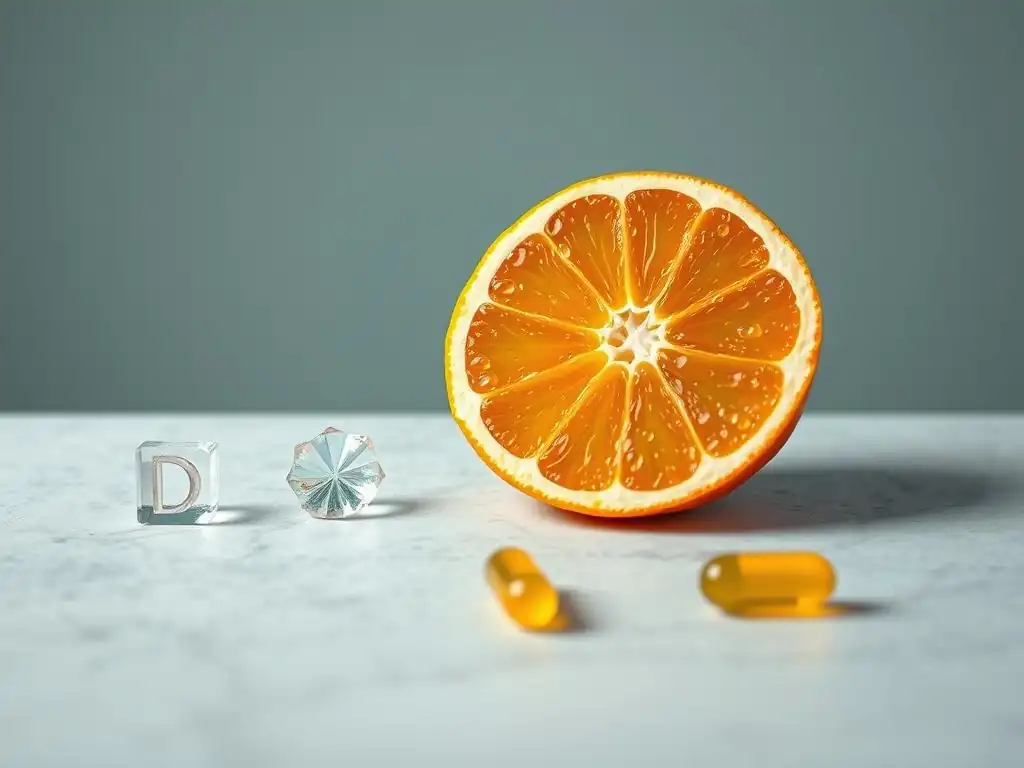
Vitamin D and Serotonin: Sunlight's Impact on Mental Health
Vitamin D, often called the "sunshine vitamin," is synthesized in the skin upon exposure to ultraviolet B (UVB) radiation from sunlight. It's increasingly recognized not just for its role in bone health, but also for its significant impact on brain function and mood. Receptors for Vitamin D are found in various brain regions, including those involved in mood regulation. Research suggests that Vitamin D may influence the synthesis of serotonin by regulating the expression of the enzyme tryptophan hydroxylase 2 (TPH2), which is the rate-limiting enzyme for serotonin synthesis in the brain.
Numerous studies have observed a correlation between low Vitamin D levels and an increased risk of depression and Seasonal Affective Disorder (SAD), a type of depression linked to changes in seasons and reduced sunlight exposure. For instance, one meta-analysis published in the British Journal of Psychiatry involving over 31,000 participants found that people with low Vitamin D levels had a higher risk of depression.
While more research is needed to fully understand the causal link, supplementing with Vitamin D, especially in individuals with diagnosed deficiency or those living in areas with limited sunlight, is a promising strategy to support mood and potentially help serotonin levels improve with vitamins, particularly Vitamin D.
B Vitamins: Essential for Serotonin Synthesis and Neurotransmitter Function
B vitamins are a group of water-soluble vitamins that are absolutely critical for numerous metabolic processes, including the synthesis and function of neurotransmitters like serotonin. Specifically, Vitamin B6 (pyridoxine), Vitamin B9 (folate), and Vitamin B12 (cobalamin) are direct cofactors in the enzymatic steps that convert tryptophan into 5-hydroxytryptophan (5-HTP) and then into serotonin. Without sufficient amounts of these B vitamins, this conversion process slows down, potentially limiting the amount of serotonin that can be produced.
Deficiencies in B vitamins, particularly B12 and folate, have been linked in some studies to an increased risk of depression and cognitive issues. For example, research published in the Journal of Psychopharmacology indicated that individuals with depression often have lower levels of folate and B12.
Supplementation with these vitamins, either individually or as part of a B-complex, has shown promise in some studies as an adjunct therapy for improving mood, particularly in individuals with diagnosed deficiencies. Ensuring adequate intake of B vitamins is therefore a foundational step in supporting the body's capacity for serotonin production, making it clear how serotonin levels improve with vitamins from the B group.
Vitamin C: An Antioxidant Supporting Serotonin Function
Vitamin C, or ascorbic acid, is a powerful antioxidant known for its role in immune function and collagen synthesis. While its direct involvement in serotonin synthesis is less pronounced than that of the B vitamins, Vitamin C plays an important supportive role in overall brain health and neurotransmitter function. As an antioxidant, it helps protect brain cells from oxidative stress and damage caused by free radicals. Chronic oxidative stress has been implicated in the pathology of various neurological and psychiatric disorders, including depression.
Furthermore, Vitamin C is involved in the synthesis of other neurotransmitters, such as norepinephrine, and helps maintain the health of nerve cells, which are crucial for efficient serotonin signaling. It also supports the function of enzymes that may play indirect roles in neurotransmitter metabolism. By protecting brain tissue from damage and supporting the general health of the nervous system, Vitamin C contributes to an environment where neurotransmitter systems, including the serotonin system, can function more effectively. While not a direct precursor, its neuroprotective benefits indirectly contribute to supporting healthy serotonin levels improve with vitamins, including this vital antioxidant.
How to Optimize Vitamin Intake for Serotonin Production: A Practical Guide
Testing for Vitamin Deficiencies: Knowing Where You Stand
Before embarking on a regimen of vitamin supplementation with the goal of improving mood or supporting serotonin production, it is highly recommended to get tested for potential vitamin deficiencies. Blood tests can accurately measure levels of key vitamins like Vitamin D, Vitamin B12, and folate. Knowing your current status provides a personalized starting point and helps determine whether supplementation is necessary and at what dosage. For instance, a Vitamin D level below 20 ng/mL is generally considered deficient, while levels between 20-30 ng/mL are often considered insufficient. Knowing these numbers guides appropriate action.
Consulting with a healthcare professional, such as a doctor or registered dietitian, to interpret test results is crucial. They can help you understand if a deficiency is contributing to any symptoms you are experiencing and recommend the most appropriate course of action, whether through dietary changes or supplements. This targeted approach is more effective and safer than guessing, ensuring that efforts to help serotonin levels improve with vitamins are based on solid information about your body's specific needs.
Diet and Serotonin: Foods Rich in Tryptophan and Other Serotonin Precursors
While vitamins are essential cofactors, the building block for serotonin is the amino acid tryptophan. Therefore, incorporating foods rich in tryptophan into your diet is a fundamental step. Good dietary sources of tryptophan include:
- Turkey and chicken
- Eggs
- Cheese (like cheddar or mozzarella)
- Nuts and seeds (especially pumpkin seeds and sesame seeds)
- Soy products (tofu, soybeans)
- Fish (salmon, tuna)
Interestingly, consuming tryptophan-rich foods alongside carbohydrates can facilitate tryptophan's entry into the brain. Carbohydrates stimulate insulin release, which helps clear other amino acids from the bloodstream, relatively increasing the proportion of tryptophan available to cross the blood-brain barrier. Combining foods like turkey with a small portion of rice or pasta, or having nuts with fruit, can potentially optimize tryptophan availability.
Furthermore, ensuring your diet includes sources of the necessary B vitamins (leafy greens, legumes, whole grains) and Vitamin D (fatty fish, fortified foods) is vital, as these nutrients are needed to convert that dietary tryptophan into functional serotonin. This dietary strategy is foundational for supporting how serotonin levels improve with vitamins and other nutrients.
The Importance of a Holistic Approach: Combining Vitamins with Lifestyle Changes
While vitamins can play a supportive role in serotonin production, it's essential to view them as one piece of a larger puzzle for mental well-being. A holistic approach that combines nutritional support with other lifestyle factors known to influence mood and neurotransmitter function is far more effective than relying on vitamins alone. Key lifestyle elements include:
- Regular Exercise: Physical activity is a powerful mood booster and is known to influence neurotransmitter levels, including serotonin.
- Adequate Sunlight Exposure: Safe sun exposure helps the body produce Vitamin D, which, as discussed, is linked to serotonin synthesis and mood.
- Sufficient Sleep: Quality sleep is crucial for brain health and the proper regulation of neurotransmitter systems. Aim for 7-9 hours per night.
- Stress Management Techniques: Chronic stress can negatively impact brain chemistry. Practices like mindfulness, meditation, or yoga can be beneficial.
- Gut Health: Supporting a healthy gut microbiome through diet (fiber, fermented foods) and potentially probiotics can influence gut-derived serotonin.
By integrating these practices alongside targeted nutritional support, the potential for improving mood and supporting healthy serotonin levels improve with vitamins and a balanced lifestyle is significantly enhanced. This comprehensive strategy addresses multiple factors influencing mental health.
Potential Risks and Considerations When Using Vitamins for Serotonin
Vitamin Interactions and Contraindications: What to Be Aware Of
While vitamins are generally considered safe when taken within recommended dietary allowances (RDAs) or tolerable upper intake levels (ULs), high doses of certain vitamins can interact with medications or be contraindicated in specific health conditions. For instance, high doses of Vitamin B6 have been associated with nerve damage (neuropathy) in some individuals. Vitamin E, often taken for its antioxidant properties, can interact with blood-thinning medications like warfarin, increasing the risk of bleeding.
Individuals taking medications for depression, anxiety, or other health conditions should be particularly cautious and always discuss potential vitamin supplementation with their prescribing doctor or pharmacist. Some vitamins might affect the absorption, metabolism, or effectiveness of medications, or vice versa. For example, certain medications can deplete levels of specific B vitamins. Understanding these potential interactions is vital for safety and ensuring that efforts to support serotonin levels improve with vitamins do not inadvertently cause harm or interfere with necessary treatments.
Dosage and Safety: Consulting with a Healthcare Professional
Determining the appropriate dosage for vitamin supplementation aimed at supporting mood or serotonin production is not a one-size-fits-all matter. Dosage recommendations vary based on age, sex, overall health, dietary intake, and the presence of any diagnosed deficiencies. Taking excessively high doses of fat-soluble vitamins (A, D, E, K) can lead to toxicity because they are stored in the body rather than being excreted. Water-soluble vitamins (B vitamins, C) are generally safer in higher doses as excesses are typically excreted, but even these can cause side effects or interactions.
Therefore, the most prudent approach is to consult with a qualified healthcare professional, such as a physician or a registered dietitian specializing in mental health or integrative nutrition. They can assess your individual needs, review your diet and medical history, recommend appropriate testing, and advise on safe and effective dosages if supplementation is warranted. Relying on professional guidance ensures that you are using vitamins responsibly and effectively to support your mental well-being, helping serotonin levels improve with vitamins safely and appropriately within your overall health plan.
Real-Life Examples: Success Stories of Vitamin Supplementation for Mood Enhancement
Case Study 1: Overcoming Seasonal Affective Disorder with Vitamin D
This case study is illustrative and based on common scenarios observed in clinical practice.
Sarah, a 35-year-old graphic designer living in a region with long, dark winters, consistently experienced a significant dip in her mood, energy levels, and motivation starting in late autumn and lasting until spring. She recognized these symptoms as characteristic of Seasonal Affective Disorder (SAD). During her annual check-up, she mentioned these symptoms to her doctor, who suggested checking her Vitamin D levels, common knowledge linking sunlight exposure, Vitamin D, and SAD. Her blood test revealed a significantly low Vitamin D level, measured at only 18 ng/mL (nanograms per milliliter), well below the commonly accepted sufficiency threshold.
Based on her deficiency and symptoms, her doctor recommended a high-dose Vitamin D supplement (e.g., 5000 IU daily) during the winter months, alongside encouraging her to get outside during daylight hours whenever possible and consider light therapy. After about two months on the Vitamin D supplement, Sarah reported a noticeable improvement in her mood.
She felt more energetic, less withdrawn, and found it easier to focus on her work. While she continued with light therapy, she felt that the Vitamin D supplementation played a crucial role in alleviating the severity of her SAD symptoms that winter, illustrating how serotonin levels improve with vitamins like D, indirectly supporting mood regulation pathways affected by seasonal changes.
Case Study 2: Managing Anxiety with B-Complex Vitamins
This case study is illustrative and based on common scenarios observed in clinical practice.
Mark, a 42-year-old project manager, had been dealing with increasing levels of stress and anxiety over the past year, manifesting as irritability, difficulty concentrating, and persistent worry. He was working with a therapist to manage his stress, but felt his body wasn't coping well. During a nutritional assessment, his dietitian noted that his diet, while generally healthy, was somewhat low in certain B vitamin-rich foods due to dietary restrictions he followed. Given the known role of B vitamins in nervous system function and neurotransmitter synthesis, the dietitian suggested incorporating a high-quality B-complex supplement.
Mark started taking the B-complex daily. After several weeks, he reported feeling less on edge and more resilient to daily stressors. While his anxiety wasn't completely gone, he felt a subtle but significant improvement in his overall sense of calm and his ability to manage anxious thoughts.
He also noted improved energy levels, which helped him engage more consistently in stress-reducing activities like exercise. This experience, combined with his ongoing therapy and dietary adjustments, demonstrated how supporting the body's fundamental needs for B vitamins, essential for processes including serotonin synthesis, can contribute to better stress and anxiety management, highlighting how serotonin levels improve with vitamins that support the nervous system's biochemical processes.
Conclusion: A Balanced Approach to Serotonin and Mental Well-being
The Power of Vitamins in Supporting Serotonin Production and Mood
Understanding the science reveals that while vitamins don't contain serotonin, they are indispensable components in the complex machinery that produces and utilizes this vital neurotransmitter. Vitamins, particularly B6, B9 (folate), B12, and Vitamin D, act as crucial cofactors for the enzymes that convert tryptophan into serotonin and support the health of the nervous system. The gut-brain axis, where the majority of serotonin is made, is also influenced by nutritional status, including vitamin intake. Therefore, ensuring adequate levels of these key vitamins is a scientifically supported strategy to support the body's natural capacity for serotonin production and function.
The evidence suggests that serotonin levels improve with vitamins because vitamins provide the necessary building blocks and support systems for the intricate biochemical pathways involved. Addressing vitamin deficiencies, through diet or targeted supplementation under professional guidance, can be a meaningful component of a comprehensive approach to enhancing mood and supporting mental well-being. It acknowledges the body's physiological needs as foundational to psychological health, offering a tangible way to support brain chemistry.
Commitment to Providing Evidence-Based Information
At Mind Care Guide, we are committed to providing evidence-based information to empower you on your journey towards comprehensive mental well-being. We understand that navigating the world of supplements and mental health can be complex, and it's easy to be swayed by anecdotal claims. Our goal is to present scientifically supported facts, explaining how serotonin levels improve with vitamins by detailing the biological mechanisms and citing relevant research where possible.
We believe that informed decisions are the best decisions when it comes to your health. While we discuss the potential benefits of vitamins, we also emphasize the importance of a holistic approach that includes lifestyle changes, professional support, and addressing underlying health conditions. Always consult with qualified healthcare providers before making significant changes to your diet, starting new supplements, or altering your treatment plan for any mental health condition. Your well-being is our priority, and providing reliable, empathetic, and accurate information is central to our mission.
Frequently Asked Questions
How can vitamins influence serotonin levels, and why is this important for mental well-being?
Vitamins act as cofactors in the synthesis of serotonin. This is crucial because serotonin plays a vital role in regulating mood, sleep, and appetite, all contributing to mental well-being. Low levels can lead to issues like depression.
Which specific vitamins are most effective in supporting serotonin production?
Vitamin D, B vitamins (especially B6, B9, and B12), and Vitamin C are particularly important. They directly participate in the biochemical pathways involved in synthesizing serotonin from tryptophan, an amino acid.
What other lifestyle factors, besides vitamin intake, can impact serotonin levels?
Besides vitamins, dietary tryptophan, exercise, and exposure to sunlight are significant. Managing stress through techniques like mindfulness and meditation can also positively impact serotonin levels.
How long does it typically take to notice an improvement in mood after starting vitamin supplementation for serotonin enhancement?
The timeframe varies based on individual factors, but generally, it can take several weeks to a few months to see noticeable improvements. It's crucial to be patient and consistent with the supplementation and lifestyle changes.
Are there any potential risks or side effects associated with taking vitamins to boost serotonin levels?
While generally safe, excessive intake of certain vitamins can lead to adverse effects. It's essential to consult with a healthcare professional before starting any new supplement regimen to determine the appropriate dosage and avoid potential interactions with medications.
Final Reflection: Unlocking the Serotonin Secret: Vitamins and Your Well-being
The connection between vitamins and serotonin levels is not merely a scientific curiosity; it's a vital key to understanding and improving our mental and emotional health. This article has explored the intricate relationship between essential vitamins and the production of serotonin, a neurotransmitter crucial for mood regulation, sleep, and overall well-being. The implications are profound, offering a potentially accessible pathway to better mental health for many.
The ongoing research into the impact of nutrition on neurotransmitter function is transformative. It challenges the simplistic view of mental health issues and opens doors to preventative and complementary approaches. We are increasingly recognizing the profound interconnectedness of our physical and mental states, a concept beautifully summarized by Hippocrates: Let food be thy medicine and medicine be thy food.
This ancient wisdom resonates deeply with the modern scientific understanding of the vital role nutrition plays in supporting our brain chemistry and, consequently, our emotional landscape.
Now, consider your own well-being. What steps can you take today to nourish your brain and support your serotonin production? Are you incorporating sufficient B vitamins, vitamin D, and other essential nutrients into your diet? This isn't about quick fixes or miracle cures; it's about making informed choices to support your holistic health. Take the time to reflect on your lifestyle, your diet, and your mental well-being. The journey to a happier, healthier you begins with a single, conscious step towards better nutrition.
Unlock Your Mood's Potential: Boost Your Serotonin Naturally
Thanks for taking the time to explore the fascinating connection between vitamins and serotonin! You've now learned how powerful even small dietary changes can be. Ready to put this knowledge into practice?
- Prioritize serotonin-boosting foods: Start incorporating foods rich in tryptophan (like turkey and eggs) and B vitamins (like leafy greens and bananas) into your daily diet. This is the most impactful step you can take today.
- Share this knowledge with friends and family: Let's spread the word about the natural ways to support mood and well-being! Start a conversation – you might be surprised by how many people would benefit from this information.
- Explore Mind Care Guide's resources: Dive deeper into the science of mood enhancement by exploring more articles and resources on our site.
What simple change will you make this week to boost your serotonin naturally?