
Unlock PainFree Practice: Ranking the Best Meditation Cushions & Chairs

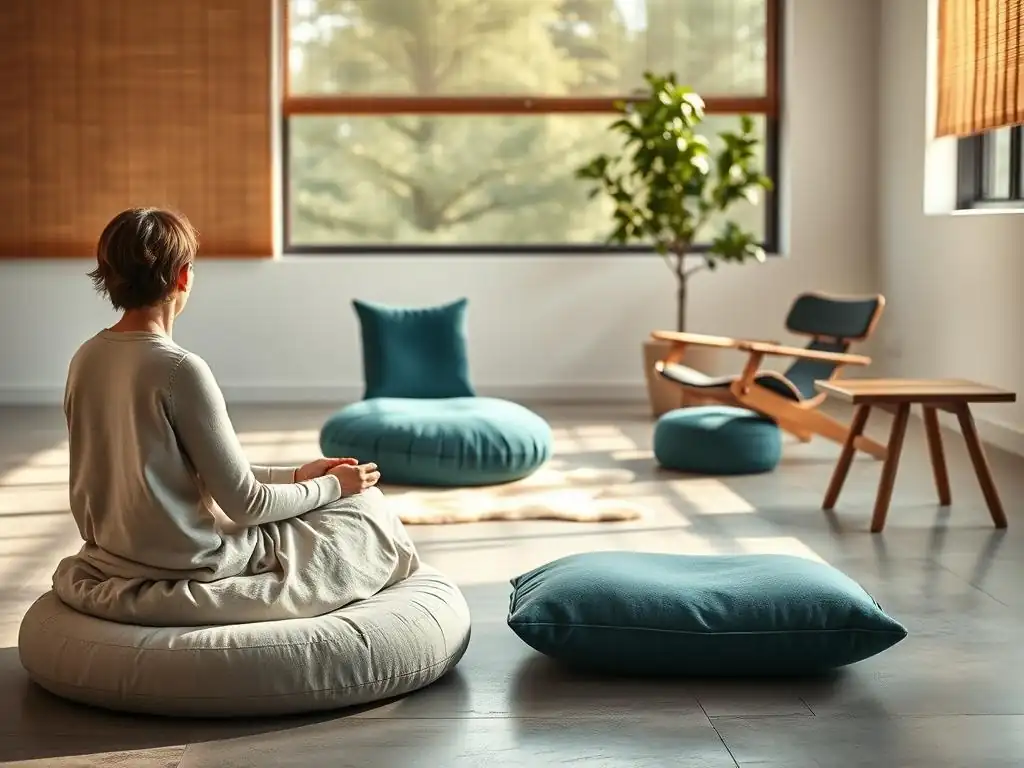
Welcome to Mind Care Guide, a space dedicated to nurturing your mental well-being.
Are you seeking a more comfortable and supportive meditation practice? Back pain shouldn't be a barrier to inner peace. Our guide on meditation cushions for back pain explores how the right support can transform your experience. Discover the best options to unlock pain-free practice and deepen your mindfulness journey. Curious to learn more?
Unlock PainFree Practice: Ranking the Best Meditation Cushions & Chairs
- Finding the Right Meditation Cushion for Back Pain Relief
- Top Meditation Cushions and Chairs for Back Support: Our Expert Picks
- Comparing Meditation Cushions and Chairs: Which is Right for You?
- Choosing the Best Meditation Cushion for Lower Back Pain: Key Considerations
- Beyond the Cushion: Optimizing Your Meditation Posture for Back Pain
- Conclusion: Invest in Your Comfort and Transform Your Meditation Practice
-
Frequently Asked Questions
- What are the benefits of using meditation cushions for back pain, according to Mind Care Guide?
- What features should I look for when choosing a meditation cushion specifically for back pain relief?
- Can meditation chairs be a better option than cushions for individuals with severe back pain?
- Does Mind Care Guide recommend specific types of meditation cushions or chairs for different types of back pain?
- How does using a meditation cushion contribute to overall mental well-being, as highlighted by Mind Care Guide?
- Final Reflection: Finding Your Comfortable Path to Inner Peace
- Unwind Your Practice: Find Your Perfect Meditation Seat
Finding the Right Meditation Cushion for Back Pain Relief
The Importance of Proper Support for Comfortable Meditation
Meditating can be a deeply rewarding practice, offering peace and clarity in a busy world. However, for many, the physical discomfort of sitting, particularly back pain, can become a significant barrier. Without adequate support, the spine can round, putting undue pressure on the lower back muscles and discs. This discomfort not only distracts from the meditative state but can also discourage consistent practice altogether. Investing in the right meditation cushions or chairs specifically designed to promote healthy posture is crucial for transforming a potentially painful experience into one of ease and focus.
Proper support from a well-chosen meditation cushion for back pain helps maintain the natural curve of the spine. This alignment distributes weight more evenly across the sit bones, reducing strain on the vertebral column. When the body is comfortably supported, the mind is freer to settle and engage in the present moment.
Studies on sedentary postures indicate that even slight deviations from ideal alignment can increase pressure on spinal discs by significant amounts over time; while specific data for meditation postures varies, the principle remains: sustained poor posture leads to pain. Finding the right meditation cushion or chair addresses this fundamental need, allowing practitioners to extend their meditation sessions without the constant interruption of physical discomfort.
Why Posture Matters: Alleviating Back Pain During Meditation
Maintaining correct posture during meditation is paramount for preventing and alleviating back pain. The goal is often to achieve a stable, upright, yet relaxed seated position. When sitting directly on a hard floor or an inadequate cushion, the pelvis tends to tilt backward, causing the lower back to round (kyphosis).
This slumped position compresses the spine and strains the muscles that are trying to hold you upright, leading to stiffness, aching, and pain, especially in the lumbar region. Proper posture, supported by the right cushion or chair, ensures the pelvis is tilted slightly forward, allowing the spine to maintain its natural 'S' curve.
An upright posture, facilitated by a suitable meditation cushion for lower back pain, not only reduces immediate physical discomfort but also improves breathing and energy flow. When the chest is open and the spine is aligned, the diaphragm can move more freely, deepening respiration. This improved oxygenation can enhance focus and relaxation during meditation.
Furthermore, consistently practicing with good posture trains the body's core muscles to support the spine more effectively, which can translate to reduced back pain even outside of meditation. While individual body types and conditions vary, aiming for a posture where the ears are aligned over the shoulders and the shoulders over the hips is a general guideline, and the right support is key to achieving this comfortably.
Top Meditation Cushions and Chairs for Back Support: Our Expert Picks
1. The Zafu Cushion: A Classic for Pain Relief
The Zafu is perhaps the most iconic meditation cushion, traditionally round and pleated, filled with supportive materials like buckwheat hulls or kapok. Its primary function is to elevate the hips above the knees, allowing the pelvis to tilt forward naturally and encouraging the spine to lengthen into its optimal alignment. This elevation is particularly beneficial for individuals with tight hips or hamstrings who struggle to sit comfortably cross-legged on a flat surface without rounding their lower back. A typical Zafu might be around 14-16 inches in diameter and 4-7 inches in height, though variations exist.
The firm yet yielding support of a Zafu filled with buckwheat hulls conforms to the shape of the sitter while providing stable elevation. This helps distribute weight evenly across the sit bones, preventing pressure points that can lead to numbness or discomfort during longer sits.
For many users, the simple act of raising the hips a few inches can dramatically reduce the strain on the lower back, making it an excellent meditation cushion for back pain relief. While its traditional round shape is common, some Zafus are slightly crescent-shaped or have different heights to accommodate various body types and flexibility levels, all aiming to achieve that crucial hip elevation for spinal alignment.
Features of the Zafu Meditation Cushion
Zafu cushions are typically filled with either buckwheat hulls or kapok. Buckwheat hulls are small, firm, and allow air circulation, conforming to the sitter's shape and providing stable, adjustable support; you can often add or remove hulls to customize firmness and height. Kapok, a fluffy cotton-like fiber, offers a softer, lighter feel that provides cushioning while still offering some elevation. Most Zafus have a durable cotton or canvas cover, often with a handle for easy transport and sometimes a zipper for adjusting the filling or washing the cover.
The standard pleated design isn't just aesthetic; the pleats help the cushion maintain its shape and structure under pressure. Sizes vary, but a common dimension is around 15 inches in diameter and 5 inches high, suitable for average height individuals with moderate flexibility. Taller individuals or those with less hip flexibility might prefer a taller Zafu, perhaps 6 or 7 inches high, to achieve adequate hip elevation. The choice between buckwheat and kapok often comes down to personal preference for firmness and weight, both types offering distinct benefits for creating a comfortable and supportive meditation posture.
Benefits for Lower Back Pain
The primary benefit of using a Zafu as a meditation cushion for lower back pain is its ability to facilitate the forward tilt of the pelvis. By raising the hips, the knees drop below the hips, which naturally encourages the lumbar spine to maintain its gentle inward curve rather than rounding outwards. This proper pelvic alignment is foundational for a healthy spine and significantly reduces strain on the lower back muscles and discs. Many users report a noticeable decrease in lumbar discomfort and stiffness after switching from sitting on a flat surface to using a Zafu.
Furthermore, the firm support of a buckwheat-filled Zafu helps maintain this alignment throughout the meditation session. Unlike soft pillows that might collapse over time, a quality Zafu provides consistent elevation and stability. This stability allows the back muscles to relax rather than constantly work to hold the spine upright, further alleviating pain. For individuals practicing seated meditation regularly, a Zafu can be a simple yet highly effective tool for creating a sustainable, pain-free practice, directly addressing one of the most common physical obstacles to comfortable meditation.
2. The Crescent Cushion: Ergonomic Support for Hip Alignment
Crescent-shaped meditation cushions, often called Zafus as well due to their function, offer a slight variation on the classic round design, specifically tailored to provide more space for the heels and ankles when sitting cross-legged. Their curved shape fits neatly against the body, offering stable support under the sit bones while the open front allows the legs to tuck in closer to the body.
This design is particularly helpful for those with tight hips or limited ankle flexibility who find a traditional round Zafu puts too much pressure on their feet or makes it difficult to bring their legs in comfortably.
Like round Zafus, crescent cushions elevate the hips to promote proper spinal alignment, making them excellent meditation cushions for back pain. The ergonomic curve often feels more natural for certain sitting positions, such as Burmese style (one foot in front of the other) or even a modified cross-legged position. They typically come in similar materials (buckwheat or kapok) and heights as round Zafus, offering comparable support and firmness. The choice between a round and a crescent cushion often comes down to personal preference for how the legs and feet are accommodated.
How Crescent Cushions Promote Natural Spine Curvature
The key to how crescent cushions aid in promoting natural spine curvature lies in their shape and the space they create for the legs. By allowing the heels and ankles to sit closer to the body or in a more relaxed position in front of the cushion, the hips can often relax more fully.
This relaxation, combined with the elevation provided by the cushion's height (typically 5-7 inches), facilitates the forward tilt of the pelvis. When the pelvis is correctly aligned, the lumbar spine is naturally encouraged to maintain its healthy lordotic curve (the gentle inward curve), preventing the back from rounding.
This supported, upright posture reduces the strain on the muscles and ligaments in the lower back that are often overworked when trying to maintain an erect posture without adequate support. The ergonomic cut-out of the crescent cushion often feels more secure and stable under the sit bones for some individuals, further contributing to a feeling of groundedness and stability during meditation. By effectively addressing hip flexibility and leg positioning, crescent cushions make it easier to achieve and sustain the pelvic tilt necessary for a naturally aligned and pain-free spine during meditation.
Advantages for Preventing Numbness and Improving Circulation
Beyond promoting healthy spinal alignment, crescent cushions offer distinct advantages in preventing numbness and improving circulation in the legs and ankles during extended meditation sessions. The open front design provides ample space for the feet, reducing the pressure that a round cushion might place on the ankles or tops of the feet when sitting cross-legged or in Burmese style. This decreased pressure helps maintain healthy blood flow to the lower extremities.
Numbness (paresthesia) and the pins-and-needles sensation are often caused by compression of nerves or reduced blood flow due to sustained pressure or awkward positioning. By allowing the legs and feet to be positioned more comfortably and naturally, the crescent cushion minimizes these pressure points. Users often report being able to sit for longer periods without experiencing discomfort or the need to constantly shift position to restore circulation. This enhanced comfort and reduced distraction make the crescent cushion an excellent option for those seeking a meditation cushion for back pain that also addresses peripheral discomfort.
3. The Meditation Chair with Back Support: Seated Comfort Reimagined
For individuals who find sitting on the floor, even with a cushion, challenging due to limited mobility, joint issues, or chronic back pain, a meditation chair with back support offers a revolutionary alternative. These chairs provide the elevation and support needed for meditation posture while incorporating a backrest to relieve pressure on the spine. They range from simple floor chairs with low back support to more elaborate folding chairs with padded seats and adjustable backrests. The key feature is the integrated back support, which allows the practitioner to relax their back muscles without compromising upright posture.
Meditation chairs are particularly beneficial for longer meditation sessions, retreats, or for individuals with conditions like sciatica, degenerative disc disease, or severe lumbar stenosis, where maintaining an unsupported upright posture on the floor is painful or impossible. They allow individuals who might otherwise be excluded from seated meditation to participate comfortably. While they might differ from traditional floor seating, their purpose remains the same: to provide a stable, supportive, and comfortable base for mindful practice, making them a highly effective tool for those needing substantial meditation chair for back pain relief.
Ergonomic Design and Adjustable Features
Meditation chairs with back support are designed with ergonomics in mind, aiming to support the natural curves of the spine while allowing for an upright, alert posture. Many models feature a slightly angled seat that encourages a forward pelvic tilt, similar to the function of a cushion. The backrest is often angled or contoured to support the lumbar curve, preventing slouching and reducing strain on the lower back. Some chairs offer adjustable features, such as varying backrest angles or different seat heights, allowing users to customize the support to their specific needs and body type.
Materials typically include a sturdy frame (often metal or wood), a padded seat for comfort, and a fabric or mesh cover. The padding in the seat is crucial – too soft, and the pelvis can sink and lose its alignment; too firm, and it can create pressure points. A balance of support and cushioning is ideal. The adjustability found in some models allows users to fine-tune the chair's configuration, which is a significant advantage for individuals with specific pain points or varying comfort needs, making these chairs a versatile option for managing back pain during meditation.
Ideal for Longer Meditation Sessions and Chronic Back Pain
Meditation chairs with back support are especially well-suited for individuals engaging in longer meditation sessions, such as those lasting 30 minutes or more, or for practitioners on retreat. Maintaining an unsupported upright posture for extended periods can be exhausting, even with excellent core strength. The backrest provides necessary support, allowing the back muscles to relax and preventing fatigue-induced slouching, which can lead to increased pain. This sustained comfort enables deeper immersion in the practice without physical distraction.
For individuals suffering from chronic back pain conditions, including but not limited to chronic lumbar strain, herniated discs, or facet joint pain, a meditation chair can be transformative. It provides the stability and spinal offloading that floor cushions simply cannot offer.
By supporting the weight of the upper body, the chair significantly reduces the load on the lumbar spine, alleviating pressure and pain. While not a substitute for medical treatment, using a meditation chair with back support can make consistent meditation practice accessible and comfortable for those who might otherwise find it too painful, truly acting as a meditation chair for back pain relief.
4. The Zabuton Mat: Cushioning for Your Knees and Ankles
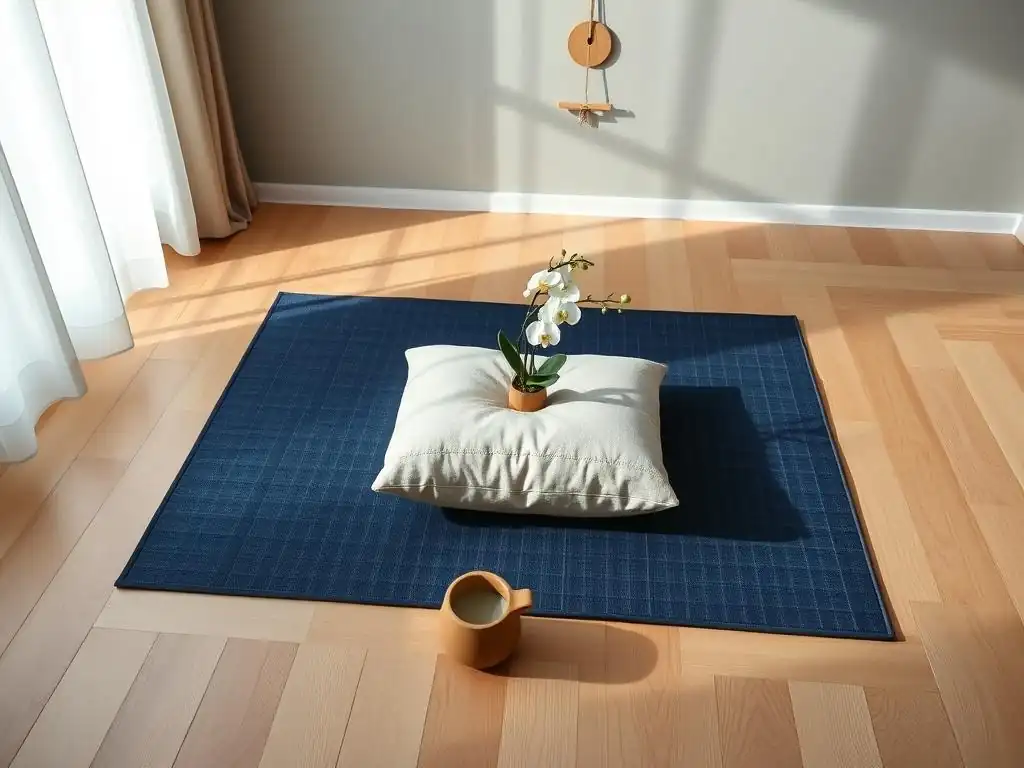
A Zabuton is a large, flat, padded mat designed to be placed underneath a meditation cushion, such as a Zafu or crescent cushion. While it doesn't directly support the back, it plays a crucial role in overall meditation comfort, particularly for floor sitters. The primary purpose of a Zabuton is to provide cushioning for the knees, ankles, and feet, which can experience significant pressure when resting on a hard floor for extended periods, especially when sitting cross-legged or in kneeling postures.
Typically filled with cotton batting or foam, Zabutons are thick enough (often 2-4 inches) to absorb pressure and insulate from cold floors. While not a meditation cushion for back pain itself, a Zabuton enhances the effectiveness of the cushion placed on top by eliminating discomfort in the lower body. By ensuring the knees and ankles are comfortable, the practitioner is less likely to shift position due to peripheral pain, allowing them to maintain the proper spinal alignment facilitated by their primary cushion for longer durations.
How Zabuton Mats Complement Meditation Cushions
Zabuton mats work in synergy with meditation cushions like Zafus or crescent cushions to create a complete, comfortable meditation seating system. The cushion elevates the hips and aligns the spine, addressing the back pain component, while the Zabuton provides a soft landing for the lower legs and feet. When sitting cross-legged on a Zafu, the knees often rest on the floor; without a Zabuton, this can become painful quickly, leading to distraction and the need to reposition, which can disrupt the carefully established spinal alignment.
By cushioning the knees and ankles, the Zabuton allows the practitioner to settle into their chosen seated posture more fully and remain there comfortably. This stability in the lower body helps the upper body stay relaxed yet upright, supporting the work of the meditation cushion in maintaining good posture. For example, someone using a Zafu for lower back pain relief will find that the Zafu's benefits are maximized when knee and ankle discomfort, addressed by a Zabuton, are no longer a distraction. Together, they create a supportive foundation that promotes both physical comfort and mental focus.
Reducing Pressure on Knees and Ankles to Enhance Comfort
The most significant benefit of a Zabuton is its effectiveness in reducing pressure points on the knees and ankles. When sitting for meditation, especially in postures like Burmese style or Seiza (kneeling), direct contact with a hard floor can put considerable stress on these joints and the surrounding tissues. A Zabuton's thick padding distributes this pressure more evenly and provides a buffer between the body and the hard surface.
This reduction in pressure prevents discomfort, pain, and potential numbness in the lower legs and feet. By eliminating these peripheral distractions, the Zabuton allows the practitioner to focus their attention inward, on their breath or meditation object, rather than being preoccupied with physical discomfort. While it doesn't directly function as a meditation cushion for back pain, its contribution to overall seated comfort is invaluable, allowing the practitioner to maintain the stable, upright posture necessary for back health during longer meditation sessions.
5. The Kneeling Bench: An Alternative Seating Option
A meditation kneeling bench, also known as a Seiza bench, offers an alternative to cushion seating, particularly for those who prefer or find comfort in the kneeling (Seiza) position. Instead of sitting directly on the heels, the bench elevates the torso, allowing the legs to tuck underneath while supporting the weight through the bench's legs. This position can be beneficial for spinal alignment, as it naturally encourages an upright posture with a slight forward tilt of the pelvis.
Kneeling benches are often made of wood or bamboo and can be fixed or foldable. Some have flat tops, while others are angled to further promote pelvic tilt. The height of the bench is critical – it needs to be tall enough to prevent the sitter's bottom from resting on their heels, which can cause significant ankle pressure. While not a traditional meditation cushion for back pain, the kneeling bench's design inherently supports an upright spine, distributing weight through the knees and shins resting on the floor (ideally on a Zabuton for padding).
Benefits of Sitting in Seiza Position with a Bench
Sitting in the Seiza position using a meditation bench offers several potential benefits for those seeking comfortable meditation seating. For many, this posture naturally encourages a straight spine with minimal effort. The elevation provided by the bench allows gravity to assist in maintaining an upright torso, reducing the muscular effort required compared to unsupported cross-legged sitting. This can be particularly helpful for individuals with weak core muscles or those who tend to slouch.
The Seiza position with a bench can also be beneficial for hip flexibility, as it doesn't require the deep external rotation needed for full lotus or even Burmese style. For some, this position feels more stable and grounded. While it puts weight on the knees and shins (hence the need for a Zabuton underneath), the distribution of weight can feel more balanced for certain body types. This natural alignment and reduced strain on the lower back make the kneeling bench a viable alternative for managing back pain during meditation.
Reducing Strain on Hips and Ankles
A key advantage of using a kneeling bench is its ability to significantly reduce strain on the hips and ankles compared to sitting directly on the heels in Seiza or struggling with tight hips in cross-legged positions. The bench bears the weight of the torso, taking pressure off the ankle joints that would otherwise be compressed under the sitter's weight. This is a major relief for individuals with ankle stiffness, pain, or conditions like plantar fasciitis.
Furthermore, while Seiza does require some knee flexibility, it generally demands less internal and external hip rotation than cross-legged postures. For individuals with tight hip flexors or limited range of motion in the hips, the kneeling bench allows for comfortable sitting without forcing the hips into potentially painful positions. When combined with a Zabuton, the kneeling bench provides a stable, supportive, and comfortable alternative meditation seating arrangement that can effectively address discomfort in the hips and ankles, allowing practitioners to focus on back health and mindfulness.
Comparing Meditation Cushions and Chairs: Which is Right for You?
Zafu vs. Chair: Assessing Your Needs and Preferences
Deciding between a traditional Zafu cushion and a meditation chair with back support depends heavily on your individual physical needs, flexibility levels, and the nature of your back pain. A Zafu is an excellent choice for individuals who have moderate flexibility and can comfortably sit on the floor but need help achieving proper spinal alignment by elevating their hips. They are portable, versatile, and encourage active engagement of core muscles to maintain posture, offering effective meditation cushion for back pain relief for many.
On the other hand, a meditation chair is often the better option for those with significant physical limitations, chronic or severe back pain, joint issues, or limited mobility that makes sitting on the floor difficult or impossible. Chairs provide substantial back support, allowing for longer periods of comfortable sitting without relying solely on muscular strength.
If your back pain is severe or if you require significant spinal offloading, a meditation chair is likely to provide more sustained relief and make consistent practice accessible. Consider your current physical condition and how much support you realistically need to sit comfortably for your desired meditation duration.
Crescent vs. Kneeling Bench: Considering Your Flexibility and Pain Levels
The choice between a crescent cushion and a kneeling bench often comes down to preferred sitting posture and specific areas of discomfort. A crescent cushion is ideal for those who prefer sitting cross-legged (Burmese, half-lotus, or full lotus) but need better hip alignment and comfort for their feet and ankles than a round Zafu provides. It's a variation on the classic cushion designed to optimize comfort in these postures, offering a good meditation cushion for back pain while also addressing lower limb pressure points.
A kneeling bench is best suited for individuals who find the Seiza (kneeling) position comfortable or preferable to cross-legged sitting. It's particularly helpful for those who struggle with hip flexibility or find that cross-legged sitting puts too much strain on their knees or ankles, even with a Zabuton. The bench takes the weight off the ankles and promotes a naturally upright spine through elevation. Consider which position feels more natural or less strenuous for your body, and which addresses your specific points of discomfort (hips vs. knees/ankles) when choosing between these two supportive meditation seating options.
Choosing the Best Meditation Cushion for Lower Back Pain: Key Considerations
Support Level: Finding the Right Firmness for Your Body
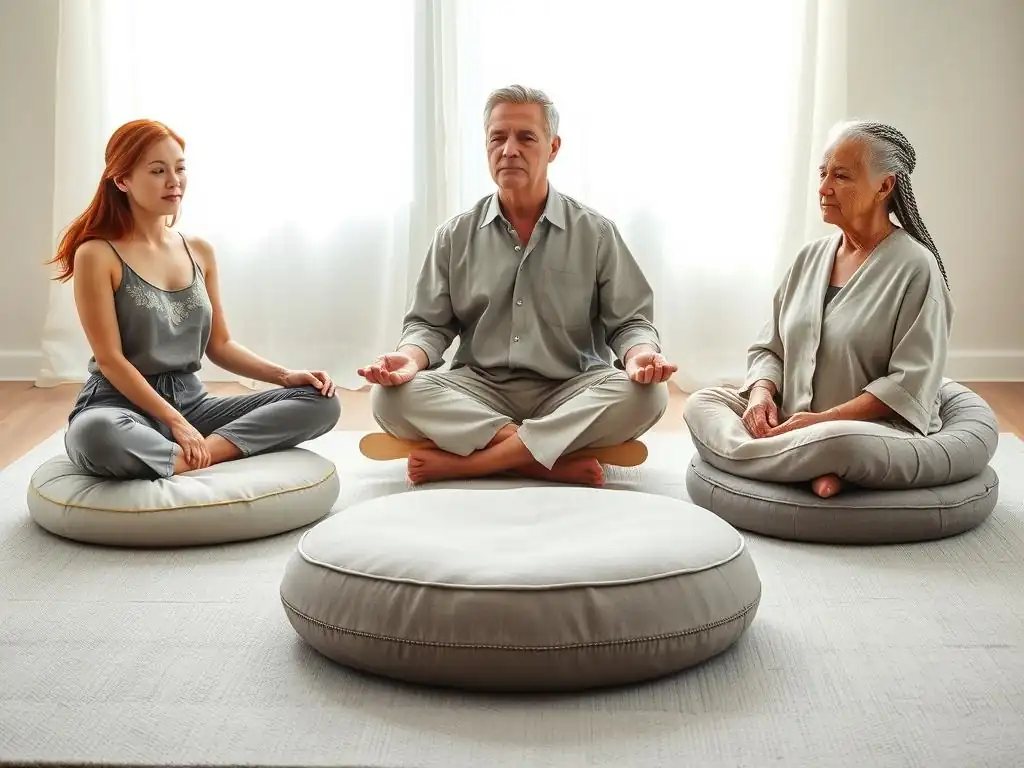
The level of support a meditation cushion provides is paramount when seeking relief from lower back pain. The cushion needs to be firm enough to maintain its shape and height under your weight, providing stable elevation for your hips. A cushion that is too soft will collapse, negating the benefits of hip elevation and allowing the pelvis to tilt backward, leading to slouching and increased lumbar strain. Materials like buckwheat hulls offer excellent, adjustable firmness, conforming to your shape while providing solid support.
Conversely, while firmness is key, the cushion shouldn't be so hard that it creates uncomfortable pressure points on your sit bones. There's a balance to be struck – sufficient firmness for elevation and stability, but with enough give to be comfortable for extended periods. For meditation chairs, the padding in the seat and the structure of the backrest determine the support level.
Look for chairs with dense foam padding that supports the sit bones without compressing too much, and a backrest that encourages the natural curve of the lower back. Testing different firmness levels or reading reviews that comment on support can be helpful in finding the best meditation cushion for lower back pain for your specific needs.
Material Matters: Breathability and Durability
The material of your meditation cushion affects not only its support and comfort but also its durability and breathability. Natural fillings like buckwheat hulls and kapok are popular for cushions. Buckwheat hulls are highly breathable, allowing air to circulate, which is beneficial during longer sits as it prevents heat buildup. They are also very durable and can last for many years, maintaining their supportive qualities. Kapok is softer and lighter, offering good cushioning but less firm support than buckwheat.
For cushion and chair covers, durable fabrics like cotton canvas or sturdy upholstery fabrics are common. These materials should be able to withstand regular use and ideally be removable and washable for hygiene. Some chairs might use mesh fabric for the backrest, which offers excellent breathability. Considering the material ensures your meditation cushion for back pain is not only supportive and comfortable but also long-lasting and easy to maintain, contributing to a more pleasant and sustainable practice environment.
Size and Shape: Ensuring a Comfortable Fit
The size and shape of your meditation cushion or chair should be appropriate for your body size, height, and flexibility. As discussed, Zafus and crescent cushions come in various heights (typically 4-7 inches). Taller individuals or those with less hip flexibility generally benefit from a taller cushion to achieve adequate hip elevation and knee-to-hip alignment. The diameter or width of the cushion should also be sufficient to comfortably support your sit bones.
For meditation chairs, consider the seat height, width, and the height and angle of the backrest. Ensure the seat is wide enough to sit comfortably without feeling constrained. The backrest should support your lumbar curve effectively when you are sitting upright. If choosing a kneeling bench, ensure the height is sufficient to take pressure off your ankles. Finding the right size and shape is crucial for maximizing comfort and support, ensuring that your meditation cushion for lower back pain fits your body well and facilitates proper posture without strain.
Budget: Balancing Quality and Affordability
Meditation cushions and chairs are available across a wide price range, from basic, affordable cushions to high-end ergonomic chairs. While it's important to consider your budget, remember that investing in a quality meditation cushion for back pain is an investment in your physical comfort and the consistency of your meditation practice. Cheap, poorly made cushions may not provide adequate support or durability, potentially leading to continued discomfort and the need for replacement.
Look for products made with high-quality materials (like organic buckwheat hulls and durable cotton covers) and solid construction. Sometimes, a slightly higher upfront cost for a well-regarded cushion or chair can save you money and discomfort in the long run. Read reviews to gauge user satisfaction regarding support and durability. Balance the desire for affordability with the need for a product that will genuinely address your back pain and support your practice effectively. There are many excellent options available at mid-range price points that offer a good balance of quality and value.
Beyond the Cushion: Optimizing Your Meditation Posture for Back Pain
Gentle Stretching Exercises Before Meditation
While finding the right meditation cushion for back pain is a critical step, incorporating gentle stretching exercises before you sit can further enhance comfort and flexibility. Tightness in the hips, hamstrings, and lower back muscles can make any seated position challenging. Simple stretches like hip openers (e.g., butterfly pose, pigeon pose modifications), hamstring stretches (e.g., seated forward fold with bent knees), and gentle spinal twists can help release tension and improve your range of motion.
Dedicate 5-10 minutes before your meditation session to these gentle movements. This can prepare your body for sitting, making it easier to find and maintain a comfortable, upright posture on your chosen cushion or chair. By increasing flexibility and reducing stiffness, you reduce the strain on your spine and supporting muscles, allowing your meditation cushion for lower back pain to function even more effectively. Listen to your body and avoid pushing into pain; the goal is gentle preparation, not strenuous exercise.
Proper Alignment: Engaging Your Core Muscles
Even with the best meditation cushion for back pain, conscious attention to proper alignment and engaging your core muscles is essential for sustained comfort. Once seated on your cushion or chair, feel your sit bones grounding down. Imagine a string pulling you gently upwards from the crown of your head, lengthening your spine. Allow your shoulders to relax down and back, opening the chest. The natural curve of your lower back should be present but not exaggerated.
Engaging your deep core muscles – the transverse abdominis and pelvic floor – provides internal support for your spine. This doesn't mean tensing your abdomen; rather, it's a gentle activation that creates a sense of internal stability. Think of drawing your navel slightly towards your spine and lifting gently through the pelvic floor. This subtle engagement helps maintain your upright posture with less effort from superficial back muscles, further reducing strain and complementing the support provided by your meditation cushion or chair.
Creating a Supportive Meditation Space
Your meditation space itself can contribute to your comfort and ability to manage back pain. Choose a quiet spot where you won't be easily disturbed. Ensure the floor is clean and level if you are using floor cushions. Consider the temperature of the room – being too cold can cause muscles to tense up, exacerbating stiffness and pain. Using a Zabuton provides insulation from cold floors, adding another layer of comfort.
Ensure you have enough space to stretch or adjust if needed without bumping into furniture. The visual environment can also impact your state of mind; a calm, uncluttered space can make it easier to settle. By creating a dedicated and supportive physical environment, you remove potential external distractions and discomforts, allowing you to fully utilize the benefits of your meditation cushion for back pain and focus on your practice.
Conclusion: Invest in Your Comfort and Transform Your Meditation Practice
Finding the Perfect Meditation Cushion or Chair for Pain-Free Mindfulness
Embarking on or maintaining a consistent meditation practice should be a source of peace, not pain. For many, finding the right meditation cushion for back pain is the key to unlocking comfortable and sustainable mindfulness. Whether it's the classic hip-elevating support of a Zafu, the ergonomic design of a crescent cushion, the comprehensive back support of a meditation chair, or the cushioning comfort of a Zabuton or kneeling bench, there are numerous options designed to address the physical challenges of seated meditation.
Identifying the best meditation cushion for lower back pain involves understanding your body's specific needs, flexibility levels, and the nature of your discomfort. Consider the support level, material, size, shape, and your budget. Don't hesitate to explore different types or materials to find what feels most comfortable and supportive for you. A well-chosen cushion or chair, combined with mindful posture and gentle preparation, can make a profound difference in your ability to sit comfortably for extended periods.
Start Your Journey to Comfortable and Effective Meditation Today
Physical discomfort, particularly back pain, can be a significant obstacle to a consistent and fulfilling meditation practice. However, with the range of supportive meditation cushions and chairs available today, pain-free meditation is an achievable goal for most people. Investing in the right seating solution is an investment in your well-being and your commitment to mindfulness.
By providing proper support, these tools allow you to maintain a healthy spinal alignment, reduce strain on your back muscles, and minimize pressure points. This physical ease frees your mind from distraction, allowing for deeper concentration and a more profound meditative experience. Don't let back pain hold you back. Explore the options, find the meditation cushion or chair that best suits your needs, and take the first step towards a more comfortable, consistent, and effective meditation practice today. Your body and your mind will thank you.
Frequently Asked Questions
What are the benefits of using meditation cushions for back pain, according to Mind Care Guide?
Meditation cushions promote proper posture and spinal alignment, reducing strain and discomfort in the back during extended periods of sitting. They also encourage mindfulness and focus.
What features should I look for when choosing a meditation cushion specifically for back pain relief?
Consider cushions with adequate height to support your hips, ergonomic design for spinal support, and durable materials that won't flatten over time. Also, check for adjustable support.
Can meditation chairs be a better option than cushions for individuals with severe back pain?
Yes, meditation chairs often provide more substantial back support and are easier to get in and out of for those with limited mobility or significant pain. They can offer greater comfort as well.
Does Mind Care Guide recommend specific types of meditation cushions or chairs for different types of back pain?
While specific recommendations vary, the guide emphasizes understanding the root cause of your back pain and choosing a cushion or chair that addresses those specific needs. Consulting with a physical therapist is also advised.
How does using a meditation cushion contribute to overall mental well-being, as highlighted by Mind Care Guide?
By alleviating physical discomfort like back pain, meditation cushions facilitate deeper relaxation and improved focus during meditation, fostering a stronger sense of inner peace and reducing stress.
Final Reflection: Finding Your Comfortable Path to Inner Peace
The pursuit of mindfulness shouldn't be a painful one. The right meditation posture is crucial, and choosing the appropriate cushion or chair can be the difference between a frustrating session and a truly transformative experience. This article highlighted the critical link between physical comfort and mental well-being during meditation, a connection often overlooked in the quest for spiritual growth.
The impact of proper posture on meditation practice extends far beyond mere physical comfort; it shapes our entire experience. It influences our ability to focus, to breathe deeply, and to cultivate that essential sense of calm. As Thich Nhat Hanh wisely said, If you just sit quietly and allow yourself to be, you will see that you are not separate from the universe.
Finding the right support allows us to fully embody this unity, free from the distractions of physical discomfort. The journey to inner peace begins with a foundation of physical ease, and the choices we make in selecting our meditation tools directly impact this foundation.
Now, consider your own practice. What adjustments can you make to enhance your comfort and deepen your meditation? Perhaps it's time to invest in a new cushion, explore different seating positions, or simply pay closer attention to your body's needs during your sessions. Remember, the path to mindfulness is a personal one, and finding the right tools is a crucial step in making that journey both peaceful and sustainable. Embrace the opportunity to create a truly supportive and comfortable space for your inner peace to flourish.
Unwind Your Practice: Find Your Perfect Meditation Seat
Thanks for joining us on this journey to discover the perfect meditation cushion or chair! We hope you gained valuable insights into finding the right support for your practice. Now it's time to transform your comfort and deepen your meditation.
- Prioritize your posture: Take a moment to reflect on your current seating during meditation. What adjustments could you make to improve your comfort and focus? Consider trying a new position or exploring different cushion/chair options based on the recommendations in the article.
- Share your favorite find: Have you discovered the perfect meditation seat? Share your experience and recommendations with others in the comments below – you might inspire their journey to a pain-free practice!
- Dive deeper into posture: Explore Mind Care Guide's other resources on posture and mindfulness to optimize your well-being during meditation and beyond.
What's the one adjustment you'll make to your meditation practice today to improve your comfort and focus?