
The Brain's Default Mode Network: Quieting the Noise Through Mindfulness

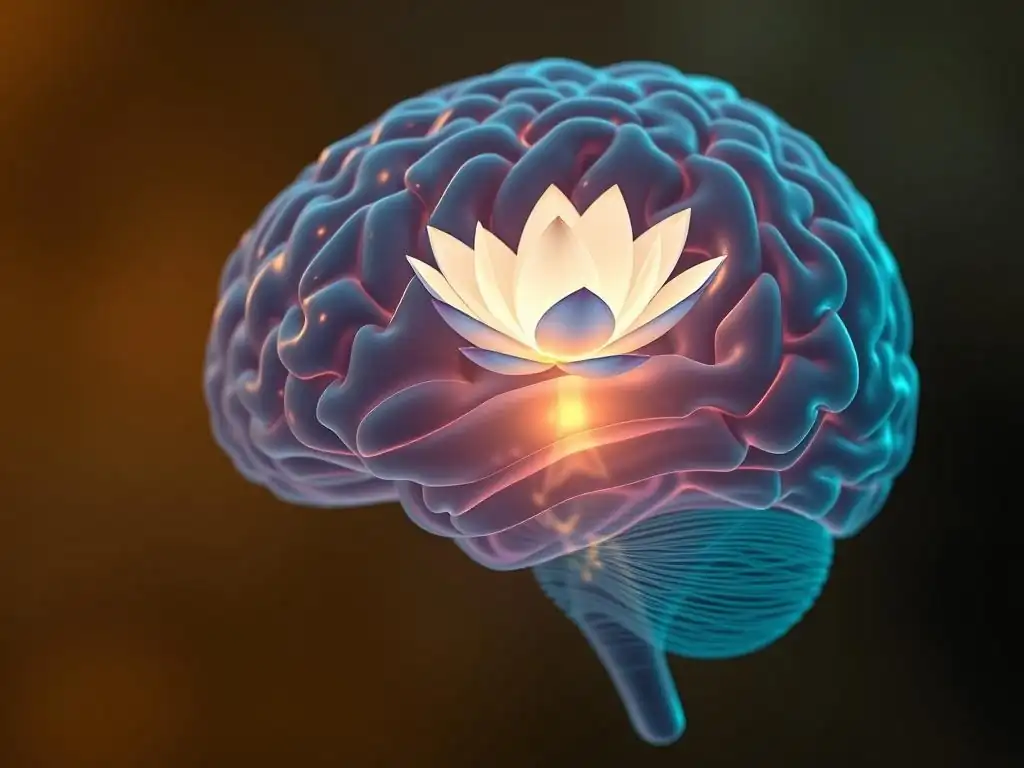
Welcome to Mind Care Guide, a sanctuary for your mental well-being.
Ever feel like your mind is a runaway train, constantly chattering and rehashing thoughts? You're not alone. Dive into our comprehensive guide and discover how mindfulness can be the key to quieting that inner critic, specifically how mindfulness quiets brain default mode and brings you back to the present moment. Explore the science behind this powerful technique and learn practical strategies to cultivate inner peace. Your journey to a calmer, more focused you starts here.
- The Brain's Default Mode Network: Quieting the Noise Through Mindfulness
- What is the Default Mode Network (DMN)?
- The Default Mode Network and Mind-Wandering
- The Negative Aspects of an Overactive DMN
- Mindfulness Quiets Brain Default Mode: The Science
- Mindfulness Techniques for Calming the DMN
- Practical Tips for Integrating Mindfulness to Regulate the DMN
- Long-Term Benefits of Mindfulness on the DMN
- The Default Mode Network: A Balanced Perspective
- Resources for Further Learning
-
Frequently Asked Questions
- What is the Default Mode Network (DMN) and why is it important?
- How does mindfulness specifically quiet the brain's default mode network?
- What are the potential benefits of quieting the DMN through mindfulness?
- What types of mindfulness practices are most effective for quieting the DMN?
- Are there any risks or downsides to trying to quiet the DMN through mindfulness?
- Final Reflection: Finding Stillness in the Constant Chatter
- Unlock Your Mind's Potential: Quiet the Noise, Find Your Focus
The Brain's Default Mode Network: Quieting the Noise Through Mindfulness
Understanding the Default Mode Network (DMN)
The human brain is an incredibly complex organ, constantly processing information even when we feel like we're doing "nothing." During periods of rest, introspection, or daydreaming, a specific network of interconnected brain regions becomes particularly active. This network is known as the Default Mode Network, or DMN. It's essentially the brain's baseline activity system that kicks in when we aren't focused on a specific external task. Think of it as the brain's "default setting" when it's not actively engaged with the outside world.
Research using fMRI (functional magnetic resonance imaging) has been instrumental in mapping the DMN. These studies show increased blood flow and neural activity within this network when participants are lying quietly in a scanner without a specific task assigned. The DMN is involved in a range of internal mental processes, including thinking about the past, planning for the future, considering others' perspectives, and, significantly, engaging in self-referential thought – reflecting on oneself, one's identity, and personal experiences.
Mind Care Guide: Neuroscience of Mindfulness
At Mind Care Guide, we explore the science behind mental well-being practices. The field of neuroscience offers fascinating insights into how practices like mindfulness meditation impact the brain. Understanding the neural mechanisms, such as how mindfulness quiets brain default mode network activity, provides a deeper appreciation for the benefits of these techniques. It moves the conversation beyond subjective experience into the realm of observable brain changes.
Neuroscience research on mindfulness often uses advanced imaging techniques to observe brain activity during meditation and in experienced practitioners. Studies have shown measurable changes in brain structure and function associated with regular mindfulness practice. These changes are particularly noted in areas related to attention, emotion regulation, and self-awareness, including the very regions that constitute the DMN.
What is the Default Mode Network (DMN)?
Defining the Default Mode Network (DMN) and its Function
The Default Mode Network is a large-scale brain network comprising several distinct regions that show synchronized activity when a person is awake and not focused on a specific external task. Its primary functions revolve around internal thought processes. This includes autobiographical memory recall (thinking about past events), future planning, simulating hypothetical scenarios, and processing information about oneself and one's relationship to the world. It's crucial for constructing a sense of self and navigating social interactions by considering others' mental states.
While often associated with mind-wandering, the DMN serves vital functions. It allows us to consolidate memories, learn from past experiences, and prepare for future challenges. It plays a role in creativity and imagination by allowing the mind to freely associate ideas. However, the nature of the DMN activity is key; when it becomes excessively dominant or its activity is consistently negative or repetitive, it can contribute to psychological distress, which we will explore further.
Key Brain Regions Involved in the DMN
The Default Mode Network is not a single brain area but a network of interconnected regions. Prominent nodes within this network include the medial prefrontal cortex (mPFC), located at the front of the brain, and the posterior cingulate cortex (PCC) and precuneus, situated more towards the back and center of the brain. Other regions often considered part of or strongly connected to the DMN include the inferior parietal lobule (IPL), the angular gyrus, and the medial temporal lobe (MTL) structures like the hippocampus.
These regions work in concert. For example, the mPFC is heavily involved in self-referential processing and emotional regulation, while the PCC and precuneus are implicated in self-reflection, memory retrieval, and consciousness. The hippocampus, part of the MTL, is critical for memory formation and retrieval, linking past experiences to current internal narratives. The coordinated activity of these areas forms the basis of the DMN's function in internal mentation.
The Default Mode Network and Mind-Wandering
DMN Activity During Rest and Introspection
As mentioned, the DMN is most active during periods of rest or when the mind is not engaged in a demanding external task. This is precisely when mind-wandering tends to occur. Studies using real-time brain imaging have confirmed a strong correlation between subjective reports of mind-wandering and increased activity within the DMN. When participants are asked to report what they are thinking about during a non-task state, activation in DMN regions like the mPFC and PCC often coincides with thoughts unrelated to the present moment or environment.
This internal focus allows us to process information, consolidate memories, and engage in creative thought. However, mind-wandering isn't always benign. Research suggests that a significant portion, potentially 50% or more, of our waking hours can be spent mind-wandering. And critically, studies have found that people are often less happy when their minds are wandering than when they are focused on the present activity, regardless of the nature of the activity itself. This highlights the potential downsides of unchecked DMN activity.
How the DMN Contributes to Self-Referential Thought
A core function of the DMN is its role in self-referential processing – thinking about oneself. This includes reflecting on our identity, our past experiences, our future aspirations, and our feelings about ourselves. The mPFC, a key DMN hub, is particularly active during tasks that involve self-judgment or thinking about one's own personality traits. The PCC also contributes to integrating self-related information with memory and emotion.
This self-focus, while necessary for developing a coherent sense of self, can become problematic when it turns into excessive rumination or self-criticism. The DMN's tendency to connect past, present, and future self can lead to getting stuck in loops of regret about the past or anxiety about the future. This is where the link between DMN activity and mental health challenges becomes apparent.
The Negative Aspects of an Overactive DMN
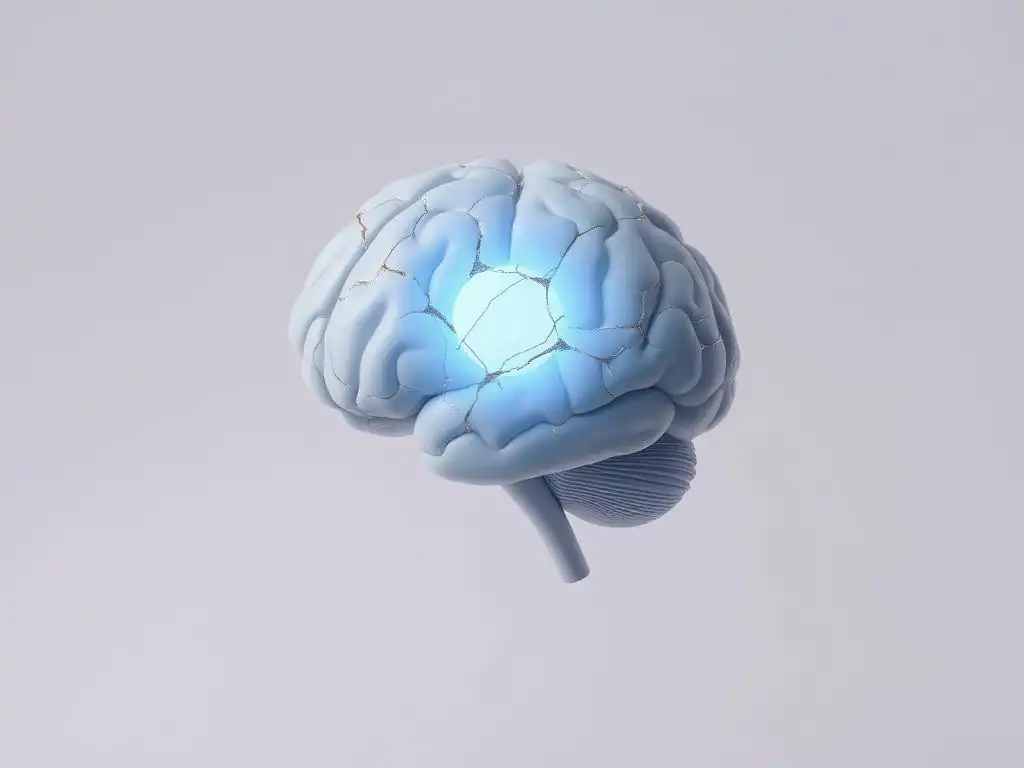
Rumination, Worry, and the Default Mode Network
An overactive or dysregulated DMN is frequently linked to patterns of negative thinking such as rumination and worry. Rumination involves repeatedly dwelling on negative thoughts or problems from the past, while worry is characterized by anxious thoughts about potential future threats. Both involve getting stuck in internal narratives, a hallmark of DMN activity. When the DMN is excessively engaged in these patterns, it can feel like being trapped in a loop of unhelpful thoughts.
Neuroimaging studies comparing individuals with depression or anxiety to healthy controls often show heightened or altered connectivity within the D DMN, particularly involving the mPFC and its connections to other emotional processing regions. This suggests that in these conditions, the brain's "default mode" may be predisposed towards negative, self-focused thought patterns, making it difficult to disengage and focus on the present moment or external world.
The Connection Between the DMN and Anxiety/Depression
The link between DMN dysregulation and mood disorders is a significant area of research. In depression, heightened connectivity within the DMN is often observed, correlating with the severity of depressive symptoms, particularly rumination about one's self and past failures. Similarly, in anxiety disorders, altered DMN activity is associated with excessive worry and a focus on potential future threats.
This doesn't mean the DMN causes these conditions, but rather that its patterns of activity are strongly associated with and likely contribute to the perpetuation of symptoms. The inability to easily shift out of the DMN into task-positive networks (brain networks active during focused attention) is thought to contribute to getting stuck in cycles of negative self-referential thought characteristic of anxiety and depression. This is where practices that help modulate the DMN, such as mindfulness, show promise.
Mindfulness Quiets Brain Default Mode: The Science
How Mindfulness Meditation Impacts DMN Activity
Mindfulness meditation is a practice that cultivates present moment awareness without judgment. From a neuroscience perspective, mindfulness quiets brain default mode activity by shifting the brain's resources towards other networks, particularly those involved in attention and present moment processing. During mindfulness practice, individuals train their ability to notice when their mind has wandered (often into DMN territory) and gently bring their focus back to a chosen anchor, such as the breath or bodily sensations.
This act of noticing mind-wandering and re-directing attention involves the activation of brain regions outside the DMN, such as areas in the prefrontal cortex and parietal lobe associated with executive control and attention. Repeatedly engaging these attentional networks and disengaging from the DMN during meditation practice is thought to weaken the habitual patterns of DMN activation, especially the negative, self-referential loops.
Studies Showing Reduced DMN Activity Through Mindfulness Practices
Numerous studies using fMRI have investigated the impact of mindfulness meditation on the DMN. Many cross-sectional studies comparing experienced meditators to novices show reduced DMN activity during rest periods in meditators. For instance, a study published around 2007 was one of the first to highlight reduced DMN activity in experienced meditators during meditation compared to a control task. Longitudinal studies, where participants learn mindfulness over several weeks (e.g., an 8-week Mindfulness-Based Stress Reduction or MBSR program), have also shown significant reductions in DMN activity and connectivity after the training period.
These studies often point to decreased activation in key DMN nodes like the mPFC and PCC, both during meditation and in a resting state after training. Furthermore, they sometimes show increased functional connectivity between the DMN and areas involved in cognitive control, suggesting better regulation over the DMN's activity. This body of evidence strongly supports the idea that mindfulness practice can indeed reduce the activity of the brain's default mode network.
Meta-Analysis: Mindfulness Meditation Effects on DMN
To synthesize findings across multiple studies, meta-analyses have been conducted. A notable meta-analysis reviewing fMRI studies on meditation's effects on the brain, including its impact on the DMN, generally supports the findings from individual studies. These analyses consolidate data from various research groups, providing more robust evidence.
These meta-analyses consistently indicate that mindfulness meditation is associated with reduced activation in components of the DMN, particularly the mPFC and PCC, both during meditation itself and during subsequent rest periods. They reinforce the conclusion that the practice of mindfulness meditation leads to functional changes in the brain network responsible for mind-wandering and self-referential thought, underscoring how mindfulness quiets brain default mode activity on a measurable level.
Mindfulness Techniques for Calming the DMN
Focused Attention Meditation and DMN Modulation
Focused Attention (FA) meditation involves directing attention to a single object, such as the breath, bodily sensations, or a mantra, and returning attention to the object whenever the mind wanders. This practice directly trains the ability to disengage from distracting thoughts (often DMN-related) and re-focus on the present.
By repeatedly exercising this attentional muscle, FA meditation helps to strengthen the neural pathways involved in sustained attention and cognitive control, while concurrently reducing the automatic pull of the DMN towards internal distractions. Studies have shown that even short periods of FA meditation can lead to temporary decreases in DMN activity, particularly in experienced practitioners. Regular practice is thought to build a more enduring capacity to regulate the DMN.
Open Monitoring Meditation: Observing Thoughts Without Judgment
Open Monitoring (OM) meditation, in contrast to FA, involves observing the contents of awareness without focusing on any single object. Thoughts, feelings, sounds, and sensations are noticed as they arise and pass, without engaging with them or judging them. This practice cultivates a meta-awareness of mental processes, including mind-wandering.
OM meditation helps change one's relationship with DMN activity. Instead of getting lost in rumination or worry, one learns to observe these thoughts as transient mental events rather than getting absorbed in their content. This detached observation weakens the emotional reactivity often associated with DMN activity. Research suggests that OM meditation may specifically impact the connections between the DMN and emotional processing regions, fostering a less reactive response to internal thoughts.
Body Scan Meditation: Present Moment Awareness and DMN Reduction
Body Scan meditation involves systematically bringing attention to different parts of the body, noticing physical sensations without judgment. This technique grounds awareness firmly in the present physical experience. By focusing on tangible, present-moment sensations, the body scan provides a strong anchor that pulls attention away from the abstract, future- or past-oriented processing characteristic of the DMN.
Regular practice of the body scan enhances interoceptive awareness (awareness of internal bodily states) and exteroceptive awareness (awareness of external sensations). This increased attention to the physical self in the present moment reduces the mental space available for mind-wandering and rumination. It helps anchor the mind, making it less susceptible to being carried away by the internal narratives generated by an overactive DMN.
Practical Tips for Integrating Mindfulness to Regulate the DMN

Establishing a Regular Mindfulness Practice
To experience the benefits of mindfulness in modulating the DMN, consistency is key. Aim to establish a regular practice, even if it's just for a few minutes each day initially. Starting small, perhaps with 5-10 minutes of focused breathing or body scan meditation, makes the habit more sustainable. Choose a consistent time and quiet place if possible.
Think of it like exercising a muscle; the more consistently you practice, the stronger your ability to observe and navigate your internal landscape becomes. Tracking your practice using a simple journal or app can help maintain motivation. Remember that progress isn't linear, and the goal isn't to stop thoughts entirely, but to become more aware of them and less controlled by DMN-driven narratives.
- [ ] Choose a type of mindfulness practice to start with (e.g., focused breathing).
- [ ] Allocate a specific time each day (e.g., 7:00 AM or before bed).
- [ ] Start with a short duration (e.g., 5 minutes).
- [ ] Find a quiet, comfortable space.
- [ ] Commit to practicing daily for at least one week.
- [ ] Notice (without judgment) when your mind wanders and gently redirect it.
Mindfulness in Daily Life: Reducing Mind-Wandering
Mindfulness isn't confined to formal meditation sessions; it's a way of being that can be integrated into everyday activities. Practicing mindfulness during routine tasks can help reduce habitual mind-wandering and keep the DMN from taking over unnecessarily. Simple practices like mindful eating (paying attention to the taste, texture, and smell of food), mindful walking (noticing the sensation of your feet on the ground), or mindful listening (fully focusing on what another person is saying) can help anchor you in the present.
These micro-moments of mindfulness throughout the day train your brain to stay present and disengage from internal narratives. Over time, this reduces the baseline activity of the DMN during non-task periods and strengthens your ability to consciously direct your attention. It's about cultivating awareness of your internal state and external environment simultaneously.
Mindfulness Exercises for Managing Stress and DMN Activation
When feeling stressed or overwhelmed, the DMN can become particularly active, feeding worry and rumination. Specific mindfulness exercises can help interrupt these cycles. A simple technique is the "3-Minute Breathing Space," which involves:
- Awareness: Noticing what is happening in your inner experience (thoughts, feelings, sensations).
- Gathering: Gently directing attention to the sensations of the breath.
- Expanding: Expanding attention to include the body as a whole, and the space it occupies.
Another useful exercise is mindful walking when feeling agitated. Focusing on the physical sensations of walking – the movement of your legs, the contact of your feet with the ground, the swing of your arms – can pull your attention out of your head and into your body, effectively reducing DMN dominance and calming the nervous system. These practices offer immediate tools for managing DMN-fueled stress.
Long-Term Benefits of Mindfulness on the DMN
Neuroplasticity: How Mindfulness Changes the Brain's Default Mode Network
The brain is not static; it's capable of changing its structure and function throughout life, a property called neuroplasticity. Regular mindfulness practice leverages this principle to reshape neural networks, including the DMN. Long-term meditators show structural differences in brain regions associated with mindfulness, such as increased gray matter density in areas related to attention, self-awareness, and emotional regulation (like the prefrontal cortex and insula).
Crucially, studies also indicate changes in the DMN itself. Long-term meditators often exhibit reduced gray matter volume in the mPFC, a key DMN hub, which correlates with decreased self-referential thinking. Furthermore, the functional connectivity within the DMN often appears weaker in experienced practitioners, while connectivity between the DMN and areas involved in attention and cognitive control (like the dorsal anterior cingulate cortex and ventrolateral prefrontal cortex) is often stronger.
This suggests a re-wiring that makes it easier to shift out of DMN activity and regulate internal thought streams. This is concrete evidence of how mindfulness quiets brain default mode activity and alters its structure over time.
Sustained Reduction in DMN Activity and Improved Mental Well-being
The neuroplastic changes induced by long-term mindfulness practice lead to sustained alterations in DMN activity patterns. Experienced meditators demonstrate lower DMN activation not only during meditation but also during their daily lives and during resting states in studies. This sustained reduction in DMN dominance is linked to significant improvements in mental well-being.
With a less hyperactive DMN, individuals are less prone to getting caught in cycles of rumination and worry. This leads to reduced symptoms of anxiety and depression, improved emotional regulation, greater self-awareness without excessive self-criticism, and a greater capacity for present-moment enjoyment. The ability to regulate DMN activity allows for more cognitive flexibility and mental clarity, contributing to overall psychological health and resilience.
The Default Mode Network: A Balanced Perspective
The DMN's Importance and Potential Benefits
While much of the focus has been on the potential downsides of an overactive DMN, it's important to remember that this network serves essential functions. The DMN is crucial for constructing our sense of self, reflecting on our values, consolidating memories, planning for the future, and engaging in creative thought. It allows us to learn from past mistakes and prepare for future challenges.
Without a functioning DMN, it would be difficult to maintain a coherent personal narrative or engage in complex social cognition, such as understanding others' intentions. The DMN is not inherently "bad"; it's a fundamental aspect of human consciousness. The challenge arises when the DMN becomes stuck in negative loops or dominates our mental landscape to the detriment of present-moment engagement and task focus.
Finding Equilibrium: Optimizing DMN Activity for Mental Health
The goal of practices like mindfulness is not to eliminate the DMN entirely, but rather to optimize its function and find a healthy equilibrium. It's about gaining greater control over when and how the DMN is active. Mindfulness helps us become more aware of DMN activity (e.g., noticing mind-wandering) and develop the capacity to disengage from unhelpful thought patterns when necessary.
By strengthening attentional networks and improving the regulation between the DMN and task-positive networks, mindfulness allows us to utilize the DMN for its beneficial functions (creativity, planning, self-reflection) without being overwhelmed by its potential downsides (rumination, worry). Achieving this balance contributes significantly to improved mental health, emotional resilience, and a greater capacity to live fully in the present moment. Mindfulness quiets brain default mode not to silence the self, but to allow for a more conscious and regulated experience of it.
Resources for Further Learning
Books, Articles, and Websites on Mindfulness and Neuroscience
To delve deeper into the intersection of mindfulness and brain science, many excellent resources are available. Books by authors like Jon Kabat-Zinn, Daniel Siegel, and Richie Davidson offer accessible introductions to mindfulness and its effects, often referencing neuroscientific findings. Scientific articles published in journals provide the detailed research, although some may require a background in neuroscience to fully grasp.
Numerous reputable websites dedicated to mindfulness and mental health, like Mind Care Guide, provide articles, summaries of research, and explanations of concepts like the DMN in layman's terms. Exploring these resources can enhance understanding of the science behind mindfulness benefits.
Mindfulness Meditation Apps and Guided Meditations
For practical guidance in beginning or sustaining a mindfulness practice aimed at calming the DMN, meditation apps and guided meditations are invaluable tools. Many popular apps offer structured programs, daily meditations, and specific sessions focused on topics like stress reduction, anxiety, or sleep, often incorporating techniques like focused attention and body scans.
Guided meditations, available through apps or online platforms, provide verbal instructions that lead you through the practice, making it easier to stay focused and less likely to get lost in DMN-driven thoughts, especially when starting out. They offer a convenient way to integrate regular practice into your routine.
Finding Mindfulness-Based Therapy
For individuals struggling with significant challenges related to an overactive DMN, such as chronic worry, rumination, anxiety, or depression, mindfulness-based therapies can be highly beneficial. Modalities like Mindfulness-Based Stress Reduction (MBSR) and Mindfulness-Based Cognitive Therapy (MBCT) are structured programs that teach mindfulness skills within a therapeutic context.
These therapies have a strong evidence base for reducing symptoms associated with conditions linked to DMN dysregulation. They provide a supportive environment to learn how mindfulness quiets brain default mode activity and manage challenging thought patterns. Seeking out qualified therapists trained in these approaches can offer personalized support and guidance.
Frequently Asked Questions
What is the Default Mode Network (DMN) and why is it important?
The DMN is a network of brain regions active when we're not focused on a task, often associated with mind-wandering and self-referential thought. Understanding it is important because excessive DMN activity can contribute to negative thought patterns.
How does mindfulness specifically quiet the brain's default mode network?
Mindfulness practices, such as meditation, help us focus on the present moment, reducing the tendency for the DMN to activate and wander. This reduces self-referential thinking and promotes a sense of calm.
What are the potential benefits of quieting the DMN through mindfulness?
Quieting the DMN can lead to reduced anxiety and stress, improved focus and concentration, and a greater sense of overall mental well-being. It helps us become more aware of our thoughts and feelings without judgment.
What types of mindfulness practices are most effective for quieting the DMN?
While various mindfulness practices can be effective, meditation, particularly mindfulness meditation, is frequently cited for its impact on the DMN. Body scan meditations are also helpful for present moment awareness.
Are there any risks or downsides to trying to quiet the DMN through mindfulness?
For most people, mindfulness is safe and beneficial. However, individuals with certain mental health conditions should approach it with caution and under the guidance of a trained professional. Intense focus can sometimes be counterproductive.
Final Reflection: Finding Stillness in the Constant Chatter
The relentless activity of the brain's default mode network (DMN) is a defining characteristic of modern life, yet through the practice of mindfulness, we can learn to quiet its incessant noise and cultivate a profound sense of inner peace. This isn't just a trendy wellness practice; it's a crucial skill for navigating the complexities and pressures of the 21st century, offering a path to improved focus, emotional regulation, and overall well-being. The ability to consciously disengage from the DMN's often negative self-referential thoughts is a powerful tool for reclaiming mental clarity and fostering resilience.
Mindfulness's impact extends far beyond individual well-being; it's reshaping our understanding of consciousness and the very nature of the human experience. The growing body of scientific research validating its benefits underscores its importance. As Jon Kabat-Zinn eloquently stated, Mindfulness means paying attention in a particular way: on purpose, in the present moment, and nonjudgmentally.
This simple yet profound definition encapsulates the power of mindfulness to shift our relationship with our thoughts and emotions, moving from a reactive to a responsive state. It's a journey of self-discovery, revealing the quiet strength that resides within the stillness.
The journey to quieting the DMN's noise is a personal one, requiring consistent effort and self-compassion. But the rewards are immeasurable. I invite you to explore the practice of mindfulness, even in small increments, and experience firsthand the transformative power of bringing your attention to the present moment. Notice your breath, observe your senses, and gently acknowledge the thoughts and feelings that arise without judgment. This simple act of presence can be the key to unlocking a deeper understanding of yourself and the world around you, leading to a more peaceful and fulfilling life.
Unlock Your Mind's Potential: Quiet the Noise, Find Your Focus
Thanks for taking the time to explore the fascinating world of the Default Mode Network and how mindfulness can help you quiet the mental chatter. You’ve learned powerful techniques to improve your focus and inner peace – now let’s put them into practice!
- Start a daily mindfulness practice: Even 5 minutes a day can make a significant difference in quieting your mind and improving your focus. Try a guided meditation or simply focus on your breath. This is your key takeaway!
- Share your experience: Connect with others on social media using #MindfulnessJourney and share what resonates with you from today's article. Let's build a supportive community!
- Explore different mindfulness techniques: Experiment with body scans, mindful walking, or other practices to find what works best for you and enhances your focus.
Ready to experience the transformative power of a quieter mind? What small step will you take today to cultivate more mindfulness in your life?