
When StepSiblings Don't Get Along: Strategies for Parents

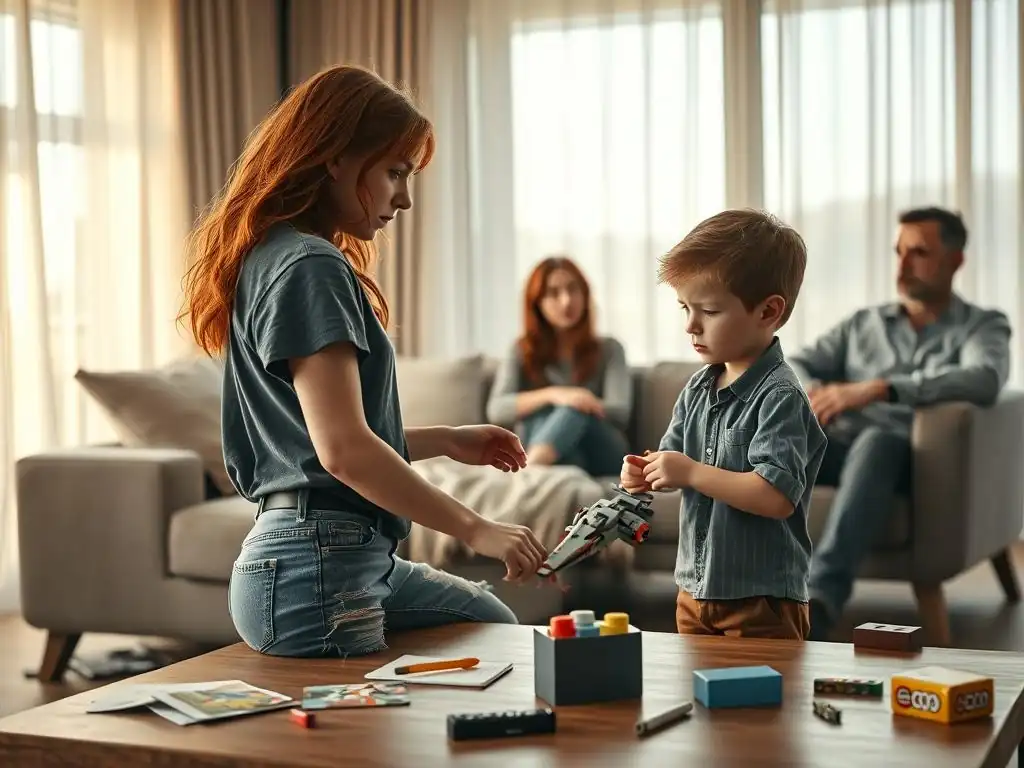
Welcome to Mind Care Guide, a space dedicated to nurturing your mental well-being.
Life with step-siblings can be beautifully complex, but what happens when those relationships face friction? It's a common challenge, and you're not alone. Dive into our comprehensive guide on Step sibling conflict resolution, designed to provide parents like you with practical strategies and empathetic solutions. Uncover the root causes of these conflicts and learn how to foster a more harmonious home environment. Ready to bridge the divide?
Navigating Step-Sibling Dynamics: Strategies for Blended Families
- Understanding Step-Sibling Conflict
- Conflict Resolution Strategies
- Proactive Measures for Harmony
- Long-Term Strategies
- Resources for Parents
-
Frequently Asked Questions
- How common is conflict between step-siblings?
- What are some of the primary reasons for step-sibling conflict?
- What is the parent's role in resolving step-sibling conflict?
- What are some practical strategies parents can use to help step-siblings get along?
- When should parents seek professional help for step-sibling conflict?
- Final Reflection: Bridging the Divide: Finding Harmony in Blended Families
- Unite Your Family: Bridge the Gap Between Stepsiblings
Understanding Step-Sibling Conflict
Common Causes of Rivalry
Step-sibling conflict is a prevalent challenge in blended families, often stemming from complex emotional landscapes and adjustments to new living arrangements. A primary driver is competition for parental attention, affection, and resources. Children, regardless of age, may feel their established position within the family hierarchy is threatened by newcomers.
For instance, a child accustomed to being an only child or the youngest might resent a step-sibling who now occupies a similar role or demands significant parental time. This dynamic isn't just about toys or screen time; it's deeply rooted in perceived security and love within the family structure. Addressing these underlying feelings is crucial for effective step sibling conflict resolution.
Territorial disputes and differences in routines, rules, and values also fuel friction. Children bring their own family cultures and habits into a new shared space. What was considered normal in one household might be alien or irritating in another.
Sharing bedrooms, bathrooms, or even common areas can become battlegrounds. Disparities in discipline styles between stepparents and biological parents, or perceived favoritism, can exacerbate these tensions. For example, if one child's biological parent is more lenient than the stepparent responsible for their step-sibling, it can breed resentment and a sense of unfairness, making strategies for resolving step sibling conflict essential from the outset.
Impact on Family Dynamics and Well-being
Unresolved step-sibling rivalry can significantly strain the overall family dynamic, creating a persistently tense and uncomfortable atmosphere. Constant arguments, bickering, or passive aggression between step-siblings can make home feel less like a sanctuary and more like a battlefield. This stress can negatively impact the marital relationship between the parents, who may feel caught in the middle or disagree on how to handle the situation.
A 2020 study, for example, indicated that conflict involving children is a major stressor in blended families, potentially impacting couple satisfaction. Effective step sibling conflict resolution techniques are vital not just for the children, but for the entire family unit's stability and harmony.
Beyond the immediate tension, chronic step-sibling conflict can have lasting effects on the children's emotional well-being. They might experience increased anxiety, stress, or even depression. Academic performance or social interactions outside the home can also suffer if a child is constantly preoccupied with or drained by conflict at home. Furthermore, the lack of positive relationships within the blended family can hinder the development of healthy attachment and trust, potentially affecting future relationships. Implementing strategies for resolving step sibling conflict proactively helps protect the mental and emotional health of all family members, fostering a more supportive environment.
Conflict Resolution Strategies
Open Communication and Active Listening
Encouraging open and honest communication is the cornerstone of effective step sibling conflict resolution. Parents should create a safe space where children feel comfortable expressing their feelings, frustrations, and perspectives without fear of judgment or immediate punishment. This involves setting aside dedicated time for family discussions, even when conflict isn't actively occurring, to build a foundation of trust.
When a disagreement arises, facilitating a conversation where each child gets a chance to speak uninterrupted is crucial. Parents act as mediators, ensuring the dialogue remains respectful and focused on the issue at hand, guiding them towards understanding rather than just winning an argument.
Active listening is equally important for parents and children alike. For parents, it means truly hearing what each child is saying, acknowledging their feelings ("It sounds like you're feeling frustrated because..."), and validating their experience, even if you don't agree with their behavior. For children, it involves teaching them to listen to their step-sibling's point of view before formulating their response. This can be practiced through simple exercises like having one child paraphrase what the other said before responding. This process helps de-escalate tension and ensures that everyone feels heard, laying essential groundwork for resolving step sibling conflict constructively.
Techniques for Understanding Perspectives
Teaching children to understand each other's perspectives is a powerful tool in step sibling conflict resolution. One effective technique is role-playing, where step-siblings temporarily switch roles and argue from the other's point of view. This can be challenging but often leads to surprising insights and empathy. Another approach is using "I" statements, encouraging children to articulate their feelings and needs ("I feel angry when my things are used without asking") rather than making accusatory statements ("You always take my stuff"). This shifts the focus from blaming to expressing personal impact.
Another technique involves guided questioning by the parent mediator. Questions like "How do you think X felt when that happened?" or "What were you hoping would happen when you did Y?" can prompt children to think beyond their immediate reaction and consider the intentions or feelings of their step-sibling. Using visual aids, like drawing the situation or writing down each person's perspective side-by-side, can also help younger children grasp the concept of differing viewpoints. These methods foster empathy and provide concrete ways for children to practice seeing the situation through their step-sibling's eyes, crucial for navigating step sibling conflict.
Clear Expectations and Consistent Discipline
Establishing clear expectations for behavior and household rules is fundamental in blended families and a key strategy for step sibling conflict resolution. Children need to know what is expected of them in their interactions with step-siblings and within the shared living space. Rules about sharing, respecting personal property, acceptable ways to express anger, and resolving disagreements should be discussed openly and agreed upon by all family members, if possible. Writing these rules down and posting them visibly can serve as a constant reminder and reference point, reducing ambiguity that often fuels conflict.
Consistency in applying discipline is just as important as the rules themselves. Children thrive on predictability and fairness. If rules are enforced inconsistently, or if consequences vary depending on which parent is present or which child is involved, it can breed resentment and a perception of unfairness, significantly hindering efforts to resolve step sibling conflict. Parents must present a united front and apply agreed-upon consequences fairly to all children, regardless of biological relation. This consistency builds trust and demonstrates that the rules are non-negotiable and apply equally to everyone.
Parental Unity
Parental unity is arguably one of the most critical factors in successful step sibling conflict resolution. Children are highly attuned to discord between their parents, and disagreements on parenting styles or approaches to discipline can be exploited or simply cause confusion and insecurity. Biological parents and stepparents must work together as a cohesive team, discussing and agreeing on rules, expectations, and consequences before addressing the children. This means presenting a united front in front of the children, even if there were disagreements in private discussions.
When conflict arises between step-siblings, both parents should ideally be involved in the resolution process, or at least ensure the approach taken by one parent is fully supported by the other. This collaborative approach prevents children from trying to play one parent against the other and reinforces the stability of the blended family structure. It demonstrates to the children that their parents are a strong, unified team committed to their well-being and to fostering harmony among the step-siblings, making effective step sibling conflict resolution much more achievable.
Promoting Fairness and Addressing Perceived Inequity
Perceptions of unfairness are major triggers for step-sibling conflict. Children often keep a running tally of who gets what, who is treated how, and who seems to be favored. While treating every child exactly the same is often impractical and sometimes unfair (as children have different needs), parents must strive for equitable treatment.
This means ensuring that each child's individual needs are met and that resources, attention, and responsibilities are distributed in a way that feels just to them, or at least is clearly explained. For example, one child might need more tutoring, while another needs more one-on-one time for a hobby. Explaining the why behind differences is crucial.
Parents should be highly sensitive to comments or behaviors that suggest favoritism, even unintentional ones. Actively asking children if they feel things are fair and genuinely listening to their responses is vital. If a child perceives inequity, validating their feelings ("I hear you saying you feel it's unfair that...") is the first step, even if you don't agree with their perception.
Then, explain the reasoning behind decisions or explore ways to adjust things if the perception has merit. Addressing these feelings directly and consistently reinforces trust and significantly aids in resolving step sibling conflict by removing a common source of resentment.
Encouraging Empathy and Cooperation
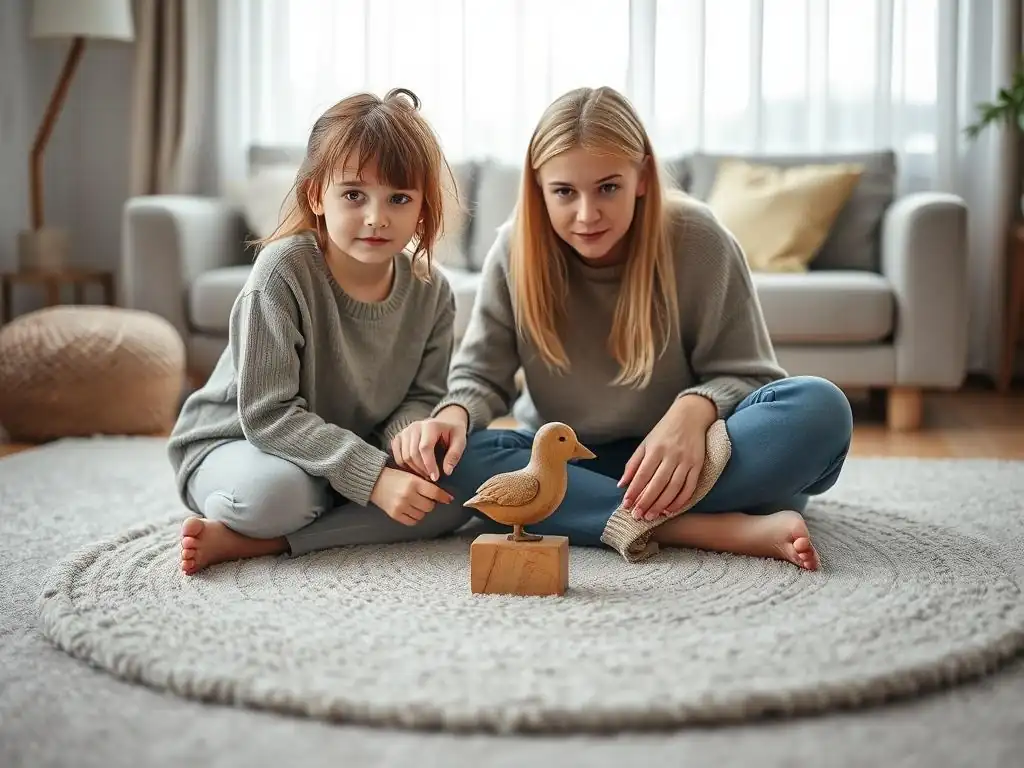
Fostering empathy among step-siblings helps them understand each other's feelings and motivations, which is fundamental for reducing conflict. Parents can encourage this by pointing out step-siblings' feelings during interactions ("Look, your brother seems really sad right now") and helping them connect actions to emotions ("When you took that toy without asking, how do you think that made your sister feel?"). Reading books or watching shows together that deal with empathy and different perspectives can also be a valuable tool, providing examples and starting points for discussion about understanding others, crucial for navigating step sibling conflict.
Promoting cooperation through shared goals and activities shifts the focus from competition to teamwork. Assigning tasks that require step-siblings to work together, such as cleaning a shared space, preparing a meal, or completing a family project, can build a sense of camaraderie. Celebrating successes achieved through cooperation reinforces the positive outcomes of working together. This could be anything from successfully building a complex LEGO set together to winning a family board game tournament as a team. These shared positive experiences build bonds and make future step sibling conflict resolution easier.
Activities for Bonding
Planned activities specifically designed to encourage positive interaction and bonding are essential for improving step-sibling relationships. These activities should be low-pressure and fun, allowing step-siblings to connect on a personal level outside of potential conflict zones. Family game nights, movie nights, or outings to parks, museums, or sporting events can provide shared positive experiences. The key is to choose activities that genuinely interest the children involved, perhaps rotating who gets to pick the activity.
Beyond family-wide events, encouraging step-siblings to find common interests they can pursue together can strengthen their bond. This might involve suggesting they join the same club, play the same sport, or work on a shared hobby like drawing or building models. The goal is to create opportunities for them to see each other as allies and companions rather than just rivals for parental attention, thereby reducing the frequency and intensity of step sibling conflict. Even simple things like listening to music together or sharing stories about their day can build connection over time.
Immediate Intervention Techniques
When step-sibling conflict erupts, parents need immediate strategies to de-escalate the situation before it spirals out of control. The first step is often to physically separate the children if the conflict is becoming aggressive or overly heated. This provides a cool-down period and prevents the situation from escalating further. Ensure the separation is framed as a chance for everyone to calm down, not as a punishment for one child. The goal is to stop the immediate negative interaction and create space for more constructive communication later.
Once separated and calmer, address each child individually first to understand their perspective without the pressure of the other child being present. Listen empathetically and validate their feelings. Then, bring them back together for a facilitated discussion, but only when everyone is calm enough to talk respectfully. The focus should be on finding a resolution to the specific issue, not rehashing every past grievance. Guiding them towards a compromise or a solution they can both accept is key to immediate step sibling conflict resolution.
De-escalation Strategies
Effective de-escalation involves techniques that lower the emotional temperature of the conflict. Using a calm, level voice is paramount – yelling back at yelling children only escalates things. Encourage deep breaths or other calming techniques if children are highly agitated. Avoid taking sides; your role is to mediate, not to judge who is "right" or "wrong." Focus on the behavior and the impact, not on character assassination. For example, instead of "You're being mean," say "Hitting hurts, and it's not how we solve problems."
Sometimes, simply acknowledging the difficulty of the situation can help. Statements like "I see you are both very upset right now" validate their feelings and show you understand. Shifting the focus from the past ("He started it!") to the future ("How can we fix this now?") helps move towards solutions. If a resolution can't be reached immediately, postpone the discussion until later when everyone is fully calm, but make sure to follow up. Knowing when to pause and reconvene is a critical de-escalation skill in managing step sibling conflict.
Proactive Measures for Harmony
Individual Relationships and Quality Time
Building strong individual relationships between each parent figure and each child, regardless of biological ties, is a powerful proactive measure. Children need to feel secure in their relationship with all the adults in the home. Stepparents should make a conscious effort to spend one-on-one time with each stepchild, pursuing activities they both enjoy. This dedicated time, even just 15-20 minutes a week, helps build trust and rapport, reducing the child's need to compete for that parent's attention with step-siblings.
Biological parents also play a crucial role by supporting the stepparent's relationship with their child and by maintaining their own individual relationships with their children. Ensuring that children feel seen and valued individually within the blended family reduces the likelihood that they will seek attention through negative interactions like step sibling conflict. These individual bonds create a foundation of security that makes navigating blended family dynamics much smoother.
Creating shared positive experiences and establishing new family traditions helps build a sense of shared identity and belonging among step-siblings. These traditions don't have to be elaborate; they could be as simple as Friday night pizza and a movie, a specific way of celebrating birthdays, or an annual family trip. The key is consistency and creating rituals that all family members look forward to and participate in together. These shared moments create positive memories that can help buffer against the inevitable challenges of step sibling conflict.
These traditions and shared experiences reinforce the idea that they are now one family, even with their diverse origins. It helps children feel connected to the new family unit and to each other. Celebrating milestones together, creating inside jokes, or developing unique family customs all contribute to a sense of "us" that transcends the "mine" and "yours" mentality that can fuel step-sibling rivalry. This proactive approach strengthens the family bond, making strategies for resolving step sibling conflict more effective when needed.
Catering to Diverse Interests
When planning shared experiences, it's important to consider the diverse interests and ages of all the children involved. A family activity that thrills a teenager might bore a seven-year-old, and vice versa. While compromise is necessary, try to rotate activities or find options that offer something for everyone. For instance, a trip to a museum might be followed by time at a park or arcade. Involving the children in the planning process can also increase their buy-in and excitement.
Finding activities where step-siblings can genuinely bond over a shared interest, even if it's just one, can be particularly impactful. This might require some creativity or encouraging them to try new things together. The goal is to create positive interactions that build connection, making it easier for them to relate to each other outside of structured family time and contributing to a more harmonious environment less prone to intense step sibling conflict.
When to Seek Professional Help
Despite best efforts, some step-sibling conflict can be persistent and significantly disruptive. Parents should consider seeking professional help from a family therapist or counselor if the conflict involves physical aggression, bullying, or emotional abuse. These behaviors require immediate intervention beyond standard parenting strategies. A therapist can provide tools and techniques tailored to the specific dynamics of the family.
Professional help is also warranted if the conflict is causing significant distress to one or more children, impacting their mental health, school performance, or social life. If parents feel overwhelmed, stuck, or unable to make progress in resolving the conflict despite trying various strategies, a therapist can offer objective insights and guide the family towards healthier patterns of interaction. Recognizing the need for external support is a sign of strength, not failure, in navigating complex step sibling conflict.
Recognizing the Need for Intervention
Several signs indicate that professional intervention might be beneficial for step sibling conflict. These include:
- Chronic, intense arguments that occur daily or multiple times a week.
- Conflict that consistently involves name-calling, insults, or emotional cruelty.
- Physical altercations that result in injury or fear for safety.
- One child consistently isolating themselves to avoid interaction with step-siblings.
- Parents feeling helpless, constantly stressed, or frequently arguing with each other about the children's conflict.
- A child expressing a strong desire to not live with their step-siblings.
- Regression in a child's behavior or new development of anxiety, depression, or withdrawal.
If you observe one or more of these signs, consulting with a therapist experienced in blended family dynamics can provide the necessary tools and support for effective step sibling conflict resolution. They can help identify underlying issues, teach communication skills, and facilitate healing within the family system.
Long-Term Strategies
Patience and Celebrating Progress
Resolving step-sibling conflict and fostering positive relationships is a marathon, not a sprint. It takes significant time, patience, and consistent effort from everyone involved, especially the parents. It's unrealistic to expect instant harmony. There will be ups and downs, periods of progress followed by setbacks. Acknowledge this reality and manage your expectations accordingly. Patience is a virtue that parents in blended families must cultivate deeply.
Celebrate small victories along the way. Did the step-siblings share a toy without fighting? Did they have a conversation without arguing? Point out these positive interactions and praise their efforts. Recognizing and celebrating progress, no matter how small, provides positive reinforcement and motivates everyone to continue working towards a more harmonious family environment. This focus on progress helps maintain momentum in the ongoing process of step sibling conflict resolution.
Helping step-siblings develop a sense of shared identity as part of one family is a crucial long-term goal. This doesn't mean erasing their individual histories or their connection to their other biological parent, but rather creating a new, inclusive family narrative. Encourage them to see themselves as a team, a unit that supports each other. Using inclusive language like "our family," "us," and "we" can help reinforce this sense of belonging.
Creating a family mission statement or discussing shared family values can also contribute to this shared identity. Encourage step-siblings to support each other in external contexts, like cheering for each other at sports events or standing up for each other at school. Over time, as positive shared experiences accumulate and bonds strengthen, the "step" in step-sibling can fade in importance, replaced by a feeling of true sibling connection, making future step sibling conflict resolution more organic and less challenging.
Resources for Parents
Recommended Readings
Navigating step-sibling dynamics can feel isolating, but many resources offer guidance and support. Books written by therapists and experts in blended families provide valuable insights into common challenges and effective strategies for step sibling conflict resolution. These resources often include practical tips, real-life examples, and frameworks for understanding the unique complexities of stepfamilies.
Look for books that cover topics such as communication strategies in blended families, discipline across households, building step-parent relationships, and fostering sibling bonds between non-biological children. While specific titles aren't listed here, many reputable authors specialize in this field and offer comprehensive guides based on years of clinical experience and research.
Support Networks
Connecting with other parents in blended families can provide invaluable support, understanding, and practical advice. Support networks can be found through various avenues, offering a space to share experiences, challenges, and successes related to step sibling conflict resolution. Knowing that you are not alone in facing these difficulties can be incredibly validating and empowering.
Consider seeking out local support groups specifically for blended families, or look for online forums and communities. Organizations focused on family well-being or stepfamily dynamics often host meetings or provide platforms for connection. Sharing strategies and hearing how others have navigated similar situations can offer fresh perspectives and encouragement on the journey towards blended family harmony.
Frequently Asked Questions
How common is conflict between step-siblings?
Conflict between step-siblings is very common. Blending families can be challenging, and adjusting to new siblings and family dynamics often leads to disagreements and tension.
What are some of the primary reasons for step-sibling conflict?
Primary reasons include competition for parental attention, adjusting to new family rules and routines, and feelings of resentment or jealousy. These feelings are often exacerbated by grief and loss related to previous family structures.
What is the parent's role in resolving step-sibling conflict?
Parents should act as fair mediators, establishing clear ground rules and consistently enforcing them. It's crucial to listen to each child's perspective and avoid taking sides.
What are some practical strategies parents can use to help step-siblings get along?
Strategies include encouraging open communication, creating opportunities for positive shared experiences, and establishing a family identity that includes everyone. Also important is respecting each child's individual needs and boundaries.
When should parents seek professional help for step-sibling conflict?
If conflicts are frequent, severe, and persistent, and are impacting the overall family well-being, seeking professional help from a therapist or counselor specializing in family therapy is recommended.
Final Reflection: Bridging the Divide: Finding Harmony in Blended Families
The challenges of stepsibling relationships are far from uncommon, impacting countless families and demanding innovative solutions. The friction that can arise between children from different parental units is a significant hurdle, often overlooked in discussions about family dynamics. Ignoring these challenges only allows resentment and conflict to fester, potentially impacting the well-being of all involved for years to come.
Navigating the complexities of stepsibling relationships requires patience, understanding, and a willingness to adapt. It's a journey that demands constant communication and a commitment to fostering a supportive environment. The emotional toll on both children and parents is undeniable, often leaving lasting scars if not addressed effectively. The family that prays together stays together,
is a common adage, but in blended families, it's the family that works together that truly thrives. This requires open dialogue, clear boundaries, and a shared commitment to building positive relationships.
You, the reader, now hold the tools to create a more harmonious home. Consider the strategies discussed: open communication, individual attention, establishing clear expectations, and seeking professional help when needed. Don't underestimate the power of small gestures – a shared activity, a kind word, a moment of understanding. Remember, building strong stepsibling relationships is an investment in the future happiness and well-being of your entire family. Take the first step today, and begin building bridges instead of walls.
Unite Your Family: Bridge the Gap Between Stepsiblings
Thanks for taking the time to explore strategies for improving relationships between stepsiblings. You've gained valuable insights into fostering connection and understanding within your blended family—a truly rewarding journey! Now, let's turn those insights into action.
- Prioritize one family activity per week: Dedicate time to something enjoyable for everyone – a game night, movie night, or even a simple family walk. This consistent effort builds positive shared experiences.
- Share this article with your co-parent: Open communication and a unified approach are key to success. Discuss the strategies you found most helpful and collaboratively implement them.
- Consider family counseling: If challenges persist, seeking professional guidance can provide personalized strategies and support for your unique family dynamic.
Ready to start building stronger bonds within your family? What small step will you take this week to create a more harmonious home environment?