
Neurofeedback for Better Sleep Quality: Addressing Underlying Brain Patterns


Welcome to Mind Care Guide, your trusted resource for navigating the complexities of mental well-being.
Struggling to find restful sleep? Dive into our comprehensive guide on how neurofeedback can potentially improve sleep quality by addressing underlying brain patterns. Discover how this cutting-edge approach, rooted in the neuroscience of mental health, offers a unique pathway to a more peaceful night's rest. Could unlocking your brain's potential be the key to finally getting the sleep you deserve? Let's explore the possibilities together...
Neurofeedback for Better Sleep Quality: Addressing Underlying Brain Patterns
- Understanding Sleep Disorders and the Role of Neurofeedback
- Neurofeedback Techniques for Enhancing Sleep Quality
- Benefits of Neurofeedback for Sleep: A Comprehensive Look
- The Neurofeedback Process for Sleep: What to Expect
- Neurofeedback vs. Traditional Sleep Treatments: A Comparison
- Optimizing Neurofeedback for Sleep: Key Considerations
- What the Research Says: Neurofeedback and Sleep Quality
- Neurofeedback for Specific Sleep Disorders
- Is Neurofeedback Right for You? Considerations for Better Sleep
-
Frequently Asked Questions
- How does neurofeedback work to improve sleep quality?
- What specific sleep problems can neurofeedback address?
- How long does it take to see results from neurofeedback for sleep?
- Is neurofeedback a safe and effective treatment for sleep problems?
- What are the potential benefits of using neurofeedback for sleep compared to medication?
- Final Reflection: Unlocking Restful Sleep Through Brainwave Harmony
- Unlock Your Best Sleep Yet: A Neurofeedback Journey
Understanding Sleep Disorders and the Role of Neurofeedback
The Prevalence of Sleep Issues: A Growing Concern
Sleep disorders represent a significant public health challenge affecting millions globally. Conditions like insomnia, sleep apnea, and restless legs syndrome disrupt daily life, impair cognitive function, and contribute to long-term health risks such as cardiovascular disease and diabetes. According to estimates, chronic sleep problems affect between 10% and 30% of the adult population, with insomnia being the most common complaint. Many individuals struggle for years, cycling through various treatments with limited or temporary success, highlighting the need for alternative approaches that address the root causes of sleep disruption.
The economic burden of poor sleep is also substantial, impacting productivity, increasing healthcare costs, and leading to accidents. For example, studies suggest that insufficient sleep costs the U.S. economy billions of dollars annually due to lost productivity. This widespread impact underscores the urgency of finding effective, sustainable solutions for improving sleep quality beyond conventional methods. While lifestyle changes and behavioral therapies are crucial, exploring how the brain's activity patterns influence sleep offers a promising avenue for intervention, which is where neurofeedback comes into play.
How Neurofeedback Can Help with Sleep Problems: An Overview
Neurofeedback, also known as EEG biofeedback, is a non-invasive therapeutic technique that trains individuals to alter their brainwave activity. The core principle is that by providing real-time feedback on brain activity, a person can learn to regulate specific patterns associated with various states, including sleep and wakefulness. For individuals struggling to fall asleep or stay asleep, neurofeedback offers a potential path to improving sleep quality by targeting the underlying neurological dysregulation contributing to their issues.
The process typically involves sensors placed on the scalp to measure electrical activity (brainwaves). This activity is then displayed on a screen, often in the form of a game or video, which the individual learns to control using only their thoughts and focus. For instance, if a certain brainwave pattern associated with relaxation is desired, the game might progress when that pattern increases. Over time, this operant conditioning is believed to help the brain learn to produce more desirable patterns spontaneously, potentially leading to more stable and restorative sleep.
Identifying Brainwave Patterns Associated with Poor Sleep
Scientific research has identified specific brainwave patterns that are often dysregulated in individuals experiencing sleep difficulties. These patterns are typically measured using an electroencephalogram (EEG). For example, people with insomnia often exhibit elevated levels of high-frequency beta waves (associated with alertness and anxiety) or low-frequency theta waves (associated with drowsiness but not deep sleep) during times when they should be transitioning into sleep. Conversely, patterns associated with deep, restorative sleep, such as delta waves, might be deficient.
Identifying these specific imbalances through a quantitative EEG (qEEG) assessment is a crucial first step in using neurofeedback to improve sleep quality. This assessment provides a "brain map" that highlights areas and frequencies where activity deviates from typical patterns seen in good sleepers. Based on this map, a neurofeedback practitioner can develop a personalized training protocol designed to either increase brainwave activity associated with relaxation and sleep or decrease activity associated with wakefulness and anxiety, directly addressing the neurological contributors to poor sleep.
Neurofeedback Techniques for Enhancing Sleep Quality
Alpha-Theta Training for Relaxation and Sleep Induction
Alpha-theta training is a specific neurofeedback protocol often used to promote deep relaxation and facilitate the transition into sleep. The goal is to train the brain to increase alpha wave activity (typically 8-12 Hz), which is associated with a relaxed, calm state, and then transition into increasing theta wave activity (typically 4-8 Hz), which is prominent during the hypnagogic state – the transition between wakefulness and sleep, and also during REM sleep. This state is often associated with creativity and subconscious processing.
During an alpha-theta session, the individual is typically in a comfortable, darkened room with their eyes closed. Feedback is given based on the ratio or amplitude of alpha and theta waves. For instance, a sound or visual cue might become clearer or louder as the individual produces more of the desired alpha or theta activity.
The aim is to help the individual access deeper states of relaxation and mind-wandering, making it easier to disengage from racing thoughts and anxieties that often interfere with falling asleep. Many individuals report feeling very calm and relaxed after these sessions, which can carry over into their ability to initiate sleep later that night.
SMR (Sensorimotor Rhythm) Training for Sleep Consolidation
Sensorimotor Rhythm (SMR) training focuses on increasing brainwave activity in the SMR band (typically 12-15 Hz), which is located between the alpha and beta frequencies. SMR activity is associated with a state of calm focus and is inversely related to physical movement. Research suggests that higher SMR activity is correlated with improved sleep quality, particularly in terms of sleep spindle density during non-REM sleep and reduced nighttime awakenings. Sleep spindles are bursts of brain activity occurring during stage 2 sleep, believed to play a role in memory consolidation and maintaining the sleeping state.
Training to enhance SMR involves providing feedback when the brain produces activity in this specific frequency range, often over the sensorimotor cortex. As with other neurofeedback methods, the individual learns to increase SMR activity through operant conditioning, guided by auditory or visual cues. By strengthening SMR, neurofeedback aims to help the brain consolidate sleep more effectively, leading to fewer disruptions during the night and a greater sense of restfulness upon waking. Studies have shown that increasing SMR amplitude through training can lead to significant improvements in sleep continuity and depth for individuals with insomnia.
Beta Training and its Impact on Sleep Disruption
While high-frequency beta waves (above 15 Hz) are often associated with anxiety, excessive thinking, and hyperarousal – factors that notoriously disrupt sleep – training involving beta waves can be nuanced. In some cases, particularly for individuals with excessive "mind chatter" at bedtime, a protocol might aim to decrease high beta activity to promote relaxation. Conversely, low beta activity (12-15 Hz), which overlaps with SMR, or mid-range beta (15-18 Hz) associated with focused attention, might be targeted for increase in certain protocols, depending on the specific qEEG findings.
For instance, if a person's qEEG shows excessive fast beta activity in areas associated with worry, a protocol might be designed to reduce this activity. The feedback would encourage the brain to produce less of this high-frequency activity. The goal is to quiet the overactive mind that prevents sleep onset or causes frequent awakenings. Understanding which specific beta frequencies are dysregulated is key, as simply targeting "beta" is too broad; some beta frequencies are beneficial for daytime functioning, while others are detrimental to sleep quality when elevated at the wrong time.
Benefits of Neurofeedback for Sleep: A Comprehensive Look
Improved Sleep Duration and Reduced Nighttime Awakenings
One of the primary goals of using neurofeedback to improve sleep quality is to increase the amount of time spent asleep and decrease the frequency of waking up during the night. By training the brain to regulate patterns associated with wakefulness and relaxation, neurofeedback can help individuals fall asleep faster and maintain sleep for longer periods. Many people with chronic insomnia report spending hours trying to fall asleep or waking up multiple times per night, significantly reducing their total sleep duration.
Anecdotal reports and some studies suggest that after a course of neurofeedback training tailored for sleep, individuals often experience a noticeable reduction in sleep latency (the time it takes to fall asleep) and a decrease in the number and duration of nocturnal awakenings. For example, a person who previously took 90 minutes to fall asleep and woke up three times per night might find they can fall asleep in 30 minutes and wake up only once or not at all.
This cumulative effect leads to a greater total sleep time and a feeling of having had a more complete night's rest.
Enhanced Sleep Efficiency and Deeper Sleep Cycles
Beyond just increasing sleep duration, neurofeedback aims to improve sleep efficiency, which is the percentage of time in bed actually spent asleep. It also targets the quality of sleep by potentially increasing the time spent in deeper, more restorative sleep stages, such as slow-wave sleep (SWS). SWS is crucial for physical restoration, growth hormone release, and immune function. Individuals with sleep disorders often have fragmented sleep with insufficient time in SWS.
By training brainwave patterns like SMR, which is linked to sleep spindle activity important for maintaining sleep stages, neurofeedback can potentially help the brain spend more consolidated time in deeper sleep cycles. This means that even if the total sleep duration doesn't drastically change initially, the sleep obtained is of higher quality, leading to improved daytime functioning, better mood, and enhanced cognitive performance. Patients often report feeling more rested and less groggy after a night of sleep post-neurofeedback training, indicating improved sleep efficiency and depth.
Neurofeedback as a Drug-Free Alternative for Sleep Improvement
A significant benefit of neurofeedback is that it offers a non-pharmacological approach to addressing sleep problems. Many conventional sleep medications can have side effects, including daytime grogginess, dependence, tolerance development, and potential cognitive impairment. For individuals seeking to avoid or reduce reliance on medication, neurofeedback presents an appealing drug-free option.
Neurofeedback trains the brain to self-regulate, aiming for lasting changes in brainwave patterns that support natural sleep processes. Unlike medication, which provides external chemical intervention, neurofeedback empowers the individual to learn internal control over their brain activity. While results vary and consistency is key, the goal is for the brain to maintain the learned patterns over time, potentially offering a more sustainable solution for improving sleep quality without the ongoing need for pills. This makes neurofeedback a valuable alternative for those concerned about the long-term use of sleep aids.
The Neurofeedback Process for Sleep: What to Expect
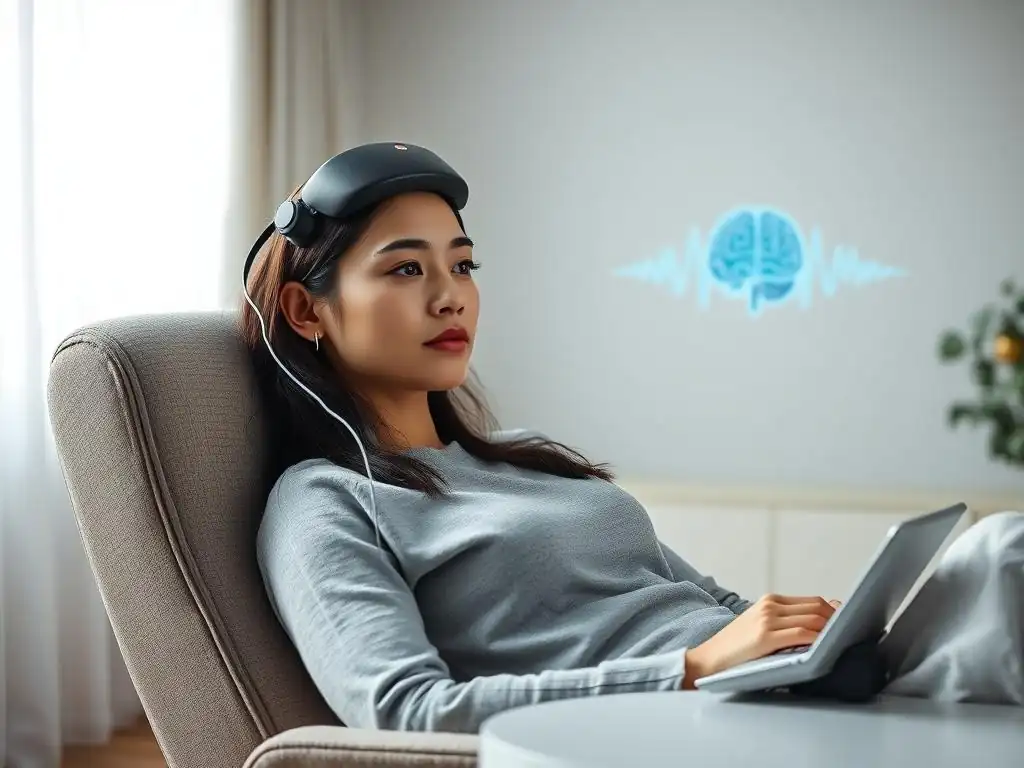
The journey to using neurofeedback to improve sleep quality typically begins with a comprehensive initial assessment. This usually involves a detailed interview to understand the individual's sleep history, habits, lifestyle, and specific sleep complaints (e.g., difficulty falling asleep, staying asleep, waking too early). Crucially, a quantitative electroencephalogram (qEEG) is performed. This involves placing a cap with multiple sensors on the scalp to record brainwave activity across different areas of the brain.
The raw EEG data is then processed and compared to normative databases of individuals of the same age and gender without sleep or neurological issues. This comparison generates a "brain map" or topographic map, which highlights areas where brainwave activity (e.g., delta, theta, alpha, beta, gamma frequencies) is significantly higher or lower than average, or where connectivity patterns are dysregulated. This map provides objective data on the specific neurological patterns that may be contributing to the individual's sleep difficulties, forming the basis for a personalized treatment plan.
Personalized Neurofeedback Training Protocols for Sleep
Based on the findings from the initial qEEG assessment, a neurofeedback practitioner develops a personalized training protocol. There is no one-size-fits-all approach, as sleep problems can stem from various underlying brain patterns. For instance, someone with excessive high beta activity might have a protocol aimed at reducing that activity, while someone with insufficient SMR might have a protocol focused on increasing it. The protocol specifies which brain regions will be targeted, which specific brainwave frequencies will be trained (either increased or decreased), and the type of feedback that will be used.
Training sessions typically last 30-60 minutes and are conducted in a quiet, comfortable environment. Sensors are placed on the scalp according to the protocol, and the individual watches a screen or listens to sounds. The visual or auditory feedback changes based on their brainwave activity in real-time.
For example, a movie might play smoothly when the desired brainwave pattern is produced but pause or dim when the undesired pattern occurs. The brain, through this feedback loop, learns to adjust its activity to optimize the feedback, thereby learning to regulate its own patterns. A typical course of training might involve 20-40 sessions.
Monitoring Progress and Adjusting Training for Optimal Sleep Outcomes
Throughout the course of neurofeedback training, progress is regularly monitored to ensure the protocol is effective and to make adjustments as needed. This monitoring involves subjective reports from the individual regarding changes in their sleep patterns, daytime symptoms (like fatigue or concentration issues), and overall well-being. Many practitioners also use sleep diaries to track objective data like bedtime, wake time, estimated sleep duration, and number of awakenings.
In addition to subjective reports, periodic qEEG assessments may be conducted, although this varies by practitioner. Comparing follow-up qEEGs to the initial assessment can show objective changes in brainwave patterns. Based on both subjective improvements and objective data, the practitioner may adjust the training protocol – perhaps targeting different frequencies, training different locations on the scalp, or altering the feedback parameters – to optimize the outcome and further improve sleep quality. This iterative process ensures the training remains tailored to the individual's evolving needs.
Neurofeedback vs. Traditional Sleep Treatments: A Comparison
Neurofeedback vs. Sleep Medication: Benefits and Risks
When comparing neurofeedback to sleep medication, a key difference lies in their fundamental approach. Sleep medications, such as benzodiazepines or Z-drugs, directly impact neurochemistry to induce sedation or alter sleep architecture. They can be effective for short-term relief of insomnia symptoms, helping individuals fall asleep faster or stay asleep longer. However, they often come with potential side effects like dizziness, cognitive impairment, dependency, tolerance, and withdrawal symptoms upon cessation. Their use is generally not recommended for chronic insomnia due to these risks.
Neurofeedback, conversely, is a learning-based therapy that aims to train the brain's self-regulation mechanisms. It does not involve introducing external substances to the body. The goal is to create lasting changes in brainwave patterns that support natural sleep processes. While neurofeedback requires a significant time commitment (multiple sessions over several weeks), its effects are often reported to be more durable compared to medication, and it lacks the systemic side effects associated with pharmaceuticals. It's generally considered safe with minimal risks, primarily fatigue or temporary headaches after sessions for a small percentage of people.
Neurofeedback vs. Cognitive Behavioral Therapy for Insomnia (CBT-I)
Cognitive Behavioral Therapy for Insomnia (CBT-I) is widely regarded as the gold standard non-pharmacological treatment for chronic insomnia. CBT-I is a structured program that addresses the psychological and behavioral factors contributing to sleep problems. It typically involves identifying and changing negative thoughts and beliefs about sleep (cognitive component) and developing healthy sleep habits (behavioral component), such as strict sleep scheduling, stimulus control, and relaxation techniques. CBT-I is highly effective for many individuals and has strong empirical support.
Neurofeedback and CBT-I operate on different levels. CBT-I focuses on the mind's relationship with sleep and observable behaviors, while neurofeedback targets the underlying physiological brain activity. Some individuals may find it difficult to implement the behavioral changes required by CBT-I, or their insomnia may be driven more strongly by physiological hyperarousal that CBT-I alone doesn't fully address. Neurofeedback offers an alternative entry point by directly working to calm the brain's overactive states. While distinct, they are not mutually exclusive and can potentially complement each other, with neurofeedback addressing the physiological foundation and CBT-I providing crucial behavioral strategies.
Neurofeedback as a Complementary Therapy for Existing Sleep Treatments
Neurofeedback can often be used effectively as a complementary therapy alongside other sleep treatments, rather than strictly as a replacement. For individuals already engaged in CBT-I, adding neurofeedback might help accelerate progress by simultaneously addressing both behavioral/cognitive factors and underlying brain dysregulation. For those who have found partial relief with medication but wish to reduce their dosage or discontinue use, neurofeedback can potentially support the transition by helping the brain learn to regulate sleep more naturally.
For example, someone managing sleep apnea with a CPAP machine might still experience fragmented sleep due to neurological factors unrelated to breathing. Neurofeedback could potentially help improve sleep depth and continuity in such cases.
Similarly, individuals with complex comorbidities, such as anxiety or ADHD alongside insomnia, might find that neurofeedback protocols designed to address these co-occurring conditions also have a positive impact on their sleep, or they might use specific sleep protocols in conjunction with other therapies for their primary conditions. Discussing the integration of neurofeedback with your current healthcare providers is essential to ensure a coordinated approach to improving sleep quality.
Optimizing Neurofeedback for Sleep: Key Considerations
The Importance of Experienced Neurofeedback Practitioners
The effectiveness of neurofeedback for improving sleep quality is highly dependent on the skill and experience of the practitioner. A qualified practitioner will have specific training in neurofeedback, an understanding of brainwave patterns associated with sleep disorders, and the ability to interpret qEEG data accurately. They should be able to design a personalized protocol based on the individual's unique brain map and sleep issues, rather than using a generic approach.
An experienced practitioner will also know how to properly place sensors, ensure clean data acquisition, and adjust protocols based on the individual's response. They can guide the client through the process, manage expectations, and troubleshoot any issues that arise. Seeking out practitioners certified by recognized bodies, such as the Biofeedback Certification International Alliance (BCIA), and those with specific experience using neurofeedback improve sleep quality is crucial for maximizing the potential benefits of the therapy.
Creating a Relaxing Sleep Environment to Support Neurofeedback
While neurofeedback directly targets brain activity, the overall sleep environment plays a significant role in sleep quality and can support or hinder the progress made in sessions. Creating a bedroom that is conducive to sleep enhances the brain's ability to transition into and maintain sleep states that neurofeedback aims to facilitate. This involves minimizing light exposure, ensuring a quiet atmosphere, and maintaining a cool, comfortable temperature.
For example, using blackout curtains, earplugs or a white noise machine, and keeping the thermostat between 60-67°F (15-19°C) can make a substantial difference. These environmental factors help signal to the brain and body that the bedroom is a place for rest, reinforcing the natural sleep-wake cycle. Integrating a calming bedtime routine before sleep can further support the relaxation response that neurofeedback often helps to cultivate, creating a synergistic effect for better sleep outcomes.
Combining Neurofeedback with Healthy Sleep Hygiene Practices
Neurofeedback is most effective when combined with healthy sleep hygiene practices. Sleep hygiene refers to a set of habits and practices that promote good sleep. While neurofeedback addresses the underlying brain patterns, sleep hygiene provides the necessary behavioral foundation. Examples include maintaining a consistent sleep schedule (even on weekends), avoiding caffeine and alcohol close to bedtime, limiting screen time before sleep, and ensuring the bedroom is used primarily for sleep and intimacy.
Simply undergoing neurofeedback training without addressing poor sleep habits is unlikely to yield optimal or lasting results. For instance, training the brain to increase SMR might help maintain sleep, but if you consume caffeine late in the evening, its stimulant effects will counteract the desired outcome. A practitioner will often discuss sleep hygiene and may recommend specific behavioral changes as part of the overall treatment plan. Adopting these practices alongside neurofeedback is key to achieving and maintaining significant improvements in sleep quality.
What the Research Says: Neurofeedback and Sleep Quality
Scientific Studies Supporting Neurofeedback for Insomnia
A growing body of scientific research explores the efficacy of neurofeedback for treating insomnia and improving sleep quality. While some studies are small or preliminary, meta-analyses and larger trials are providing more robust evidence. Several studies have specifically investigated SMR training, showing improvements in sleep onset latency, total sleep time, and sleep efficiency in individuals with chronic insomnia. For example, one study reported that participants receiving SMR neurofeedback showed significant improvements in subjective sleep quality and objective EEG measures compared to a control group.
Research also indicates that alpha-theta training can be beneficial, particularly for individuals whose insomnia is linked to anxiety or hyperarousal. Some studies have demonstrated that neurofeedback can lead to changes in brainwave patterns that correlate with improved sleep parameters, such as increased time spent in slow-wave sleep. While more large-scale, placebo-controlled trials are needed to solidify the evidence base, the existing research provides promising support for neurofeedback as a viable treatment option for insomnia and suggests it can help improve sleep quality by addressing specific brain dysregulations.
Research on Long-Term Effects of Neurofeedback on Sleep Patterns
An important aspect of neurofeedback's potential is the durability of its effects. Unlike medications that provide temporary relief, neurofeedback aims to teach the brain new, self-regulating patterns that can persist over time. Follow-up studies on neurofeedback for insomnia have explored whether the improvements in sleep quality are maintained months or even years after the training has concluded.
Some research suggests that the positive changes in sleep patterns achieved through neurofeedback can be sustained in the long term. For instance, studies have reported that participants who experienced improved sleep following neurofeedback training maintained these gains at follow-up assessments conducted several months later. This indicates that the brain may retain the ability to produce the trained brainwave patterns, leading to lasting improvements in sleep architecture and overall sleep quality. This potential for durable results is a significant advantage of neurofeedback compared to treatments that only provide symptomatic relief.
Exploring the Future of Neurofeedback in Sleep Treatment
The field of neurofeedback for sleep is continually evolving, with ongoing research exploring new protocols, technologies, and applications. Future directions include refining qEEG analysis to identify even more specific sleep-related brain patterns, developing more sophisticated and personalized training algorithms, and exploring the use of home-based neurofeedback systems under clinical supervision.
Researchers are also investigating the potential of neurofeedback for a wider range of sleep disorders beyond insomnia, such as restless legs syndrome or even as an adjunct therapy for conditions like sleep apnea that have neurological components. As our understanding of the brain's role in sleep deepens and neurofeedback technology becomes more accessible and refined, its role in helping people improve sleep quality is likely to expand, offering hope for those struggling with chronic sleep issues.
Neurofeedback for Specific Sleep Disorders
Neurofeedback for Insomnia: Targeting Hyperarousal
Insomnia, characterized by difficulty falling or staying asleep, is often linked to physiological and cognitive hyperarousal – a state where the brain and body remain overly alert at night. Neurofeedback protocols for insomnia frequently target this hyperarousal by aiming to reduce excessive high-frequency beta activity, which is associated with racing thoughts and anxiety, particularly in frontal brain regions.
Protocols may also focus on increasing alpha and theta activity to promote relaxation and facilitate the transition into sleep, or increasing SMR activity to help maintain sleep depth and reduce awakenings. By helping the individual learn to downregulate the brain's alertness systems and enhance patterns associated with calm and sleep maintenance, neurofeedback offers a direct method for addressing the neurological underpinnings of hyperarousal that contribute to chronic insomnia, helping individuals improve sleep quality more effectively.
Neurofeedback for Sleep Apnea: Addressing Underlying Brain Function
While Continuous Positive Airway Pressure (CPAP) is the primary treatment for obstructive sleep apnea, which involves physical airway blockage, central sleep apnea and mixed sleep apnea have neurological components. Even with successful airway management, some individuals with sleep apnea may experience fragmented sleep or daytime fatigue, suggesting potential underlying brain dysregulation affecting sleep architecture or arousal control.
Neurofeedback is being explored as a complementary therapy in such cases to address these potential neurological factors. For instance, protocols might aim to improve brainwave patterns associated with sleep continuity or regulate autonomic nervous system activity that could contribute to central apnea events or arousals. While not a replacement for CPAP or other primary medical treatments for sleep apnea, neurofeedback could potentially play a role in optimizing overall sleep quality and reducing residual symptoms by addressing the brain's contribution to sleep disruption. More research is needed in this specific application.
Neurofeedback for Restless Legs Syndrome (RLS): Calming the Nervous System
Restless Legs Syndrome (RLS) is a neurological disorder characterized by an irresistible urge to move the legs, often accompanied by uncomfortable sensations, particularly in the evening and night. This sensation and urge to move significantly disrupt sleep onset and maintenance. While the exact cause of RLS is complex, involving dopamine pathways and iron deficiency, there is also evidence suggesting involvement of sensory processing and motor control pathways in the brain.
Neurofeedback protocols for RLS may focus on calming overactive motor or sensory areas in the brain or regulating brainwave patterns associated with the discomfort and restlessness. For example, training to increase SMR activity or decrease high beta activity in relevant brain regions could potentially help reduce the sensations and urge to move, thereby improving the ability to fall asleep and stay asleep. Anecdotal reports and some preliminary studies suggest neurofeedback may offer relief for RLS symptoms and improve sleep quality, potentially by helping the nervous system enter a more relaxed state at night.
Is Neurofeedback Right for You? Considerations for Better Sleep
Assessing Your Sleep Problems and Determining Suitability
Deciding whether neurofeedback is a suitable option for improving your sleep quality requires a careful assessment of your specific sleep problems and overall health. It is important to consult with a healthcare professional, such as a sleep specialist or a doctor knowledgeable in sleep disorders, to get an accurate diagnosis of your sleep issues. Conditions like undiagnosed sleep apnea, severe medical conditions, or certain psychiatric disorders may require primary treatment before or alongside neurofeedback.
Once primary medical causes are addressed, discussing neurofeedback with a qualified practitioner can help determine if your sleep difficulties are likely linked to brainwave dysregulation that neurofeedback can target. They will typically conduct an initial consultation and potentially a qEEG assessment to evaluate if neurofeedback aligns with your needs and the nature of your sleep problems. This initial step is crucial for setting realistic expectations and ensuring neurofeedback is a potentially beneficial path for you.
Finding Qualified Neurofeedback Providers Specializing in Sleep
Finding a qualified and experienced neurofeedback provider is paramount when considering this therapy for sleep improvement. Look for practitioners who are certified by recognized bodies like the Biofeedback Certification International Alliance (BCIA) and have specific training and experience in using neurofeedback to treat sleep disorders. Ask about their approach, their experience with cases similar to yours, and whether they utilize qEEG assessments to personalize protocols.
It is also helpful to inquire about the number of sessions typically recommended for sleep issues and the expected timeframe for seeing results, although individual responses vary. Don't hesitate to ask questions about their background, training, and how they monitor progress. A good practitioner will be transparent, explain the process clearly, and work collaboratively with you to develop a plan aimed at helping you improve sleep quality.
Potential Side Effects and Precautions Associated with Neurofeedback for Sleep
Neurofeedback is generally considered safe and non-invasive, with minimal side effects compared to many pharmacological treatments. The most commonly reported side effects, which are usually temporary and mild, include fatigue, headaches, or a feeling of being slightly "wired" or overstimulated immediately after a session. These typically resolve quickly. Adjusting the training protocol or the duration of the session can often mitigate these effects.
It is important to communicate any discomfort or unusual sensations to your practitioner immediately. While rare, inappropriate protocols or poor data acquisition could potentially exacerbate symptoms or be ineffective. This underscores the importance of choosing a qualified practitioner. Individuals with certain neurological conditions, such as active seizures, should discuss this thoroughly with both their neurologist and neurofeedback provider, as precautions or specific protocols may be necessary. Overall, when administered by a trained professional, neurofeedback for sleep is a low-risk therapy focused on helping the brain learn healthier patterns.
Frequently Asked Questions
How does neurofeedback work to improve sleep quality?
Neurofeedback uses real-time brainwave monitoring to train individuals to self-regulate their brain activity. This process can help optimize brain patterns associated with sleep, leading to improved sleep quality. The goal is to reduce brainwave activity that interferes with sleep, such as excessive beta waves.
What specific sleep problems can neurofeedback address?
Neurofeedback can be helpful for various sleep issues, including insomnia, difficulty falling asleep, and frequent awakenings during the night. It aims to address the underlying neurological causes of these problems rather than just treating the symptoms.
How long does it take to see results from neurofeedback for sleep?
The time it takes to see results varies, but many individuals experience noticeable improvements in sleep quality after 10-20 neurofeedback sessions. Consistency with the training protocol is crucial for achieving optimal outcomes. Some may see immediate changes while others need more time.
Is neurofeedback a safe and effective treatment for sleep problems?
Neurofeedback is generally considered a safe and non-invasive treatment option. Studies suggest it can be effective in improving sleep quality, but its efficacy can vary from person to person. It's important to consult with a qualified neurofeedback practitioner to determine if it's right for you.
What are the potential benefits of using neurofeedback for sleep compared to medication?
Compared to medication, neurofeedback offers a drug-free approach to improving sleep. It aims to provide long-term solutions by addressing the root causes of sleep problems, rather than just managing symptoms. There are also no side effects associated with neurofeedback.
Final Reflection: Unlocking Restful Sleep Through Brainwave Harmony
The pursuit of better sleep is a universal human experience, and the growing understanding of its connection to brainwave activity offers a powerful pathway to improved rest. Neurofeedback, once a niche treatment, is increasingly recognized as a viable and effective tool for addressing the root causes of sleep disturbances, moving beyond symptomatic relief to lasting change.
The impact of sleep quality on our overall well-being is undeniable, influencing everything from mood and cognitive function to physical health and emotional resilience. It's a fundamental pillar of a healthy life, often overlooked until its absence is acutely felt. Sleep is the golden chain that ties health and our bodies together.
– Thomas Dekker. This quote highlights the profound interconnectedness between sleep and our overall health, a connection neurofeedback helps to strengthen by addressing the underlying neurological imbalances that contribute to sleep problems.
Consider the potential: imagine waking each morning feeling refreshed, energized, and ready to embrace the day. This isn't just a dream; it's a tangible possibility within reach. By exploring the power of neurofeedback, you can take proactive steps towards reclaiming your sleep and, in doing so, reclaiming your life. Take the time to research the options available, consult with a qualified practitioner, and embark on a journey towards a more restful and fulfilling future. Your well-being deserves it.
Unlock Your Best Sleep Yet: A Neurofeedback Journey
Thank you for taking the time to explore the world of neurofeedback and its potential for improving your sleep. We hope you gained valuable insights into how brainwave patterns impact your rest. Now, let's take that knowledge and turn it into action!
- Schedule a consultation with a neurofeedback specialist: This is the crucial first step to personalizing your sleep improvement plan. They can assess your individual needs and guide you through the process.
- Explore guided meditation and mindfulness techniques: These practices complement neurofeedback by training your brain to relax more effectively and prepare for sleep. Try a short session tonight!
- Share your experience: Tell us – and others – about your journey. What resonated most with you from the article? Your insights can help others struggling with sleep.
What small step will you take today to enhance your sleep quality?