
Digital Clutter: How Online Chaos Impacts Your Mental Clarity


Welcome to Mind Care Guide.
Feeling lost in the digital noise? It's more common than you think. We understand the anxieties that arise from constant online stimulation and the relentless flow of information. Digital Clutter: How Online Chaos Impacts Your Mental Clarity delves into the heart of this issue. Are you ready to reclaim your peace of mind and learn practical strategies for managing online overwhelm anxiety? Let's explore how to navigate the digital world with greater clarity and well-being. Read on to discover tools and techniques to help you disconnect, de-stress, and reconnect with yourself.
Digital Clutter: How Online Chaos Impacts Your Mental Clarity
- Understanding Digital Clutter and Its Psychological Effects
- Identifying Sources of Digital Clutter
- The Impact of Digital Overload on Mental Well-being
- Strategies for Managing Digital Clutter
- Preventing Future Digital Clutter: Sustainable Digital Habits
- Conclusion: Reclaiming Mental Clarity in a Digital World
-
Frequently Asked Questions
- How does excessive online activity contribute to anxiety?
- What are some common signs that I'm experiencing "online overwhelm anxiety"?
- What are some practical strategies for managing "online overwhelm anxiety"?
- How can I identify what triggers my "online overwhelm anxiety"?
- Are there resources available if I'm struggling to manage "online overwhelm anxiety" on my own?
- Final Reflection: Reclaiming Mental Clarity in the Digital Age
- Reclaim Your Mental Space: Clear the Digital Clutter
Understanding Digital Clutter and Its Psychological Effects
Defining Digital Clutter: Beyond Just Unused Files
Digital clutter encompasses more than just disorganized files on a computer or a messy desktop background. It refers to the overwhelming volume of digital information, notifications, subscriptions, unused apps, and general online detritus that constantly competes for our attention. This can include everything from overflowing email inboxes and cluttered cloud storage to an excessive number of social media connections and a constant stream of non-essential notifications.
Think of it as the digital equivalent of a physical hoarder's home, but instead of objects, it's data, alerts, and connections that accumulate. This constant influx and disorganized state create a sense of chaos in our digital lives, mirroring and often exacerbating feelings of disarray in our mental space. Recognizing digital clutter involves acknowledging the mental burden imposed by this online overload, which is a crucial first step towards managing online overwhelm anxiety.
The Link Between Online Overwhelm and Mental Health
The constant barrage of information and demands from our digital devices has a tangible impact on our psychological state. Online overwhelm, a direct result of digital clutter and excessive connectivity, can lead to increased stress, anxiety, and even symptoms akin to burnout. Our brains are not inherently wired to process the sheer volume and velocity of digital stimuli we encounter daily.
Research consistently points to a correlation between high digital usage and negative mental health outcomes. For instance, studies have shown that excessive screen time, particularly on social media, can contribute to feelings of inadequacy, comparison, and social isolation, despite being "connected." Effectively managing online overwhelm anxiety involves understanding these psychological links and developing strategies to mitigate the negative effects of a cluttered digital life.
How Digital Clutter Contributes to Stress and Anxiety
Digital clutter acts as a persistent, low-grade stressor. An overflowing inbox can create a feeling of having unfinished tasks, leading to anxiety about missing something important. Constant notifications interrupt focus and create a state of perpetual vigilance, raising cortisol levels. The sheer volume of unorganized files can make finding necessary information difficult and frustrating, adding to daily stress.
Furthermore, the pressure to keep up with endless digital streams – social media updates, news alerts, work communications – fosters a sense of being constantly 'on' and inadequate if one disengages. This chronic state of low-level stress and the feeling of being overwhelmed by information contributes significantly to managing online overwhelm anxiety, making it difficult to relax and achieve mental clarity.
Identifying Sources of Digital Clutter
Email Overload: Taming the Inbox Beast
Email overload is one of the most common forms of digital clutter. The average office worker receives over 120 emails per day, and a significant portion of these are often newsletters, promotional offers, or notifications that are never read. An inbox with thousands of unread emails can feel like a daunting, never-ending task list, contributing significantly to stress and the feeling of online overwhelm.
This constant influx distracts from focused work and personal time. The anxiety stems from the fear of missing a crucial message among the noise, forcing individuals to scan large volumes of irrelevant content. Effectively managing online overwhelm anxiety often starts with tackling the email beast through systematic approaches.
Social media platforms are designed to capture and retain attention, leading to an overwhelming stream of content, notifications, and connections. Following hundreds or thousands of accounts, joining numerous groups, and receiving constant updates on various activities creates a dense digital environment. This congestion can lead to comparison fatigue, fear of missing out (FOMO), and a distorted sense of reality.
Scrolling through endless feeds exposes us to a constant stream of curated lives and often negative news, contributing to feelings of inadequacy and anxiety. The pressure to maintain a digital presence and interact across multiple platforms adds another layer of cognitive burden. Filtering this noise is essential for managing online overwhelm anxiety and reclaiming mental space.
Notification Fatigue: Managing Alerts and Interruptions
Modern smartphones and computers are notification hubs, constantly pinging us with updates from apps, messages, news, and social media. It's estimated that the average smartphone user receives dozens, if not hundreds, of notifications daily. Each alert, however small, causes a micro-interruption that breaks concentration and pulls our attention away from the task at hand.
This continuous state of interruption leads to notification fatigue, a feeling of being constantly pulled in different directions and unable to focus deeply. The anxiety is rooted in the feeling of being constantly on call and the inability to disconnect. Learning effective strategies for managing these alerts is vital for managing online overwhelm anxiety.
Digital File Chaos: Organizing Your Virtual Workspace
Our digital lives generate vast amounts of files: documents, photos, videos, downloads, and more. Without a systematic approach, these files can quickly become disorganized, spread across multiple folders, devices, and cloud services. Searching for a specific document or photo in a chaotic digital environment is time-consuming and frustrating.
This disorganization creates a sense of clutter and inefficiency in our virtual workspace. It can lead to anxiety when deadlines approach and necessary files are hard to locate, or when storage space runs out unexpectedly. Just as a messy physical desk can impede productivity, digital file chaos hinders efficiency and contributes to the overall feeling of online overwhelm.
The Impact of Digital Overload on Mental Well-being

Increased Stress Levels Due to Constant Connectivity
The expectation of being constantly available and responsive in the digital age significantly elevates stress levels. Work emails arriving at all hours, social obligations demanding immediate responses, and the pressure to engage with online content create a perpetual state of readiness that prevents true relaxation. This always-on culture erodes the boundaries between work and personal life.
Studies have shown that individuals who feel compelled to check emails frequently outside of work hours report higher levels of stress and emotional exhaustion. This constant connectivity prevents the mental and physical downtime needed to recover from daily demands, directly contributing to the difficulty in managing online overwhelm anxiety.
Cognitive Overload and Difficulty Focusing
Our brains have a limited capacity for processing information simultaneously. Digital overload bombards us with an unprecedented volume of data, notifications, and stimuli, pushing our cognitive limits. This constant influx leads to cognitive overload, making it difficult to concentrate on single tasks, retain information, and think deeply.
The ability to sustain attention is eroded by frequent task-switching and interruptions caused by digital alerts. This reduced focus impacts productivity at work and school, and even diminishes our ability to fully engage in personal interactions or leisure activities. Managing online overwhelm anxiety often involves strategies to reduce this cognitive burden and improve focus.
Feelings of Anxiety and Being Overwhelmed by Information
The sheer volume of information available online – news, social updates, opinions, advertisements – can be overwhelming and contribute to significant anxiety. Exposure to negative news cycles, cyberbullying, or curated online perfection can trigger feelings of fear, worry, and inadequacy. The pressure to consume and process this information creates a sense of being constantly behind or out of the loop.
This constant feeling of being bombarded and unable to keep up is a core component of online overwhelm anxiety. It can manifest as restlessness, difficulty making decisions, and a pervasive sense of unease related to one's digital life. Addressing this anxiety requires conscious effort to curate digital exposure and set boundaries.
Sleep Disruption Caused by Digital Devices
The pervasive use of digital devices, especially close to bedtime, is a significant contributor to sleep disruption. The blue light emitted by screens interferes with the body's production of melatonin, the hormone that regulates sleep. Furthermore, engaging with stimulating content – checking emails, scrolling social media, watching videos – right before sleep can keep the mind active and make it harder to fall asleep.
Poor sleep quality and insufficient sleep are strongly linked to increased stress, anxiety, and impaired cognitive function. This creates a vicious cycle where digital habits negatively impact sleep, which in turn exacerbates feelings of stress and difficulty in managing online overwhelm anxiety during the day.
Strategies for Managing Digital Clutter
Digital Decluttering: A Step-by-Step Guide
Digital decluttering is an intentional process of organizing and reducing your digital footprint to create a calmer, more manageable online environment. It's not a one-time fix but an ongoing practice. Starting with small, manageable steps can make the process less daunting and more effective in managing online overwhelm anxiety.
This process involves systematically reviewing your digital assets and habits. It's about making conscious choices about what you allow into your digital space and actively removing what no longer serves you. Think of it as spring cleaning for your digital life, clearing out the unnecessary to make space for what truly matters.
Auditing Your Digital Habits
Begin by understanding where your digital time and attention are actually going. Use screen time tracking features on your phone or computer, or dedicated apps, to see how much time you spend on different platforms and apps. Note when and why you feel compelled to check devices or notifications.
This audit provides valuable insight into your patterns of use and identifies the biggest sources of digital clutter and distraction. Understanding your habits is the foundation for making informed changes and developing effective strategies for managing online overwhelm anxiety.
Unsubscribing from Unnecessary Emails and Newsletters
Tackle email overload by aggressively unsubscribing from newsletters and promotional emails you no longer read or need. Most marketing emails have an "unsubscribe" link at the bottom. Dedicate 10-15 minutes each day for a week to this task, or use email management tools that help identify subscription emails.
Aim to get your inbox to a state where you only receive emails that are truly important or relevant to you. Reducing the volume of incoming emails significantly decreases the cognitive load and the anxiety associated with a cluttered inbox, making it easier to manage online overwhelm anxiety.
Curating Your Social Media Feeds
Take control of your social media experience by unfollowing accounts that don't add value, make you feel inadequate, or generate negative emotions. Mute accounts if you can't unfollow them for social reasons but want to see less of their content. Utilize features like "see less often" or interest-based filtering where available.
Focus on following accounts that inspire, inform, or genuinely connect you with friends and family in a positive way. Curating your feed reduces the volume of overwhelming content and transforms social media from a source of anxiety into a more intentional and positive space, aiding in managing online overwhelm anxiety.
Organizing and Deleting Files Regularly
Set aside dedicated time each week or month to organize your digital files. Create a logical folder structure that makes sense to you. Delete duplicate files, old downloads, and documents you no longer need. Utilize cloud storage effectively, but keep it organized as well.
Having a system for filing new documents immediately prevents future clutter build-up. A clean and organized digital workspace reduces frustration and saves time, contributing to a calmer mental state and supporting your efforts in managing online overwhelm anxiety.
Setting Boundaries and Creating Healthy Digital Habits
Establishing clear boundaries around digital use is crucial for preventing overload and protecting mental health. This involves making conscious decisions about when, where, and how you interact with technology. Boundaries help reclaim personal time and space from the demands of the digital world.
Creating healthy digital habits is an ongoing process that requires self-awareness and discipline. It's about using technology intentionally rather than letting it control you. These habits are foundational for effectively managing online overwhelm anxiety in the long term.
Establishing Device-Free Zones and Times
Designate specific times of the day or areas in your home where digital devices are not allowed. For example, implement a "no phones at the dinner table" rule, or create a "digital sunset" time an hour or two before bed. Make your bedroom a device-free sanctuary to protect sleep quality.
These boundaries create pockets of time and space free from digital interruptions, allowing for focused activities, genuine connection with others, or simply quiet reflection. This deliberate disconnection is powerful for reducing stress and managing online overwhelm anxiety.
Limiting Social Media Use
Be intentional about the amount of time you spend on social media. Use app timers or set personal limits on how long you will spend on platforms each day. Consider deleting social media apps from your phone if you find yourself mindlessly scrolling, accessing them only from a computer with a specific purpose.
Instead of aimless scrolling, define a purpose for using social media, such as checking in with specific friends or seeking out particular information. Reducing passive consumption and being more active and intentional helps curb the anxiety and overwhelm associated with these platforms, aiding in managing online overwhelm anxiety.
Practicing Mindful Technology Use
Engage with technology consciously and deliberately, rather than automatically or reactively. Before opening an app or checking your phone, pause and ask yourself why you are doing it and what you hope to achieve. Pay attention to how different digital interactions make you feel.
Mindful technology use helps you become more aware of your digital habits and their impact on your mental state. It allows you to make conscious choices about when and how to engage, reducing impulsive use and contributing to a more balanced digital life, which is key for managing online overwhelm anxiety.
Utilizing Tools and Apps to Reduce Digital Clutter
Several digital tools and apps can assist in the process of managing digital clutter and reducing online overwhelm. These tools can automate tasks, filter information, or help you set and enforce boundaries. While adding another app might seem counterintuitive, the right tools can simplify your digital life.
Choose tools that address your specific challenges, whether it's email management, social media distraction, or file organization. Experiment with a few options to find what works best for your workflow and helps you feel more in control of your digital environment, supporting your efforts in managing online overwhelm anxiety.
Email Management Apps
Apps like SaneBox, Clean Email, or even advanced features within email clients (like filters and labels) can help automatically sort, prioritize, and clean up your inbox. They can bundle newsletters, archive old emails, and highlight important messages, significantly reducing the visual and mental clutter of an overflowing inbox.
These tools automate the tedious parts of email management, freeing up mental energy and reducing the anxiety associated with manually sorting through large volumes of messages. They are powerful allies in the fight against email overload and in managing online overwhelm anxiety.
Social Media Filtering Tools
Browser extensions and apps like News Feed Eradicator or StayFocusd can block distracting feeds or limit time spent on specific websites. Some apps even offer features to curate content or provide summaries rather than requiring you to scroll through endless posts.
These tools create friction points that make it harder to fall into mindless scrolling habits and help you consume social media content more intentionally. By reducing exposure to overwhelming or anxiety-inducing content, they directly support managing online overwhelm anxiety.
File Organization Software
Tools like Hazel (for Mac), File Juggler (for Windows), or cloud service features (like automatic backups and syncing) can help automate file organization tasks. They can move files to designated folders based on rules, rename files, or clean up download folders regularly.
Implementing file organization software creates a system that maintains order in your digital workspace with minimal manual effort. This reduces the stress of searching for files and contributes to a more efficient and less cluttered digital life, which is beneficial for managing online overwhelm anxiety.
Prioritizing Mental Well-being in the Digital Age
Ultimately, managing digital clutter and online overwhelm is about prioritizing your mental health in an increasingly digital world. It's recognizing that your peace of mind is more important than keeping up with every notification or online trend. This involves integrating practices that support mental well-being alongside digital strategies.
Taking proactive steps to protect your mental space from digital intrusion is not selfish; it's essential for maintaining balance and resilience. Incorporating stress-reducing techniques is a vital component of effectively managing online overwhelm anxiety.
Mindfulness and Meditation Techniques for Managing Online Stress
Mindfulness practices, such as deep breathing exercises or short meditations, can be incredibly effective in managing the stress and anxiety triggered by digital overload. Taking a few moments to pause, breathe, and observe your thoughts and feelings without judgment can help you regain perspective when feeling overwhelmed by digital demands.
Incorporating short mindfulness breaks throughout the day, perhaps after checking email or scrolling social media, can help break the cycle of reactivity and bring you back to the present moment. These practices build resilience and provide tools for navigating the digital landscape with greater calm, directly aiding in managing online overwhelm anxiety.
Seeking Support for Digital Addiction or Anxiety
If you find that your digital habits feel out of control, are significantly impacting your life, or if managing online overwhelm anxiety feels impossible on your own, consider seeking professional support. Therapists specializing in digital well-being or addiction can provide strategies and coping mechanisms tailored to your specific challenges.
Support groups or online communities focused on digital wellness can also offer valuable peer support and shared experiences. Reaching out for help is a sign of strength and can provide the guidance needed to regain control over your digital life and improve your mental well-being.
Preventing Future Digital Clutter: Sustainable Digital Habits
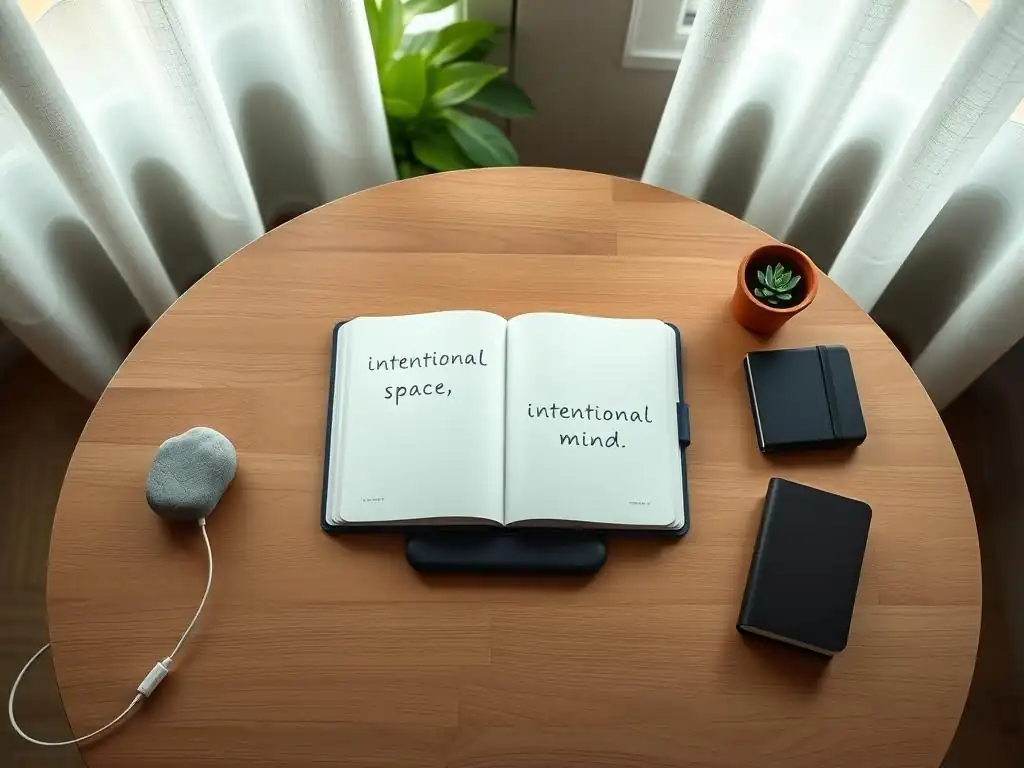
Preventing digital clutter from accumulating in the first place is key to long-term mental clarity and effectively managing online overwhelm anxiety. This requires developing sustainable digital habits that are mindful and proactive, rather than reactive. It's about building a digital lifestyle that supports, rather than detracts from, your well-being.
Think of this as preventative maintenance for your digital life. Regularly reviewing your digital practices and being intentional about new additions helps maintain order and prevents the slow creep of clutter that can lead to future overwhelm and anxiety.
Regularly Reviewing and Updating Your Digital Practices
Schedule regular "digital check-ins" – perhaps monthly or quarterly – to review your digital habits and organization. Use this time to unsubscribe from new unwanted lists, delete old files, reassess your social media follows, and adjust notification settings.
This proactive review process ensures that digital clutter doesn't have a chance to build up to overwhelming levels again. It makes maintaining a clean digital space a routine task rather than a large, daunting project, making managing online overwhelm anxiety a continuous, manageable process.
Being Mindful of New Subscriptions and Apps
Be cautious and intentional before subscribing to newsletters, signing up for services, or downloading new apps. Ask yourself if you truly need it and if it will add value to your life, or if it's likely to become another source of digital noise and clutter.
Develop a habit of immediately unsubscribing from newsletters after reading if they aren't consistently valuable, or deleting apps you haven't used in a month. This mindful approach to digital acquisition prevents clutter at the source, significantly reducing the effort needed for managing online overwhelm anxiety.
Teaching Others About Digital Wellness
Sharing your knowledge and strategies for managing digital clutter and online overwhelm anxiety with friends, family, or colleagues can reinforce your own habits and help others. Discussing the impact of digital overload can create a supportive environment where digital wellness is valued.
Educating others about mindful technology use and the importance of digital boundaries helps spread awareness and can foster a culture that prioritizes mental well-being in the digital age. This collective effort makes it easier for everyone to navigate the complexities of online life.
Conclusion: Reclaiming Mental Clarity in a Digital World
The Importance of Digital Minimalism for Mental Health
Adopting principles of digital minimalism – intentionally reducing online engagement to focus on activities that add the most value – is a powerful approach for enhancing mental health. It's about curating your digital life to be simpler, more purposeful, and less demanding.
By minimizing the sources of digital clutter and distraction, you free up cognitive resources and mental energy. This intentional reduction leads to decreased stress, improved focus, and a greater sense of control over your time and attention, fundamentally supporting managing online overwhelm anxiety.
Taking Control of Your Digital Environment for a Calmer Mind
Reclaiming mental clarity in the digital age is an active process of taking control of your digital environment rather than letting it control you. It involves setting boundaries, developing mindful habits, and regularly decluttering your online space.
By implementing the strategies discussed, you can transform your relationship with technology, making it a tool that serves you rather than a source of stress and anxiety. Taking these steps is essential for managing online overwhelm anxiety and cultivating a calmer, more focused mind in our hyper-connected world.
Frequently Asked Questions
How does excessive online activity contribute to anxiety?
Excessive online activity can lead to anxiety by overwhelming the brain with constant stimulation and information overload, leading to feelings of being stressed and unable to cope.
What are some common signs that I'm experiencing "online overwhelm anxiety"?
Common signs include feeling irritable, having difficulty concentrating, experiencing sleep disturbances, and feeling a general sense of unease related to your online activities.
What are some practical strategies for managing "online overwhelm anxiety"?
Strategies include setting time limits for online use, practicing mindfulness, curating your social media feeds, and taking regular digital detoxes to disconnect and recharge.
How can I identify what triggers my "online overwhelm anxiety"?
Pay attention to the specific types of online content or activities that increase your anxiety. This could be negative news, social media comparisons, or work-related emails.
Are there resources available if I'm struggling to manage "online overwhelm anxiety" on my own?
Yes, Mind Care Guide offers information, support groups, and links to mental health professionals who can provide personalized guidance and treatment for anxiety related to digital overload.
Final Reflection: Reclaiming Mental Clarity in the Digital Age
The relentless influx of information in our hyper-connected world is not just inconvenient; it's a significant contributor to widespread anxiety and diminished mental clarity. We've explored the insidious ways digital clutter—from overflowing inboxes to endless social media notifications—contributes to this pervasive feeling of overwhelm, impacting our focus, productivity, and overall well-being. This isn't just a minor inconvenience; it's a critical issue demanding our attention.
The pervasive nature of digital clutter has profoundly shaped our modern experience, impacting everything from our work-life balance to our relationships. We've become accustomed to a constant state of "on," sacrificing deep focus and meaningful connection for the fleeting dopamine hits of notifications and endless scrolling. This constant stimulation leaves us feeling depleted and disconnected, a sentiment echoed by the insightful words of Cal Newport: The ability to concentrate intensely is becoming a rare and valuable skill.
This quote underscores the importance of actively combating digital clutter to reclaim our mental space and cultivate genuine presence in our lives.
You now have the tools to begin reclaiming your mental clarity. Start small: unsubscribe from unnecessary emails, curate your social media feeds, and schedule dedicated "digital detox" periods. Remember, taking control of your digital environment is an act of self-care, a conscious choice to prioritize your mental well-being. By consciously managing your online presence, you're not just organizing your digital life; you're investing in a calmer, more focused, and ultimately, more fulfilling future. Take that first step today – your mind will thank you for it.
Reclaim Your Mental Space: Clear the Digital Clutter
Thanks for taking the time to explore the impact of digital clutter on your mental well-being! We hope you found practical strategies to help you regain focus and clarity. Now it's time to put those strategies into action.
- Prioritize a Digital Declutter: Start small! Choose one area (your email inbox, your phone's apps, or a specific social media account) and dedicate just 15 minutes to purging unnecessary items. This small step will create a noticeable shift in your mental space.
- Share your Decluttering Journey: Inspire others by sharing your tips and experiences on social media. Use #DigitalDeclutterMindset to connect with our community and encourage others.
- Explore Mindful Tech Use: Consider setting daily time limits for specific apps or scheduling digital detox breaks throughout your day.
What's one small step you can take today to reduce your digital overwhelm and boost your mental clarity?