
Bridging the Gap: How Cultural Competence Transforms Mental Health Care

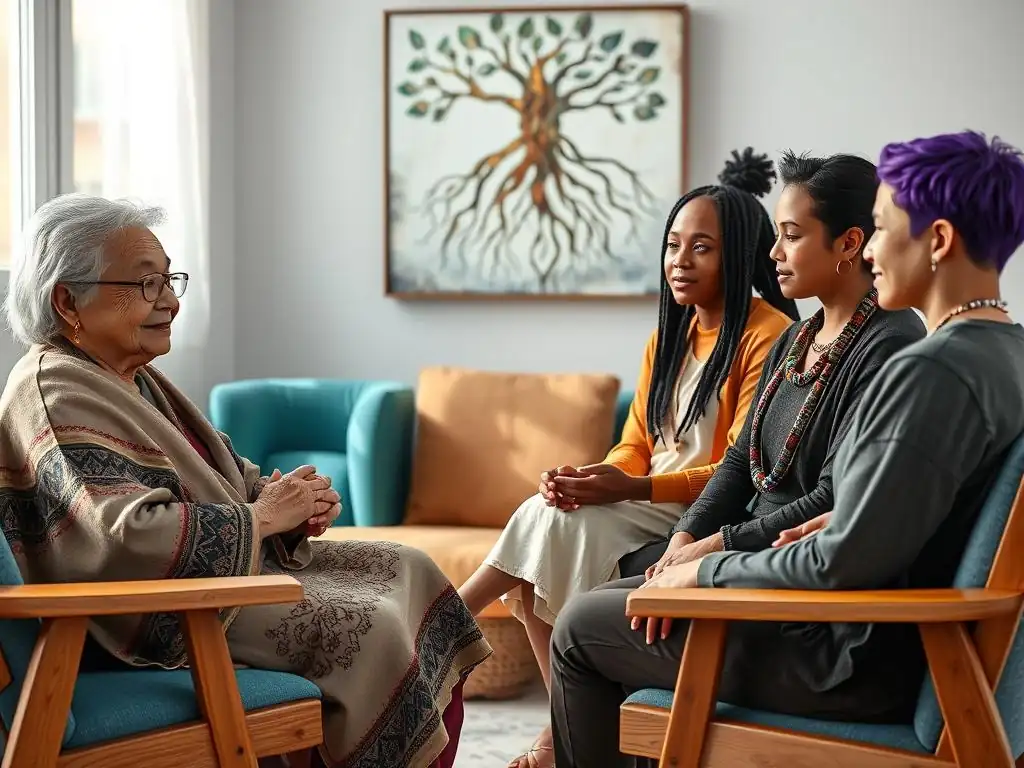
Welcome to Mind Care Guide, a space dedicated to nurturing your mental well-being.
Feeling misunderstood or unheard when seeking mental health support? You're not alone. We delve into the crucial topic of cultural competence in mental health care, exploring how understanding and respecting diverse backgrounds can dramatically improve treatment outcomes. Discover how bridging the gap of cultural understanding can unlock a more effective and empathetic path to healing. Read on to learn more and find resources that truly resonate.
Bridging the Gap: How Cultural Competence Transforms Mental Health Care
- Understanding Cultural Competence in Mental Health: An Introduction
- Why Cultural Competence Matters in Mental Health Treatment
- Key Elements of Culturally Competent Mental Health Practices
- The Impact of Cultural Incompetence in Mental Healthcare
- Practical Strategies for Enhancing Cultural Competence in Mental Health
- Case Studies: Examples of Culturally Competent Mental Health Care in Action
- Overcoming Barriers to Cultural Competence in Mental Health
- The Future of Cultural Competence in Mental Health Care
- Resources for Further Learning About Cultural Competence and Mental Health
- Conclusion: Transforming Mental Health Care Through Cultural Competence
-
Frequently Asked Questions
- What is cultural competence in the context of mental health care?
- Why is cultural competence important for effective mental health treatment?
- What are some examples of cultural competence in practice?
- How can I find a mental health professional who is culturally competent?
- What are the potential consequences of lacking cultural competence in mental health care?
- Final Reflection: Cultivating Empathy, Transforming Care
- Unleash Your Cultural Empathy: Transform How You Approach Mental Wellness
Understanding Cultural Competence in Mental Health: An Introduction
Defining Cultural Competence in Mental Health Settings
Cultural competence in mental health care refers to the ability of practitioners and systems to provide services that are respectful of and responsive to the health beliefs, practices, and cultural and linguistic needs of diverse patients. It involves understanding how cultural factors influence an individual's perception of mental illness, their willingness to seek help, their communication style, and their response to treatment. Moving beyond simple awareness, it requires active engagement and skill development to effectively work with individuals from varied backgrounds, including different ethnicities, races, religions, sexual orientations, socioeconomic statuses, and abilities.
Achieving true cultural competence mental health care is an ongoing process, not a destination. It means recognizing that culture shapes not only the patient's experience but also the provider's own biases and assumptions. For instance, a study might show that certain cultural groups are more likely to somaticize psychological distress, presenting physical symptoms rather than emotional ones. A culturally competent provider understands this potential difference and adapts their assessment approach accordingly, preventing misdiagnosis and building a more accurate picture of the client's needs. This foundational understanding is critical for building trust and delivering effective care.
The Importance of Cultural Sensitivity in Mental Health Services
Cultural sensitivity in mental health services is paramount because it directly impacts the quality and accessibility of care. When mental health professionals are culturally sensitive, they create a safer and more welcoming environment for individuals from diverse backgrounds who may already face significant barriers to seeking help, such as stigma or historical mistrust of healthcare systems. Sensitivity involves acknowledging and respecting the unique cultural context of each individual's experiences and challenges.
Ignoring cultural factors can lead to significant negative outcomes. For example, a therapist unfamiliar with the cultural norms around family involvement in decision-making might inadvertently alienate a client whose culture prioritizes collective well-being over individual autonomy. Research consistently shows that a lack of cultural sensitivity contributes to disparities in mental health outcomes, with minority groups often experiencing poorer quality care and less effective treatment compared to dominant cultural groups. Prioritizing cultural sensitivity is not just an ethical imperative but a clinical necessity for improving patient engagement and therapeutic alliance.
A Commitment to Culturally Competent Care
Many organizations dedicated to mental well-being recognize the critical role of cultural competence mental health care. For example, a hypothetical large mental health services provider might state that training in cultural competency is mandatory for all clinical staff upon hiring and annually thereafter. This training could cover topics ranging from understanding specific cultural beliefs about mental illness to developing skills for working with interpreters and adapting therapeutic techniques.
Beyond training, a commitment to culturally competent care involves systemic changes. This could include hiring a diverse workforce that reflects the communities served, developing outreach programs specifically tailored to reach underserved cultural groups, and implementing policies that ensure assessment tools and treatment protocols are reviewed for cultural appropriateness. Such an organizational commitment signals to both staff and the community that providing respectful, effective care across all cultural lines is a core value.
Why Cultural Competence Matters in Mental Health Treatment
Addressing Health Disparities in Mental Healthcare
Significant health disparities persist within mental healthcare, often along lines of race, ethnicity, socioeconomic status, and other cultural markers. For instance, studies have indicated that racial and ethnic minorities in the United States often experience higher rates of certain mental health conditions while simultaneously facing greater barriers to accessing quality care. Data from sources like the Substance Abuse and Mental Health Services Administration (SAMHSA) have highlighted that adults from minority groups are less likely to receive mental health services compared to non-Hispanic whites, even when experiencing similar levels of need.
Cultural incompetence on the part of providers and within healthcare systems contributes directly to these disparities. Misunderstandings stemming from cultural differences in communication, symptom expression, or beliefs about healing can lead to misdiagnoses or ineffective treatment plans. For example, a provider might misinterpret a client's stoicism, a cultural norm in some communities, as a lack of engagement, potentially leading to premature termination of therapy. Culturally competent mental health care actively works to dismantle these barriers by ensuring care is accessible, relevant, and effective for all individuals, regardless of their background.
Reducing Stigma and Improving Access to Mental Health Services
Stigma surrounding mental health is a global challenge, but its manifestations and intensity can vary significantly across cultures. In some cultural contexts, admitting to mental health struggles may bring shame upon an individual or their family, making it extremely difficult to seek help. Cultural competence mental health care acknowledges these specific cultural stigmas and works to address them empathetically.
Providers who understand the unique cultural nuances of stigma can tailor their approach to be less confrontational and more supportive, helping individuals navigate these challenges within their own cultural framework. Furthermore, culturally competent services are more likely to be located in accessible community settings, utilize trusted community leaders as liaisons, and offer services in culturally preferred formats, thus improving overall access.
For example, a program might partner with local religious institutions or community centers that are already trusted within a specific cultural group, making it easier for individuals to connect with mental health support without facing the full weight of traditional stigma.
Building Trust and Rapport with Diverse Patient Populations
Trust and rapport are fundamental to the therapeutic relationship, yet they can be particularly challenging to establish when significant cultural differences exist between the provider and the patient. Historical trauma, discrimination, and negative past experiences with healthcare systems can contribute to deep-seated mistrust among certain cultural groups. Culturally competent mental health care prioritizes building this trust by demonstrating respect, empathy, and a genuine willingness to understand the patient's perspective within their cultural context.
This involves active listening, validating the patient's experiences without judgment, and being transparent about the therapeutic process. A provider who shows humility and acknowledges their own limitations in fully understanding another's culture can foster a stronger connection than one who pretends to be an expert. For instance, a therapist working with a refugee client might respectfully ask about their experiences and how their cultural background influences their coping mechanisms, rather than making assumptions based on generalized knowledge. This approach validates the client's identity and lived experience, laying the groundwork for a strong therapeutic alliance.
Key Elements of Culturally Competent Mental Health Practices
Cultural Awareness: Recognizing Your Own Biases
Cultural awareness is the foundational step towards cultural competence mental health care. It involves a deliberate and ongoing process of self-reflection regarding one's own cultural background, beliefs, values, and assumptions. Recognizing how one's own culture shapes perceptions of health, illness, help-seeking behaviors, and even the therapeutic process is crucial. This self-awareness extends to identifying potential biases, stereotypes, or prejudices that one may consciously or unconsciously hold towards individuals from different cultural groups.
For example, a therapist might explore their own cultural upbringing's views on emotional expression and how that might inadvertently influence their expectations of a client's behavior in therapy. This introspective work is not about eliminating all biases, which is likely impossible, but about becoming aware of them so they do not negatively impact clinical judgment and interaction. Acknowledging these biases allows providers to approach each client with greater humility and openness, fostering a more equitable and effective therapeutic relationship.
Cultural Knowledge: Understanding Diverse Beliefs and Practices
Cultural knowledge involves seeking out and understanding the diverse beliefs, practices, and historical experiences of various cultural groups. This includes learning about different cultural conceptualizations of mental health and illness, traditional healing practices, family structures, communication styles, and the impact of historical events (like slavery, colonization, or forced migration) on mental well-being. This knowledge is not meant for stereotyping but rather to provide a framework for understanding potential influences on a client's life.
For instance, learning about the prevalence of intergenerational trauma within certain communities can help a therapist understand a client's presenting symptoms in a broader context. Similarly, understanding different cultural views on spirituality or the role of elders can inform treatment planning. While it's impossible to know everything about every culture, a commitment to continuous learning and a willingness to ask respectful questions about a client's specific cultural experiences are vital components of developing cultural competence mental health care.
Cultural Skills: Adapting Interventions to Meet Individual Needs
Cultural skills are the practical abilities needed to adapt mental health interventions to be effective and culturally appropriate for individual clients. This involves modifying therapeutic techniques, communication strategies, and treatment goals based on the client's cultural background, preferences, and needs. It's about moving beyond a "one size fits all" approach and tailoring care to the specific context of the individual.
Examples of cultural skills include knowing how to use culturally validated assessment tools, adapting language and metaphors to resonate with a client's cultural framework, involving family members appropriately according to cultural norms, and collaborating with traditional healers or community leaders if the client desires. For instance, cognitive behavioral therapy (CBT) might be adapted to focus on collective rather than purely individual goals for clients from cultures that prioritize the group. Developing these skills ensures that the care provided is not only technically sound but also relevant and accessible to the client.
Cultural Encounters: Engaging with Diverse Communities
Cultural encounters refer to the direct interactions and experiences that mental health professionals have with individuals from diverse cultural backgrounds. These encounters are invaluable learning opportunities that help providers move beyond theoretical knowledge and develop practical understanding and empathy. Engaging with diverse clients and communities challenges assumptions, expands perspectives, and refines cultural skills.
These encounters can happen naturally through clinical practice, but they can also be intentionally sought out through community involvement, attending cultural events, or participating in cross-cultural dialogues. Each interaction provides an opportunity to learn about the nuances of identity and experience that cannot be fully captured in books or training modules. A commitment to seeking out and learning from these cultural encounters is essential for deepening cultural competence mental health care.
Cultural Desire: A Genuine Commitment to Cultural Competence
Cultural desire is the intrinsic motivation and genuine commitment to become culturally competent. It goes beyond simply fulfilling training requirements or following protocols; it is a deep-seated willingness to learn, grow, and engage with individuals from diverse backgrounds in a respectful and effective manner. This desire is the driving force that sustains the ongoing process of developing cultural competence.
This commitment involves acknowledging one's own limitations, being open to feedback, and actively seeking opportunities for cultural learning and growth. It is fueled by a belief in the value of diversity and a commitment to providing equitable and high-quality mental healthcare to everyone. Without this genuine desire, the other components of cultural competence—awareness, knowledge, skills, and encounters—may remain superficial and less impactful. It is this authentic commitment that truly transforms the delivery of mental health services.
The Impact of Cultural Incompetence in Mental Healthcare

Misdiagnosis and Ineffective Treatment
Cultural incompetence in mental health care can lead directly to misdiagnosis and ineffective treatment, significantly harming patient outcomes. Mental health assessments rely heavily on verbal communication, interpretation of behavior, and understanding of symptoms. When providers lack understanding of how culture influences symptom expression, communication styles, and explanatory models of illness, they may incorrectly interpret a client's presentation. For example, intense grief reactions that are culturally normative in certain communities might be mistakenly pathologized as a mood disorder by an uninformed clinician.
This initial misdiagnosis then leads to treatment plans that are not aligned with the client's actual needs or cultural context. Prescribing medication for a condition the client doesn't have, or implementing a therapy modality that conflicts with the client's cultural values (e.g., prioritizing individual self-disclosure in a culture that values privacy), renders the treatment ineffective. Data suggests that minority groups are sometimes over-diagnosed with severe mental illnesses while under-diagnosed with common conditions like depression and anxiety, highlighting the tangible consequences of a lack of cultural competence mental health care.
Increased Drop-Out Rates from Therapy
A significant consequence of cultural incompetence is higher drop-out rates from mental health services among diverse patient populations. When clients feel misunderstood, disrespected, or alienated by their provider or the system, they are less likely to continue therapy. Factors such as a lack of shared language (even with interpreters), insensitivity to cultural norms (like involving family), or a perceived lack of relevance in the therapeutic approach can erode trust and motivation to continue.
For example, if a therapist consistently misunderstands a client's culturally informed coping strategies or dismisses their traditional beliefs about healing, the client may feel that therapy is not helpful or even harmful. Research has shown that clients from minority backgrounds are more likely to terminate therapy prematurely compared to their white counterparts. This high drop-out rate means that individuals who most need support are not receiving consistent care, perpetuating disparities in mental health outcomes. Effective cultural competence mental health care is crucial for retaining clients and ensuring they complete their course of treatment.
Negative Patient Experiences and Outcomes
Beyond misdiagnosis and drop-out, cultural incompetence leads to negative patient experiences and overall poorer outcomes. Patients may report feeling invalidated, discriminated against, or alienated by their interactions with mental health providers. These negative experiences can exacerbate existing distress, increase reluctance to seek future help, and reinforce mistrust in the healthcare system.
Poor outcomes manifest in various ways, including lack of symptom improvement, increased distress, and reduced overall well-being. For instance, a study might show that patients from certain cultural groups report lower satisfaction with their mental healthcare services when providers are not perceived as culturally sensitive. Ultimately, cultural incompetence undermines the fundamental goal of mental health care: to support healing and recovery. Investing in cultural competence mental health care is therefore essential not only for ethical reasons but also for achieving better clinical results for all individuals.
Practical Strategies for Enhancing Cultural Competence in Mental Health
Training and Education for Mental Health Professionals
Implementing comprehensive and ongoing training is a cornerstone strategy for enhancing cultural competence mental health care. This training should go beyond introductory workshops and include in-depth modules on specific cultural groups prevalent in the service area, historical trauma, health disparities, and practical skills for culturally adapted interventions. Training formats can vary, including lectures, workshops, case discussions, and experiential learning.
Effective training programs often incorporate perspectives from individuals with lived experience and community leaders. For example, a training might include sessions led by community members discussing their experiences with mental healthcare or traditional healing practices. Regular booster sessions and advanced training on specialized topics ensure that professionals' knowledge and skills remain current and relevant. Investing in staff training is a direct way to improve the cultural responsiveness of mental health services.
Utilizing Culturally Specific Assessment Tools
Using assessment tools that are validated and appropriate for diverse cultural populations is crucial for accurate diagnosis and treatment planning. Many standard mental health assessment tools were developed based on predominantly Western cultural norms and may not accurately capture symptoms or experiences in other cultural contexts. Strategies include using translated and validated versions of instruments, being aware of cultural variations in symptom presentation, and incorporating culturally sensitive interview techniques.
For instance, a clinician might use assessment tools that have undergone rigorous linguistic and cultural adaptation for a specific language or cultural group. Alternatively, they might supplement standardized tools with open-ended questions about the client's cultural understanding of their problems, family context, and preferred coping methods. Relying solely on non-validated tools or ignoring cultural factors in interpretation can lead to significant errors, undermining the effectiveness of cultural competence mental health care.
Implementing Culturally Adapted Interventions
Adapting evidence-based interventions to fit the cultural context of the client is a critical skill in culturally competent mental health practice. This doesn't mean reinventing therapy but rather modifying existing techniques to be more relevant and acceptable. Adaptations might include incorporating cultural narratives, metaphors, or values into therapeutic discussions, involving family members or community supports according to cultural norms, or adjusting the pace and structure of sessions.
For example, cognitive restructuring techniques might use examples and scenarios relevant to the client's cultural experiences. Group therapy might be adapted to include culturally specific rituals or practices. Culturally adapted interventions have shown promising results in improving engagement and outcomes for diverse populations. Research on specific adaptations, such as culturally modified CBT or trauma-informed care that accounts for historical trauma, demonstrates the effectiveness of tailoring treatment to meet individual and community needs within the framework of cultural competence mental health care.
Working with Interpreters and Cultural Brokers
Effective communication is fundamental in mental health care, and language barriers are a significant challenge. Utilizing qualified medical interpreters is essential when working with clients who do not speak the provider's language fluently. Professional interpreters are trained to convey not just words but also cultural nuances and the emotional tone of communication, facilitating accurate understanding between provider and client.
Beyond language, cultural brokers can play a vital role. These individuals, often members of the community, possess deep knowledge of both the community's culture and the healthcare system. They can help bridge cultural gaps, explain cultural contexts to providers, and navigate system complexities for clients. Collaborating effectively with interpreters and cultural brokers requires specific skills, such as speaking directly to the client (not the interpreter) and debriefing after sessions. These partnerships are integral to providing effective cultural competence mental health care to linguistic minority populations.
Engaging Community Leaders and Stakeholders
Engaging with community leaders, elders, religious figures, and other trusted stakeholders is a powerful strategy for building trust and developing culturally responsive services. Community leaders often hold significant influence and can help mental health providers understand the unique needs and perspectives of the population they serve. They can also act as advocates and liaisons, helping to reduce stigma and encourage community members to seek help.
Partnerships with community organizations can facilitate culturally appropriate outreach, program development, and service delivery. For example, a mental health clinic might partner with a local mosque or temple to offer mental wellness workshops, or collaborate with a community center to provide culturally specific support groups. This type of community engagement ensures that mental health services are not just delivered to a community but are developed with and by the community, enhancing their relevance and effectiveness and demonstrating a commitment to genuine cultural competence mental health care.
Case Studies: Examples of Culturally Competent Mental Health Care in Action
Case Study 1: Addressing Mental Health Needs in the Refugee Community
Consider a non-profit mental health clinic serving a large population of recent refugees from a specific conflict zone. Recognizing the high rates of trauma, grief, and adjustment difficulties, the clinic implements a culturally competent approach. They hire bilingual, bicultural therapists who share the refugees' language and cultural background. For those whose language is not represented among staff, they utilize certified medical interpreters trained in trauma-informed care.
The clinic adapts therapy models, such as Trauma-Focused Cognitive Behavioral Therapy (TF-CBT), to incorporate cultural narratives around resilience, community support, and spirituality. Group therapy sessions are offered specifically for men, women, and adolescents, acknowledging cultural norms around gender separation and age-specific roles. They also partner with refugee resettlement agencies and community leaders to offer mental health psychoeducation sessions in community centers, using culturally relevant examples and focusing on reducing stigma by framing distress within the context of displacement and loss, demonstrating effective cultural competence mental health care.
Case Study 2: Providing Culturally Sensitive Care to Indigenous Populations
A mental health service working with an Indigenous community faces historical mistrust and cultural differences in understanding well-being. To provide culturally sensitive care, they collaborate closely with tribal elders and community health workers. They incorporate traditional healing practices, such as talking circles or ceremonies, alongside Western therapeutic modalities, respecting the community's holistic view of health that integrates physical, mental, emotional, and spiritual dimensions.
Assessment processes are adapted to include discussions about historical trauma, connection to land, and cultural identity, using interview styles that are less directive and more aligned with community communication patterns. The service ensures that providers receive specific training on the history and ongoing impacts of colonization and intergenerational trauma within this particular community. By valuing and integrating traditional knowledge and practices, the service builds trust and provides care that is perceived as relevant and respectful, showcasing a commitment to cultural competence mental health care tailored to specific Indigenous contexts.
Case Study 3: Supporting LGBTQ+ Individuals with Mental Health Challenges
Mental health services for LGBTQ+ individuals require specific cultural competence, recognizing the unique challenges faced by this community, including discrimination, stigma, and minority stress. A clinic dedicated to serving this population ensures staff are trained on LGBTQ+ identities, terminology, and the specific mental health disparities experienced, such as higher rates of depression, anxiety, and substance use disorders compared to the general population.
They create a visibly affirming environment, using inclusive language on intake forms (e.g., asking for pronouns and chosen name) and displaying artwork or symbols that represent the community. Therapists are skilled in addressing issues specific to LGBTQ+ individuals, such as coming out processes, navigating family rejection, gender transition support, and the impact of societal prejudice. Peer support groups facilitated by individuals with lived experience are offered, providing a space for shared understanding and community building. This focus on identity-specific cultural competence mental health care ensures services are safe, relevant, and effective for LGBTQ+ clients.
Overcoming Barriers to Cultural Competence in Mental Health

Lack of Resources and Funding
A significant barrier to implementing effective cultural competence mental health care is often a lack of adequate resources and funding. Developing and sustaining comprehensive cultural competency training programs requires investment. Hiring and retaining a diverse workforce, especially bilingual and bicultural professionals, can be challenging due to recruitment costs and competitive salaries. Creating culturally adapted materials or translating resources also incurs expenses.
Furthermore, outreach efforts to underserved communities, which are crucial for improving access, often require dedicated funding for community engagement workers, transportation assistance, or satellite clinic locations. Without sufficient financial and human resources, organizations may struggle to move beyond basic awareness and implement the systemic changes needed for truly culturally competent care. Advocating for increased funding for culturally responsive mental health services is essential to overcome this barrier.
Resistance to Change and Traditional Practices
Resistance to change and clinging to traditional, often Western-centric, practices can also impede the adoption of cultural competence mental health care. Some mental health professionals may feel they already provide equitable care and may not recognize their own biases or the limitations of their standard approaches when working with diverse populations. There might be skepticism about the effectiveness of culturally adapted interventions or the value of incorporating non-Western healing modalities.
Overcoming this resistance requires strong leadership that champions cultural competence as a core value, ongoing professional development that highlights the evidence base for culturally responsive practices, and creating a workplace culture that encourages open dialogue about diversity and inclusion. Peer support and mentorship from culturally competent colleagues can also help shift perspectives and encourage the adoption of new skills and approaches. Addressing this internal resistance is key to fostering a truly inclusive and effective mental health workforce.
Language Barriers and Communication Challenges
Language barriers remain a fundamental challenge in providing cultural competence mental health care. While using interpreters is a crucial strategy, their availability, quality, and cost can vary significantly. Relying on untrained family members or friends as interpreters can compromise confidentiality and accuracy. Even when professional interpreters are used, nuances of meaning, emotional tone, and specific cultural concepts related to mental health may still be lost in translation.
Beyond spoken language, communication styles differ across cultures. Directness, eye contact, comfort with silence, and non-verbal cues all carry different meanings. Misinterpreting these differences can lead to misunderstandings, frustration, and a breakdown in rapport. Addressing these challenges requires not only access to professional linguistic support but also training for providers on effective communication strategies across cultures and a willingness to patiently clarify understanding, ensuring that the therapeutic message is accurately received and interpreted within the client's cultural context.
The Future of Cultural Competence in Mental Health Care
Integrating Technology to Improve Access and Delivery
Technology holds significant promise for advancing cultural competence mental health care, particularly in improving access and tailoring service delivery. Telehealth platforms can reach individuals in rural or underserved areas where culturally matched providers are scarce. These platforms can also facilitate access to interpreters in real-time and allow clients to receive care from the comfort of their home, which may be culturally preferred for some.
Furthermore, technology can be used to develop culturally adapted digital interventions, such as mobile apps or online therapy programs that incorporate culturally relevant content, languages, and narratives. Virtual reality (VR) could potentially be used for cultural immersion training for providers. While technology presents new opportunities, it's crucial to ensure digital solutions are accessible across socioeconomic and cultural groups and are developed in collaboration with the communities they aim to serve to truly enhance cultural competence mental health care.
Promoting Diversity and Inclusion in the Mental Health Workforce
Increasing the diversity of the mental health workforce is a critical long-term strategy for enhancing cultural competence. Providers who share cultural backgrounds, languages, and lived experiences with their clients can often build rapport more quickly, understand cultural nuances implicitly, and serve as role models. Actively recruiting, training, and retaining professionals from diverse racial, ethnic, linguistic, and cultural backgrounds is essential.
This requires addressing systemic barriers within educational pipelines and professional organizations that may hinder individuals from underrepresented groups from entering and succeeding in the mental health field. Scholarship programs, mentorship opportunities, and creating inclusive work environments are vital steps. A diverse workforce is inherently better equipped to provide culturally competent mental health care that resonates with the varied experiences of the population.
Developing Culturally Responsive Policies and Systems
True cultural competence mental health care requires systemic change, not just individual provider skill development. This involves developing and implementing policies at the organizational, local, state, and national levels that prioritize equity, access, and cultural responsiveness. Policies should mandate cultural competency training, support the use of culturally validated assessments, reimburse for interpreter services, and fund community-based participatory research to understand diverse mental health needs.
Systems should be designed to be flexible and adaptive, allowing for tailored treatment plans and acknowledging different pathways to healing. This includes reviewing intake processes, service delivery models, and outcome measures to ensure they are equitable and culturally appropriate. Ultimately, creating a future where culturally competent mental health care is the standard requires a commitment from all levels of the system to dismantle barriers and build services that honor and respond effectively to the diversity of human experience.
Resources for Further Learning About Cultural Competence and Mental Health
Recommended Readings and Websites
To deepen understanding of cultural competence mental health care, several resources are highly recommended. Key organizations like the Substance Abuse and Mental Health Services Administration (SAMHSA) provide valuable reports, toolkits, and data on behavioral health disparities and cultural competency. The Think Cultural Health website, a project of the U.S. Department of Health and Human Services, offers free accredited e-learning programs for various healthcare professionals, including those in mental health.
Academic journals focusing on cultural psychology, cross-cultural psychiatry, and health equity publish current research on culturally adapted interventions and the impact of cultural factors on mental health. Books such as "Counseling the Culturally Diverse: Theory and Practice" by Sue and Sue are foundational texts in the field. Exploring websites of national mental health organizations that have specific initiatives focused on diversity and inclusion can also provide valuable information and resources.
Professional Organizations and Training Programs
Numerous professional organizations offer resources, training, and certifications related to cultural competence mental health care. The American Psychological Association (APA), for instance, has guidelines for psychological practice with specific populations and provides continuing education opportunities. The American Psychiatric Association (APA) also addresses cultural competence in its guidelines and resources.
Specialized organizations, such as the Association of Latino Behavioral Health Organizations (ALBHO) or the Black Emotional and Mental Health Collective (BEAM), focus on the unique needs and cultural contexts of specific communities and offer relevant training and networking opportunities. Many universities and training institutes offer specialized programs, workshops, or certifications in cultural competence or multicultural counseling, providing structured learning pathways for mental health professionals seeking to enhance their skills in this area.
Local Resources for Culturally Competent Mental Health Services
Finding culturally competent mental health services locally can be crucial for individuals seeking support that understands their background. Searching online directories, often available through state or local mental health departments or community health centers, can sometimes filter providers by language spoken or cultural specialization. Advocacy groups for specific cultural or identity groups may also maintain lists of recommended providers who are known for their cultural competence mental health care.
Community-based organizations that serve specific cultural populations often have connections to mental health professionals who are familiar with the community's needs and cultural norms. Consulting with trusted community leaders, religious figures, or primary care physicians within the community can also lead to referrals to culturally sensitive mental health providers or services.
Conclusion: Transforming Mental Health Care Through Cultural Competence
Bridging the gap in mental healthcare requires a fundamental transformation towards cultural competence. It is not merely an add-on but a core component of ethical and effective practice. Understanding and responding to the diverse cultural beliefs, experiences, and needs of individuals is essential for accurate diagnosis, relevant treatment, and positive outcomes.
Achieving cultural competence mental health care is an ongoing journey involving self-awareness, continuous learning, skill development, and genuine engagement with diverse communities. While barriers such as lack of resources and resistance to change exist, practical strategies like comprehensive training, culturally adapted interventions, and community partnerships offer pathways forward. By prioritizing cultural competence, the mental health field can build trust, reduce disparities, and ensure that quality mental healthcare is accessible, equitable, and effective for everyone, ultimately transforming the landscape of mental well-being.
Frequently Asked Questions
What is cultural competence in the context of mental health care?
Cultural competence in mental health care refers to the ability of providers to understand, appreciate, and interact effectively with people from different cultures and belief systems. This involves being aware of one's own cultural biases and how they might impact the treatment process.
Why is cultural competence important for effective mental health treatment?
Without cultural competence, misinterpretations and misunderstandings can arise, leading to inaccurate diagnoses and ineffective treatment plans. It fosters trust and rapport between the provider and patient, crucial for open communication and recovery.
What are some examples of cultural competence in practice?
Examples include using culturally sensitive assessment tools, adapting therapy techniques to align with a patient's cultural values, and being aware of cultural stigmas surrounding mental illness. Also, it involves actively seeking to understand the patient's cultural background.
How can I find a mental health professional who is culturally competent?
Look for providers who specifically mention cultural competence or diversity training in their profiles. Ask potential therapists about their experience working with individuals from diverse cultural backgrounds and their approach to cultural sensitivity.
What are the potential consequences of lacking cultural competence in mental health care?
Lack of cultural competence can result in misdiagnosis, ineffective treatment, and a breakdown of trust between the patient and provider. This can lead to poorer mental health outcomes and disparities in care.
Final Reflection: Cultivating Empathy, Transforming Care
The urgent need for culturally competent mental health care is no longer a discussion point; it's a fundamental human right. Failing to address the unique needs of diverse populations within our mental health systems perpetuates disparities and hinders access to life-saving support. This lack of cultural understanding is not merely a logistical challenge; it's a moral imperative demanding immediate and sustained action.
The impact of cultural competence extends far beyond individual patient experiences; it shapes the very fabric of our society. By acknowledging and respecting the diverse cultural backgrounds, beliefs, and practices of individuals seeking mental health services, we foster trust, improve treatment outcomes, and build stronger, more resilient communities. As Dr. Eduardo Duran eloquently stated, Culture is not just a variable to be considered; it is the very context within which mental health is experienced and understood.
This quote underscores the profound interconnectedness between culture and mental well-being, highlighting the necessity of a holistic approach to care.
You, the reader, now hold the power to contribute to this vital transformation. Consider how you can actively promote cultural competence in your own sphere of influence, whether through advocating for policy changes, engaging in respectful dialogue, or simply increasing your own awareness and understanding of diverse cultural perspectives. Let us collectively strive to create a mental health system that truly serves everyone, regardless of their background, ensuring that mental wellness is accessible and equitable for all.
Unleash Your Cultural Empathy: Transform How You Approach Mental Wellness
Thank you for taking the time to explore the crucial link between cultural competence and effective mental health care. We hope this article provided valuable insights into creating a more inclusive and understanding approach. Now, let's put that knowledge into action!
- Prioritize a cultural humility workshop or training: This is your primary step towards tangible change. Learning to actively listen and understand diverse perspectives is key to providing truly empathetic care.
- Share this article with your network: Let's spread awareness and encourage meaningful conversations about culturally sensitive mental health practices within your community.
- Reflect on a recent interaction: Consider how you could have approached a patient or client differently with a stronger focus on cultural understanding. Share your thoughts in the comments below!
Ready to take the next step toward culturally responsive mental healthcare? What concrete steps will you implement this week to improve your cultural understanding and practice?