
Make Your Commute Mindful: Urban Walking Meditation Tips.

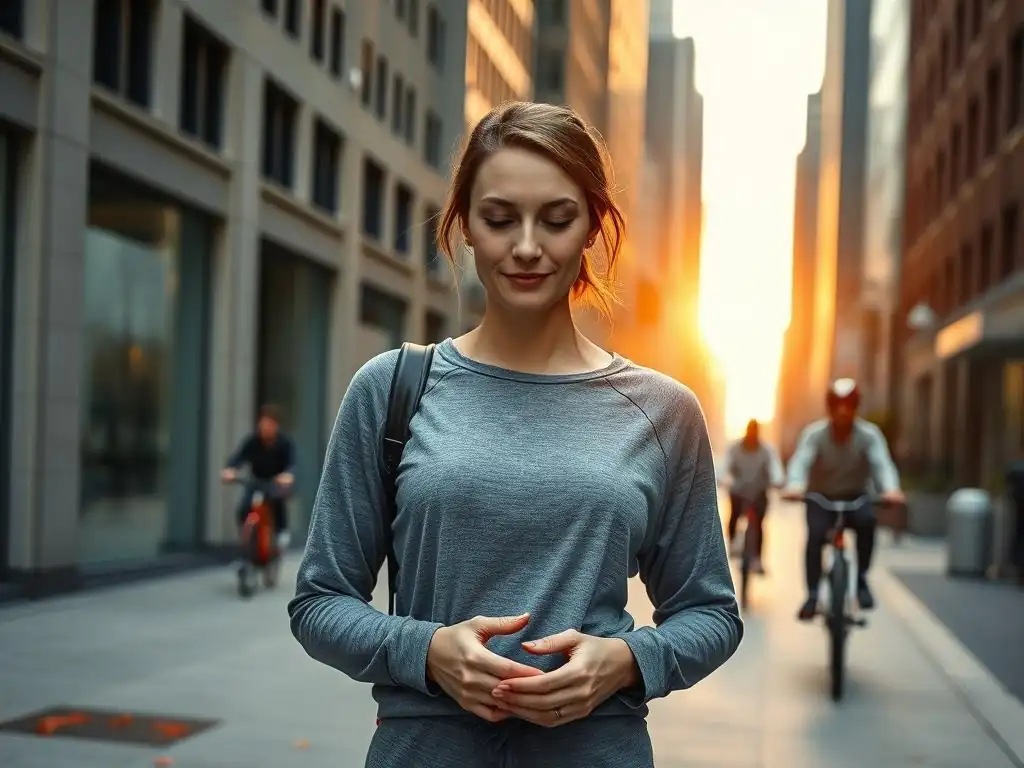
Welcome to Mind Care Guide, your sanctuary for mental well-being.
Feeling overwhelmed by the city's constant buzz? You're not alone. In today's fast-paced world, finding moments of peace can feel impossible. But what if you could transform your daily commute into a powerful tool for mindfulness? Delve into our comprehensive guide on Urban Walking Meditation Techniques and discover how to weave tranquility into your urban life, one step at a time. Let's explore how you can reclaim your calm amidst the chaos.
Make Your Commute Mindful: Urban Walking Meditation Tips
- Introduction: Finding Peace in the Urban Hustle with Walking Meditation
- Preparing for Your Urban Walking Meditation
- Urban Walking Meditation Techniques: A Step-by-Step Guide
- Advanced Urban Walking Meditation Practices
- Overcoming Challenges in Urban Walking Meditation
- Integrating Urban Walking Meditation into Your Daily Routine
- The Long-Term Benefits of Urban Walking Meditation
- Conclusion: Embracing Mindful Commuting for a Calmer Life
-
Frequently Asked Questions
- What is urban walking meditation and how does it differ from traditional sitting meditation?
- How can I incorporate urban walking meditation into my daily commute?
- What are the benefits of practicing urban walking meditation regularly?
- Are there any specific techniques or tips for beginners to urban walking meditation?
- How can I deal with distractions and interruptions during urban walking meditation?
- Final Reflection: Reclaiming the Commute, Reclaiming Yourself
- Unlock Your City's Calm: Start Your Mindful Commute Today!
Introduction: Finding Peace in the Urban Hustle with Walking Meditation
Transforming Your Daily Commute into a Mindful Practice
The daily commute in a bustling city can often feel like a source of stress and anxiety. Packed trains, traffic jams, and navigating crowded sidewalks are common experiences that can leave individuals feeling drained before the workday even begins or after it ends. However, what if this often-dreaded part of your day could be transformed into an opportunity for peace and self-connection? This is where urban walking meditation comes into play, offering powerful urban walking meditation techniques to reclaim your commute.
By intentionally shifting your focus during your walk or part of your commute, you can move from autopilot reactivity to mindful presence. This isn't about ignoring the urban environment, but rather engaging with it differently. Instead of rushing and feeling overwhelmed, you can use the sensory richness of the city – the sounds, sights, and movements – as anchors for your attention. This simple yet profound shift can change the entire quality of your journey, turning a potentially stressful experience into a calming and centering practice, integrating effective urban walking meditation techniques into your daily life.
The Benefits of Urban Walking Meditation for Mental Well-being
Engaging in urban walking meditation offers a surprising array of benefits for mental well-being, directly addressing the challenges of urban living. Regular practice of these urban walking meditation techniques has been shown to significantly reduce levels of stress and anxiety. For instance, studies on mindfulness practices, including walking meditation, often report participants experiencing a noticeable decrease in perceived stress within just a few weeks of consistent application. This reduction isn't just anecdotal; physiological markers like cortisol levels have been observed to decrease in mindful practitioners.
Beyond stress reduction, urban walking meditation can enhance emotional regulation and self-awareness. By paying attention to your internal state as you navigate the external environment, you become more adept at recognizing and managing difficult emotions as they arise. It’s estimated that even short, mindful breaks like a walking commute can improve mood and increase feelings of calm by as much as 15-20% for some individuals. This improved emotional resilience makes facing the demands of urban life feel less daunting and helps cultivate a greater sense of inner peace amidst the external chaos.
Understanding the Basics of Walking Meditation
At its core, walking meditation is a practice of bringing mindful awareness to the act of walking. Unlike traditional seated meditation where the body is still, here the body is in gentle motion. The fundamental principle is to pay attention to the sensations of walking – the lifting and placing of the feet, the movement of the legs, the swing of the arms, the rhythm of the breath – without judgment. This focus anchors the mind in the present moment, offering a respite from worrying about the past or future.
While walking meditation can be practiced anywhere, applying urban walking meditation techniques involves adapting the practice to the unique environment of a city. This means acknowledging and integrating the sensory input of the urban landscape rather than trying to shut it out. The sounds of traffic, the sight of buildings, the feel of the pavement underfoot – all become potential points of focus. The goal is not to reach a destination quickly, but to be fully present for each step of the journey, cultivating a sense of calm alertness.
Preparing for Your Urban Walking Meditation
Choosing a Route: Finding Quiet Streets in [Your City/Region]
Selecting an appropriate route is a key step in preparing for urban walking meditation techniques. While the goal is to integrate mindfulness into the daily commute, which might be on busy streets, finding segments or alternative paths that offer slightly less intensity can be beneficial, especially when starting out. Look for residential side streets parallel to main thoroughfares, pathways through smaller urban parks, or stretches along waterways if available. Even a block or two detour can make a difference in finding a slightly calmer environment to practice initial urban walking meditation techniques.
Consider the time of day as well. Early mornings or late evenings might offer quieter conditions on otherwise busy streets. If your full commute is unavoidable on a high-traffic route, identify specific blocks or moments where you can intentionally deepen your focus, perhaps when waiting at a crosswalk or walking through a less congested section. The aim is progress, not perfection; finding even a few moments of relative tranquility can significantly enhance your urban walking meditation practice.
Setting Intentions for Your Walking Meditation Practice
Before you even leave your doorstep, taking a moment to set an intention can profoundly shape your urban walking meditation experience. An intention is a gentle reminder of what you hope to cultivate or focus on during your walk. It's not a rigid goal, but a guiding principle. For example, your intention might be "to notice three new things on my walk today," or "to feel the ground beneath my feet with each step," or simply "to be present."
Setting an intention helps shift your mindset from the automatic rush of commuting to a more conscious, purposeful movement. It provides a gentle anchor for your attention before the sensory input of the city begins. You might silently repeat your intention a few times before you start walking, allowing it to settle in your mind. This simple act can transform a routine walk into a dedicated practice of urban walking meditation techniques, making you more receptive to the mindful experience.
Dressing Comfortably and Appropriately for Urban Walking
Physical comfort is essential for any meditation practice, and urban walking meditation is no exception. Ensuring you are dressed appropriately for the weather and the act of walking helps remove potential physical distractions that could pull your mind away from the present moment. This means wearing comfortable shoes that provide good support – blisters or sore feet are significant barriers to mindful walking.
Layering clothing is often advisable in urban environments where conditions can change or you might move between different microclimates (e.g., sunny side of the street versus a shaded alley). Consider a light, breathable jacket and comfortable trousers or shorts that allow for easy movement. Carrying a small bag or backpack that distributes weight evenly can also prevent discomfort. When the body is at ease, it's much simpler to bring your attention to the subtle sensations of movement and the environment, facilitating effective urban walking meditation techniques.
Urban Walking Meditation Techniques: A Step-by-Step Guide
Focusing on Your Breath Amidst City Sounds
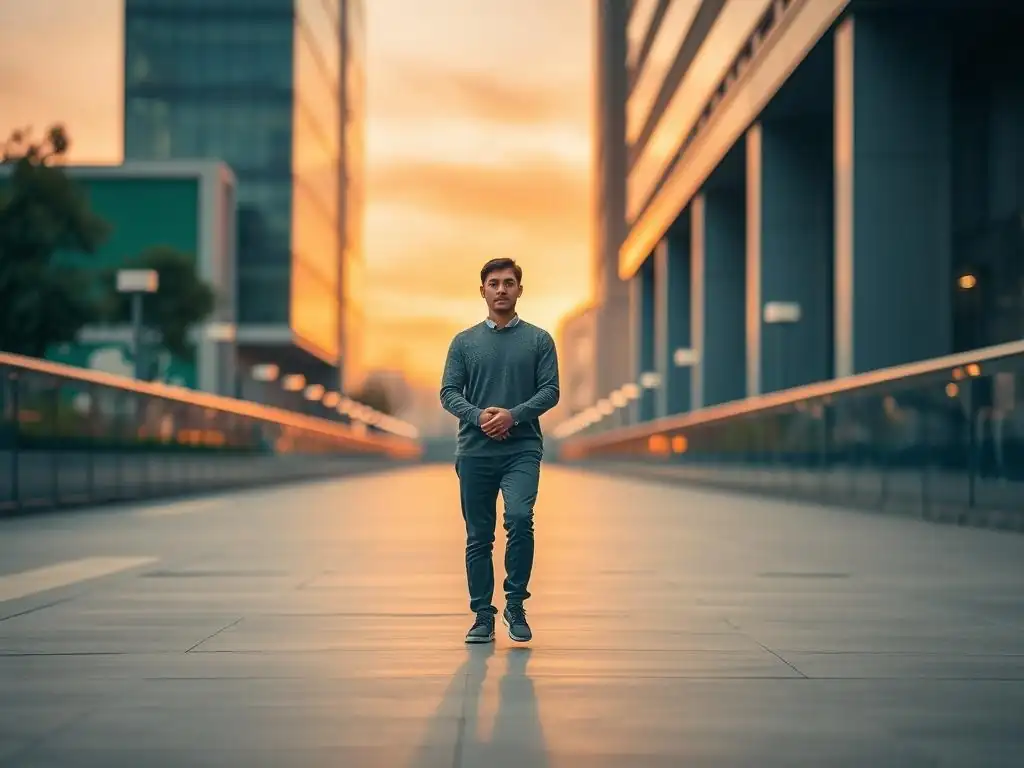
One of the foundational urban walking meditation techniques is bringing awareness to your breath, even amidst the cacophony of city sounds. While seated meditation often emphasizes deep, controlled breathing, during walking meditation, the focus is simply on noticing the natural rhythm of your breath as your body moves. Pay attention to the sensation of air entering and leaving your nostrils or the rise and fall of your chest. You don't need to change your breath; just observe it.
The sounds of the city – traffic, sirens, conversations, construction – will inevitably be present. Instead of viewing them as distractions, try to let them be the backdrop to your awareness of the breath. Imagine the sounds as waves washing around you while your breath remains a steady anchor. If your mind gets caught up in the sounds or the thoughts they trigger, gently acknowledge this, and then guide your attention back to the simple sensation of breathing. This practice trains your mind to find stillness even in a busy environment.
Noticing the Sensations of Walking: Grounding Yourself in the Present
A core element of urban walking meditation techniques is paying deliberate attention to the physical sensations of walking. This is a powerful way to ground yourself in the present moment, connecting directly with your body and the earth beneath you. Begin by noticing the feeling of your feet making contact with the pavement – the heel striking, the roll through the arch, the push-off from the toes. Feel the texture of the ground, the slight unevenness, the temperature.
Expand your awareness to include the movement of your legs – the bend at the knee, the swing from the hip. Notice the rhythm of your steps, the subtle shift of weight from one side of your body to the other. You might even coordinate your breath with your steps, perhaps inhaling for three steps and exhaling for three steps, although this is optional. By focusing on these tangible, physical sensations, you pull your mind away from abstract worries and firmly plant it in the reality of your body moving through space.
Engaging Your Senses: Mindful Observation of Your Urban Environment
While focusing on breath and body sensations is key, urban walking meditation techniques also encourage mindful engagement with the surrounding environment. This isn't about getting lost in thought about what you see or hear, but rather observing with a sense of open, non-judgmental awareness. What colors do you notice? What shapes? What textures on the buildings or pavement? What smells are present – exhaust fumes, street food, blooming flowers from a window box?
Listen to the layers of sound – distant traffic, a nearby conversation, a bird singing, footsteps. Without labeling or reacting, simply notice the sensory input. This practice helps you feel more connected to the environment you are moving through, fostering a sense of being a part of the urban fabric rather than just rushing through it. It turns the mundane details of the city into points of mindful fascination, enriching your urban walking meditation experience.
Dealing with Distractions: Staying Present During Your Commute
Distractions are an inherent part of the urban environment and a common challenge in urban walking meditation techniques. Thoughts about your destination, worries about work, interesting sights, loud noises – all will compete for your attention. The key is not to eliminate distractions, which is impossible, but to change your relationship with them. When you notice your mind has wandered, perhaps you've been planning your evening meal or replaying a conversation, gently acknowledge the thought without judgment.
Think of your thoughts and external stimuli like cars passing by – you see them, but you don't need to jump into every one. Simply notice where your attention went, perhaps saying to yourself, "Thinking," or "Hearing," and then gently guide your focus back to your chosen anchor – your breath, the sensations of walking, or the environment. This repeated process of noticing distraction and returning to the present is the core training of mindfulness and is crucial for effective urban walking meditation techniques. Be patient and compassionate with yourself; mind-wandering is natural.
Advanced Urban Walking Meditation Practices
Incorporating Mantras or Affirmations into Your Walk
For those seeking to deepen their urban walking meditation techniques, incorporating mantras or affirmations can add another layer to the practice. A mantra is typically a word or phrase repeated silently or softly to focus the mind, while an affirmation is a positive statement aligned with a desired state or quality. You can choose a simple mantra like "Peace" or "Present," or an affirmation such as "I am calm and centered," or "With each step, I release tension."
Coordinate the repetition of your mantra or affirmation with your steps or breath. For instance, you might say the mantra silently with every inhale or with every two steps. This provides a consistent point of focus that can be particularly helpful in busy or overwhelming urban environments, acting as a steady anchor amidst external chaos. This technique can strengthen concentration and imbue your urban walking meditation with a specific positive intention.
Cultivating Compassion for Others During Your Commute
The urban commute brings you into close proximity with many other people, each on their own journey. Advanced urban walking meditation techniques can include cultivating compassion for these fellow travelers. As you walk, silently acknowledge the people you pass. Without engaging directly or making assumptions, simply recognize their shared humanity. You might offer a silent, simple wish for their well-being: "May this person be happy," or "May this person be free from suffering."
This practice, sometimes called Metta or loving-kindness meditation, extends your mindful awareness beyond yourself to include others. It can help dissolve feelings of irritation or frustration that sometimes arise in crowded urban spaces and foster a sense of connection rather than isolation. By intentionally cultivating compassion during your urban walking meditation, you not only shift your own internal state but also subtly change your experience of the urban collective.
Transforming Negative Emotions Through Mindful Walking
Urban environments can trigger negative emotions – stress, impatience, frustration, even fear. Advanced urban walking meditation techniques offer a way to work with these emotions rather than being overwhelmed by them. When you notice a difficult emotion arising during your walk, instead of trying to push it away or getting lost in the story around it, gently bring your awareness to where you feel it in your body. Is there tension in your shoulders? A knot in your stomach? A tightness in your chest?
Acknowledge the emotion: "Ah, impatience is here." Then, simply continue walking, bringing your attention back to your breath and the sensations of your feet on the ground. Allow the emotion to be present without needing to fix it or analyze it. The act of mindful movement can help to process and release the energy of the emotion. This practice builds emotional resilience and helps you navigate the inevitable ups and downs of urban life with greater equanimity during your urban walking meditation.
Walking Meditation with Gratitude
Integrating gratitude into your urban walking meditation adds a powerful positive dimension. While walking, actively look for things to appreciate in your environment, no matter how small. It could be the sturdy pavement under your feet, the vibrant color of graffiti, the resilience of a tree growing through concrete, the efficiency of public transport, or simply the ability of your body to walk.
Silently note these things and feel a sense of gratitude for them. This practice shifts your focus from potential annoyances or deficits to the richness and opportunities present in the urban landscape. Even on a challenging commute, finding moments of gratitude can significantly lift your mood and perspective, transforming your urban walking meditation into an uplifting experience. Making gratitude a regular part of your urban walking meditation techniques can foster a more positive outlook on your daily life.
Overcoming Challenges in Urban Walking Meditation
Dealing with Noise and Crowds: Strategies for Focus
Noise and crowds are perhaps the most significant challenges when practicing urban walking meditation techniques. Instead of fighting them, try to integrate them into your practice. For noise, view it as part of the soundscape of the city, neither good nor bad, just present. You can use sounds as an anchor, noticing their qualities – loud or soft, near or far, continuous or intermittent – without getting lost in identifying their source or meaning. If a sound is particularly jarring, acknowledge your reaction ("Hearing loud sound, feeling irritated") and return your focus to your breath or feet.
For crowds, practice navigating mindfully. Pay attention to the spaces between people, the flow of movement. Notice the urge to rush or feel impatient, and gently release it. Use the presence of others as a reminder of shared space. Focusing intently on your body sensations or breath can create an internal bubble of calm amidst the external density. It takes practice, but learning to find focus amidst urban intensity is a key skill developed through urban walking meditation techniques.
Managing Time Constraints and Rushing
Many urban commutes are time-bound, making the urge to rush a major obstacle to mindful walking. The perception of needing to rush can create significant internal stress. To manage this during urban walking meditation, first, be realistic about the time you have. If you truly have only 15 minutes to cover a certain distance, accept that. Within that time, focus on bringing mindfulness to each step rather than trying to rush mindfully. It's about the quality of attention, not the speed.
You can also designate just a portion of your commute for dedicated mindful walking – perhaps the first 10 minutes, or the last stretch before you arrive. For the rest of the commute, you can maintain a lower level of mindful awareness. Setting a gentle intention before you leave to try to be present, even if you sometimes speed up, can help.
Remind yourself that even short bursts of mindful presence are beneficial. The goal isn't to eliminate rushing entirely, but to become aware of it and choose presence when possible, integrating urban walking meditation techniques in a practical way.
Addressing Safety Concerns in Urban Environments
Safety is a paramount concern when practicing urban walking meditation techniques. While mindfulness encourages internal focus, it must be balanced with external awareness for safety. This means keeping your eyes open and scanning your surroundings, especially when crossing streets or in crowded areas. Don't allow your internal focus to make you oblivious to traffic, cyclists, or potential obstacles.
Consider leaving headphones off or using them at a very low volume so you can hear what's happening around you. Stay aware of your path and footing to avoid trips or falls on uneven urban terrain. If walking in the dark, choose well-lit routes. The practice of mindfulness actually enhances present-moment awareness, which can improve your ability to react appropriately to potential hazards. It's about being calmly aware of both your internal state and the external environment simultaneously.
Integrating Urban Walking Meditation into Your Daily Routine
Making Time for Mindful Commutes Regularly
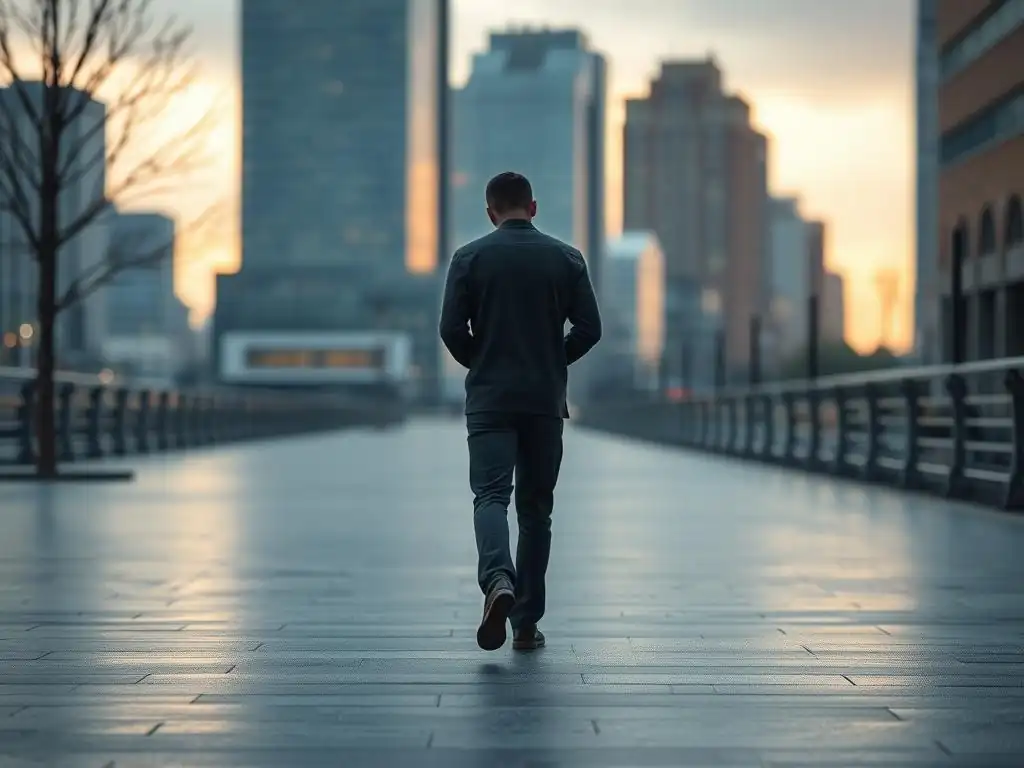
Consistency is key to reaping the full benefits of urban walking meditation techniques. While not every commute will be a perfect meditation session, aiming to incorporate mindfulness into your daily journey as often as possible builds a strong practice. Start small if necessary. Commit to just five or ten minutes of mindful walking each day, perhaps during a specific segment of your commute, like the walk from the bus stop to the office or the first few blocks from home.
Schedule it into your day mentally, just like you would a meeting. Tell yourself, "My commute today will include 10 minutes of mindful walking." As you get more comfortable, you can gradually extend the duration. The goal is to make urban walking meditation a natural, integrated part of your routine, reducing stress and enhancing presence on a daily basis.
Combining Walking Meditation with Other Mindfulness Practices
Urban walking meditation techniques can be powerfully complemented by other mindfulness practices. For example, starting your day with a short seated meditation can set a foundation of calm and focus that you can then carry into your walking commute. Ending your day with a body scan or journaling can help process the experiences of the day, including your mindful walk.
If you have a break during your workday, even a few minutes of mindful breathing or a short, intentional walk around the block can reinforce the skills practiced during your commute. Think of these practices as different facets of mindfulness training that support and strengthen each other, creating a more robust sense of presence and well-being throughout your entire day.
Tracking Your Progress and Reflecting on Your Experiences
Reflecting on your urban walking meditation experiences can provide valuable insights and help you stay motivated. You don't need a formal logbook, but taking a moment at the end of your walk or later in the day to notice how you feel can be illuminating. Did you feel calmer? More present? Less stressed? Were there specific challenges you faced, like particular noises or thoughts?
Consider keeping a brief mental note or jotting down a sentence or two in a notebook or phone app a few times a week. For example: "Mindful walk today felt challenging due to traffic, but focused on feet sensations." Or, "Felt surprisingly peaceful walking by the park today." This reflection helps you become more aware of the impact of urban walking meditation techniques and identify patterns or areas for further practice. Over time, you'll likely see a trend towards greater ease and presence during your commute.
The Long-Term Benefits of Urban Walking Meditation
Reduced Stress and Anxiety Through Mindful Movement
Consistently applying urban walking meditation techniques over time leads to significant long-term reductions in stress and anxiety levels. The regular practice of grounding yourself in the present moment, focusing on breath and body, and navigating distractions with awareness trains your nervous system to be less reactive to stressors. Instead of feeling overwhelmed by the urban environment, you develop the capacity to observe it from a place of relative calm.
Research consistently shows that regular mindfulness practice can lower cortisol levels and reduce the frequency and intensity of stress responses. For example, participants in mindfulness programs often report a 25% or more reduction in perceived stress after several weeks. Integrating this into the daily commute, a common source of stress, amplifies these benefits, making you more resilient to the overall pressures of urban life.
Increased Self-Awareness and Emotional Regulation
One of the most profound long-term benefits of urban walking meditation is a marked increase in self-awareness and improved emotional regulation. By regularly paying attention to your internal experience – your thoughts, feelings, and bodily sensations – as you walk, you become much more attuned to your own patterns. You start to notice when stress is building, what triggers impatience, or how certain sights or sounds affect your mood.
This heightened self-awareness directly supports better emotional regulation. Instead of being blindsided by strong emotions, you can recognize them as they arise and apply mindful techniques to respond thoughtfully rather than react automatically. This might mean taking a few deep breaths when you feel frustrated or consciously relaxing tense muscles. This ability to navigate your internal landscape with greater skill is invaluable for mental well-being in any environment, particularly in the emotionally stimulating context of urban life.
Enhanced Connection to Your Urban Environment
While it might seem counterintuitive to connect with a busy city, urban walking meditation techniques foster a deeper, more appreciative relationship with your surroundings. By mindfully engaging your senses – truly seeing the architecture, hearing the layers of sound, feeling the texture of the pavement – you move beyond simply passing through the city to actively experiencing it.
This enhanced connection can transform your perception of the urban landscape from a chaotic obstacle course into a dynamic, vibrant ecosystem. You might start noticing details you previously overlooked, appreciating the energy and diversity of the city. This shift in perspective can lead to a greater sense of belonging and reduce feelings of alienation sometimes associated with urban living, fostering a more positive relationship with the place you inhabit.
Improved Overall Mental and Physical Health
The cumulative effects of reduced stress, increased self-awareness, and a more positive outlook fostered by urban walking meditation techniques contribute to significant improvements in overall mental and physical health. Lower stress levels are linked to better sleep, improved immune function, and reduced risk of chronic diseases. The physical act of walking itself provides cardiovascular benefits, strengthens muscles, and can boost mood through the release of endorphins.
When combined with the mental benefits of mindfulness, the simple act of walking becomes a powerful tool for holistic well-being. Regular practice supports a healthier mind-body connection, leading to increased vitality, greater emotional stability, and a more positive engagement with daily life. Making urban walking meditation a consistent habit is an investment in your long-term health and happiness.
Conclusion: Embracing Mindful Commuting for a Calmer Life
Embracing urban walking meditation techniques offers a practical and accessible pathway to finding peace and presence amidst the demands of city life. By transforming your daily commute from a source of stress into a mindful practice, you reclaim valuable time for self-care and cultivate essential skills for navigating challenges with greater ease. From focusing on your breath and the sensations of walking to mindfully engaging with your urban environment and navigating distractions with patience, these techniques empower you to find stillness in motion.
The journey of urban walking meditation is one of gentle persistence. It's about progress, not perfection, and finding moments of mindfulness whenever and wherever you can. By integrating these practices into your routine, you not only reduce stress and anxiety but also build resilience, enhance self-awareness, and foster a deeper connection to yourself and the world around you. Start small, be compassionate with yourself, and discover the profound impact that mindful commuting can have on creating a calmer, more centered life.
Frequently Asked Questions
What is urban walking meditation and how does it differ from traditional sitting meditation?
Urban walking meditation is a mindfulness practice that involves paying attention to the sensations of walking in an urban environment. Unlike sitting meditation, it incorporates movement and interaction with the surroundings, focusing on the present moment amidst the city's stimuli.
How can I incorporate urban walking meditation into my daily commute?
Start by focusing on the physical sensations of walking – the feeling of your feet on the ground, the movement of your body. Pay attention to your breath and the sounds around you without judgment, acknowledging them and letting them pass. Even a short walk can become a mindful practice.
What are the benefits of practicing urban walking meditation regularly?
Regular practice can reduce stress and anxiety, improve focus and concentration, and increase overall mental well-being. It also encourages a deeper connection with your surroundings and can foster a sense of calmness in a busy urban setting.
Are there any specific techniques or tips for beginners to urban walking meditation?
Begin by choosing a safe and quiet route. Focus on your posture and the rhythm of your steps. If your mind wanders, gently redirect your attention back to your breath or the sensations of walking, without self-criticism.
How can I deal with distractions and interruptions during urban walking meditation?
Acknowledge the distractions without judgment and gently guide your attention back to the present moment. Treat each interruption as an opportunity to practice mindfulness and acceptance. Remember that the goal is not to eliminate distractions, but to change your relationship with them.
Final Reflection: Reclaiming the Commute, Reclaiming Yourself
The urban landscape, often perceived as a chaotic blur of noise and movement, holds untapped potential for inner peace. We’ve explored how transforming your daily commute into a mindful walking meditation can not only reduce stress but also enrich your connection with your city and yourself. This isn't just a fleeting trend; it's a practical tool for navigating the pressures of modern life.
The impact of incorporating mindfulness into our daily routines, especially something as ubiquitous as the commute, is profound. It's about reclaiming agency over our experiences, shifting from passive observer to active participant in our own lives. As Thich Nhat Hanh wisely said, Walk as if you are kissing the Earth with your feet.
This simple act, when infused with intention, transforms a mundane journey into a sacred practice, fostering a deeper appreciation for the world around us and the peace within.
Now, consider how you can integrate these urban walking meditation techniques into your own life. Perhaps begin with just five minutes of mindful walking on your next commute, focusing on your breath and the sensations in your feet. Let this be a starting point for a journey of self-discovery, a daily practice that cultivates inner calm amidst the urban hustle. Embrace the opportunity to transform your commute from a source of stress into a sanctuary of peace – one mindful step at a time.
Unlock Your City's Calm: Start Your Mindful Commute Today!
Thanks for taking the time to explore the power of mindful walking! We hope you've discovered new ways to transform your daily commute into a moment of peace. Now, let's put these tips into practice:
- Embrace your inner urban explorer: Dedicate your next commute to trying out one of the meditation techniques discussed – even if it's just for five minutes. Notice the sights, sounds, and sensations around you.
- Share your mindful journey: Tell us about your experience! What did you notice? Did you find a new perspective on your surroundings? Share your story in the comments below.
- Discover a new walking route: Challenge yourself to find a slightly different path to work or home. This simple change can introduce fresh sights and sounds, enhancing your mindful walk.
What small step will you take today to bring more mindfulness into your urban journey?