
Assessing Mental Health: Using Culturally Sensitive Tools and Methods

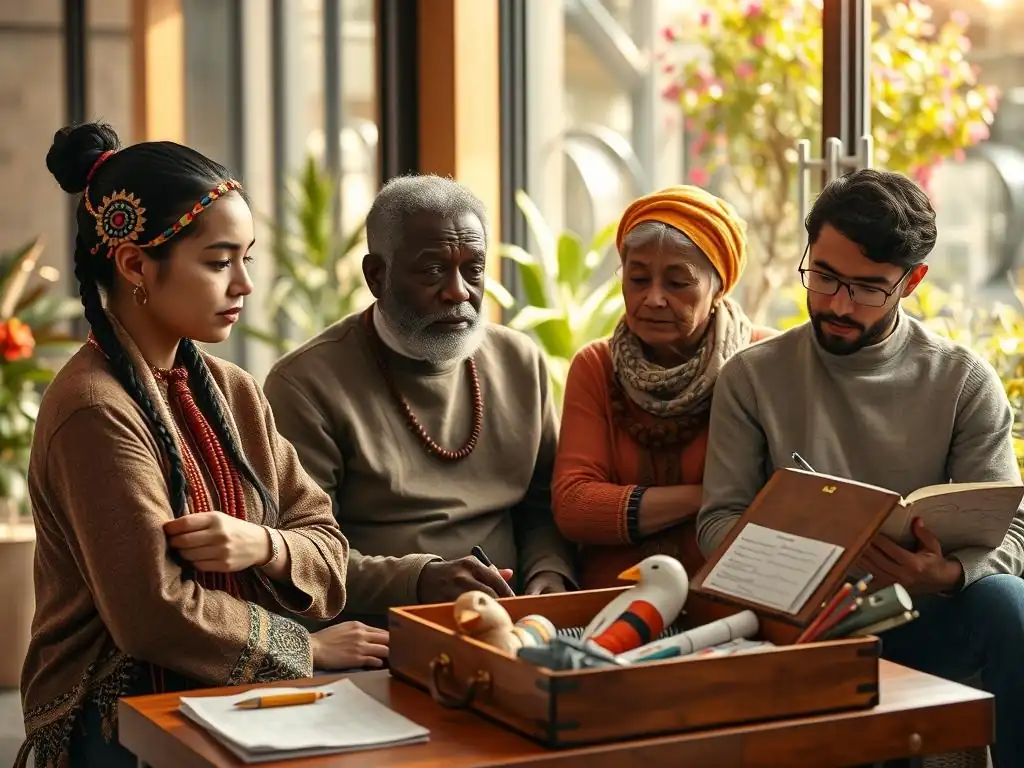
Welcome to Mind Care Guide, a sanctuary for your mental well-being.
Are you seeking a deeper understanding of your mental health, especially within the context of your unique cultural background? It's time to explore the crucial role of culturally sensitive mental health assessment. We understand that navigating mental health can be complex, and recognizing the influence of culture is paramount. Are current assessment methods truly reflecting your lived experience? Dive in to discover how to ensure your journey to well-being is both accurate and profoundly personal...
Assessing Mental Health: Using Culturally Sensitive Tools and Methods
- Understanding the Importance of Culturally Sensitive Mental Health Assessment
- Key Principles of Culturally Sensitive Mental Health Assessment
- Tools for Culturally Sensitive Mental Health Evaluation
- Methods for Culturally Sensitive Mental Health Assessment
- Challenges in Culturally Sensitive Mental Health Assessment
- Overcoming Challenges and Improving Cultural Competence in Mental Health Assessment
- Case Studies: Applying Culturally Sensitive Mental Health Assessment
- Resources for Culturally Sensitive Mental Health Assessment
- The Future of Culturally Sensitive Mental Health Assessment
-
Frequently Asked Questions
- What does "culturally sensitive" mean in the context of mental health assessment?
- Why is culturally sensitive assessment important for mental health?
- What are some examples of culturally sensitive assessment tools and methods?
- How can I find a mental health professional who offers culturally sensitive assessments?
- What are the potential consequences of using non-culturally sensitive assessment methods?
- Final Reflection: Bridging the Gap in Mental Healthcare
- Unlock Your Path to Better Mental Well-being
Understanding the Importance of Culturally Sensitive Mental Health Assessment
Why Cultural Sensitivity Matters in Mental Health Evaluation
Culturally sensitive mental health assessment is not merely an ethical consideration; it is a fundamental requirement for accurate diagnosis, effective treatment planning, and positive client outcomes. Culture profoundly shapes an individual's understanding of health and illness, their communication styles, coping mechanisms, and help-seeking behaviors. Ignoring these cultural factors can lead to misinterpretations of symptoms, misdiagnosis, and ultimately, ineffective or even harmful interventions. A culturally sensitive approach ensures that the assessment process respects the individual's background, builds trust, and yields a true picture of their mental state within their unique context.
Furthermore, a lack of cultural sensitivity in mental health assessment contributes to significant disparities in mental healthcare access and quality. Research consistently shows that individuals from culturally diverse backgrounds, particularly ethnic minorities and immigrant populations, are less likely to receive appropriate mental health services and often experience poorer treatment outcomes.
For instance, a 2018 report by the American Psychological Association highlighted that ethnic minorities are less likely to seek mental health services compared to white individuals, and when they do, they are more likely to receive lower quality care, partly due to culturally insensitive practices. Ensuring a culturally sensitive mental health assessment process is a crucial step in addressing these inequities and promoting equitable mental wellness for all.
The Impact of Culture on Mental Health Presentation and Diagnosis
Culture acts as a lens through which individuals perceive, express, and cope with psychological distress. What might be considered a symptom of depression in one culture (e.g., emotional withdrawal) could manifest differently in another (e.g., somatic complaints like headaches or fatigue).
This variation in symptom presentation, often referred to as cultural idioms of distress, can easily be misunderstood by clinicians unfamiliar with the client's cultural background, leading to misdiagnosis or the underestimation of the severity of their condition. For example, susto, a cultural syndrome prevalent in some Latin American cultures, involves symptoms like anxiety, insomnia, and social withdrawal attributed to a frightening event that causes the soul to leave the body, which might be misinterpreted through a purely Western diagnostic framework.
Beyond symptom expression, cultural beliefs about mental illness, stigma, and the role of family and community significantly influence how and when individuals seek help. In some cultures, mental health issues may be viewed as a moral failing, a spiritual affliction, or a source of shame, leading individuals to conceal their struggles or seek help from non-traditional sources like traditional healers.
Diagnostic criteria themselves, largely developed within Western cultural contexts, may not adequately capture the nuances of mental health experiences in other cultures. A culturally sensitive mental health assessment requires clinicians to actively explore these cultural factors, moving beyond simply applying standardized diagnostic labels to understanding the client's distress within their own cultural narrative.
Key Principles of Culturally Sensitive Mental Health Assessment
Recognizing Cultural Differences in Symptom Expression
A core principle of culturally sensitive mental health assessment is the explicit recognition that psychological distress is expressed differently across cultures. Clinicians must be aware that standard symptom checklists or interview questions, often based on Western presentations of disorders like depression or anxiety, may not capture the full spectrum of a client's experience.
For example, symptoms of post-traumatic stress disorder (PTSD) might include spiritual or dissociative experiences in certain cultural groups that are not typically emphasized in standard diagnostic criteria. Professionals conducting a culturally sensitive mental health assessment actively inquire about how the client's culture influences their experience and expression of distress.
This requires moving beyond simply asking about listed symptoms and instead exploring the client's idioms of distress. This means asking questions like, "How would people in your community describe the problems you are experiencing?" or "What do you believe is causing these difficulties?" Clinicians should be open to hearing about somatic complaints (like stomach problems or body aches), spiritual explanations, or social difficulties that might be the primary way distress is communicated in the client's cultural context. Understanding these variations is critical for accurate interpretation of the client's presentation during a culturally sensitive mental health assessment.
Avoiding Biases in Mental Health Assessment
Unconscious biases can significantly impede a culturally sensitive mental health assessment. These biases can stem from stereotypes, lack of knowledge about different cultures, or the assumption that one's own cultural norms are universal. Clinicians might unconsciously interpret behaviors through their own cultural lens, leading to misjudgments. For instance, a reserved communication style, common in some cultures as a sign of respect, might be misinterpreted as lack of engagement or even flattened affect by a clinician from a culture that values overt emotional expression. Recognizing and actively working to mitigate these biases is paramount.
Avoiding bias involves continuous self-reflection and a commitment to cultural humility. It means questioning one's own assumptions and interpretations and being willing to learn from the client about their cultural background and experiences. It also involves understanding how systemic issues like racism, discrimination, and historical trauma can impact mental health and influence the assessment process.
For example, a client from a marginalized community might present with symptoms of paranoia that are rooted in real experiences of discrimination, which should be explored within that context rather than solely pathologized. A truly culturally sensitive mental health assessment requires the clinician to be aware of these potential biases and actively work to neutralize their influence.
Building Trust and Rapport with Diverse Clients
Establishing trust and rapport is foundational to any effective mental health assessment, but it takes on particular importance in a culturally sensitive mental health assessment. Clients from marginalized or minority groups may have historical reasons for mistrusting healthcare systems, including past experiences of discrimination or culturally insensitive care. Building trust requires demonstrating genuine respect for the client's cultural background, values, and beliefs from the very first interaction. This includes using culturally appropriate greetings, respecting personal space norms, and being mindful of communication styles.
Furthermore, building rapport in a culturally sensitive context involves validating the client's cultural identity and acknowledging the potential impact of cultural factors on their current difficulties. It means creating a safe space where the client feels comfortable sharing potentially sensitive information about their beliefs, family, and community without fear of judgment or misunderstanding.
This might involve explaining the assessment process clearly in a way that is understandable and culturally resonant, and being transparent about the limits of confidentiality, especially if cultural norms around privacy differ. A strong, trusting relationship built on cultural sensitivity is essential for the client to fully open up and provide the necessary information for an accurate mental health evaluation.
Tools for Culturally Sensitive Mental Health Evaluation
Adapting Standardized Assessment Instruments for Cultural Context
Standardized psychological assessment tools, such as symptom questionnaires or personality inventories, are often developed and validated on specific populations, frequently Western, English-speaking groups. Using these instruments without considering cultural context can lead to inaccurate results. Cultural adaptation involves modifying these tools to make them more relevant and appropriate for different cultural groups. This process is complex and can involve linguistic translation (ensuring conceptual equivalence, not just word-for-word translation), cultural rephrasing of items that might be confusing or irrelevant, and validation studies within the target cultural group.
The goal of adapting these tools for a culturally sensitive mental health assessment is to ensure that the questions are understood as intended and that the responses are interpreted within the client's cultural framework. For example, an item asking about "feeling blue" might not resonate in cultures where emotional distress is not described using color metaphors. Adaptation might change this to something like "feeling downhearted" or explore somatic equivalents. It's a meticulous process, often involving focus groups and expert panels from the target culture, to ensure the adapted tool maintains its psychometric properties while gaining cultural relevance.
Adapting the PHQ-9 for Use with Indigenous Populations
The Patient Health Questionnaire-9 (PHQ-9) is a widely used screening tool for depression. While relatively simple, its direct application to diverse Indigenous populations in North America, for example, requires careful cultural adaptation for a truly culturally sensitive mental health assessment. Symptoms of depression among Indigenous peoples may include spiritual distress, historical trauma responses, or somatic complaints that are not explicitly captured by the standard nine items.
Adaptation efforts have involved translating the tool into various Indigenous languages, but more importantly, they have focused on rephrasing items to align with cultural concepts of well-being and distress. For instance, questions about "feeling down, depressed, or hopeless" might be reframed to include community-specific terms for emotional distress or spiritual imbalance.
Furthermore, the interpretation of scores must consider the impact of historical trauma and ongoing systemic issues, which can influence symptom presentation but require a broader understanding than a simple depression score provides. This highlights that adaptation is not just linguistic but conceptual and requires deep engagement with the community.
Utilizing Culturally Specific Assessment Tools
In addition to adapting existing tools, culturally sensitive mental health assessment benefits from the use of instruments specifically developed within and for particular cultural groups. These tools are designed to capture unique cultural syndromes, idioms of distress, or culturally specific coping mechanisms that might be missed by universal instruments. They are typically developed through extensive collaboration with members of the target community, ensuring relevance and validity within that cultural context.
Using culturally specific tools acknowledges the heterogeneity of human psychological experience and moves away from a one-size-fits-all approach. While fewer in number compared to universal tools, their value in providing a nuanced understanding of a client's difficulties within their cultural framework is significant. They can help clinicians identify problems that might not fit neatly into Western diagnostic categories but are nevertheless causing significant distress for the individual and their community.
The Chinese Mental Health Association's Screening Instrument
The Chinese Mental Health Association (CMHA) has developed screening instruments specifically tailored to the Chinese population, recognizing that mental health concepts and expressions can differ from Western norms. These tools are designed to be culturally appropriate and capture symptom presentations common within Chinese cultural contexts, such as a greater emphasis on somatic symptoms (like body aches, fatigue, or digestive issues) when experiencing psychological distress, rather than solely focusing on emotional symptoms like sadness or hopelessness.
These instruments incorporate culturally relevant questions and scenarios, making them more accessible and understandable for individuals from Chinese backgrounds. Their development involved collaboration with mental health professionals and community members familiar with the cultural nuances of mental health in China and among Chinese diaspora communities. Using such a tool can significantly enhance the accuracy of a culturally sensitive mental health assessment for this population by tapping into their specific ways of understanding and expressing distress.
The African American Acculturation Scale (AAAS)
Acculturation, the process of psychological and cultural change that results from continuous firsthand contact between individuals of different cultural origins, significantly impacts mental health. For African Americans, the African American Acculturation Scale (AAAS) is a tool specifically designed to measure the extent to which individuals have adopted the beliefs, values, and behaviors of mainstream American culture versus maintaining adherence to African American cultural norms.
Understanding an individual's level of acculturation is vital in a culturally sensitive mental health assessment because it can influence symptom presentation, coping strategies, attitudes towards mental health services, and the impact of cultural stressors like discrimination. For example, individuals with lower levels of acculturation might rely more on family and community support, while those with higher levels might be more open to formal therapy. The AAAS provides valuable information to tailor interventions and interpret assessment findings within the context of the individual's acculturation experience.
The Role of Interpreters in Mental Health Assessment
Language barriers are a significant obstacle to conducting a culturally sensitive mental health assessment. Relying on ad-hoc interpreters, such as family members or untrained bilingual staff, is strongly discouraged due to risks of inaccurate translation, breaches of confidentiality, and the potential for personal biases to interfere. Professional medical interpreters trained in mental health terminology and ethical guidelines are essential when the clinician and client do not share a common language.
A skilled interpreter facilitates direct communication between the clinician and client, ensuring that complex psychological concepts, nuances of emotional expression, and cultural contexts are accurately conveyed. They are not simply translators but cultural brokers who can help bridge communication gaps related to idioms, metaphors, and non-verbal cues. Engaging a professional interpreter is a critical component of providing a truly culturally sensitive mental health assessment when language differences exist.
Methods for Culturally Sensitive Mental Health Assessment

Conducting Culturally Informed Clinical Interviews
The clinical interview is the cornerstone of mental health assessment. To be culturally sensitive, the interview must go beyond standard diagnostic questioning to actively explore the client's cultural background and how it relates to their current difficulties. This involves adopting an open, curious, and non-judgmental stance, inviting the client to share their story in their own words and within their own cultural context.
A culturally informed interview incorporates specific techniques to elicit cultural information. This includes asking about the client's cultural identity, their beliefs about health and illness, the role of family and community, experiences of discrimination, and their preferred methods of coping or healing. The clinician needs to be mindful of cultural variations in communication styles, such as directness versus indirectness, comfort with silence, and the appropriateness of discussing certain topics. Adapting the interview pace and style to match the client's cultural norms helps build rapport and facilitates a more accurate understanding.
Techniques for Eliciting Cultural Information
Several techniques can be employed during a culturally sensitive mental health assessment interview to gather vital cultural information. One approach is to use open-ended questions that encourage narrative sharing, such as "Tell me about your background and what is important to you" or "How do people in your community understand problems like the one you are having?" Another technique is to explore the client's explanatory model – their personal beliefs about the cause, onset, symptoms, course, and treatment of their illness. This provides insight into their worldview and expectations for help.
It is also helpful to inquire about the client's experiences with healthcare systems, including any past negative interactions related to their cultural background. Exploring the client's social support network, including family, friends, community leaders, or religious figures, is crucial, as these often play a significant role in coping and help-seeking. Using a structured framework, such as the DSM-5 Cultural Formulation Interview (discussed below), can help ensure that key cultural domains are systematically explored during the culturally sensitive mental health assessment process.
Incorporating Cultural Formulation in Mental Health Assessment
Cultural formulation is a structured approach to understanding the client's problems in the context of their cultural background. It moves beyond simply listing cultural factors to actively integrating them into the assessment and diagnostic process. The DSM-5, the standard diagnostic manual, includes guidelines for cultural formulation, emphasizing that cultural factors can influence symptom experience, help-seeking, and the relationship between the individual and the clinician.
Implementing cultural formulation involves systematically assessing the client's cultural identity, their cultural conceptualization of distress (their explanatory model), psychosocial stressors and cultural features of vulnerability and resilience, and cultural aspects of the relationship between the client and the clinician. This process helps clinicians avoid applying Western diagnostic categories rigidly and instead understand the client's distress within their specific cultural narrative. It is a vital step in achieving a truly culturally sensitive mental health assessment.
Using the DSM-5 Cultural Formulation Interview
The DSM-5 provides a specific tool, the Cultural Formulation Interview (CFI), to assist clinicians in conducting a systematic cultural formulation. The CFI is a 16-question semi-structured interview designed to gather information about the client's perspective on their problems and their cultural background. It covers areas such as:
- The client's cultural identity.
- The client's conceptualization of the problem, including its causes, course, and severity as understood within their cultural context.
- Past help-seeking experiences and preferred sources of support (e.g., family, religious leaders, traditional healers).
- The role of cultural factors, such as discrimination or family expectations, in the client's life and current difficulties.
Using the CFI or a similar framework helps ensure that crucial cultural information is collected systematically during the culturally sensitive mental health assessment, providing a richer and more accurate understanding of the client's experience than standard symptom checklists alone.
Engaging Community Resources in Mental Health Assessment
A culturally sensitive mental health assessment often extends beyond the clinical setting to involve community resources. Recognizing that mental health is influenced by social and cultural contexts, clinicians can benefit from collaborating with individuals or organizations within the client's community. This collaboration can provide valuable insights into cultural norms, community stressors, and available support systems that are relevant to the client's situation.
Engaging community resources can also help build trust with clients who may be hesitant to engage with formal mental health services. Community leaders, religious figures, or cultural brokers can act as intermediaries, helping to bridge the gap between the client, their community, and the mental health system. This collaborative approach enriches the assessment process by providing a holistic view of the client within their social and cultural environment.
Working with Cultural Brokers and Community Leaders
Cultural brokers are individuals who are knowledgeable about both the client's culture and the dominant culture (or the culture of the mental health system). They can help clinicians understand cultural nuances, interpret behaviors, and navigate potential misunderstandings. Community leaders, such as elders, religious figures, or heads of community organizations, often hold significant influence and trust within their communities.
Collaborating with cultural brokers and community leaders in a culturally sensitive mental health assessment can involve consulting them for insights into community norms, acceptable ways of discussing sensitive topics, or understanding the prevalence and expression of certain types of distress within the community. They can also assist in outreach and engagement, helping clients feel more comfortable seeking and participating in assessment and treatment. Their involvement is invaluable in making the mental health system more accessible and relevant to diverse populations.
Challenges in Culturally Sensitive Mental Health Assessment
Language Barriers and Communication Difficulties
One of the most immediate and significant challenges in conducting a culturally sensitive mental health assessment is overcoming language barriers. As noted earlier, simply having a bilingual person is often insufficient; professional, trained medical interpreters are necessary. However, access to qualified interpreters, particularly for less common languages or specific dialects, can be limited, especially in rural or underserved areas. Even with a professional interpreter, the process can be slower and may still miss subtle linguistic or cultural nuances that are important for accurate assessment.
Beyond literal translation, communication difficulties can arise from differences in communication styles, non-verbal cues, and the use of idioms or metaphors. A client might use indirect language to express distress, which a clinician accustomed to direct communication might miss. Cultural norms around eye contact, physical touch, or expressing emotion can also be misinterpreted if the clinician is not culturally aware. These communication hurdles can significantly impact the clinician's ability to gather comprehensive and accurate information during a culturally sensitive mental health assessment.
Cultural Stigma and Shame Surrounding Mental Illness
Cultural stigma surrounding mental illness presents a major barrier to individuals seeking and engaging in mental health assessment. In many cultures, mental health problems are viewed with shame, fear, or are attributed to moral weakness or external forces. This stigma can prevent individuals from acknowledging their difficulties, discussing them openly, or seeking professional help. They may fear being ostracized by their family or community if their struggles become known.
This deep-seated stigma can make it challenging for clinicians to conduct a thorough and culturally sensitive mental health assessment. Clients may be hesitant to disclose symptoms, particularly those related to culturally stigmatized topics like trauma, substance use, or sexual issues. They might minimize their distress or present somatic symptoms instead of psychological ones to avoid the stigma associated with mental illness. Building sufficient trust to overcome this barrier requires significant time, patience, and demonstrating profound cultural sensitivity and empathy.
Lack of Culturally Competent Mental Health Professionals
A persistent challenge in providing culturally sensitive mental health assessment is the shortage of mental health professionals who possess adequate cultural competence. Many training programs have historically focused on Western models of psychology and psychiatry, with limited emphasis on cultural variations in mental health presentation, diagnosis, and treatment. This leaves many clinicians ill-equipped to work effectively with clients from diverse cultural backgrounds.
A lack of cultural competence can manifest as a failure to recognize cultural idioms of distress, an inability to build rapport across cultural differences, the imposition of Western values or treatment approaches, and unconscious biases that affect clinical judgment. Addressing this challenge requires systemic changes in mental health training and ongoing professional development for existing clinicians. Without a sufficient workforce trained in culturally sensitive mental health assessment, equitable care for diverse populations remains an elusive goal.
Overcoming Challenges and Improving Cultural Competence in Mental Health Assessment
Training and Education for Mental Health Professionals
Improving culturally sensitive mental health assessment requires a dedicated focus on training and education for mental health professionals at all levels. This training should begin in graduate programs and continue throughout a clinician's career. Effective training goes beyond simply providing information about different cultures; it focuses on developing cultural humility – a lifelong commitment to self-evaluation and critique, recognizing power imbalances, and developing respectful partnerships with communities.
Training should cover topics such as the impact of culture on mental health, cultural variations in symptom presentation, the use of culturally adapted and specific assessment tools, the role of interpreters, and strategies for conducting culturally informed interviews. It should also include opportunities for self-reflection on personal biases and experiences working with diverse populations. Implementing standardized curricula on culturally sensitive mental health assessment in educational institutions is a crucial step forward.
Developing and Implementing Culturally Adapted Assessment Protocols
To standardize and improve the quality of culturally sensitive mental health assessment, healthcare organizations should invest in developing and implementing culturally adapted assessment protocols. This involves reviewing existing assessment practices and tools to identify areas where cultural sensitivity is lacking. Protocols should include guidelines on using interpreters, selecting appropriate assessment instruments (including culturally adapted or specific tools), incorporating cultural formulation, and engaging family or community members when appropriate and with client consent.
These protocols should be developed in collaboration with experts in cultural competence and, ideally, with input from members of the diverse communities the organization serves. Implementing such protocols ensures a more consistent and higher standard of culturally sensitive mental health assessment across the organization, reducing reliance on individual clinician knowledge and promoting best practices. Regular training on these protocols is also essential.
Promoting Collaboration Between Mental Health Professionals and Cultural Communities
Effective culturally sensitive mental health assessment is a collaborative endeavor that benefits greatly from partnerships between mental health professionals and the cultural communities they serve. Community members are experts in their own cultural experiences and can provide invaluable guidance on how to make assessment processes more accessible, acceptable, and relevant.
Collaboration can take various forms, such as forming community advisory boards to review assessment practices, involving community leaders in developing culturally appropriate outreach materials, or creating opportunities for clinicians to learn directly from community members about their perspectives on mental health. This reciprocal relationship builds trust, enhances cultural understanding, and ensures that mental health services, including assessment, are truly responsive to the needs and values of diverse populations. This partnership is key to fostering a system that truly values culturally sensitive mental health assessment.
Case Studies: Applying Culturally Sensitive Mental Health Assessment
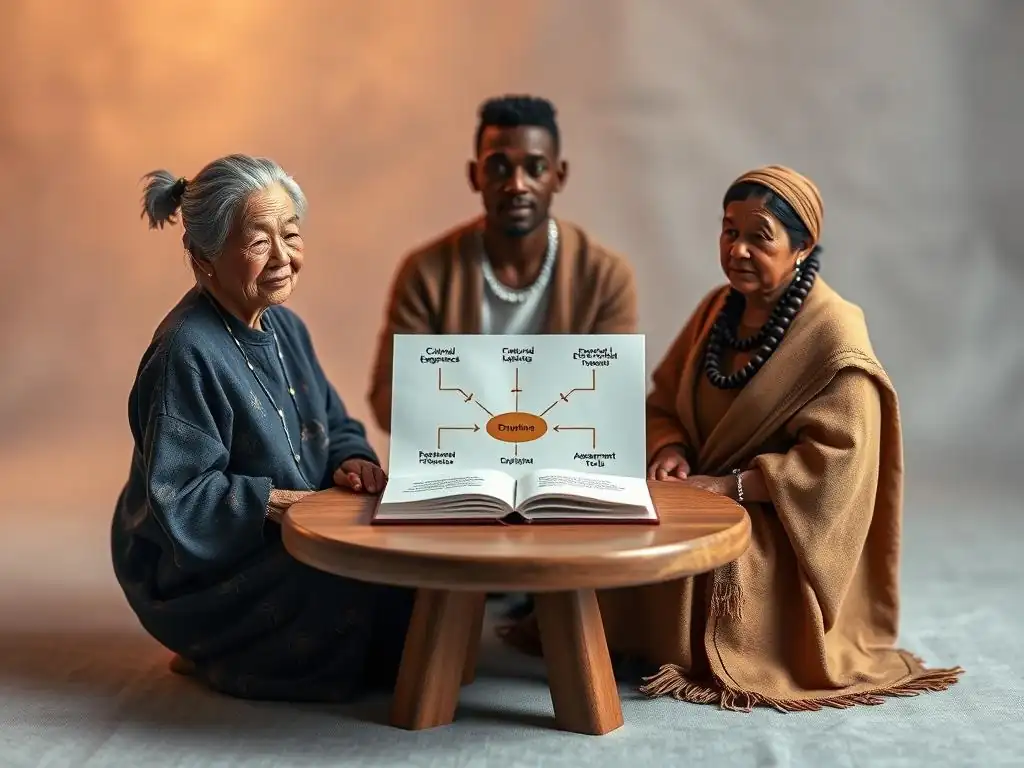
Assessing Depression in a Latinx Individual with Limited English Proficiency
Consider Maria, a 45-year-old Latinx woman who recently immigrated to the United States and speaks limited English. She presents with complaints of persistent fatigue, body aches, difficulty sleeping, and loss of appetite. Her family expresses concern that she "just isn't herself." A standard assessment might focus solely on the physical symptoms and potentially miss underlying depression, especially if Maria doesn't explicitly endorse feelings of sadness or hopelessness, which she might express differently or view as a personal weakness.
A culturally sensitive mental health assessment for Maria would involve several key steps. First, securing a professional medical interpreter fluent in her specific language or dialect is paramount. The clinician would use a culturally informed interview style, perhaps starting with more general questions about her well-being and daily life, gradually moving to more specific concerns.
They would inquire about her cultural understanding of her symptoms, asking if these physical complaints are common ways people in her community express distress. Using a culturally adapted depression screening tool, if available in her language and validated for her specific cultural group, would be beneficial. The clinician would also explore stressors related to acculturation, separation from family, potential experiences of discrimination, and the role of her faith or community in coping, integrating this information into a cultural formulation to understand her presentation within her unique context.
Assessing Anxiety in a Muslim Woman Experiencing Acculturation Stress
Consider Layla, a 28-year-old Muslim woman who moved to a Western country for her husband's work. She wears a hijab and observes Islamic practices. She reports feeling constantly worried, has difficulty concentrating, and experiences physical symptoms like heart palpitations and dizziness, particularly when navigating public spaces or interacting with people outside her community. She feels isolated and misses her extended family and cultural environment. A standard assessment might diagnose Generalized Anxiety Disorder based on the worry and physical symptoms but might miss the root causes and culturally specific manifestations of her distress.
A culturally sensitive mental health assessment for Layla would involve demonstrating respect for her religious and cultural practices from the outset. The clinician would inquire about her experiences with acculturation, the challenges she faces adapting to a new culture, and the impact of feeling different or potentially experiencing Islamophobia.
They would explore how her faith influences her coping mechanisms and whether she seeks support from her religious community. Understanding her family structure and expectations is also crucial, as conflict between traditional values and new cultural norms can be a significant stressor.
The assessment would consider how her anxiety might be expressed through somatic symptoms, which are culturally acceptable ways of communicating distress, rather than solely focusing on overt psychological complaints. The clinician would use cultural formulation to understand how her identity as a Muslim woman navigating a new cultural landscape contributes to her anxiety, informing a treatment plan that respects her values and incorporates culturally relevant coping strategies.
Resources for Culturally Sensitive Mental Health Assessment
Organizations and Websites Dedicated to Cultural Competence in Mental Health
Several organizations are dedicated to advancing cultural competence and promoting culturally sensitive mental health assessment. These include:
- The American Psychological Association (APA) - Division 45 (Society for the Psychological Study of Culture, Ethnicity, and Race)
- The American Psychiatric Association (APA) - Committee on Culture and Psychiatry
- The National Alliance on Mental Illness (NAMI) - Offers resources and support tailored for diverse communities.
- The Substance Abuse and Mental Health Services Administration (SAMHSA) - Provides publications and resources on cultural competence.
These organizations offer valuable information, guidelines, and sometimes directories of culturally competent providers. Their websites are excellent starting points for professionals seeking to improve their practice and for individuals seeking care from providers skilled in culturally sensitive mental health assessment.
Training Programs and Workshops on Cultural Sensitivity
Numerous training programs and workshops are available for mental health professionals seeking to enhance their cultural competence. These range from single-day workshops to multi-day institutes and online courses. Topics often covered include:
- Cultural humility and self-awareness
- Working with specific cultural groups (e.g., immigrant populations, LGBTQ+ individuals, specific ethnic groups)
- Using interpreters effectively
- Cultural adaptation of interventions
- Trauma-informed care in cultural context
Seeking out and participating in these training opportunities is essential for clinicians committed to providing culturally sensitive mental health assessment and care. Continuing education in this area is vital given the dynamic nature of cultural contexts and evolving best practices.
Publications and Research on Cultural Mental Health Assessment
A growing body of literature exists on culturally sensitive mental health assessment. This includes academic journals, books, and research articles exploring the impact of culture on mental health, the development and validation of culturally adapted and specific assessment tools, and effective methods for working with diverse populations. Key journals include Cultural Diversity and Ethnic Minority Psychology and the Journal of Consulting and Clinical Psychology (which often publishes relevant research).
Staying current with this research is important for clinicians to inform their practice and utilize the most evidence-based approaches in culturally sensitive mental health assessment. Publications from organizations like the APA and SAMHSA also provide practical guides and reports on disparities and best practices. Accessing this literature helps professionals deepen their understanding and refine their skills in this critical area.
The Future of Culturally Sensitive Mental Health Assessment
Emerging Trends and Innovations
The field of culturally sensitive mental health assessment is continuously evolving. Emerging trends include the increased use of technology, such as telehealth services, which can potentially improve access to culturally competent providers in remote or underserved areas, although they also present new challenges related to digital literacy and cultural appropriateness of online platforms. There is also a growing focus on community-based participatory research (CBPR), which involves partnering directly with communities to develop assessment tools and methods that are culturally relevant and acceptable.
Another innovation is the development of assessment tools that are designed from the ground up to be culturally inclusive, rather than merely adapting existing Western tools. This approach involves incorporating diverse cultural perspectives from the initial stages of tool development. Furthermore, there is increasing recognition of the intersectionality of identities (e.g., race, gender, sexual orientation, socioeconomic status) and how these intersecting factors influence mental health and the assessment process, moving towards a more nuanced and intersectional approach to culturally sensitive mental health assessment.
The Ongoing Need for Cultural Humility and Awareness
Despite advances in tools, methods, and training, the core principle underpinning effective culturally sensitive mental health assessment remains the ongoing need for cultural humility and awareness. Culture is not static; it is dynamic and constantly changing. Individuals within a cultural group are also diverse, with varying levels of acculturation, personal beliefs, and experiences. Therefore, a checklist approach to cultural competence is insufficient.
Clinicians must maintain a stance of lifelong learning, recognizing that they can never be fully knowledgeable about every culture. Cultural humility involves approaching each client as the expert on their own cultural experience, being open to learning, acknowledging limitations, and being willing to repair cultural misunderstandings that may arise. This continuous process of self-reflection, learning, and respectful engagement is fundamental to providing truly effective and culturally sensitive mental health assessment now and in the future.
Frequently Asked Questions
What does "culturally sensitive" mean in the context of mental health assessment?
It means adapting assessment tools and methods to account for a patient's cultural background, beliefs, and values. This ensures fairness and accuracy in diagnosis and treatment.
Why is culturally sensitive assessment important for mental health?
It's crucial because cultural differences can significantly influence how mental health symptoms are expressed and perceived. Ignoring these nuances can lead to misdiagnosis, ineffective treatment, and health disparities.
What are some examples of culturally sensitive assessment tools and methods?
Examples include using translated questionnaires, employing bilingual therapists, and incorporating cultural consultants into the assessment process. Adapting questions to reflect cultural norms is also key.
How can I find a mental health professional who offers culturally sensitive assessments?
Look for therapists or psychiatrists who have specific training or experience working with diverse populations. Check their website or ask them directly about their cultural competence.
What are the potential consequences of using non-culturally sensitive assessment methods?
Using inappropriate methods can lead to inaccurate diagnoses, mistrust between the patient and provider, and ultimately, poorer treatment outcomes. This can reinforce health inequities within the community.
Final Reflection: Bridging the Gap in Mental Healthcare
The urgent need for culturally sensitive mental health assessment is not merely a theoretical concern; it's a critical factor in ensuring equitable access to care and effective treatment. Failure to account for cultural nuances in diagnosis and treatment leads to misdiagnosis, ineffective interventions, and ultimately, a perpetuation of health disparities. This impacts individuals, families, and communities, hindering their overall well-being and societal progress.
The impact of cultural insensitivity in mental health assessment is profound and far-reaching. It affects not only the accuracy of diagnoses but also the therapeutic relationship itself. Trust, a cornerstone of effective therapy, is easily eroded when individuals feel misunderstood or judged based on cultural biases. As psychiatrist and author, Dr. E. Fuller Torrey, stated, Mental illness is a universal human experience, but its expression and understanding are profoundly shaped by culture.
This quote underscores the crucial need for ongoing education and the development of more inclusive and nuanced assessment tools.
Now, consider your own interactions with healthcare providers. Have you ever felt truly understood, or have you encountered instances where cultural differences seemed to create barriers to effective communication and care? I urge you to reflect on this, and to advocate for culturally sensitive practices within your own communities and healthcare systems. By demanding better, we can collectively work towards a future where mental healthcare is truly accessible and effective for everyone, regardless of their cultural background.
Here's a Call to Action (CTA) tailored to the provided article title and website information:
Unlock Your Path to Better Mental Well-being
Thank you for taking the time to explore the crucial topic of culturally sensitive mental health assessment. We hope you gained valuable insights into creating a more inclusive and effective approach to care. Now, let's put that knowledge into action!
- Prioritize your mental health: Take a moment to reflect on your own needs and consider seeking out resources tailored to your cultural background. This could involve researching local therapists or community groups.
- Share this knowledge: Spread the word about the importance of culturally sensitive mental health practices by sharing this article with your network. Let's build a more informed and supportive community together.
- Explore further: Dive deeper into the subject by researching additional resources on cultural competency in mental health care. Find out what organizations are dedicated to improving access to care for diverse communities.
What steps will you take today to promote better mental well-being within your community and for yourself?