
Brain Fog Begone: How Reducing Inflammation Sharpens Your Mind

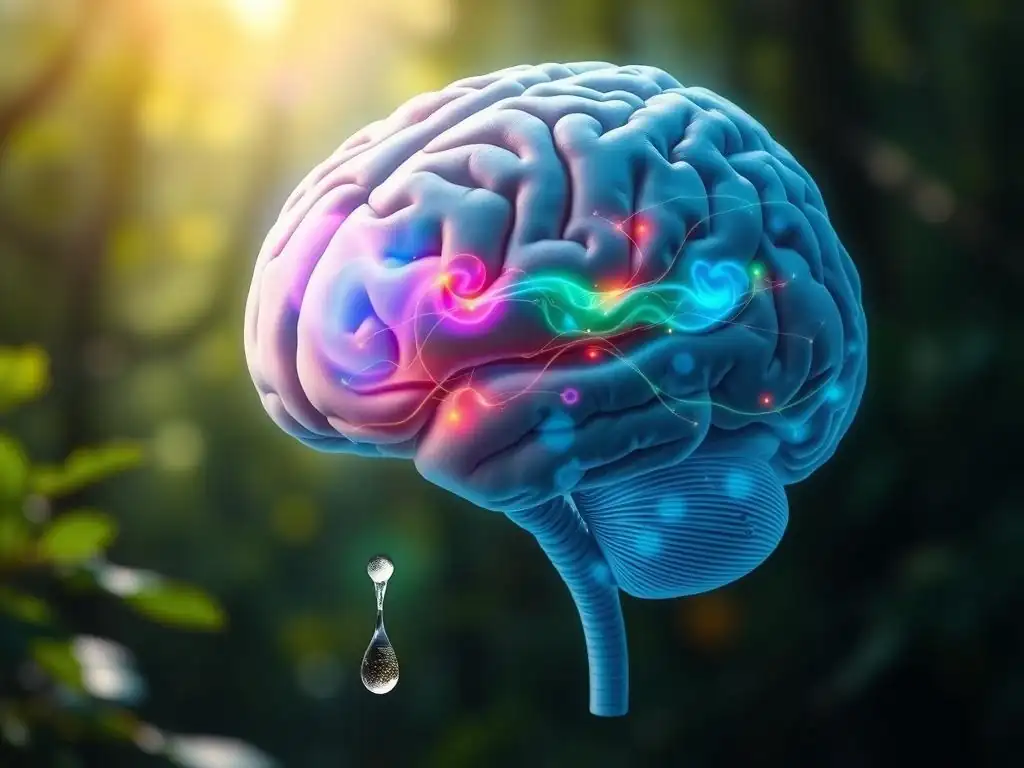
Welcome to Mind Care Guide, your sanctuary for mental well-being.
Feeling like your mind is shrouded in a fog? You're not alone. We understand the frustration of struggling to focus. This week, we delve into a powerful connection you might not have considered: how reducing inflammation sharpens mind focus. Explore our comprehensive guide and discover practical strategies to reclaim clarity and unlock your cognitive potential. Let's start clearing the fog, together.
Brain Fog Begone: How Reducing Inflammation Sharpens Your Mind
- Understanding Brain Fog and Inflammation's Role
- The Anti-Inflammatory Diet for Mental Clarity
- Lifestyle Strategies for Reducing Inflammation and Boosting Mental Sharpness
- Supplements for Reducing Inflammation and Improving Cognitive Function
- Measuring Your Progress: Tracking Inflammation and Cognitive Function
- Real-Life Success Stories: How Reducing Inflammation Transformed Mental Clarity
- Long-Term Strategies for Maintaining Mental Sharpness and Preventing Brain Fog
-
Frequently Asked Questions
- How does inflammation contribute to brain fog and impact mental clarity?
- What are some dietary changes I can make to reduce inflammation and improve mental focus?
- Besides diet, what other lifestyle factors can influence inflammation levels and affect mental clarity?
- How long does it typically take to notice improvements in mental clarity after reducing inflammation?
- Are there any specific supplements or medications that can help reduce inflammation and sharpen mind focus?
- Final Reflection: Reclaiming Clarity: The Mind-Body Connection and the Path to Focus
- Unleash Your Sharpest Mind: Take Action Now!
Understanding Brain Fog and Inflammation's Role
Brain fog is a frustrating collection of symptoms that can significantly impact daily life. It's not a medical condition in itself but rather a symptom of other underlying issues. Many people describe it as feeling mentally sluggish, having difficulty concentrating, experiencing memory problems, and generally feeling "off" cognitively. Understanding the root causes is the first step towards dispelling this frustrating experience, and increasingly, research points to chronic inflammation as a key player.
Emerging research highlights a significant connection between chronic low-grade inflammation and cognitive impairment, including the symptoms we recognize as brain fog. While acute inflammation is a necessary part of the body's healing process, chronic inflammation is a prolonged, low-level immune response that can damage tissues and organs over time, including the brain. This persistent inflammatory state can disrupt normal brain function, making it harder to think clearly and maintain focus.
What is Brain Fog? Symptoms and Impact on Cognitive Function
Brain fog manifests differently for each individual, but common symptoms include difficulty concentrating, impaired memory, confusion, feeling scattered, and a general lack of mental clarity. Imagine trying to think through a thick haze – that's often how brain fog feels. This cognitive slowdown can affect performance at work or school, strain relationships due to forgetfulness or difficulty following conversations, and diminish overall quality of life.
The impact of brain fog extends beyond simple inconvenience. It can reduce productivity, erode confidence, and lead to feelings of frustration and isolation. Studies indicate that conditions associated with chronic inflammation, such as autoimmune diseases or chronic fatigue syndrome, frequently report brain fog as a prominent symptom. Addressing the underlying inflammation is often a crucial step in mitigating these cognitive challenges and helping individuals regain their mental sharpness.
The Inflammation-Brain Fog Connection: A Deeper Dive
The link between inflammation and brain fog is rooted in how the body's immune system interacts with the brain. When chronic inflammation is present, inflammatory molecules called cytokines are released into the bloodstream. These cytokines can cross the blood-brain barrier and affect brain cells, including neurons and glial cells (like microglia, the brain's immune cells). This interaction can alter neurotransmitter function and disrupt the delicate balance required for optimal cognitive performance.
Furthermore, chronic inflammation can contribute to oxidative stress in the brain, damaging brain cells and interfering with their ability to communicate effectively. This neuroinflammation doesn't cause acute pain like inflammation in a joint might, but it can manifest as subtle yet pervasive cognitive issues like difficulty with executive functions – planning, organizing, and focusing. Understanding this intricate connection is vital for those seeking to improve their mental clarity by addressing the root cause.
How Inflammation Disrupts Neural Pathways and Cognitive Processes
Inflammation directly impacts key neural pathways responsible for learning, memory, and executive function. Chronic exposure to inflammatory cytokines can impair synaptic plasticity, the brain's ability to form and reorganize synaptic connections, which is fundamental to learning and memory formation. For example, research has shown that elevated levels of inflammatory markers like C-reactive protein (CRP) are associated with reduced cognitive speed and poorer memory performance in older adults.
Moreover, inflammation can interfere with the production and function of neurotransmitters like dopamine and serotonin, which are crucial for mood, motivation, and focus. This disruption can exacerbate feelings of lethargy and contribute to the difficulty in sustaining attention often reported with brain fog. By reducing inflammation, we create a more favorable environment for these neural processes to function optimally, thereby improving cognitive function and helping in reducing inflammation sharpens mind focus.
The Anti-Inflammatory Diet for Mental Clarity
Adopting an anti-inflammatory diet is one of the most powerful strategies for combating chronic inflammation and, consequently, improving brain function. This dietary approach focuses on consuming nutrient-dense foods rich in antioxidants, omega-3 fatty acids, and fiber, while limiting foods known to promote inflammation. Shifting dietary habits can significantly impact the body's inflammatory load and support cognitive health.
This type of diet isn't just about avoiding inflammatory foods; it's about actively incorporating foods that nourish the body and the brain. By consistently choosing anti-inflammatory options, individuals can help calm the immune system's overactive response, potentially reducing neuroinflammation and paving the way for clearer thinking and better concentration. Many people report a noticeable improvement in their brain fog symptoms after committing to this dietary pattern.
Key Anti-Inflammatory Foods to Combat Brain Fog
An anti-inflammatory diet emphasizes whole, unprocessed foods. Think vibrant fruits and vegetables, fatty fish, nuts, seeds, and healthy oils. These foods are packed with compounds that actively work against inflammation in the body. Including a variety of these foods ensures a broad spectrum of nutrients supporting overall health, including crucial brain health.
Focusing on specific food groups can provide targeted benefits. For instance, incorporating colorful produce ensures intake of various antioxidants, while including healthy fats supports cell membrane health in the brain. Making these foods staples in your diet is a proactive step towards reducing inflammation sharpens mind focus and achieving lasting mental clarity.
Incorporating Omega-3 Fatty Acids for Brain Health
Omega-3 fatty acids, particularly EPA (eicosapentaenoic acid) and DHA (docosahexaenoic acid), are renowned for their potent anti-inflammatory properties. They are essential building blocks for brain cells and play a critical role in maintaining the structure and function of neuronal membranes. The brain is composed of a high percentage of lipids, and DHA is particularly abundant in brain tissue.
Rich sources of omega-3s include fatty fish like salmon, mackerel, sardines, and anchovies. Aiming for at least two servings of fatty fish per week is often recommended. For those who don't eat fish, alternatives like flaxseeds, chia seeds, walnuts, and algae-based supplements can provide ALA (alpha-linolenic acid), which the body can convert to EPA and DHA, though less efficiently. Regular intake of these fats is crucial for supporting brain health and mitigating inflammation.
The Power of Antioxidants: Berries, Leafy Greens, and More
Antioxidants are compounds that protect cells from damage caused by free radicals, unstable molecules that can contribute to inflammation and oxidative stress. Fruits and vegetables, especially those with deep, vibrant colors, are loaded with antioxidants. Berries (like blueberries, strawberries, raspberries) are particularly high in anthocyanins, powerful antioxidants linked to improved cognitive function.
Leafy green vegetables such as spinach, kale, and collard greens are rich in vitamins (like K, A, and C) and other antioxidants that have anti-inflammatory effects. Including a variety of colorful fruits and vegetables in your daily meals provides a broad spectrum of these protective compounds. Aim for a rainbow of colors on your plate to maximize the antioxidant benefits and support brain health.
Gut Health and Inflammation: Probiotics and Prebiotics
The gut-brain axis is a bidirectional communication system linking the gut microbiome with the central nervous system. An imbalance in gut bacteria (dysbiosis) can contribute to systemic inflammation, which in turn can affect brain health and function. Supporting a healthy gut microbiome is therefore an essential part of an anti-inflammatory approach.
Probiotics are beneficial bacteria found in fermented foods like yogurt, kefir, sauerkraut, and kimchi. Prebiotics are non-digestible fibers that feed these beneficial bacteria, found in foods like garlic, onions, leeks, asparagus, and bananas. Consuming a diet rich in both probiotics and prebiotics helps foster a balanced gut microbiome, reducing inflammation and supporting a clearer mind.
Foods to Avoid: Inflammatory Triggers Worsening Brain Fog
Just as certain foods reduce inflammation, others actively promote it. Identifying and limiting these inflammatory triggers is crucial for improving cognitive function and reducing brain fog. These foods often include processed items, those high in refined sugars, and certain fats.
Making conscious choices to minimize or eliminate these foods can significantly lower the body's inflammatory burden. This doesn't mean never eating them, but rather making them the exception rather than the rule in your diet. This shift is fundamental when using diet as a strategy for reducing inflammation sharpens mind focus.
Limiting Sugar Intake and its Impact on Cognitive Function
Excessive consumption of added sugars, particularly refined sugars found in sugary drinks, pastries, and candies, is a major driver of inflammation in the body. High blood sugar levels trigger the release of inflammatory molecules. Chronic spikes in blood sugar can also damage blood vessels, including those supplying the brain, potentially impairing cognitive function over time.
Studies have linked high sugar intake to poorer performance on cognitive tests and an increased risk of cognitive decline. Reducing sugar intake helps stabilize blood sugar levels, reduces systemic inflammation, and can lead to improved energy levels and mental clarity. Reading food labels to identify hidden sugars is an important step in this process.
Processed Foods and Artificial Additives: A Cognitive Threat
Processed foods are often high in unhealthy fats (like trans fats and some saturated fats), refined carbohydrates, sugar, and artificial additives. These components can all contribute to chronic inflammation. For example, hydrogenated oils and excessive amounts of omega-6 fatty acids (common in many processed snacks and fried foods) can disrupt the balance of fatty acids in the body, promoting inflammation.
Artificial colors, flavors, and preservatives found in many processed foods may also have inflammatory effects in some individuals. Focusing on whole, unprocessed foods minimizes exposure to these potential inflammatory culprits. Choosing fresh ingredients and preparing meals from scratch is a good way to avoid these cognitive threats.
The Gluten-Brain Connection: When to Consider Gluten Sensitivity
For some individuals, gluten, a protein found in wheat, barley, and rye, can trigger an inflammatory response that affects the brain. Celiac disease is an autoimmune condition where gluten ingestion causes damage to the small intestine, but non-celiac gluten sensitivity (NCGS) is a condition where individuals experience symptoms, including neurological ones like brain fog, after consuming gluten, without the intestinal damage seen in celiac disease.
If you suspect gluten might be contributing to your brain fog, consulting with a healthcare professional is crucial. They can help determine if testing for celiac disease is appropriate or guide you through a monitored elimination diet to see if removing gluten alleviates your symptoms. For sensitive individuals, reducing inflammation sharpens mind focus might involve exploring a gluten-free diet.
Lifestyle Strategies for Reducing Inflammation and Boosting Mental Sharpness

Diet is a cornerstone of an anti-inflammatory lifestyle, but it's not the only factor. Several other lifestyle choices significantly impact inflammatory levels and cognitive function. Integrating these strategies alongside dietary changes creates a comprehensive approach to dispelling brain fog and enhancing mental clarity.
These strategies work synergistically with diet to lower inflammation throughout the body, including the brain. Adopting healthy habits around exercise, stress management, and sleep can provide powerful support for cognitive health and overall well-being. It's about creating a holistic environment where the brain can thrive.
Exercise and Movement: Reducing Inflammation Through Physical Activity
Regular physical activity is a potent anti-inflammatory agent. Exercise helps reduce levels of inflammatory markers like CRP and increases the production of anti-inflammatory molecules. Even moderate exercise, like brisk walking for 30 minutes most days of the week, can have significant benefits.
Exercise also improves blood flow to the brain, delivering essential oxygen and nutrients while helping to clear waste products. This enhanced circulation supports brain cell health and function, contributing to better cognitive performance. Finding enjoyable ways to incorporate movement into your daily routine is key to leveraging its anti-inflammatory and cognitive benefits.
Stress Management Techniques: Meditation, Mindfulness, and Yoga
Chronic stress triggers the release of stress hormones like cortisol, which can contribute to chronic inflammation. Learning to manage stress effectively is vital for reducing this inflammatory burden. Techniques like meditation, mindfulness, deep breathing exercises, and yoga have been shown to lower stress hormones and reduce inflammatory markers.
Setting aside even a few minutes each day for stress reduction practices can make a difference. Whether it's a short meditation session, a walk in nature, or gentle stretching, finding what works for you and practicing it consistently is crucial for calming the nervous system and reducing stress-induced inflammation.
Sleep Hygiene: Prioritizing Rest for Optimal Brain Function and Reduced Inflammation
Sleep is a critical period for the body and brain to repair and regenerate. Poor sleep quality or insufficient sleep is linked to increased inflammation. During sleep, the brain clears waste products, including those associated with neuroinflammation. Disrupting this process can exacerbate brain fog and impair cognitive function.
Aiming for 7-9 hours of quality sleep per night is essential. Establishing a regular sleep schedule, creating a relaxing bedtime routine, and ensuring your bedroom is dark, quiet, and cool can significantly improve sleep hygiene. Prioritizing sleep is a fundamental step in supporting brain health and reducing inflammation sharpens mind focus.
Supplements for Reducing Inflammation and Improving Cognitive Function
While a nutrient-dense diet is the foundation, certain supplements may offer additional support in reducing inflammation and enhancing cognitive function. It's important to note that supplements should complement, not replace, a healthy diet and lifestyle, and consulting with a healthcare professional before starting any new supplement is always recommended, especially if you have underlying health conditions or are taking medications.
Supplements can provide concentrated doses of compounds known for their anti-inflammatory or neuroprotective effects. They can be particularly helpful for individuals who may have difficulty obtaining sufficient amounts of these nutrients through diet alone.
Curcumin: The Anti-Inflammatory Powerhouse
Curcumin is the active compound found in turmeric, the spice that gives curry its yellow color. It is a powerful antioxidant and has demonstrated significant anti-inflammatory properties in numerous studies. Curcumin works by inhibiting various molecules that play a role in the inflammatory process.
While consuming turmeric in food offers some benefits, supplemental forms, often combined with piperine (from black pepper) to enhance absorption, can provide higher doses. Research suggests curcumin may help reduce inflammatory markers and could potentially support cognitive function, making it a popular choice for those seeking to reduce inflammation sharpens mind focus.
Resveratrol: Protecting Brain Cells from Inflammation
Resveratrol is a natural polyphenol found in red wine, grapes, berries, and peanuts. It is known for its antioxidant and anti-inflammatory effects. Studies suggest that resveratrol may protect brain cells from oxidative stress and inflammation, potentially supporting cognitive health.
Research indicates that resveratrol can influence pathways involved in neuroinflammation and may have neuroprotective effects. While you can get some resveratrol from dietary sources, supplemental forms offer higher concentrations. Its potential role in mitigating age-related cognitive decline and supporting brain function under inflammatory conditions is an active area of research.
Alpha-Lipoic Acid (ALA): Supporting Mitochondrial Function and Reducing Oxidative Stress
Alpha-lipoic acid (ALA) is a powerful antioxidant that is unique because it is both water and fat-soluble, allowing it to work throughout the body, including the brain. ALA plays a crucial role in mitochondrial function, the energy powerhouses of cells, and helps regenerate other antioxidants like vitamins C and E.
ALA's ability to combat oxidative stress and inflammation makes it a potential aid for cognitive function. It may help protect nerve cells and improve blood flow to the brain. Supplemental ALA is often used for its antioxidant properties and its potential to support metabolic health, which is linked to inflammation and cognitive function.
Measuring Your Progress: Tracking Inflammation and Cognitive Function

Embarking on a journey to reduce inflammation and improve brain fog involves making sustainable changes. Tracking your progress can provide valuable insights into what strategies are working and help you stay motivated. There are several ways to monitor changes in both inflammatory markers and cognitive function.
Combining objective measurements with subjective tracking offers a comprehensive view of your progress. Seeing tangible evidence of reduced inflammation or improved mental clarity can reinforce your commitment to an anti-inflammatory lifestyle.
Blood Tests: Identifying Inflammatory Markers
Certain blood tests can provide objective data on your body's inflammatory status. High-sensitivity C-reactive protein (hs-CRP) is one of the most common markers used to assess systemic inflammation. Elevated hs-CRP levels are associated with various inflammatory conditions.
Other potential markers include erythrocyte sedimentation rate (ESR) and certain cytokines, although hs-CRP is often the most accessible and widely used. Discussing these tests with your doctor can help you understand your baseline inflammatory levels and monitor how lifestyle changes impact them. A reduction in these markers can be a strong indicator that your efforts in reducing inflammation sharpens mind focus.
Cognitive Assessments: Monitoring Mental Sharpness Improvement
While subjective feelings of reduced brain fog are important, objective cognitive assessments can help track improvements in specific areas like memory, attention, and processing speed. These can range from simple online tests to more comprehensive evaluations performed by a healthcare professional.
Some apps and platforms offer cognitive training exercises that also include assessment components, allowing you to track your performance over time. While not a substitute for clinical evaluation, these tools can provide a general sense of whether your cognitive function is improving.
Journaling: Tracking Diet, Symptoms, and Cognitive Function Subjectively
A simple yet powerful tool for tracking progress is journaling. Keeping a daily or weekly log of your diet, sleep patterns, exercise, stress levels, and brain fog symptoms can reveal connections and patterns you might otherwise miss. Note specific symptoms like difficulty concentrating, forgetfulness, or mental fatigue, and rate their severity.
Correlating these symptoms with dietary choices, sleep quality, or stressful events can help identify specific triggers and highlight the effectiveness of your anti-inflammatory strategies. Journaling provides a personal, subjective account of your journey towards clearer thinking.
Real-Life Success Stories: How Reducing Inflammation Transformed Mental Clarity
Hearing about others who have successfully navigated the challenges of brain fog by addressing inflammation can be incredibly inspiring and provide practical insights. These personal accounts illustrate the tangible impact that lifestyle changes can have on cognitive function.
These stories are not just anecdotes; they are testaments to the body's capacity for healing and the power of proactive health management. They demonstrate that reducing inflammation sharpens mind focus is not just a concept but a reality for many.
Overcoming Brain Fog Through Dietary Changes: A Personal Account
Consider the case of Sarah, a 35-year-old marketing executive who struggled with persistent brain fog, making it difficult to perform her job effectively. She often felt scattered, couldn't remember details from meetings, and lacked focus. After consulting a nutritionist and learning about the link between inflammation and cognitive issues, she adopted a strict anti-inflammatory diet, eliminating processed foods, sugar, and gluten while increasing her intake of fatty fish, vegetables, and berries.
Within three months, Sarah reported a significant reduction in her brain fog symptoms. She found it easier to concentrate during long meetings, her memory improved, and she felt more mentally sharp throughout the day. While she still experienced occasional mild symptoms, the debilitating fog had lifted, allowing her to regain confidence and productivity at work. Her blood tests also showed a decrease in her hs-CRP levels from 3.5 mg/L to 1.1 mg/L, correlating with her subjective improvement.
Improved Focus and Memory Through Stress Reduction Techniques: A Case Study
Mark, a 50-year-old teacher, experienced chronic stress due to his demanding job, leading to constant fatigue and difficulty focusing in the classroom. He often forgot names and struggled to recall information quickly. Recognizing the role of stress in inflammation, he incorporated a daily 20-minute mindfulness meditation practice and started attending a weekly yoga class.
Over six months, Mark noticed a remarkable improvement in his ability to concentrate and retain information. He felt calmer, less overwhelmed by stress, and found that his memory was sharper. His colleagues commented on his increased presence and clarity in discussions. While he didn't track inflammatory markers directly through blood tests, the reduction in his perceived stress levels and the improvement in his cognitive function strongly suggest that managing stress reduced his inflammatory load, demonstrating how reducing inflammation sharpens mind focus.
Long-Term Strategies for Maintaining Mental Sharpness and Preventing Brain Fog
Achieving mental clarity by reducing inflammation is an ongoing process, not a one-time fix. Maintaining these benefits requires a commitment to sustainable lifestyle changes. It's about building habits that support low inflammation and optimal brain health in the long run.
Developing long-term strategies ensures that the brain fog doesn't return and allows you to continue enjoying the benefits of a sharp, focused mind. Consistency and patience are key components of this journey.
Creating a Sustainable Anti-Inflammatory Lifestyle
Sustainability is crucial for long-term success. Instead of viewing the anti-inflammatory approach as a restrictive diet or a temporary fix, integrate its principles into your daily life. This means finding enjoyable ways to eat anti-inflammatory foods, incorporating physical activity you love, and building stress management techniques that fit your routine.
Focus on making gradual, consistent changes rather than drastic overhauls. This makes the lifestyle more manageable and increases the likelihood of sticking with it. Building a supportive environment, perhaps by cooking with family or finding an exercise buddy, can also enhance sustainability.
The Importance of Consistency and Patience
Results from anti-inflammatory strategies may not be immediate. Reducing chronic inflammation and allowing the brain to heal takes time. Consistency in applying dietary and lifestyle changes is far more effective than sporadic intense efforts. Don't get discouraged if you don't see dramatic results overnight.
Be patient with yourself and the process. Focus on the progress you are making, no matter how small it seems. Celebrate small victories, like successfully incorporating more vegetables into your meals or sticking to your meditation practice for a week. Remember that by consistently reducing inflammation sharpens mind focus over time, leading to lasting improvements in cognitive function.
Frequently Asked Questions
How does inflammation contribute to brain fog and impact mental clarity?
Inflammation in the body can directly affect the brain, disrupting neurotransmitter function and hindering cognitive processes. This disruption leads to symptoms like brain fog, difficulty concentrating, and impaired memory recall.
What are some dietary changes I can make to reduce inflammation and improve mental focus?
Focus on an anti-inflammatory diet rich in fruits, vegetables, and omega-3 fatty acids. Reduce intake of processed foods, sugary drinks, and refined carbohydrates, as these can exacerbate inflammation.
Besides diet, what other lifestyle factors can influence inflammation levels and affect mental clarity?
Stress, lack of sleep, and physical inactivity can all contribute to chronic inflammation. Managing stress through techniques like mindfulness meditation and prioritizing adequate sleep are crucial.
How long does it typically take to notice improvements in mental clarity after reducing inflammation?
The timeline varies, but many people report feeling improvements within a few weeks of adopting anti-inflammatory strategies. Consistent effort and a holistic approach are key to long-term benefits.
Are there any specific supplements or medications that can help reduce inflammation and sharpen mind focus?
Certain supplements like turmeric (curcumin) and fish oil have anti-inflammatory properties. Consult with a healthcare professional before taking any supplements or medications, especially if you have pre-existing conditions.
Final Reflection: Reclaiming Clarity: The Mind-Body Connection and the Path to Focus
The pervasive struggle with brain fog is not merely a modern inconvenience; it's a symptom of a deeper imbalance, a disconnect between our physical and mental well-being. Understanding and addressing the inflammatory processes contributing to this fog is crucial for reclaiming mental sharpness and achieving peak cognitive function in our increasingly demanding world. This isn't just about productivity; it's about living a more vibrant, engaged life.
The impact of inflammation on cognitive function is profound and far-reaching, extending beyond the individual to influence societal productivity and overall well-being. We've seen how seemingly small lifestyle changes can have a significant impact on reducing inflammation and, consequently, improving mental clarity. This resonates deeply with my own experience; struggling with brain fog myself, I discovered the transformative power of focusing on anti-inflammatory strategies. The body is a temple, and we must treat it as such.
This quote, while seemingly simple, underscores the crucial link between physical health and mental acuity. We are not separate entities; mind and body are inextricably intertwined.
Now, consider your own relationship with your mind and body. What steps can you take today to reduce inflammation and enhance your cognitive function? Perhaps it's incorporating more anti-inflammatory foods into your diet, prioritizing sleep, managing stress more effectively, or simply taking a moment each day for mindful reflection. The journey to a sharper, clearer mind begins with a single, conscious step. Embrace the power of this connection, and unlock the vibrant potential within.
Unleash Your Sharpest Mind: Take Action Now!
Thanks for taking the time to explore the powerful connection between inflammation and brain fog! We hope you’ve gained valuable insights into how to sharpen your mental clarity. Now, let’s put that knowledge into action.
- Prioritize anti-inflammatory foods: Start incorporating more vibrant fruits, vegetables, and healthy fats into your diet today. Even small changes can make a big difference.
- Share your journey: Tell your friends and family about the strategies you're implementing. Their support and shared experiences can be incredibly motivating.
- Explore Mind Care Guide's inflammation resources: Discover more insightful articles and practical tips on our website to further enhance your brain health and cognitive function.
What small step will you take today to reduce inflammation and boost your mental clarity?