
Reclaiming Identity: Strengthening Cultural Bonds to Prevent Indigenous Suicide

Welcome to Mind Care Guide.
Feeling lost or overwhelmed? You're not alone. We understand the unique challenges that life can throw your way, especially when navigating mental well-being. This month, we delve into a crucial topic: how strengthening cultural bonds can be a powerful tool in Indigenous suicide prevention. Intrigued? Discover how Indigenous suicide prevention cultural bonds are being fostered and what you can learn from these vital initiatives. Let's explore together.
Reclaiming Identity: Strengthening Cultural Bonds to Prevent Suicide in Inuit Communities
- Understanding the Crisis: Suicide Rates and Contributing Factors in Inuit Nunangat
- The Power of Cultural Bonds in Inuit Suicide Prevention
-
Strategies for Strengthening Cultural Bonds and Promoting Well-being in Inuit Communities
- Cultural Revitalization Programs: Preserving and Promoting Inuktitut Language and Traditions
- Inuktitut Language Preservation: Rekindling Linguistic Heritage
- Intergenerational Knowledge Transfer: Connecting Elders and Youth Through Storytelling
- Land-Based Healing: Reconnecting with the Land Through Traditional Activities
- Arts and Cultural Expression as Therapeutic Tools: Inuit Art and Music
-
Community-Based Approaches to Inuit Suicide Prevention
- The Importance of Community Leadership and Involvement: Inuit-Led Initiatives
- Culturally Sensitive Mental Health Services: Addressing Specific Needs of Inuit
- Traditional Healing Practices: Integrating Inuit Knowledge and Shamanic Practices
- Peer Support Networks: Creating Safe Spaces for Sharing and Healing in Inuit Communities
- Supporting Inuit Youth: Fostering a Sense of Belonging and Purpose
- Overcoming Barriers to Accessing Mental Health Care in Inuit Communities
- The Role of Government and Organizations in Inuit Suicide Prevention
- Success Stories: Examples of Effective Inuit Suicide Prevention Programs
- Conclusion: A Path Forward – Reclaiming Identity and Preventing Suicide in Inuit Nunangat
-
Frequently Asked Questions
- What is the connection between cultural bonds and Indigenous suicide prevention?
- How does reclaiming identity contribute to mental well-being within Indigenous communities?
- What are some practical ways to strengthen cultural bonds in Indigenous communities?
- What role does historical trauma play in Indigenous suicide rates, and how can cultural healing address it?
- Where can I find further support and resources related to Indigenous mental health and suicide prevention?
- Final Reflection: Weaving a Stronger Tomorrow Through Cultural Resilience
- Unleash Your Strength: Reconnect with Your Heritage
Understanding the Crisis: Suicide Rates and Contributing Factors in Inuit Nunangat
The Stark Reality: Suicide Statistics in Inuit Communities Across Canada
Suicide rates in Inuit Nunangat, the homeland of Inuit in Canada spanning Nunavut, Nunavik (Northern Quebec), Nunatsiavut (Northern Labrador), and the Inuvialuit Settlement Region (Northwest Territories), are tragically high. Data consistently shows rates that are significantly elevated compared to the non-Indigenous Canadian population. For example, in Nunavut, the suicide rate has often been reported as being nine to ten times higher than the national average, sometimes even more in specific years or communities. This disproportionate burden highlights a profound crisis impacting families and communities across the Arctic.
This crisis is not uniform across Inuit Nunangat, but the pattern of elevated risk is undeniable. These statistics represent not just numbers, but immense loss and pain within communities grappling with complex challenges. Addressing these rates requires understanding the deep-rooted factors contributing to this crisis and focusing on comprehensive, culturally grounded solutions for Inuit suicide prevention cultural bonds. The urgency is underscored by the fact that youth are particularly vulnerable, with suicide being a leading cause of death for young Inuit.
Colonial Trauma and its Impact on Intergenerational Mental Health
The devastating impact of colonization on Inuit communities is a primary driver of the mental health crisis and high suicide rates. Policies such as forced relocation, residential schools, and the slaughter of qimmiit (Inuit sled dogs) disrupted traditional ways of life, severed family ties, and eroded cultural identity. These traumatic experiences inflicted deep wounds that have been passed down through generations, manifesting as intergenerational trauma.
Intergenerational trauma contributes to a range of social and health issues, including substance use, family violence, and mental health challenges like depression and anxiety. The historical context of oppression and loss of control over their lives and territories continues to impact Inuit well-being today. Addressing the legacy of colonialism is therefore fundamental to strengthening cultural bonds and fostering healing as part of effective Indigenous suicide prevention cultural bonds strategies.
Socioeconomic Challenges and their Link to Suicide Risk in the Arctic
In addition to the historical trauma, contemporary socioeconomic challenges in Inuit Nunangat significantly contribute to the elevated risk of suicide. High rates of poverty, food insecurity, inadequate housing, and limited access to education and employment opportunities create chronic stress and despair. These factors undermine community well-being and individual resilience.
Access to essential services, including healthcare and mental health support, is also often limited in remote Arctic communities. The high cost of living, coupled with limited economic opportunities, creates a cycle of disadvantage. These systemic barriers exacerbate the mental health crisis and make it harder for individuals and families to cope, underscoring the need for holistic interventions that address both the social determinants of health and the importance of strengthening cultural bonds.
Loss of Cultural Identity: A Critical Factor in Inuit Suicide
The erosion of cultural identity, stemming from colonial policies aimed at assimilation, is a profound factor in the high rates of suicide among Inuit. Traditional knowledge, language (Inuktitut), spirituality, and practices provided a strong foundation for identity, community cohesion, and resilience. The disruption and suppression of these elements left many feeling disconnected and without a strong sense of self or belonging.
When cultural connections weaken, individuals may lose access to traditional coping mechanisms, social support systems rooted in kinship, and a sense of purpose tied to their heritage. Reconnecting with and revitalizing Inuit culture is therefore not merely about preserving the past; it is a vital, life-affirming process that strengthens identity, builds resilience, and is a cornerstone of effective Inuit suicide prevention cultural bonds initiatives.
The Power of Cultural Bonds in Inuit Suicide Prevention
Defining Inuit Cultural Identity and its Importance: Inuit Qaujimajatuqangit
Inuit cultural identity is deeply rooted in Inuit Qaujimajatuqangit (IQ) – traditional knowledge, values, and wisdom passed down through generations. IQ encompasses principles such as respect for elders, consensus decision-making (Pijitsirniq), service to others (Pilimmaksarniq), and environmental stewardship (Avatittinnik Kamatsiarniq). These values shape worldview, guide behavior, and provide a framework for understanding oneself in relation to family, community, and the land.
The importance of Inuit cultural identity lies in its role as a source of strength, resilience, and belonging. It provides individuals with a sense of continuity with their ancestors, a connection to their land, and a place within a supportive community structure. Maintaining and revitalizing this identity is crucial for mental well-being and acts as a protective factor against the despair that can lead to suicide. Strengthening these cultural bonds is central to Inuit suicide prevention efforts.
How Cultural Connection Fosters Resilience and Hope: The Role of Inuit Values
Cultural connection fosters resilience by providing individuals with coping strategies and a sense of purpose derived from their heritage. Inuit values emphasize adaptability, perseverance, and community support, qualities essential for navigating the challenges of Arctic life. Participating in cultural activities like hunting, fishing, sewing, or storytelling reinforces these values and strengthens social bonds.
Hope is nurtured through the transmission of traditional knowledge and the celebration of cultural achievements. When youth learn from elders, participate in land-based activities, and engage with their language, they connect with a powerful legacy of survival and strength. This connection provides a positive identity and a sense of belonging, counteracting feelings of isolation and hopelessness. The revitalization of cultural practices is a direct pathway to building resilience and hope, vital components of Indigenous suicide prevention cultural bonds strategies.
Strengthening Cultural Bonds: A Pathway to Healing for Inuit
Strengthening cultural bonds is a direct pathway to healing from the trauma and challenges faced by Inuit communities. Reconnecting with language, traditions, and community practices helps individuals reclaim a positive identity that was undermined by colonial policies. This process fosters a sense of pride and belonging, which are crucial for mental well-being.
Engaging in cultural activities within a supportive community context provides a space for healing and mutual support. Sharing stories, participating in ceremonies, or working together on traditional tasks rebuilds social capital and reinforces the protective web of kinship. This cultural revitalization is not just about preserving the past; it is a dynamic process that empowers individuals and communities to heal and build a healthier future, directly contributing to Inuit suicide prevention cultural bonds.
Strategies for Strengthening Cultural Bonds and Promoting Well-being in Inuit Communities
Cultural Revitalization Programs: Preserving and Promoting Inuktitut Language and Traditions
Cultural revitalization programs are fundamental to strengthening identity and promoting well-being. These initiatives often focus on preserving and promoting the Inuktitut language, which is a cornerstone of Inuit culture and identity. Programs might include language classes for all ages, immersion camps, and the creation of Inuktitut language resources.
Beyond language, these programs work to revive traditional skills, arts, and practices. This could involve workshops on traditional sewing, carving, drum dancing, or throat singing. By providing opportunities for community members, especially youth, to learn and practice these traditions, these programs reinforce cultural pride and connection, which are vital for Indigenous suicide prevention cultural bonds.
Inuktitut Language Preservation: Rekindling Linguistic Heritage
The Inuktitut language is more than just a means of communication; it carries the nuances of Inuit worldview, traditional knowledge, and cultural values. Colonial policies, particularly residential schools, severely disrupted the intergenerational transmission of Inuktitut. Rekindling this linguistic heritage is therefore a critical act of cultural reclamation and healing.
Language preservation efforts involve various initiatives, including early childhood language immersion programs, Inuktitut language instruction in schools, and community-based adult language classes. Supporting elders in sharing their language knowledge with younger generations is also key. A strong connection to Inuktitut reinforces cultural identity and facilitates access to traditional knowledge and support systems, significantly contributing to Inuit suicide prevention cultural bonds.
Intergenerational Knowledge Transfer: Connecting Elders and Youth Through Storytelling
Intergenerational knowledge transfer, particularly through storytelling, is a powerful method for strengthening cultural bonds and promoting well-being. Elders hold vast knowledge about traditional life, values, history, and survival skills. Sharing this knowledge with youth creates essential connections between generations and helps young people understand their heritage and place in the world.
Storytelling sessions, mentorship programs connecting youth with elders, and land-based camps where traditional skills are taught are examples of how this knowledge transfer occurs. These interactions provide youth with positive role models, reinforce cultural identity, and offer a sense of continuity and belonging. This connection is a vital protective factor against feelings of isolation and hopelessness, central to Indigenous suicide prevention cultural bonds.
Land-Based Healing: Reconnecting with the Land Through Traditional Activities
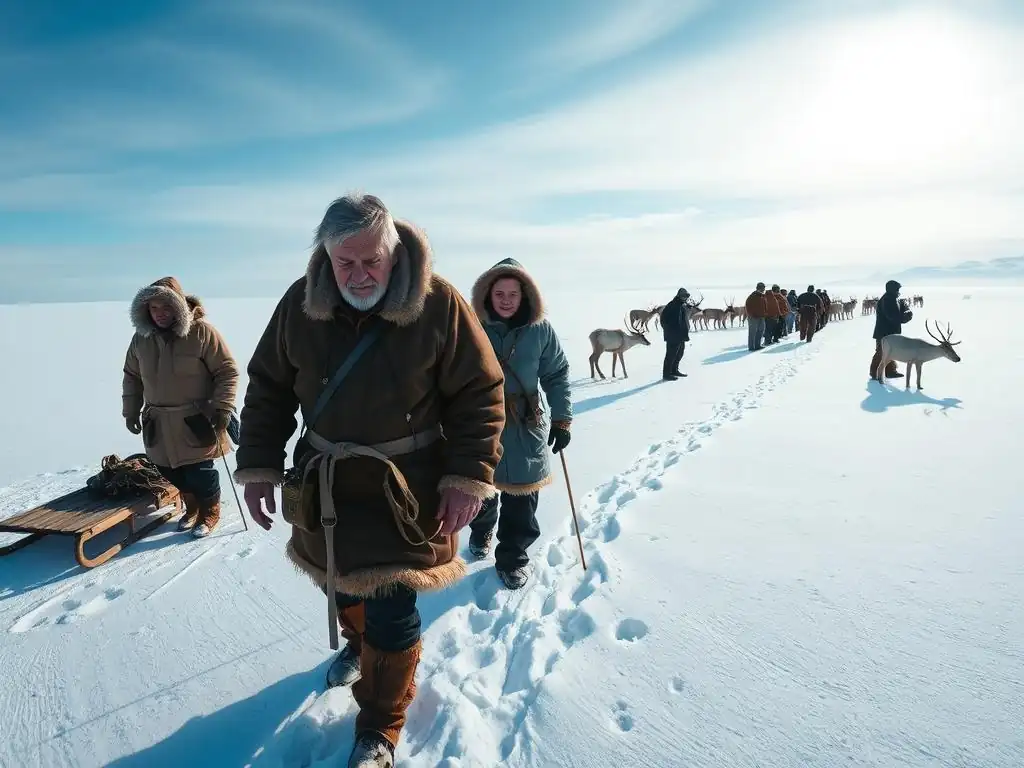
The land (Nunangat) is central to Inuit identity, spirituality, and well-being. Land-based healing programs involve taking individuals or groups out on the land to engage in traditional activities such as hunting, fishing, camping, and traveling by qamutik (sled) or snowmobile. These experiences offer a powerful way to reconnect with cultural roots and the healing power of nature.
These programs provide opportunities for learning survival skills, practicing traditional ways of life, and spending time in a natural environment that is deeply significant to Inuit culture. Being on the land fosters a sense of peace, connection, and resilience. It also facilitates intergenerational knowledge sharing and strengthens social bonds within the group. Many communities have implemented land-based programs specifically for mental health and addiction recovery, recognizing their profound therapeutic value in Inuit suicide prevention cultural bonds.
Arts and Cultural Expression as Therapeutic Tools: Inuit Art and Music
Inuit art forms, such as carving, printmaking, sewing, and music like throat singing and drumming, are powerful means of cultural expression and can serve as effective therapeutic tools. Engaging in these creative practices allows individuals to express emotions, process experiences, and connect with their heritage in a tangible way.
Workshops and programs focused on traditional arts provide opportunities for skill-building, cultural learning, and social interaction. Creating art or music can be a source of pride and accomplishment, enhancing self-esteem. These cultural expressions reinforce identity and provide healthy outlets for coping, contributing to emotional well-being and strengthening cultural bonds for Inuit suicide prevention.
Community-Based Approaches to Inuit Suicide Prevention
The Importance of Community Leadership and Involvement: Inuit-Led Initiatives
Effective suicide prevention strategies in Inuit communities must be driven by the communities themselves, with strong leadership and involvement from Inuit residents. Top-down, externally imposed programs have often failed because they do not adequately address the unique cultural context and needs of the community. Inuit-led initiatives ensure that programs are culturally relevant, accessible, and grounded in community priorities and strengths.
Community leaders, elders, and local organizations play a vital role in identifying needs, designing programs, and mobilizing resources. Their deep understanding of local dynamics, cultural protocols, and community strengths is indispensable. Empowering communities to take ownership of their wellness initiatives is crucial for building trust and ensuring the long-term sustainability and effectiveness of Indigenous suicide prevention cultural bonds efforts.
Culturally Sensitive Mental Health Services: Addressing Specific Needs of Inuit
Access to mental health services that are culturally sensitive and appropriate is a significant challenge in Inuit Nunangat. Western therapeutic models may not resonate with Inuit worldview and experiences, and there is often a lack of Inuit mental health professionals. Culturally sensitive services integrate Inuit Qaujimajatuqangit, language, and understanding of historical trauma into assessment and treatment.
This can involve training non-Inuit professionals in cultural competency, supporting the development of Inuit mental health workers, offering services in Inuktitut, and incorporating traditional healing practices. Services should be delivered in ways that respect Inuit social structures and communication styles. Providing care that acknowledges and validates Inuit identity is essential for building trust and ensuring that individuals seek and benefit from support, reinforcing Inuit suicide prevention cultural bonds.
Traditional Healing Practices: Integrating Inuit Knowledge and Shamanic Practices
Traditional healing practices, guided by Inuit elders and traditional healers, offer valuable approaches to addressing mental and spiritual distress. These practices often focus on restoring balance, addressing spiritual imbalances, and drawing on the strength of the land and cultural connections. Integrating these practices with Western mental health approaches can provide a more holistic and effective system of care.
Examples include counseling based on Inuit values, healing circles, spiritual guidance, and ceremonies. Respectful collaboration between traditional healers and Western healthcare providers can offer individuals a wider range of culturally relevant options for support. Recognizing and supporting the role of traditional healing is vital for comprehensive Indigenous suicide prevention cultural bonds strategies.
Peer Support Networks: Creating Safe Spaces for Sharing and Healing in Inuit Communities
Peer support networks provide safe and confidential spaces for individuals to share their experiences, challenges, and coping strategies with others who have similar lived experiences. In close-knit Inuit communities, peer support can leverage existing social connections and build new ones, reducing feelings of isolation and shame often associated with mental health struggles.
These networks can take various forms, such as support groups for residential school survivors, youth peer mentors, or community-based wellness circles. Facilitators, often trained community members, create an environment of empathy and understanding. Peer support reinforces social bonds and provides a crucial layer of support that complements formal services, strengthening the protective factors for Inuit suicide prevention cultural bonds.
Supporting Inuit Youth: Fostering a Sense of Belonging and Purpose
Mentorship Programs: Guiding the Next Generation of Inuit Leaders
Mentorship programs are particularly impactful for Inuit youth, providing positive role models and guidance. Connecting youth with respected elders or successful adults within their community offers support, encouragement, and a link to cultural knowledge and values. Mentors can help young people navigate challenges, explore their interests, and develop important life skills.
These programs foster a sense of belonging and provide youth with a vision for their future. They can help bridge the gap between traditional and modern life, empowering youth to embrace their cultural identity while pursuing educational and career goals. Strong mentorship contributes significantly to building resilience and purpose, key elements in Indigenous suicide prevention cultural bonds among young Inuit.
Educational Initiatives: Promoting Inuit Cultural Awareness and Pride in Schools
Integrating Inuit culture, history, and language into school curricula is essential for fostering cultural awareness and pride among youth. Education that reflects their identity and experiences helps young people connect with their heritage and feel valued within the educational system. This can counteract negative impacts of historical education systems that marginalized Inuit culture.
Initiatives include teaching Inuktitut language, Inuit history from an Inuit perspective, traditional skills, and incorporating Inuit Qaujimajatuqangit into various subjects. Creating school environments that celebrate Inuit culture helps build self-esteem and a strong sense of identity, which are protective factors against mental health challenges and crucial for Indigenous suicide prevention cultural bonds.
Youth Empowerment Programs: Building Leadership Skills Through Inuit Cultural Activities
Youth empowerment programs focus on building confidence, skills, and leadership potential among young Inuit. These programs often use cultural activities as a vehicle for development, such as organizing community events, participating in land-based excursions with leadership roles, or engaging in traditional arts projects.
By taking on responsibilities and succeeding in these activities, youth gain a sense of accomplishment and purpose. These programs provide opportunities for positive peer interaction and connection with cultural mentors. Empowered youth are more likely to feel hopeful about the future and contribute positively to their communities, strengthening the collective resilience needed for Inuit suicide prevention cultural bonds.
Overcoming Barriers to Accessing Mental Health Care in Inuit Communities
Addressing Stigma and Mistrust of Western Medicine in Inuit Culture
Stigma surrounding mental illness and suicide is a significant barrier to seeking help in many communities, including Inuit Nunangat. There can also be historical mistrust of Western institutions, including healthcare systems, due to past negative experiences and colonial practices. Addressing these barriers requires culturally sensitive public health campaigns and building trust at the community level.
Open conversations about mental health and suicide within communities, led by Inuit individuals, can help reduce stigma. Providing information about available services in a culturally appropriate manner and involving community members in the delivery of care can help build trust and encourage people to seek support. Acknowledging the validity of traditional healing alongside Western approaches is also crucial.
Improving Access to Culturally Competent Mental Health Professionals in Remote Regions
Recruiting and retaining culturally competent mental health professionals in remote Arctic communities is a persistent challenge. There is a shortage of professionals who understand the unique cultural context, language, and historical trauma experienced by Inuit. Fly-in services can provide some support but often lack continuity and deep community connection.
Strategies include supporting Inuit individuals to pursue careers in mental health, providing extensive cultural competency training for non-Inuit staff, and developing models of care that utilize community members as paraprofessionals or support workers. Ensuring that professionals understand the importance of strengthening cultural bonds in treatment is vital for effective Indigenous suicide prevention cultural bonds.
Telehealth and Remote Mental Health Services: Bridging the Geographic Gap in Inuit Nunangat
Given the vast distances and scattered populations in Inuit Nunangat, telehealth and remote mental health services offer a potential solution for improving access to care. Video conferencing, phone consultations, and online support platforms can connect individuals in remote communities with mental health professionals located elsewhere.
While promising, these services must be implemented in a culturally sensitive manner. This includes ensuring privacy, providing technical support, and ideally having a local community member present to assist if needed and provide cultural context. Telehealth should complement, not replace, community-based initiatives and face-to-face interactions where possible, as personal connection is crucial for strengthening cultural bonds.
The Role of Government and Organizations in Inuit Suicide Prevention
Funding and Resources for Community-Based Programs in Inuit Nunangat
Adequate and sustainable funding is essential for implementing and maintaining effective community-based suicide prevention programs in Inuit Nunangat. Government agencies and other funding bodies must provide resources that are flexible and responsive to community needs and priorities, rather than imposing rigid, one-size-fits-all models.
Funding should support Inuit-led initiatives, cultural revitalization efforts, land-based programs, and the development of culturally sensitive services. Long-term funding commitments are necessary to allow programs to build capacity, establish trust, and demonstrate impact. Insufficient or unpredictable funding undermines the ability of communities to implement robust Indigenous suicide prevention cultural bonds strategies.
Policy Changes to Support Inuit Self-Determination and Cultural Preservation
Policy changes at the government level are critical for addressing the root causes of the mental health crisis and supporting Inuit suicide prevention efforts. Policies must uphold Inuit self-determination, allowing communities greater control over their affairs, including healthcare, education, and cultural programming.
Policies should also actively support the preservation and revitalization of Inuit language and culture. This includes providing adequate funding for language programs, protecting traditional harvesting rights, and incorporating Inuit Qaujimajatuqangit into relevant legislation and service delivery models. Policies that empower Inuit communities and affirm their cultural identity are foundational to strengthening cultural bonds and promoting well-being.
Collaboration and Partnerships: Working Together for Change with Inuit Organizations
Effective change requires collaboration and partnerships between government, non-governmental organizations, researchers, and, most importantly, Inuit organizations and communities. Partnerships should be based on principles of respect, equality, and recognition of Inuit knowledge and expertise.
Working together allows for the pooling of resources, sharing of knowledge, and coordinated efforts. Inuit organizations, such as the Inuit Tapiriit Kanatami (ITK) and regional land claims organizations, play a crucial leadership role in advocating for Inuit needs and guiding prevention efforts. Collaborative approaches are essential for developing comprehensive and effective Indigenous suicide prevention cultural bonds strategies.
Success Stories: Examples of Effective Inuit Suicide Prevention Programs
The Embrace Life Council (Kamatsiaqtut Nunavut) is a non-profit organization based in Nunavut dedicated to suicide prevention. They operate a confidential, bilingual (Inuktitut and English) crisis hotline and offer community-based programming focused on promoting hope, healing, and well-being. Their approach emphasizes culturally relevant support and community engagement.
Their work includes public awareness campaigns, workshops on coping skills and mental wellness, and support for individuals and families affected by suicide. By providing accessible, culturally sensitive support and fostering open dialogue about mental health, they contribute significantly to strengthening community resilience and promoting Inuit suicide prevention cultural bonds.
Isuarsivik Regional Recovery Centre in Nunavik provides culturally relevant addiction treatment services that integrate traditional Inuit values and practices. Recognizing the link between addiction, trauma, and mental health, including suicide risk, their program offers a holistic approach to healing.
The center incorporates land-based activities, traditional counseling, and the involvement of elders alongside clinical therapy. This approach addresses the physical, mental, emotional, and spiritual aspects of recovery within a cultural framework. By supporting individuals in healing from addiction and trauma in a culturally grounded way, Isuarsivik contributes to overall well-being and reduces risk factors for suicide, exemplifying effective Indigenous suicide prevention cultural bonds in action.
Lessons Learned from Successful Initiatives in Inuit Communities
Successful Inuit suicide prevention initiatives share common elements: they are Inuit-led and community-based, culturally grounded, holistic, and address the root causes of distress, including historical trauma and socioeconomic factors. They prioritize strengthening cultural identity, language, and intergenerational connections.
Key lessons include the importance of building trust, providing long-term and flexible support, integrating traditional knowledge and practices, and empowering community members, especially youth and elders. These initiatives demonstrate that focusing on cultural strengths and community capacity is vital for fostering hope and preventing suicide, reinforcing the power of Indigenous suicide prevention cultural bonds.
Conclusion: A Path Forward – Reclaiming Identity and Preventing Suicide in Inuit Nunangat
The Ongoing Need for Culturally Sensitive Suicide Prevention Strategies for Inuit
The crisis of suicide in Inuit Nunangat is a complex issue deeply rooted in the impacts of colonialism, socioeconomic challenges, and the erosion of cultural identity. Addressing this crisis requires a sustained commitment to culturally sensitive suicide prevention strategies that acknowledge and respond to the unique context of Inuit communities. Western models of care must be adapted and integrated with Inuit knowledge and practices.
The path forward requires continued investment in understanding the specific needs of each community and developing tailored approaches. It necessitates addressing systemic inequalities and the legacy of trauma. Most critically, it demands a focus on strengthening the protective factors rooted in Inuit culture and identity.
Empowering Inuit Communities to Lead the Way in Healing and Wellness
True progress in Inuit suicide prevention depends on empowering Inuit communities to lead their own healing and wellness initiatives. Communities possess the knowledge, resilience, and cultural strengths necessary to develop and implement effective solutions. This empowerment involves providing adequate resources, supporting self-determination, and respecting Inuit governance and decision-making processes.
When communities are in the driver's seat, programs are more likely to be relevant, trusted, and sustainable. Supporting Inuit leadership in mental health and cultural revitalization is not just a matter of good policy; it is essential for fostering hope and building healthier futures.
Hope for the Future: Building Stronger, Healthier Inuit Communities Grounded in Culture
Despite the significant challenges, there is immense hope for the future of Inuit communities. This hope is grounded in the incredible resilience of the Inuit people, the strength of their cultural heritage, and the dedication of community members and leaders working tirelessly for change. By continuing to invest in strengthening cultural bonds, revitalizing language, and empowering youth and elders, communities can rebuild and heal.
Focusing on Indigenous suicide prevention cultural bonds is not just a strategy; it is a affirmation of Inuit identity and a commitment to a future where all Inuit can live healthy, fulfilling lives connected to their culture, land, and community. The ongoing efforts to reclaim identity and strengthen cultural bonds are laying the foundation for stronger, healthier Inuit communities.
Frequently Asked Questions
What is the connection between cultural bonds and Indigenous suicide prevention?
Cultural bonds provide a sense of belonging and identity, which are crucial for mental well-being. Strengthening these bonds helps to combat feelings of isolation and hopelessness often associated with suicide.
How does reclaiming identity contribute to mental well-being within Indigenous communities?
Reclaiming identity fosters self-esteem and a strong sense of cultural pride. This helps individuals cope with historical trauma and discrimination, reducing vulnerability to mental health issues.
What are some practical ways to strengthen cultural bonds in Indigenous communities?
Practical approaches include language revitalization programs, cultural arts and crafts workshops, and intergenerational knowledge transfer initiatives that connect elders with youth.
What role does historical trauma play in Indigenous suicide rates, and how can cultural healing address it?
Historical trauma, stemming from colonization and forced assimilation, causes intergenerational pain and loss. Cultural healing practices, like traditional ceremonies, offer safe spaces for processing grief and fostering resilience.
You can explore resources offered by Indigenous-led organizations, mental health professionals specializing in cultural sensitivity, and government programs designed to support Indigenous well-being and suicide prevention initiatives.
Final Reflection: Weaving a Stronger Tomorrow Through Cultural Resilience
The alarming rates of suicide within Indigenous communities are not merely statistics; they are a devastating testament to the erosion of cultural identity and the urgent need for systemic change. This article has explored the profound connection between cultural strength and mental well-being, highlighting how the revitalization of traditions, languages, and community bonds can serve as a powerful antidote to despair. The fight for Indigenous lives is a fight for the preservation of rich and vibrant cultures.
The ongoing struggle for self-determination and the reclamation of Indigenous identities are deeply personal journeys, impacting not only individuals but entire communities. The resilience shown in the face of historical trauma is awe-inspiring, a testament to the enduring spirit of Indigenous peoples. We are not just survivors; we are thriving, creating, and reclaiming our power.
This quote encapsulates the spirit of hope and agency that must underpin all efforts towards suicide prevention. It's a reminder that cultural revitalization is not just about healing past wounds, but about building a brighter future.
Now, it's your turn. Consider the ways in which you can contribute to this vital work. What small act of support, whether it's learning about Indigenous cultures, amplifying Indigenous voices, or simply offering a listening ear, can you commit to today? Let us collectively weave a stronger tomorrow, one where cultural pride and community support become the unwavering foundation for Indigenous well-being and the prevention of suicide. The future of Indigenous communities depends on our shared commitment to healing and empowerment.
Unleash Your Strength: Reconnect with Your Heritage
Thanks for taking the time to learn about the vital connection between cultural identity and well-being. We hope this article provided valuable insights into preventing suicide within Indigenous communities. Now, let's turn this knowledge into action.
- Prioritize a cultural activity this week: Whether it's attending a traditional event, learning a new craft, or simply connecting with elders, immerse yourself in your heritage. This is your primary step towards reclaiming strength and fostering resilience.
- Share this article with someone who could benefit from this important information. Help spread awareness and build a stronger support network.
- Explore online resources dedicated to Indigenous well-being and cultural preservation. Discovering new ways to connect with your heritage is a journey of lifelong learning.
What small step can you take today to strengthen your cultural ties and build a more resilient community?