
Breaking the Cycle: AnxietyInduced Insomnia Explained


Welcome to Mind Care Guide, your sanctuary for navigating the complexities of mental well-being. Feeling trapped in a relentless cycle of anxious thoughts keeping you awake at night? You're not alone. This is where we begin to break free. Dive into our guide on anxiety insomnia treatment strategies and discover actionable steps you can take to reclaim your sleep and restore your peace of mind. What if tonight could be different?
- Breaking the Cycle: Anxiety-Induced Insomnia Explained - A Mind Care Guide
- Identifying Anxiety-Related Insomnia: Symptoms and Diagnosis
- Anxiety Insomnia Treatment Strategies: A Comprehensive Approach
- Long-Term Strategies for Managing Anxiety and Improving Sleep
- Preventing Future Episodes of Anxiety-Induced Insomnia
- Conclusion: Breaking the Cycle and Finding Restful Sleep Despite Anxiety
-
Frequently Asked Questions
- What are some common Anxiety Insomnia Treatment Strategies mentioned in the guide?
- How does Mind Care Guide explain the connection between anxiety and insomnia?
- Does the article offer specific resources for people struggling with anxiety and insomnia?
- What makes Mind Care Guide's* approach to anxiety insomnia treatment strategies comprehensive?
- Can I find information about pharmaceutical interventions for anxiety-induced insomnia on Mind Care Guide?
- Final Reflection: Finding Peace in the Silent Night
- Unlock Your Restful Nights: Take Control of Anxiety-Induced Insomnia
Breaking the Cycle: Anxiety-Induced Insomnia Explained - A Mind Care Guide
What is Anxiety-Induced Insomnia? Defining the Vicious Cycle
Anxiety-induced insomnia is a common condition where feelings of worry, fear, or nervousness significantly interfere with the ability to fall asleep or stay asleep. It represents a challenging cycle: anxiety makes it hard to sleep, and lack of sleep can worsen anxiety, creating a self-perpetuating problem. This isn't merely occasional restless nights; it's a persistent pattern that impacts daily functioning and quality of life. It's estimated that a significant percentage of people with anxiety disorders, potentially over 50%, also experience chronic sleep difficulties, highlighting the strong bidirectional link between these two conditions.
This specific type of insomnia is characterized by a heightened state of arousal – both mental and physical – that prevents the transition into sleep. The mind races with worries about the day's events, future possibilities, or even worries about not being able to sleep. Physically, the body remains tense, making relaxation difficult. Understanding this vicious cycle is the first step toward finding effective anxiety insomnia treatment strategies that address both the sleep disruption and the underlying anxiety.
The Science Behind Anxiety and Sleep Disruption
The connection between anxiety and sleep is deeply rooted in our neurobiology. When experiencing anxiety, the body activates the sympathetic nervous system, triggering the "fight or flight" response. This involves the release of stress hormones like cortisol and adrenaline, which increase heart rate, blood pressure, and alertness – states fundamentally incompatible with falling asleep. Normally, as evening approaches, cortisol levels naturally decrease, preparing the body for rest, but chronic anxiety can disrupt this natural rhythm, keeping levels elevated.
Furthermore, anxiety impacts neurotransmitter activity in the brain. Chemicals like GABA, which typically helps calm brain activity and promote sleep, may be less effective or balanced by excitatory neurotransmitters. The amygdala, the brain's fear center, becomes hyperactive in anxious states, constantly signaling potential threats and preventing the brain from entering the relaxed stages necessary for sleep onset and maintenance. This constant state of vigilance makes it difficult to shut off the mind and body, directly contributing to insomnia symptoms.
Common Anxiety Disorders Linked to Sleep Problems
Several specific anxiety disorders are strongly associated with significant sleep disturbances. Generalized Anxiety Disorder (GAD), characterized by persistent and excessive worry about various everyday things, frequently leads to insomnia as individuals lie awake worrying. Panic Disorder, marked by sudden episodes of intense fear, can cause nocturnal panic attacks that jolt individuals awake or create fear of falling asleep due to the possibility of an attack.
Social Anxiety Disorder, involving intense fear of social situations, can lead to anticipatory anxiety about upcoming events, making sleep difficult on nights before social engagements. Post-Traumatic Stress Disorder (PTSD), while having unique features related to trauma, also involves high levels of anxiety and is notorious for causing nightmares and hypervigilance that severely disrupt sleep patterns. Understanding which specific anxiety disorder is present is crucial for tailoring effective anxiety insomnia treatment strategies.

Recognizing the Symptoms of Insomnia Triggered by Anxiety
Insomnia triggered by anxiety shares many classic symptoms with other forms of insomnia but often has distinct features tied to cognitive and emotional states. Common symptoms include difficulty falling asleep (taking more than 30 minutes), waking up frequently during the night, waking up too early in the morning and being unable to return to sleep, and experiencing non-restorative sleep, leaving you feeling tired upon waking.
With anxiety-related insomnia, these symptoms are frequently accompanied by a racing mind filled with worries, an inability to quiet thoughts, or a feeling of physical tension or restlessness in bed. Individuals might dread bedtime, associating it with frustration and sleeplessness. The lack of sleep then exacerbates daytime anxiety, irritability, and difficulty concentrating, further reinforcing the connection between the two issues. Recognizing these specific patterns is key to identifying the anxiety component of the sleep problem.
Self-Assessment Tools: GAD-7 and Anxiety-Insomnia Screening
Several tools can help individuals and clinicians assess the presence and severity of anxiety and sleep problems. The Generalized Anxiety Disorder 7-item (GAD-7) scale is a widely used self-report questionnaire that screens for GAD symptoms over the past two weeks. Scores on the GAD-7 can indicate mild, moderate, or severe anxiety levels, providing insight into the potential role of anxiety in sleep difficulties.
While there isn't one single universally adopted "anxiety-insomnia" screener specifically, questionnaires like the Insomnia Severity Index (ISI) can assess the severity of insomnia symptoms, and combining its results with an anxiety screener like the GAD-7 or Beck Anxiety Inventory (BAI) can help paint a clearer picture of the interplay between anxiety and sleep issues. These tools are not diagnostic on their own but can be valuable starting points for discussion with a healthcare professional when considering anxiety insomnia treatment strategies.
When to Seek Professional Help for Anxiety and Sleep
Knowing when to seek professional help is a critical step in breaking the cycle of anxiety-induced insomnia. If sleep problems persist for several weeks or months, occurring three or more nights per week, and significantly impact your daytime functioning, it's time to consult a doctor or mental health professional. Persistent insomnia can have various causes, and a professional can help rule out other medical conditions or sleep disorders.
Furthermore, if your anxiety feels overwhelming, is difficult to control, or interferes with your daily life, relationships, or work, seeking help is important regardless of sleep issues. A professional can assess your specific situation, provide an accurate diagnosis, and recommend appropriate anxiety insomnia treatment strategies, which may include therapy, medication, or a combination of approaches tailored to your needs. Don't hesitate to reach out if you feel stuck or unable to manage the problem on your own.
Anxiety Insomnia Treatment Strategies: A Comprehensive Approach
Cognitive Behavioral Therapy for Insomnia (CBT-I) and Anxiety: A Powerful Combination
Cognitive Behavioral Therapy for Insomnia (CBT-I) is widely considered the gold standard non-pharmacological treatment for chronic insomnia, and it's particularly effective when anxiety is a contributing factor. CBT-I works by addressing the thoughts and behaviors that perpetuate sleep problems. Key components include stimulus control (associating the bed only with sleep), sleep restriction (temporarily reducing time in bed to increase sleep drive), and cognitive restructuring (challenging unhelpful beliefs about sleep).
When combined with therapy for anxiety (such as standard CBT for GAD, panic disorder, etc. ), this approach becomes even more powerful. While CBT-I directly targets sleep-specific anxieties and behaviors, anxiety therapy addresses the broader worries and fears that contribute to the overall anxious state. Studies have shown that CBT-I can improve sleep onset and duration by 50% or more in many individuals, and when integrated with anxiety treatment, it offers a comprehensive approach to tackle both sides of the anxiety-insomnia cycle, often providing more sustainable results than medication alone.
Relaxation Techniques for Anxiety and Sleep: Calming the Mind
Learning and practicing relaxation techniques is a cornerstone of effective anxiety insomnia treatment strategies. These techniques help activate the body's natural relaxation response, counteracting the "fight or flight" state driven by anxiety and preparing the mind and body for sleep. Regular practice can lower overall stress levels and make it easier to transition into a restful state at bedtime.
Deep Breathing Exercises for Sleep
Deep breathing, specifically diaphragmatic or belly breathing, is a simple yet powerful technique. It involves slow, deep inhalations that expand the abdomen, followed by slow exhalations. Practicing this for just a few minutes can slow heart rate and reduce blood pressure, signaling to the nervous system that it's safe to relax.
- Find a comfortable position, lying down or sitting.
- Place one hand on your chest and the other on your belly.
- Inhale slowly through your nose, feeling your belly rise. Your chest should remain relatively still.
- Exhale slowly through your mouth, gently pushing all the air out and feeling your belly fall. Make the exhale longer than the inhale (e.g., inhale for 4 counts, exhale for 6 counts).
- Repeat for 5-10 minutes.
Progressive Muscle Relaxation for Anxiety
Progressive Muscle Relaxation (PMR) involves tensing and then releasing different muscle groups in the body, starting from the toes and moving up to the head. This process helps you become aware of physical tension and learn how to release it, which is particularly helpful for the physical restlessness often associated with anxiety.
- Lie down comfortably and close your eyes if you wish.
- Begin with your feet: tense the muscles tightly for about 5-10 seconds, then completely release the tension. Notice the feeling of relaxation.
- Move up your body, tensing and releasing calves, thighs, glutes, abdomen, chest, hands, arms, shoulders, neck, jaw, and face.
- Spend time with each muscle group, focusing on the contrast between tension and relaxation.
- Finish by taking a few deep breaths.
Mindfulness Meditation for Insomnia Relief
Mindfulness meditation involves focusing attention on the present moment without judgment. For anxiety and insomnia, this often means observing thoughts and feelings without getting caught up in them. Instead of trying to stop worrying, you learn to notice worries as just thoughts, allowing them to pass without engaging with them.
- Find a quiet place and comfortable position.
- Gently focus your attention on your breath, the sensations in your body, or sounds around you.
- When your mind wanders (which it will), gently guide your attention back to your chosen focus without self-criticism.
- Practice for 10-20 minutes daily, and consider a shorter session specifically before bed to help quiet the mind.
Lifestyle Changes to Improve Sleep Quality and Reduce Anxiety
Implementing healthy lifestyle changes is fundamental to any effective approach for managing anxiety and improving sleep. These changes create a foundation for both mental and physical well-being, making other anxiety insomnia treatment strategies more effective.
Optimizing Your Sleep Environment for Restful Sleep
Creating a bedroom environment conducive to sleep is crucial. The bedroom should be cool (ideally between 60-67°F or 15-19°C), dark (use blackout curtains if necessary), and quiet (consider earplugs or a white noise machine). The bed should be comfortable and used primarily for sleep and intimacy, avoiding work, eating, or excessive screen time in bed.
- Ensure your bedroom is cool, dark, and quiet.
- Use comfortable bedding.
- Remove electronics or turn screens off at least an hour before bed.
- Keep the space tidy and calming.
The Importance of a Consistent Sleep Schedule
Maintaining a consistent sleep schedule, even on weekends, helps regulate your body's internal clock (circadian rhythm). Going to bed and waking up around the same time each day reinforces the natural sleep-wake cycle, making it easier to fall asleep when it's time and wake up feeling more rested. This consistency helps reduce the variability in sleep often experienced with anxiety.
Diet and Exercise: Their Impact on Anxiety and Sleep
Diet and exercise play significant roles. Regular physical activity can reduce anxiety and improve sleep quality, but strenuous exercise close to bedtime should be avoided. Aim for moderate exercise most days of the week, ideally finishing several hours before sleep. Diet-wise, limit caffeine and alcohol, especially in the afternoon and evening, as both can disrupt sleep. Avoid heavy meals close to bedtime, but don't go to bed hungry either.
Medication for Anxiety and Insomnia: When is it Necessary?
Medication can be a necessary part of anxiety insomnia treatment strategies, particularly when symptoms are severe and significantly impair functioning. However, it is typically used in conjunction with therapy and lifestyle changes, and often as a short-term solution for insomnia itself. Medication decisions must always be made in consultation with a qualified healthcare provider who can assess your specific situation and medical history.
Understanding Different Types of Anxiety Medications
Medications commonly prescribed for anxiety include Selective Serotonin Reuptake Inhibitors (SSRIs) and Serotonin-Norepinephrine Reuptake Inhibitors (SNRIs). These are generally considered first-line treatments for many anxiety disorders and work by affecting neurotransmitter levels in the brain. They can take several weeks to become fully effective but are often used long-term to manage underlying anxiety, which can indirectly improve sleep over time. Benzodiazepines are another class of anti-anxiety medication, but they are typically prescribed for short-term use due to the risk of dependence.
Potential Side Effects and Considerations
All medications come with potential side effects, and these vary depending on the drug. SSRIs and SNRIs may cause initial side effects like nausea, insomnia, or increased anxiety before symptoms improve. Benzodiazepines can cause drowsiness, dizziness, and carry a risk of dependence and withdrawal symptoms, making careful prescribing and monitoring essential. It is crucial to discuss all potential side effects and interactions with your doctor and never adjust dosage or stop medication without their guidance.
The Role of Sleep Aids in Managing Anxiety Insomnia
Sleep aids can be used cautiously as part of anxiety insomnia treatment strategies, usually on a short-term basis. Over-the-counter options like antihistamines or melatonin are available, but their effectiveness and safety profiles vary. Prescription sleep aids, such as Z-drugs (e.g., zolpidem, eszopiclone) or certain antidepressants with sedative properties, may be prescribed. However, these medications do not treat the underlying anxiety and can carry risks of dependence, tolerance, or side effects like next-day grogginess. They are generally used to break the acute cycle of sleeplessness while longer-term strategies like CBT-I and anxiety treatment take effect.
Long-Term Strategies for Managing Anxiety and Improving Sleep
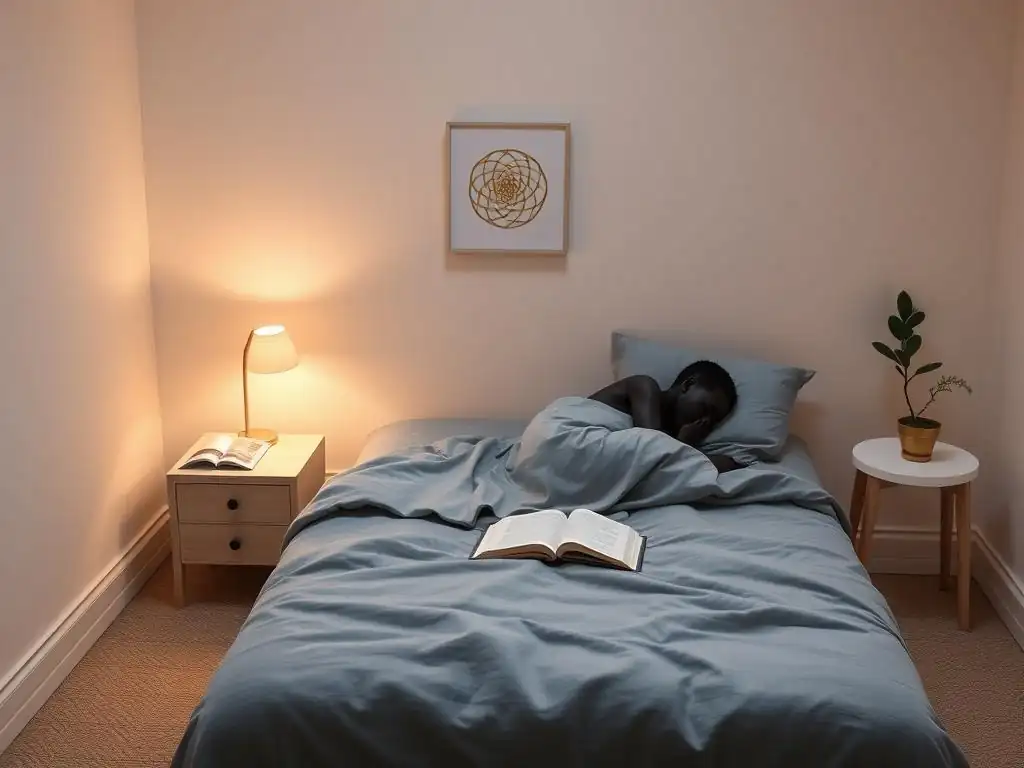
Developing a Personalized Sleep Hygiene Plan
Developing and sticking to a personalized sleep hygiene plan is a crucial long-term strategy. This plan consolidates the lifestyle changes discussed earlier into a consistent routine. It involves setting regular bedtimes and wake times, creating a relaxing pre-sleep routine (e.g., reading, taking a warm bath, listening to calm music), ensuring the bedroom environment is optimized for sleep, and avoiding sleep disruptors like late-night caffeine or alcohol.
A personalized plan also involves knowing how to handle occasional bad nights without letting them derail your progress. This might include strategies learned in CBT-I, such as not staying in bed awake for long periods. Regularly reviewing and adjusting your plan based on what works best for you is key to its long-term success in managing anxiety and improving sleep.
Addressing Underlying Anxiety Issues: Therapy and Support Groups
Sustained improvement in anxiety-induced insomnia requires ongoing management of the underlying anxiety disorder. This often involves continued engagement with therapy, whether individual sessions with a therapist or participation in support groups. Therapy helps individuals develop coping mechanisms, challenge anxious thought patterns, and process difficult emotions or experiences that contribute to anxiety.
Support groups provide a sense of community and understanding, allowing individuals to share experiences and learn from others facing similar challenges. Many organizations offer resources and groups specifically for anxiety disorders. Long-term management is not about eliminating anxiety entirely but learning to manage it effectively so it doesn't control your sleep and your life.
Building Resilience to Stress and Anxiety
Building resilience is a vital long-term strategy. Resilience is the ability to bounce back from stress and adversity. It involves developing healthy coping skills, fostering a positive outlook, maintaining strong social connections, and practicing self-care. Strategies like regular exercise, mindfulness, engaging in hobbies, and setting realistic expectations can all contribute to increased resilience.
Learning to tolerate uncertainty and manage stress effectively reduces the likelihood that everyday worries will escalate into overwhelming anxiety that disrupts sleep. By strengthening your ability to cope with stress, you become less vulnerable to the vicious cycle of anxiety and insomnia, paving the way for more consistent and restful sleep over time.
Preventing Future Episodes of Anxiety-Induced Insomnia
Maintaining a Healthy Lifestyle for Long-Term Mental and Physical Well-being
Preventing future episodes of anxiety-induced insomnia hinges significantly on maintaining a healthy lifestyle as a continuous practice, not just a temporary fix. This includes regular physical activity, a balanced diet rich in whole foods, and adequate hydration. Consistency in these areas supports overall brain health and helps regulate mood and energy levels, creating a more stable internal environment less prone to anxiety spikes.
Equally important is managing stress proactively through healthy outlets like hobbies, spending time in nature, or creative pursuits. Avoiding excessive caffeine, nicotine, and alcohol intake, especially in the latter half of the day, also plays a critical role in supporting both mental well-being and healthy sleep patterns. A holistic approach to health is a powerful preventative measure.
Creating a Support System for Managing Anxiety and Sleep Challenges
Building and nurturing a strong support system is invaluable for preventing relapses of anxiety-induced insomnia. This system can include understanding friends, family members, or support groups. Knowing you have people to talk to about your worries or sleep frustrations can help diffuse anxiety before it escalates and impacts your sleep.
Sharing your challenges with trusted individuals can reduce feelings of isolation and provide perspective. A support system can also offer practical help or simply be a source of encouragement during difficult times. Maintaining these connections requires effort but pays significant dividends in managing both anxiety and sleep over the long haul.
Resources for Further Information and Support: Anxiety & Depression Association of America (ADAA), National Sleep Foundation
For those seeking further information or support regarding anxiety and sleep, reputable organizations offer extensive resources. The Anxiety & Depression Association of America (ADAA) provides information on anxiety disorders, treatment options, and finding therapists, along with support communities. They offer valuable insights into managing anxiety symptoms that contribute to sleep problems.
The National Sleep Foundation is another excellent resource, offering comprehensive information on sleep health, common sleep disorders like insomnia, and tips for improving sleep hygiene. Exploring the resources provided by organizations like the ADAA and the National Sleep Foundation can empower individuals with knowledge and connect them to support networks, reinforcing the strategies learned for effective anxiety insomnia treatment strategies and long-term well-being.
Conclusion: Breaking the Cycle and Finding Restful Sleep Despite Anxiety
Frequently Asked Questions
What are some common Anxiety Insomnia Treatment Strategies mentioned in the guide?
The guide highlights cognitive behavioral therapy for insomnia (CBT-I), relaxation techniques, and mindfulness practices as effective strategies to break the cycle of anxiety-induced insomnia.
How does Mind Care Guide explain the connection between anxiety and insomnia?
Mind Care Guide explains that anxiety can trigger a state of hyperarousal, making it difficult to fall asleep or stay asleep, leading to chronic insomnia.
Does the article offer specific resources for people struggling with anxiety and insomnia?
Yes, the article points to resources like online support groups, links to qualified mental health professionals, and recommends self-help books focused on anxiety and sleep disorders.
What makes Mind Care Guide's* approach to anxiety insomnia treatment strategies comprehensive?
The guide offers a holistic approach by addressing both the psychological root of anxiety and the behavioral aspects of insomnia, providing a well-rounded perspective for readers.
Can I find information about pharmaceutical interventions for anxiety-induced insomnia on Mind Care Guide?
While the guide primarily focuses on non-pharmaceutical interventions, it acknowledges the potential role of medication and advises consulting with a doctor for appropriate medical advice and treatment options.
Final Reflection: Finding Peace in the Silent Night
The pervasive link between anxiety and insomnia is not merely a frustrating inconvenience; it's a significant public health concern impacting millions. Untreated, this vicious cycle can lead to debilitating fatigue, impaired cognitive function, and a decreased quality of life. Understanding the mechanisms behind anxiety-induced insomnia is the crucial first step towards breaking free from its grip.
The exploration of coping mechanisms and treatment strategies presented in this article highlights the power of self-awareness and proactive intervention. It's a journey I've personally witnessed in my own life and the lives of others, a journey marked by both struggle and triumph. The impact of anxiety on sleep is far-reaching, affecting not only the individual but also their relationships and overall well-being. Sleep is the golden chain that ties health and our bodies together.
This quote underscores the fundamental importance of prioritizing sleep and addressing the underlying anxieties that disrupt it.
Now, it's your turn. Take a moment to reflect on your own relationship with sleep and anxiety. What strategies resonate with you? Which ones might you incorporate into your nightly routine? Remember, breaking the cycle is a process, not a destination. Be patient with yourself, celebrate small victories, and prioritize your mental and physical health. You deserve restful nights and the energy to thrive each day.
Unlock Your Restful Nights: Take Control of Anxiety-Induced Insomnia
Thanks for taking the time to explore the often-overlooked connection between anxiety and sleep. You've now gained valuable insights into understanding and addressing this common struggle. Ready to take the next step towards better sleep?
- Prioritize a calming bedtime routine: Try incorporating a relaxing activity like meditation, gentle stretching, or journaling 30 minutes before bed. This will help signal to your body that it's time to unwind.
- Join our supportive community: Share your experiences and connect with others facing similar challenges. We're here to listen and provide a safe space for support.
- Explore further resources: Dive deeper into the techniques discussed in this article. Find more practical tips and tools to manage your anxiety and improve your sleep quality.
What small step will you take tonight to improve your sleep?