
The Neuroscience of Trauma: How Environmental Events Affect Brain Structure and Function

Welcome to Mind Care Guide, a safe space to navigate the complexities of mental well-being.
Have you ever wondered how deeply traumatic experiences can reshape the very landscape of your brain? This article dives into the trauma brain changes recovery process, exploring the fascinating neuroscience behind how environmental events can affect brain structure and function. Understanding these changes is the first step towards healing and recovery. Join us as we unravel the intricate connection between trauma and the brain, and discover pathways to reclaim your mental health.
- The Neuroscience of Trauma: How Environmental Events Affect Brain Structure and Function
- Trauma's Immediate Effects on Brain Function: The Fight-or-Flight Response
- Long-Term Brain Changes Following Trauma: Structural and Functional Alterations
- The Impact of Trauma on Specific Brain Regions: A Deeper Dive
- Trauma and the HPA Axis: The Stress Response System's Dysregulation
- Genetic Predisposition vs. Environmental Influence: Understanding Vulnerability to Trauma
- Trauma Brain Changes Recovery Process: Neuroplasticity and Healing
- Specific Therapeutic Approaches for Trauma-Related Brain Changes
- The Role of Support Systems in Trauma Recovery and Brain Healing
- Understanding Trauma Brain Changes Recovery Process: A Holistic Approach
-
Frequently Asked Questions
- What specific brain regions are most affected by trauma, and how does this impact their function?
- How does chronic stress, often associated with trauma, lead to measurable brain changes?
- What are some common behavioral and emotional symptoms that may indicate trauma-related brain changes?
- Can the brain recover from trauma-induced changes, and what therapeutic approaches are most effective in facilitating this recovery?
- What lifestyle changes can individuals make to support their brain's recovery process after experiencing trauma?
- Final Reflection: Rewiring the Brain: Hope and Healing After Trauma
- Unlock Your Brain's Resilience: Take Charge of Your Well-being
The Neuroscience of Trauma: How Environmental Events Affect Brain Structure and Function
Defining Trauma: A Neurological Perspective
Trauma, from a neurological standpoint, is not merely a psychological event but a profound disruption to the brain's normal functioning caused by overwhelming environmental stimuli. These experiences, which can include single, acute events like accidents or assaults, or chronic stressors like abuse or neglect, trigger a cascade of physiological and neurological responses designed for survival. The brain interprets these events as life-threatening, activating ancient survival circuits that prioritize immediate safety over rational thought and long-term processing. This intense activation leaves a lasting imprint, altering neural pathways and the very architecture of the brain in complex ways.
The impact of trauma goes beyond conscious memory; it is deeply embedded in the body and the brain's non-declarative memory systems. The brain's threat detection system, primarily involving the amygdala, becomes hyper-vigilant, scanning the environment for potential dangers even when none are present. This persistent state of alert consumes significant neural resources and contributes to symptoms like anxiety, hyperarousal, and difficulty relaxing. Understanding trauma through this neurological lens helps explain why trauma responses can feel automatic and uncontrollable, as they originate from deep within the brain's survival mechanisms rather than conscious choice.
The Role of Environmental Events in Shaping Brain Development and Function
Environmental events, particularly during critical periods of development, play a crucial role in shaping the brain's structure and function. The brain is remarkably plastic, meaning its circuits are constantly being molded by experiences. Positive, nurturing environments promote healthy development, fostering robust neural connections in areas responsible for emotional regulation, learning, and social bonding. Conversely, exposure to traumatic or chronically stressful environments can derail this process, leading to maladaptive changes.
Early life trauma, such as childhood neglect or abuse, is particularly impactful because the developing brain is highly susceptible to environmental influences. Studies using MRI scans have shown that children exposed to severe stress may exhibit reduced volume in key brain regions like the hippocampus and prefrontal cortex compared to peers raised in supportive environments. For example, research often points to significant differences in brain development observed in children from adverse childhood experiences (ACEs) studies, highlighting how the external environment directly sculpts the internal neural landscape, laying the groundwork for potential challenges later in life.
Trauma's Immediate Effects on Brain Function: The Fight-or-Flight Response
The Amygdala's Role in Processing Fear and Threat During Trauma
During a traumatic event, the amygdala, often referred to as the brain's "fear center," goes into overdrive. This almond-shaped structure, located deep within the temporal lobe, is responsible for detecting threats and initiating the body's immediate survival response. When faced with perceived danger, the amygdala rapidly signals other brain regions and the body's stress systems, bypassing slower, more rational processing pathways. This instantaneous reaction is crucial for survival, prompting actions like freezing, fighting, or fleeing before conscious thought even registers the threat.
The amygdala's heightened activity during trauma is incredibly efficient at encoding the emotional salience of the event. It tags sensory information – sights, sounds, smells, physical sensations – as dangerous, creating powerful, often fragmented, emotional memories.
This process is so potent that even years later, a sensory cue reminiscent of the trauma can trigger the amygdala, initiating a full-blown fear response as if the event were happening again. For instance, a loud bang might trigger intense fear in a combat veteran, even if they are in a safe environment, because their amygdala has been conditioned to associate such sounds with danger.
The Hippocampus and Memory Encoding During Traumatic Experiences
The hippocampus, a brain region critical for forming new memories and contextualizing experiences, is significantly impacted during trauma, but in a different way than the amygdala. While the amygdala is hyperactive, the hippocampus can become suppressed by the flood of stress hormones like cortisol. The hippocampus's job is to create a coherent narrative of an event, placing it in time and space. However, under extreme stress, its ability to perform this function is impaired.
This impairment explains why traumatic memories are often fragmented, disorganized, and lack a clear timeline. Survivors may have vivid sensory or emotional flashbacks but struggle to recall the sequence of events or feel disconnected from the memory as a coherent past experience.
For example, a survivor of a car accident might have intense physical sensations or visual fragments of the crash but difficulty recalling the minutes leading up to it or placing the event clearly in their personal history. This disruption to hippocampal function hinders the normal process of integrating the traumatic event into one's life story, contributing to the feeling that the trauma is still present.
The Prefrontal Cortex and Impaired Decision-Making Under Stress
The prefrontal cortex (PFC), the brain's executive control center responsible for rational thought, planning, decision-making, and regulating emotions, is significantly compromised during acute trauma. In a survival situation, the brain prioritizes the rapid, automatic responses mediated by the amygdala and brainstem over the slower, deliberate processing of the PFC. Essentially, the "thinking brain" is temporarily taken offline while the "survival brain" takes charge.
This suppression of the PFC explains why individuals may act impulsively or in ways that seem irrational during a traumatic event. Their ability to assess risk, make complex decisions, or regulate intense emotions is severely impaired. For instance, someone in a life-threatening situation might freeze instead of running, or make a decision that seems counter-intuitive in hindsight. While adaptive in moments of extreme danger, chronic activation of this survival mode and suppression of the PFC can lead to long-term difficulties with executive functions, impulse control, and emotional regulation, which are key aspects of the trauma brain changes recovery process.
Long-Term Brain Changes Following Trauma: Structural and Functional Alterations
Structural Changes in the Amygdala After Trauma: Increased Reactivity
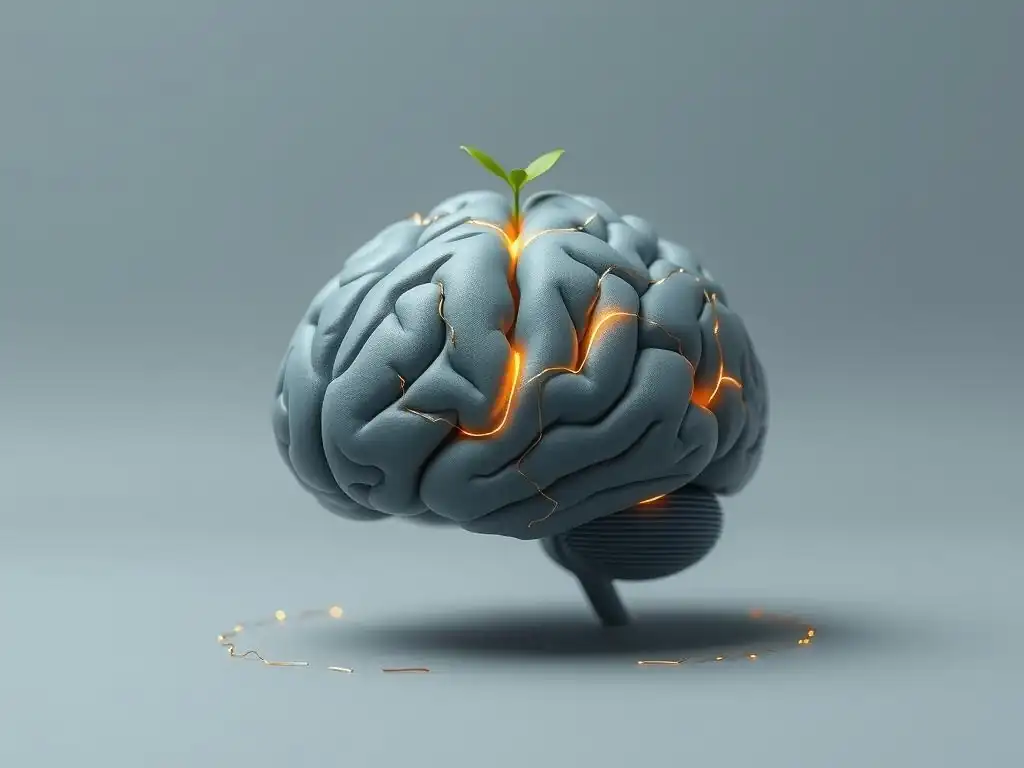
Following chronic or severe trauma, structural changes can occur in the amygdala. While acute stress can cause temporary changes, prolonged exposure to high levels of stress hormones like cortisol is associated with alterations in the size and connectivity of the amygdala. Research, particularly in individuals with chronic PTSD, has frequently shown increased volume or density in the amygdala compared to individuals without trauma histories.
This structural change is often correlated with functional changes, leading to persistent hyper-reactivity of the amygdala. The brain remains stuck in a state of hypervigilance, constantly scanning for threats. This manifests as exaggerated startle responses, difficulty feeling safe, and intense emotional reactions to minor stressors. For example, someone with a history of trauma might have an extreme fear response to a sudden loud noise or a perceived slight from another person, reactions that are disproportionate to the actual level of danger. This persistent state of alarm is a significant challenge in the trauma brain changes recovery process.
Hippocampal Atrophy and Memory Impairment in Trauma Survivors
One of the most consistently reported structural changes in the brain following chronic trauma, particularly in complex PTSD and severe childhood trauma, is a reduction in the volume of the hippocampus. Studies using neuroimaging have estimated hippocampal volume reductions ranging from 5% to 15% in some populations compared to non-traumatized control groups. This atrophy is believed to be linked to the neurotoxic effects of prolonged exposure to high levels of stress hormones.
This reduction in hippocampal volume is directly associated with the memory difficulties experienced by many trauma survivors. These can include problems forming new memories, recalling specific details of past events (including the trauma itself), and contextualizing experiences in time and space. For example, a survivor might struggle with episodic memory, finding it hard to remember specific events from their past in a detailed way, or experience dissociative amnesia related to the trauma. Addressing this hippocampal dysfunction is a critical component of the trauma brain changes recovery process.
Prefrontal Cortex Dysfunction: Impact on Emotional Regulation and Executive Functions
Chronic trauma can lead to persistent functional and sometimes structural changes in the prefrontal cortex (PFC). Neuroimaging studies often show decreased activity in areas of the PFC, particularly the medial and ventral regions, which are involved in emotional regulation, self-awareness, and making value-based decisions. This reduced activity is linked to the difficulties many trauma survivors face in controlling their emotional responses and managing impulses.
When the PFC is less active or less connected to emotional centers like the amygdala, the ability to modulate fear, anger, or sadness is impaired. This can result in emotional outbursts, difficulty calming down, or feeling overwhelmed by feelings. Furthermore, PFC dysfunction affects executive functions such as planning, problem-solving, attention, and working memory. For instance, a trauma survivor might struggle with organizing tasks, concentrating at work or school, or making sound decisions, impacting their daily life and hindering their journey through the trauma brain changes recovery process.
The Impact of Trauma on Specific Brain Regions: A Deeper Dive
The Limbic System: Trauma's Influence on Emotional Processing
The limbic system, a network of brain structures including the amygdala, hippocampus, thalamus, hypothalamus, cingulate cortex, and basal ganglia, is profoundly affected by trauma. This system is primarily responsible for processing emotions, motivation, memory, and linking these functions to the autonomic nervous system. Trauma essentially hijacks the limbic system, shifting its balance towards survival and threat detection at the expense of other functions.
Beyond the amygdala and hippocampus, the cingulate cortex, involved in processing pain and regulating emotions, can show altered activity after trauma, contributing to difficulties in emotional control and increased sensitivity to physical or emotional pain. The thalamus, which relays sensory information to other parts of the brain, might become less effective at filtering irrelevant stimuli, contributing to hypervigilance. Collectively, these changes within the limbic system create a brain state oriented towards anticipating and reacting to danger, making emotional regulation and feeling safe incredibly challenging for survivors.
The Default Mode Network: Altered Self-Referential Processing After Trauma
The Default Mode Network (DMN) is a network of brain regions that is most active when a person is not focused on the outside world – during mind-wandering, thinking about the past or future, or contemplating one's self. Research suggests that trauma can significantly alter the connectivity and activity within the DMN. Some studies indicate increased connectivity within the DMN in trauma survivors, potentially linked to rumination and getting "stuck" in negative thought loops or dwelling on traumatic memories.
Conversely, other research points to altered connectivity between the DMN and other brain networks, such as the Salience Network (which detects important internal or external stimuli) or the Executive Control Network (involved in goal-directed behavior). These alterations can impact self-referential processing, leading to feelings of detachment, a fragmented sense of self, or difficulty connecting with one's internal experiences. Understanding these changes in networks like the DMN is increasingly seen as important for developing effective strategies in the trauma brain changes recovery process.
The Corpus Callosum: Changes in Interhemispheric Communication Following Trauma
The corpus callosum is a large bundle of nerve fibers connecting the left and right hemispheres of the brain, facilitating communication between them. Each hemisphere is involved in different types of processing – the left often associated with language and logical processing, the right with visual-spatial processing and emotional processing. Trauma can sometimes impact the structure or function of the corpus callosum, potentially disrupting this crucial communication link.
Studies have shown reduced volume or altered white matter integrity in the corpus callosum of individuals with severe trauma histories, particularly early-life trauma. This disruption in communication between the hemispheres can contribute to difficulties integrating different aspects of experience, such as linking the emotional impact of a memory (processed more by the right hemisphere) with a coherent narrative and understanding (processed more by the left hemisphere). This impaired integration might play a role in symptoms like dissociation, where a person feels disconnected from their thoughts, feelings, memories, or body.
Trauma and the HPA Axis: The Stress Response System's Dysregulation
Chronic Stress and Cortisol Levels: The Impact on Brain Health
The Hypothalamic-Pituitary-Adrenal (HPA) axis is the body's central stress response system. When a threat is perceived, the hypothalamus signals the pituitary gland, which in turn signals the adrenal glands to release stress hormones, primarily cortisol. Cortisol mobilizes energy and prepares the body for fight or flight. While essential for acute survival, chronic activation of the HPA axis due to ongoing trauma or stress leads to persistently high levels of cortisol circulating in the bloodstream.
Sustained high cortisol levels are detrimental to brain health. The hippocampus, which has a high density of cortisol receptors, is particularly vulnerable. Chronic cortisol exposure can impair neurogenesis (the birth of new neurons), reduce synaptic plasticity, and even lead to the observed volume reduction in the hippocampus. High cortisol can also affect the prefrontal cortex, impairing its function. This persistent state of physiological stress contributes significantly to the long-term neurological and psychological consequences of trauma.
The Role of the HPA Axis in PTSD Development
Dysregulation of the HPA axis is a hallmark feature in many, though not all, cases of Post-Traumatic Stress Disorder (PTSD). While one might expect individuals with chronic stress to have consistently high cortisol, studies in PTSD have shown varied HPA axis profiles. Some individuals exhibit elevated cortisol, but a significant subset, particularly those with chronic or complex trauma, show lower-than-normal cortisol levels and an exaggerated sensitivity to stress hormones.
This complex dysregulation means the HPA axis is not responding flexibly to environmental demands. Instead of returning to a baseline after a stressor, it remains either stuck in a high-alert state or becomes blunted, failing to respond adequately when needed, but overreacting to minor triggers. This contributes directly to core PTSD symptoms like hyperarousal, exaggerated startle response, and emotional dysregulation. Understanding the specific HPA axis changes in an individual can be important for tailoring treatment approaches in the trauma brain changes recovery process.
Genetic Predisposition vs. Environmental Influence: Understanding Vulnerability to Trauma
Gene-Environment Interactions in Trauma Response
An individual's response to trauma is not solely determined by the event itself but is a complex interplay between genetic predisposition and environmental factors. Certain genetic variations can influence how the brain and body respond to stress. For instance, variations in genes related to neurotransmitters like serotonin or dopamine, or those involved in regulating the HPA axis, can affect an individual's baseline stress reactivity or resilience.
However, these genetic factors rarely act alone. They interact with environmental experiences. A genetic vulnerability might only manifest its effects under specific environmental conditions, such as exposure to significant trauma. For example, some research suggests that individuals with certain variants of the serotonin transporter gene (5-HTTLPR) may be more susceptible to developing depression or PTSD following stressful life events compared to those with different variants, particularly if exposed to childhood maltreatment. This gene-environment interaction highlights why not everyone exposed to trauma develops lasting psychological difficulties; vulnerability and resilience are shaped by both nature and nurture.
The Role of Epigenetics in Trauma Transmission
Epigenetics refers to changes in gene expression that do not involve alterations to the underlying DNA sequence but are influenced by environmental factors and can be heritable. Trauma can cause epigenetic modifications, essentially tagging genes to be turned "on" or "off" or to express more or less protein. These epigenetic changes can affect how the brain responds to stress long after the traumatic event has passed.
Remarkably, some research suggests that epigenetic changes resulting from trauma can potentially be transmitted across generations. Studies, particularly in animal models but also increasingly in human populations (like descendants of Holocaust survivors or individuals exposed to famine), indicate that the physiological and behavioral responses to stress in offspring can be influenced by the traumatic experiences of their parents or even grandparents, mediated by epigenetic marks.
This concept of intergenerational trauma transmission underscores the profound and potentially long-lasting impact of trauma, adding another layer of complexity to understanding vulnerability and the potential for healing in the trauma brain changes recovery process.
Trauma Brain Changes Recovery Process: Neuroplasticity and Healing
Neuroplasticity: The Brain's Ability to Adapt and Recover After Trauma
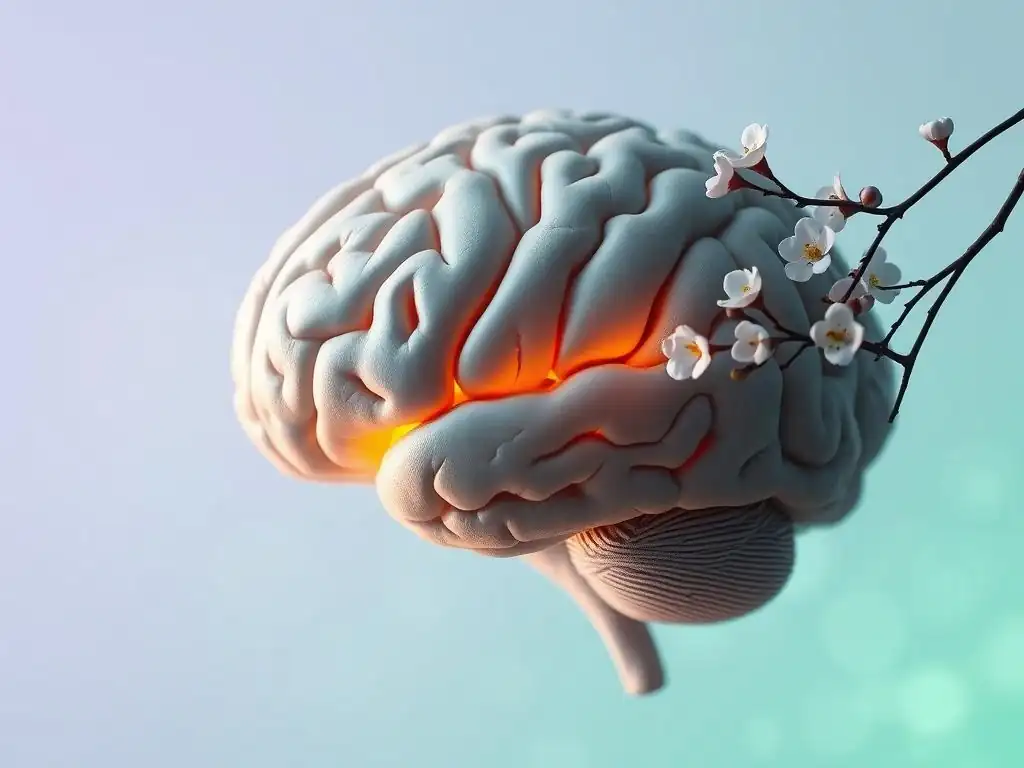
Despite the significant and sometimes long-lasting changes inflicted by trauma, the brain possesses a remarkable capacity for adaptation and healing: neuroplasticity. This refers to the brain's ability to reorganize itself by forming new neural connections throughout life. It allows the brain to compensate for injury and disease and to adjust its activities in response to new situations or changes in the environment. Neuroplasticity is the foundation of the trauma brain changes recovery process.
Through targeted experiences and interventions, the brain can gradually rewire the maladaptive pathways established by trauma. This involves weakening the overactive connections in threat circuits (like those involving the amygdala) and strengthening connections in areas responsible for safety, regulation, and higher-level cognitive processing (like the prefrontal cortex and hippocampus). While challenging, engaging neuroplastic mechanisms is key to restoring balance and function after trauma. This process requires consistent effort and often professional guidance, but the brain's inherent ability to change offers hope for significant recovery.
Therapeutic Interventions for Trauma: Rewiring the Brain
A primary goal of trauma therapy is to leverage neuroplasticity to "rewire" the brain. Different therapeutic approaches target specific aspects of the trauma-induced brain changes. For example, therapies might aim to:
- Reduce the hyper-reactivity of the amygdala.
- Improve connectivity between the prefrontal cortex and limbic system.
- Enhance hippocampal function to better process and contextualize memories.
- Regulate the HPA axis stress response.
Effective therapeutic interventions provide structured experiences that encourage the brain to form new, healthier neural pathways. This might involve processing traumatic memories in a safe environment, learning new emotional regulation skills, challenging maladaptive thought patterns, or engaging in practices that promote calm and safety. The success of these interventions relies on the brain's ability to learn and change, making therapy a powerful engine for the trauma brain changes recovery process.
The Importance of Early Intervention in Mitigating Long-Term Effects
The timing of intervention following trauma can significantly impact the long-term trajectory of brain changes and recovery. While the brain is plastic throughout life, early intervention, particularly after acute trauma or during critical developmental periods, can potentially mitigate the severity of long-term structural and functional alterations. Providing support and therapeutic resources soon after a traumatic event can help prevent the consolidation of maladaptive fear responses and chronic stress activation.
For example, studies on critical incident stress debriefing or early trauma-focused therapy in populations like first responders or accident survivors suggest that timely processing and support can reduce the likelihood of developing chronic PTSD symptoms. Early intervention helps the brain process the event more adaptively, preventing the entrenched patterns of hyperarousal and avoidance that characterize chronic trauma responses. While recovery is possible at any stage, addressing trauma early can set the stage for a more efficient and complete trauma brain changes recovery process.
EMDR Therapy: Reprocessing Traumatic Memories
Eye Movement Desensitization and Reprocessing (EMDR) is a psychotherapy approach specifically designed to help individuals process distressing memories and experiences. The core of EMDR involves recalling the traumatic memory while simultaneously engaging in bilateral stimulation, typically eye movements or tapping. The theory is that this bilateral stimulation helps to facilitate the brain's natural information processing system, which may have been blocked or impaired during the traumatic event.
From a neurobiological perspective, EMDR is thought to help "unstick" the unprocessed memory, allowing it to be integrated into the brain's networks in a more adaptive way. This process can reduce the vividness and emotional charge associated with the memory, lessening the amygdala's reactivity and allowing the prefrontal cortex and hippocampus to play a greater role in processing the information. Research has shown that EMDR can lead to decreased amygdala activation and increased connectivity between the amygdala and prefrontal cortex, supporting its role in facilitating the trauma brain changes recovery process.
Cognitive Behavioral Therapy (CBT): Changing Maladaptive Thought Patterns
Cognitive Behavioral Therapy (CBT), particularly trauma-focused CBT (TF-CBT), is another widely used and effective therapy for addressing trauma. CBT focuses on identifying and challenging maladaptive thought patterns and behaviors that develop after trauma. The premise is that how a person thinks about a traumatic event and its aftermath significantly impacts their emotional and behavioral responses.
TF-CBT helps individuals process the trauma narrative in a structured way, challenge distorted beliefs about themselves, the world, and others (e.g., "I am to blame," "The world is unsafe"), and develop coping skills for managing distressing emotions and situations. By actively challenging negative thoughts and practicing new behaviors, CBT helps to build new neural pathways in the prefrontal cortex, strengthening its ability to regulate emotions and override automatic fear responses originating from the limbic system. This cognitive restructuring is a vital part of the trauma brain changes recovery process.
Neurofeedback: Training the Brain to Regulate Emotional Responses
Neurofeedback is a type of biofeedback that provides real-time information about a person's brainwave activity, allowing them to learn to regulate their own brain function. In the context of trauma, neurofeedback can be used to target specific patterns of brain activity associated with PTSD symptoms, such as excessive beta wave activity (linked to anxiety and hyperarousal) or insufficient alpha/theta activity (linked to difficulty relaxing or accessing calm states).
Using sensors placed on the scalp, neurofeedback equipment monitors brainwaves and provides auditory or visual feedback (e.g., a sound or image changes based on brain activity). The individual learns to consciously or unconsciously shift their brainwave patterns towards a more regulated state. For trauma survivors, this can help to train the brain to move out of hyperarousal states, improve emotional regulation, and enhance focus. While still an emerging field compared to EMDR or CBT, neurofeedback offers a promising avenue for directly influencing the brain activity patterns altered by trauma as part of the trauma brain changes recovery process.
The Role of Support Systems in Trauma Recovery and Brain Healing
Social connection is a powerful buffer against stress and a significant facilitator of healing after trauma. Feeling safe, understood, and supported by others can counteract the isolation and fear that trauma often instills. Positive social interactions release oxytocin, a hormone that can reduce stress responses and promote feelings of calm and bonding. Belonging to a supportive community or having close relationships provides a sense of security and validation that is crucial for psychological and neurological recovery.
Trauma often damages an individual's sense of trust and safety in relationships. Therefore, rebuilding healthy connections with empathetic friends, family, or support groups is a vital step in the trauma brain changes recovery process. Sharing experiences (when and if comfortable), receiving empathy, and engaging in shared activities can help to regulate the nervous system, reduce the feeling of being alone with the trauma, and reinforce the brain's pathways for safety and connection, counteracting the isolation fostered by the trauma response.
Building Resilience and Coping Mechanisms
Resilience is the ability to adapt well in the face of adversity, trauma, tragedy, threats, or significant sources of stress. While trauma can profoundly challenge resilience, it is not a fixed trait; it can be built and strengthened. Developing effective coping mechanisms is a key aspect of fostering resilience and supporting the trauma brain changes recovery process.
Coping mechanisms can include a wide range of strategies, such as mindfulness practices, regular exercise, engaging in hobbies, creative expression (like writing or art), spending time in nature, or utilizing relaxation techniques. These activities can help regulate the nervous system, reduce stress hormone levels, promote positive emotions, and provide a sense of agency and control. By actively practicing healthy coping strategies, individuals can build new neural pathways that support emotional regulation and stress management, gradually replacing the maladaptive responses wired by trauma.
Understanding Trauma Brain Changes Recovery Process: A Holistic Approach
Integrating Therapy, Lifestyle Changes, and Mindfulness Practices
A holistic approach to the trauma brain changes recovery process recognizes that healing involves more than just addressing psychological symptoms; it requires nurturing the brain and body as a whole. Integrating evidence-based therapies with healthy lifestyle changes and mindfulness practices offers a comprehensive path towards healing the brain after trauma. Therapy provides the structured processing and skill-building necessary to address the core impacts of trauma.
Lifestyle factors like consistent sleep, balanced nutrition, and regular physical activity have profound effects on brain health and can support neuroplasticity. For instance, exercise has been shown to promote neurogenesis, particularly in the hippocampus. Mindfulness and meditation practices help to cultivate present-moment awareness, reduce rumination, and train the brain to observe thoughts and feelings without being overwhelmed by them, which can improve emotional regulation and reduce amygdala reactivity. Combining these elements creates a powerful synergy that supports the brain's natural healing capabilities.
The Future of Trauma Research: Advancing Our Understanding of Brain Mechanisms and Treatment
The field of trauma neuroscience is rapidly evolving, offering exciting prospects for advancing our understanding of trauma's impact and improving treatment outcomes. Future research is likely to delve deeper into the specific molecular and cellular mechanisms underlying trauma-induced brain changes, including the intricate world of epigenetics and the role of glial cells (non-neuronal brain cells).
Advances in neuroimaging techniques will continue to provide more detailed insights into how different therapeutic interventions specifically alter brain structure and function, allowing for increasingly personalized treatment approaches. Research into novel interventions, such as pharmacotherapies targeting stress hormone systems, neuromodulation techniques (like TMS or tDCS), or technology-assisted therapies (like virtual reality exposure therapy), holds promise for enhancing the trauma brain changes recovery process. As our scientific understanding grows, so too does our capacity to support survivors in healing and reclaiming their lives.
Frequently Asked Questions
What specific brain regions are most affected by trauma, and how does this impact their function?
Trauma significantly affects the amygdala (emotional processing), hippocampus (memory consolidation), and prefrontal cortex (executive functions). These changes can lead to difficulties with emotional regulation, memory recall, and decision-making.
How does chronic stress, often associated with trauma, lead to measurable brain changes?
Chronic stress elevates cortisol levels, which can shrink the hippocampus and disrupt the connections between brain regions. This impacts the brain's ability to cope with stress and form new memories.
Individuals may experience increased anxiety, hypervigilance, difficulty concentrating, emotional numbness, and flashbacks. These symptoms reflect the brain's altered response to perceived threats.
Can the brain recover from trauma-induced changes, and what therapeutic approaches are most effective in facilitating this recovery?
Yes, the brain exhibits neuroplasticity, allowing for recovery. Therapies like EMDR and Trauma-Focused Cognitive Behavioral Therapy (TF-CBT) are effective in reprocessing traumatic memories and strengthening neural pathways.
What lifestyle changes can individuals make to support their brain's recovery process after experiencing trauma?
Lifestyle factors like regular exercise, a healthy diet, mindfulness practices, and sufficient sleep can promote neuroplasticity and reduce stress. These changes support the brain's natural healing processes.
Final Reflection: Rewiring the Brain: Hope and Healing After Trauma
The impact of trauma on the brain is not a static condition; it's a dynamic process that, while profoundly challenging, offers pathways to healing and recovery. Understanding the intricate neurological changes caused by trauma is not just an academic exercise; it's crucial for developing effective interventions and fostering a more compassionate approach to mental health. The ability to reshape neural pathways offers a powerful message of hope for those struggling with the long-term effects of adverse experiences.
The journey of trauma recovery is deeply personal, a testament to the resilience of the human spirit. It's a journey I've witnessed firsthand in my research and interactions with individuals grappling with the aftermath of trauma. The ongoing influence of these experiences underscores the importance of continued research and the development of accessible, evidence-based treatments. The human capacity for burden is like the ocean's capacity for water: it has no limits.
– This quote speaks volumes about the potential for healing and the importance of providing support systems that recognize the depth of trauma's impact.
The information presented in this article is not just for professionals; it's for everyone. Understanding the neuroscience of trauma allows us to approach those struggling with its effects with greater empathy and understanding. Take a moment to reflect on your own experiences and the experiences of those around you.
Consider how we can create a more supportive environment, one that fosters resilience and promotes access to healing resources. Let this knowledge empower you to advocate for change, to spread awareness, and to offer compassion in the face of suffering. The brain's capacity for neuroplasticity is a beacon of hope, reminding us that healing is possible, and that recovery is a journey worth pursuing.
Unlock Your Brain's Resilience: Take Charge of Your Well-being
Thanks for taking the time to explore the fascinating world of trauma and the brain! You've now gained valuable insights into how experiences shape our neural pathways. Let's turn this knowledge into action.
- Prioritize self-care: Identify one small, manageable self-care practice you can implement today – whether it's a mindful walk, a relaxing bath, or simply setting aside 10 minutes for quiet reflection. This is your starting point for building resilience.
- Connect with supportive resources: Explore local support groups or online communities focused on trauma recovery. Sharing experiences can be incredibly empowering. Consider looking into mindfulness practices or trauma-informed therapy.
- Share this knowledge: Spread the word! Let others know about the power of understanding trauma's impact. This might involve simply discussing the article with a friend or sharing it on social media.
What small step will you take today to nurture your brain's incredible capacity for healing and growth?