
A Simple Practice for Profound Peace: Walking Meditation Explained.

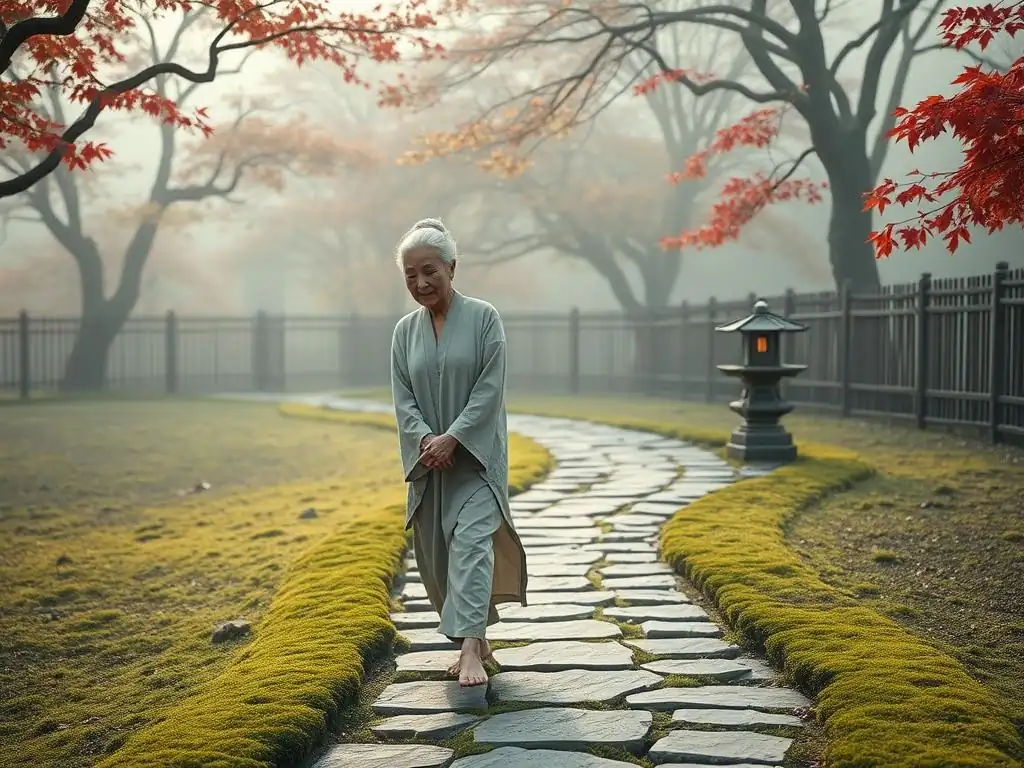
Welcome to Mind Care Guide, a sanctuary for your mental well-being.
Feeling overwhelmed? You're not alone. Many are discovering a simple, yet profound technique to find inner peace amidst the chaos. Ever wondered if a gentle stroll could actually melt away anxiety and stress? Our latest article, "A Simple Practice for Profound Peace: Walking Meditation Explained," delves into how walking meditation can be a powerful tool for cultivating calm. Explore with us, and unlock the surprisingly effective secrets to a more mindful and peaceful you.
Cultivating Calm: A Guide to Walking Meditation
- Introduction to Walking Meditation for Stress Relief
- Preparing for Your Walking Meditation Practice
- The Step-by-Step Guide to Walking Meditation
- Techniques to Deepen Your Walking Meditation Practice
- Troubleshooting Common Challenges in Walking Meditation
- The Science Behind Walking Meditation and Well-being
- Integrating Walking Meditation into Your Daily Life
- Conclusion: Embracing Walking Meditation for Inner Peace
-
Frequently Asked Questions
- How does walking meditation specifically help reduce anxiety and stress?
- Can walking meditation be practiced anywhere, or are there specific environments that are better?
- How long should a walking meditation session typically last to be effective?
- What are the key differences between walking meditation and a regular walk?
- What if my mind wanders during walking meditation? Is that normal, and what should I do?
- Final Reflection: The Enduring Path to Peace Through Walking Meditation
- Unlock Your Inner Calm: Start Walking Towards Peace Today
Introduction to Walking Meditation for Stress Relief
In our fast-paced world, finding moments of peace can feel like a luxury. Anxiety and stress often accumulate, leaving us feeling overwhelmed and disconnected. While traditional sitting meditation is widely known, there's a powerful, accessible practice that integrates mindfulness with movement: walking meditation. This technique allows you to bring mindful awareness into an activity you likely do every day, transforming a simple walk into an opportunity for profound calm and mental clarity. It's a practical way to ground yourself and foster inner peace amidst life's demands.
Walking meditation offers a unique pathway to mindfulness, especially for those who find sitting still challenging. By focusing on the physical sensations of walking – the lift of the foot, the shift of weight, the contact with the ground – you anchor your attention in the present moment. This active form of meditation not only helps to quiet the mental chatter that often fuels anxiety and stress but also provides the physical benefits of movement. It's a holistic approach to well-being, nurturing both mind and body simultaneously.
Understanding the Benefits of Walking Meditation for Mental Well-being
Walking meditation is increasingly recognized for its significant positive impact on mental health. Regular practice can lead to a noticeable reduction in symptoms of anxiety and stress. By shifting focus from anxious thoughts to the physical sensations of walking, individuals learn to detach from worries and cultivate a sense of presence. This detachment doesn't mean ignoring problems, but rather developing the capacity to observe thoughts and feelings without being consumed by them, fostering emotional resilience.
Furthermore, engaging in walking meditation can improve mood and increase feelings of well-being. The combination of gentle physical activity and mindful awareness helps regulate the nervous system, moving it away from a 'fight or flight' state towards a calmer, more relaxed state. Many practitioners report feeling more grounded, centered, and less reactive to stressors after incorporating walking meditation into their routine. It's a simple yet effective strategy for managing the daily pressures that contribute to anxiety and stress.
Walking Meditation: A Mindful Approach to Reduce Anxiety
For individuals struggling with anxiety, the constant stream of 'what if' thoughts can be debilitating. Walking meditation provides a structured way to interrupt this cycle. By directing attention to the repetitive, gentle rhythm of walking, the mind has less space to dwell on anxious future scenarios or past regrets. The physical act of walking itself can also help dissipate nervous energy, offering a constructive outlet for restlessness often associated with anxiety.
The core principle here is mindful awareness applied to movement. Instead of walking on autopilot, you deliberately bring your attention to each step, each breath, and the surrounding environment. This intentional focus anchors you firmly in the present moment, which is where anxiety loses its power. Over time, consistently using walking meditation to reduce anxiety stress builds your capacity to choose where you place your attention, a skill invaluable for managing anxious tendencies in daily life.
Preparing for Your Walking Meditation Practice
Getting ready for walking meditation doesn't require much, but a little preparation can enhance the experience and make it more effective in helping you reduce anxiety stress. The goal is to minimize potential distractions and create an environment conducive to mindfulness. It's about setting the stage for a practice that feels comfortable, safe, and supportive of your intention to cultivate calm.
Preparation involves simple steps like choosing the right location, setting a clear intention for your practice, and ensuring you are physically comfortable. These elements work together to create a dedicated space and time for you to fully engage with the practice of mindful walking. By taking these small preparatory steps, you signal to yourself the importance of this time for your mental well-being.
Choosing a Quiet and Safe Environment for Walking Meditation
The ideal environment for walking meditation is one where you feel safe and are unlikely to be significantly interrupted. This could be a quiet park, a secluded path in nature, a less-trafficked street in your neighborhood, or even a spacious room in your home. The key is to find a place where you can focus on your internal experience without needing to be overly vigilant about external hazards or constant social interaction.
Consider the time of day as well. Early mornings or late evenings might offer more solitude in public spaces. If walking indoors, ensure you have enough clear space to walk back and forth comfortably for a period. The chosen environment should feel calming and supportive, allowing you to relax and immerse yourself in the sensations of walking without undue worry, making it easier for walking meditation to reduce anxiety stress.
Setting Your Intention: Cultivating Mindfulness Through Walking
Before you begin walking, take a moment to pause and set an intention for your practice. Your intention could be as simple as "to be present with each step," "to notice the sensations in my body," or "to walk with kindness towards myself." Having a clear intention provides a gentle anchor for your mind throughout the walk.
Setting an intention helps focus your practice and reminds you why you are engaging in walking meditation – perhaps to cultivate presence, reduce mental chatter, or specifically to use walking meditation to reduce anxiety stress. It’s not a rigid rule, but rather a gentle guide. If your mind wanders, as it inevitably will, you can kindly return to your intention as you return to the sensations of walking.
Comfortable Clothing and Footwear for Walking Meditation
Physical comfort is crucial for any meditation practice, including walking meditation. Wear clothing that is loose and comfortable, allowing for ease of movement and breath. Avoid anything restrictive that might distract you or create discomfort as you walk. The goal is to forget about your clothes and focus solely on the experience of walking.
Footwear should be comfortable and provide adequate support for walking. Sneakers or comfortable walking shoes are ideal. Avoid shoes that are too tight, too loose, or require extra attention to keep on. Comfortable footwear allows you to fully focus on the sensations of your feet on the ground, which is a core element of the walking meditation practice aimed at helping you reduce anxiety stress.
The Step-by-Step Guide to Walking Meditation
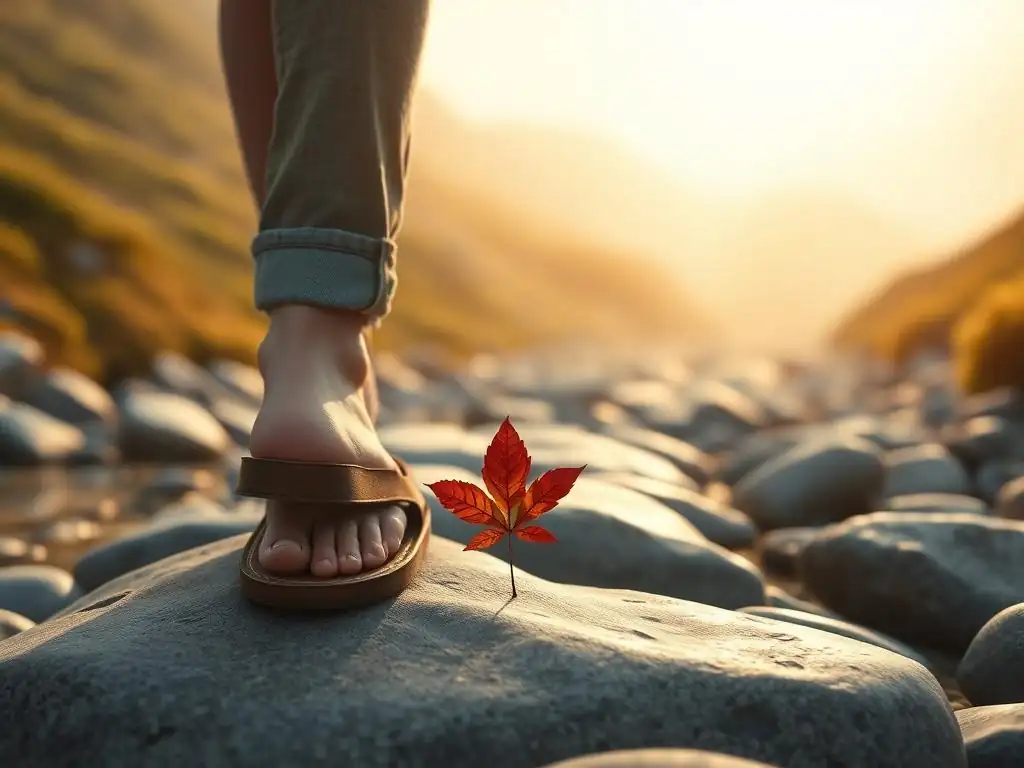
Beginning a walking meditation practice is straightforward. It doesn't require complex techniques or special equipment. The essence is bringing deliberate, gentle attention to the act of walking itself. This section outlines a simple process you can follow to start your journey with mindful walking. Remember, the goal isn't perfection, but presence.
These steps provide a framework, but feel free to adapt them to what feels most natural and comfortable for you. The key is consistency and a gentle, non-judgmental attitude towards your experience.
Step 1: Establishing an Upright and Relaxed Posture
Begin by standing still for a moment. Allow your body to settle. Notice the feeling of your feet on the ground, the gentle sway of your body. Stand tall but relaxed, with your shoulders soft and your head balanced comfortably on your neck. Your gaze can be directed slightly downward, a few feet in front of you, to avoid tripping while minimizing visual distractions.
Bring your awareness to your posture without holding any tension. Imagine a string gently pulling you up from the crown of your head, while simultaneously feeling grounded through your feet. This upright yet relaxed stance prepares your body for mindful movement and helps promote a sense of dignity and presence as you prepare to use walking meditation to reduce anxiety stress.
Step 2: Focusing on the Sensations of Walking
As you begin to walk, shift your attention to the physical sensations in your feet and legs. You can start by noticing the lift of one foot, the movement through the air, the placement of the heel on the ground, and the rolling forward onto the ball of the foot before the other foot lifts. Pay attention to the weight shifting from one foot to the other.
Break down the walking motion into smaller sensations. You might focus on the feeling of the ground beneath your feet, the pressure, the texture if you are barefoot or wearing thin shoes. This detailed attention to physical sensation anchors you firmly in the present moment, drawing your awareness away from busy thoughts and towards the immediate, tangible experience of walking.
Step 3: Coordinating Breath with Steps
Once you feel comfortable focusing on the physical sensations, you can gently bring awareness to your breath and, if you wish, coordinate it with your steps. This isn't about controlling your breath, but simply noticing its natural rhythm as you walk. You might notice you inhale for a certain number of steps and exhale for another.
Some people find it helpful to coordinate breath and steps intentionally, for example, inhaling for three steps and exhaling for three steps. Others prefer to simply let the breath find its own rhythm alongside the walking. Experiment to see what feels natural and calming for you. This coordination can add another layer of focus, further supporting the ability of walking meditation to reduce anxiety stress.
Step 4: Gently Redirecting Wandering Thoughts
It is completely natural for your mind to wander during walking meditation. Thoughts about the past, future plans, or unrelated topics will arise. When you notice your mind has drifted, gently acknowledge the thought without judgment. Simply recognize that your attention has wandered.
Then, with kindness, redirect your attention back to the physical sensations of walking, your breath, or your initial intention. This process of noticing wandering and gently returning is the core practice of mindfulness. Each time you notice and redirect, you are strengthening your 'mindfulness muscle,' improving your ability to focus and detach from anxious rumination.
Techniques to Deepen Your Walking Meditation Practice
Once you are comfortable with the basic steps, there are several techniques you can explore to deepen your walking meditation practice and enhance its effectiveness in helping you reduce anxiety stress. These techniques offer ways to bring different layers of awareness to your walk, enriching the experience and potentially leading to deeper states of calm and presence.
Experiment with these techniques to see what resonates with you. You don't need to incorporate all of them into every walk. The goal is to find what helps you stay present, cultivate awareness, and find peace in movement.
Varying Pace: Exploring Different Walking Rhythms
Walking meditation can be practiced at various paces, and exploring these can offer different insights. A very slow pace allows for meticulous attention to the subtle sensations of each micro-movement – the lifting, moving, and placing of the foot. This deliberate slowness can be deeply grounding and calming, helping to slow down a racing mind.
Alternatively, a slightly brisker, yet still mindful, pace can be invigorating. While maintaining awareness of your steps and breath, a faster pace can feel more natural and energetic. The key is to remain present with the sensations, whatever the speed. Experimenting with different paces helps you understand how speed affects your ability to stay mindful and can reveal which rhythm is most supportive for you on a given day when using walking meditation to reduce anxiety stress.
Engaging the Senses: Mindfully Noticing Surroundings
While the primary focus is often internal (body sensations, breath), you can also expand your awareness to include your external environment through your senses. This isn't about getting lost in thought about what you see or hear, but simply noticing sensory input mindfully.
For example, you might gently notice the colors of the leaves, the temperature of the air on your skin, the sounds of birds or distant traffic, or even the scent of rain or flowers. Acknowledge these sensory inputs without labeling or judging them excessively. "Ah, the sound of a car," or "Noticing the coolness of the breeze." This broader awareness connects you to the world around you while still maintaining a centered presence, preventing the mind from getting stuck solely on internal worries.
Using Mantras or Affirmations During Walking Meditation
Incorporating a simple mantra or affirmation can provide another anchor for your attention during walking meditation. A mantra is typically a word or phrase repeated silently to help focus the mind. An affirmation is a positive statement you repeat to reinforce a desired state or belief.
You could choose a mantra like "Peace," repeating it silently with each step or each breath. Or an affirmation like "I am present," "I am calm," or "I release stress with each step." Coordinate the repetition with your pace or breath in a way that feels natural. This technique can be particularly helpful when the mind feels very busy, offering a gentle, repetitive focus point that helps to quiet the mental noise and reinforce your intention to use walking meditation to reduce anxiety stress.
Troubleshooting Common Challenges in Walking Meditation
Like any practice, walking meditation can present challenges. It's important to approach these with patience and self-compassion. Recognizing common hurdles can help you navigate them skillfully and continue to benefit from the practice, especially when using walking meditation to reduce anxiety stress. Remember, challenges are part of the journey, not a sign of failure.
Be kind to yourself when difficulties arise. The practice isn't about achieving a perfect state of mind, but about showing up consistently and applying gentle awareness to whatever arises.
Dealing with Distractions and Restlessness
Distractions are perhaps the most common challenge in any mindfulness practice. Your mind will wander to thoughts, worries, plans, or judgments. External distractions like noise, people, or weather can also pull your attention away. Restlessness, either mental or physical, can make it hard to settle into the rhythm of the walk.
When you notice your mind has wandered, simply observe the thought or distraction without judgment. Acknowledge it ("Ah, thinking about dinner") and then gently, but firmly, guide your attention back to your chosen anchor – the sensations of walking, your breath, or your mantra. If you feel physically restless, try bringing even more detailed attention to the physical sensations of your body moving. Sometimes acknowledging the restlessness itself mindfully can help it subside. This consistent, gentle return is the core skill you build, making walking meditation a powerful tool to reduce anxiety stress by training your focus.
Addressing Physical Discomfort
While walking is generally accessible, physical discomfort can arise, whether it's tired feet, a stiff back, or other aches. Pushing through pain is not the goal of walking meditation. If you experience discomfort, first bring mindful awareness to it. Notice the sensation – its location, intensity, and quality – without immediately reacting.
If the discomfort is mild, you might continue, simply including the sensation in your field of awareness. If it's significant, consider if adjusting your posture, pace, or footwear helps. If the discomfort persists or worsens, it's important to prioritize your body's needs. You might shorten your walk, find a place to sit and transition to sitting meditation, or decide to try again another time when you feel better physically. Listen to your body with compassion.
Adapting to Different Environments
The ideal quiet park isn't always available. Sometimes you might find yourself needing to practice walking meditation in a busy urban environment, a crowded hallway, or even indoors with limited space. Adapting the practice to different environments is key to making it a consistent tool for helping you reduce anxiety stress.
In busier environments, you might narrow your focus. Instead of engaging all senses with the surroundings, you might focus more intently on the sensations of your feet on the ground or the rhythm of your breath. Accept the external noise or activity as part of the present moment without letting it disrupt your internal focus. If space is limited, you can walk back and forth slowly in a smaller area. The core principles of mindful attention to movement and breath remain applicable regardless of the setting.
The Science Behind Walking Meditation and Well-being
While the benefits of walking meditation might feel intuitive, scientific research is increasingly providing insights into how this practice positively impacts our mental and physical health. Understanding the underlying mechanisms can deepen your appreciation for the practice and motivate you to integrate it regularly into your life as a strategy to reduce anxiety stress.
Research explores everything from brain changes to physiological responses, shedding light on why combining movement and mindfulness is so effective for well-being.
How Walking Meditation Impacts the Brain and Nervous System
Studies on mindfulness practices, including walking meditation, suggest they can lead to measurable changes in the brain. Regular meditation has been associated with increased gray matter density in areas related to learning, memory, emotion regulation, and self-awareness, such as the hippocampus and prefrontal cortex. Simultaneously, there can be a decrease in activity or size in the amygdala, the brain's fear center, which is often overactive in individuals experiencing anxiety.
Walking meditation also influences the nervous system. It helps to activate the parasympathetic nervous system, often called the 'rest and digest' system, which counteracts the 'fight or flight' response governed by the sympathetic nervous system. This shift helps lower heart rate, blood pressure, and stress hormones like cortisol, creating a physiological state of calm that directly helps walking meditation reduce anxiety stress.
Walking Meditation vs. Sitting Meditation: Key Differences and Benefits
Both walking and sitting meditation cultivate mindfulness, but they offer distinct experiences and benefits. Sitting meditation often emphasizes stillness and focused attention on breath or bodily sensations in a static posture. It can be excellent for developing deep concentration and awareness of subtle internal states.
Walking meditation, by contrast, integrates mindfulness into dynamic movement. It can be more accessible for those who find sitting still challenging or uncomfortable. It cultivates presence while engaged in activity, which can make it easier to transfer mindfulness skills to daily life.
For some, the rhythm of walking provides a natural anchor that helps quiet a restless mind more effectively than stillness. Both practices are valuable, and choosing between them (or practicing both) depends on individual needs and preferences. Walking meditation is particularly beneficial for grounding and releasing nervous energy, making it a direct aid in using walking meditation to reduce anxiety stress.
Research Supporting the Effectiveness of Walking Meditation
While sitting meditation has a longer history of scientific study, research specifically on walking meditation is growing. Studies indicate that walking meditation can effectively reduce symptoms of anxiety and depression. For example, some findings suggest that even short periods of mindful walking can significantly lower levels of stress and improve mood.
Research also points to the potential of walking meditation in improving sleep quality and reducing rumination (repetitive negative thinking), common issues associated with anxiety and stress. While specific large-scale randomized controlled trials might still be emerging compared to sitting meditation, the existing evidence, combined with the vast research on the benefits of both walking and mindfulness individually, strongly supports the effectiveness of walking meditation as a practical tool for enhancing mental well-being and helping individuals reduce anxiety stress.
Integrating Walking Meditation into Your Daily Life
One of the greatest strengths of walking meditation is its adaptability. You can practice it almost anywhere, making it relatively easy to weave into the fabric of your daily routine. Consistent practice, even in short bursts, is often more beneficial than infrequent long sessions. Finding ways to integrate mindful walking ensures you regularly access its calming benefits.
Integrating walking meditation doesn't require a complete overhaul of your schedule. It's about finding small opportunities throughout your day to bring mindful awareness to your movement, transforming ordinary moments into opportunities for peace and presence.
Short Walking Meditation Breaks: Finding Moments of Calm
You don't need to dedicate an hour to walking meditation to experience its benefits. Short, intentional walking breaks throughout the day can be incredibly effective. A 5-10 minute mindful walk around your office building, through your garden, or even just back and forth in a quiet room can help reset your nervous system and clear your mind.
These short breaks are perfect opportunities to use walking meditation to reduce anxiety stress in the moment. Feeling overwhelmed by a task? Take a mindful walk. Feeling tense after a difficult conversation? Step outside for a few minutes of conscious walking. These brief pauses provide immediate access to calm and help you return to your activities feeling more centered and less reactive.
Combining Walking Meditation with Other Mindfulness Practices
Walking meditation can complement other mindfulness and well-being practices. You might start your day with a period of sitting meditation and follow it with a mindful walk. Or perhaps you practice mindful eating during lunch and then take a short walking meditation break afterward.
Combining practices can create a more robust approach to mental well-being. For instance, pairing mindful stretching or yoga with walking meditation can enhance body awareness. Or using journaling after a mindful walk to process insights that arose during the practice. Integrating walking meditation into a broader mindfulness routine amplifies its power as a tool to reduce anxiety stress and cultivate overall resilience.
Long-Term Benefits of Regular Walking Meditation
Consistent practice of walking meditation yields cumulative long-term benefits. Over time, you may notice a significant reduction in overall anxiety levels and a greater capacity to manage stressful situations. The ability to gently redirect wandering thoughts becomes stronger, leading to less time spent ruminating on worries.
Regular walking meditation also builds greater interoceptive awareness – the ability to notice physical sensations in the body. This can help you recognize the early signs of stress or anxiety and respond more effectively. Furthermore, the physical activity, even gentle walking, contributes to overall physical health, which is intrinsically linked to mental well-being. Committing to regular walking meditation is an investment in your long-term peace of mind.
Conclusion: Embracing Walking Meditation for Inner Peace
Walking meditation is a deceptively simple yet profoundly powerful practice for cultivating inner peace and enhancing mental well-being. It transforms the ordinary act of walking into a conscious journey of presence and awareness. By bringing mindful attention to each step, each breath, and the sensations of the body, you create an anchor in the present moment, offering a respite from the endless stream of thoughts that often fuel anxiety and stress.
This practice is accessible to almost everyone, requiring no special equipment or location. Whether you have a few minutes or longer, whether you are indoors or outdoors, you can choose to walk mindfully. It's a flexible tool that fits into a busy life, providing immediate moments of calm and contributing to lasting resilience against life's challenges.
Walking Meditation: A Tool for Stress Management and Emotional Balance
As we've explored, walking meditation is a highly effective tool for stress management and cultivating emotional balance. It directly addresses the physiological and psychological components of stress and anxiety by calming the nervous system, reducing rumination, and building the capacity for present-moment awareness. By integrating movement and mindfulness, it offers a dynamic way to release tension and find equilibrium.
Committing to regular walking meditation helps you develop a greater capacity to navigate difficult emotions and stressful situations with more ease and less reactivity. It's not about eliminating stress entirely, but about changing your relationship with stress, learning to respond from a place of grounded presence rather than automatic reaction. Many individuals find that walking meditation helps reduce anxiety stress in a way that feels natural and sustainable.
Resources for Continuing Your Walking Meditation Journey
Embarking on or deepening your walking meditation practice is a journey of self-discovery. There are many resources available to support you. Consider exploring guided walking meditations available online or through mindfulness apps. These can provide structure and gentle guidance, especially when you are starting out or find your mind particularly restless.
Books on mindfulness and meditation often include sections or chapters specifically dedicated to walking meditation techniques. Joining a local meditation group or attending a mindfulness workshop might offer opportunities to practice with others and learn from experienced teachers. Remember, the most important resource is your own willingness to show up, be present, and walk with intention and kindness. Embrace this simple practice, and discover its profound potential to bring peace into your life.
Frequently Asked Questions
How does walking meditation specifically help reduce anxiety and stress?
Walking meditation helps reduce anxiety and stress by shifting your focus from anxious thoughts to the present moment and the physical sensations of walking. This mindful awareness interrupts the cycle of worry and promotes relaxation.
Can walking meditation be practiced anywhere, or are there specific environments that are better?
While walking meditation can be practiced almost anywhere, quieter environments with fewer distractions are often preferred, especially when starting. However, with practice, you can adapt to busier settings and maintain focus on your inner experience.
How long should a walking meditation session typically last to be effective?
Even short sessions of 10-15 minutes can be effective. Longer sessions, such as 30 minutes or more, may provide deeper relaxation and benefits. The key is consistency, not necessarily duration.
What are the key differences between walking meditation and a regular walk?
The main difference is the intentional focus on the present moment. A regular walk might involve thinking about the past or future, while walking meditation emphasizes awareness of breath, body sensations, and surroundings without judgment.
What if my mind wanders during walking meditation? Is that normal, and what should I do?
Yes, it's completely normal for your mind to wander. Gently redirect your attention back to your breath, your feet touching the ground, or your surroundings. Avoid self-criticism and treat it as part of the practice.
Final Reflection: The Enduring Path to Peace Through Walking Meditation
The simple act of walking, when approached with mindful intention, becomes a powerful antidote to the anxieties and stresses of modern life. In a world relentlessly demanding our attention, the quiet practice of walking meditation offers a sanctuary of calm, a readily accessible tool for cultivating inner peace. This isn't just a fleeting trend; it's a timeless technique with profound relevance in our increasingly frenetic times.
The impact of walking meditation extends far beyond the individual. By cultivating inner stillness, we become more present and compassionate, fostering healthier relationships and a more peaceful society. Peace begins with me. Peace begins with you. Peace begins with us.
This simple sentiment underscores the ripple effect of inner peace, transforming not only our personal experience but also our interactions with the world around us. The practice encourages self-awareness, allowing us to observe our thoughts and emotions without judgment, a crucial step in managing stress and anxiety.
Now, consider how you can integrate this practice into your own life. Perhaps begin with just five minutes each day, focusing on the sensation of your feet on the ground, the rhythm of your breath, and the gentle sway of your body. Don't strive for perfection; simply allow yourself to be present in the moment. This isn't about escaping life's challenges, but about equipping yourself with the inner resources to navigate them with greater ease and grace. Embrace the journey, and discover the profound peace that awaits you on the path of walking meditation.
Unlock Your Inner Calm: Start Walking Towards Peace Today
Thanks for taking the time to explore the power of walking meditation with us! We hope you’ve gained a newfound appreciation for this simple yet profound practice. Ready to integrate it into your life?
Here are a few ways to begin your journey towards inner peace:
- Embrace your first mindful walk: Even 5 minutes today can make a difference. Find a quiet space and try the techniques we outlined – focusing on your breath and sensations. This is your primary step towards a calmer you.
- Share your experience: Tell a friend or family member about your walking meditation. Sharing your journey can strengthen your commitment and inspire others.
- Explore variations: Experiment with different paces, locations, and times of day to discover what resonates most with you. Discover what suits your lifestyle best!
What small step will you take today to cultivate more peace within yourself?