
Finding Your Fit: Matching App Features to Your Anxiety Needs (Pricing)


Welcome to Mind Care Guide, your trusted companion on the journey to mental well-being. Feeling overwhelmed by anxiety? You're not alone. Discover how anxiety apps for personalized support can be a game-changer, offering tailored strategies right at your fingertips. But with so many options, where do you even begin? Let's explore how to find the perfect fit for your needs, starting with a crucial factor: pricing. Intrigued? Keep reading to unlock a world of personalized support and find the app that truly understands you.
Finding Your Fit: Matching App Features to Your Anxiety Needs (Pricing)
- Understanding Your Anxiety and the Role of Mental Wellness Apps
-
Key Features to Look for in Anxiety Apps for Personalized Support
- Guided Meditations for Anxiety Relief: Headspace vs. Calm
- Cognitive Behavioral Therapy (CBT) Tools Within Anxiety Apps
- Mindfulness Exercises and Breathing Techniques for Immediate Anxiety Relief
- Journaling Features for Self-Reflection and Anxiety Tracking
- Mood Tracking and Anxiety Level Monitoring
- Sleep Aids and Relaxation Techniques for Anxiety-Related Insomnia
- Comparing Top Anxiety Apps: Features, Pricing, and Personalized Support
- Maximizing Your Success with Anxiety Apps: Tips and Best Practices
- Making the Right Choice: Selecting an Anxiety App for Your Mental Wellness Journey
-
Frequently Asked Questions
- What are the key features to consider when choosing an anxiety app?
- How can anxiety apps offer personalized support?
- Are anxiety apps a replacement for professional mental health treatment?
- What are the pricing models of popular anxiety apps?
- How can I determine if an anxiety app is credible and effective?
- Final Reflection: Finding Peace in the Digital Age
- Unlock Your App Serenity: Find the Perfect Fit for You
Understanding Your Anxiety and the Role of Mental Wellness Apps
Identifying Your Specific Anxiety Triggers and Needs
Understanding the roots and manifestations of your anxiety is a crucial first step in finding effective support, including leveraging digital tools like anxiety apps for personalized support. Anxiety is not a monolithic experience; it can present differently for each individual, triggered by unique situations, thoughts, or physical sensations. For some, it might manifest as social anxiety, peaking in group settings or public speaking situations.
Others may experience panic attacks, characterized by sudden, intense fear accompanied by physical symptoms like a racing heart or shortness of breath. Generalized anxiety disorder (GAD) involves persistent worry about a variety of everyday things, while health anxiety might focus specifically on fear of illness. Pinpointing whether your anxiety is situational, generalized, or related to specific phobias will significantly influence which tools and resources within an app are most beneficial for you.
Moreover, recognizing the physical and emotional symptoms you experience is vital. Does your anxiety primarily affect your sleep? Do you struggle with intrusive, negative thoughts? Are physical symptoms like muscle tension or digestive issues prominent?
Some individuals find relief through calming breathing exercises, while others benefit more from challenging negative thought patterns using cognitive behavioral therapy (CBT) techniques. Identifying these specific needs – whether it's better sleep, thought management, or immediate calming strategies – allows you to effectively filter through the vast array of features offered by various anxiety apps for personalized support. Without this self-awareness, selecting an app can feel overwhelming, leading to frustration rather than the targeted relief you seek.
How Anxiety Apps Can Provide Personalized Support
Anxiety apps have evolved significantly, moving beyond simple relaxation guides to offer sophisticated tools designed to provide anxiety apps for personalized support. These platforms can tailor the user experience based on initial assessments, tracking data, and user preferences. For instance, an app might ask about your primary anxiety challenges – be it sleep issues, panic, or social situations – and then recommend specific meditation series, CBT exercises, or journaling prompts relevant to those areas.
This personalization ensures that users aren't just presented with a generic library of tools but are guided towards resources most likely to address their particular struggles. The ability to customize notifications, set reminders for practice, and track progress over time further enhances the personalized feel, making the app feel like a supportive companion rather than just a digital library.
Furthermore, many anxiety apps for personalized support adapt to the user's engagement patterns and reported mood. If a user consistently logs high anxiety levels after certain activities, the app might suggest exploring specific modules on managing triggers or offer timely breathing exercises. Some apps utilize algorithms that learn from user input, refining recommendations over time.
For example, if a user finds particular guided meditations effective, the app might suggest similar content. This dynamic personalization, which adjusts based on your ongoing interaction and reported state, is a key factor in the efficacy of these digital tools, helping individuals build resilience and coping skills that are truly relevant to their unique anxiety profile.
The Importance of Matching Features to Your Unique Anxiety Profile
Selecting an anxiety app isn't a one-size-fits-all decision; its effectiveness hinges on how well its features align with your individual anxiety profile and coping style. Someone whose primary struggle is nighttime rumination and anxiety-induced insomnia will likely benefit most from an app offering extensive sleep stories, relaxation sounds, and guided body scans designed for sleep.
Conversely, an individual grappling with panic attacks might prioritize an app with quick, accessible emergency breathing exercises and specific guided meditations for panic relief. Trying to force-fit a sleep-focused app onto panic management needs, or vice versa, can lead to minimal results and a wasted investment, both in time and potentially subscription fees.
Therefore, a deliberate process of matching desired features to identified needs is paramount when exploring anxiety apps for personalized support. Do you prefer listening to soothing voices, or are you more hands-on and benefit from interactive exercises? Is tracking your mood and progress essential for your motivation, or do you simply need a tool for immediate relief?
Understanding these preferences and linking them directly to the app's offerings – whether it's a vast library of guided content, robust CBT tools, detailed tracking features, or a combination thereof – ensures that the app becomes a truly valuable asset in your mental wellness journey. This thoughtful selection process maximizes the potential for positive outcomes and helps you find a digital tool that genuinely supports your specific path towards managing anxiety.
Key Features to Look for in Anxiety Apps for Personalized Support
Guided Meditations for Anxiety Relief: Headspace vs. Calm
Guided meditations are a cornerstone feature in many anxiety apps for personalized support, offering structured sessions led by experienced instructors to help users cultivate mindfulness, reduce stress, and manage anxious thoughts. Apps like Headspace and Calm are prominent examples, each offering extensive libraries with different approaches. Headspace, for instance, is often characterized by its focus on teaching the skill of meditation through structured courses, starting with foundational concepts and progressing to more advanced techniques.
They offer specific meditation series tailored to various challenges, including numerous programs directly targeting anxiety, fear, and worry. These can range from short, few-minute sessions for quick relief to longer, more in-depth explorations of anxious thought patterns.
Calm, while also offering guided meditations, is perhaps best known for its broader focus on sleep and relaxation alongside anxiety. Their meditation library is vast, featuring sessions led by different instructors, offering a variety of voices and styles. They also provide meditations specifically for anxiety, panic, and stress, often integrated with calming music or nature sounds.
The sheer volume and variety of content mean users can explore different approaches to find what resonates best. Both platforms understand that personalization in guided meditation is key, providing options for session length, topic, and even instructor voice, ensuring that users can find guided support that feels comfortable and effective for their unique anxiety experience.
Focused Meditation Exercises for Specific Anxiety Types (e.g., Social Anxiety, Panic Attacks)
Effective anxiety apps for personalized support often go beyond general relaxation to offer meditations specifically designed for particular anxiety types. For someone with social anxiety, a general mindfulness session might be helpful, but a guided meditation focused on building confidence before social events or managing fear of judgment offers more targeted support.
Apps like Headspace have programs specifically labeled for topics such as "Fear of Public Speaking," "Dealing with Difficult Conversations," or "Managing Social Anxiety." These modules often incorporate visualizations, affirmations, and cognitive reframing techniques within the meditative practice to directly address the specific fears and thought patterns associated with social anxiety.
Similarly, for individuals prone to panic attacks, having immediate, accessible meditations designed for acute distress is crucial. These sessions are typically shorter, focusing on grounding techniques, deep breathing, and quickly shifting focus away from escalating physical sensations and fearful thoughts. Calm offers "Panic Relief" sessions, and Headspace has meditations for "Feeling Overwhelmed" or "Coping with Panic." The availability of such highly specific content within an app allows users to access tools that speak directly to their most challenging anxiety experiences, providing a sense of preparedness and specific strategies for managing difficult moments as they arise.
The Importance of Voice and Music in Guided Meditations
The auditory experience is incredibly important in guided meditations, particularly when using anxiety apps for personalized support. The voice of the narrator plays a significant role in creating a calming and trustworthy environment. A voice that is soothing, clear, and paced appropriately can help the user relax, focus on the guidance, and feel safe.
Conversely, a voice that is distracting, monotone, or too fast can hinder the meditative process and even increase frustration or anxiety. Many top apps offer a selection of voices or allow users to preview narrators to find one they connect with. Headspace is known for the distinct voice of its co-founder, Andy Puddicombe, which many find calming, while Calm offers a wider variety of narrators.
Music and background sound also contribute significantly to the effectiveness of guided meditations for anxiety. Gentle instrumental music, nature sounds (like rain or waves), or ambient tones can enhance the feeling of tranquility and help mask distracting external noises. For anxiety specifically, the right soundscape can help soothe the nervous system and create a sense of peace.
Some apps allow users to customize the background sound or volume, blending the narration with their preferred audio environment. This attention to auditory detail ensures that the user's experience is as comfortable and conducive to relaxation and focus as possible, making the guided meditation a more potent tool for anxiety relief.
Cognitive Behavioral Therapy (CBT) Tools Within Anxiety Apps
Cognitive Behavioral Therapy (CBT) is a widely recognized and effective therapeutic approach for managing anxiety, focusing on identifying and challenging negative thought patterns and developing healthier coping behaviors. Many anxiety apps for personalized support integrate CBT principles and exercises to provide users with practical tools for managing their thoughts and feelings.
These tools often include modules on identifying cognitive distortions (common irrational thought patterns), thought journaling prompts to analyze anxious thoughts, and exercises focused on behavioral activation or exposure techniques in a guided, manageable way. Apps can structure these tools into programs or standalone exercises, making CBT concepts accessible and actionable outside of traditional therapy sessions.
The benefit of having CBT tools within an app is the ability to practice these techniques in real-time when anxiety arises, or to work through structured lessons at one's own pace. For example, if you identify that you frequently catastrophize (assuming the worst possible outcome), an app might guide you through an exercise to examine the evidence for and against that thought, and then help you formulate a more balanced perspective.
This active engagement with CBT principles through an app empowers users to become more aware of their internal dialogue and develop practical skills to manage anxious thinking, complementing other features like meditation and mood tracking.
Using CBT Techniques for Managing Anxious Thoughts
Apps incorporating CBT often provide step-by-step guidance on how to apply specific techniques to challenging thoughts. A common feature is a "thought record" or "thought challenging" tool, which prompts users to identify a specific anxious thought, note the emotions and physical sensations associated with it, and then critically evaluate the thought's validity. Users might be asked questions like "What is the evidence for this thought?"
and "What is the evidence against this thought?" followed by prompts to consider alternative, more balanced thoughts. This structured process, guided within the app, helps users gain perspective and reduce the intensity of distressing thoughts.
Another application of CBT within anxiety apps for personalized support involves behavioral experiments. While more complex than thought records, some apps introduce concepts like gradually confronting feared situations (exposure) in a controlled, guided manner. For instance, an app module on social anxiety might guide a user through imagining a feared social situation and practicing coping strategies within that visualization, or suggest small, manageable real-world steps to take. By breaking down these powerful therapeutic techniques into accessible, app-based exercises, these platforms provide users with practical, evidence-based methods to actively work on changing their relationship with anxiety.
Apps Offering Structured CBT Programs: Moodfit and its Benefits
Some anxiety apps for personalized support distinguish themselves by offering more structured, program-based approaches to CBT, making them feel more like a digital therapy companion. Moodfit is a notable example, designed around providing comprehensive tools rooted in CBT and other evidence-based practices. Instead of just offering standalone exercises, Moodfit guides users through personalized plans based on their initial assessment and ongoing tracking. It helps users understand the connection between their thoughts, feelings, and behaviors, and provides modules specifically on identifying core beliefs, challenging negative self-talk, and building healthy habits.
The benefit of an app like Moodfit's structured approach is the feeling of progressing through a curriculum rather than just picking random tools. It provides educational content explaining why certain techniques work and guides the user through applying them consistently. For someone who values a systematic approach and wants to deeply understand the principles behind their anxiety management tools, a structured CBT program within an app can be highly beneficial. It offers a framework for long-term skill development, moving beyond immediate relief to foster sustainable changes in thinking and behavior.
Mindfulness Exercises and Breathing Techniques for Immediate Anxiety Relief
Mindfulness and breathing exercises are fundamental tools for managing anxiety in the moment, and anxiety apps for personalized support excel at making these techniques readily available. Mindfulness involves bringing your attention to the present moment without judgment, which can interrupt the cycle of anxious rumination. Apps offer a variety of short mindfulness exercises, such as body scans, mindful walking guides, or simple awareness practices that can be done anywhere, anytime. These exercises help ground you when you feel overwhelmed, shifting focus away from stressful thoughts and towards physical sensations or the immediate environment.
Breathing techniques are perhaps the most immediate and accessible tool for rapidly reducing physiological symptoms of anxiety. When anxious, breathing often becomes shallow and rapid. Apps provide guided breathing exercises, often with visual cues (like expanding and contracting circles) and auditory prompts, to help users slow down their breath, deepen inhalations, and lengthen exhalations.
Techniques like 4-7-8 breathing (inhale for 4, hold for 7, exhale for 8) or box breathing (inhale, hold, exhale, hold – each for a count of 4) can quickly activate the body's relaxation response, lowering heart rate and calming the nervous system. Having these guided exercises instantly available on a phone is invaluable during moments of acute anxiety or panic.
Practical Breathing Exercises Directly Within the App
The design of breathing exercises within anxiety apps for personalized support is often optimized for ease of use during stressful moments. Many apps feature a dedicated breathing section that can be accessed quickly from the home screen or even via a widget. These exercises often include simple animations, like a calming visual that expands as you inhale and contracts as you exhale, providing a clear, non-verbal guide to pace your breath. Some apps allow customization of the breath duration or technique based on user preference or reported anxiety level.
The practical benefit is that you don't need to remember complex instructions; you can simply open the app, select a breathing exercise (e.g., "Calm Breathing," "Box Breathing"), and follow the visual or auditory cues. This simplicity is key when you're feeling anxious and your cognitive function might be impaired. The app acts as a steady guide, helping you regulate your breath and activate your body's natural calming mechanisms without requiring significant mental effort.
The Role of Mindfulness in Reducing Overall Anxiety Levels
While breathing exercises offer immediate relief, consistent mindfulness practice fostered by anxiety apps for personalized support can lead to a long-term reduction in overall anxiety levels. Regular engagement with mindfulness meditations and exercises helps train the mind to observe thoughts and feelings without getting swept away by them. Over time, this can reduce the tendency to ruminate on worries or react intensely to anxious thoughts. By cultivating greater present moment awareness, individuals can develop a healthier relationship with their anxiety, viewing thoughts as temporary mental events rather than absolute truths.
Apps support this long-term development by offering progressive mindfulness courses, daily reminders, and tracking features that highlight the cumulative benefits of practice. Even just a few minutes of daily mindfulness, guided by an app, can gradually build resilience and increase your capacity to tolerate discomfort without becoming overwhelmed. This shift from reactive anxiety to a more mindful, observational stance is a powerful benefit derived from consistent engagement with the mindfulness tools offered by these platforms.
Journaling Features for Self-Reflection and Anxiety Tracking
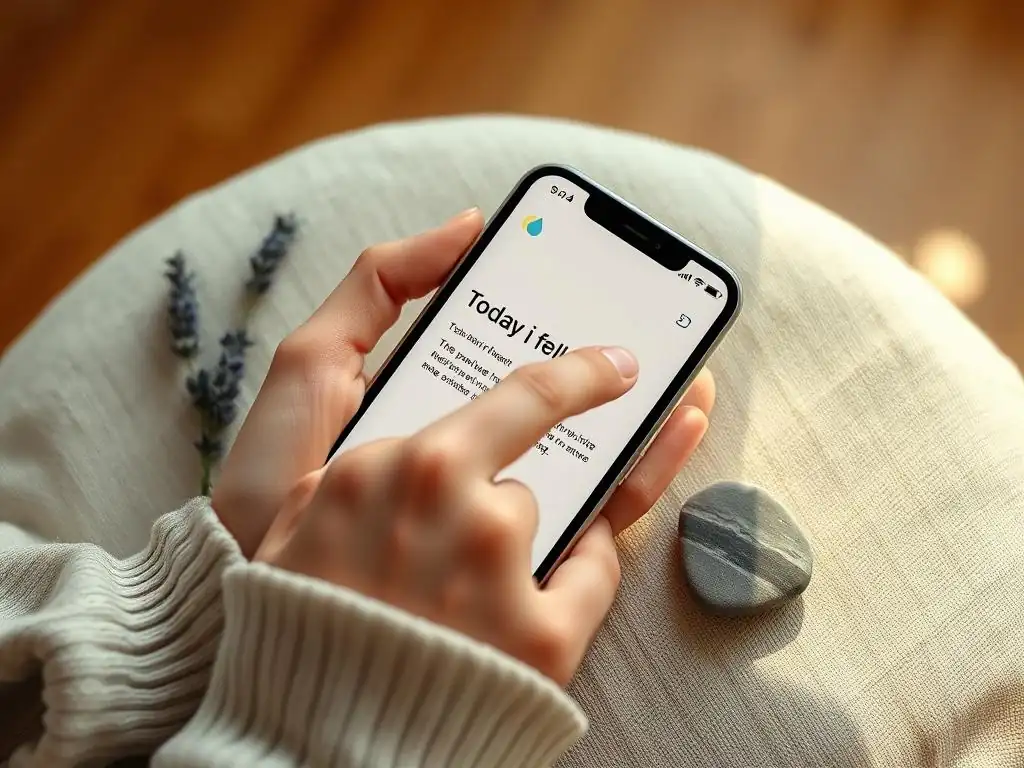
Journaling is a powerful tool for self-reflection and gaining insight into patterns related to anxiety, and many anxiety apps for personalized support incorporate robust journaling features. Writing down thoughts and feelings can help externalize worries, making them feel less overwhelming. It provides a space to explore the triggers for your anxiety, the physical sensations you experience, and the thoughts that accompany them. Unlike a blank notebook, app-based journaling can offer guided prompts specifically related to anxiety, such as "What are you worried about today?" or "When did your anxiety peak today, and what was happening?"
Digital journaling within an app also makes it easier to track patterns over time. By reviewing past entries, you might notice that your anxiety consistently spikes before certain meetings, or that specific thought patterns precede periods of high stress. Some apps even allow you to tag entries with moods or activities, making it simple to filter and analyze your journaling history. This self-discovery process, facilitated by the app's structure and accessibility, is invaluable for understanding your unique anxiety landscape and identifying areas where you can focus your coping strategies.
How Journaling Can Help Identify Anxiety Patterns
The act of regularly journaling within an anxiety app for personalized support creates a personal data log of your emotional and mental state. By consistently recording your experiences, you build a historical record that can reveal insights you might otherwise miss. For example, you might notice that on days you skipped your morning walk, your anxiety levels were significantly higher. Or you might see a recurring theme in your worries related to specific relationships or work tasks. Many apps allow you to search old entries or view them chronologically, making it easy to spot these trends.
Some advanced journaling features in apps even integrate with mood tracking, allowing you to see if certain types of journal entries correlate with reported anxiety levels. This visual or analytical connection between your written thoughts/experiences and your tracked mood can provide compelling evidence of triggers or coping mechanisms that are working (or not working). This data-driven self-reflection empowers you to make informed decisions about your anxiety management strategies, focusing your efforts where they are most likely to be effective.
Secure and Private Journaling Options in Top Anxiety Apps
Given the personal and sensitive nature of journaling about anxiety, security and privacy are critical considerations when choosing an app with this feature. Reputable anxiety apps for personalized support prioritize user data protection. They typically offer options for password or biometric (fingerprint/face ID) locking of the app or the journaling section specifically. Data is often encrypted, both when stored on your device and if it's backed up to cloud servers.
When selecting an app for journaling, it's important to check their privacy policy to understand how your data is handled and whether entries are truly private. Top apps understand that trust is paramount, particularly when users are sharing vulnerable thoughts about their mental health. Providing robust security features ensures that users feel safe and comfortable using the journaling tool as a genuine space for honest self-reflection without fear of their private thoughts being accessed inappropriately.
Mood Tracking and Anxiety Level Monitoring
Tracking your mood and anxiety levels over time is a core feature in many anxiety apps for personalized support, providing valuable data for self-understanding and progress monitoring. These features typically involve simple check-ins where users rate their current mood on a scale (e.g., 1-5, or using emojis) and/or specifically rate their anxiety level. Users might also be prompted to add context, such as what they were doing, who they were with, or what they were thinking when they logged the mood.
The power of mood tracking lies in its ability to reveal patterns and correlations. By consistently logging your state, you can visualize trends over days, weeks, or months. This might show that your anxiety is consistently higher on certain days of the week, after specific interactions, or during particular times of the day. Seeing this data laid out in graphs or charts within the app can provide objective insight into subjective feelings, helping you identify triggers, recognize early warning signs of escalating anxiety, and see the impact of coping strategies you are employing.
Understanding Your Mood Fluctuations and Their Relationship to Anxiety
Utilizing the mood tracking features in anxiety apps for personalized support allows you to move beyond a general sense of "feeling anxious" to understanding the nuances and fluctuations of your emotional state. Is your anxiety constant, or does it come in waves? Are there specific events that reliably precede a drop in mood or a spike in anxiety? By correlating your mood logs with journal entries, activities logged, or even just the date and time, you can start to build a detailed picture of your mental landscape.
For instance, tracking might reveal that your anxiety is lowest when you spend time in nature or highest after engaging with social media. This understanding empowers you to make conscious choices about your daily activities and environment to better support your mental wellness. It transforms abstract feelings into observable data, making it easier to identify effective coping mechanisms and avoid situations that exacerbate your anxiety, thereby providing truly personalized support.
Apps that Offer Comprehensive Mood Tracking: Daylio Detailed Analysis
Daylio is a popular example of an app that excels specifically at mood tracking and journaling, making it a valuable tool for understanding anxiety patterns even if it's not solely focused on anxiety relief techniques. While not a dedicated anxiety app for personalized support in the same vein as Headspace or Calm, its robust tracking features are highly beneficial. Daylio allows users to quickly log their mood daily (or multiple times a day) and associate it with various activities and notes. Users can customize activities extensively, adding specific anxiety triggers, coping mechanisms used, or symptoms experienced.
The strength of Daylio for anxiety lies in its detailed statistical analysis. It generates charts and graphs showing mood trends over time, correlations between moods and activities, and even counts how often specific activities are associated with certain moods. For someone using other tools for direct anxiety relief, Daylio can serve as an excellent companion app for objective self-monitoring.
By tracking your anxiety levels and associated factors within Daylio, you gain powerful insights that can inform which features within a dedicated anxiety app (like meditation or CBT tools) might be most relevant and effective for you. Its focus on data visualization makes understanding your anxiety patterns clearer and more actionable.
Anxiety and sleep are deeply intertwined; anxiety can make it difficult to fall asleep or stay asleep, while sleep deprivation can worsen anxiety symptoms. Recognizing this connection, many anxiety apps for personalized support include dedicated features aimed at improving sleep quality. These often include sleep stories (narratives designed to distract a busy mind and promote relaxation), calming music, ambient sounds (like white noise, rain, or forest sounds), and guided relaxation exercises specifically for bedtime.
These sleep aids work by helping to quiet the "racing mind" that often accompanies anxiety at night and creating a calming pre-sleep routine. Guided relaxation techniques, such as progressive muscle relaxation or guided imagery focusing on peaceful scenes, can help release physical tension and promote a state conducive to sleep. The availability of a wide variety of sleep content within an anxiety app means users can experiment to find what works best for them, whether it's a soothing story, specific soundscape, or guided relaxation.
Addressing Sleep Disturbances Caused by Anxiety
Anxiety-related insomnia can be particularly frustrating, creating a cycle where worry about not sleeping fuels further anxiety. Anxiety apps for personalized support aim to break this cycle by providing tools that specifically target the mental and physical arousal associated with nighttime anxiety. Sleep stories, for instance, are designed to engage the mind just enough to distract from anxious thoughts without being stimulating, guiding the listener towards a relaxed state.
Guided relaxation exercises offered within apps focus on releasing the physical tension that often accompanies anxiety and prevents sleep. Techniques like body scans help users become aware of tension and consciously release it, promoting a sense of calm throughout the body. By addressing both the mental rumination and the physical tension, these app-based sleep aids offer a multi-faceted approach to managing sleep disturbances caused by anxiety, helping users improve the quality and duration of their rest.
Best Anxiety Apps for Sleep: Slumber and Pzizz Sleep Features
While many general anxiety apps include sleep features, some apps specialize primarily in sleep and relaxation, making them excellent complementary tools for managing anxiety-related insomnia. Slumber and Pzizz are examples of apps highly regarded for their sleep content. Slumber offers a vast collection of sleep stories, guided meditations for sleep, and relaxing sounds designed to lull users to sleep. Its content is specifically curated to be calming and non-stimulating, often featuring gentle narrators and tranquil soundscapes.
Pzizz takes a different approach, using patented algorithms to create unique, dynamically generated sleep and nap sessions combining music, voiceovers, and sound effects. Users can customize the duration and type of session (sleep or nap). Pzizz's focus is on creating psychoacoustic soundscapes designed to quiet the mind and promote sleep onset. While not strictly anxiety apps for personalized support in their entirety, their specialized sleep features make them powerful resources for individuals whose primary anxiety symptom is sleep disturbance, offering a targeted solution that can be used alongside other apps focused on daytime anxiety management or CBT.
Comparing Top Anxiety Apps: Features, Pricing, and Personalized Support
Finding the right anxiety app for personalized support often comes down to comparing the offerings of leading platforms against your specific needs and budget. While many apps offer a core set of features like meditation and breathing exercises, the depth, quality, and variety of content, as well as the inclusion of more advanced tools like structured CBT or detailed tracking, can vary significantly.
Furthermore, the pricing models differ, ranging from completely free options with limited features to subscription-based services that unlock the full library of content. Understanding these differences is key to making an informed decision that provides the best value and support for your individual journey.
Comparing apps requires looking beyond just the headline features. Consider the user interface – is it intuitive and easy to navigate, especially during moments of distress? What is the quality of the audio content? How frequently is new content added? Are there features that specifically address your most challenging symptoms, such as panic or social anxiety? By evaluating these aspects alongside the core features and pricing, you can determine which app is most likely to be a consistent and effective part of your anxiety management strategy.
Headspace: Strengths, Weaknesses, and Pricing Options
Headspace is one of the most well-known anxiety apps for personalized support, often praised for its clear, accessible approach to mindfulness and meditation. Its primary strength lies in its structured courses that teach foundational meditation skills, making it ideal for beginners. Headspace also offers a wide range of specific content for anxiety, stress, and related issues like focus and sleep. The consistent voice of its main narrator, Andy Puddicombe, is a strength for many users who find it uniquely calming. They have specific "SOS" sessions for moments of crisis and extensive content libraries covering various anxiety triggers.
A potential weakness for some users might be the app's strong focus on its particular style of meditation, which might not resonate with everyone. While they offer different session types, the core approach is consistent. Regarding pricing, Headspace operates on a subscription model.
While they offer a limited free trial or free basic meditations, full access to their extensive library of courses, single meditations, sleep content, and movement exercises requires a paid subscription. Pricing typically involves monthly or annual plans, with the annual plan offering significant savings compared to the monthly cost. Specific pricing can vary by region and promotions, but generally falls within the mid-to-high range for mental wellness apps.
Key Features of Headspace and Their Benefit for Anxiety Relief
Headspace provides a wealth of features designed to offer anxiety apps for personalized support. Their core meditation library includes hundreds of themed sessions, with specific packs dedicated entirely to managing anxiety, navigating change, or dealing with fear. The structured "Courses" section allows users to learn mindfulness techniques progressively, building skills over time. For immediate relief, their "SOS" meditations are short sessions designed for moments of panic or feeling overwhelmed.
Beyond meditation, Headspace offers "Sleepcasts" (unique stories designed to help you fall asleep), relaxing music, and soundscapes. They also recently expanded into "Move Mode," offering guided exercises that combine mindfulness with physical activity, which can be beneficial for anxiety. These diverse features mean Headspace can support users across different aspects of their anxiety experience, from learning foundational skills to finding immediate calm and improving sleep, all within a single platform.
Headspace's Pricing Structure and Value Proposition
Headspace primarily utilizes a subscription model, offering monthly and annual plans to unlock its full content library. A short free trial is usually available, allowing users to explore a limited selection of content before committing.
The value proposition of Headspace lies in its depth of content, particularly its structured courses and extensive themed meditation packs, and its consistent, high-quality production. For users who resonate with its teaching style and plan to use the app regularly for both learning and practice, the annual subscription can offer significant value, providing access to a vast resource library for a cost comparable to just one or two in-person therapy sessions per month.
However, the subscription cost can be a barrier for some. While the free version provides a taste, it is not sufficient for comprehensive anxiety apps for personalized support. Users must weigh the cost against the breadth and quality of the specific features they will use. For instance, if you only need basic breathing exercises, the full Headspace subscription might be more than you need. But if you plan to dive deep into learning mindfulness and utilize their specific anxiety and sleep content regularly, the investment might be worthwhile.
Calm: Strengths, Weaknesses, and Pricing Options
Calm is another leading anxiety app for personalized support, often positioned as a broader wellness app encompassing sleep, meditation, and relaxation. Its strengths include a vast library of content, featuring a wide variety of guided meditations, an extensive collection of sleep stories narrated by well-known voices (like Matthew McConaughey or Stephen Fry), and a large selection of music and soundscapes. Calm offers meditations specifically for anxiety, panic, and stress, available in varying lengths. Their interface is often praised for its aesthetically pleasing design and calming visuals (like a serene lake scene).
A potential weakness of Calm, compared to Headspace, might be a less structured approach to teaching meditation fundamentals for absolute beginners, although they do offer introductory programs. The sheer volume of content can also sometimes feel overwhelming. Calm also operates on a subscription model, offering full access via monthly or annual plans.
Like Headspace, they typically offer a limited free trial or a selection of free content. Calm's pricing is generally comparable to Headspace, falling within the mid-to-high subscription range. They also occasionally offer lifetime subscriptions, which can be a significant upfront investment but provide long-term value if you plan to use the app indefinitely.
How Calm Provides Personalized Anxiety Support
Calm provides anxiety apps for personalized support through its diverse content library and user-driven selection. While it doesn't necessarily guide users through a rigid curriculum based on initial assessment, its extensive tags and categories allow users to easily find content relevant to their specific needs, such as "Anxiety," "Panic Relief," "Managing Stress," or "Sleep." The availability of multiple instructors and styles for meditations allows users to find voices and approaches that feel most supportive to them.
Furthermore, Calm's strength in sleep content provides crucial personalized support for those whose anxiety manifests as insomnia. The vast selection of sleep stories and sleep-focused meditations allows users to choose narratives or techniques that best help them unwind and prepare for rest. The app also allows users to save favorite sessions and create personal collections, making it easy to quickly access the tools they find most effective for their unique anxiety challenges.
Calm's Subscription Plans and Free Trial Availability
Calm primarily offers access through paid subscriptions, with options for monthly and annual billing. Annual plans provide a lower per-month cost. They typically provide a 7-day free trial that unlocks most premium features for a limited time, allowing users to test the full breadth of content. There is also a limited free version with a small selection of basic meditations and sleep stories.
The paid subscription unlocks thousands of hours of content, including the full meditation library, all sleep stories, exclusive music, and masterclasses on mental wellness topics. For users who utilize multiple aspects of the app – meditation, sleep aids, and music – the subscription offers significant value. The availability of a free trial is crucial for potential users to assess if Calm's content style and library meet their specific needs for anxiety apps for personalized support before committing financially.
Moodfit: Strengths, Weaknesses, and Pricing Options
Moodfit is an anxiety app for personalized support that stands out for its focus on providing a comprehensive set of tools rooted in evidence-based therapies like CBT and DBT (Dialectical Behavior Therapy). Its primary strength is its structured approach to mental fitness, offering personalized plans based on user input and providing tools like thought records, gratitude journaling, breathing exercises, and tracking for mood, sleep, exercise, and medication. It aims to be a holistic tool for managing mental well-being, including anxiety.
A potential weakness is that while it offers a wide range of tools, it might not have the same depth in specific areas as dedicated apps (e.g., its meditation library might not be as extensive as Headspace or Calm). Its interface, while functional, might be less polished or aesthetically focused than leading meditation apps. Regarding pricing, Moodfit offers a robust free version with many core features.
They also offer a premium subscription that unlocks additional content, deeper insights, and more personalized guidance. The pricing for the premium version is generally competitive, often falling into a more accessible range than some of the premium meditation-focused apps.
Unique Features of Moodfit for Anxiety Management
Moodfit provides unique features for anxiety apps for personalized support by integrating various therapeutic modalities into a single platform with a focus on tracking and personalized guidance. Its thought record tool, directly based on CBT principles, provides a structured way to challenge anxious thoughts. The ability to track multiple factors (mood, sleep, exercise, medication) alongside anxiety levels allows users to gain a holistic understanding of what influences their mental state.
The app also offers educational content explaining the principles behind the tools, empowering users with knowledge about managing their mental health. Its personalized plan feature suggests specific activities based on user goals and tracking data, providing a sense of direction. For someone who wants a comprehensive toolkit that helps them understand why they feel a certain way and provides multiple evidence-based strategies beyond just meditation, Moodfit's integrated approach is a significant strength.
Moodfit's Pricing Model and Target Audience
Moodfit employs a freemium pricing model. It offers a substantial free version that includes access to many core tools like thought records, gratitude journaling, some breathing exercises, and basic tracking. This makes it highly accessible for users who want to try evidence-based tools without an upfront cost, or whose needs are met by the free features.
The premium subscription unlocks the full library of articles, additional exercises, deeper insights from tracking data, and more personalized guidance. This model targets users who benefit from the core tools and want to delve deeper into structured programs and advanced analysis.
Compared to the premium-only models of Headspace and Calm, Moodfit's generous free tier makes it a compelling option for individuals seeking anxiety apps for personalized support on a budget or those who want to thoroughly test the waters before committing to a subscription. Its target audience is likely individuals looking for a comprehensive, evidence-based, and data-driven approach to managing their mental well-being, including anxiety.
Side-by-Side Comparison: Finding the Best App for Your Individual Needs
Choosing the best anxiety app for personalized support involves a careful comparison of features, pricing, and how well each app's approach aligns with your personal preferences and specific anxiety challenges. While Headspace and Calm are leaders in guided meditation and sleep content, Moodfit offers a more integrated, CBT-focused toolkit with robust tracking.
Here's a breakdown of key comparison points:
- Meditation Depth: Headspace (structured courses, specific anxiety packs), Calm (vast library, variety of instructors, sleep focus), Moodfit (basic guided exercises, less extensive library).
- CBT/Therapy Tools: Moodfit (strong focus, thought records, structured programs), Headspace (some CBT-informed content within courses), Calm (limited direct CBT tools).
- Sleep Aids: Calm (extensive sleep stories, music), Headspace (Sleepcasts, music), Moodfit (basic sleep tracking, some relaxation).
- Tracking/Journaling: Moodfit (comprehensive mood, activity, symptom tracking, guided journaling), Headspace (basic mood check-ins, limited journaling), Calm (basic check-ins, no dedicated journaling).
- Ease of Use (Beginner): Headspace (structured intro courses), Calm (intuitive interface, easy to browse), Moodfit (can feel less polished, but clear tool sections).
- Personalization Style: Headspace (learn skills through courses), Calm (browse and select from large library), Moodfit (personalized plan based on assessment/tracking).
This comparison highlights that the "best" app is subjective. Someone prioritizing learning mindfulness from scratch might prefer Headspace. Someone whose anxiety causes severe insomnia and loves sleep stories might lean towards Calm. An individual wanting a comprehensive toolkit rooted in CBT and data tracking might find Moodfit most suitable.
Feature Comparison Table: Headspace vs. Calm vs. Moodfit
| Feature Area | Headspace | Calm | Moodfit |
|---|---|---|---|
| Guided Meditation | Extensive, structured courses & packs for anxiety | Vast library, diverse voices, anxiety focus | Basic guided exercises |
| CBT Tools | Integrated into some courses | Limited direct tools | Strong focus, thought records, programs |
| Sleep Aids | Sleepcasts, music, some meditations | Extensive sleep stories, music, meditations | Basic tracking, some relaxation |
| Tracking/Journaling | Basic mood check-ins | Basic mood check-ins | Comprehensive mood, activity, symptom tracking, guided journaling |
| Breathing Exercises | Yes, including SOS | Yes | Yes |
| Offline Access | Yes (downloadable content) | Yes (downloadable content) | Yes (some features) |
| Reminders | Yes | Yes | Yes, customizable |
| Educational Content | Yes (within courses) | Yes (some masterclasses) | Yes (articles, explanations of tools) |
| Personalized Plan | Recommended content based on goals | Content selection based on categories | Personalized plan based on assessment/tracking |
Note: This is a simplified comparison based on typical offerings. Specific features may vary or change.
Which App Offers the Best Value for Your Budget and Anxiety Type?
Determining which anxiety app for personalized support offers the best value requires considering both the pricing structure and how well the app's features align with your specific needs. If your budget is limited, Moodfit's robust free version might be the best starting point, offering significant tools without cost. If you find immense value in high-quality guided meditation and sleep stories and plan to use them daily, the subscription cost of Headspace or Calm might be a worthwhile investment, particularly their annual plans which reduce the monthly expense.
Consider your primary anxiety type: if sleep is your main issue, Calm's extensive sleep library might justify its cost. If you prefer a structured approach to learning mindfulness or struggle with panic attacks and need quick SOS sessions, Headspace could be a better fit.
If you value understanding the why behind your anxiety and want a comprehensive toolkit for thought management and tracking, Moodfit's focus on CBT and data could provide the most value. Utilizing free trials is crucial to test the user experience and content quality before committing to a paid subscription, ensuring the app provides the specific type of support you need for your anxiety.
Maximizing Your Success with Anxiety Apps: Tips and Best Practices

Simply downloading an anxiety app for personalized support is just the first step; consistently integrating it into your life is key to experiencing its benefits. Like any tool, its effectiveness depends on how you use it. Approaching the app with realistic expectations and incorporating its use into your daily routine will significantly increase your chances of success. Remember that these apps are designed to support your efforts, not act as a magic cure. Consistent practice, even for short periods, is far more effective than sporadic long sessions.
Furthermore, view the app as one component of a broader mental wellness strategy. It can complement other healthy habits like exercise, balanced nutrition, sufficient sleep, and social connection. For many, it also serves as a valuable adjunct to professional support, such as therapy or counseling. By using the app mindfully and strategically, you can maximize its potential to help you manage anxiety and improve your overall well-being.
Setting Realistic Goals and Expectations
When starting with an anxiety app for personalized support, it's important to set achievable goals. Don't expect to eliminate anxiety entirely overnight. Instead, focus on smaller, measurable objectives, such as meditating for 5-10 minutes daily, using a breathing exercise during a moment of stress, or journaling about your mood three times a week. Realistic goals make the practice feel manageable and reduce the likelihood of feeling discouraged if progress isn't immediately dramatic.
Understand that anxiety management is a journey, and apps are tools to support you along the way. Some days will be easier than others, and you might miss a session or feel like a technique didn't work perfectly. This is normal. Avoid the pressure to be "perfect" at using the app. Focus on consistency and viewing each interaction with the app as a step towards building healthier habits and greater resilience. Celebrate small wins, like successfully using a breathing exercise to navigate a stressful moment, rather than fixating on the continued presence of anxiety.
Integrating the App Into Your Daily Routine
Consistency is paramount for benefiting from anxiety apps for personalized support. Try to integrate app usage into your existing daily routine to make it a habit. This could mean starting your day with a guided meditation, using a breathing exercise during your commute, incorporating a journaling session before bed, or listening to a sleep story as you wind down. Linking app usage to activities you already do helps establish a regular pattern.
Many apps offer customizable reminders, which can be incredibly helpful in building consistency. Schedule reminders for times when you are most likely to use the app, such as first thing in the morning, during a mid-day break, or in the evening. Finding a consistent time and place for your practice minimizes the mental effort required to remember to use the app, making it more likely that you'll stick with it over the long term.
Combining App Usage with Other Anxiety Management Strategies
Anxiety apps for personalized support are powerful tools, but they are often most effective when used as part of a comprehensive approach to mental wellness. Complementing app usage with other healthy lifestyle choices can significantly enhance your results. Regular physical activity, for example, is a proven stress reducer and can work synergistically with app-based mindfulness or relaxation techniques. Ensuring adequate and consistent sleep (potentially aided by the app's sleep features) is also fundamental to managing anxiety.
Furthermore, don't rely solely on the app if you have access to other forms of support. Using an app for daily practice can be a great supplement to therapy or counseling, providing tools to use between sessions. Consider how the app fits into your overall self-care plan, alongside healthy eating, limiting caffeine/alcohol, spending time in nature, and connecting with supportive friends and family. A multi-faceted approach addresses anxiety from various angles, leading to more sustainable and significant improvements.
Seeking Professional Help When Needed
While anxiety apps for personalized support can be incredibly beneficial for managing symptoms and building coping skills, they are not a substitute for professional medical or psychological help, especially for moderate to severe anxiety or if you are experiencing suicidal thoughts. Apps can provide support and tools, but they cannot diagnose conditions, provide personalized therapeutic guidance for complex issues, or manage medication.
If your anxiety is significantly impacting your daily life, relationships, or work, or if you are struggling to cope, it is crucial to seek help from a qualified mental health professional. Therapists, counselors, and doctors can provide diagnosis, personalized treatment plans, and support that apps are not designed to offer. View the app as a valuable addition to professional care, or a helpful resource for managing mild to moderate anxiety, but understand its limitations and prioritize seeking in-person help when your needs require it.
Making the Right Choice: Selecting an Anxiety App for Your Mental Wellness Journey
Choosing the ideal anxiety app for personalized support is a personal process that requires careful consideration of your individual needs, preferences, and the app's specific offerings. With numerous apps available, each with varying features, content styles, and pricing models, taking the time to evaluate your options is essential. The goal is to find an app that you will actually use consistently and that provides the specific type of support that resonates with you.
Don't feel pressured to choose the most popular or most expensive app. The "best" app is the one that fits you. By evaluating your preferences, utilizing free resources, and staying open to adjusting your choice over time, you can find a digital tool that genuinely enhances your mental wellness journey and helps you navigate anxiety more effectively.
Considering Your Personal Preferences and Learning Style
Your personal preferences play a significant role in determining which anxiety app for personalized support will be most effective for you. Do you prefer a calming, gentle approach to meditation, or a more instructional, skill-building style? Are you motivated by tracking progress and seeing data, or do you find that overwhelming and prefer a simpler interface? Do you enjoy listening to stories, or do you prefer interactive exercises?
Consider your learning style as well. Do you learn best by following structured programs, or do you prefer to explore a library of resources and pick what feels right in the moment? Some apps excel at guiding you step-by-step through techniques, while others offer more freedom to browse. Reflecting on these preferences will help you narrow down your choices and identify apps whose design and content delivery align with how you best learn and engage with new tools.
Utilizing Free Trials and Demo Versions to Test Different Apps
One of the most practical ways to find the best anxiety app for personalized support is to take advantage of free trials and limited free versions. Most major apps offer a trial period (often 7 days) that provides full access to their premium features. This allows you to explore the entire content library, try different types of meditations, use the sleep aids, and test any tracking or journaling features before committing to a subscription.
Even apps without a full free trial often offer a limited selection of free content. While this won't give you the complete picture, it can provide a sense of the app's interface, content quality, and the narrator's voice. Dedicate time during free trials to actively use the app as you would if you subscribed. Try a few meditations, use a breathing exercise during a stressful moment, or listen to a sleep story. This hands-on experience is invaluable for determining if an app is a good fit for your needs and preferences.
Reading User Reviews and Testimonials for Honest Feedback
Before committing to an anxiety app for personalized support, particularly a paid subscription, reading user reviews and testimonials can provide valuable insights. Look at reviews on app stores (Apple App Store, Google Play Store) and reputable review websites. Pay attention to comments from users who share similar anxiety experiences to yours. Do they find the content helpful for their specific challenges? Are there common complaints about features, technical issues, or the subscription model?
User reviews can offer a more realistic perspective on the app's day-to-day usability and effectiveness than marketing materials alone. Look for patterns in feedback – if multiple users praise the sleep stories but criticize the meditation library, or if many mention recurring bugs, that information can help inform your decision. While individual experiences vary, collective feedback can provide a useful gauge of an app's strengths and weaknesses from the perspective of actual users managing their anxiety.
Re-evaluating Your App Choice as Your Needs Evolve
Managing anxiety is an ongoing process, and your needs and preferences may change over time. The anxiety app for personalized support that was perfect for you six months ago might not be the ideal fit today. As you learn more about your anxiety and develop new coping skills, you might find that you need different types of support from an app. Perhaps you initially needed basic relaxation but now want to explore more structured CBT tools, or maybe your focus has shifted from daytime anxiety to improving sleep.
Be open to re-evaluating your app choice periodically. If you find yourself no longer using your current app, or if you feel it's not meeting your evolving needs, explore other options. Your mental wellness journey is dynamic, and the tools you use to support it can and should adapt along with you. Don't hesitate to try a free trial of a different app if your current one no longer feels like the best fit for where you are now.
Frequently Asked Questions
What are the key features to consider when choosing an anxiety app?
When selecting an anxiety app, consider features like personalized coping strategies, mood tracking, and guided meditations. These features can help you manage your anxiety in a way that suits your individual needs.
How can anxiety apps offer personalized support?
Anxiety apps offer personalized support through features like customizable programs based on your anxiety triggers, tailored coping exercises, and progress tracking to adjust strategies as needed.
Are anxiety apps a replacement for professional mental health treatment?
No, anxiety apps are not a replacement for professional treatment. They can be a valuable supplement to therapy or medication, offering accessible support between sessions, but consulting a mental health professional is crucial for comprehensive care.
What are the pricing models of popular anxiety apps?
Pricing varies widely, from free apps with limited features to subscription-based models offering premium content and personalized support. Some apps may also offer one-time purchase options for specific programs.
How can I determine if an anxiety app is credible and effective?
Look for apps developed by reputable organizations or mental health professionals, and check user reviews for feedback on effectiveness and usability. Consider if the app's features align with evidence-based anxiety management techniques.
Final Reflection: Finding Peace in the Digital Age
The quest for personalized mental health support is no longer a niche pursuit; it's a vital necessity in our increasingly demanding world. The sheer volume of anxiety apps available underscores this need, but navigating the marketplace to find the right fit can feel overwhelming in itself. This article has highlighted the crucial role of app features in addressing individual anxiety needs, emphasizing the importance of careful consideration before committing to a subscription.
The impact of technology on mental wellness is profound and multifaceted. While apps cannot replace professional therapy, they offer accessible tools and strategies that can significantly improve daily life. Technology is a powerful tool, and when used responsibly, it can be a force for good in the world.
This quote rings true when we consider the potential of anxiety apps to empower individuals to manage their mental health proactively. The ongoing evolution of these apps, driven by user feedback and technological advancements, promises even more personalized and effective solutions in the future.
Now, consider your own journey. What are your unique anxiety triggers and coping mechanisms? Take the time to reflect on your needs and research the features offered by different apps. Don't be afraid to experiment and find what works best for you. Remember, prioritizing your mental health is not selfish; it's essential for a fulfilling and balanced life. Embrace the power of technology to support your well-being, and embark on a path towards a calmer, more confident you.
Unlock Your App Serenity: Find the Perfect Fit for You
Thanks for taking the time to explore how apps can support your anxiety journey! We hope you gained valuable insights into matching app features with your specific needs. Now, it's time to put that knowledge into action.
- Prioritize your top three app needs: Consider which features – journaling, breathing exercises, community support – are most important for managing your anxiety right now. This will help you narrow your search significantly.
- Explore free trial versions: Many apps offer free trials or limited free functionalities. Take advantage of this to test the interface and features before committing to a paid subscription. This allows you to experience the app and discover the best fit without any financial risk.
- Share your findings: What features are you prioritizing? Let us know in the comments below! Help others on their journey by sharing your experience with apps that are helping you find peace.
Ready to start your search for the perfect anxiety-management app? What's the one feature you simply can't live without?