
The Anxious Mind at Night: Why Sleep Becomes a Struggle


Welcome to Mind Care Guide, a space dedicated to nurturing your mental well-being.
Are you tossing and turning, your mind racing with worries as you try to drift off? You're not alone. Many find that anxiety casts a long shadow over their nights, turning sleep into a battlefield. In this article, we delve into the common struggle of anxious sleep problems solutions, offering insights and practical strategies to reclaim your peaceful rest. Ready to finally understand why your mind keeps you awake and discover how to quiet the storm? Let's begin.
The Anxious Mind at Night: Why Sleep Becomes a Struggle
- Understanding Anxious Sleep Problems: A Mind Care Guide
- Why Anxiety Intensifies at Night: The Root Causes
- The Vicious Cycle: Anxiety, Sleep Deprivation, and Mental Health
- Identifying Anxious Sleep Problems: Recognizing the Signs
-
Anxious Sleep Problems Solutions: Practical Strategies for Restful Nights
- Cognitive Behavioral Therapy for Insomnia (CBT-I) and Anxiety
- Mindfulness and Meditation for Anxiety Relief Before Bed
- Optimizing Your Sleep Environment for Anxiety Reduction
- Lifestyle Changes to Manage Anxiety and Improve Sleep Quality
- Natural Remedies and Supplements for Anxious Sleep Problems (Consult a Doctor Before Use)
- When to Seek Professional Help for Anxious Sleep Problems
- Breaking Free from the Anxious Mind at Night: A Path to Restful Sleep and Improved Mental Well-being
-
Frequently Asked Questions
- What is the primary reason why anxiety makes it difficult to fall asleep?
- How can I differentiate between normal worry and anxiety-induced sleep problems?
- What are some immediate actions I can take to calm my anxious mind before bed?
- Are there any specific types of therapy recommended for anxious sleep problems?
- When should I consider seeking professional help for my anxious sleep problems?
- Final Reflection: Finding Peace in the Night
- Unlock Your Nighttime Calm: Start Sleeping Soundly Tonight
Understanding Anxious Sleep Problems: A Mind Care Guide
Sleep is meant to be a time of rest and rejuvenation, a natural pause where the body and mind recover from the day's demands. However, for millions of people, the approach of nightfall brings not relaxation, but a heightened sense of anxiety. This phenomenon, often referred to as anxious sleep problems, transforms the bedroom into a battleground where a racing mind fights against the need for rest.
It's a complex interplay where anxiety prevents sleep, and lack of sleep, in turn, worsens anxiety, creating a challenging cycle. Understanding the roots of these nighttime struggles is the first step towards finding effective anxious sleep problems solutions.
This guide delves into the intricate connection between anxiety and sleep, exploring why worries seem to amplify in the quiet hours and how this impacts overall mental well-being. We will examine the physiological and psychological factors at play, identify the common signs of anxious sleep problems, and, most importantly, provide practical, evidence-based strategies and anxious sleep problems solutions to help you regain control of your nights and improve sleep quality.
Why Anxiety Intensifies at Night: The Root Causes
The Role of the Circadian Rhythm in Anxiety and Sleep
Our bodies operate on an internal clock, the circadian rhythm, which regulates various biological processes, including sleep-wake cycles and hormone production. As evening approaches and light diminishes, the body typically prepares for rest by releasing melatonin, a hormone that promotes sleepiness. Simultaneously, levels of cortisol, often called the stress hormone, naturally decrease throughout the day, reaching their lowest point around midnight or in the early hours of the morning. This hormonal shift is essential for healthy sleep.
However, for individuals prone to anxiety, this natural rhythm can be disrupted. Instead of cortisol levels dropping, they may remain elevated or even spike in the evening. This can keep the body in a state of alert, making it difficult to wind down and fall asleep. Furthermore, the absence of daytime distractions means the mind has less to focus on, allowing anxious thoughts that were perhaps suppressed or managed during the day to come to the forefront, intensifying worries just when relaxation is needed most.
Unresolved Daytime Stress and Nighttime Anxiety
The worries and stressors accumulated throughout the day don't simply disappear when we lie down. Unresolved issues, looming deadlines, interpersonal conflicts, financial concerns – these can all linger in the subconscious, waiting for the quiet moments of night to surface. During the day, work, social interactions, and various activities provide distractions that occupy the mind. At night, these distractions vanish, leaving a void that the anxious mind is quick to fill with rumination.
This transition from a busy day to a quiet night can feel abrupt, lacking a buffer zone for processing. Without dedicated time to address or process daily stresses, they become mental clutter that interferes with the ability to relax. This is why many people with anxious sleep problems report that their worries feel much larger and more overwhelming in the dark, quiet hours compared to how they felt during the hustle and bustle of the day.
Cognitive Processes: Rumination and Worry Before Sleep
One of the most significant contributors to anxious sleep problems is the cognitive process of rumination and excessive worry. As individuals settle down for bed, the mind can become trapped in a loop of replaying negative events, analyzing potential future disasters, or dissecting past mistakes. This 'what if' thinking and constant analysis are the hallmarks of anxiety, and they are particularly insidious when trying to fall asleep. Instead of winding down, the brain becomes highly active, engaged in problem-solving or threat assessment that isn't productive or necessary in that moment.
This mental overactivity stimulates the nervous system, making it physically difficult to relax. The thoughts might jump from one worry to the next, creating a chaotic internal landscape that is antithetical to the calm state required for sleep onset. For example, someone might start worrying about a presentation next week, then shift to concern about a comment made by a colleague, then panic about a perceived health symptom, all within minutes. This relentless barrage of thoughts keeps the mind alert and prevents the transition into sleep.
Physical Symptoms of Anxiety Disrupting Sleep
Anxiety isn't just a mental state; it has profound physical manifestations that can directly interfere with sleep. The body's "fight or flight" response, triggered by anxiety, involves the release of adrenaline and cortisol, leading to symptoms like a racing heart, rapid breathing, muscle tension, sweating, and a general feeling of being on edge. These physical sensations are incompatible with the relaxed state needed to fall and stay asleep.
For instance, a person experiencing nighttime anxiety might lie in bed feeling their heart pound, their muscles tense up, or their hands sweat. This heightened physical arousal makes it impossible to drift off. Furthermore, awareness of these physical symptoms can create a feedback loop: noticing the racing heart can increase anxiety about not being able to sleep, which in turn exacerbates the physical symptoms. This cycle can lead to significant frustration and a sense of helplessness regarding sleep.
The Vicious Cycle: Anxiety, Sleep Deprivation, and Mental Health
How Poor Sleep Exacerbates Anxiety Symptoms
The relationship between anxiety and sleep is a two-way street, creating a vicious cycle. While anxiety makes it hard to sleep, insufficient or poor-quality sleep significantly worsens anxiety symptoms. Studies have shown that even partial sleep deprivation can increase reactivity in the amygdala, the brain region responsible for processing fear and threat. This means that when you're sleep-deprived, your brain is more likely to perceive neutral or ambiguous situations as threatening, leading to heightened anxiety responses throughout the day.
Research, including studies published in journals like Sleep, indicates that just one night of poor sleep can lead to a significant increase in worry and anxious thoughts the following day. Chronic sleep deprivation can lower your emotional resilience, making you more irritable, less able to cope with stress, and more prone to panic attacks or generalized feelings of unease. It essentially primes your nervous system to be in a constant state of alert, making it harder to manage daily stressors and increasing the likelihood of experiencing anxious sleep problems the following night.
The Impact of Sleep Deprivation on Cognitive Function and Emotional Regulation
Beyond exacerbating anxiety, sleep deprivation negatively impacts a wide range of cognitive functions essential for daily life and emotional well-being. Lack of sleep impairs concentration, memory, problem-solving abilities, and decision-making. The prefrontal cortex, responsible for executive functions and regulating emotions, is particularly vulnerable to the effects of insufficient sleep. When this area is compromised, it becomes harder to control impulses, manage stress, and regulate emotional responses.
This reduced capacity for emotional regulation means that minor frustrations can feel overwhelming, and managing anxious thoughts becomes significantly more challenging. You might find yourself overreacting to situations, feeling more easily overwhelmed, and struggling to maintain a positive outlook. For example, a minor setback at work might trigger intense worry or panic when sleep-deprived, whereas you might have handled it calmly after a good night's rest. This impairment in cognitive and emotional functioning further fuels the cycle of anxiety and poor sleep.
Long-Term Effects of Chronic Anxious Sleep Problems
Living with chronic anxious sleep problems can have serious long-term consequences for both mental and physical health. Persistent sleep deprivation is associated with an increased risk of developing or worsening mental health conditions such as depression, generalized anxiety disorder, and panic disorder. The constant state of stress and lack of restorative sleep can wear down the body and mind.
Physically, chronic poor sleep is linked to a higher risk of various health issues, including cardiovascular problems (like high blood pressure), weakened immune function, metabolic disorders (like type 2 diabetes), and chronic pain. A study published in the Journal of Sleep Research highlighted the dose-response relationship between insomnia severity and the risk of developing psychiatric disorders. Addressing anxious sleep problems solutions early is crucial not just for improving nighttime rest, but for protecting overall long-term health and well-being.
Identifying Anxious Sleep Problems: Recognizing the Signs
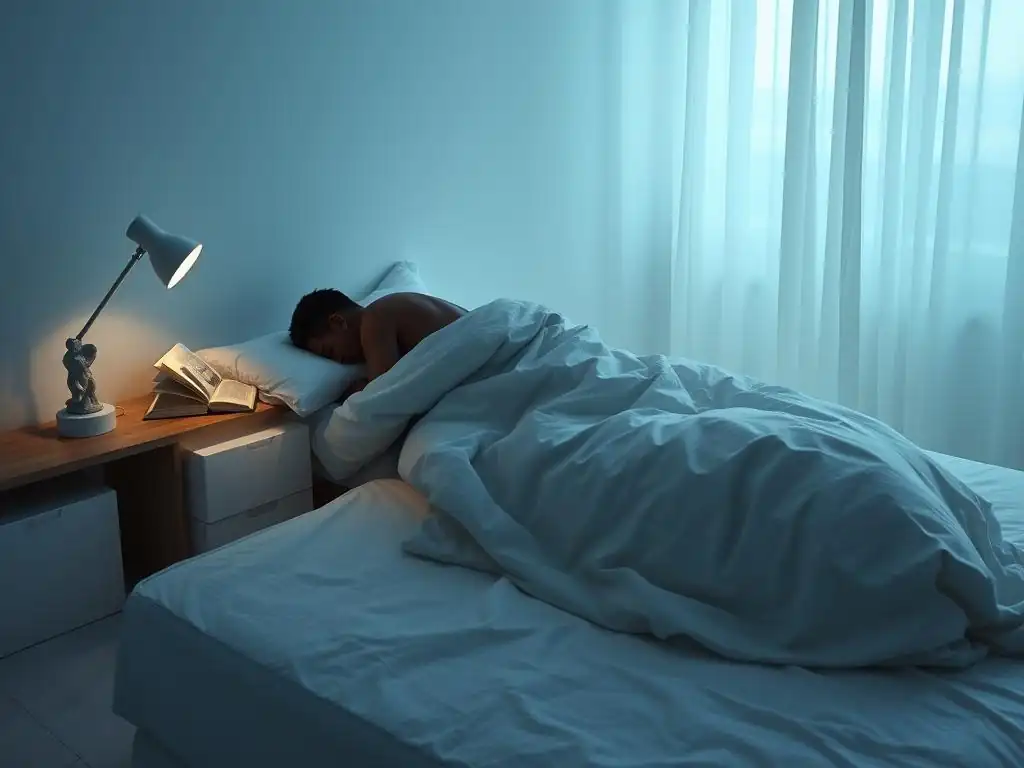
Difficulty Falling Asleep Due to Anxiety
One of the most common signs of anxious sleep problems is significant difficulty initiating sleep. You might lie in bed for 30 minutes, an hour, or even longer, feeling wide awake despite being tired. This isn't just occasional restlessness; it's a persistent pattern where the mind is active, racing with thoughts and worries, making it impossible to relax enough to drift off.
This struggle often involves a feeling of being "wired but tired." Your body feels fatigued, but your mind is alert and buzzing. You might try various methods to relax, but the internal monologue of anxiety overrides them. This difficulty falling asleep due to an anxious mind is a hallmark symptom and a clear indicator that anxiety is interfering with your sleep onset.
Frequent Night Wakings Fueled by Worries
Another key sign is waking up during the night and finding it hard to return to sleep because your mind immediately starts worrying. These awakenings aren't necessarily brief; you might lie awake for extended periods, perhaps 20-30 minutes or much longer, with anxious thoughts consuming your attention. The quiet of the night offers no distraction, allowing worries about the previous day or impending future events to take center stage.
These awakenings can be particularly frustrating because you might have initially fallen asleep without too much trouble, only to be jolted awake by a surge of anxiety or a distressing thought. The inability to quickly fall back asleep due to the return of rumination is a strong indicator of anxious sleep problems. For example, you might wake up at 3 AM suddenly remembering a stressful email you need to send or replaying an awkward social interaction from hours earlier.
Racing Thoughts and Overthinking Preventing Sleep
A defining characteristic of anxious sleep problems is the presence of racing thoughts and pervasive overthinking when trying to sleep. Your mind feels unable to quiet down; it's constantly processing, analyzing, and predicting, often focusing on negative or catastrophic scenarios. This mental chatter is often rapid and uncontrollable, jumping from one topic to another without resolution.
This cognitive arousal keeps your brain in an active state, making the transition to sleep impossible. It's like trying to turn off a fast-moving train in your head. For instance, you might lie down, and your mind immediately starts generating a list of everything that could go wrong tomorrow, or replaying embarrassing moments from years past. This relentless mental activity is a direct manifestation of anxiety interfering with the natural process of winding down.
Physical Tension and Restlessness at Night
Beyond the mental signs, anxious sleep problems often manifest physically. You might experience muscle tension, particularly in the shoulders, neck, and jaw. This tension can make it uncomfortable to lie still and find a comfortable position, leading to restlessness in bed. You might toss and turn frequently, unable to relax your body despite feeling tired.
Other physical symptoms can include a rapid heartbeat, shallow breathing, sweating, or stomach discomfort. These are all physiological responses to the anxiety response system being activated. This physical discomfort and inability to relax the body are significant barriers to falling and staying asleep, contributing directly to the experience of anxious sleep problems.
Feeling Exhausted Despite Getting Sufficient Sleep
Paradoxically, some individuals with anxious sleep problems may spend adequate time in bed, perhaps even the recommended 7-9 hours, yet wake up feeling unrefreshed and exhausted. This can happen if the sleep obtained is fragmented by frequent, albeit perhaps brief, awakenings, or if the sleep architecture is disrupted by the underlying anxiety, preventing deep, restorative sleep stages.
Even if you don't consciously remember waking up multiple times, the presence of anxiety throughout the night can keep your nervous system slightly activated, preventing the deep relaxation needed for truly restorative sleep. This feeling of non-restorative sleep, where you feel tired despite spending enough time in bed, is a subtle but important sign that anxiety might be impacting the quality of your sleep, even if the quantity seems adequate.
Anxious Sleep Problems Solutions: Practical Strategies for Restful Nights
Finding effective anxious sleep problems solutions requires a multi-faceted approach that addresses both the anxiety and the sleep disturbance. Fortunately, many strategies target both aspects of this cycle.
Cognitive Behavioral Therapy for Insomnia (CBT-I) and Anxiety
Cognitive Behavioral Therapy for Insomnia (CBT-I) is widely considered the gold standard non-pharmacological treatment for chronic insomnia and is highly effective for anxious sleep problems. It's a structured program that helps identify and replace thoughts and behaviors that cause or worsen sleep problems with habits that promote sound sleep. A key component of CBT-I for anxious individuals is addressing the underlying anxiety that fuels nighttime wakefulness.
Studies, including meta-analyses, consistently show CBT-I's effectiveness, with many patients reporting significant improvements in sleep onset, duration, and quality. For instance, research published in JAMA Internal Medicine found that CBT-I was superior to sleep medications in the long-term treatment of chronic insomnia. Integrating anxiety management techniques into CBT-I makes it a powerful tool for those struggling with anxious sleep problems.
Identifying and Challenging Negative Thought Patterns
A core part of CBT-I, particularly when applied to anxious sleep problems, involves identifying and challenging the negative or anxious thoughts that prevent sleep. This includes thoughts like "I'll never get to sleep," "This lack of sleep will ruin my day," or "My worrying is out of control." Therapists help individuals recognize these unhelpful thought patterns and replace them with more realistic and less anxiety-provoking ones.
Techniques might include thought challenging, where you question the evidence for and against a negative thought, or cognitive restructuring, where you reframe the thought more constructively. For example, instead of thinking "I'll never sleep," you might learn to think "I'm finding it hard to sleep right now, but I can use relaxation techniques, and even some rest is better than none." This process helps reduce the cognitive arousal that fuels anxious sleep problems.
Developing Relaxation Techniques for Sleep
CBT-I incorporates various relaxation techniques designed to calm the mind and body before sleep. These techniques help counteract the physical symptoms of anxiety, such as muscle tension and a racing heart. Common methods include progressive muscle relaxation, where you systematically tense and release different muscle groups, and diaphragmatic (deep) breathing exercises.
Learning and practicing these techniques regularly can lower overall anxiety levels and make it easier to transition from a state of alertness to a state conducive to sleep. For instance, dedicating 10-15 minutes each evening to progressive muscle relaxation can significantly reduce physical tension and mental worry, paving the way for more restful sleep and offering practical anxious sleep problems solutions.
Sleep Restriction Therapy: Re-establishing Sleep Efficiency
Sleep Restriction Therapy (SRT) is a component of CBT-I that, while initially counterintuitive, is highly effective for improving sleep efficiency in individuals with insomnia, including those with anxious sleep problems. It involves intentionally limiting the time spent in bed to match the actual amount of time you are sleeping, even if that means starting with only 5-6 hours. The goal is to build up sleep drive and consolidate sleep.
As sleep efficiency improves (meaning you spend more time actually sleeping while in bed), the time allowed in bed is gradually increased. This method helps break the association between the bed and wakefulness/anxiety, making the bed a place primarily associated with sleep. While it can be challenging at first, SRT is a powerful technique for re-establishing a healthy sleep pattern and is a key component of effective anxious sleep problems solutions delivered through CBT-I.
Mindfulness and Meditation for Anxiety Relief Before Bed
Mindfulness and meditation practices are excellent anxious sleep problems solutions as they help train the mind to observe thoughts and feelings without judgment, reducing the tendency for rumination and worry that often occurs before sleep. By focusing on the present moment – sensations in the body, the breath, or ambient sounds – you can gently detach from anxious thought loops.
Regular practice of mindfulness meditation, even for just 10-20 minutes daily, can lower overall anxiety levels and improve your ability to manage stressful thoughts when they arise. Doing a short meditation session specifically before bed can create a mental buffer zone, transitioning you from the day's worries to a calmer state receptive to sleep.
Practicing Deep Breathing Exercises
Simple deep breathing exercises can be incredibly effective anxious sleep problems solutions. Techniques like 4-7-8 breathing (inhale for 4 counts, hold for 7, exhale for 8) or box breathing (inhale for 4, hold for 4, exhale for 4, hold for 4) activate the parasympathetic nervous system, which is responsible for the body's "rest and digest" state.
Practicing deep breathing for a few minutes before bed can slow your heart rate, reduce muscle tension, and quiet your mind, counteracting the physical symptoms of anxiety that keep you awake. This is a quick, accessible tool you can use anytime you feel anxiety rising as you try to fall asleep or if you wake up during the night with worries.
Guided Imagery and Visualization for Relaxation
Guided imagery and visualization involve creating calming mental images or scenes to promote relaxation and distract from anxious thoughts. This can be a powerful anxious sleep problems solution for minds that tend to overthink. You might imagine walking through a peaceful forest, lying on a tranquil beach, or any scene that feels safe and relaxing to you.
Many guided meditation apps and recordings offer specific exercises for sleep or anxiety relief that use visualization. By focusing your mind on these positive, soothing images, you divert attention away from worries and create a mental environment more conducive to sleep.
Optimizing Your Sleep Environment for Anxiety Reduction
Your physical surroundings play a significant role in your ability to fall and stay asleep, especially when dealing with anxious sleep problems. Creating a bedroom environment that promotes relaxation and minimizes potential disruptors is a practical and effective step.
Creating a Calm and Relaxing Bedroom Atmosphere
Your bedroom should be a sanctuary dedicated primarily to sleep and intimacy, not work, arguments, or anxious rumination. Ensure the room is dark, quiet, and cool – typically between 60-67°F (15-19°C) is recommended for optimal sleep. Minimize clutter, as a messy environment can contribute to feelings of unease. Using calming colors in decor, comfortable bedding, and dim lighting in the evening can all contribute to a more relaxed atmosphere, aiding in anxious sleep problems solutions.
Remove electronic devices like TVs, computers, and phones from the bedroom, or at least turn them off well before bedtime, as the blue light they emit can interfere with melatonin production. The goal is to make your bedroom a place your mind and body associate with peace and rest.
Using White Noise or Nature Sounds to Mask Anxious Thoughts
For some individuals with anxious sleep problems, the quiet of the night allows their internal dialogue of worry to become overwhelming. Using a sound machine or app that generates white noise, pink noise, or calming nature sounds (like rain or ocean waves) can help mask these intrusive thoughts.
The consistent, soothing sound provides a gentle distraction and creates a predictable auditory environment that can help the mind settle down. This can be particularly helpful if external noises also contribute to wakefulness and anxiety.
Maintaining a Consistent Sleep Schedule
Going to bed and waking up at roughly the same time every day, even on weekends, is one of the most fundamental and effective anxious sleep problems solutions. A consistent schedule helps regulate your body's natural circadian rhythm, making it easier to fall asleep when it's time and wake up feeling refreshed.
When your sleep schedule is erratic, your internal clock gets confused, which can exacerbate both sleep problems and anxiety. Sticking to a routine signals to your body when it's time to be awake and when it's time to wind down, providing stability that is particularly beneficial for an anxious mind. Aim for 7-9 hours of sleep per night, prioritizing consistency over occasional sleep "catch-up."
Lifestyle Changes to Manage Anxiety and Improve Sleep Quality

Broader lifestyle choices have a significant impact on both anxiety levels and sleep quality. Implementing healthy habits throughout the day can contribute significantly to finding anxious sleep problems solutions at night.
Regular Exercise and Physical Activity (Avoid Before Bed)
Engaging in regular physical activity is a well-documented way to reduce anxiety and improve sleep. Exercise helps burn off excess energy, reduces muscle tension, and releases endorphins, which have mood-boosting and stress-reducing effects. Aim for at least 30 minutes of moderate-intensity exercise most days of the week.
However, it's important to time your workouts appropriately. Vigorous exercise too close to bedtime can be stimulating and make it harder to fall asleep. Try to finish any intense physical activity at least 2-3 hours before you plan to go to bed. Morning or afternoon exercise is generally best for promoting sleep later that night.
Limiting Caffeine and Alcohol Consumption
Both caffeine and alcohol can significantly interfere with sleep, especially for those prone to anxious sleep problems. Caffeine is a stimulant that can stay in your system for several hours, making it difficult to fall asleep and potentially increasing anxiety. Avoid caffeine in the late afternoon and evening.
While alcohol might initially make you feel sleepy, it disrupts sleep architecture later in the night, leading to fragmented sleep and reducing the amount of restorative REM sleep. It can also increase anxiety as its effects wear off. Limiting or avoiding alcohol, particularly in the hours before bed, is crucial for improving sleep quality and reducing nighttime anxiety.
Establishing a Relaxing Bedtime Routine
Creating a consistent, relaxing bedtime routine signals to your body and mind that it's time to wind down. This routine should ideally start 30-60 minutes before your target bedtime and involve calming activities.
Examples include reading a physical book (not on a screen), taking a warm bath or shower, listening to quiet music, doing some gentle stretching or yoga, or practicing the deep breathing or mindfulness techniques discussed earlier. This predictable sequence of calming activities helps lower anxiety levels and prepares you for sleep, serving as a practical anxious sleep problems solution.
Natural Remedies and Supplements for Anxious Sleep Problems (Consult a Doctor Before Use)
Some natural remedies and supplements are explored by individuals seeking anxious sleep problems solutions. While some show promise, it is absolutely essential to consult with a healthcare professional before trying any supplement, as they can interact with medications, have side effects, or be unsuitable for certain health conditions.
The Role of Magnesium in Sleep and Anxiety
Magnesium is a mineral that plays a role in numerous bodily functions, including nerve and muscle function. Some research suggests that magnesium deficiency may be linked to anxiety and insomnia. Supplementation may help regulate neurotransmitters involved in sleep and stress response.
A review published in the Journal of the American Osteopathic Association noted that magnesium supplementation might offer benefits for mild-to-moderate anxiety. While more robust studies are needed specifically on magnesium for anxious sleep problems, ensuring adequate intake through diet or discussing supplementation with a doctor is an option.
Exploring the Benefits of Lavender and Chamomile
Herbal remedies like lavender and chamomile have long been used for their calming properties. Chamomile is often consumed as a tea and is known for its mild sedative effects. Lavender can be used in aromatherapy (e.g., essential oil in a diffuser or bath) or consumed as a tea.
Studies suggest that chamomile may have modest anti-anxiety effects, and the scent of lavender has been shown to promote relaxation. While not a cure-all, incorporating chamomile tea or lavender aromatherapy into a bedtime routine might offer a gentle aid for anxious sleep problems for some individuals.
Understanding the Effects of Melatonin
Melatonin is a hormone produced by the body that signals the onset of night and helps regulate the sleep-wake cycle. Melatonin supplements are often used for short-term sleep issues, such as jet lag or shift work, or for individuals whose natural melatonin production is disrupted.
For anxious sleep problems, melatonin might help with sleep onset, but it doesn't typically address the underlying anxiety or prevent nighttime awakenings fueled by worry. Dosing is crucial, as too much can cause grogginess. It is vital to discuss appropriate use and dosage with a healthcare provider, especially since its long-term effects are still being studied.
When to Seek Professional Help for Anxious Sleep Problems
While many of the strategies mentioned can be implemented independently, there are times when anxious sleep problems require professional intervention. Recognizing when to seek help is a crucial step towards lasting relief.
Recognizing the Signs of Severe Anxiety and Sleep Disorders
If your anxious sleep problems are persistent (occurring most nights for three months or longer), significantly impacting your daytime functioning (causing severe fatigue, difficulty concentrating, or distress), and self-help strategies haven't provided sufficient relief, it's time to consult a professional. Signs of severe anxiety might include frequent panic attacks, pervasive and uncontrollable worry about multiple aspects of life, avoidance of situations due to anxiety, or physical symptoms like chronic tension or gastrointestinal issues.
Furthermore, sleep disorders like sleep apnea, restless legs syndrome, or other medical conditions can mimic or coexist with anxious sleep problems. A doctor can help rule out or diagnose other potential causes for your sleep difficulties, ensuring you receive the correct treatment plan. Don't hesitate to seek help if your sleep struggles feel overwhelming or unmanageable.
Therapy, particularly Cognitive Behavioral Therapy (CBT) for anxiety or CBT-I specifically tailored for insomnia with an anxiety component, is highly effective. A therapist can help you understand the root causes of your anxiety, develop coping mechanisms, challenge negative thought patterns, and teach you specific strategies for managing worry that interferes with sleep.
Working with a mental health professional provides personalized support and guidance that self-help methods might not offer. They can help you navigate complex emotional issues and develop a comprehensive plan to address both your anxiety and your sleep problems, leading to more sustainable anxious sleep problems solutions.
Medication Options for Managing Anxiety and Improving Sleep (Discuss with Your Doctor)
In some cases, a doctor might recommend medication to help manage severe anxiety or alleviate acute sleep problems. This could include short-term use of sleep aids or longer-term medication for an underlying anxiety disorder.
It is absolutely critical to discuss medication options thoroughly with your doctor. Sleep medications can have side effects, risks of dependency, and may not address the root cause of anxiety. Medications for anxiety disorders require careful management and monitoring. Your doctor can help you weigh the potential benefits and risks and determine if medication is an appropriate part of your overall treatment plan for anxious sleep problems.
Breaking Free from the Anxious Mind at Night: A Path to Restful Sleep and Improved Mental Well-being
Living with anxious sleep problems can feel isolating and exhausting, impacting every aspect of your life. The constant battle against a racing mind when you crave rest is a significant burden. However, it's important to remember that you are not alone in this struggle, and effective anxious sleep problems solutions are available.
By understanding the complex interplay between anxiety and sleep, recognizing the signs of nighttime struggles, and actively implementing evidence-based strategies like CBT-I, mindfulness, optimizing your sleep environment, and making positive lifestyle changes, you can begin to break free from this cycle. Patience, consistency, and self-compassion are key throughout this process.
If self-help efforts are insufficient, seeking professional guidance from therapists or doctors offers tailored support and treatment. Reclaiming your nights from the grip of anxiety is a vital step towards improved sleep quality and overall mental well-being, allowing you to face each day feeling more rested, resilient, and in control.
Frequently Asked Questions
What is the primary reason why anxiety makes it difficult to fall asleep?
Anxiety triggers the body's fight-or-flight response, leading to increased heart rate and alertness. This heightened state of arousal makes it difficult to relax and transition into sleep.
How can I differentiate between normal worry and anxiety-induced sleep problems?
Normal worry is usually situation-specific and temporary. Anxious sleep problems involve persistent, excessive worry that significantly interferes with the ability to fall or stay asleep, often for extended periods.
What are some immediate actions I can take to calm my anxious mind before bed?
Practicing relaxation techniques like deep breathing or meditation can help calm the nervous system. Creating a consistent bedtime routine and avoiding screens before bed are also beneficial immediate steps.
Are there any specific types of therapy recommended for anxious sleep problems?
Cognitive Behavioral Therapy for Insomnia (CBT-I) is highly recommended. It helps identify and change negative thought patterns and behaviors that contribute to sleep difficulties associated with anxiety.
When should I consider seeking professional help for my anxious sleep problems?
If sleep difficulties persist for several weeks, significantly impacting daily functioning and quality of life, it's crucial to seek professional help. A mental health professional can assess the underlying issues and recommend appropriate treatment options.
Final Reflection: Finding Peace in the Night
The struggle with anxious sleep is not a personal failing; it's a widespread experience demanding understanding and proactive solutions. Millions grapple with the frustrating cycle of racing thoughts, physical tension, and the elusive pursuit of restful sleep. This article has explored the intricate relationship between anxiety and sleep, highlighting the physiological and psychological factors at play. Understanding these factors is the crucial first step towards reclaiming peaceful nights.
The impact of anxiety on sleep extends far beyond the bedroom; it permeates daily life, affecting mood, productivity, and overall well-being. The constant pressure to "sleep well" only exacerbates the problem, creating a self-fulfilling prophecy of sleepless nights. This pervasive issue demands a shift in societal perception, moving away from stigmatization and towards compassionate understanding. As the poet Mary Oliver wisely wrote: Tell me, what is it you plan to do with your one wild and precious life?
We must prioritize sleep as a vital component of that precious life, not a luxury to be sacrificed at the altar of productivity.
You now possess the knowledge to begin your journey towards healthier sleep. Don't let anxiety dictate your nights. Take the time to implement the strategies discussed – from mindfulness techniques to establishing a relaxing bedtime routine. Remember, progress, not perfection, is the key. Start small, be patient with yourself, and celebrate every step forward. Your peaceful nights, and a more vibrant, fulfilling day, await.
Unlock Your Nighttime Calm: Start Sleeping Soundly Tonight
Thank you for taking the time to explore the often-overlooked connection between anxiety and sleep. We hope this article provided valuable insights into why you might be struggling to rest peacefully. Now, let's turn those insights into action!
- Prioritize your bedtime routine: Begin implementing one new relaxing activity each night this week. This could be a warm bath, reading a physical book (no screens! ), or gentle stretching. Find what works best for you.
- Join our supportive community: Share your experiences and challenges in the comments below. Connecting with others facing similar struggles can be incredibly powerful.
- Explore guided sleep meditations: Many free resources are available online—try a short session tonight and see how it impacts your sleep quality.
What small change will you make tonight to prioritize your sleep and mental wellbeing?